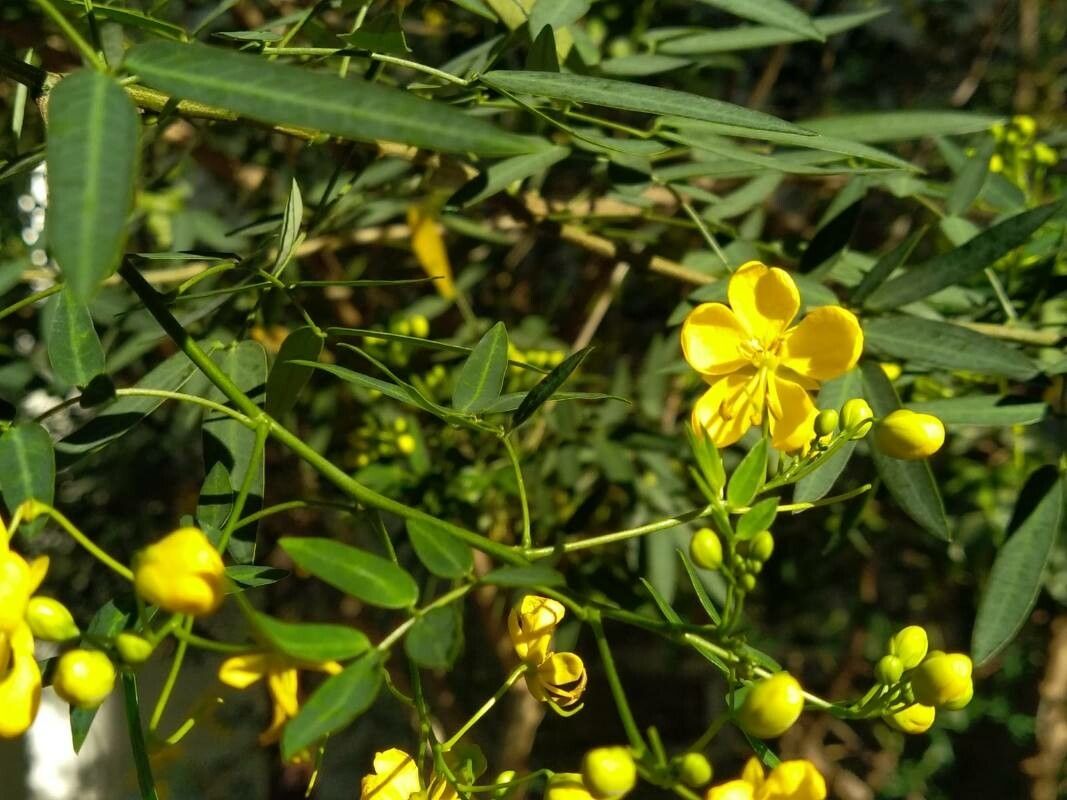
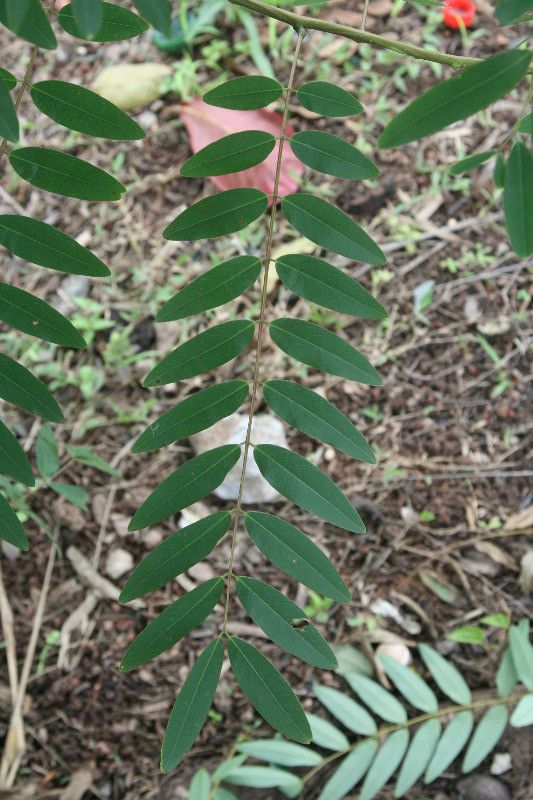
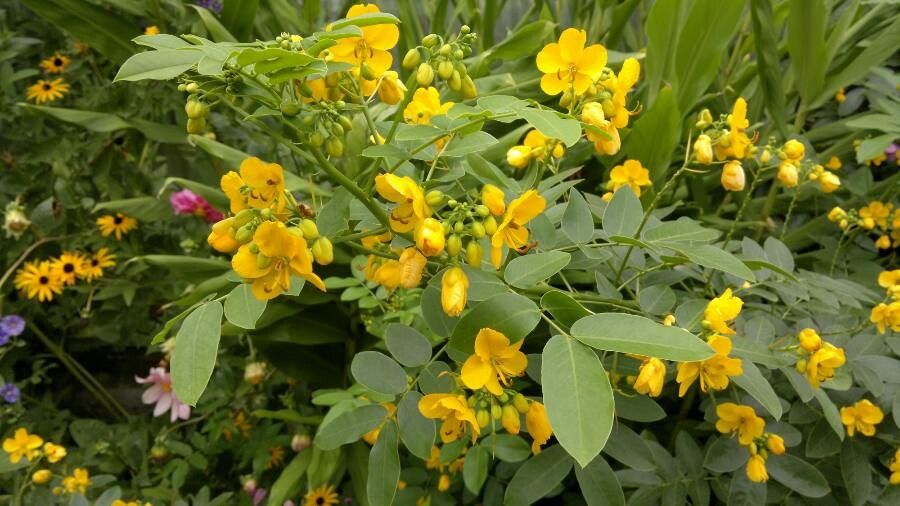
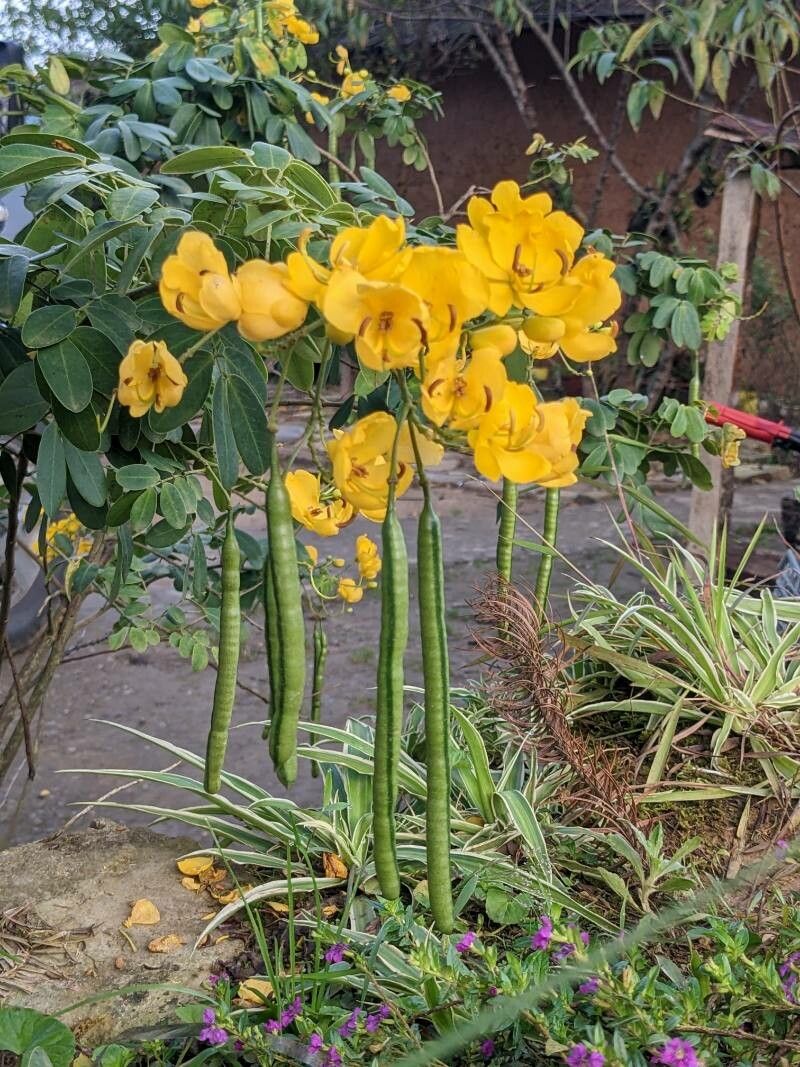
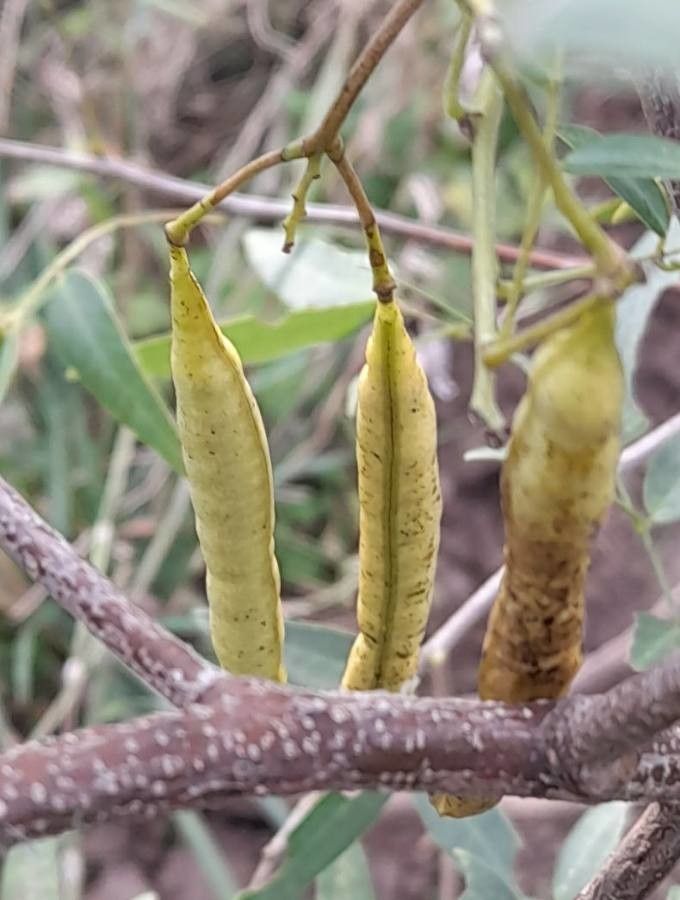
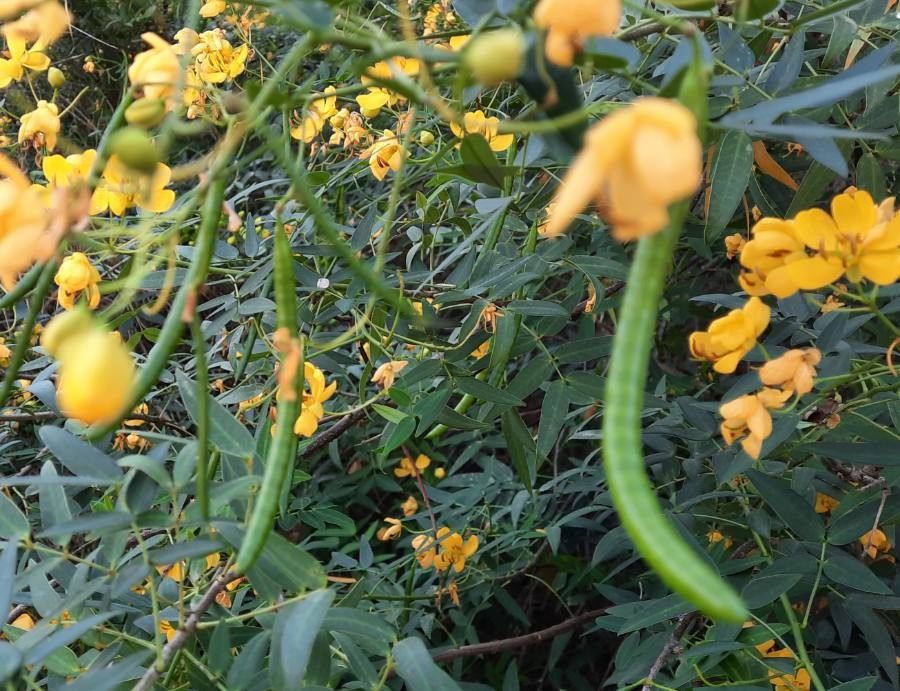
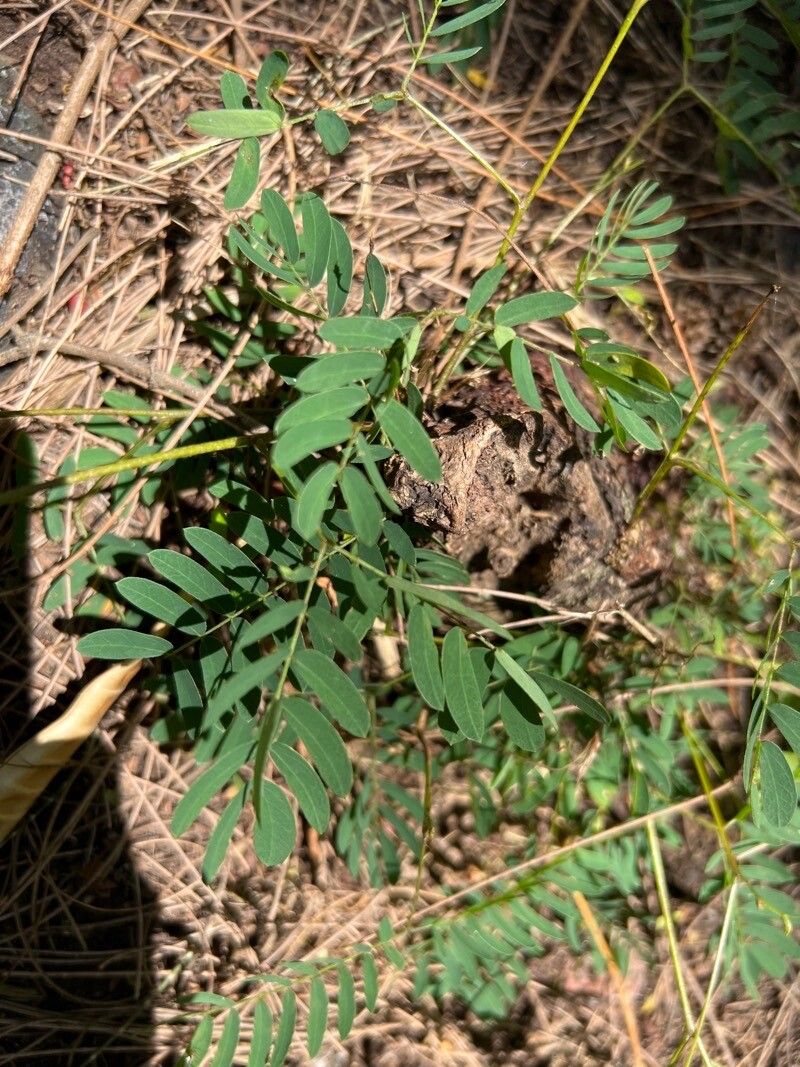
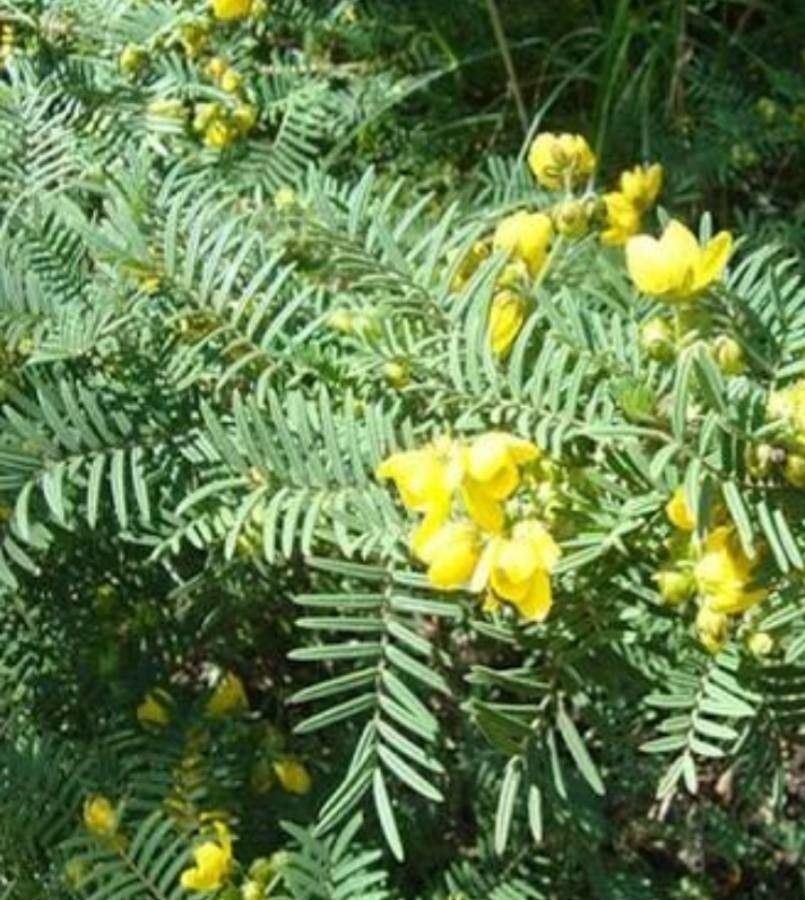
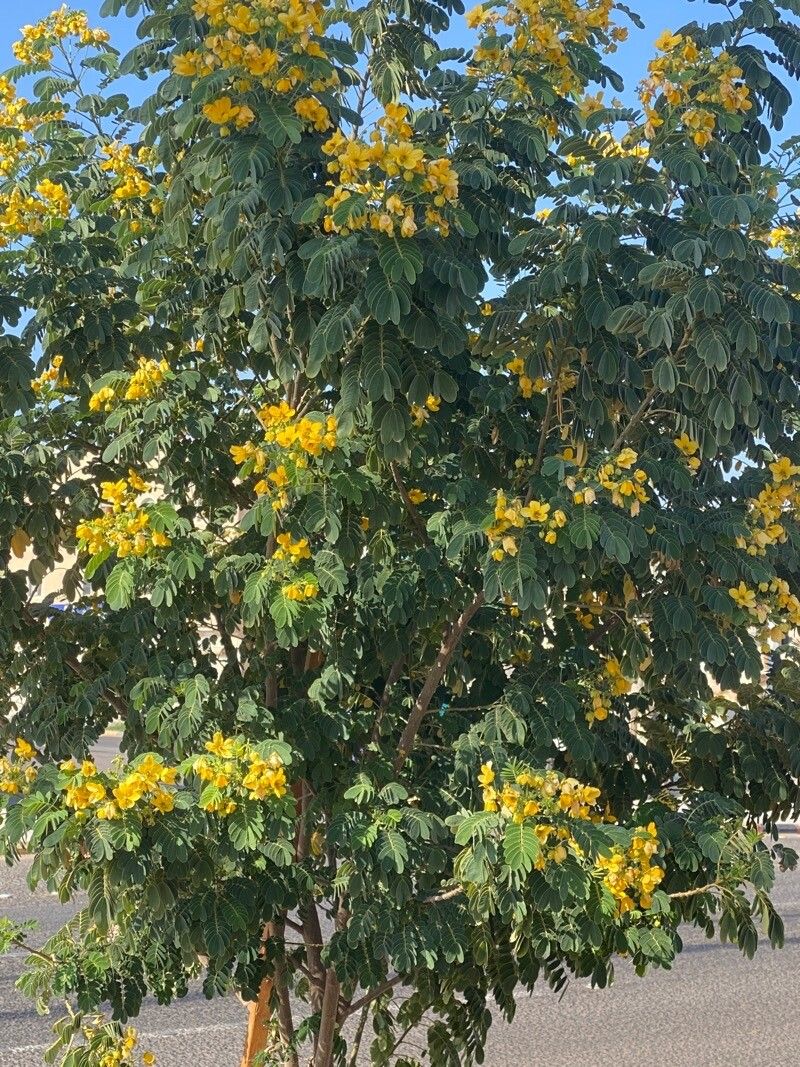
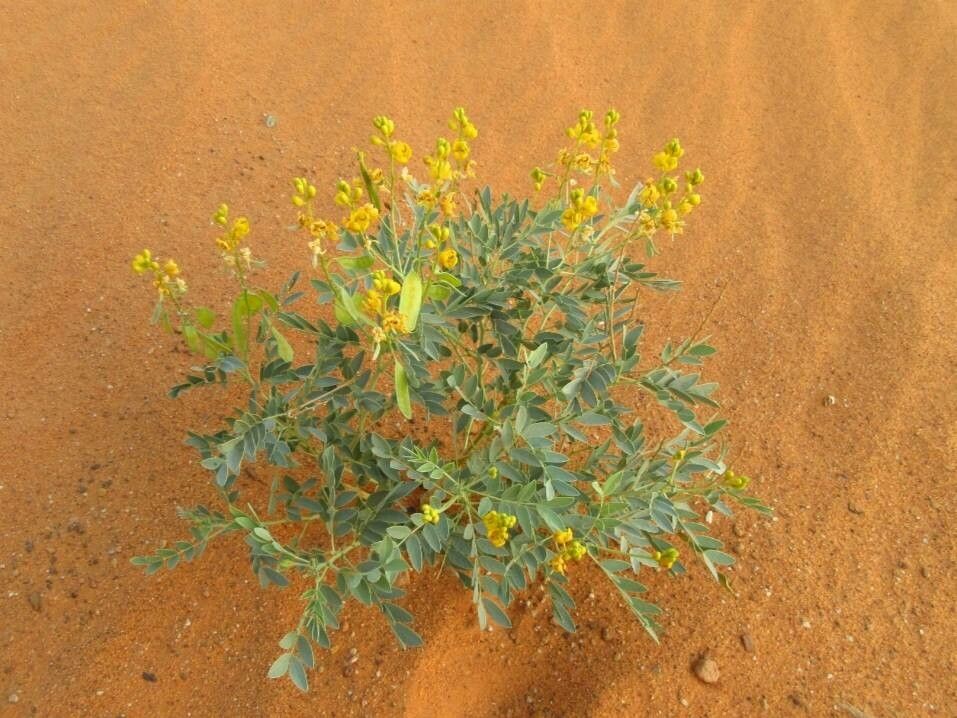
Senna corymbosa: An Overview Senna corymbosa, commonly known as coffee senna or wild senna, is a flowering plant in the Fabaceae family. Native to South America, it has also been introduced and naturalized in various regions worldwide, including Africa and Asia. Description and Growth This plant can reach heights of up to 3 meters and features pinnate leaves with 4 to 6 pairs of leaflets. The yellow flowers bloom in clusters at the ends of branches. The fruit is a long pod containing several seeds. Medicinal Uses Senna corymbosa has a long history of medicinal use among indigenous peoples in South America. The plant contains anthraquinones, compounds with laxative properties, which make it effective for treating constipation. Beyond its use as a laxative, the plant is traditionally employed to treat skin conditions like eczema and psoriasis, to reduce inflammation, and to alleviate pain caused by arthritis or rheumatism. Cautions and Side Effects Despite its medicinal benefits, Senna corymbosa can have adverse effects if consumed excessively or without proper medical guidance. Pregnant women, in particular, should avoid using this plant due to its potential impact on uterine contractions. Conclusion Senna corymbosa is a fascinating species with valuable traditional medicinal uses. However, it is essential to use this plant cautiously and under the guidance of healthcare professionals to avoid potential side effects from excessive consumption.
Argentine senna, scientifically known as Senna corymbosa, gets its genus name "senna" from the Arabic word "sanā." This term describes a group of plants known for their laxative properties, found in their leaves or pods. The name "Argentine" highlights the plant's origin from Argentina.
Argentine senna is fairly disease-resistant and typically does not suffer from illnesses. Regarding maintenance, this plant is fairly low-maintenance. When grown outside it needs little watering, and mature specimens usually don't require pruning, while smaller ones should be trimmed after flowering. Argentine sennat is appropriate for anyone who has an outdoor area, like a garden or a deck, and it doesn't demand extensive gardening experience.
How to keep Senna Corymbosa.
Light
The Argentine senna does best when it receives abundant sunlight. Its growth, vigor, and ability to flower are greatly improved under those conditions. Native to areas that are thoroughly sunlit, it shows strong tolerance for intense light. Although reduced exposure won't necessarily injure the plant, its growth and flowering may be reduced.
Water
Argentine senna thrives in subtropical climates and demonstrates moderate drought tolerance. It prefers deep, infrequent watering every 1-2 weeks. This plant flourishes in full sun, especially in warmer regions, where it can benefit from natural rainfall. During extended dry periods, it requires additional irrigation to ensure healthy growth.
Humidity
This plant will thrive in moderate humidity, which is probably the level in your home. However, misting it a few times a week can be very beneficial. Make sure the room has good ventilation.
Temperature
Argentine senna is native to regions where temperatures range from 41 to 95 °F (5 to 35 ℃). This temperate plant prefers warm conditions but can adjust to cooler environments. Seasonal measures may be required to protect it from extreme weather fluctuations.
Fertilizer
Timing is important when fertilizing Argentine senna. Apply fertilizer in early spring and then every month through early summer. Fertilizer encourages attractive blooms and supplies energy during both dormant and active growth periods.
Pruning
Argentine senna is appreciated for its vibrant yellow flowers and fern-like leaves. To maintain the plant, it is best to prune it from early to late winter. During this time, remove any dead branches, shape the plant, and thin it out to improve air circulation. Regular pruning encourages the plant to grow bushier and produce more flowers. Remember to use sterilized tools to prevent the spread of disease.
Pot & Repot
To support the growth of Argentine senna, repot the plant every 2-3 years in the spring. Choose a container that is one size larger than the current one. Be sure to use well-draining soil and maintain consistent moisture after repotting. Providing adequate space and repotting on time will encourage healthy growth and vibrant blooms.
Botanical profile.
- Plant Type
- Tree, Shrub
- Life Cycle
- Perennial
- Genus
- Senna
- Family
- Fabaceae
- Hardiness Zone
- 4-10
- Mature Height
- 91 cm
- Mature Spread
- 1.22 m to 1.83 m
- Leaf Color
- Green
- Leaf Type
- Evergreen
- Flower Color
- Yellow
- Flower Size
- 2.54 cm
- Bloom Time
- Mid summer, Late summer, Early fall, Mid fall
- Planting Time
- Spring
- Harvest Time
- Fall, Early winter
- Native Area
- Brazil
Other names.
Reader questions.
How should I water my Argentine senna plant?
Your Argentine senna is not particular about how you water it, so you can use any common watering tool. Whether it's a watering can, hose, or even a cup, they all work fine for watering this plant. Regardless of the tool you use, make sure to water the soil directly and evenly to provide all parts of the root system with enough water. It's better to use filtered water because tap water may contain harmful particles for plants. Additionally, using water at or slightly above room temperature is advisable as extremely cold or hot water can shock the plant. However, the Argentine senna generally responds well to any type of water you use.
Why should I add fertilizer to my Argentine senna plant?
To help your Argentine senna thrive and produce beautiful blooms, fertilizing is essential. Applying fertilizer in early spring is especially beneficial for ensuring excellent flower production. Additionally, fertilizing during fall planting or late spring will provide your Argentine senna with extra nutrients, allowing it to store more energy for future growth phases.
What are the sunlight requirements for an Argentine senna plant?
The Argentine senna plant thrives in conditions where it can be exposed to an abundance of sunlight, which significantly enhances its growth, health, and flowering potential. Originating from regions that are immersed in sunlight, the plant possesses a strong resistance to high light intensity. Although it can survive with limited sun exposure, its growth and blooming capabilities are likely to be diminished. The plant benefits greatly from being placed in areas receiving full sun, defined as above 6 hours of sunlight a day, or partial sun, about 3-6 hours of sunlight. It's important to observe how sunlight moves through your garden, selecting spots that ensure an optimal balance of light and shade to promote plant well-being.
What is Argentine senna and where is it native to?
Argentine senna, also known by its botanic name Senna corymbosa, is a temperate plant indigenous to regions that experience temperature variations from 41 to 95 °F (5 to 35 °C). This plant thrives in warm climates but can adapt to cooler conditions, making it versatile in a range of environmental settings.
What should I do if I give my Argentine senna plant too much or too little water?
Outdoor plants, especially newly planted ones or seedlings, can suffer from lack of watering. It is important to consistently water them for a few months while they are small or recently planted. Once the roots are established, Argentine senna plants can usually rely on rainwater. However, when Argentine senna is planted in pots, overwatering is more likely. If you accidentally overwater your Argentine senna, you should take immediate action to address the situation. Stop watering the plant to minimize the impact of overwatering, and then take the plant out of its pot to check its roots. If there are no signs of root rot, you can return the plant to its container. But if you do find signs of root rot, trim the affected roots and consider applying a fungicide to prevent further damage. Finally, repot the Argentine senna in well-draining soil. On the other hand, if your Argentine senna is underwatered, simply water it more frequently. Underwatering is usually an easy problem to fix. When underwatered, the leaves of the plant may droop, dry out, and fall off. But they will quickly regain their fullness after sufficient watering. Therefore, adjust your watering schedule promptly when you notice underwatering occurring.
When should I fertilize my Argentine senna?
To effectively fertilize Argentine senna, it is important to consider the timing. Applying fertilizer too early, when the plant is dormant, will be ineffective and may be washed away by rainwater, leading to wastage and pollution. As a guideline, the first application of fertilizer should be done in early spring, with subsequent monthly applications until early summer.
How can artificial lighting be used for indoor Argentine senna plants?
Indoor Argentine senna plants require adequate lighting to achieve optimal growth. In scenarios where natural sunlight is scarce, especially during winter or in areas within the home that do not receive sufficient daylight, artificial lighting becomes an essential substitute. It's beneficial to select the right type of artificial light, with LED lights being a popular choice due to their ability to be customized to deliver specific wavelengths needed by plants. For full sun plants, it's recommended to provide 30-50W/sq ft of artificial light, for partial sun plants, 20-30W/sq ft, and for full shade plants, 10-20W/sq ft. The light source should be placed 12-36 inches above the plant, simulating natural sunlight conditions, and ensuring the plants receive 8-12 hours of light daily to mimic natural day length.
How does Argentine senna handle cold weather?
Argentine senna has strong cold resistance and usually does not require special frost protection measures during winter. However, in conditions where winter temperatures are expected to plummet below -30°C, it's crucial to protect the plant. This can be done by wrapping the trunk and branches with non-woven fabric or cloth. To further ensure the plant's health through the winter, it is advisable to water it abundantly before the first freeze in autumn, keeping the soil moist to avoid drought and water scarcity in winter and early spring.
How often should I give water to my Argentine senna?
If your area gets enough rainfall, most outdoor plants can grow normally without additional watering. However, if there is a lack of rainfall, you should water your plants every 2 weeks in the spring and fall, and more often in the summer. In the winter, when growth is slower and plants require less water, you should water them less frequently or not at all. For Argentine senna plants, especially young or newly planted ones, more frequent watering is necessary to help them establish and become more adaptable to drought conditions. When it comes to potted plants, there are two main approaches to determining watering frequency for Argentine senna. The first is setting a predetermined watering schedule, such as once a week or once every other week. However, this may not always be suitable as it doesn't take into account the specific growing environment. Another option is to base watering frequency on soil moisture. It's generally recommended to wait until the top two to four inches of soil have completely dried out before watering again. This method allows you to adjust the watering frequency based on the season, as the plant's water needs are higher during the summer.
When is the best time to not fertilize my Argentine senna plant?
Here are some tips to follow when fertilizing Argentine senna: 1. Be cautious with nitrogen-rich fertilizer, as it can cause excessive leaf growth and few blooms. Look for a fertilizer with a lower nitrogen content compared to other nutrients. 2. Avoid fertilizing after early autumn to prevent excessive growth before winter. Fertilizing during hot and dry periods should also be avoided, as dry soil doesn't efficiently deliver fertilizer and can stimulate growth that requires more water than available. 3. It's best to apply fertilizer earlier in the season when temperatures are cooler. 4. Keep in mind that Argentine senna can absorb fertilizer from nearby plants or lawns, so be careful not to inadvertently give it a double dose of fertilizer.
What are common symptoms of insufficient sunlight in Argentine senna plants?
Argentine senna plants that don't receive enough sunlight may display several symptoms indicating light deficiency. These symptoms include the development of smaller new leaves compared to older ones, leggy or sparse growth due to stretched spaces between leaves or stems, faster leaf drop as a reaction to conserve resources, slower or halted new growth, and lighter-colored or pale new leaves due to a lack of chlorophyll and nutrients. Additionally, chlorosis (yellowing of leaves), sunscald (damage from intense sun exposure), leaf curling or twisting (a defensive mechanism against excessive sunlight), wilting from loss of water through transpiration, and leaf scorching (dry, crispy leaf edges from too much sun) are symptoms that can also arise from too much sunlight. It's crucial to monitor these signs to adjust light exposure accordingly.
What should I do if Argentine senna experiences low temperatures?
Argentine senna is cold-tolerant and performs best when temperatures remain above 5°C, but requires care when temperatures fall below -25°C. If temperatures dip below -30°C, the plant's branches may not exhibit immediate damage but could become brittle and dry by spring, failing to produce new shoots. In such cases, pruning dead branches that have not produced new leaves in the spring is recommended to maintain the plant's health.