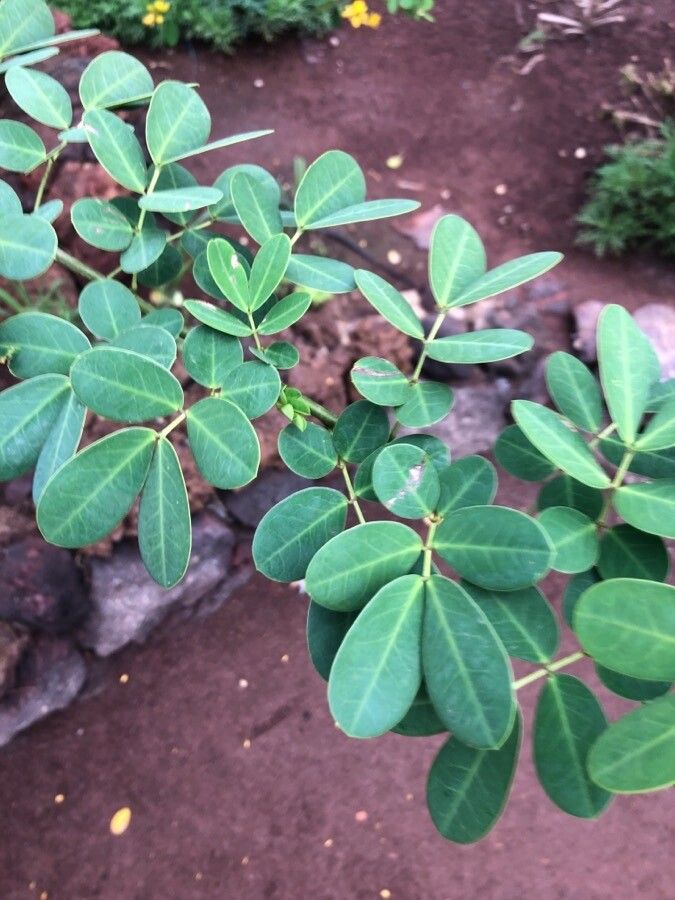
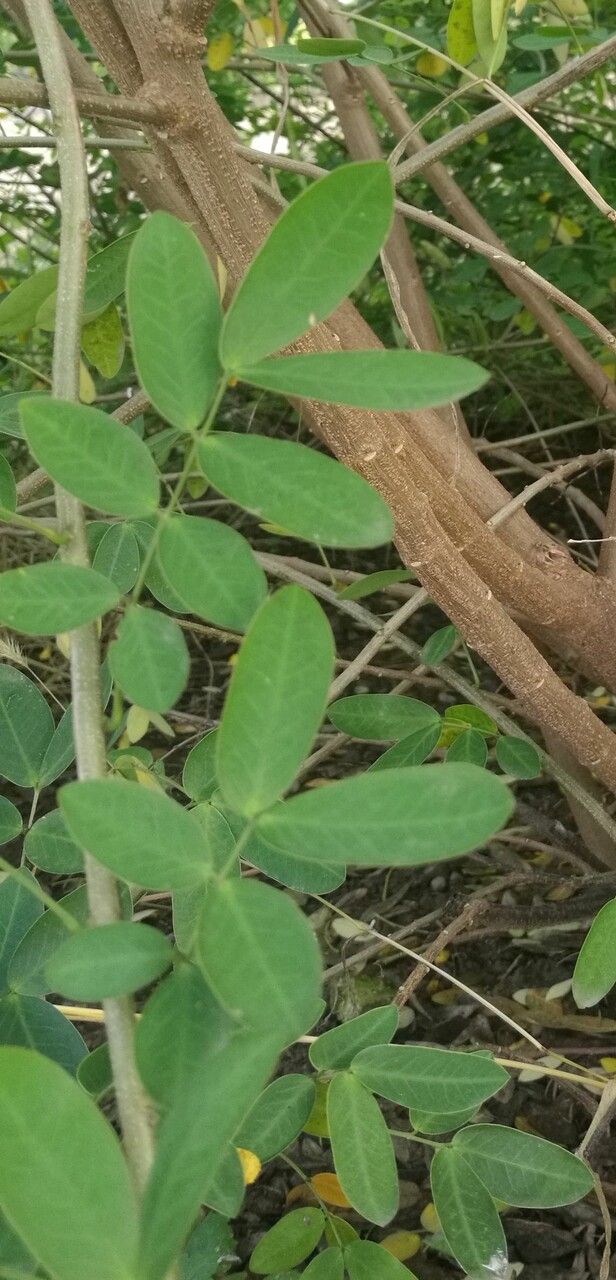
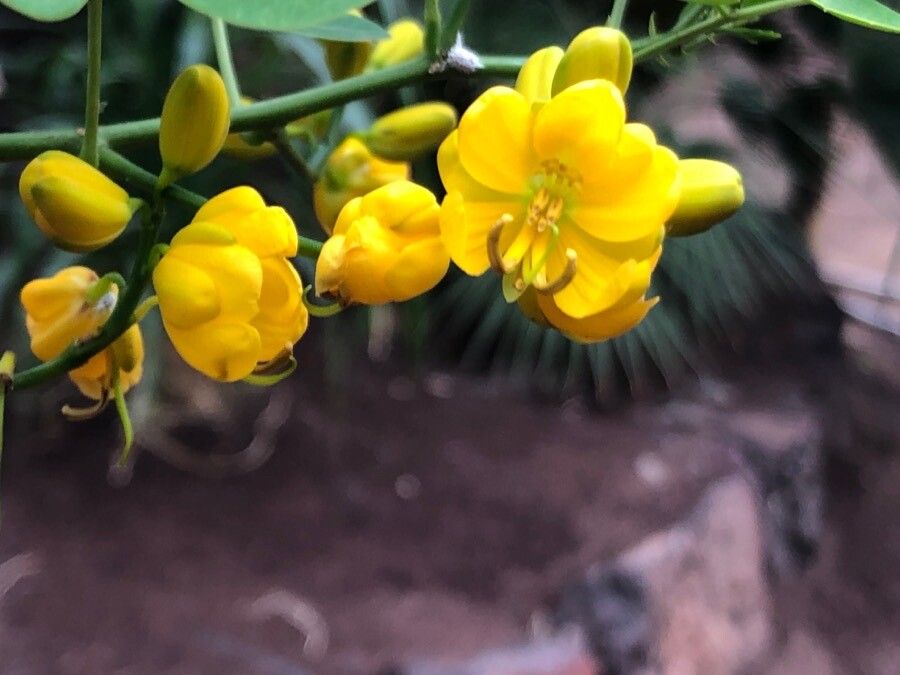
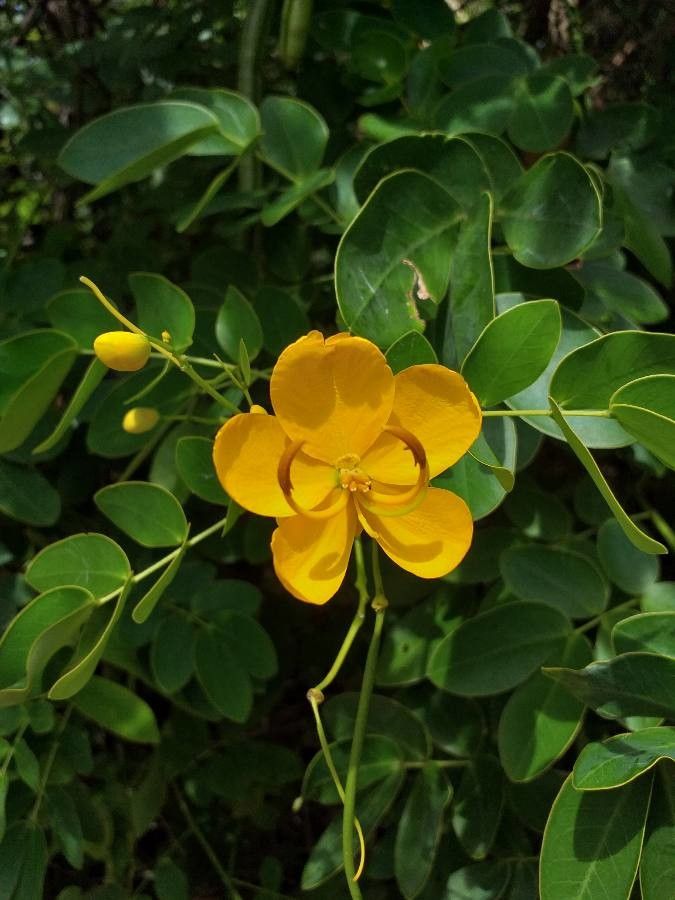
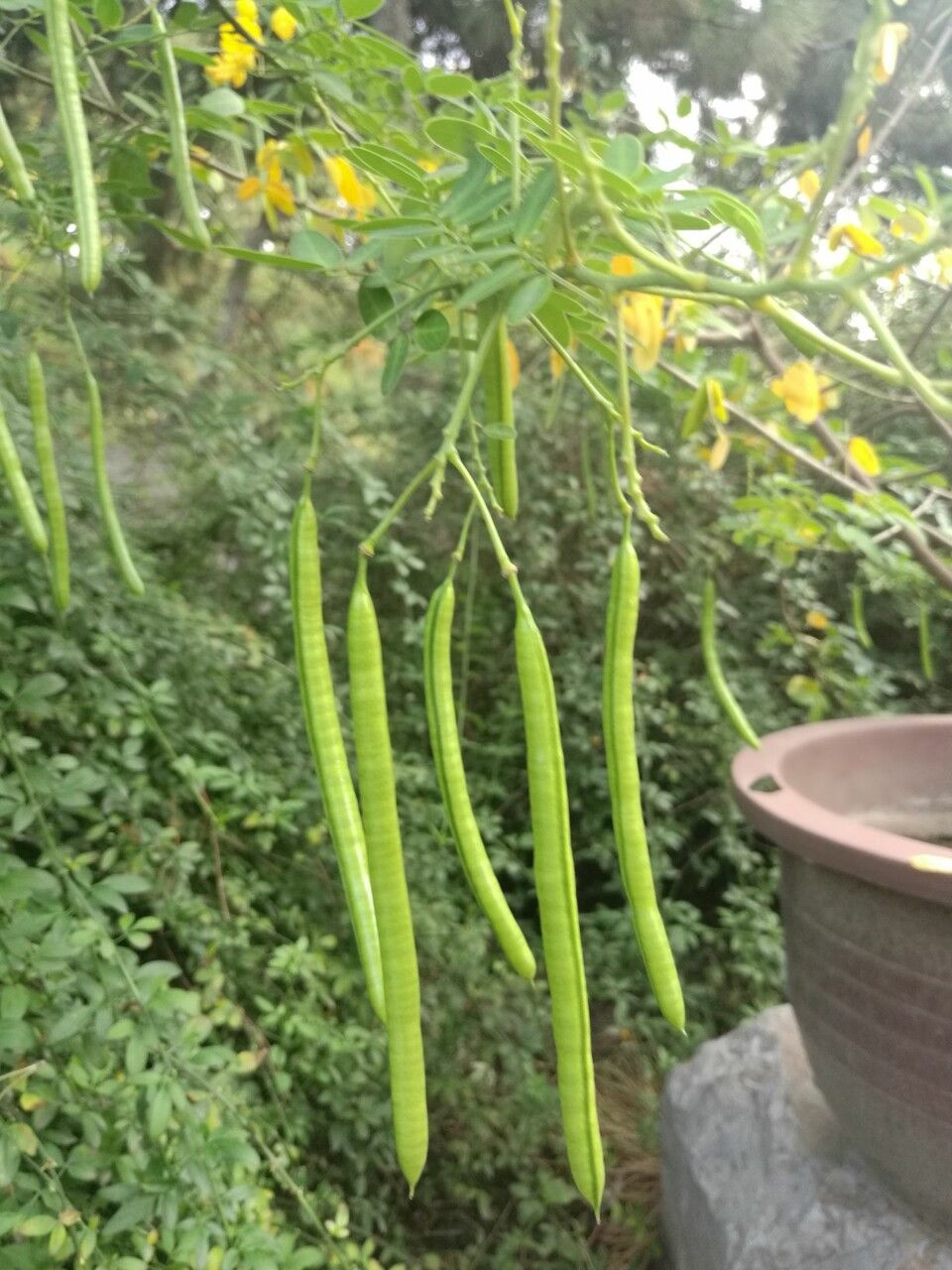
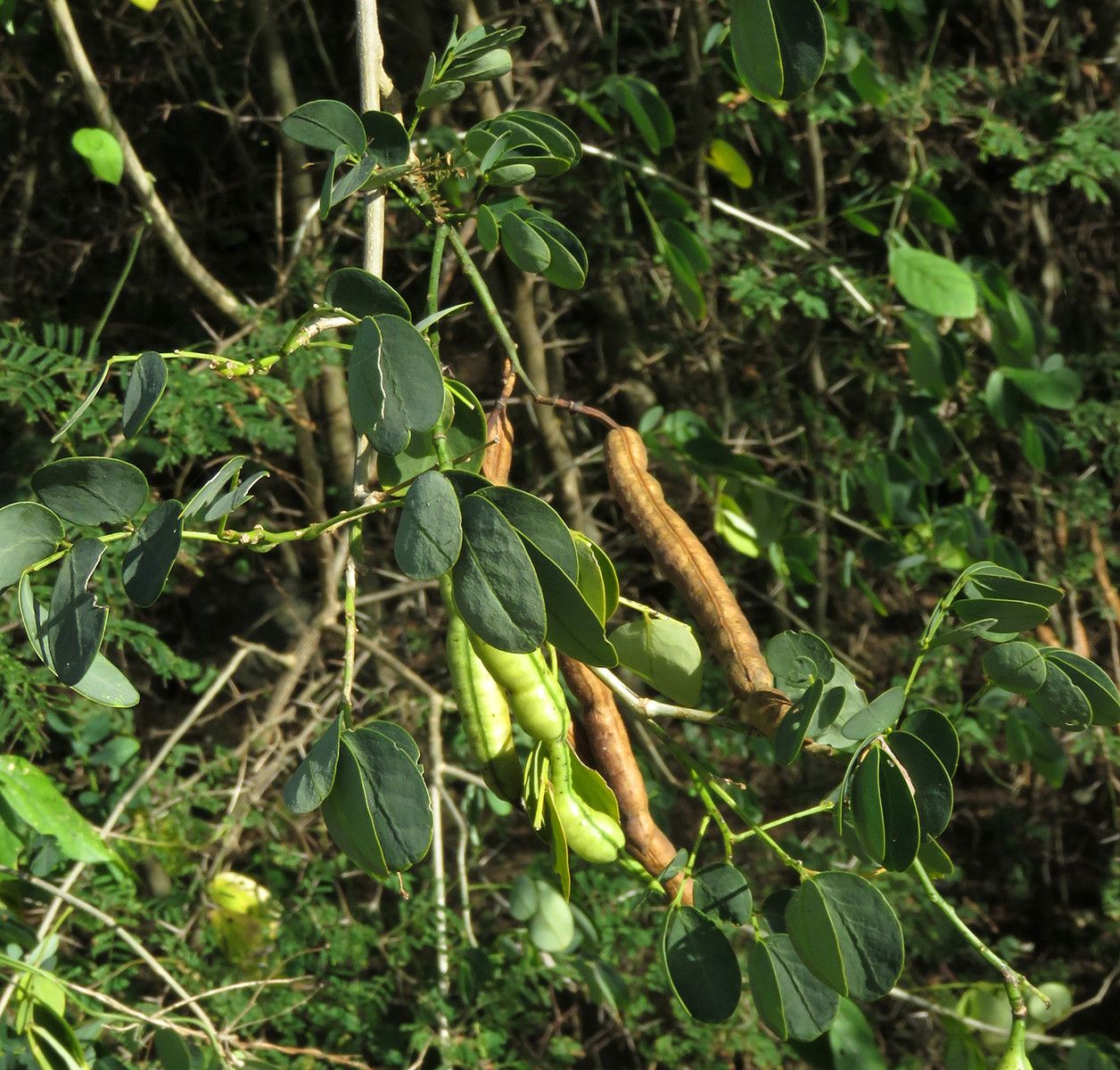
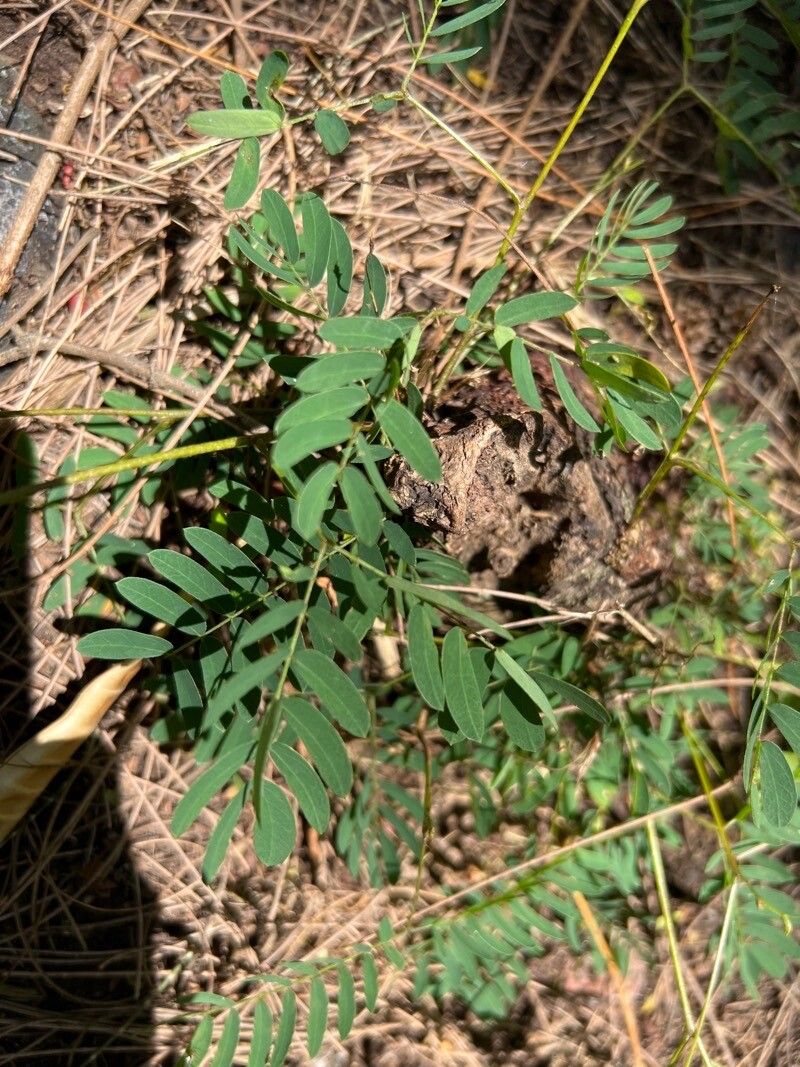
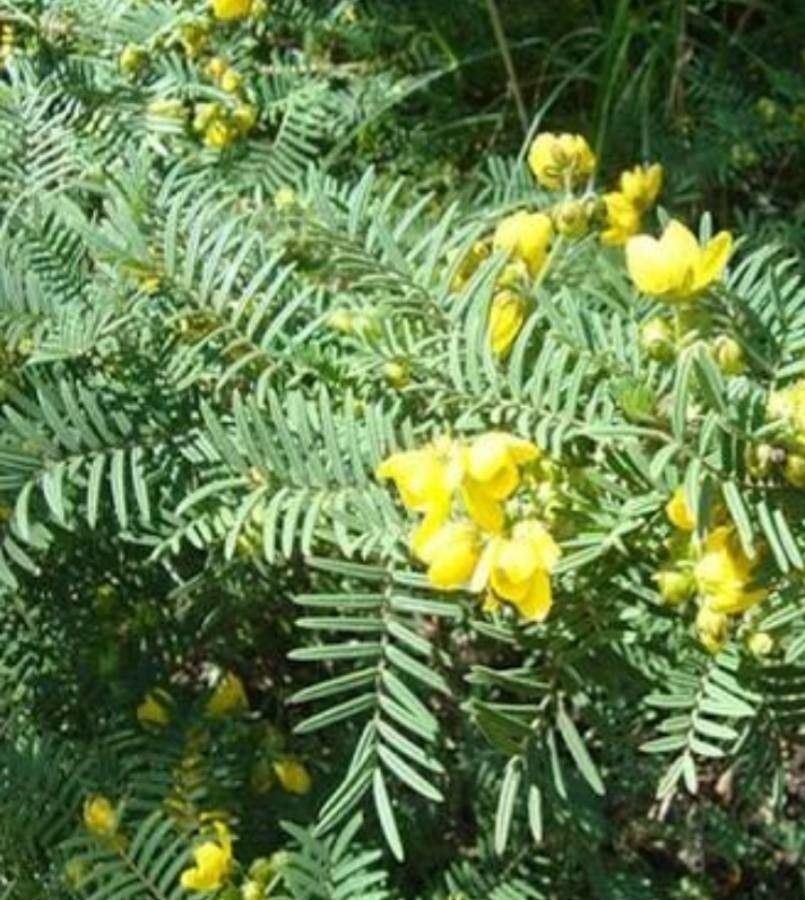
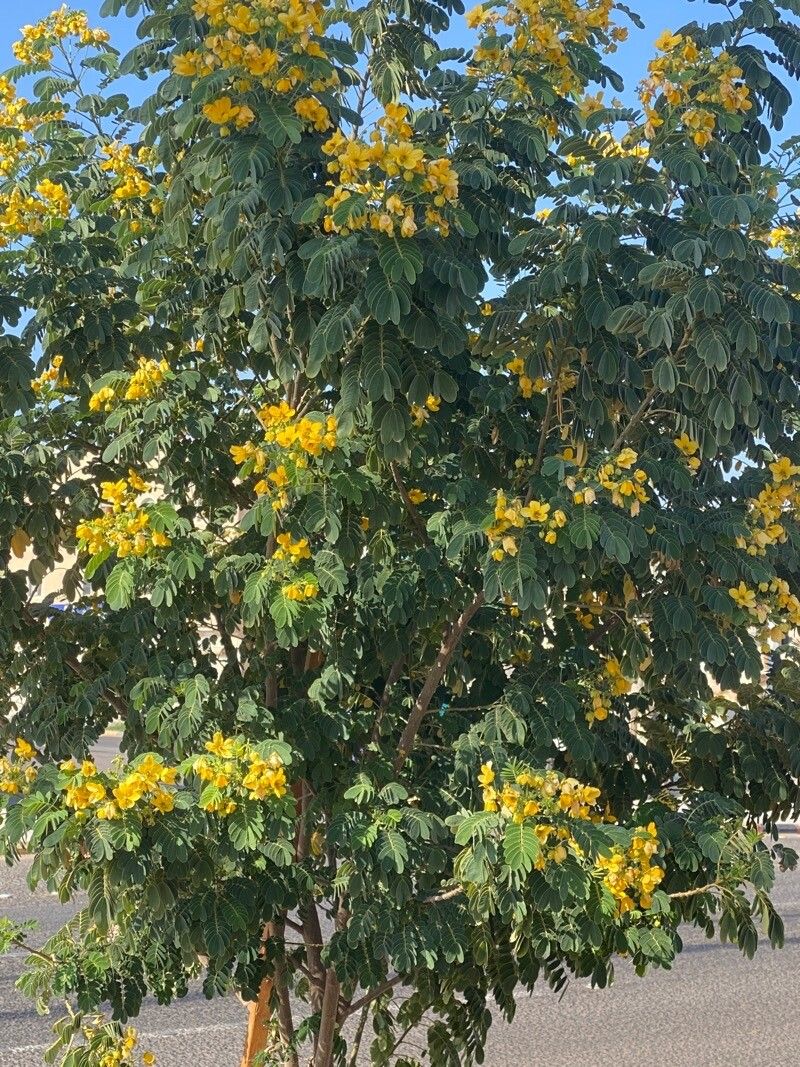
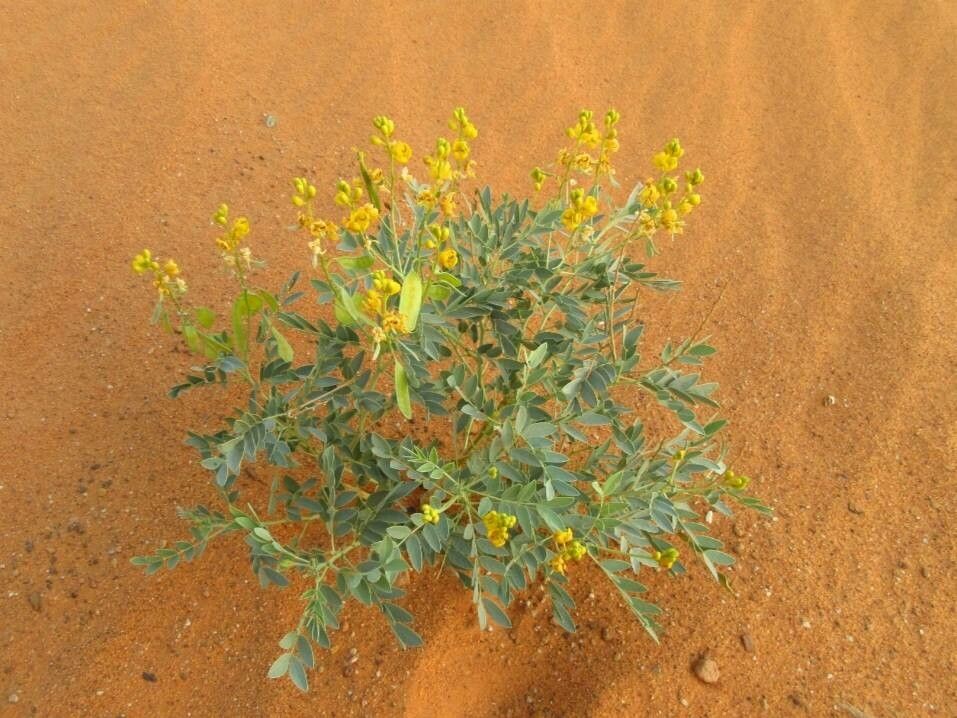
Senna bicapsularis, commonly known as the yellow cassia or golden shower senna, is a flowering plant in the Fabaceae family. Originally native to South America, it has been introduced and naturalized in many tropical and subtropical regions worldwide.
The plant can grow up to 10 meters tall, featuring a spreading canopy of bright green leaves that are pinnately compound with 4-6 pairs of leaflets. Its bright yellow flowers bloom in large clusters, which can be as long as 50 centimeters, making it a popular ornamental plant.
Senna bicapsularis is also noted for its medicinal properties, as it contains anthraquinones, compounds known for their laxative effects. Traditionally, it has been used to treat constipation, digestive disorders, skin diseases, and even cancer.
The plant thrives in full sun exposure but can tolerate partial shade. It prefers well-drained soil and requires moderate watering during its growing season, which lasts from spring through fall.
Overall, Senna bicapsularis is not only an attractive ornamental plant but also offers medicinal benefits, making it a favored choice among gardeners worldwide.
The Christmas bush has strong resistance to disease and is generally not susceptible to illnesses. Regarding care, this plant is fairly low-maintenance. When planted outdoors, it needs only minimal watering, and larger specimens typically do not require pruning. Smaller plants, however, should be pruned after they finish blooming. The Christmas bush is suitable for anyone who has outdoor space, such as a garden or a deck, and it does not demand a lot of care experience.
How to keep Senna Bicapsularis.
Light
The Christmas bush grows best in locations with plenty of sunlight. Native to an area with abundant sun, it has adapted to develop most effectively under strong sunlight. Excessive light does not harm it, but insufficient light can impede its healthy growth and the development of its leaves.
Water
Originating from tropical regions, the Christmas bush thrives in humid conditions and has a moderate tolerance for drought. It should be watered every 1-2 weeks, allowing the soil to dry out slightly between waterings. During the active growth period, careful watering is crucial for maintaining healthy foliage and supporting the flowering cycle.
Humidity
This plant will thrive in moderate humidity, which is probably the level in your home. However, misting it a few times a week can be very beneficial. Make sure the room has good ventilation.
Temperature
The Christmas bush comes from warm climates and prefers temperatures of 68 to 100 °F (20 to 38 ℃), which suits its hardy nature. In changing seasons, consider providing warmth in cooler periods or protective cooling during intense summer heat.
Fertilizer
The best time to fertilize a Christmas bush is in early spring, as it breaks dormancy. This supports overall growth and flower development. Fertilization improves the foliage, stems, and branches and encourages flowers that are larger, more vibrant, and longer-lasting. It helps transport nutrients from the roots to the flowers and enhances the plant's health and resistance to disease.
Pruning
The Christmas bush flourishes with vibrant yellow blooms and benefits from pruning in early spring. This pruning helps to shape the plant and promote growth. Focus on removing dead branches and thinning out crowded areas to improve air circulation, which reduces the risk of disease and enhances flowering. Avoid heavy pruning outside of this season to prevent stressing the plant.
Botanical profile.
- Plant Type
- Tree, Vine, Shrub
- Life Cycle
- Perennial
- Genus
- Senna
- Family
- Fabaceae
- Hardiness Zone
- 9-11
- Mature Height
- 3.35 m
- Mature Spread
- 1.83 m to 3.05 m
- Leaf Color
- Green
- Leaf Type
- Semi-evergreen
- Flower Color
- Yellow
- Flower Size
- 2.03 cm
- Bloom Time
- All year round
- Planting Time
- Spring, Autumn
- Harvest Time
- All year round
- Native Area
- Colombia, Bahamas, Cuba, Honduras, Mexico, Bolivia, Venezuela, Peru, Guyana, Ecuador, Panama, Jamaica
Other names.
Reader questions.
What's the best way to water my Christmas tree?
To promote excellent root development, place a garden hose at the base of the plant. Avoid spraying the leaves directly, but keep in mind that leaves may need more water if they are outside and exposed to direct sunlight. Consider using bubblers or soaker hoses to moisten the roots, and if you are adding or removing plants, use soaker hoses that can cover the entire garden or bed to ensure deep root watering. After watering, make sure to drain any excess water and allow the soil to dry before watering again. To prevent diseases, water at ground level rather than spraying. On a sunny day, it may be beneficial to spray the entire bush. Regardless of whether the plant is potted or in the ground, it is important to remember that Christmas bush prefers deep watering rather than light sprinkling.
Why should I put fertilizer on my Christmas bush?
Fertilization plays a crucial role in maintaining the overall health and well-being of a Christmas bush. By providing the necessary energy and nutrients, your bush will develop lush foliage and strong stems and branches. Gardeners particularly value the flowers of a Christmas bush, which can be enhanced through fertilization. The right fertilizer helps the plant produce large, vibrant, and long-lasting flowers by facilitating the efficient transfer of nutrients from the roots to the flowers. Additionally, proper fertilization supports the overall health of the plant, making it more resilient against diseases.
What are the sunlight requirements for Christmas bush?
Christmas bush (Senna bicapsularis) thrives best in environments with full sunlight, requiring above 6 hours of sunlight a day, but can also tolerate partial sun, which is about 3-6 hours of sunlight daily. It's vital to watch how sunlight moves through your garden and choose spots that offer a perfect balance of light and shade, ensuring the plants' happiness. Originating from regions with abundant sun rays, Christmas bush has adapted to perform optimally under significant sunlight exposure, and while excessive light doesn't harm it, insufficient sunlight could inhibit its growth and leaf development.
What is the ideal temperature range for a Christmas bush?
The Christmas bush thrives in warm environments and prefers a temperature range of 68 to 100 °F (20 to 38 °C). This range is ideal for its growth, and it is recommended to provide protective cooling in extreme summer heat or warming measures during cooler seasons. During winter, maintaining temperatures above 20°C is beneficial, and it is crucial to protect the plant from temperatures nearing 0°C by possibly moving it indoors and placing it near a bright window, yet away from direct heat sources.
If I give the Christmas bush too much or too little water, what should I do?
An overwatered Christmas bush can display various signs, such as yellowing leaves that drop off and wilt, as well as a dull and unhealthy appearance with mushy stems. It is important to adjust your watering schedule when you notice these symptoms. Conversely, wilting can also indicate under watering, which leads to crispy, dry leaves. In this case, check the soil and provide a thorough watering if necessary. However, even with adequate water, the damaged root system may cause the plant to continue having dry, yellow leaves for a few days. Once the plant returns to its normal state, the yellowing of leaves will cease. When caring for a Christmas bush indoors, always check the moisture levels in the pot and avoid overwatering. If you notice black spots, allow the soil to dry by refraining from watering for a few days. Overwatering can result in root rot, so if you observe discolored and slimy roots, consider transferring the plant to a different pot to prevent further damage. Ensure the soil does not become too soggy to avoid root rot. When planting the Christmas bush outdoors, dig deeper and if the soil feels too dry, it may indicate underwatering. Adequate watering is necessary for the plant's recovery.
When should I fertilize my Christmas bush?
The best time to fertilize a Christmas bush is in early spring, when it is coming out of dormancy and getting ready to bloom. This will provide the plant with the energy it needs to grow and develop flowers. However, it is also beneficial to fertilize the plant at the end of the season in the fall, although this second feeding does not have to be as big as the first one. Some gardeners choose to fertilize the Christmas bush when they are planting it, but this is not always required.
Can artificial lighting be used for Christmas bush, and how?
Yes, artificial lighting can be utilized for Christmas bush, especially for indoor plants or during less sunny seasons like winter. Adequate lighting is crucial for optimal growth. When natural sunlight is insufficient, artificial lights, such as LEDs which can be customized to provide specific wavelengths, serve as an excellent solution. Full sun plants need 30-50W/sq ft of artificial light, partial sun plants require 20-30W/sq ft, and full shade plants 10-20W/sq ft. The light source should be placed 12-36 inches above the plant to mimic natural sunlight and kept on for 8-12 hours per day.
How do you care for a Christmas bush during low temperatures?
In low temperatures, the Christmas bush, which prefers warmth, can suffer when the temperature drops below 20°C. It is essential to keep it above 0°C during winter. Exposure to temperatures below -5°C might cause the leaves to lighten and, following frost damage, turn brown or black with symptoms like wilting and drooping appearing. To care for a frost-damaged Christmas bush, trim off the damaged parts and move the plant to a warmer indoor environment. Placing it near a south-facing window ensures enough sunlight while avoiding direct heat from heaters or air conditioning vents to prevent air dryness.
How often should I give my Christmas bush water?
To properly water the Christmas bush, keep in mind these guidelines: - For potted plants, soak them with a gallon of water each time to account for the limited water storage in the pot. - In cold regions, water every 3 to 5 days, preferably in the morning when the soil is dry. Check the top 2-3 inches of soil; if it's dry, that's a sign the plant needs a full watering. - On hot days, check the soil moisture daily to prevent it from drying out quickly. - If you have a garden, water once a week in hot climates. Monitor the soil to make sure the top 2-3 inches don't become too dry. Take rainwater into account and avoid overwatering to prevent root rot. - Outdoor plants benefit from a layer of mulch (3 to 4 inches deep) to help retain moisture in the soil. - Sandy soil drains faster, so water more frequently. Clay soil retains water better, so watering can be less frequent (every 2-3 days). - Keep track of watering dates on a calendar and pay attention to any drooping leaves, which may indicate a need for water.
When shouldn't I put fertilizer on my Christmas bush?
During the winter, you can skip fertilizing your Christmas bush, as it enters a dormant phase and doesn't require much energy from the soil for new growth. Fertilizing during this time increases the risk of overdoing it. The best times to feed your Christmas bush are in early spring and fall. So, for most of spring and summer, there's no need for fertilizer. Additionally, if your plant is enduring excessively hot or dry conditions, it's best to hold off on feeding it.
What are the symptoms of light deficiency in Christmas bush?
Symptoms of light deficiency in Christmas bush include small leaves, leggy or sparse growth, faster leaf drop, slower or no new growth, lighter-colored new leaves, chlorosis (leaves turning yellow), sunscald, leaf curling, wilting, and leaf scorching. These symptoms indicate the plant's struggle in low-light conditions, leading to reduced chlorophyll and nutrients, stretching for light, early leaf drop to conserve resources, and potential damage or dehydration from excessive sunlight when it occurs.
What should you do if your Christmas bush experiences high temperatures?
During the summer, it is important to ensure that the Christmas bush is not exposed to temperatures above 38°C. Exceeding 43°C can lighten the leaves' color and increase the risk of sunburn. If your Christmas bush suffers from high temperature stress, start by trimming away sunburned and dried-up parts of the plant. Then, relocate it to an area with shade during the intense midday and afternoon sun. Watering in the morning and evening will help keep the soil moist and protect the plant from the heat.