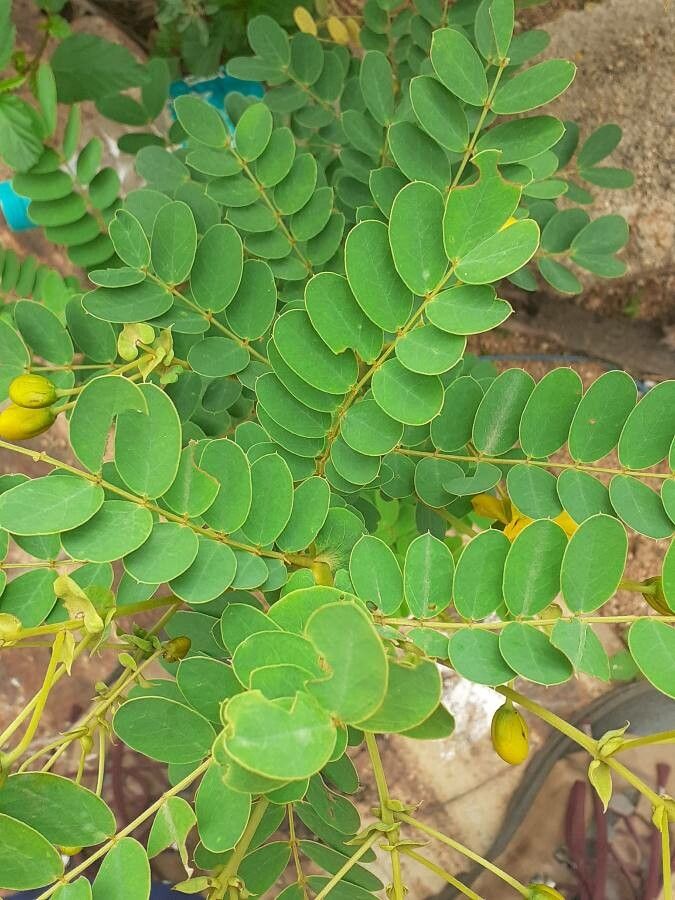
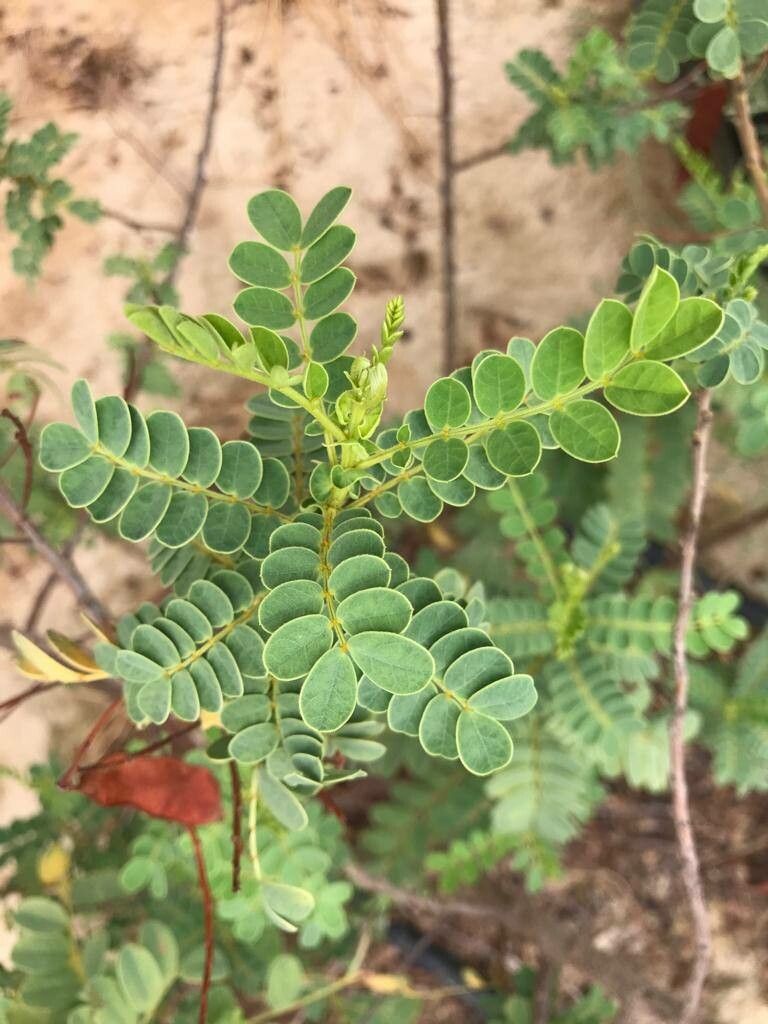
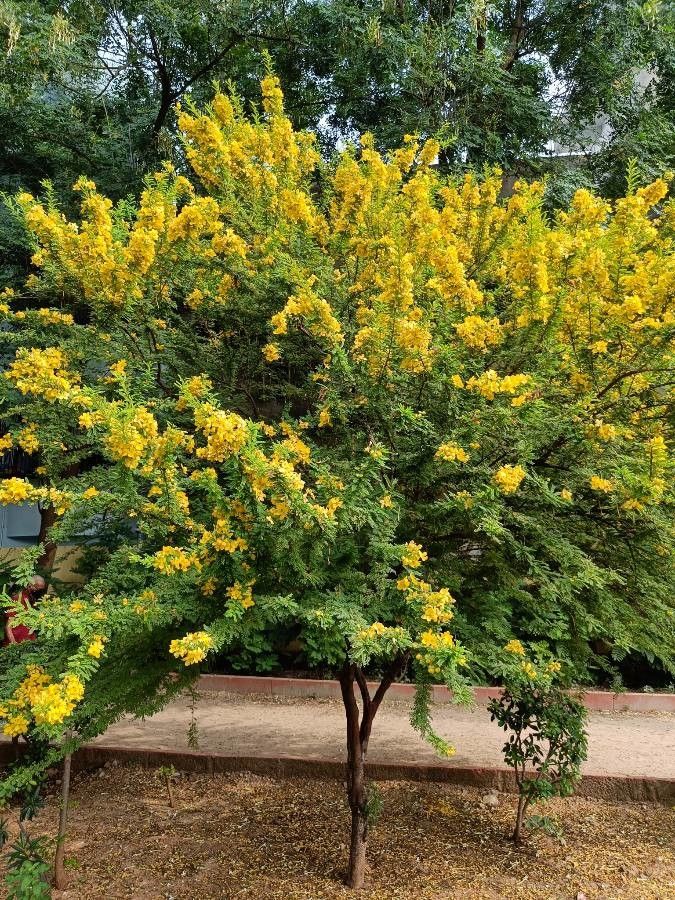
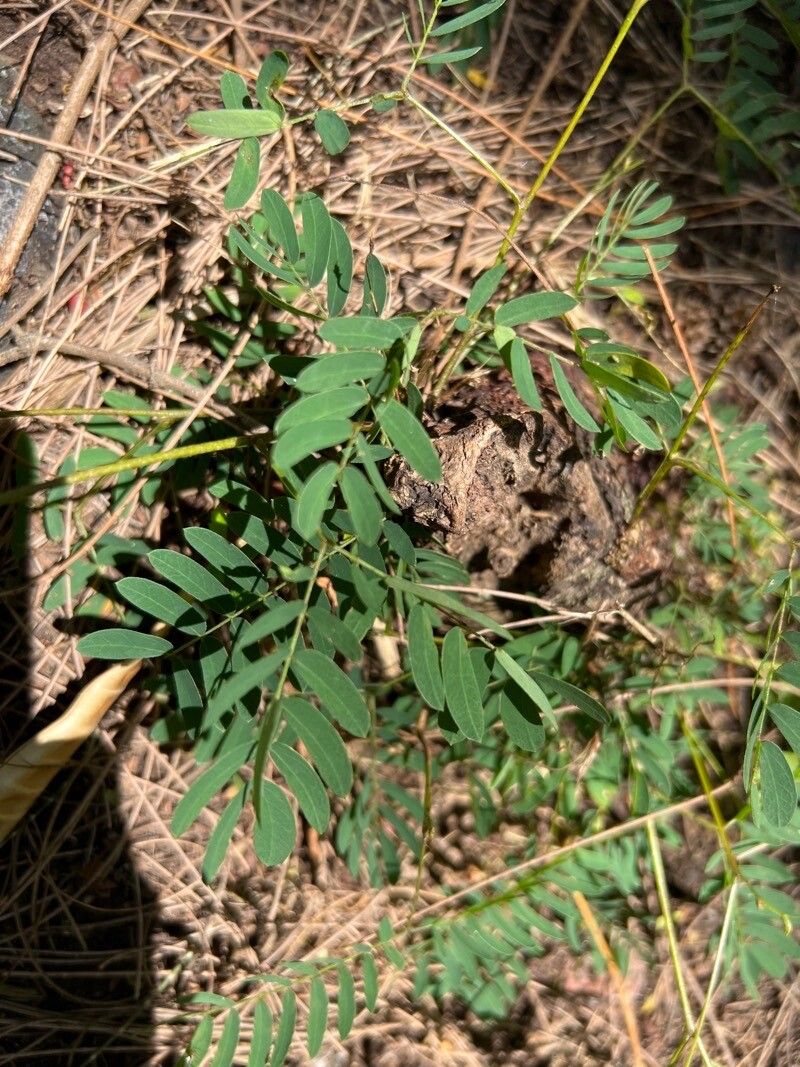
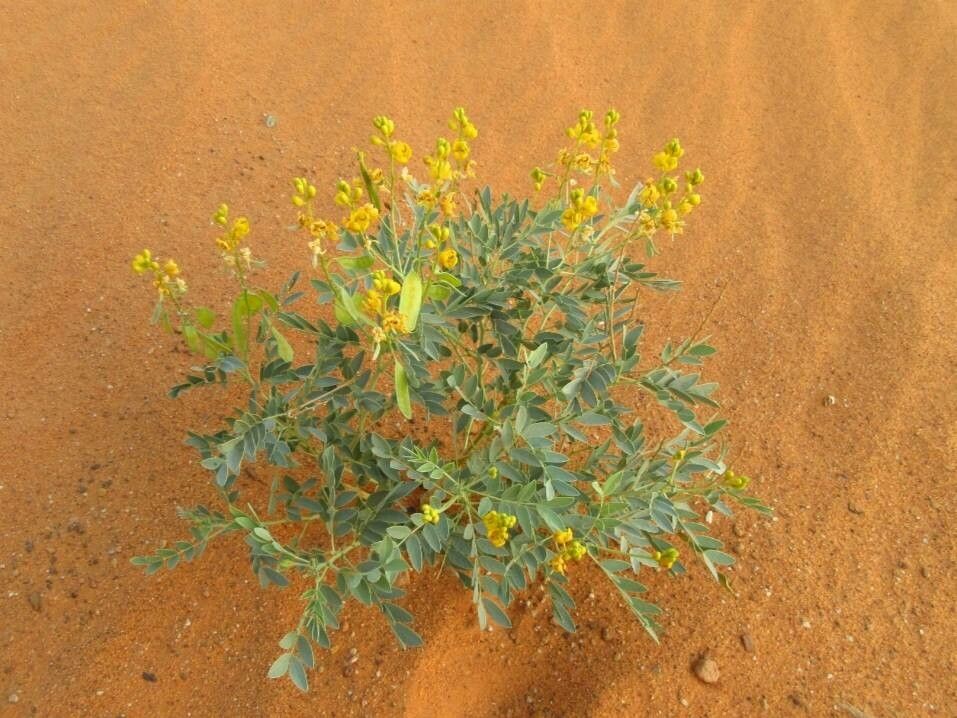
Senna auriculata, commonly known as Tanner's Cassia or Avaram Senna, is a shrub that belongs to the Fabaceae family. Native to India and Sri Lanka, this plant can grow up to 3 meters tall. It features smooth grey bark and numerous branches, which bear leaves consisting of 3 to 4 pairs of leaflets.
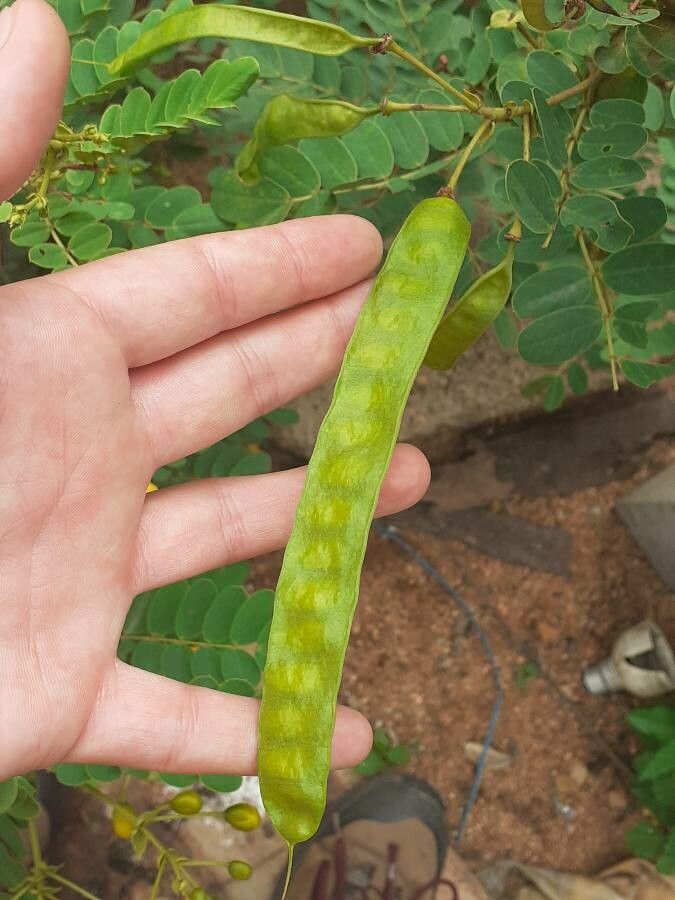
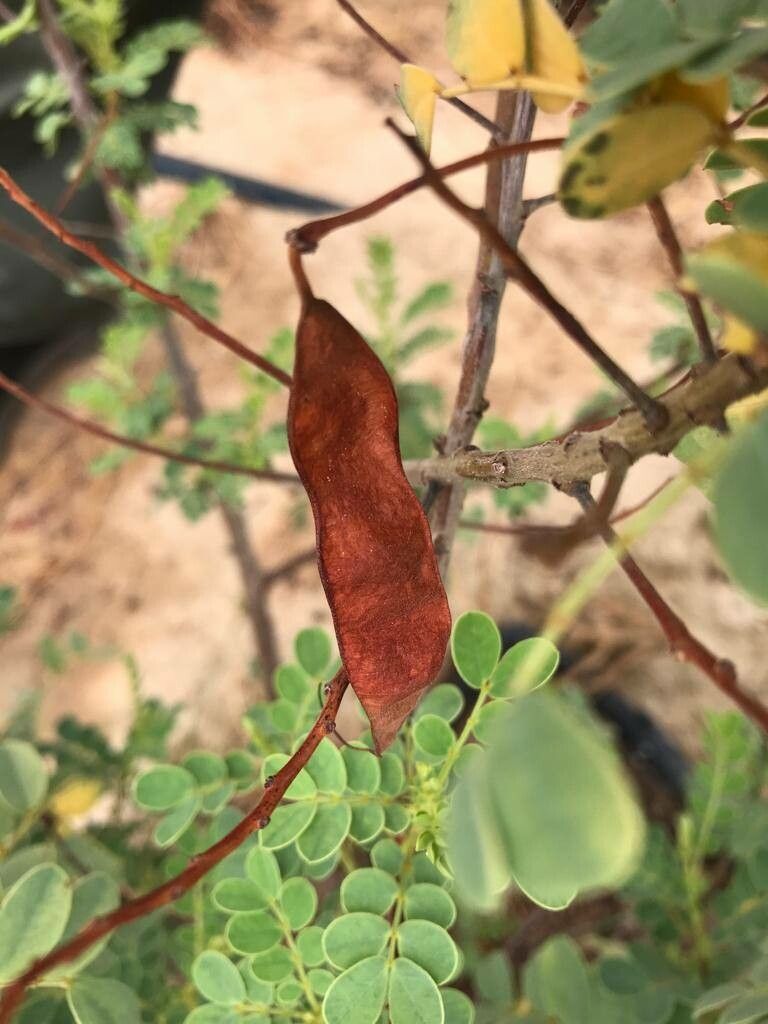
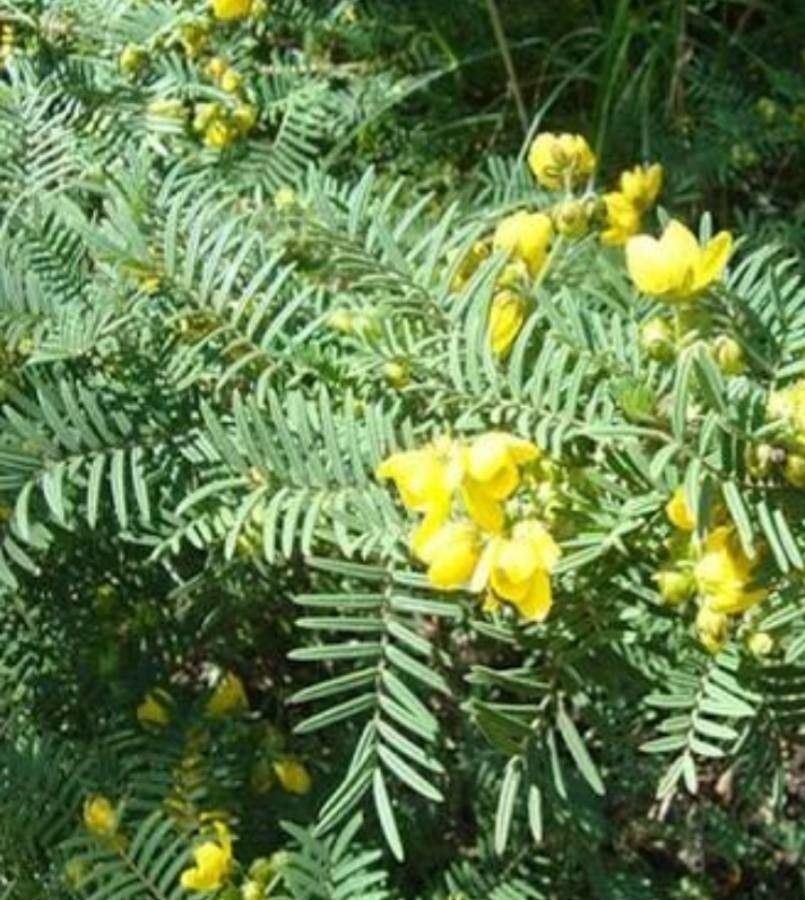
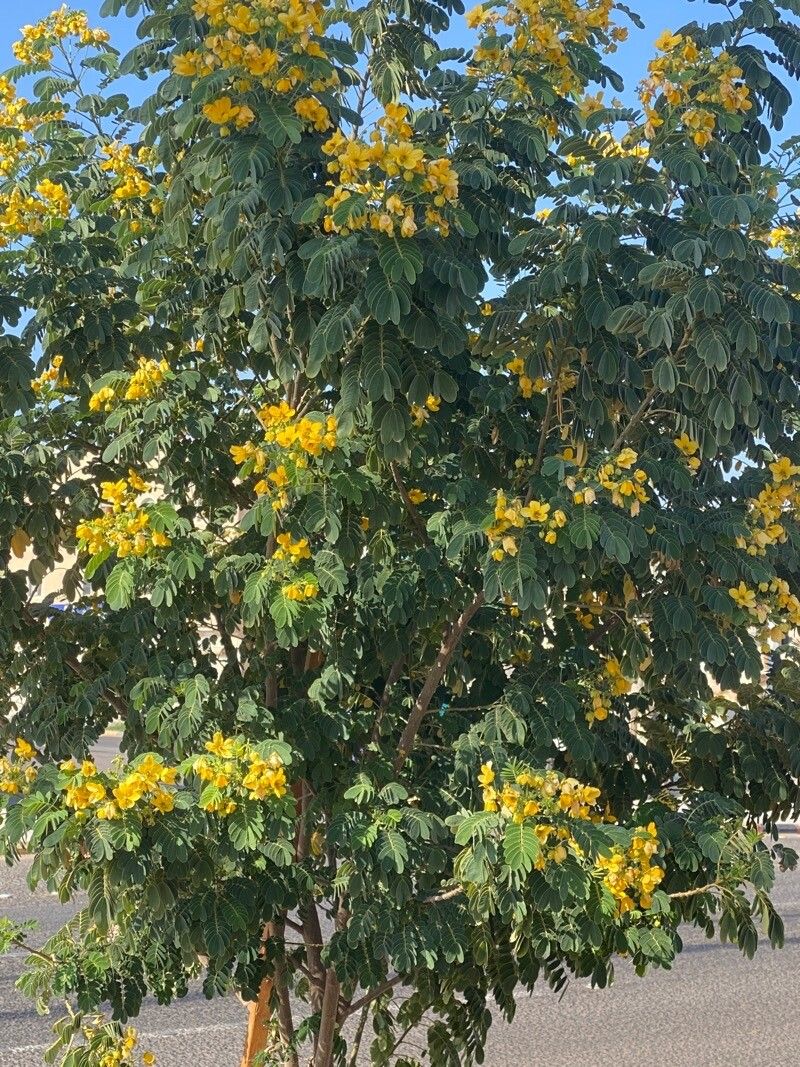
The flowers of Senna auriculata are bright yellow and bloom during the summer. The plant produces flat, brownish-black pods that contain numerous seeds.
For centuries, Senna auriculata has been valued in traditional medicine for its various health benefits. It is known for its anti-inflammatory properties and can be used to treat skin diseases such as eczema and psoriasis. Additionally, it has been found to be effective against diabetes due to its ability to help regulate blood sugar levels.
The plant also possesses antioxidant properties that help protect against free radicals, which cause cellular damage leading to diseases such as cancer and heart disease.
Overall, Senna auriculata is an important medicinal plant with many potential health benefits, making it an essential part of traditional medicine practices in India and Sri Lanka today.
Styptic weed has strong disease resistance and is usually not susceptible to illnesses. In terms of care, this plant is fairly low-maintenance. When grown outdoors it needs little watering, and larger plants typically do not require pruning. Smaller plants, however, should be pruned after they have finished blooming. Styptic weed is suitable for anyone with an outdoor area, such as a garden or a deck, and does not demand much care experience.
How to keep Senna Auriculata.
Light
The herb known as Styptic weed is native to open areas like sunny fields and the peripheries of forests, where there is plenty of light. It prospers in Full Sun yet can withstand Partial Sun as well, showing a good adaptability to different levels of sunlight exposure.
Temperature
The Styptic weed plant hails from tropical areas where conditions are generally hot and humid. Because of this, it is highly suited to environments with high humidity and heat. It doesn't respond well to abrupt changes in temperature and thrives in a consistent temperature environment, so it's crucial to prevent temperature swings when growing it indoors. It typically does not withstand cold temperatures and prefers warmer conditions for its growth. Should the surrounding temperature become excessively cold, the plant may stop growing or could potentially perish.
Fertilizer
The optimal period to feed a Styptic weed is at the onset of spring, as it wakes from its dormant state. This encourages overall growth and the formation of flowers. Fertilization improves the leaves, stems, and branches, while supporting the production of large, bright, and enduring flowers. It facilitates the root-to-flower transport of nutrients and bolsters the plant's overall well-being and resistance to diseases.
Botanical profile.
- Plant Type
- Shrub
- Life Cycle
- Perennial
- Genus
- Senna
- Family
- Fabaceae
- Hardiness Zone
- 9-11
- Mature Height
- 2.13 m to 3.05 m
- Mature Spread
- 2.13 m to 3.05 m
- Leaf Color
- Green, Dark Green
- Leaf Type
- Evergreen
- Flower Color
- Yellow, Gold
- Flower Size
- 5.08 cm to 6.35 cm
- Bloom Time
- Summer, Fall
- Planting Time
- Spring, Summer
- Harvest Time
- Late summer, Fall, Early winter, Mid winter
- Native Area
- Myanmar, Sri Lanka, India
Other names.