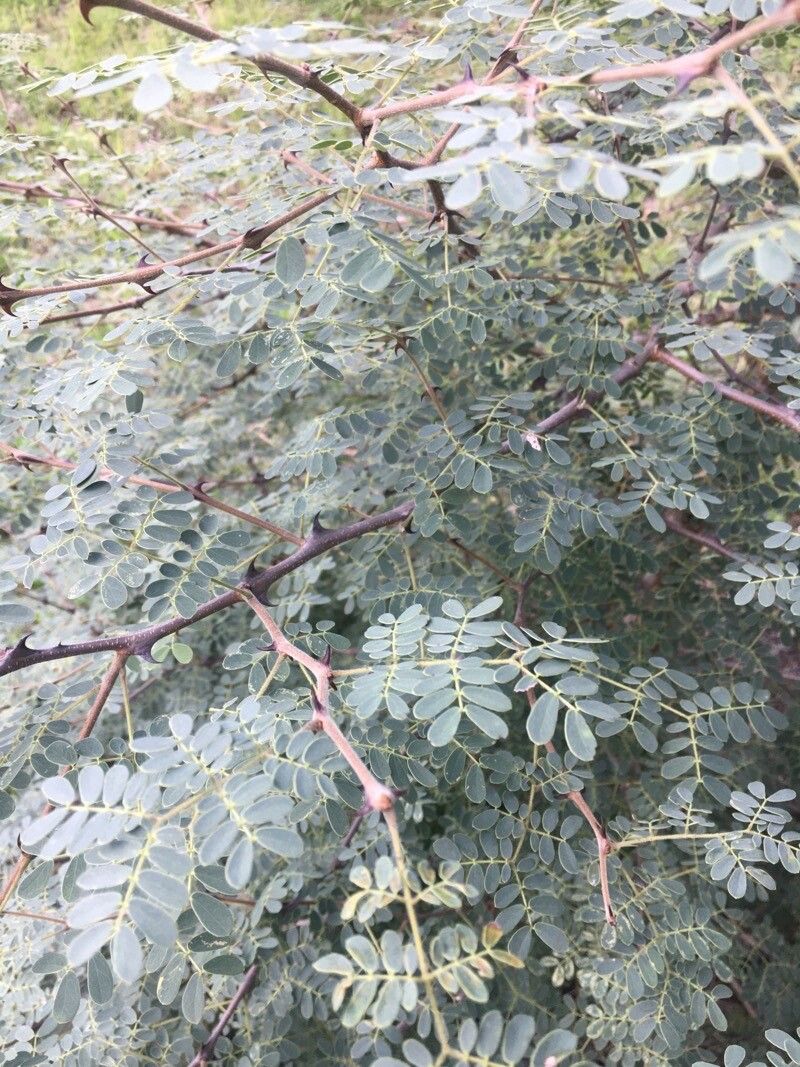
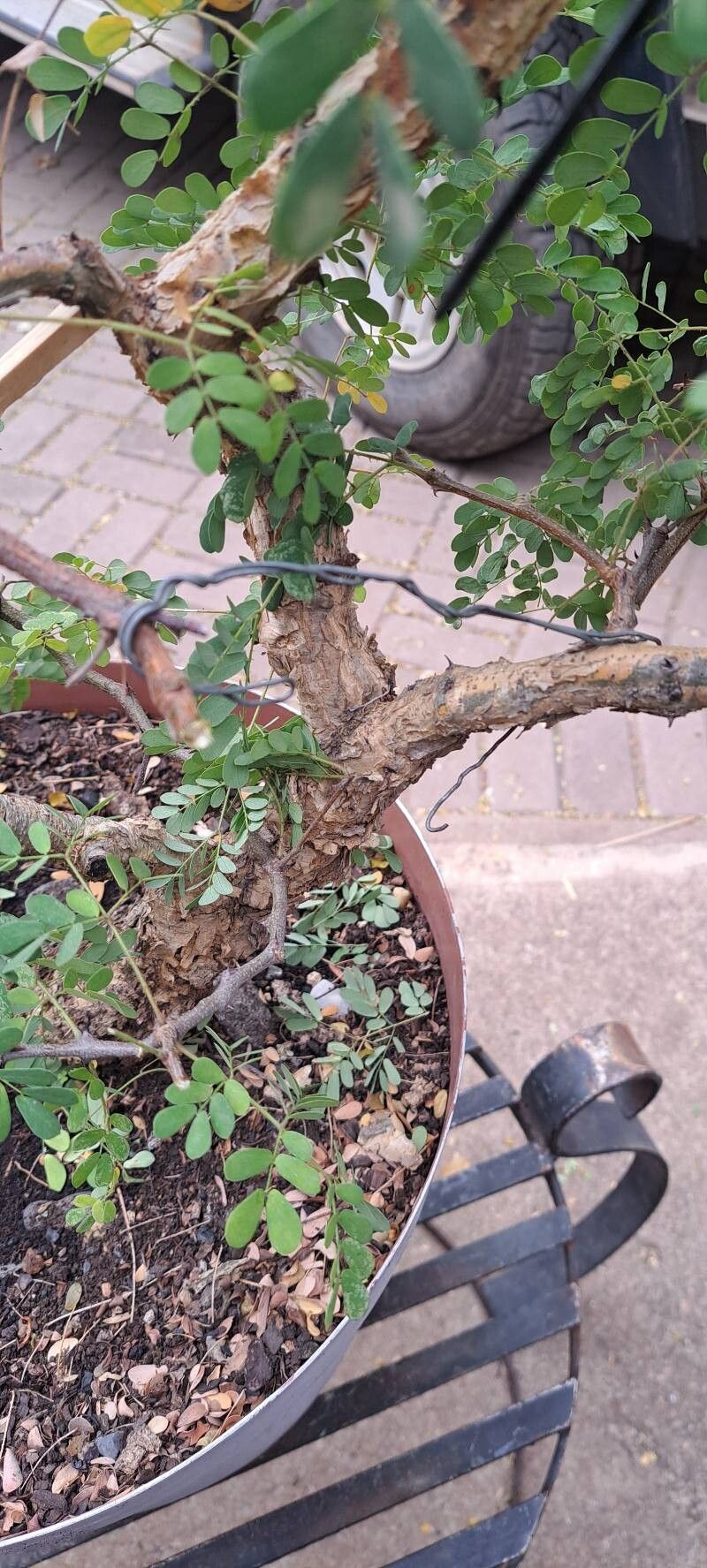
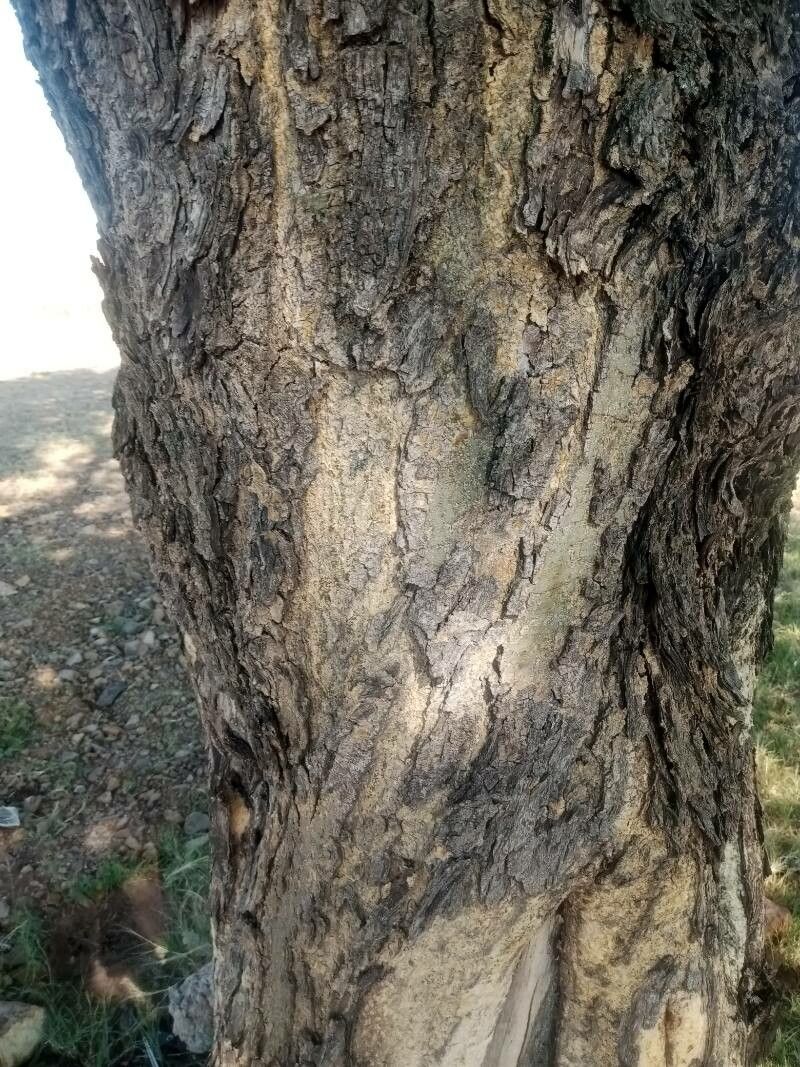
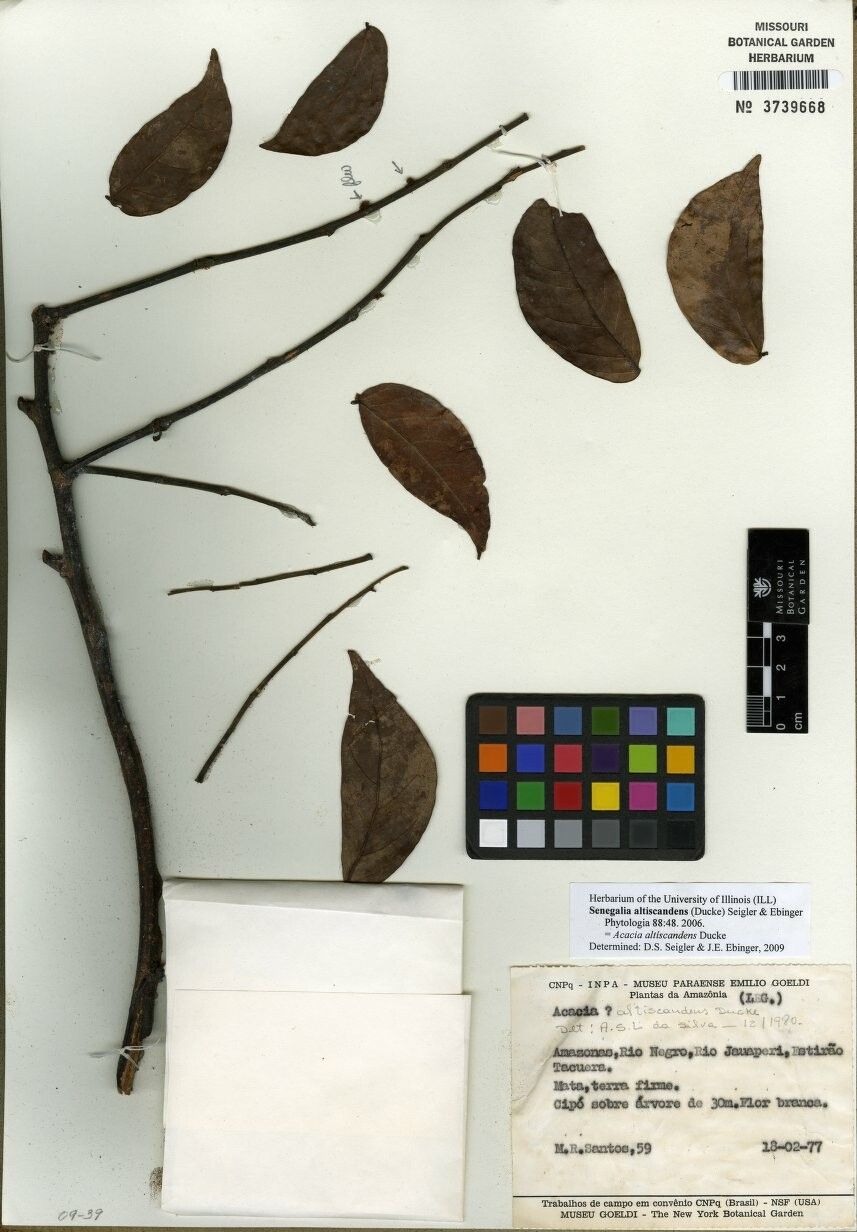
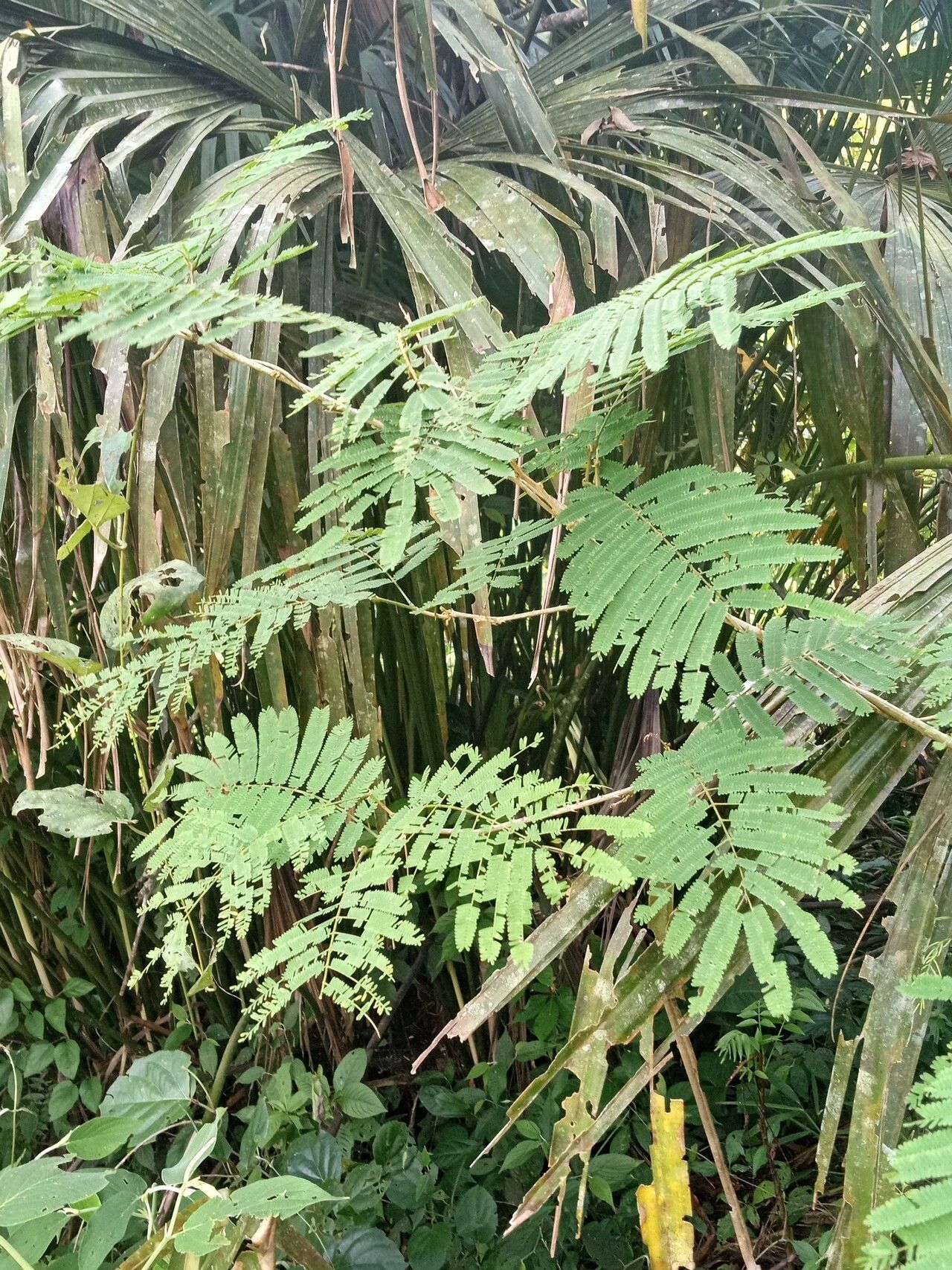
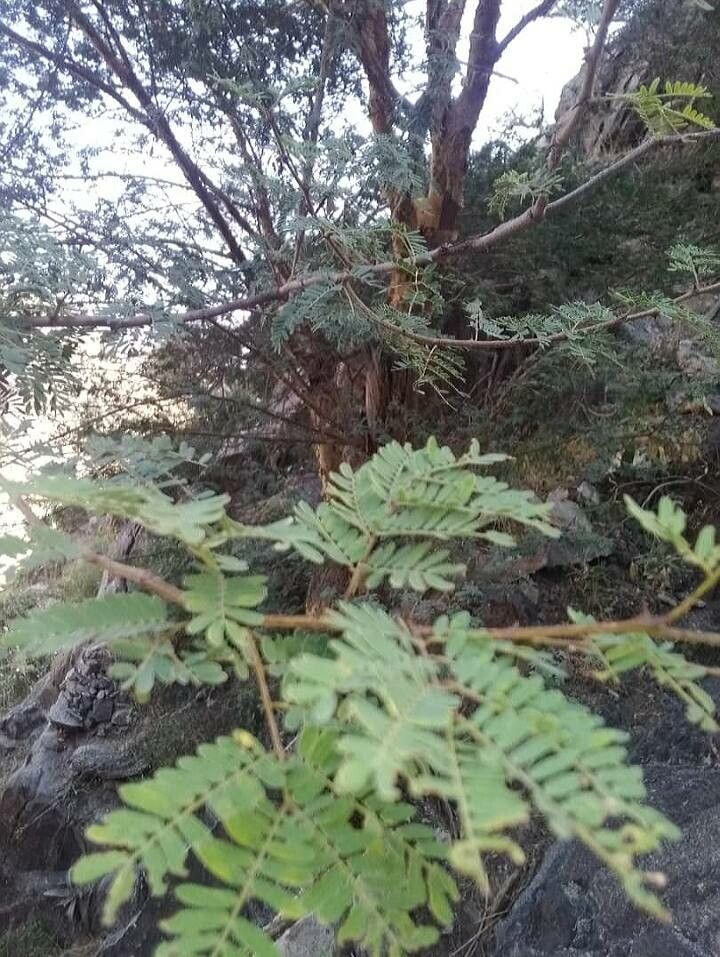
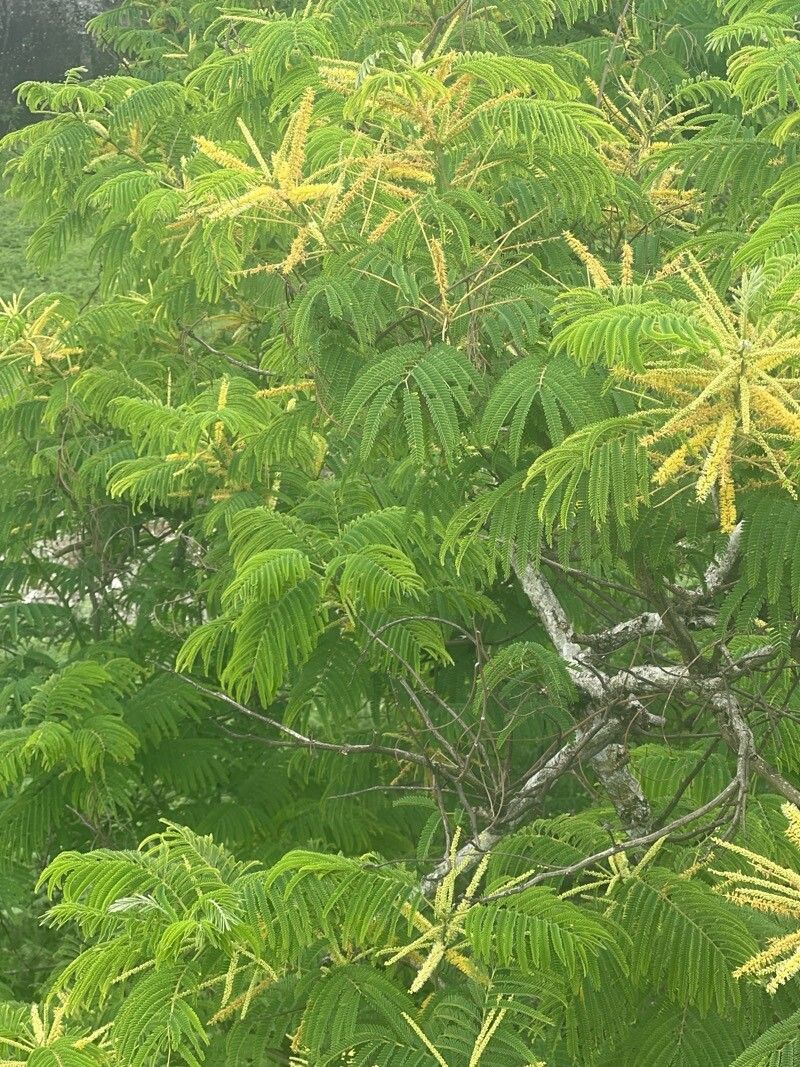
Senegalia burkei, commonly known as the black monkey thorn, is a tree species native to southern Africa. It belongs to the Fabaceae family and is part of the Acacia genus. This tree can grow up to 15 meters tall and features distinctive black bark adorned with thorns that can reach up to 10 centimeters in length.
The leaves of Senegalia burkei are bipinnate, meaning they are divided into smaller leaflets that create a feathery appearance. The small, yellow flowers bloom in clusters from July through September.
Commonly found in savannas and woodlands across southern Africa, Senegalia burkei plays a significant role in traditional medicine. Various parts of the plant are used to treat ailments such as coughs, colds, fever, and diarrhea.
In addition to its medicinal uses, Senegalia burkei holds cultural importance among some African tribes, who use its bark to make traditional clothing and baskets. The wood of the tree is highly valued for its durability, making it suitable for construction purposes such as fence posts and furniture.
Despite its ecological and cultural significance, Senegalia burkei faces threats from habitat loss due to deforestation caused by human activities like logging and agricultural expansion. These activities put the species at risk of extinction, emphasizing the need for timely conservation measures.
Botanical profile.
Other names.