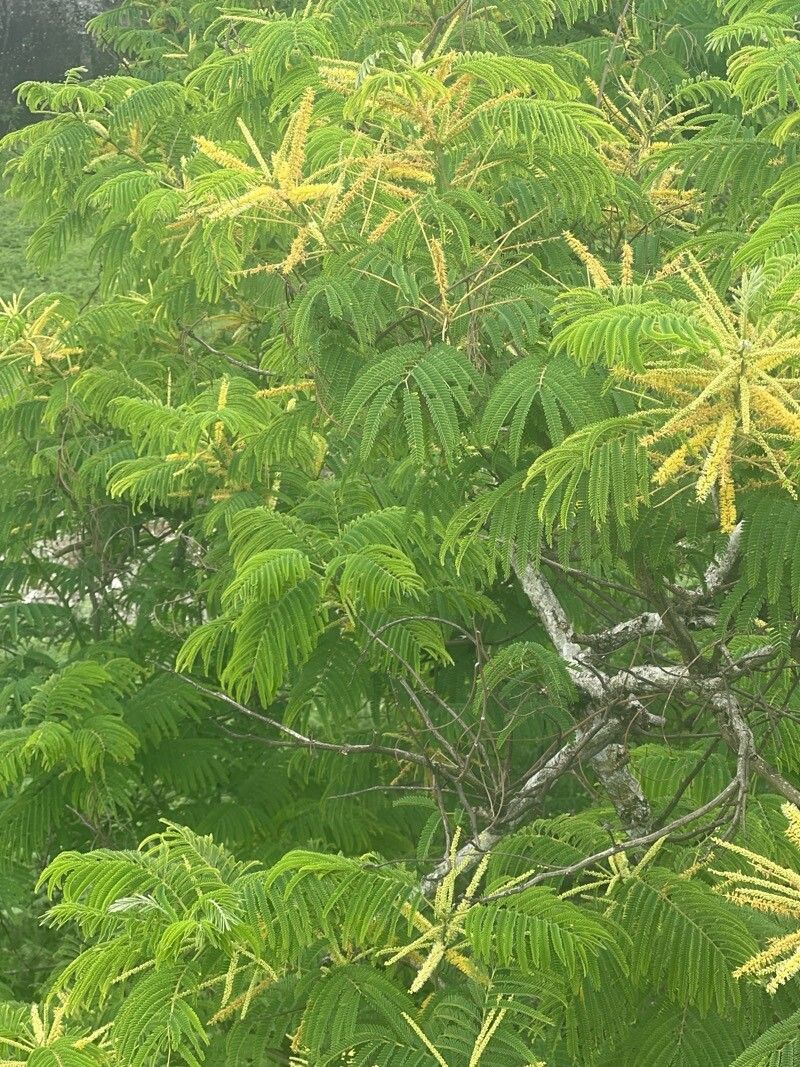
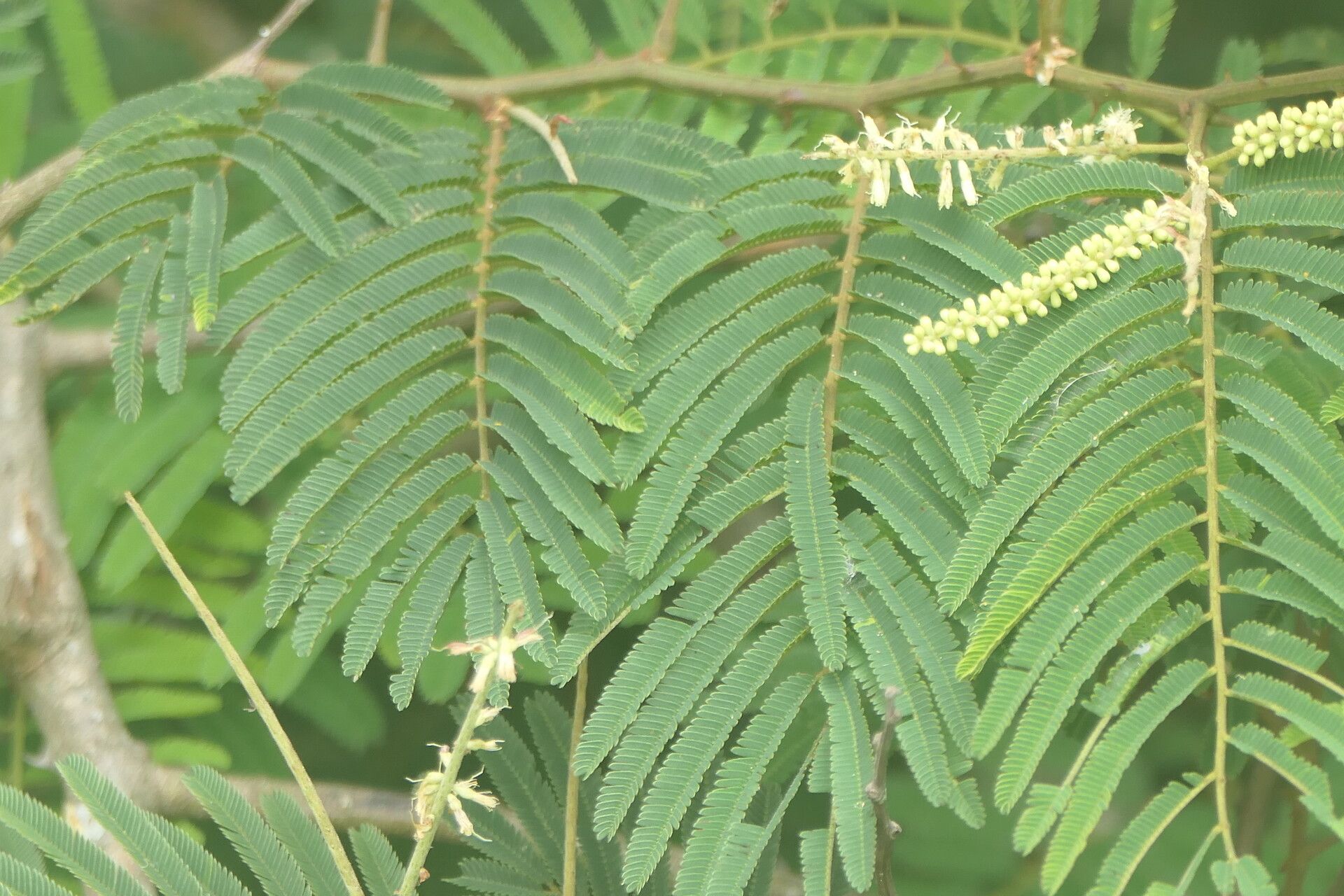
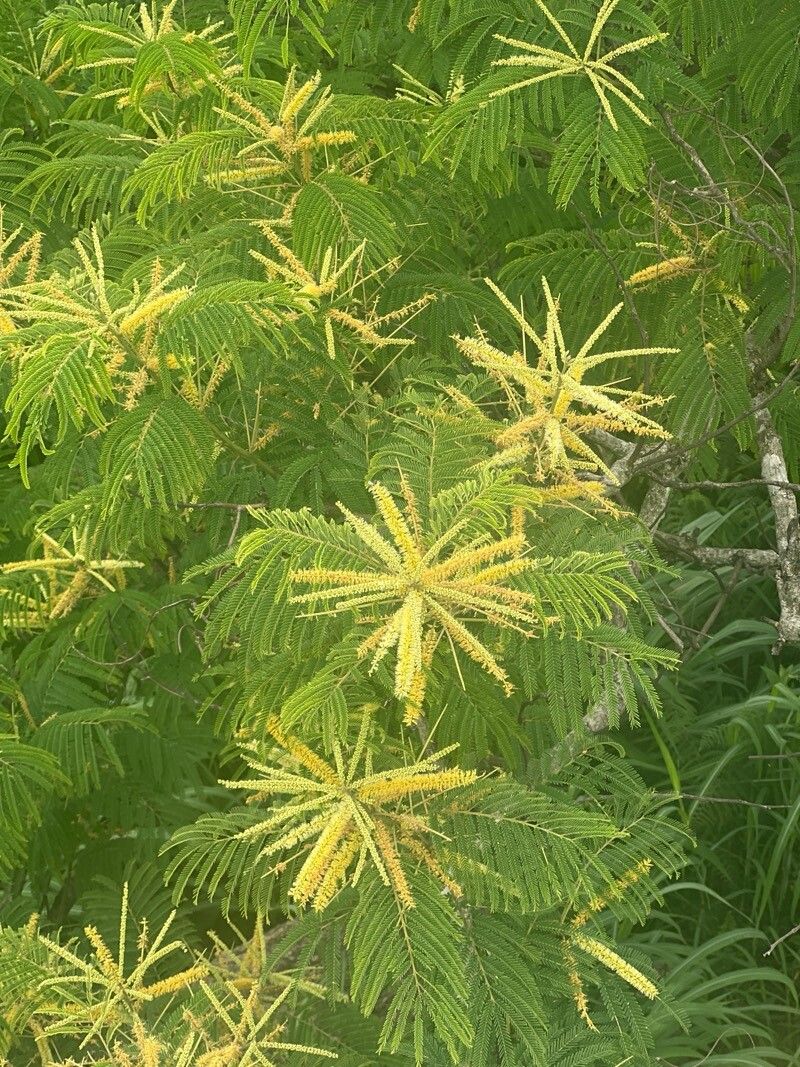
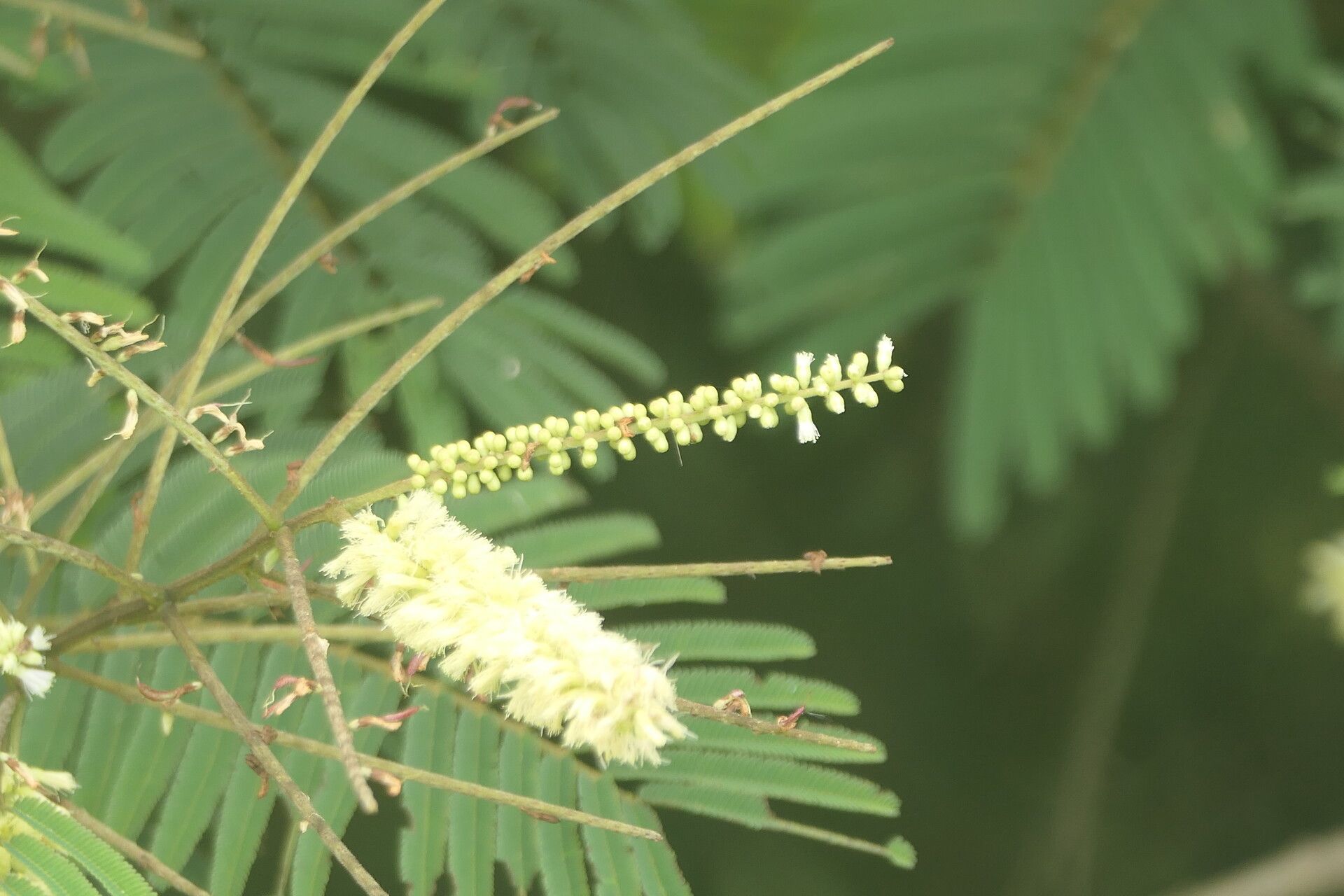
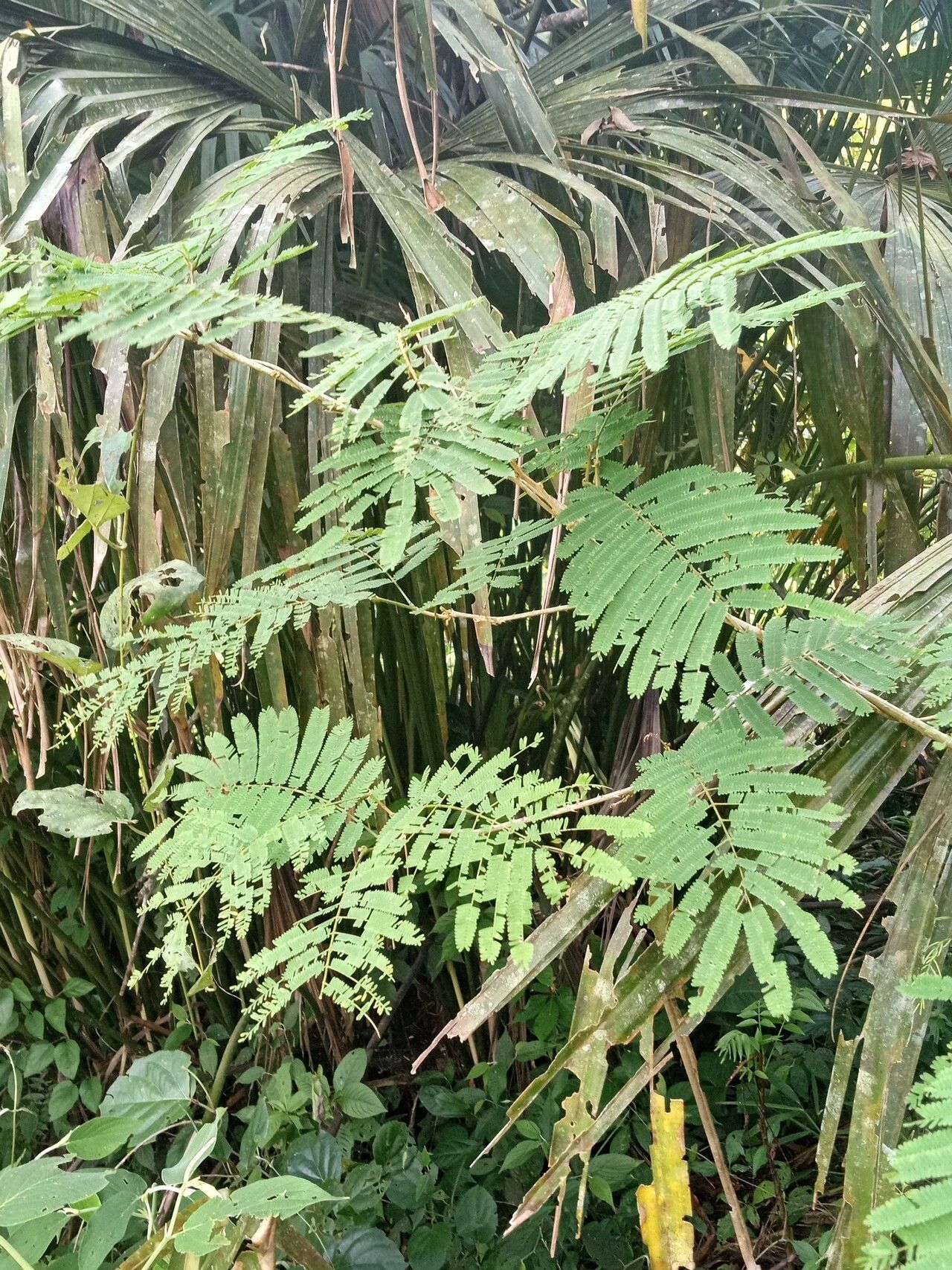
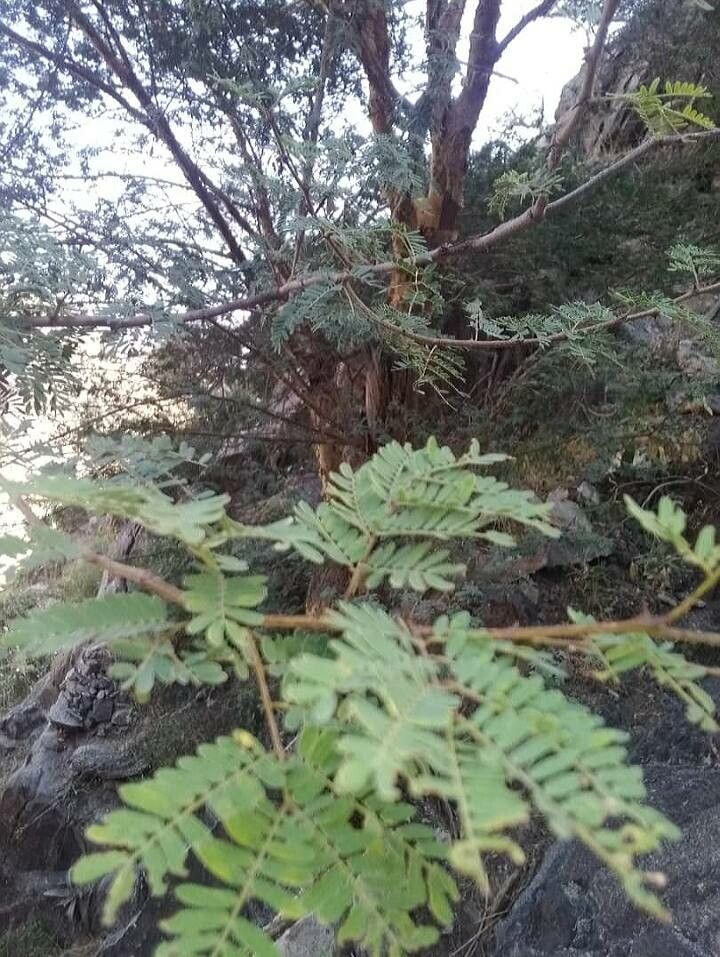
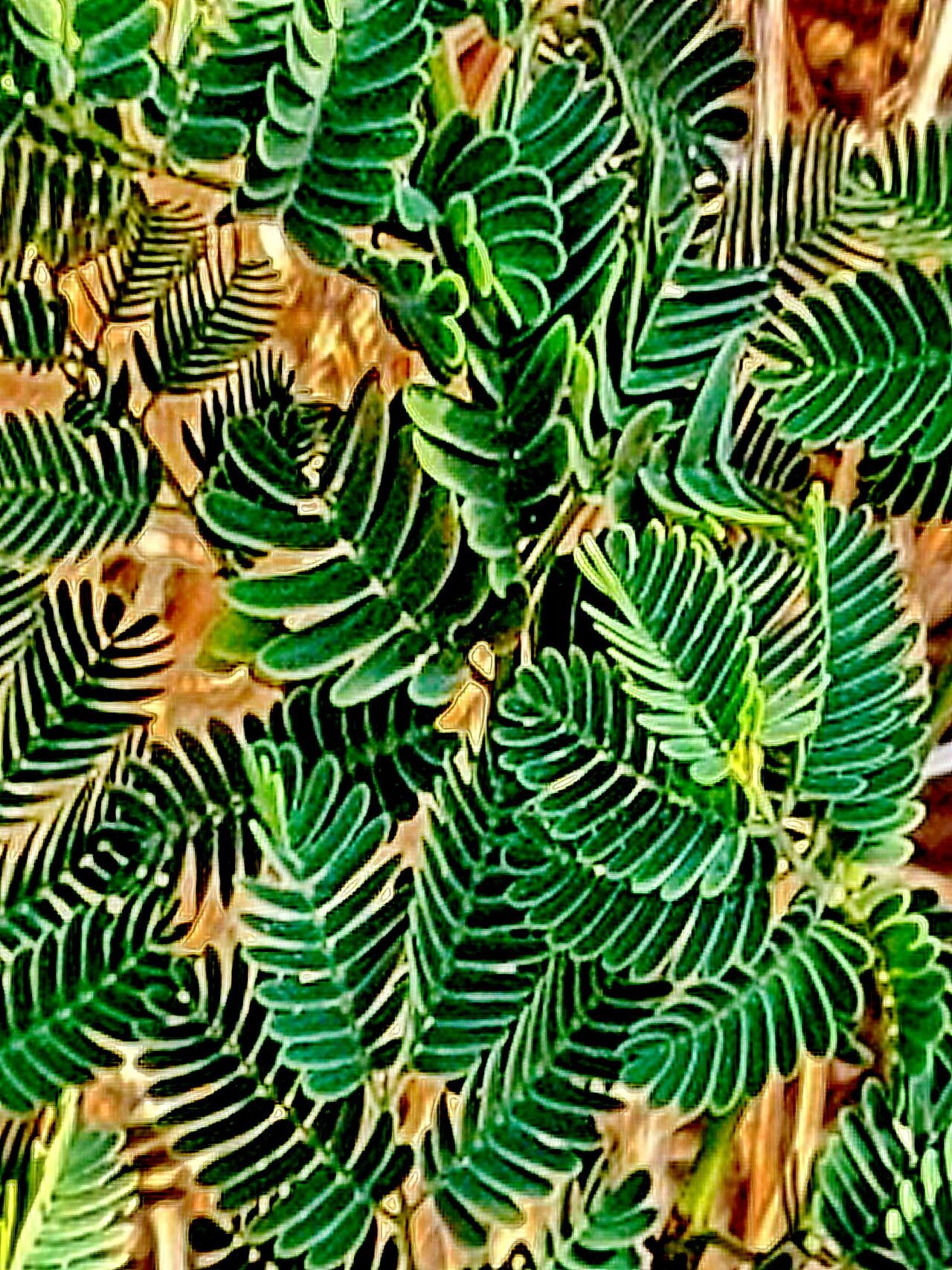
Senegalia ataxacantha, formerly known as Acacia ataxacantha, is a species of flowering plant in the Fabaceae family. Native to Africa, it is found in countries such as Kenya, Tanzania, and Uganda. The plant typically grows up to 10 meters tall and features a thorny stem with leaves arranged in pairs along it.
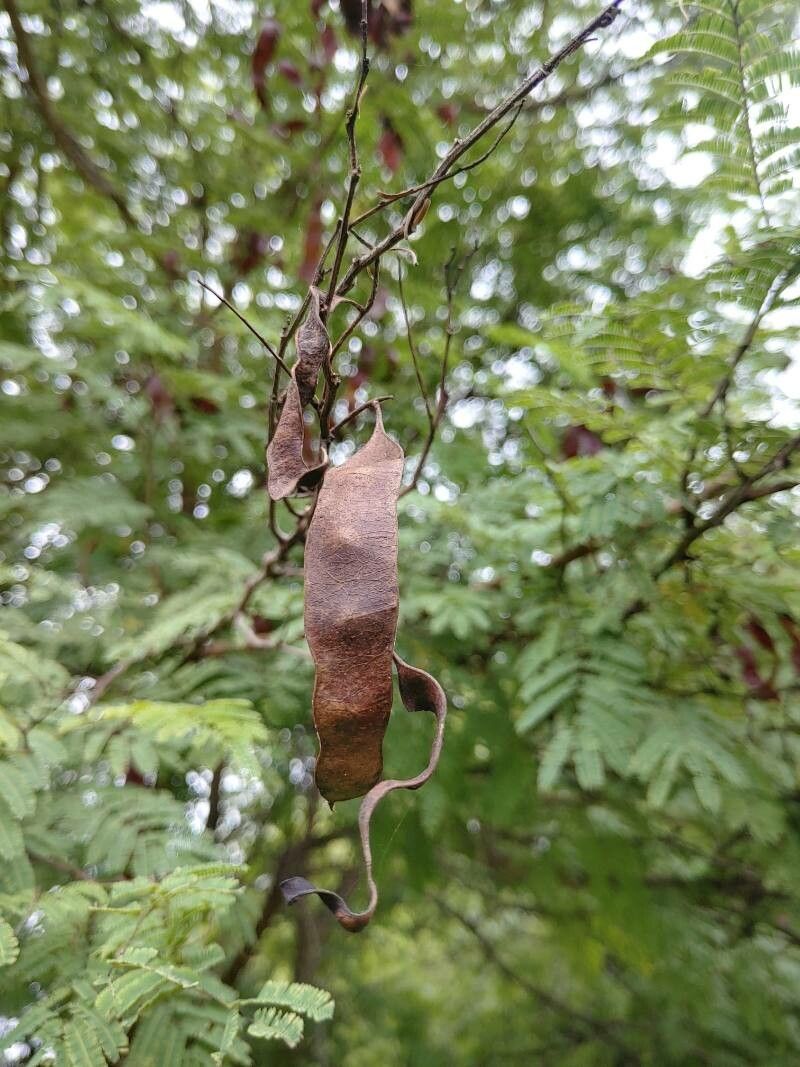
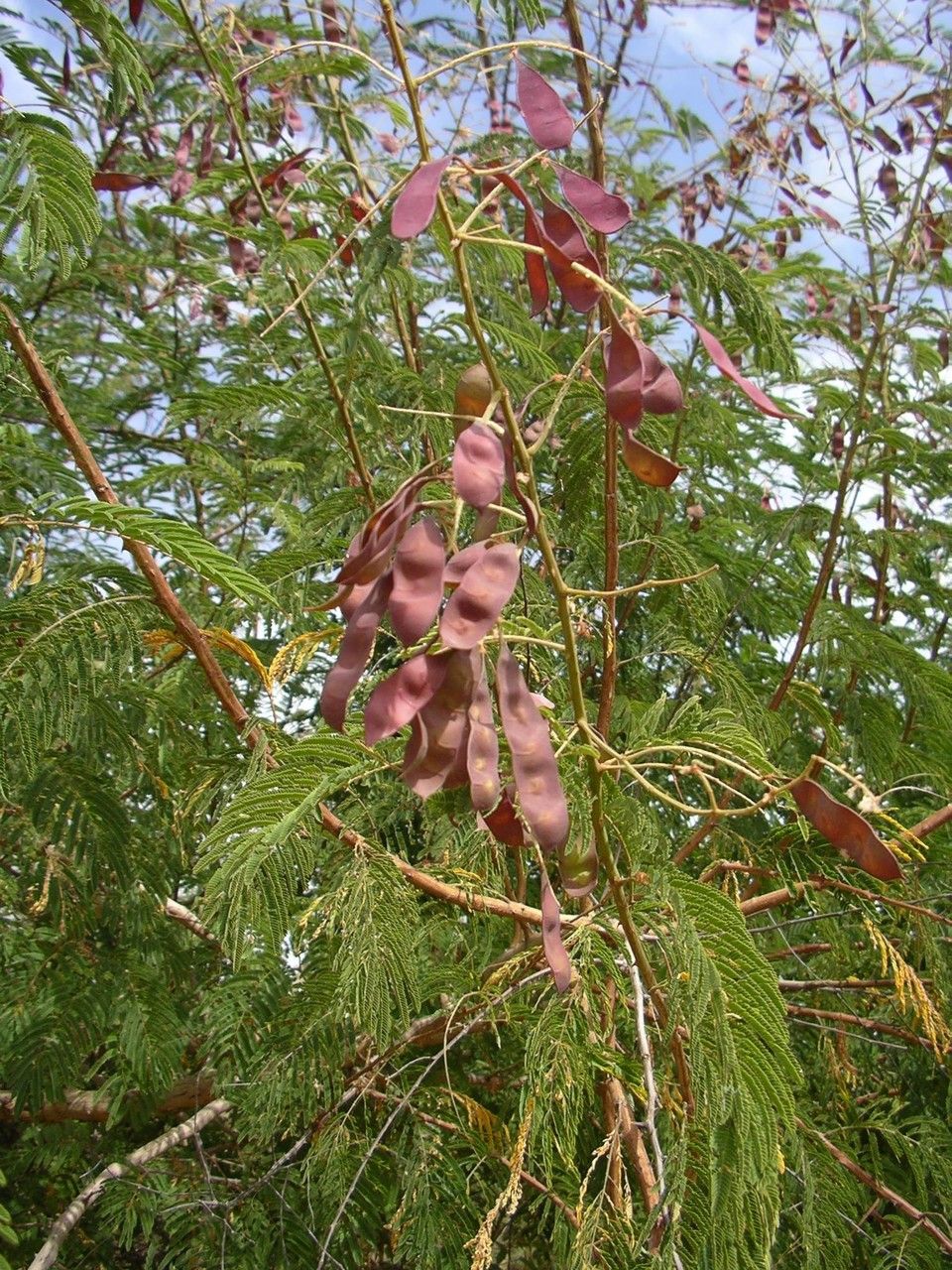
Senegalia ataxacantha produces small yellow flowers in clusters that bloom during the rainy season, attracting bees for pollination. Following pollination, the plant generates long seed pods containing several seeds.
This plant holds significant traditional medicinal value among African communities. The bark is used to treat various ailments, including fever, diarrhea, and stomach problems. Additionally, it is known for its anti-inflammatory properties.
Beyond its medicinal uses, Senegalia ataxacantha plays a crucial ecological role. It provides food for wildlife such as giraffes and elephants, which feed on its leaves and bark.
Overall, this species is vital both ecologically within African ecosystems and culturally in traditional medicine practices among diverse African communities.
Flamepod thorn is highly resistant to disease and typically does not suffer from illnesses. As for maintenance, this plant is fairly low-maintenance. When grown outdoors it needs only light watering, and larger specimens usually do not require pruning. Smaller specimens, however, should be pruned after they have finished blooming. Flamepod thorn is appropriate for anyone who has an outdoor area, such as a garden or a deck, and it does not demand much prior gardening experience.
How to keep Senegalia Ataxacantha.
Light
Flamepod thorn comes from open habitats like sunny meadows and forest margins, where light is plentiful. It performs best in full sun but can tolerate partial sun, demonstrating good adaptability to different light conditions.
Temperature
Flamepod thorn comes from tropical areas, where the climate is usually warm and humid. Therefore, it is well suited to high temperatures and humidity. It does not tolerate sudden shifts in temperature and prefers a stable thermal environment, so avoiding temperature fluctuations indoors is important. It typically cannot withstand cold conditions and needs higher temperatures to grow. If the surrounding temperature falls too low, the plant may stop growing or even die.
Fertilizer
Fertilization is essential to the care of the Flamepod thorn. Regular feeding during the growing season helps maintain the energy for its showy leaves and supports overall growth. Failing to fertilize can cause unhealthy foliage, reduced ornamental appeal, and stunted or weak growth that is prone to breaking.
Botanical profile.
- Plant Type
- Shrub, Vine
- Life Cycle
- Perennial
- Genus
- Senegalia
- Family
- Fabaceae
- Hardiness Zone
- 10-12
- Mature Height
- 3.05 m to 10.06 m
- Mature Spread
- 2.13 m to 4.88 m
- Leaf Color
- Green, Dark Green
- Leaf Type
- Deciduous
- Flower Color
- White, Cream
- Flower Size
- 0.51 cm to 0.76 cm
- Bloom Time
- Late spring, Early summer, Mid summer
- Planting Time
- Spring, Summer, Autumn
- Harvest Time
- Late summer, Early fall, Mid fall
- Native Area
- Burkina Faso, Angola, Namibia, South Africa, Sudan, Mauritania, Nigeria, Guinea, Kenya, Niger, Tanzania, Zimbabwe, Benin, Mali, Chad, Sierra Leone, Cameroon, Liberia, Mozambique, Togo, Senegal, Eswatini, Côte d'Ivoire, Botswana, Central African Republic
Other names.