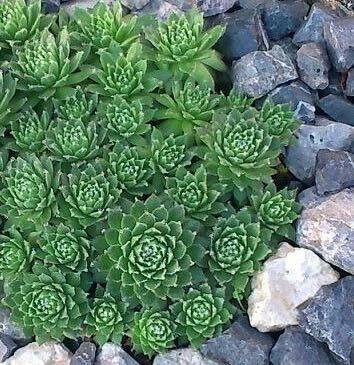
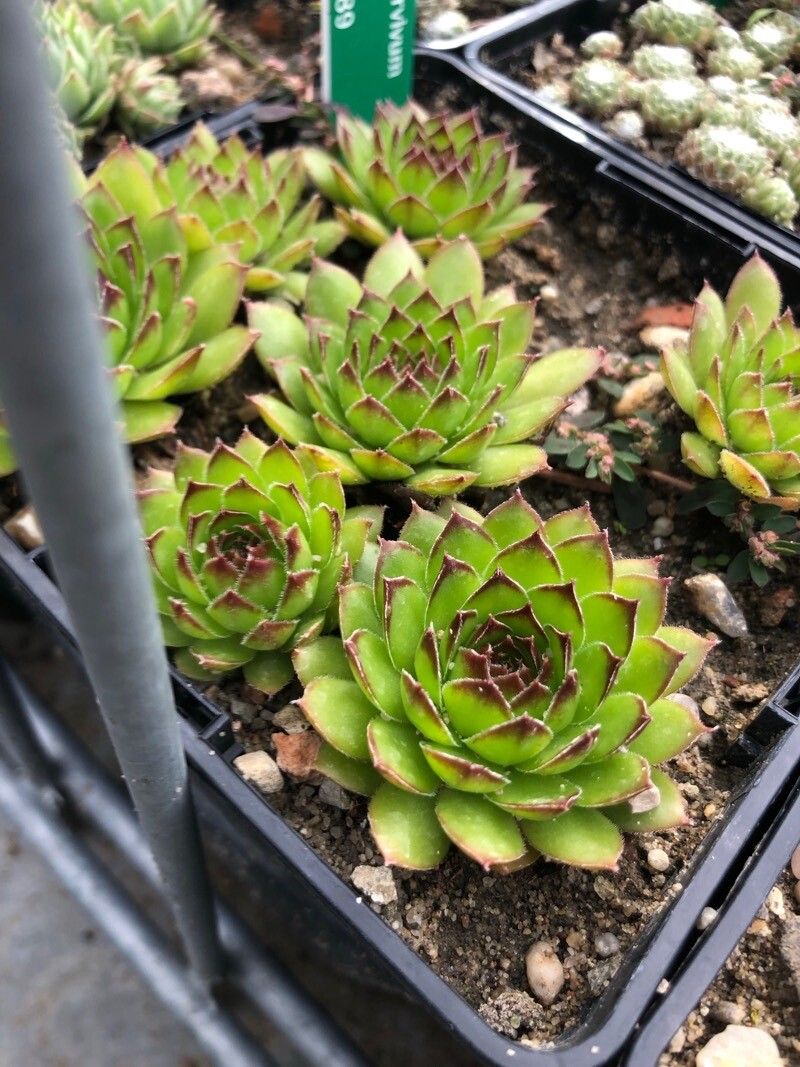
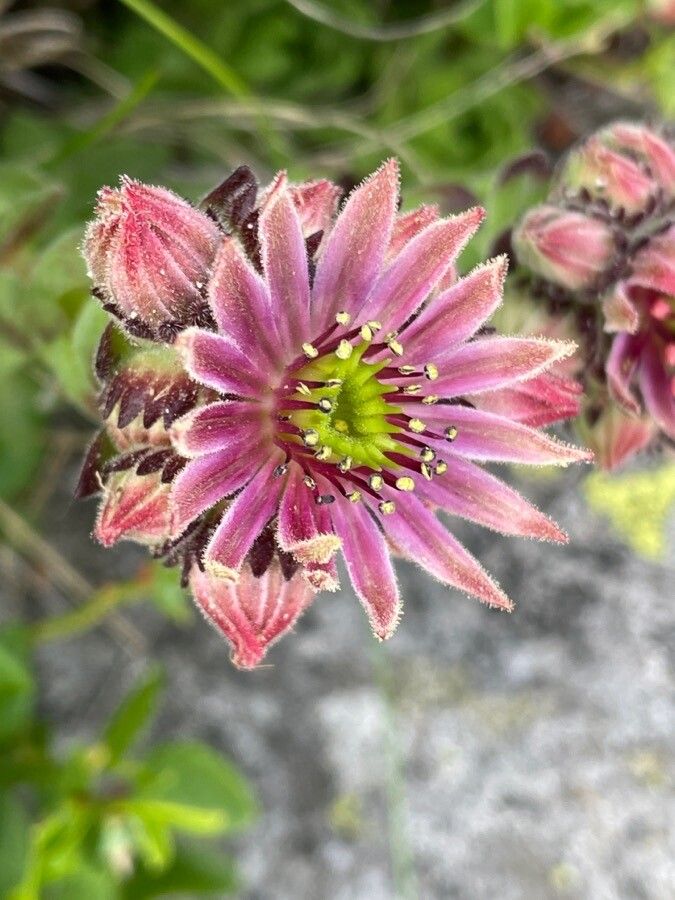
Sempervivum calcareum, commonly known as the limestone houseleek, is a perennial succulent plant that belongs to the Crassulaceae family. Native to the mountainous regions of Europe, it thrives in rocky areas and on limestone cliffs.
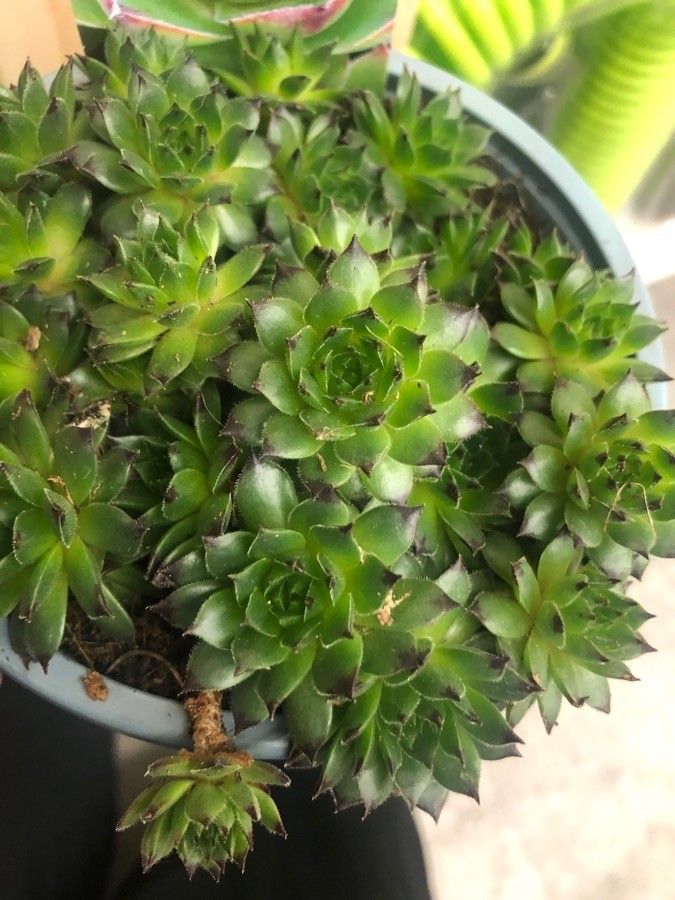
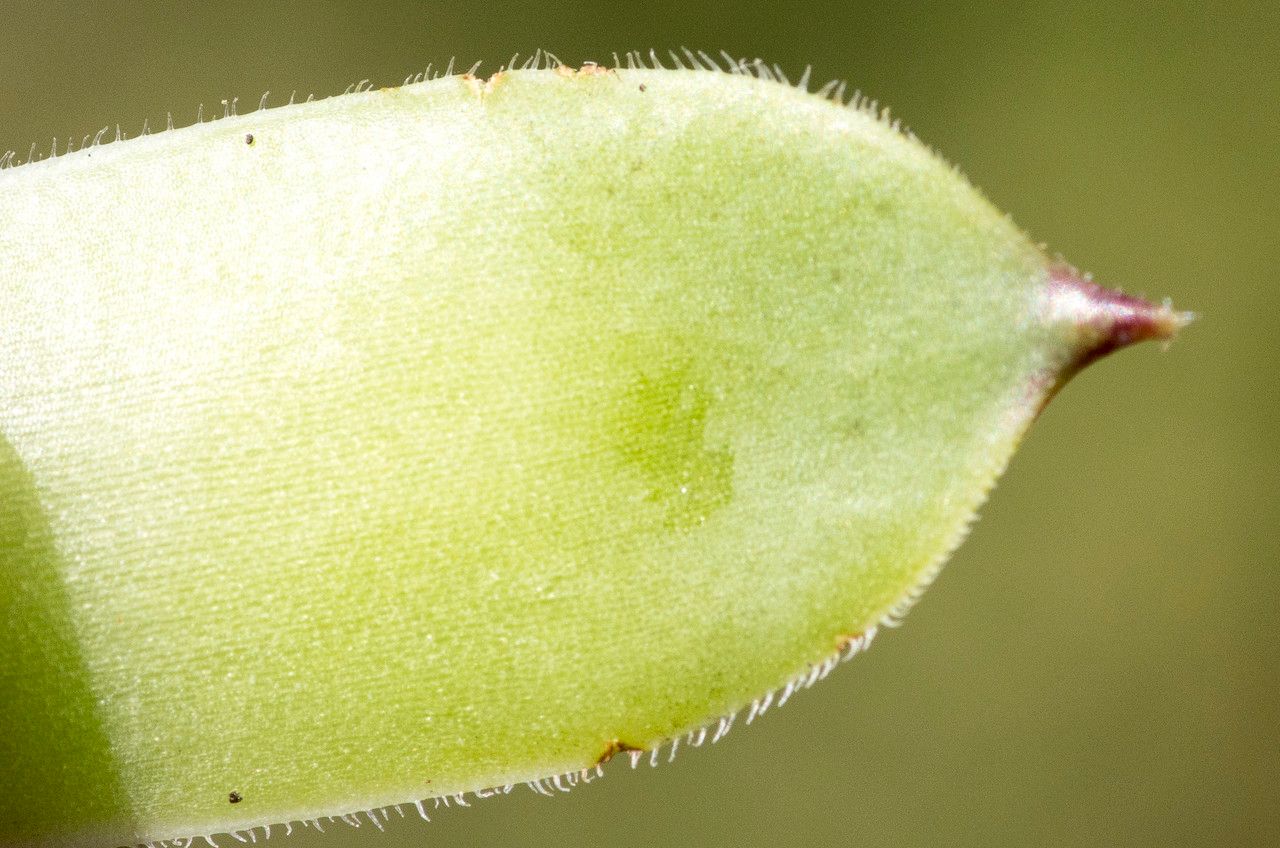
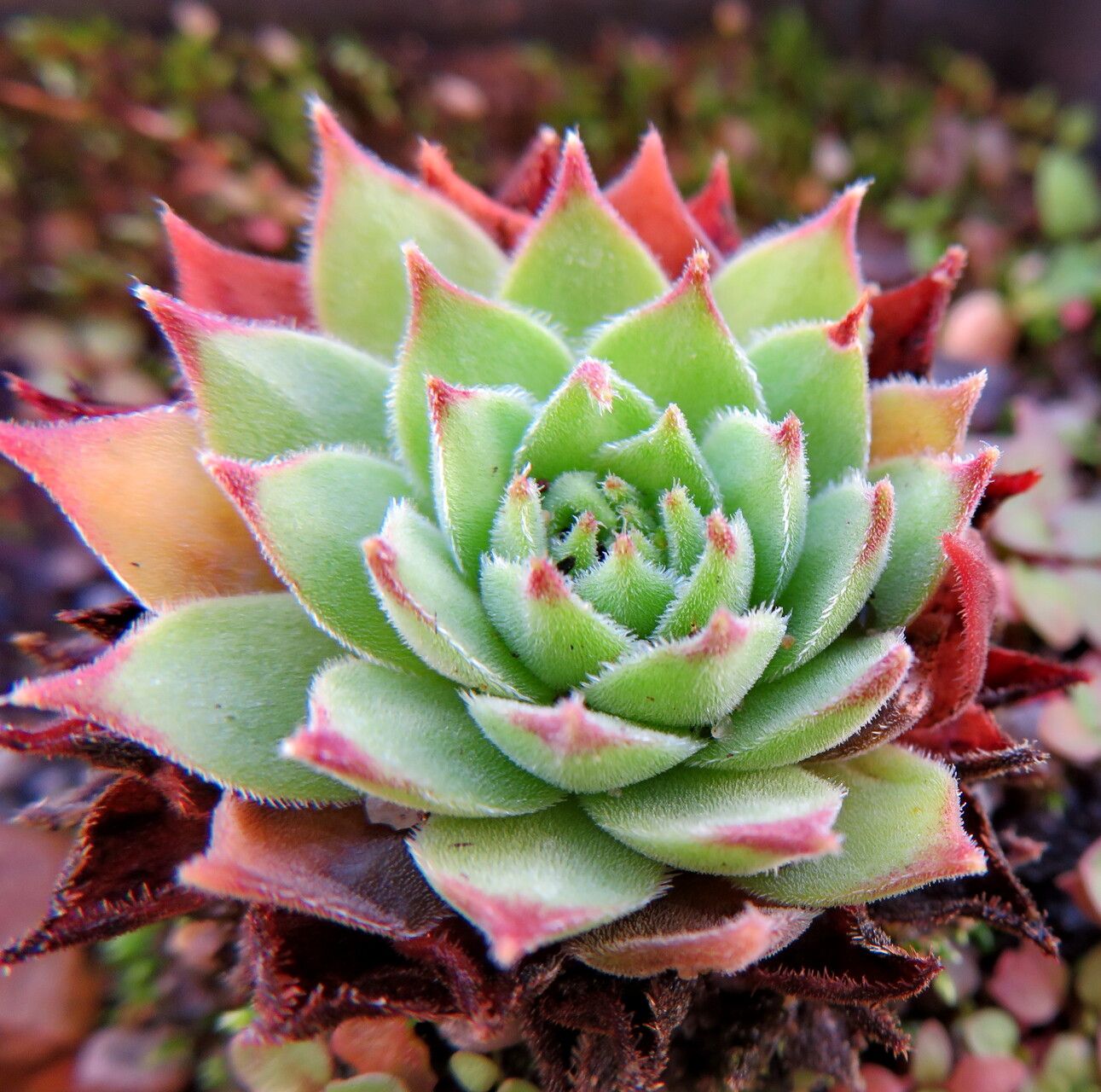
The plant forms a rosette of fleshy, green-grey leaves with reddish tips. These leaves are covered with fine hairs and have a waxy coating that helps retain moisture. The rosettes can grow up to 10 cm in diameter.
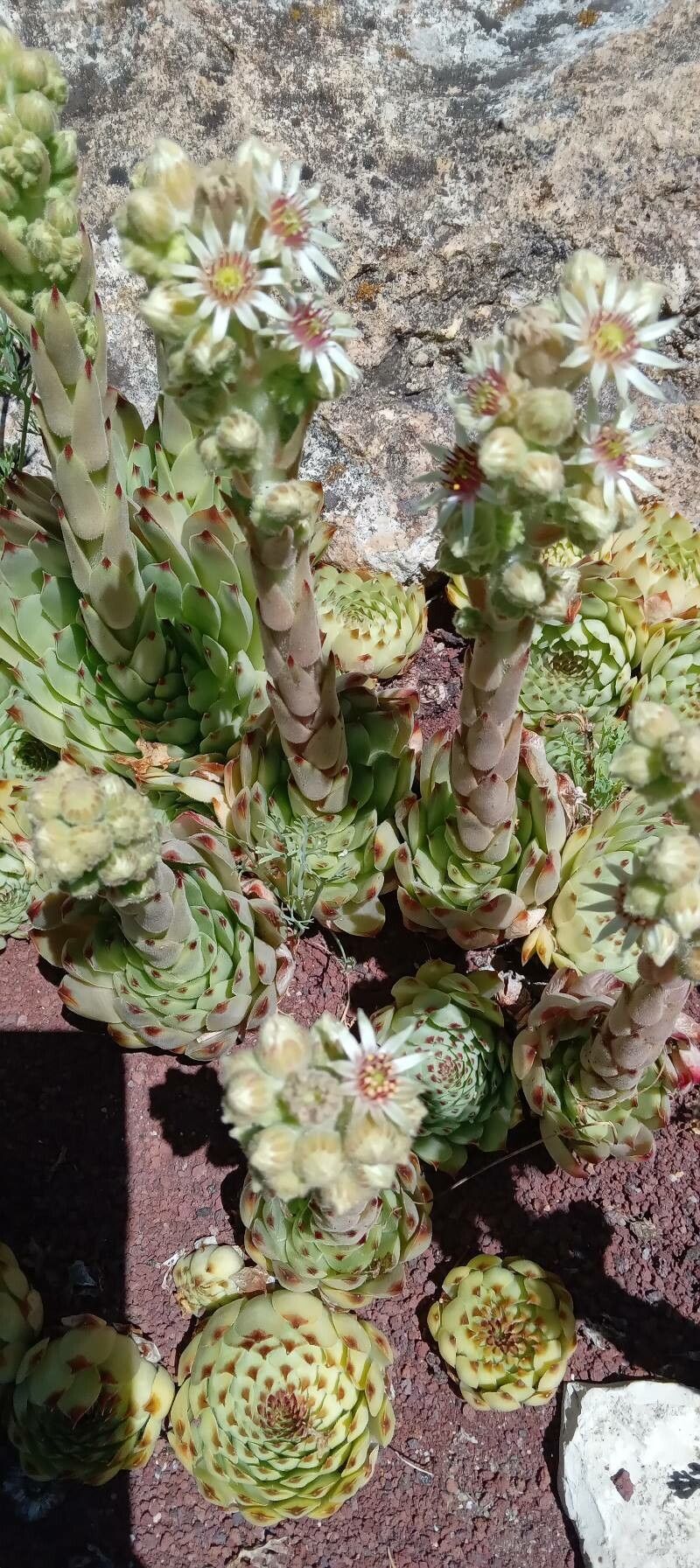
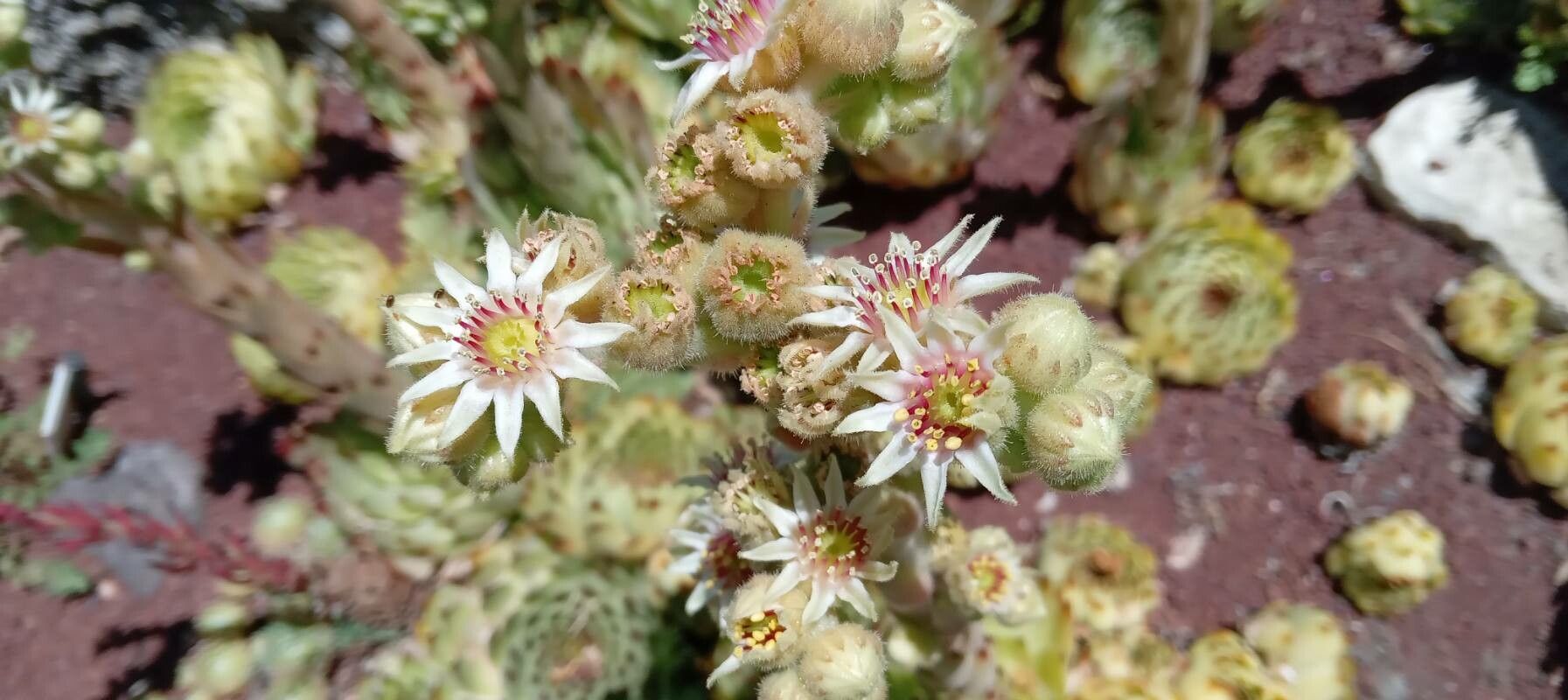
In summer, Sempervivum calcareum produces tall stems topped with clusters of pink or purple flowers, which attract pollinators such as bees and butterflies.
This plant is easy to care for and thrives in well-draining soil with full sun exposure. It is drought-tolerant but should be watered sparingly during prolonged dry periods.
Historically, Sempervivum calcareum has been used for its medicinal properties, such as treating wounds, burns, and skin irritations, due to its anti-inflammatory effects.
Overall, Sempervivum calcareum is an excellent addition to rock gardens or container gardens, thanks to its unique appearance and low maintenance requirements.
Houseleek has moderate disease resistance and is relatively sensitive to humidity. It is vulnerable to disease in high-humidity conditions and tends to develop root rot during dormancy. In terms of care, Houseleek tolerates drought but requires more water during the growing season. Watering should be sharply reduced or stopped entirely during the dormant period. Houseleek is suitable for growers with some experience, but it can be challenging to maintain, particularly during dormancy. It is especially appropriate for people who have the time to dedicate to its care in the winter months.
How to keep Sempervivum Calcareum.
Light
Houseleek needs a substantial amount of sunlight and thrives when exposed to full daylight. It can also tolerate moderate sun. The plant's strong health and growth depend heavily on this. In its native habitat it is used to ample light exposure. However, too much sun can be harmful and too little light can stunt its growth.
Water
Houseleek is well-suited for arid environments, demonstrating strong drought tolerance. It only needs watering once every three weeks. It thrives in well-draining soil, making it an excellent choice for rock gardens. During dry periods, it can slow its growth to conserve resources.
Humidity
This plant prefers dry conditions, so don't mist it. However, watering it less often can also thrive in higher humidity.
Temperature
Houseleek is native to habitats where temperatures range from 41 to 95 °F (5 to 35 ℃). It flourishes in these moderate conditions. In colder winters or hotter summers, consider altering its surroundings to keep temperatures within its preferred range.
Fertilizer
For Houseleek, light applications of fertilizer 1-2 times a year during the growing season are sufficient. Avoid fertilizing in winter or summer when the plant is dormant. Cut back on fertilizer for repotted plants and wait a couple of months after repotting before applying fertilizer. Fertilizing promotes healthy growth and encourages blooming.
Pruning
To preserve the shape of your houseleek, prune any unnecessary or overcrowded branches in the spring and autumn. For propagation, cut sturdy stems that have 5 to 6 leaves. Apply sulfur powder to the cut surfaces and allow them to heal before planting. Use a watering can to gently moisten the soil for the cuttings.
Pot & Repot
Repot your houseleek every two years in the spring, using a larger shallow pot to accommodate its shallow roots. After repotting, ensure the plant receives moderate light and minimal water. It's crucial to use a gritty, well-draining soil mix to support the houseleek's recovery and maintain its health.
Botanical profile.
- Plant Type
- Succulent, Herb
- Life Cycle
- Perennial
- Genus
- Sempervivum
- Family
- Crassulaceae
- Hardiness Zone
- 4-9
- Mature Height
- 20 cm
- Mature Spread
- 30 cm
- Leaf Color
- Green, Red, Gray, Silver
- Leaf Type
- Evergreen
- Flower Color
- Pink
- Flower Size
- 1.02 cm to 2.03 cm
- Bloom Time
- Early summer, Mid summer
- Planting Time
- Spring
- Harvest Time
- Mid summer, Late summer
- Native Area
- Italy, France
Other names.
Reader questions.
What should I do if I give my Houseleek too much water or not enough water?
Houseleeks, like other succulents, can survive without water for long periods. However, if you forget to water your Houseleek for a month or more, it will show signs of being underwatered, such as looking dry and damaged. To fix this, give it plenty of water by submerging the pot in water for 5-10 minutes until the soil feels moist. Overwatering is dangerous for Houseleeks and can cause root rot. Signs of overwatering include yellow, swollen organs that may burst and eventually turn brown or black. To remedy this, adjust the growing conditions to improve air ventilation and reduce water frequency. If caught early, an overwatered plant can be saved by removing it from the pot, removing wet soil and checking the roots for rot. If the majority of the roots are affected, it may be best to propagate a new plant from healthy stems. If only a portion of the roots are affected, remove unhealthy roots, dip the healthy roots in fungicide, and repot the plant in fresh soil. In most cases, the plant will recover and resume growth in the next season.
Why should I put fertilizer on my Houseleek?
Fertilizing Houseleek helps add nutrients to the soil and supports healthy growth. Although Houseleek stores water and nutrients, applying plant food during the growing season can further enhance its growth. Additionally, fertilizing Houseleek can also encourage mature plants to produce blooms in the growing season.
What are the sunlight requirements for Houseleek?
Houseleek thrives in conditions where it can receive a generous amount of sunlight, ideally basking in a full day's light for robust health and growth. It adapts well to moderate sun levels but may suffer from excessive sun exposure or insufficient light, which hampers its growth. In its natural habitat, Houseleek is accustomed to ample light. To ensure your Houseleek prospers, observe your garden to identify areas that offer a mix of light and shade throughout the day, as this strategy supports plant health.
What is the ideal temperature range for growing Houseleek?
Houseleek is best suited to environments where the temperature ranges between 41 to 95 °F (5 to 35 °C). In these moderate climates, it thrives prominently. However, it's important to note that Houseleek is a heat-loving plant that enters a dormant state during the colder months. When winter approaches and temperatures drop below -25°C, it's advisable to move the plant indoors and place it near a south-facing window to ensure it receives sufficient sunlight. In case the natural light isn't enough, supplemental lighting may be considered. The growth of Houseleek slows down when the temperature falls below 5°C, and watering should be minimized or completely stopped to avoid the risk of root rot. For those cultivating Houseleek outdoors, it's crucial to halt watering entirely during cold spells. Additionally, employing protective measures such as setting up a temporary greenhouse or wrapping the plant with plastic film or fabric can provide insulation against cold temperatures.
How often should I give my Houseleek water?
Determining how often to water Houseleek is not set in stone. To simplify this process, it is best to check the soil and only water when it is completely dry. There are a few ways you can do this: inserting your finger in the pot, using a moisture meter to check the soil below the surface, or using a stick or chopstick if the plant is in a deep pot. If the soil feels somewhat moist, it is recommended to wait a few days and check again. In general, most people will need to water Houseleek every two weeks during summer and once a month during winter. However, there are several factors that can affect the watering frequency, which are listed below.
When should I fertilize my Houseleek?
Houseleek generally requires a small amount of fertilizer during its growing season, which should be applied 1-2 times per year. It is recommended to fertilize your Houseleek in the spring and autumn, while avoiding fertilization in the winter and summer when it is dormant. When repotting Houseleek plants, it is important to decrease the amount of fertilizer used. Additionally, it is advisable to wait for a few months after repotting before applying any fertilizer.
How can artificial lighting benefit indoor plants?
When natural sunlight is insufficient, particularly during winter or in spaces that don't receive enough sunlight, artificial lighting becomes crucial for the growth of indoor plants like Houseleek. Artificial lights, especially LEDs, can be adjusted to provide the specific wavelengths plants need. For full sun plants, 30-50W per square foot is recommended; partial sun plants need 20-30W, and full shade plants should have 10-20W. The light source should be placed 12-36 inches above the plant to mimic natural sunlight, and it's important to simulate the natural daylight hours, which for most plants is between 8-12 hours daily.
How should you care for Houseleek in low temperatures?
Houseleek thrives in higher temperatures and has a low tolerance for cold. Ideally, it should be kept in conditions where the temperature remains above 5°C. To protect it during winter, ensure that the plant's environment doesn't drop below -25°C. Exposure to temperatures below -30°C may lead to the plant weakening, wilting, and becoming prone to root rot. In cases where mild frost damage occurs, the plant might not show immediate symptoms but will gradually wither within a week. If frostbite affects the plant, it's recommended to trim off the frostbitten areas. Should there be any root rot, those roots must be removed. The plant can then be propagated through cuttings. It's crucial to move the plant to a warmer indoor environment immediately and place it near a south-facing window for ample sunlight. Utilize supplemental lighting if natural light is insufficient.
What things should I think about when watering my Houseleek?
To ensure your Houseleek is watered properly, consider various environmental factors. The container size, soil type, temperature, and humidity all play a role. When choosing a container, make sure it has drainage holes to prevent excess water buildup. Smaller containers hold less moisture, so they require more frequent watering. On the other hand, larger pots retain moisture longer and need less frequent watering. Avoid using oversized pots as this can lead to overwatering. When repotting, choose a container one size larger than the current one and opt for a shallow container since Houseleek has shallow roots. During winter, Houseleek requires less watering as growth slows down and the plant uses less energy and water. Cooler winter air reduces water evaporation, thus keeping the soil wet for a longer period. The general climate in your area also affects watering frequency. In humid and rainy locations, watering can be less frequent compared to dry and arid climates. Remember that weather conditions can vary within the same geographical location, depending on the season and indoor heating or air conditioning usage. If Houseleek is planted in the ground, it usually doesn't need extra watering once it has established its root system. However, during prolonged dry periods, occasional watering might be necessary. In areas where Houseleek can only be grown in containers, you can move the plant outside during appropriate temperatures in spring and summer and return it indoors as temperatures drop. Keep in mind that potted Houseleek kept outdoors typically requires more watering due to increased sun exposure, even if the plant is placed on a shaded porch.
When is the best time to not fertilize my Houseleek?
Houseleek, like most plants, goes through a dormant period. It's during this time that you should avoid applying fertilizer. This period occurs in both summer and winter, when the plant stops growing. Additionally, it's recommended to refrain from fertilizing for the first few months after repotting in the spring.
What symptoms indicate Houseleek is getting inadequate light?
Insufficient light can lead to several issues in Houseleek, including smaller new leaves, leggy or sparse growth, accelerated leaf drop, halted or slowed new growth, paler or irregularly colored new leaves, and various forms of stress such as chlorosis, sunscald, leaf curling, wilting, and leaf scorching. These symptoms highlight the plant's struggle in suboptimal lighting conditions and underscore the importance of ensuring adequate light for its well-being.
What should you do if Houseleek experiences high temperatures?
During the summer when temperatures soar, it's essential to keep Houseleek below 35°C. Temperatures exceeding 38°C halt the plant's growth, leading to water loss, wilting, and an increased risk of sunburn. To mitigate these effects, remove any sunburned or rotten parts of the plant and provide shade, especially from the harsh afternoon sun until the plant begins to recover and shows signs of growth. If the plant suffers from root rot due to overwatering in high temperatures, cease watering until new roots start to grow. These steps will help in protecting your Houseleek from the adverse effects of high temperatures and assist in its recovery and growth.