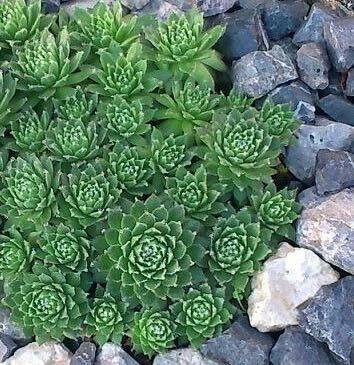
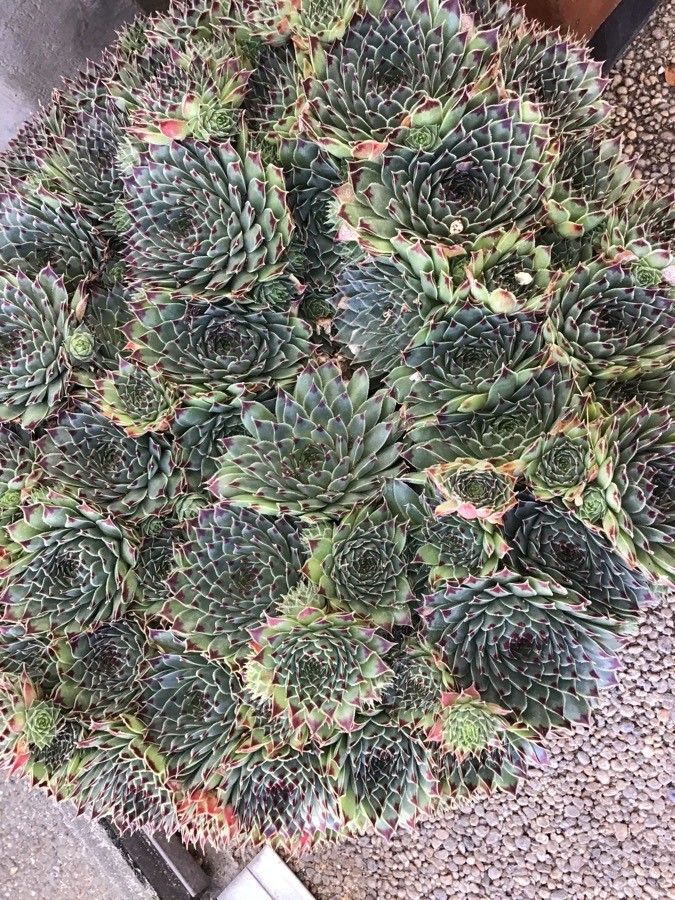
Sempervivum arachnoideum, commonly known as cobweb houseleek, is a small succulent plant belonging to the Crassulaceae family. Native to the mountainous regions of Europe and Asia, it is widely cultivated for its striking appearance.
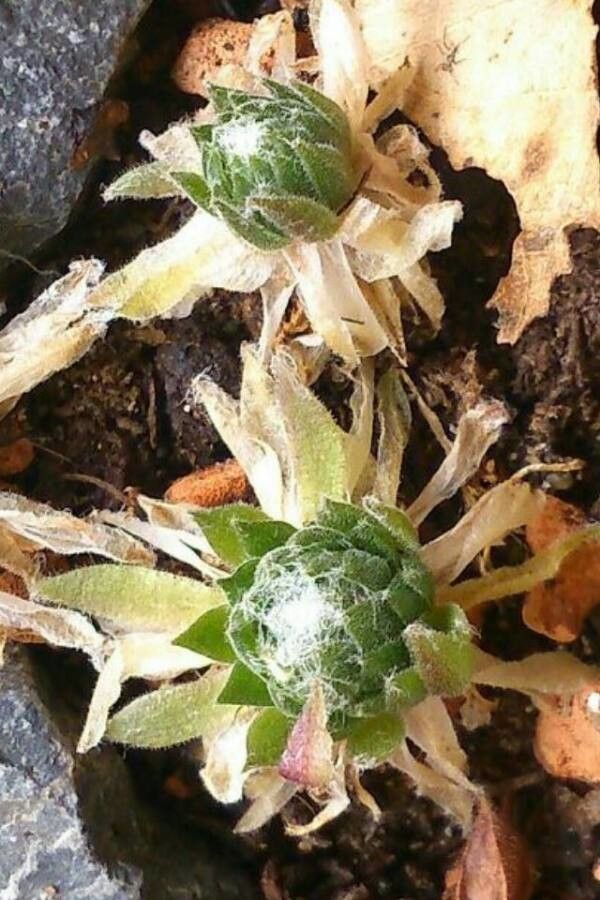
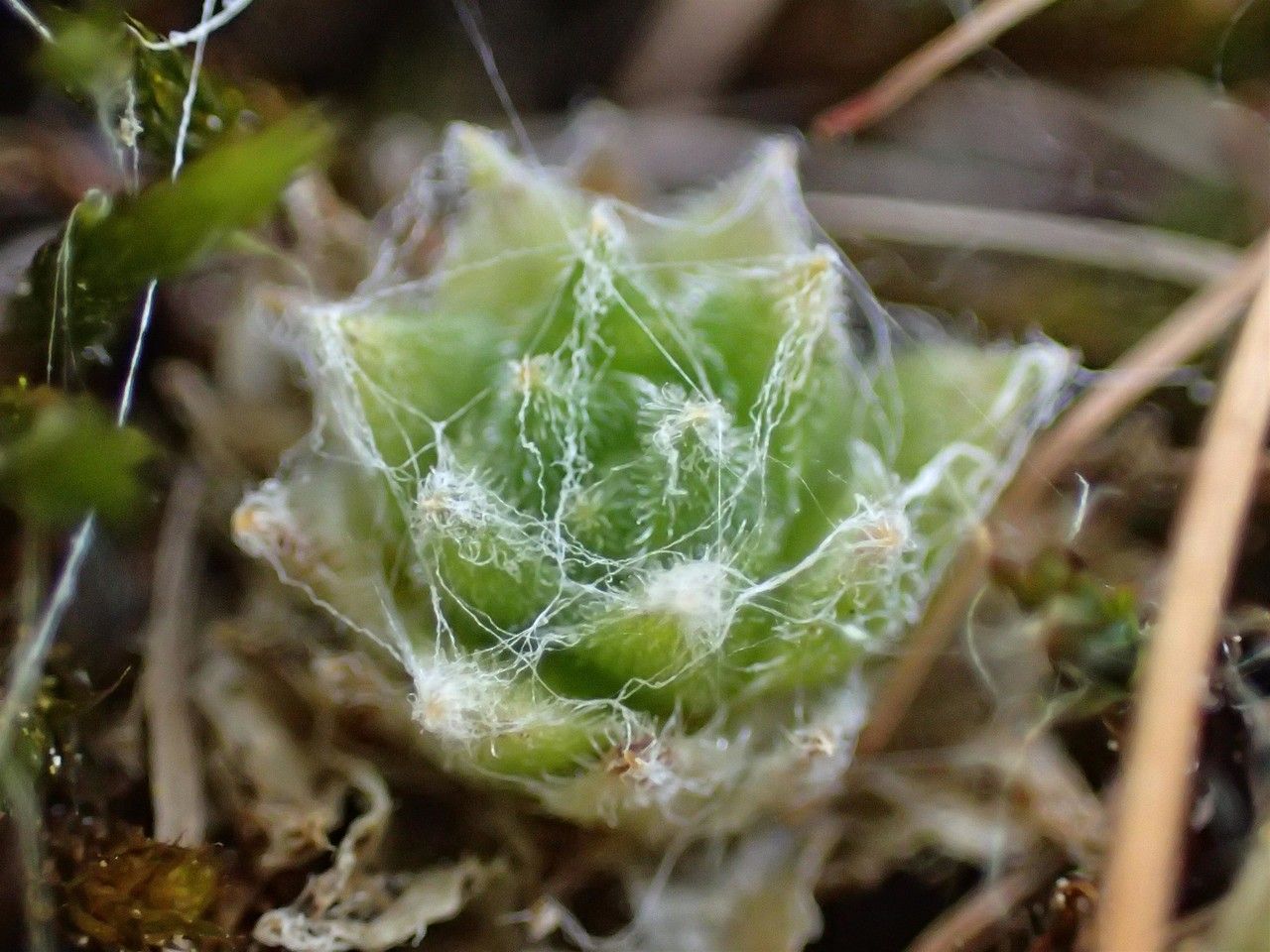
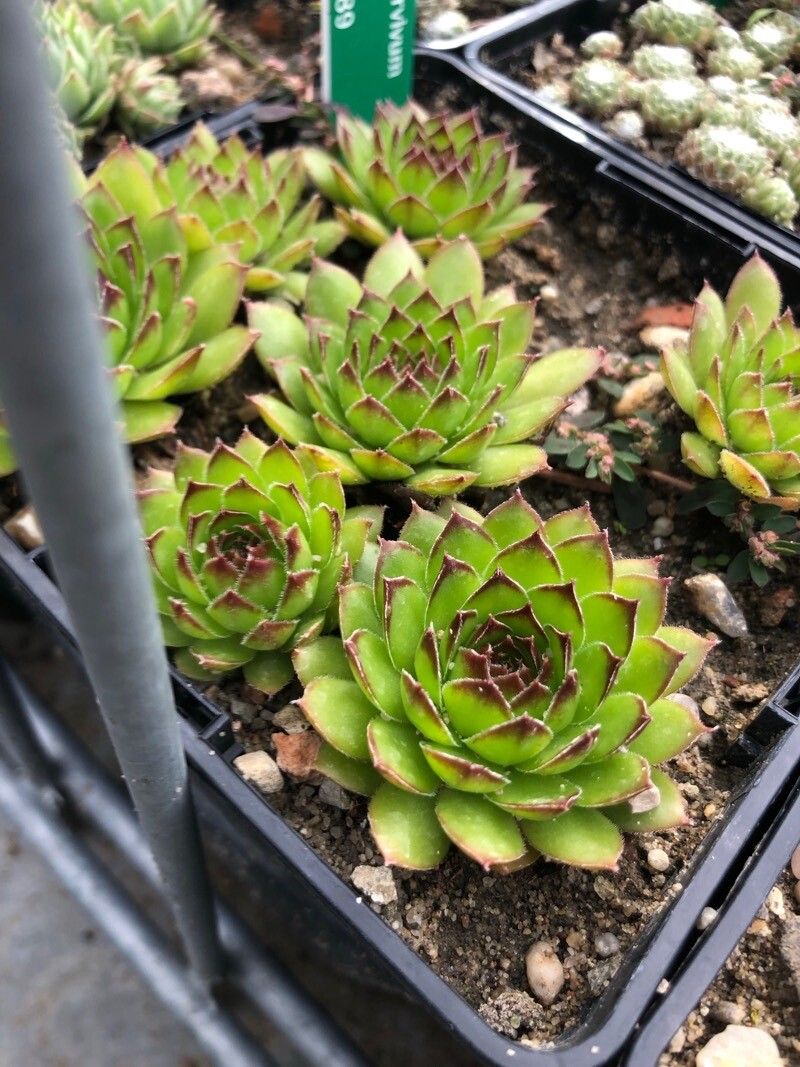
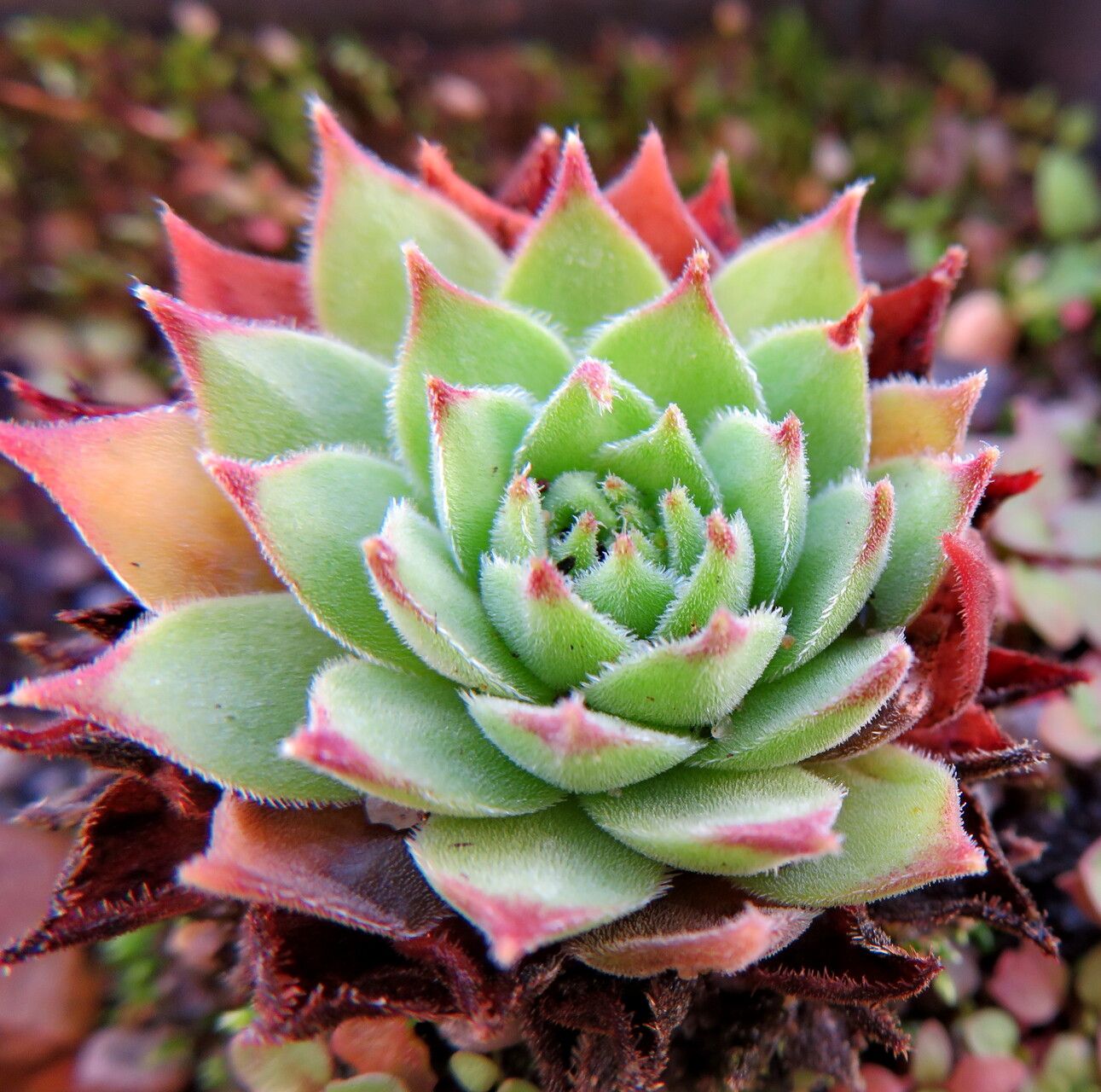
This plant forms rosettes of fleshy leaves covered in fine white hairs, giving them a cobweb-like look. The leaves, which can be green or reddish-brown with pointed tips, form rosettes that can grow up to 10 cm in diameter. These rosettes produce small offsets, or "pups," around their base.
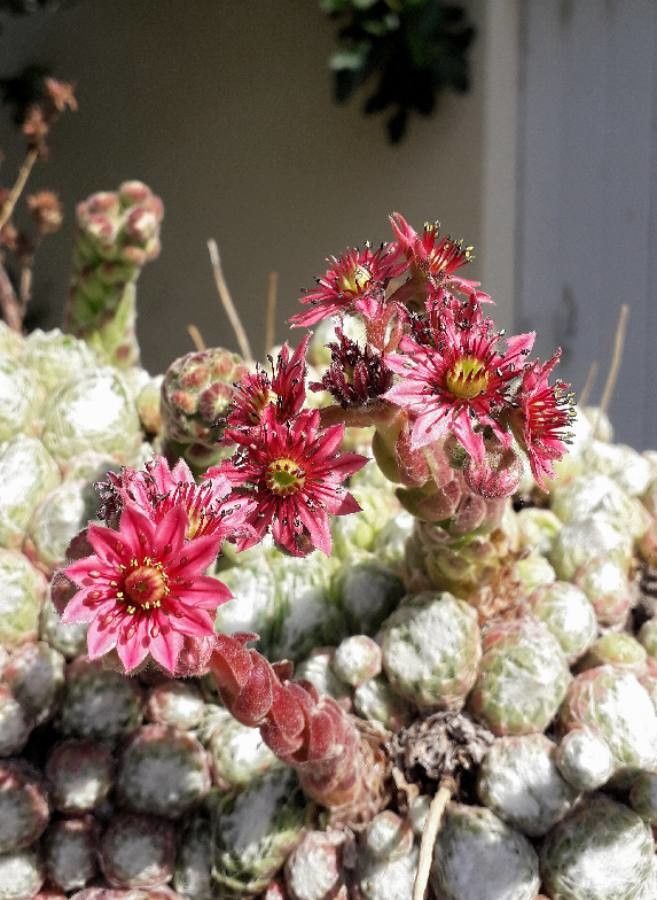
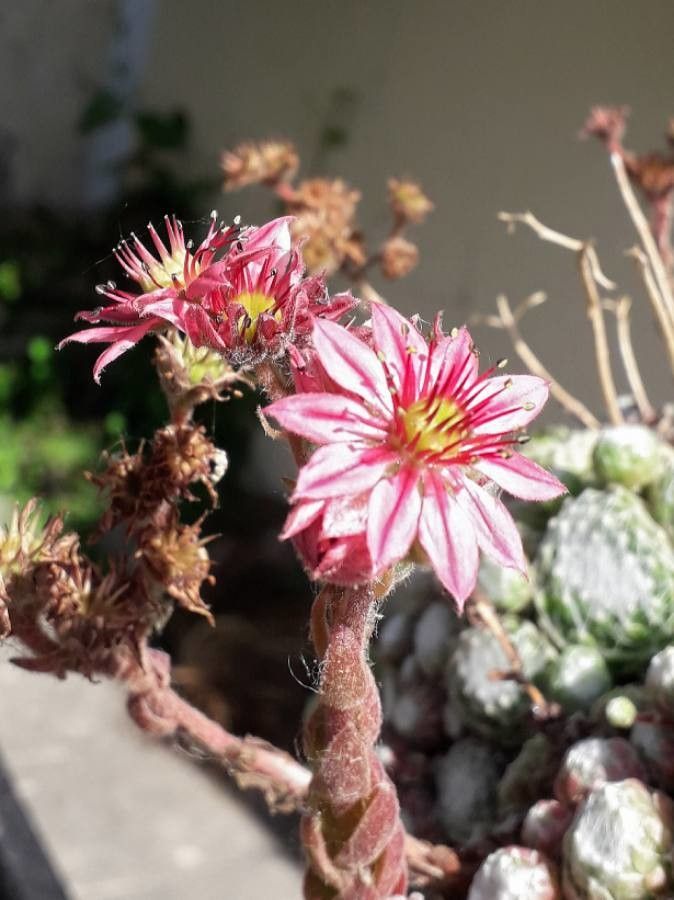
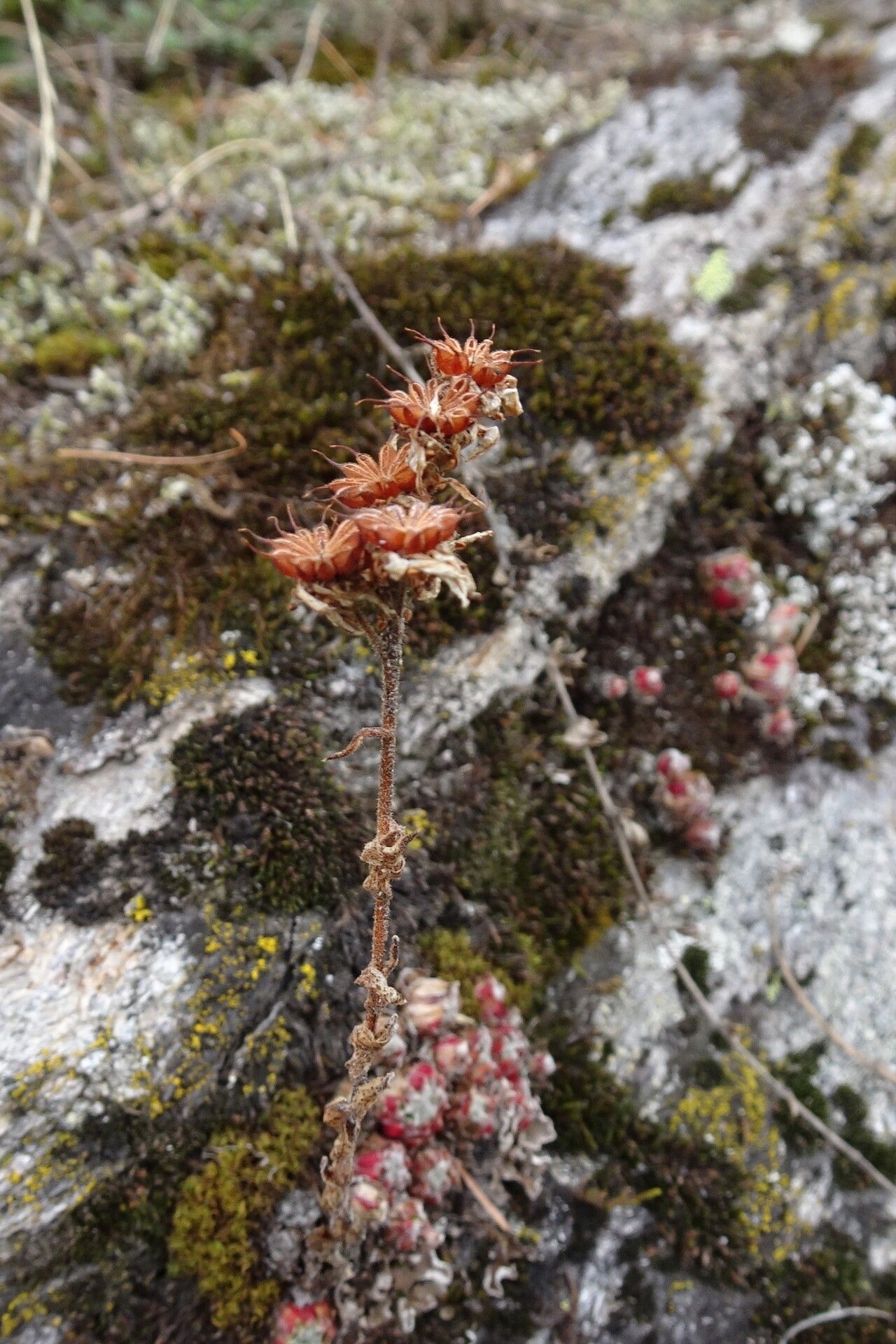
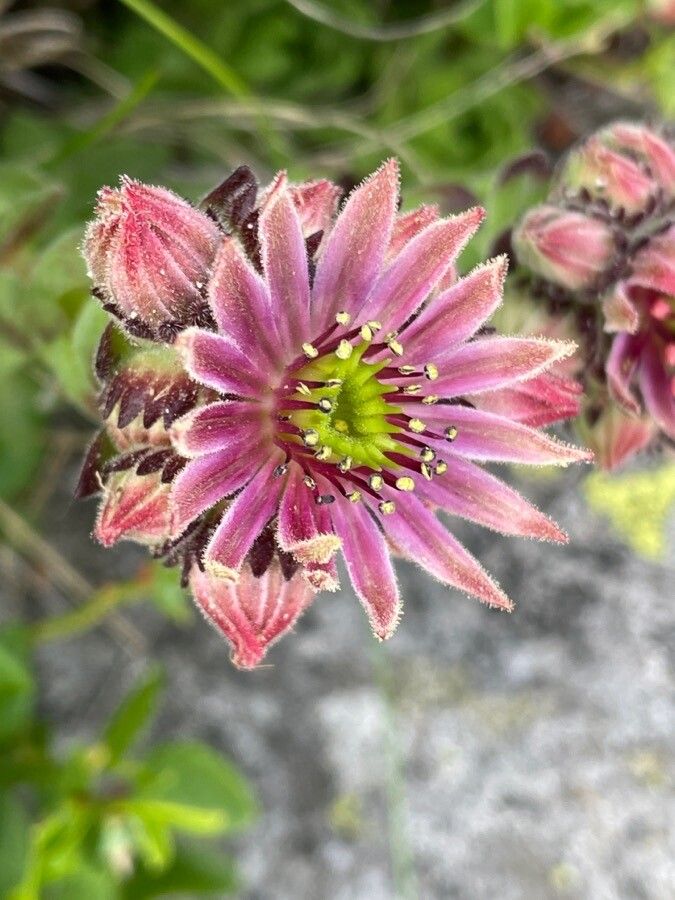
In the summer, Sempervivum arachnoideum sends up tall stems adorned with clusters of pink or white flowers that attract pollinators such as bees and butterflies. After flowering, the mother rosette dies, but it leaves behind its pups, which continue to grow.
Sempervivum arachnoideum is a hardy plant, tolerating extreme temperatures ranging from -20°C to 40°C. It thrives in well-draining soil with low fertility levels and requires minimal watering once established.
Besides its ornamental value, Sempervivum arachnoideum has been used in traditional medicine to treat various ailments, such as wounds, burns, fever, and coughs, owing to its antibacterial properties.
Overall, Sempervivum arachnoideum makes an excellent addition to rock gardens or container gardens due to its low maintenance requirements and unique, year-round appeal.
Cobweb Houseleek: Legend has it that when this plant was first discovered, it was found growing on a roof. People of that time believed the plant had the ability to protect against lightning storms. Over time, it became common to plant cobweb houseleek on rooftops. This unique plant is distinguished by its leaves, which are covered in white filaments that interlace like spider webs, giving it its name.
Cobweb houseleek has moderate disease resistance but is more vulnerable to high humidity and excessive watering. It is also likelier to develop problems when it lacks light and is overwatered. As for care, Cobweb houseleek is drought-tolerant and can withstand extended periods without watering. It requires little fertilizer and only occasional pruning. These characteristics make it appropriate for people of all experience levels, especially those who prefer to spend less time on plant care or who may be away from home for long stretches. It is a good option for anyone who does not want to invest a lot of time in maintenance but still wants an easy-to-maintain plant.
How to keep Sempervivum Arachnoideum.
Light
Cobweb houseleek prefers ample sunlight, like in its native rocky surroundings, which encourages its best growth. It can cope with somewhat reduced light as well. Too much sun can cause sunburn, while too little light may lead to etiolation and weaken its health.
Water
Cobweb hens and chicks thrive on rocky slopes and demonstrate strong drought tolerance, characteristic of succulents. They prefer to be watered infrequently, about every 2 to 3 weeks, allowing the soil to dry out completely between waterings. This plant is ideal for rock gardens, as it stores water in its leaves and adapts well to sporadic rainfall.
Humidity
This plant prefers dry conditions, so don't mist it. However, watering it less often can also thrive in higher humidity.
Temperature
The cobweb houseleek thrives in its native cool to cold range of 32 to 60 °F (0 to 15.6 °C). It can, however, adapt to warmer regions up to 95 °F (35 °C) and is drought tolerant. In summer it’s best kept in a shaded spot, while in winter it may need a little more light to encourage growth.
Fertilizer
Light applications of fertilizer once or twice a year during the growing season are sufficient for Cobweb houseleek. Do not fertilize in winter or in summer when it is dormant. Cut back on fertilizer for plants that have been repotted and wait a couple of months after repotting before feeding. Fertilizing helps maintain healthy growth and promotes flowering.
Pruning
To help cobweb hens and chicks maintain their shape, pruning may be needed, especially in the spring and fall, to remove any excess or dense branches. If you want to propagate them, cut sturdy stems that have 5 to 6 leaves, apply sulfur powder to the cut surface to protect it, and keep the soil slightly moist while the plant heals.
Pot & Repot
When repotting Cobweb houseleek, choose a pot slightly larger than the current one that provides good drainage. Use a gritty, well-draining cactus or succulent mix. Gently remove the plant from its old pot, dust off excess soil, and set it at the same depth. Wait a few days before watering so any root damage can heal. Repot in spring or fall and place it in a brightly lit area.
Botanical profile.
- Plant Type
- Succulent, Herb
- Life Cycle
- Perennial
- Genus
- Sempervivum
- Family
- Crassulaceae
- Hardiness Zone
- 3-9
- Mature Height
- 8 cm
- Mature Spread
- 30 cm
- Leaf Color
- Green, White, Red, Gray, Silver
- Leaf Type
- Evergreen
- Flower Color
- Pink
- Flower Size
- 1.02 cm to 2.03 cm
- Bloom Time
- Early summer, Mid summer
- Planting Time
- Spring, Summer, Autumn
- Harvest Time
- Mid summer
- Native Area
- Mountainous and stony areas of Southern and Central Europe and North Africa
Other names.
Reader questions.
What do I do if I give too much or too little water to my Cobweb hens and chicks?
Cobweb hens and chicks, along with other succulents, are typically able to go without water for extended periods of time. However, if you forget to water your Cobweb hens and chicks for a month or more, you may notice that it appears dehydrated or has leaf damage. Signs of underwatering include shriveled, dry, and flat leaves, as well as a completely dried out soil. To remedy this, thoroughly water the plant by submerging the pot in water for 5-10 minutes, ensuring the soil is properly rehydrated. If there are any dried out leaves, remove them to make space for new growth. Overwatering, on the other hand, is harmful to Cobweb hens and chicks and can lead to root rot. Root rot occurs when the soil remains excessively wet, allowing fungi and bacteria to thrive and attack the roots. Symptoms of overwatering include yellow, swollen, and translucent leaves that may burst from excess water. If the problem persists, leaves may turn brown or black and easily fall off. To address overwatering, improve air ventilation around the plant and adjust the frequency of watering. Saving an overwatered plant can be challenging, so it's important to catch the issue early. If root rot has not progressed significantly, there is a chance of salvaging the plant. Remove the plant from its pot, carefully clean the wet soil from the roots, and inspect them for any signs of rot. If most of the roots are affected, it may not be possible to save the plant. In such cases, remove healthy leaves for propagation. If only a portion of the roots are affected, remove the unhealthy roots, dip the remaining roots in a fungicide, and repot the plant in fresh, well-draining soil. While this method does not always work, Cobweb hens and chicks can often recover and produce new growth in the next growing season.
Why do I have to put fertilizer on my Cobweb hens and chicks plants?
Applying plant food to fertilize Cobweb hens and chicks during the growing season adds nutrients to the growing medium, supporting healthy growth. It can also help these plants store water and nutrients better, and even encourage mature specimens to produce blooms.
What are the sunlight requirements for Cobweb hens and chicks?
Cobweb hens and chicks (Sempervivum arachnoideum) thrives best with abundant exposure to sunlight, reflective of its native rocky landscapes, which fosters its optimal growth. The plant is adaptable, managing well in slightly less bright conditions, but excessive sun can cause sunburn, while too little light may lead to etiolation, affecting the plant’s health negatively. Specifically, these plants require full sun, meaning above 6 hours of sunlight, or partial sun, about 3 to 6 hours of sunlight, to flourish. Monitoring the movement of sunlight through your garden and placing the plants in locations that offer a balance of light and shade is crucial for their well-being.
What temperature is best for your Cobweb hens and chicks?
To ensure the health of Cobweb hens and chicks, it is best to maintain them within a specific range of conditions. Ideally, temperatures between 75-90℉ (25-32℃) are most suitable. During the early winter season, it is important to avoid temperatures dropping below 75℉ (25℃) for Cobweb hens and chicks. In such cases, it may be beneficial to bring them indoors for added protection from extreme weather conditions. While Cobweb hens and chicks are capable of surviving in some extreme temperatures, it is not ideal for their well-being. Although they can endure low temperatures like 50℉ (15℃) at times, it is recommended to bring them indoors if winter conditions are expected outside.
How frequently should I water my Cobweb hens and chicks?
Determining how often to water Cobweb hens and chicks is not a strict rule. The best way to figure it out is by checking the soil and watering only when it is completely dry. To check the soil moisture, you can insert your finger or use a moisture meter to assess the soil below the surface. If you have planted it in a deep pot, you can use a stick or chopstick for this purpose. If the soil still feels slightly damp, it is better to wait a few days before checking it again. In general, most people usually need to water Cobweb hens and chicks approximately every two weeks during summer and once a month in winter. However, there are certain factors that can affect the frequency of watering. To determine how often to water, consider the factors listed in the section below.
When should I fertilize my Cobweb hens and chicks?
Cobweb hens and chicks, like all plants, benefit from extra nutrients, but they only require a small amount of fertilizer during the growing season. It's recommended to fertilize them 1-2 times a year, specifically in the spring and autumn and to avoid fertilizing in the dormant seasons of winter and summer. When repotting the plants, be cautious with the amount of fertilizer used and wait a few months after repotting before applying any.
How to use artificial lighting for Cobweb hens and chicks?
When natural sunlight is not sufficient, especially during winter or in less sunny locations, artificial lighting can be a critical solution for the growth of indoor Cobweb hens and chicks. LED lights are a favored choice as they can be tailored to supply specific light wavelengths needed by plants. Full sun plants require 30-50W per square foot, partial sun plants require 20-30W per square foot, and full shade plants need 10-20W per square foot of artificial light. The light source should be positioned 12-36 inches above the plant to emulate natural sunlight. It's important to mimic the natural daylight duration relevant to your plant species, which generally means 8-12 hours of light per day.
How do I change the temperature for my Cobweb hens and chicks as they grow?
Cobweb hens and chicks have various growing phases. First, the dormant seeds need specific conditions to grow. They require a temperature of 75-90℉ (25-32℃) to germinate. The best time for vigorous growth is summer, when the temperature is around 85℉(30℃). During hot summer months, you can move your Cobweb hens and chicks from indoors to a sunny spot to ensure they get enough sunlight.
What do I need to think about when watering my Cobweb hens and chicks?
To determine how to properly water your Cobweb hens and chicks, there are a few key environmental factors to consider. The size of the container and the type of soil you use will affect the frequency and amount of water needed. Make sure to use a container with good drainage to allow excess water to escape. Smaller containers will hold less moisture, so they will need to be watered more often. In contrast, larger pots will retain moisture for longer periods and require less frequent watering. Avoid using oversized pots as they can lead to overwatering. When repotting, choose a container that is only one size larger than the current one. Due to their shallow root systems, Cobweb hens and chicks prefer shallow containers. The watering needs of Cobweb hens and chicks will also vary depending on the season. They will require less water during winter when growth slows down and the plant is not using as much energy or water. In cooler winter air, evaporation is reduced, causing the soil to stay wet for longer periods. Additionally, the overall climate of your location plays a role in watering frequency. If you live in a humid area with frequent rainfall, you will need to water less frequently compared to living in a dry, arid climate. Keep in mind that conditions can change throughout the year and may be influenced by indoor heating and air conditioning. If you have planted Cobweb hens and chicks in the ground, once the plant has established its root system, it should receive enough water through precipitation and dew. However, during long dry periods, you may need to provide supplemental watering. For areas where Cobweb hens and chicks can only be grown in containers, you can move the plant outdoors in the spring and summer when temperatures are suitable and bring it back inside as temperatures drop. When kept outside, potted Cobweb hens and chicks will generally require more water due to increased sun exposure, even if they are placed on a shaded porch.
When is not a good time to fertilize my Cobweb hens and chicks?
Cobweb hens and chicks, like other plants, have a dormancy period where they do not grow. During this time, it is best to avoid using fertilizer. This period occurs in the summer and winter months. Additionally, after repotting the plant in the spring, it is recommended to wait a few months before applying fertilizer.
What are the symptoms of insufficient light in Cobweb hens and chicks?
Cobweb hens and chicks show several symptoms when light conditions are suboptimal. Insufficient light can lead to lighter-colored new leaves, indicating a scarcity of chlorophyll and vital nutrients. The plant may experience leggy or sparse growth, with increased spaces between leaves or stems, giving it a stretched appearance. There might be a noticeable slowdown or complete stop in new growth as the plant enters a survival mode due to poor light conditions. Other symptoms include chlorosis, or the yellowing of leaves, and physical damage like sunscald, leaf curling, wilting, and leaf scorching, all of which significantly affect the plant's health.
How do I make sure my Cobweb hens and chicks stay warm during cold seasons?
To protect your Cobweb hens and chicks from harsh winter conditions, it is recommended to bring them indoors. Some people choose to buy grow lights to provide enough sunlight for the plants, but if your home is not excessively dark, it is not necessary to purchase these lights. Instead, position your plants in an area that receives the most sunlight possible. This should provide sufficient light for the Cobweb hens and chicks to thrive during the winter. If you have multiple plants, make sure to rotate them so that they all get enough sunlight. However, if you live in northern areas with frigid weather, be cautious about placing your Cobweb hens and chicks too close to the window, as the cold temperatures may damage them.