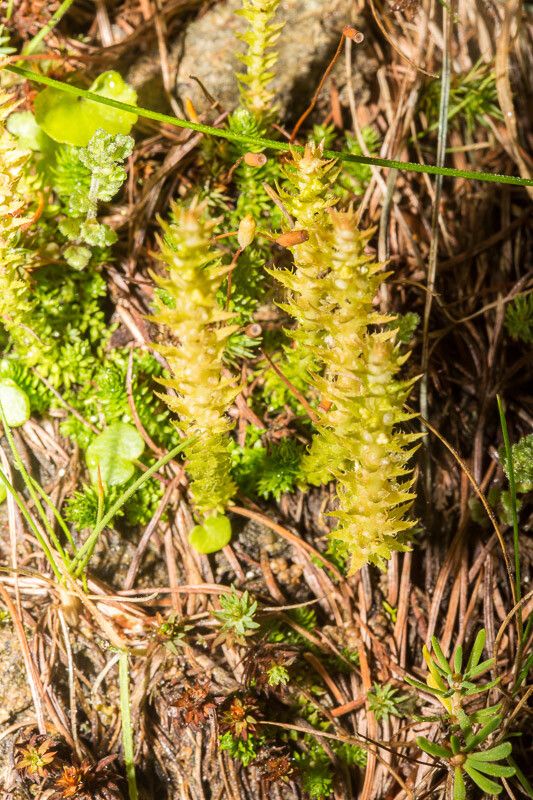
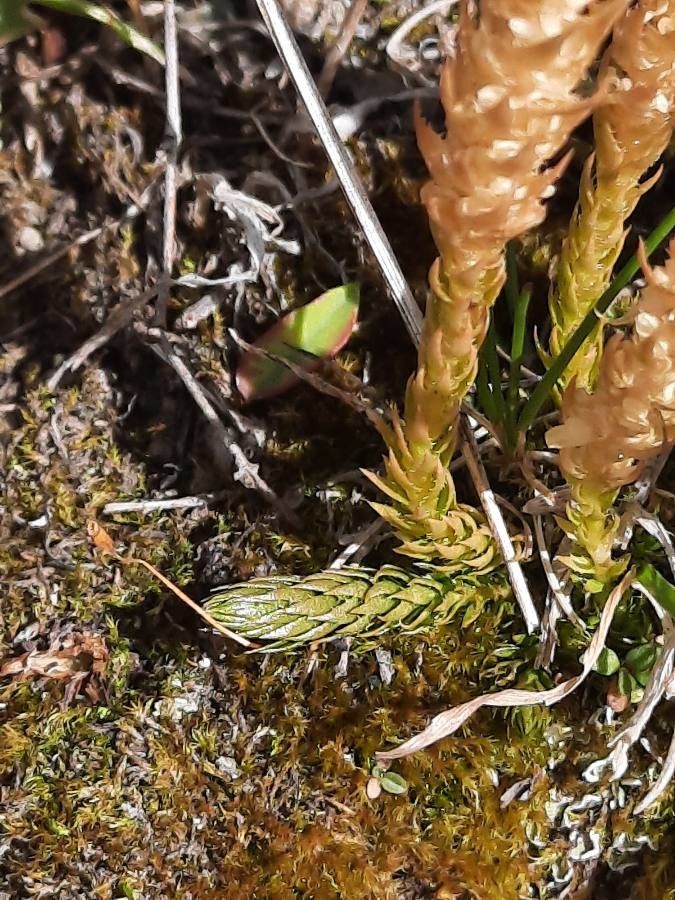
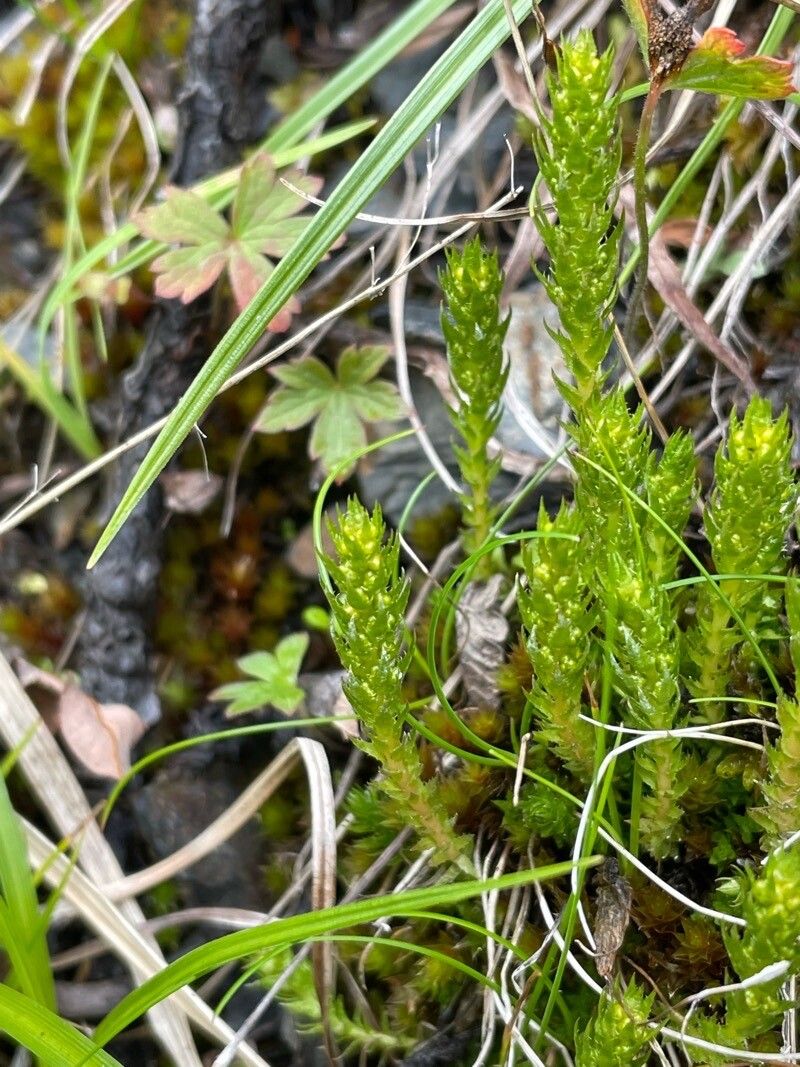
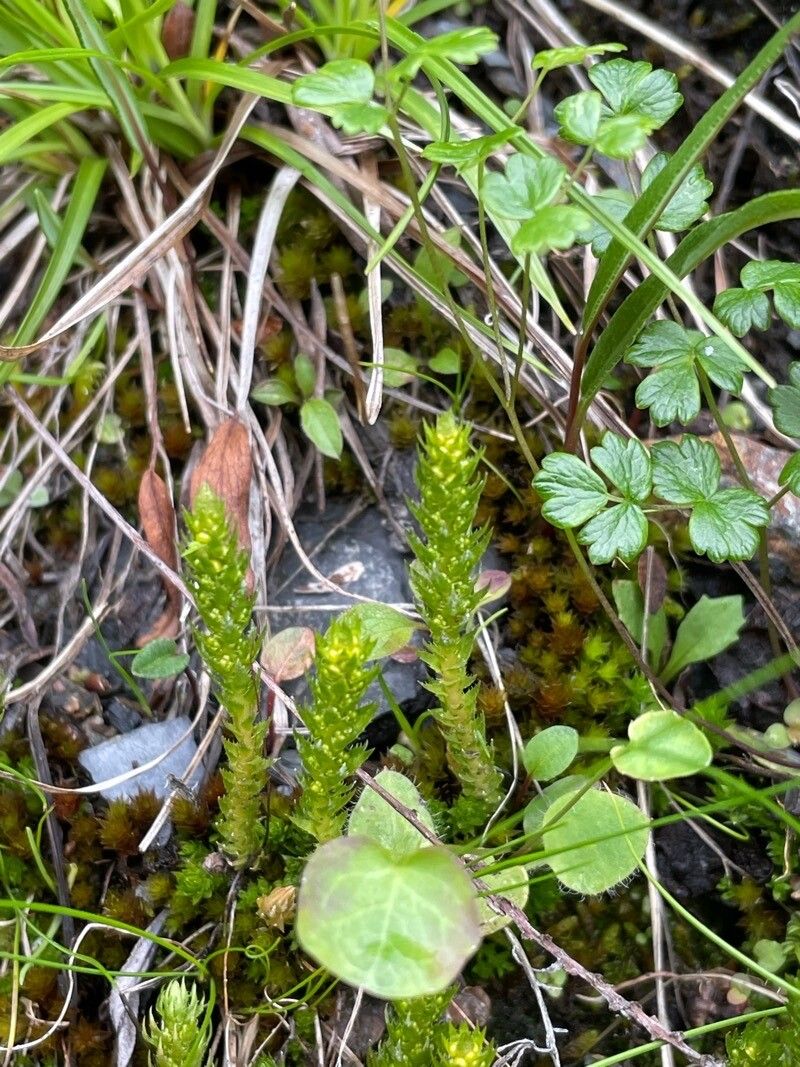
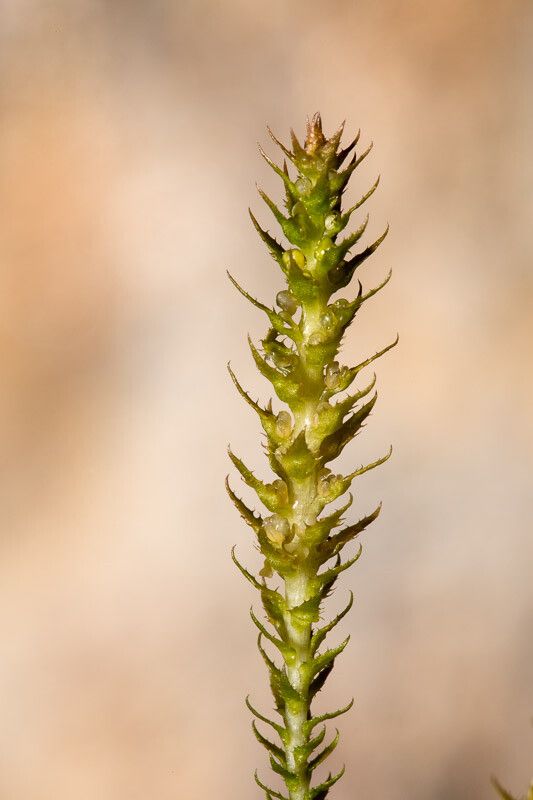
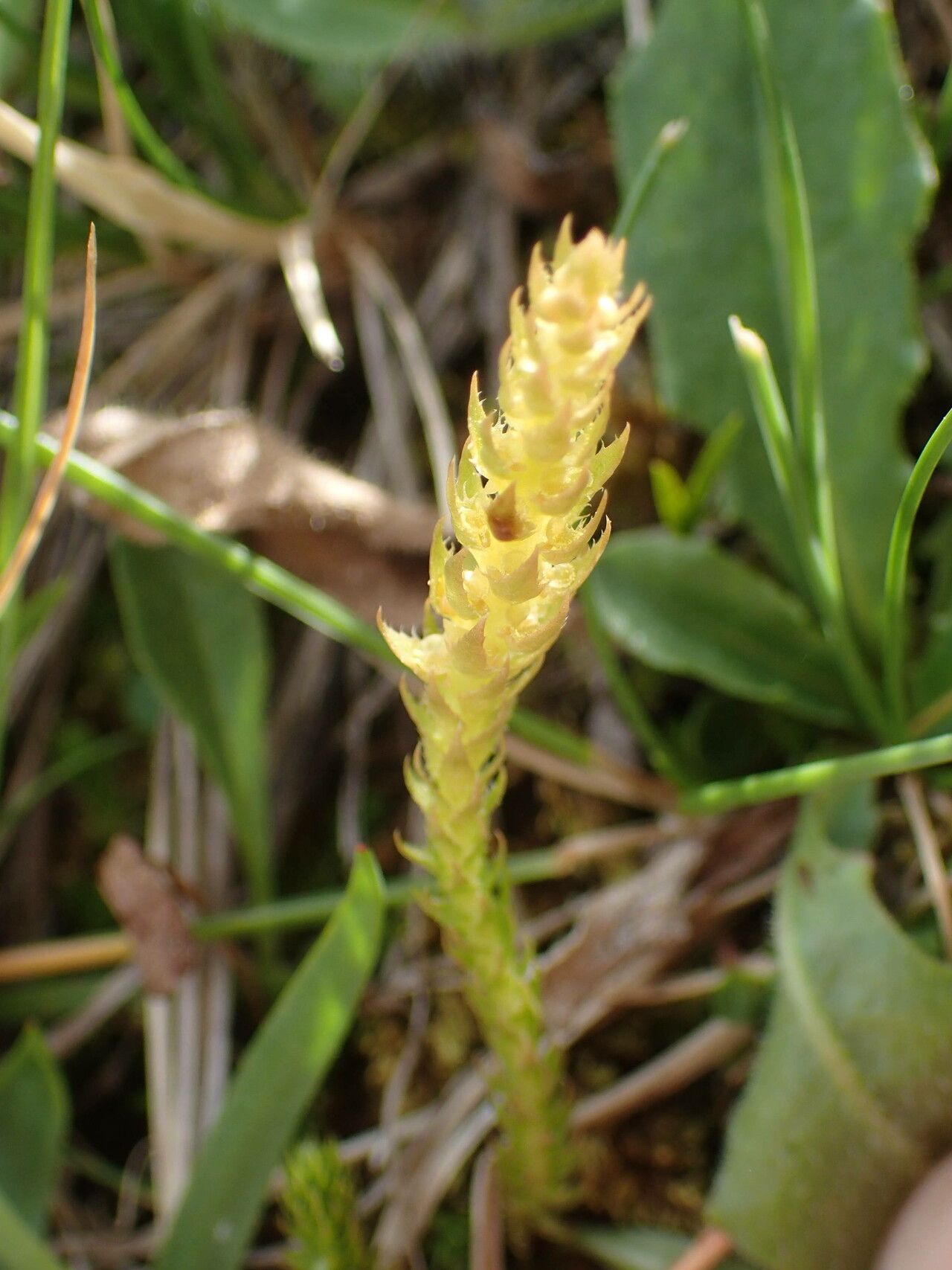
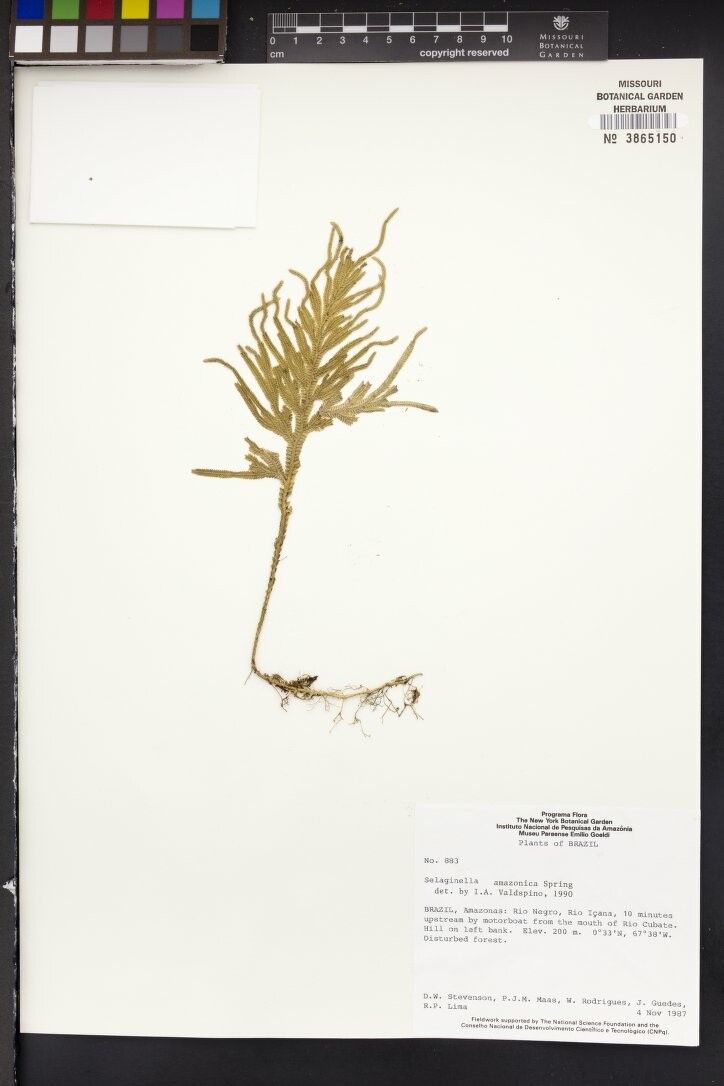
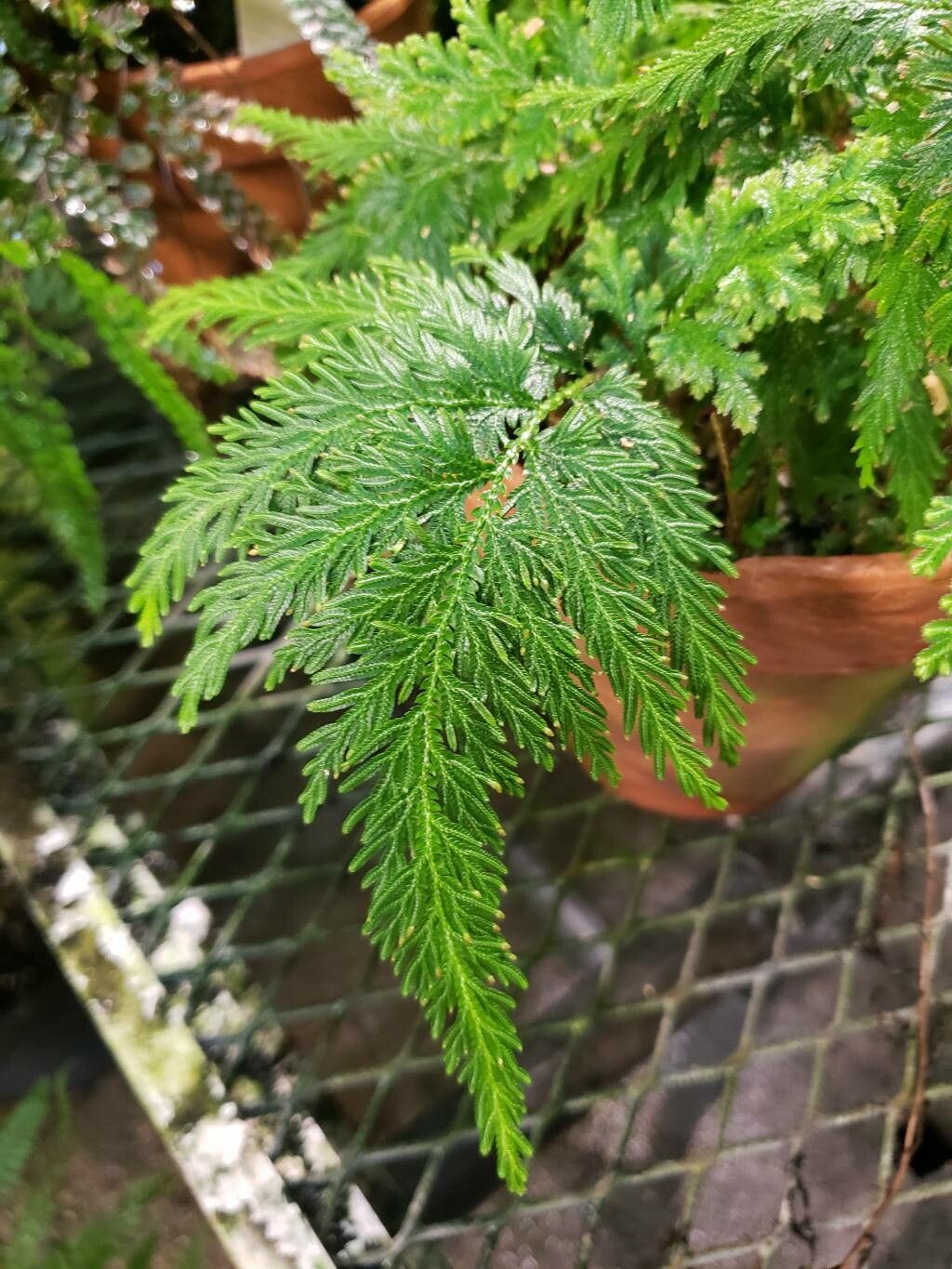
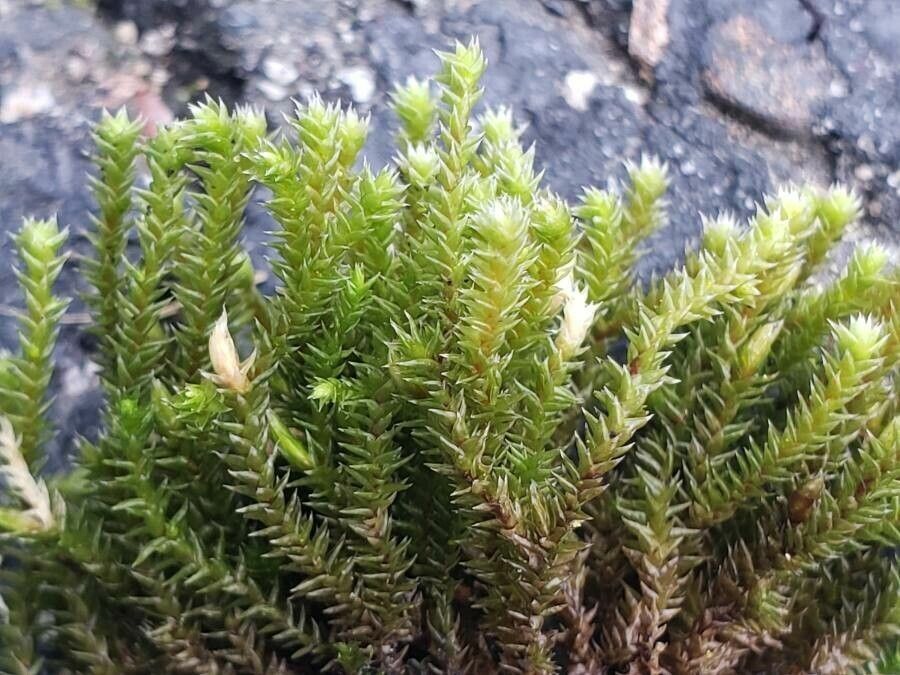
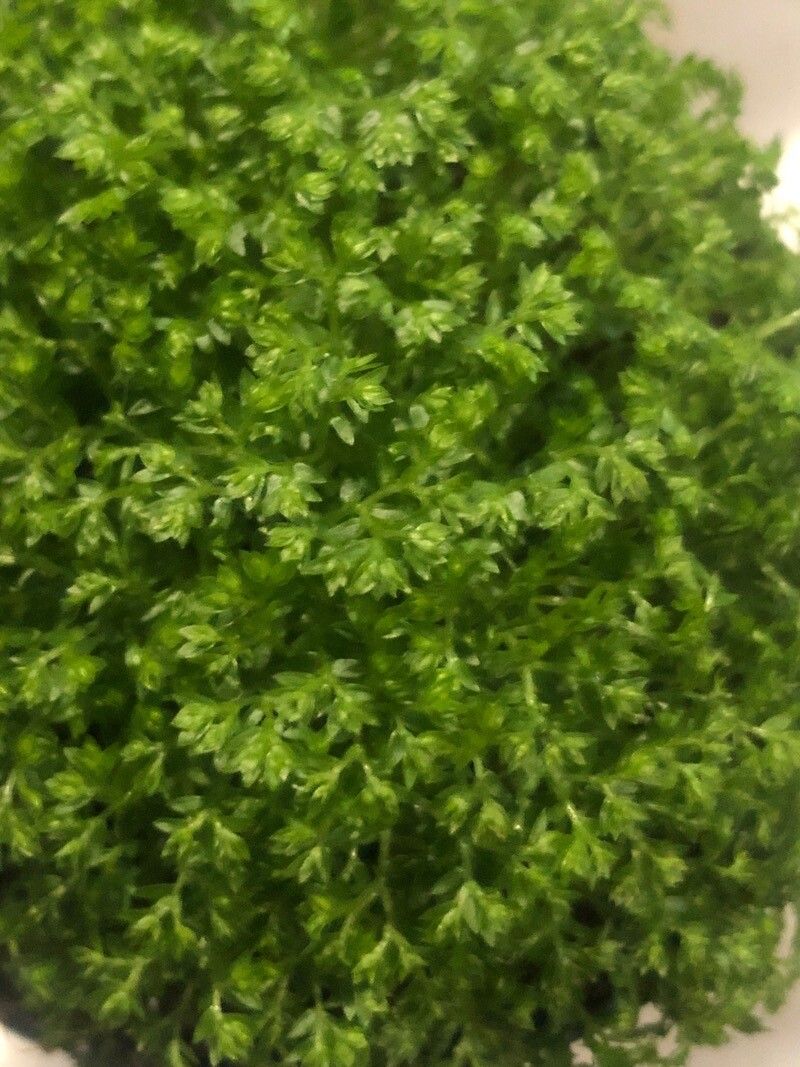
Selaginella selaginoides, commonly known as the lesser clubmoss or spike moss, is a fern-like plant in the Selaginellaceae family. Native to North America, it thrives in wetlands, bogs, and other moist habitats.
This plant exhibits a creeping growth habit and can reach up to 10 cm in height. Its small, dark green leaves are arranged spirally along the stem and have a needle-like shape with pointed tips.
Selaginella selaginoides reproduces via spores produced on specialized structures called sporangia, which are located on the underside of its leaves.
Due to its unique appearance and low maintenance needs, this plant is often used as an ornamental species in terrariums and indoor gardens. Additionally, Native American tribes have historically used it for medicinal purposes, such as treating kidney problems.
In summary, Selaginella selaginoides is a fascinating fern-like plant with distinct characteristics, making it a favorite among gardeners and nature enthusiasts alike.
Club spikemoss is largely disease-resistant and typically not prone to illnesses. However, it can be vulnerable to pests and diseases present in its surroundings. Such infections are generally not severe. Regarding care, the plant requires moderate maintenance. Regular pruning is necessary to preserve a neat appearance and support healthy growth. Applying fertilizer can also encourage flowering. Club spikemoss is suitable for people with outdoor spaces like a garden or patio and does not demand extensive care experience. It may need more attention when grown indoors.
How to keep Selaginella Selaginoides.
Light
Club spikemoss occurs naturally in habitats such as forest understories and rocky areas, where it is exposed to natural shade. It prefers partial sun but can tolerate full sun or full shade, illustrating its hardy and adaptable nature.
Water
Club spikemoss thrives in moist, shaded environments with consistent humidity and has a moderate tolerance for drought. To keep the soil slightly damp, it's best to water it weekly. As an evergreen plant, club spikemoss retains its foliage throughout the year and requires adequate moisture during the growing season to support continuous growth.
Temperature
Club spikemoss can tolerate a wide range of temperatures, but its distribution may still be restricted by different combinations of moisture and heat. It does best in warm summer conditions with adequate rainfall or watering. Extended periods of cloudy, rainy weather, as well as prolonged high temperatures, can raise the chance of Club spikemoss dying. In winter, taking proper measures to protect it from cold can increase the plant's survival rate.
Fertilizer
For Club spikemoss, one fertilizer application in spring is typically enough, though multiple feedings will maximize growth. Apply it every month to about a month and a half. Fertilizing improves the leaves' appearance and function, helping maintain consistent color and a healthy texture. It also promotes root development and nutrient uptake for long-term plant health.
Pruning
Club spikemoss is characterized by its low, creeping growth and delicate foliage. To maintain its health and appearance, it is advisable to prune the plant between early and late spring. This helps encourage healthy growth, prevents legginess, and improves airflow, which reduces the risk of disease. Make sure to use sharp, clean tools for pruning to promote a vigorous plant. Club spikemoss is ideal for use as ground cover or in shaded areas.
Botanical profile.
- Plant Type
- Herb
- Life Cycle
- Perennial
- Genus
- Selaginella
- Family
- Selaginellaceae
- Hardiness Zone
- 2-7
- Mature Height
- 2 cm to 5 cm
- Mature Spread
- 5 cm to 10 cm
- Leaf Color
- Green, Dark Green
- Leaf Type
- Evergreen
- Planting Time
- Spring, Summer, Autumn
- Native Area
- Sweden, Austria, Czech Republic, Slovakia, Montenegro, Bulgaria, Poland, Croatia, Slovenia, Ukraine, Serbia, Russia, Norway, Germany, Italy, Spain, Switzerland, Denmark, Iceland, Estonia, Japan, Finland, Albania, Ireland, United Kingdom, Romania, France
Other names.
Reader questions.
What are the sunlight requirements for Club Spikemoss (Selaginella selaginoides)?
Club Spikemoss (Selaginella selaginoides) thrives in areas with less than 3 hours of sunlight, known as full shade, but it can also grow well with indirect sunlight available throughout the day. It's important to observe the movement of sunlight in your garden to find locations that offer the optimal balance of light and shade, which will ensure the plants remain healthy and happy.
What is Club Spikemoss?
Club Spikemoss, scientifically known as Selaginella selaginoides, is a type of plant. Unfortunately, details about its essentials or symptoms of its health were not provided, highlighting the need for further information to fully understand this plant.