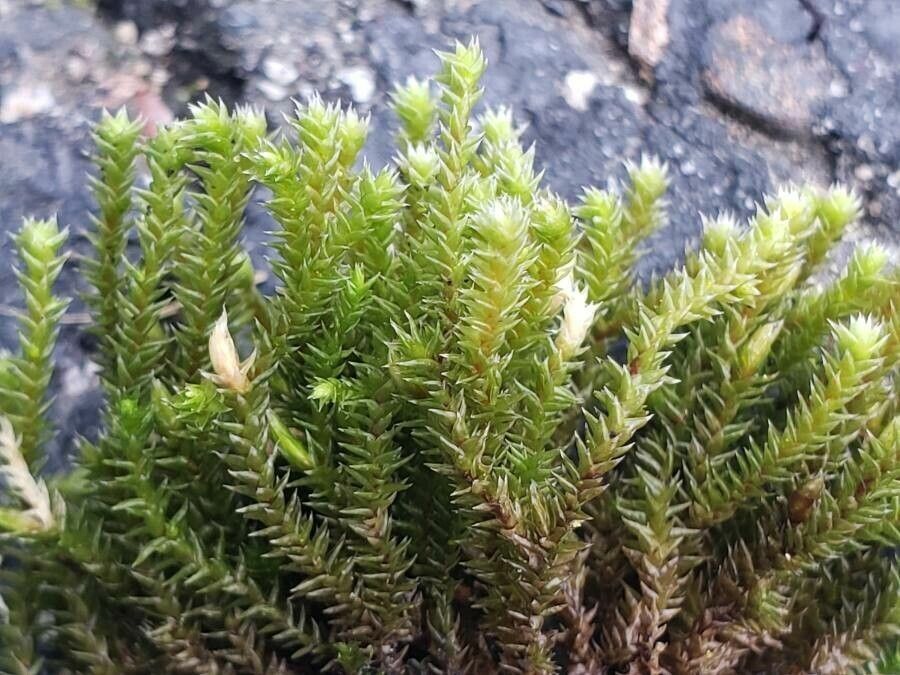
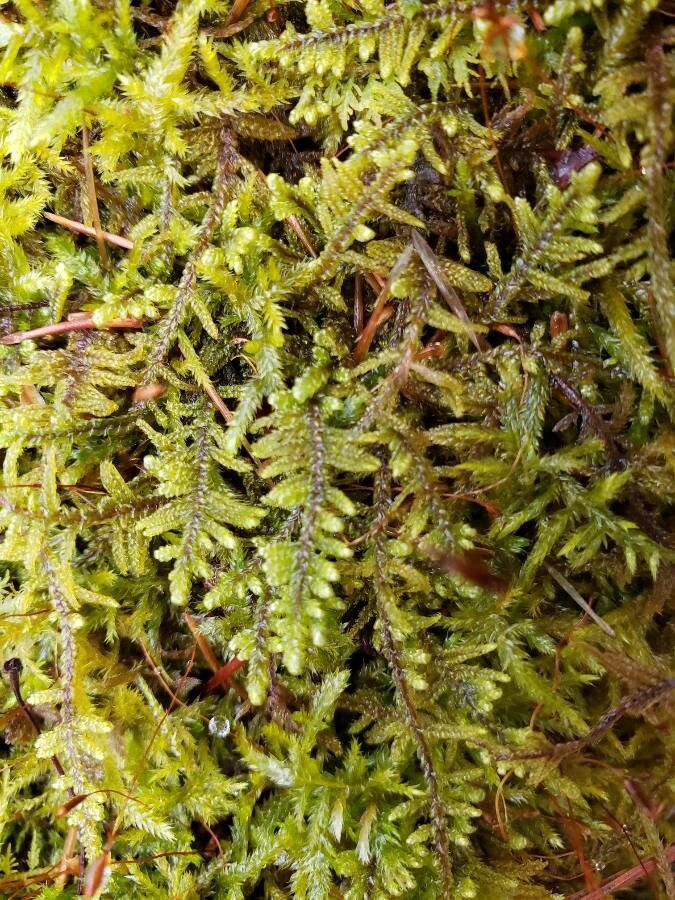
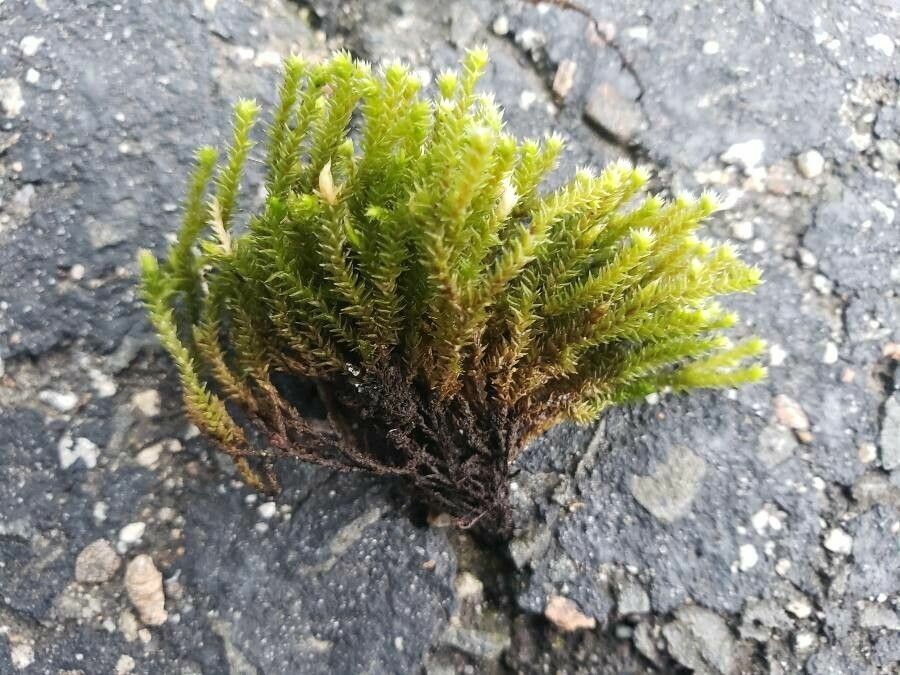
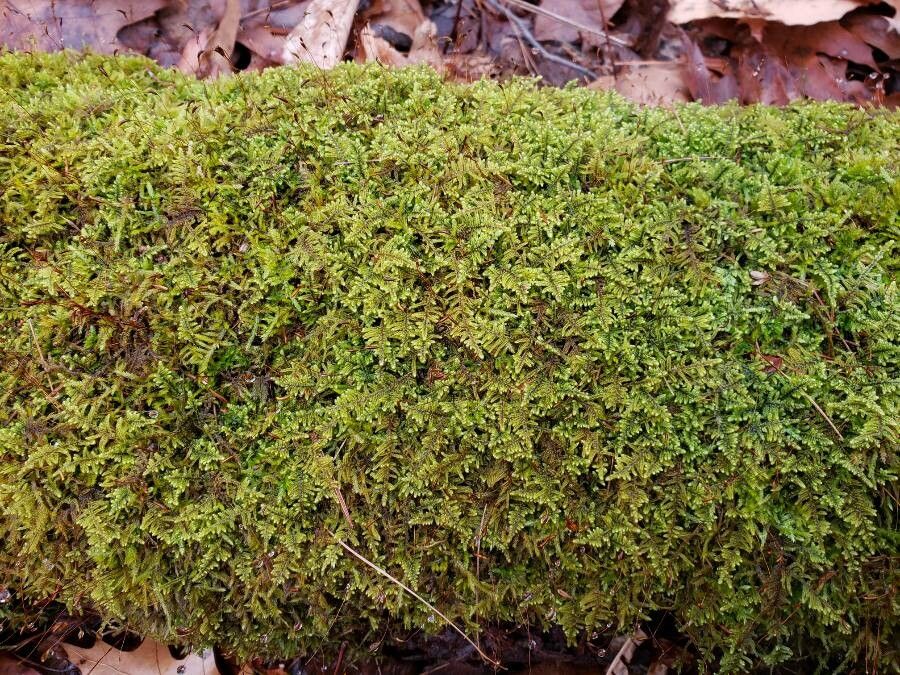
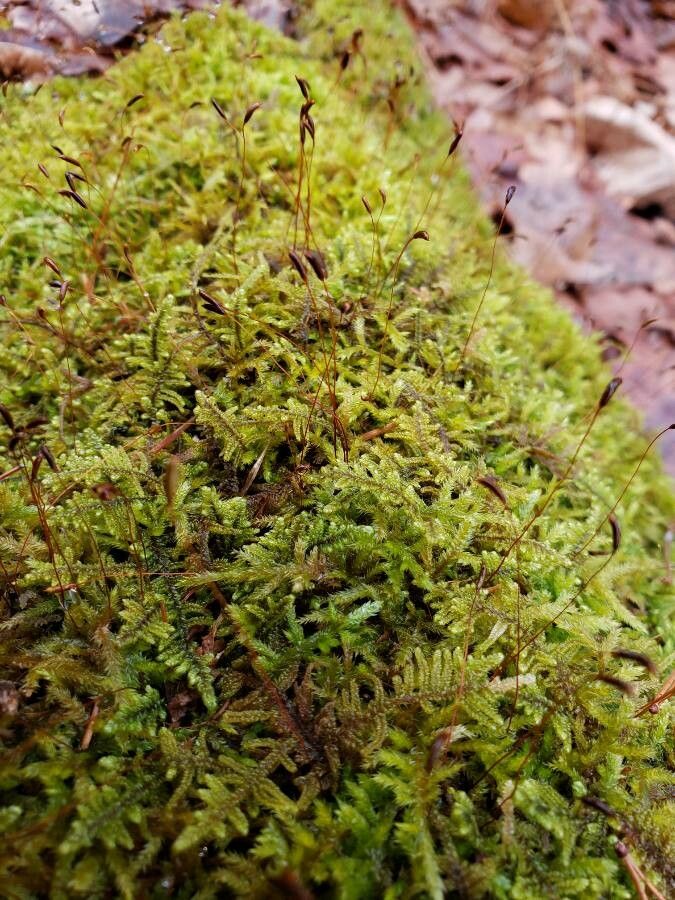
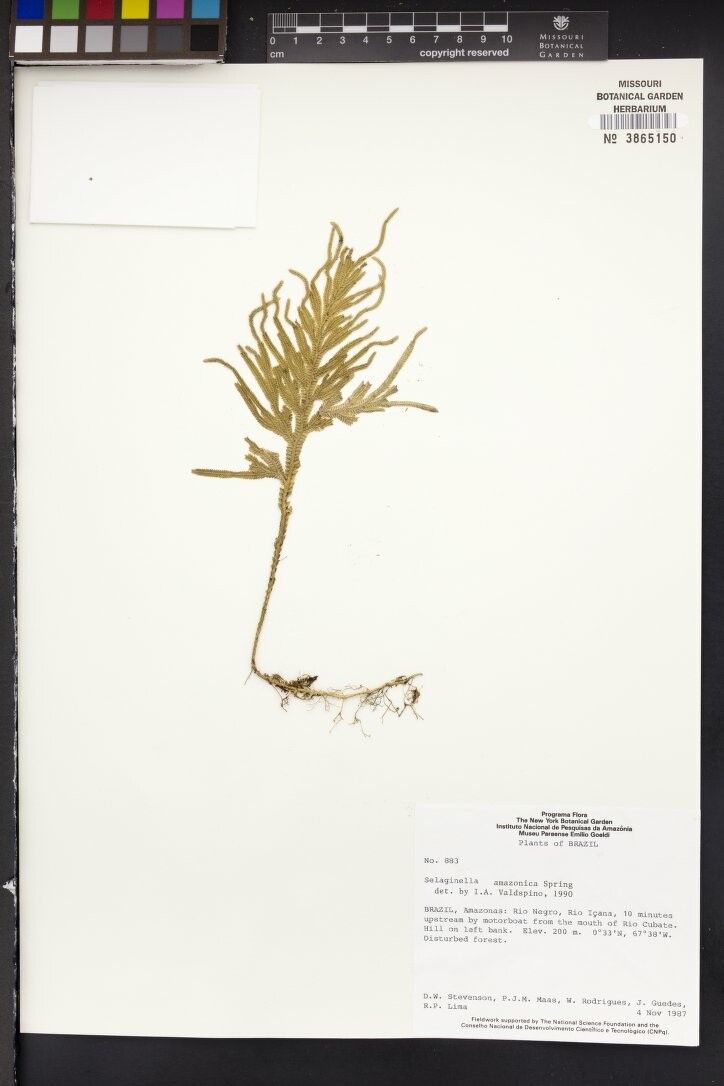
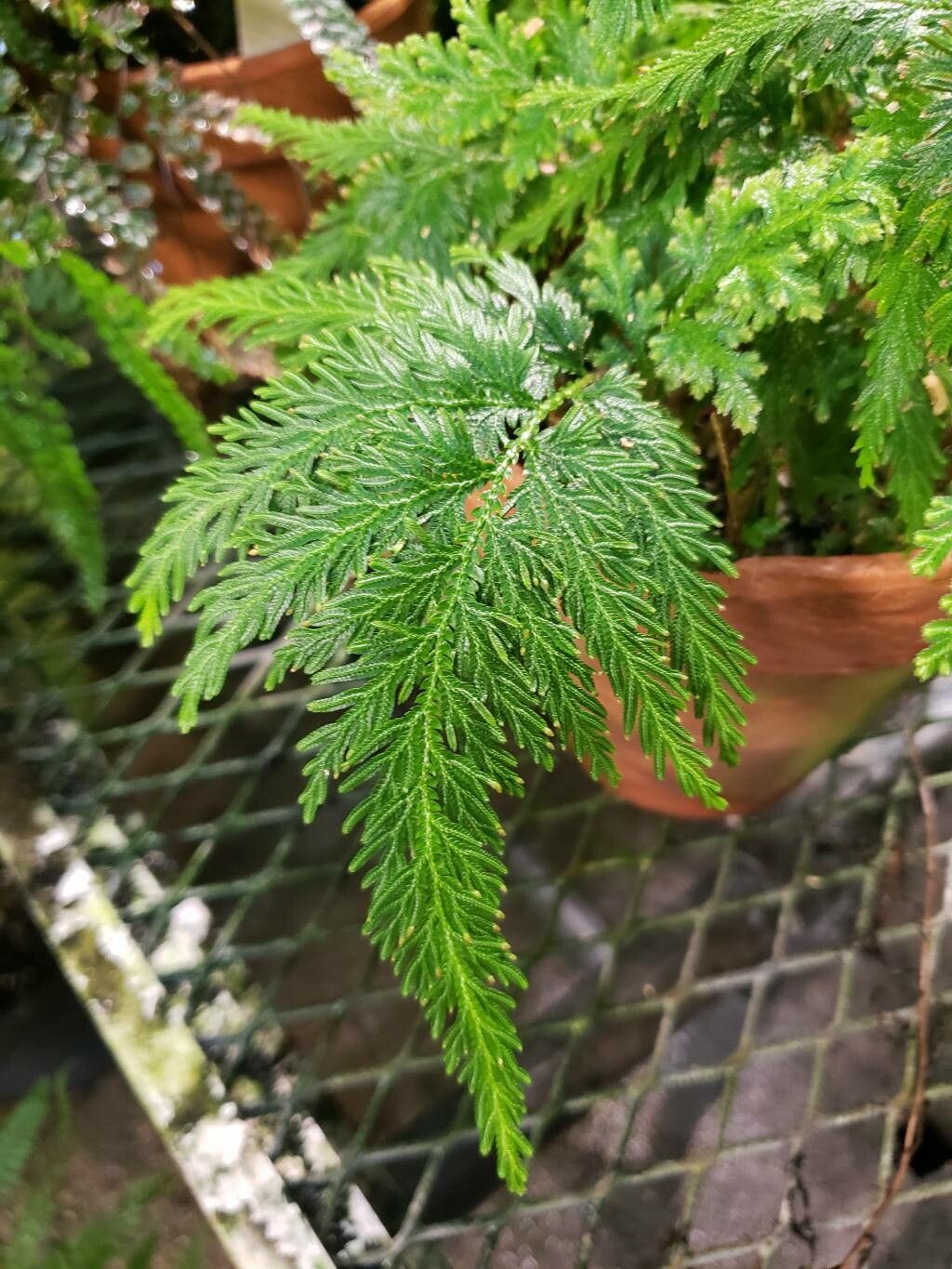
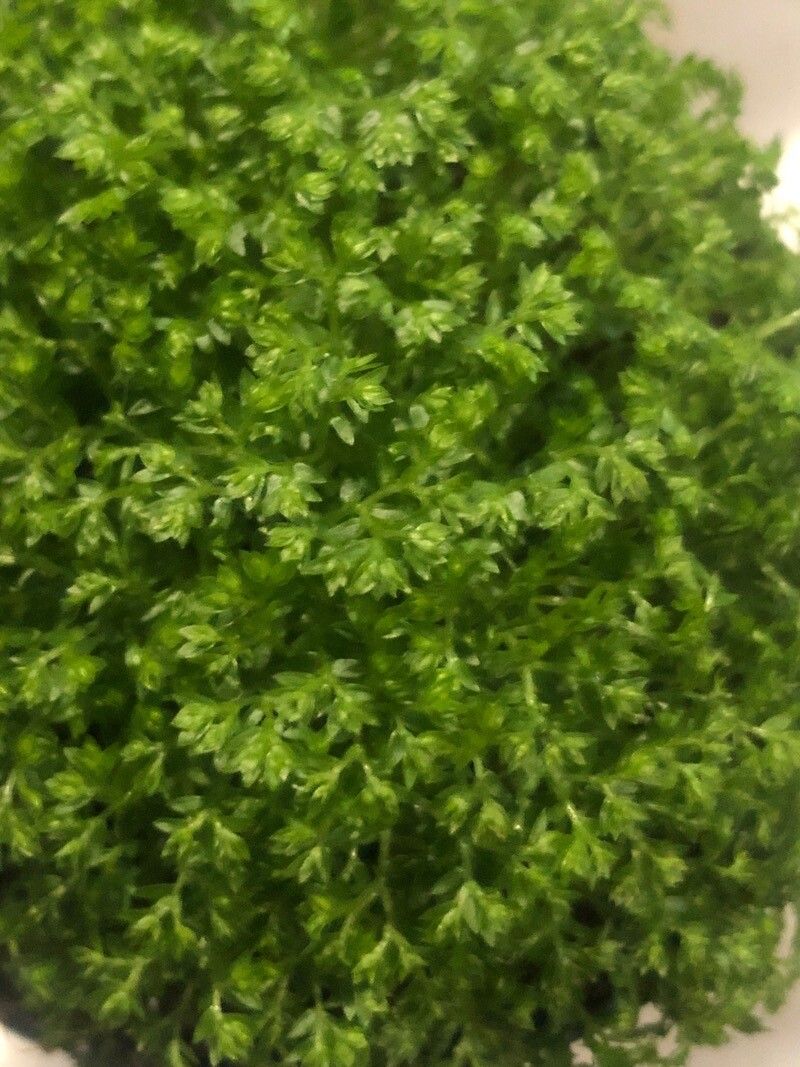
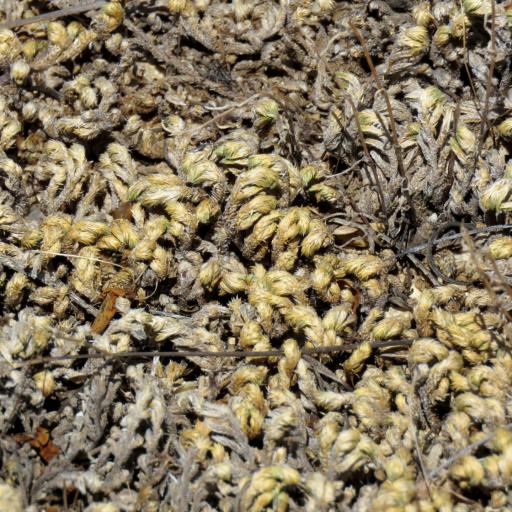
Selaginella apoda, commonly known as the meadow spikemoss, is a species of fern-like plant belonging to the Selaginellaceae family. Native to North America, this plant thrives in moist meadows, swamps, and forests. It has a creeping growth habit, with thin stems that can reach up to 30 cm in length. The bright green, small, scale-like leaves add to its distinctive appearance. Reproduction occurs through spores produced in small cones at the tips of its stems.
The meadow spikemoss is a popular ornamental plant, prized for its unique texture and coloration. It makes an excellent addition to terrariums and serves well as ground cover in shady areas of gardens or landscapes. While it prefers moist soil conditions, it can tolerate periods of drought once established.
Traditionally, Native American tribes have used Selaginella apoda for medicinal purposes, leveraging its anti-inflammatory properties to treat skin conditions, respiratory problems, and digestive issues.
In summary, Selaginella apoda is a fascinating fern-like plant with unique characteristics. Its low-maintenance nature and appealing aesthetic make it a favored choice for ground cover as well as for indoor environments like terrariums or vivariums.
Meadow spikemoss is fairly disease-resistant and typically not prone to illnesses. However, it can be affected by pests and diseases present in its surroundings. Such infections are usually not severe. Regarding care, this plant needs moderate maintenance. It should be pruned regularly to maintain a neat appearance and encourage healthy growth. Applying fertilizer can also help promote flowering. Meadow spikemoss is suitable for anyone with outdoor space, such as a garden or patio, and does not require extensive care experience. When grown indoors, it may need more attention.
How to keep Selaginella Apoda.
Light
The Meadow spikemoss is a perennial herbaceous plant that thrives under the sun. It originates from open habitats, commonly found in meadows and grasslands. While it enjoys full sunshine, it can also withstand partially sunny environments.
Water
Meadow spikemoss flourishes in consistently moist soil and needs regular weekly watering to maintain its health. As an evergreen indoor plant, it thrives in stable temperatures and indirect light. It also benefits from the high humidity levels commonly found in homes.
Temperature
Meadow spikemoss can adapt to a wide range of temperatures, but its distribution may still be constrained by different combinations of water and heat. It does best in warm summer climates with adequate rainfall or watering. Prolonged stretches of cloudy, rainy weather or sustained high temperatures raise the likelihood of Meadow spikemoss dying. In winter, protecting it from cold can improve the plant's survival rate.
Fertilizer
Typically, a one-time application of fertilizer in the spring season is ample for Meadow spikemoss, although growth can be optimized by feeding several times. Aim to nourish once every month to a month and a half. The process of fertilization improves the look and functionality of the leaves, encouraging steady color and a healthy feel. Furthermore, it triggers the development of roots and aids in the absorption of nutrients, contributing to the plant's sustained wellbeing.
Pruning
Meadow spikemoss grows low to the ground and forms a mat-like shape, needing only minimal pruning. To encourage healthy growth, trim any damaged stems from early to late spring with clean tools. Light pruning helps improve air circulation and increases the density of the foliage. It is best to avoid heavy pruning to prevent stress on the plant. Be sure to dispose of any trimmings to reduce the risk of pests.
Botanical profile.
- Plant Type
- Herb
- Life Cycle
- Perennial
- Genus
- Selaginella
- Family
- Selaginellaceae
- Hardiness Zone
- 6-9
- Mature Height
- 5 cm
- Mature Spread
- 49 cm
- Leaf Color
- Light Green, Forest Green
- Leaf Type
- Evergreen
- Planting Time
- Spring, Summer
- Native Area
- Mexico, Guatemala
Other names.
Reader questions.
What are the sunlight requirements for Meadow spikemoss?
Meadow spikemoss thrives when it receives full sun, which means it needs above 6 hours of sunlight daily. However, it can also tolerate partial sun conditions, requiring about 3-6 hours of sunlight. It's crucial to monitor the movement of sunlight through your garden to find spots that offer a harmonious balance of light and shade, ensuring your plants remain healthy and happy.
What is Meadow Spikemoss and what are its essential care requirements?
Meadow Spikemoss, known botanically as Selaginella apoda, is a plant capable of adapting to a broad spectrum of temperature conditions, thriving particularly well in warm climates with sufficient rainfall or watering during the summer. Despite its strong cold resistance, its distribution may be affected by various combinations of water and heat conditions. Proper protection against extreme cold is advisable if temperatures are expected to drop below -25°C, utilizing materials such as soil or straw to cover the plant. Ensuring the soil remains moist before the first freeze in autumn helps prevent drought and water scarcity during winter and early spring. While special frost protection measures are typically unnecessary, the plant's ability to survive winter can be enhanced with adequate preparation.
How does artificial lighting benefit indoor Meadow spikemoss plants?
Indoor Meadow spikemoss plants benefit significantly from artificial lighting, especially when natural sunlight is insufficient, like during winter or in less sunny areas. Artificial lights, such as LED lights, can be tailored to provide specific light wavelengths needed by plants. Full sun plants generally need 30-50W per square foot, partial sun plants need 20-30W per square foot, and full shade plants require 10-20W per square foot of artificial light. The light source should be placed 12-36 inches above the plant to mimic natural sunlight, and it's important to mimic natural daylight hours, typically ensuring 8-12 hours of light per day for most plant species.
How does Meadow Spikemoss respond to low temperatures, and what measures should be taken?
Meadow Spikemoss exhibits strong cold tolerance, thriving best in temperatures above 10°C and requiring protection to remain above -15°C during winter. If temperatures fall below -25°C, the plant may not show immediate damage, but there could be a noticeable decline in sprouting or even a complete lack of sprouting come spring. In response, it's recommended to remove any parts of the plant that have failed to sprout in the spring as a way to encourage new growth and maintain the health of the Meadow Spikemoss.
What are the symptoms of light deficiency in Meadow spikemoss?
When Meadow spikemoss is placed in rooms with inadequate lighting, symptoms might include smaller new leaves, leggy or sparse growth, faster leaf drop, slower or no new growth, lighter-colored new leaves, chlorosis or yellowing of leaves due to inadequate sunlight, sunscald from intense light exposure, leaf curling as a defense mechanism against excessive sunlight, wilting due to increased water loss, and leaf scorching characterized by brown, dry edges on leaves.
What are the effects of high temperatures on Meadow Spikemoss and how can they be mitigated?
During the summer, it's crucial for Meadow Spikemoss to be kept below 35°C, as exceeding 38°C can lead to the leaves becoming lighter in color, curling, and becoming prone to sunburn. In severe cases, the plant may entirely wilt and dry out. To mitigate these effects, it is advisable to trim away sunburned and dried-up parts of the plant. Moving the plant to a shaded area during the midday and afternoon sun or using a shade cloth can provide necessary protection. Additionally, watering the plant in the morning and evening will help keep the soil moist, further aiding the plant's resilience against high temperature conditions.
How can I address light deficiency in indoor and outdoor Meadow spikemoss plants?
For indoor Meadow spikemoss plants, gradually moving them to sunnier locations each week until they receive at least 6 hours of direct sunlight daily is advisable. Use south-facing windows for maximum exposure and keep curtains open during the day. If the plant is large or not easily movable, consider using artificial light, keeping a desk or ceiling lamp on for at least 8 hours a day, or invest in professional grow lights. For outdoor plants, also move them gradually to sunnier spots to avoid sunburn. Note that parts of the plant affected by insufficient sunlight may not recover, but new growth will be healthy after increasing light exposure. Reducing obstructions like pruning trees that block the sun and transplanting smaller plants to sunnier spots with good drainage can enhance sunlight availability.