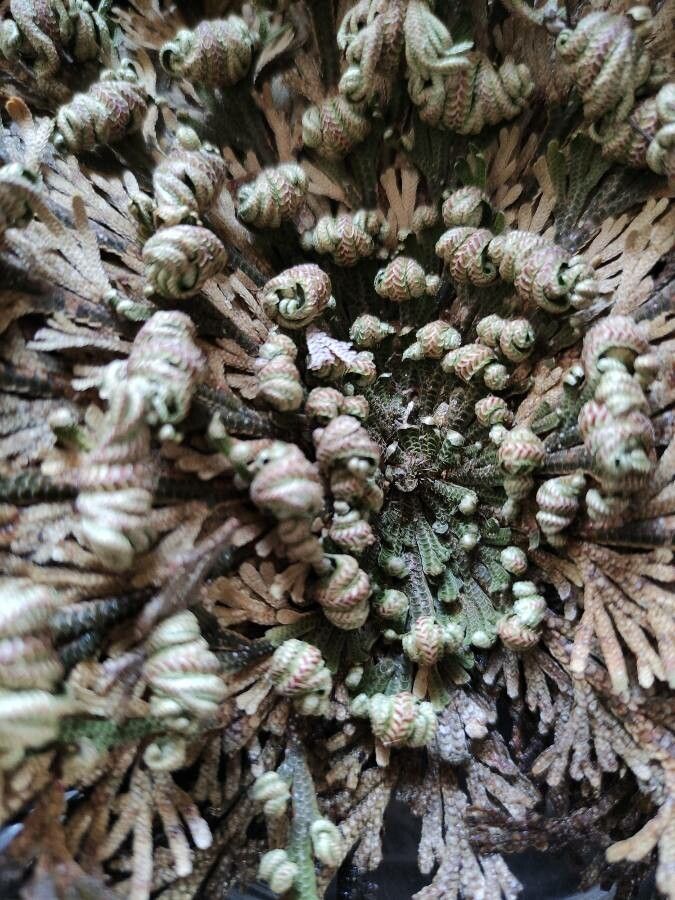
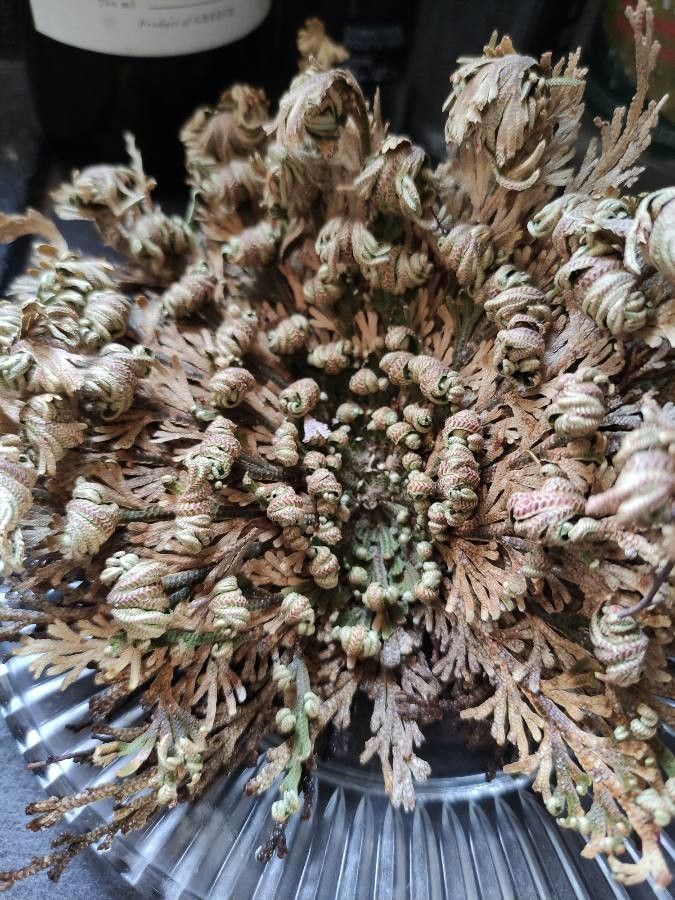
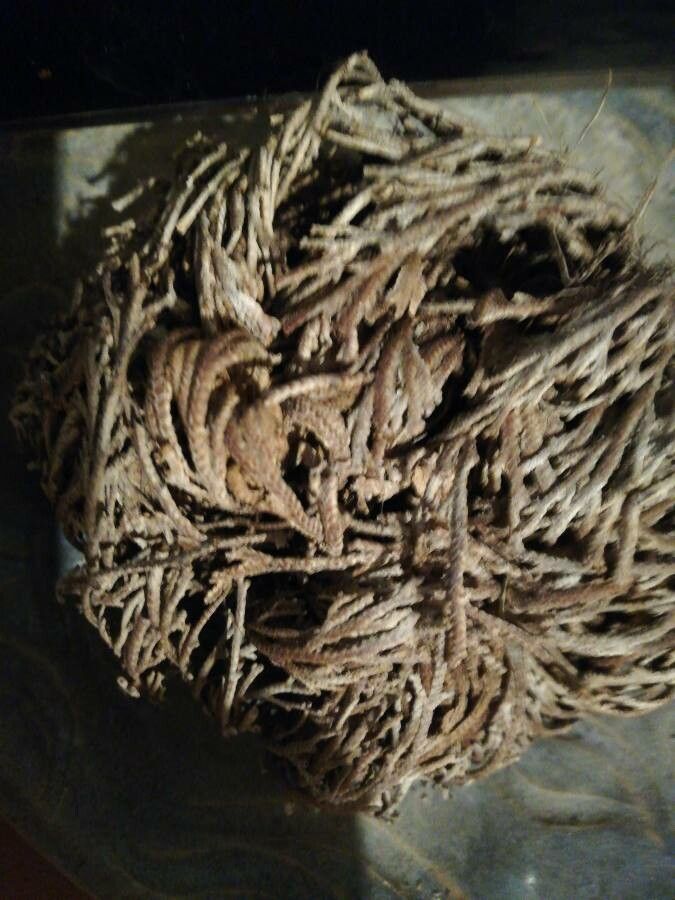
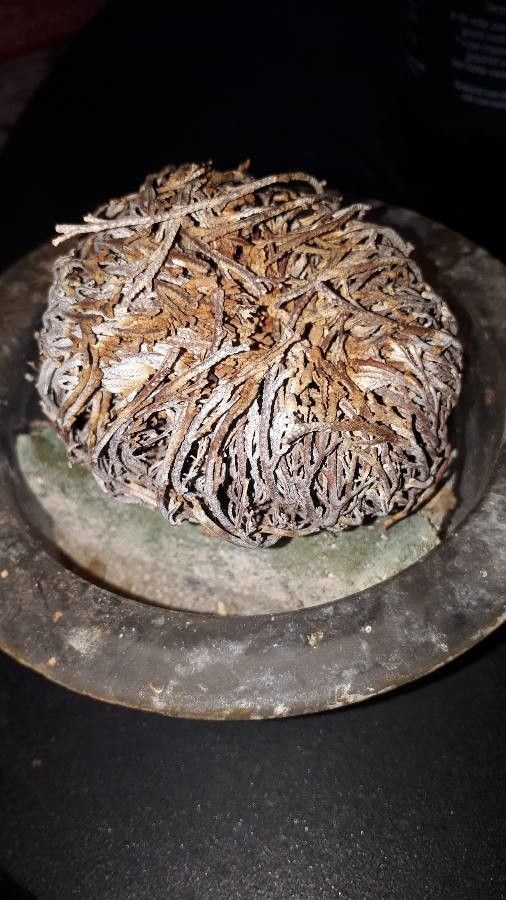
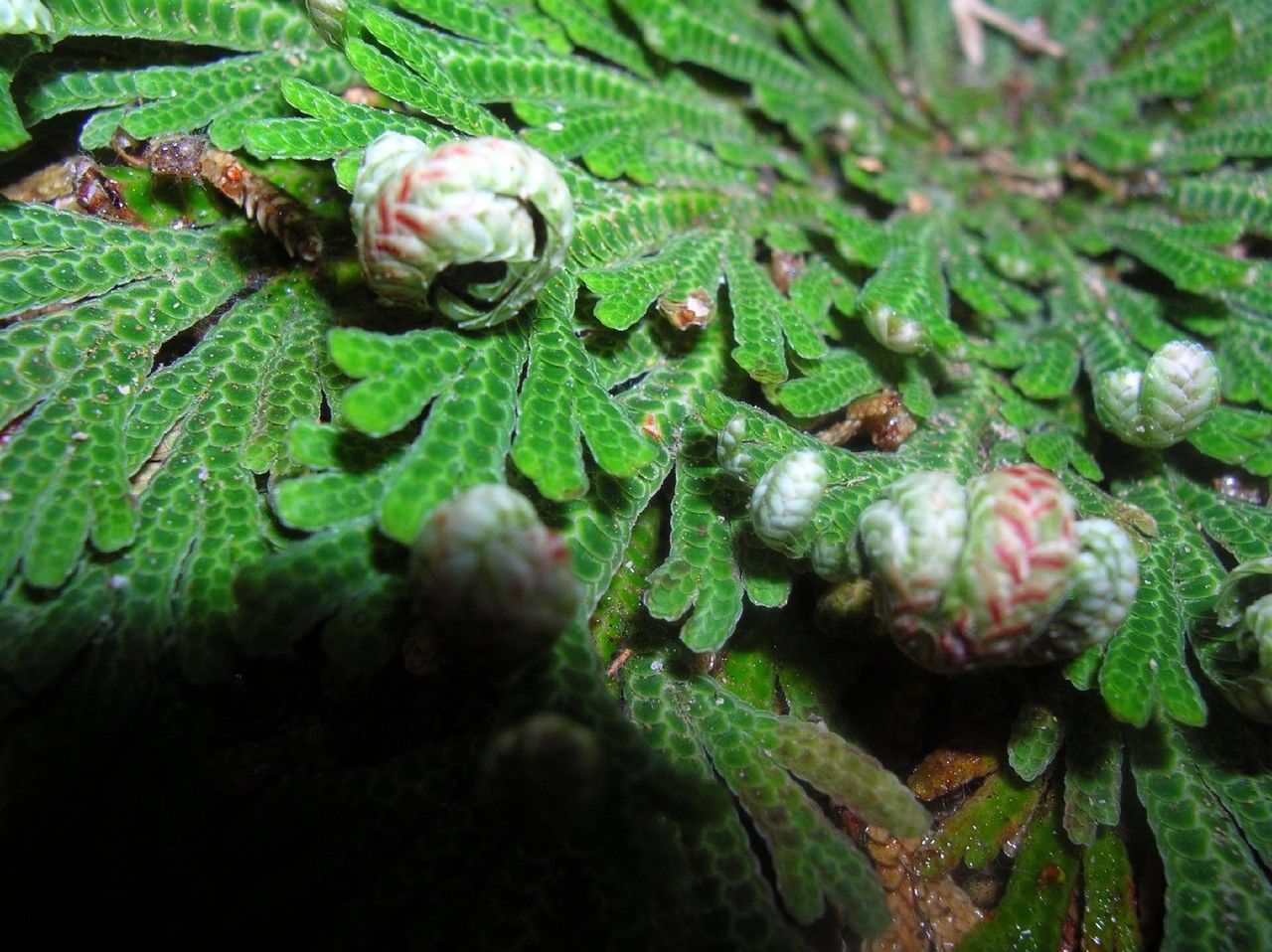
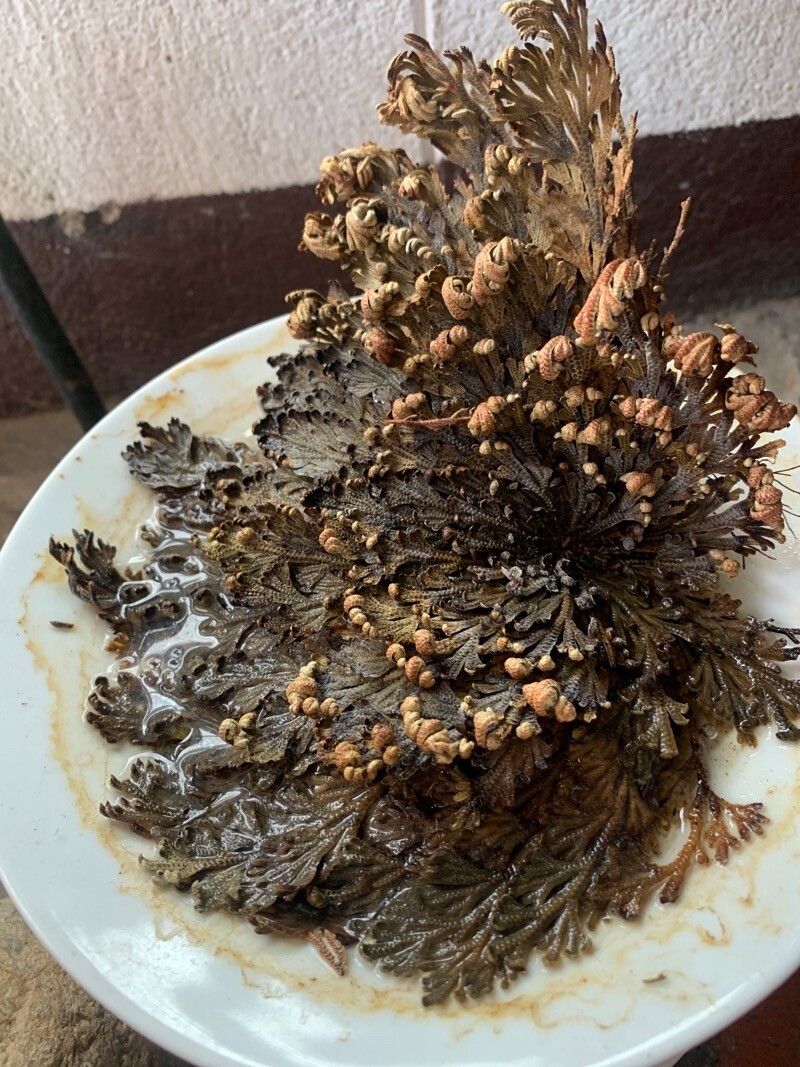
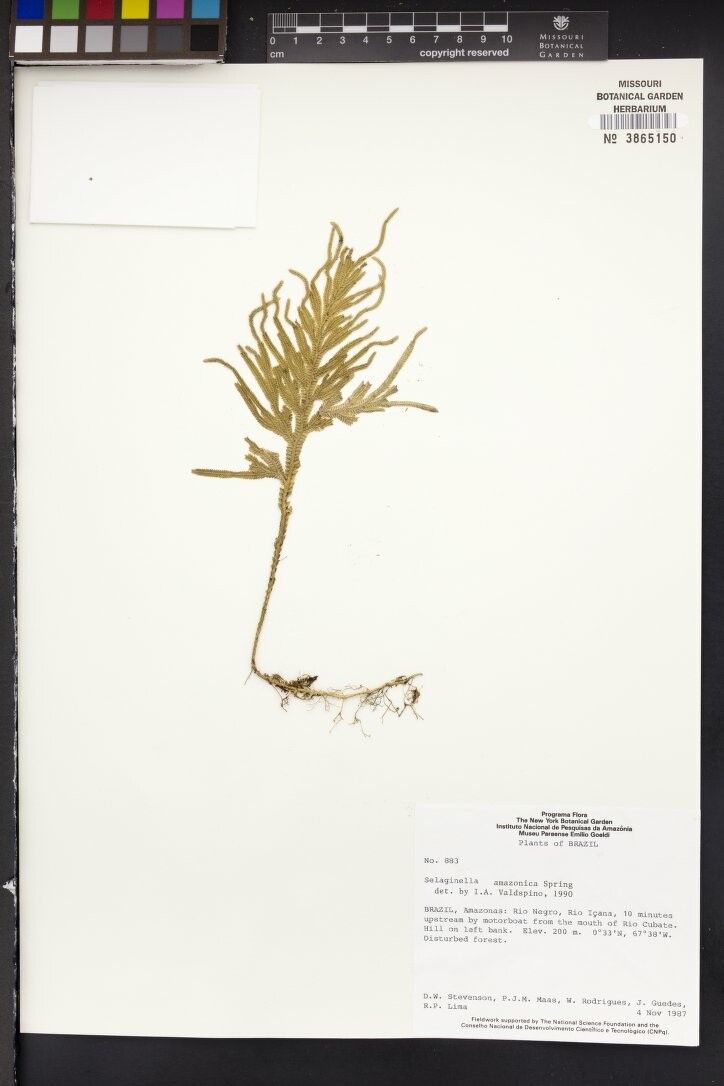
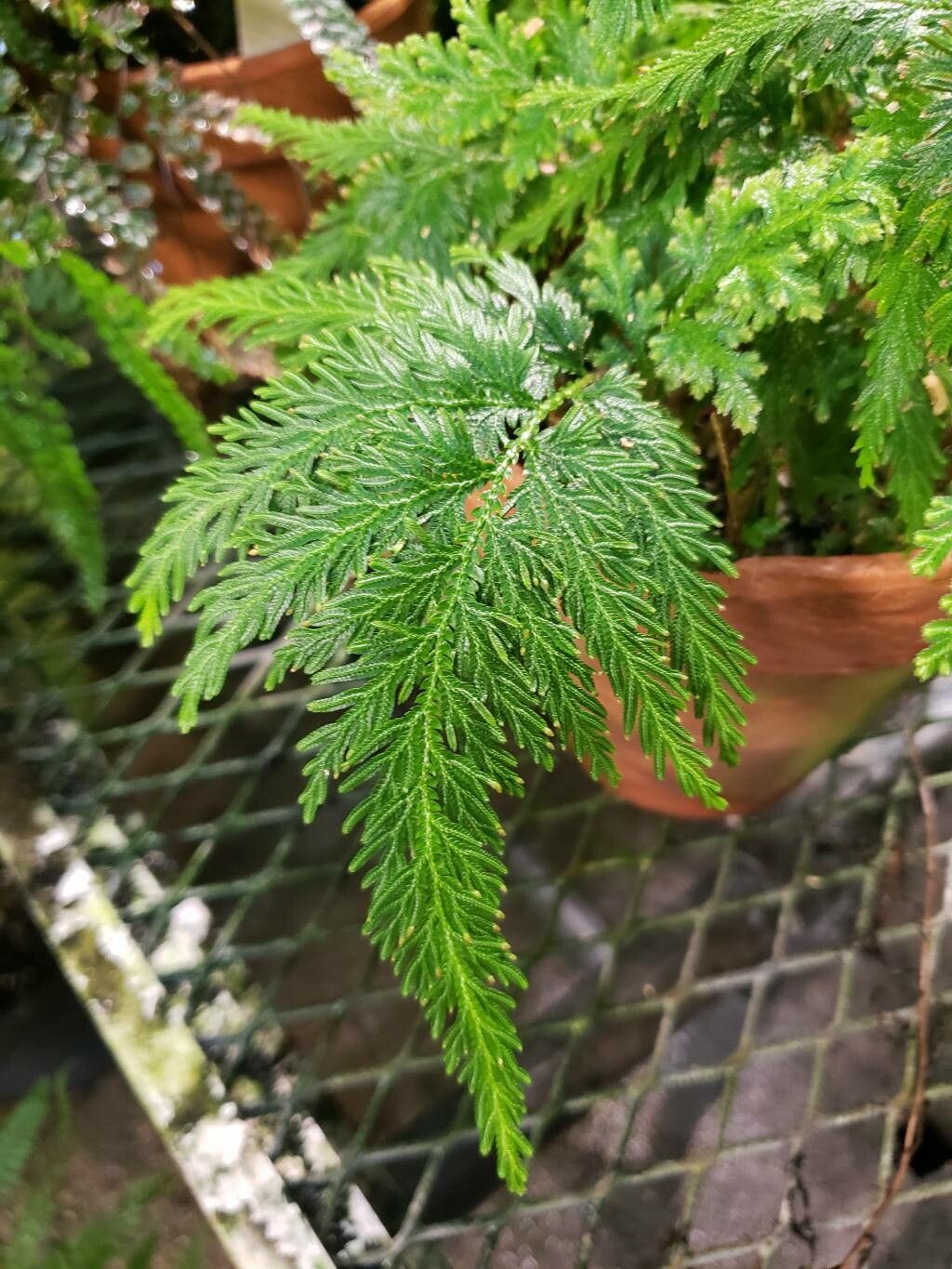
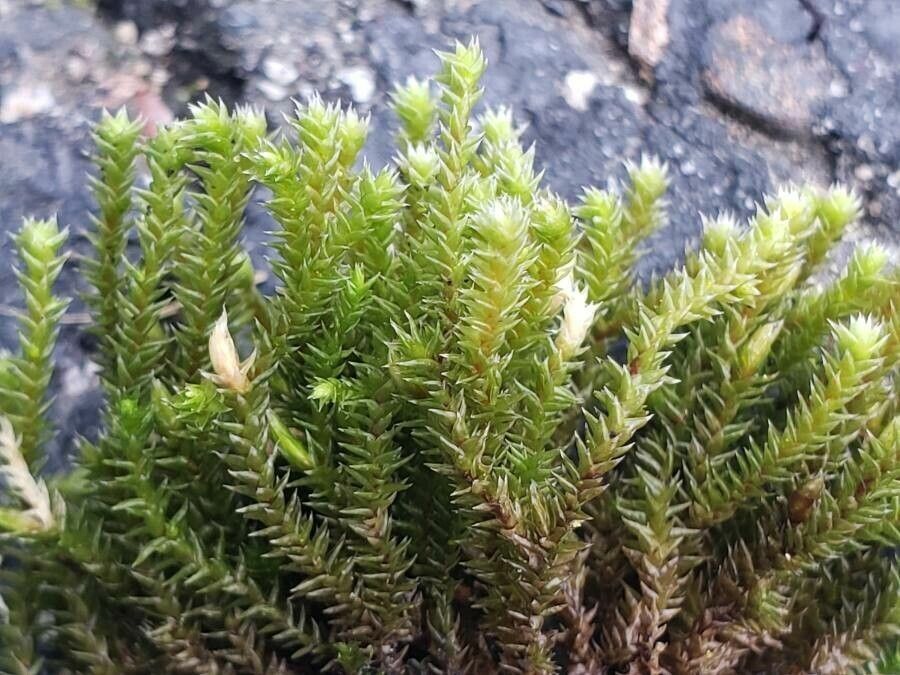
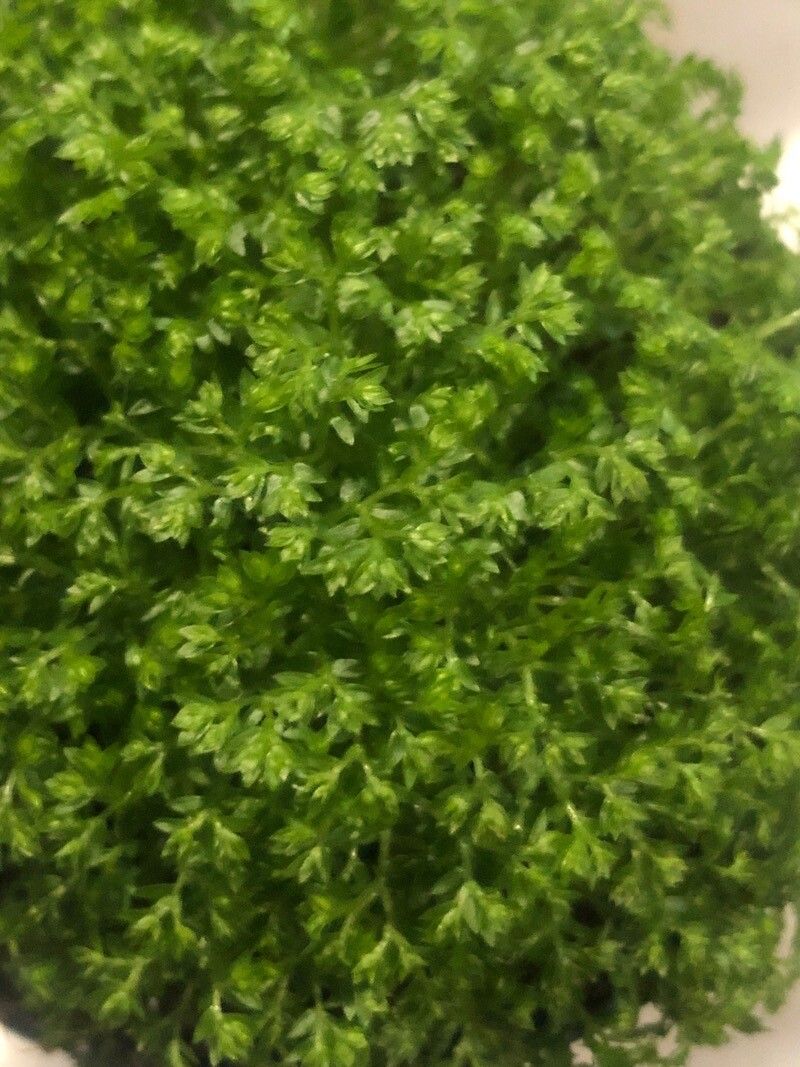
Selaginella lepidophylla (syn. Lycopodium lepidophyllum) is a species of desert plant in the spikemoss family (Selaginellaceae). Known as a "resurrection plant", S. lepidophylla is renowned for its ability to survive almost complete desiccation. During dry weather in its native habitat, its stems curl into a tight ball, uncurling only when exposed to moisture.The outer stems of the plant bend into circular rings after a relatively short period without water. The inner stems instead curl slowly into spirals in response to desiccation, due to the action of the strain gradient along their length. Selaginella lepidophylla reaches a maximum height of 5 cm, and is native to the Chihuahuan Desert.
Flower of Stone is fairly disease-resistant and typically not prone to illnesses. Still, it can be vulnerable to pests and diseases present in its environment. Such infections are usually not severe. In terms of care, the plant needs moderate maintenance. Regular pruning is required to keep a good appearance and support healthy growth. Fertilizing can also help encourage flowering. Flower of Stone is suitable for anyone with an outdoor area, like a garden or patio, and does not demand much gardening experience. It may need more attention when grown indoors.
How to keep Selaginella Lepidophylla.
Light
The Stone flower does best with moderate sunlight exposure. Native to areas with changing light levels, it has adapted to a range of sunlight intensities. Moderate light supports its healthy growth. However, extreme light conditions can be harmful: too much sun may lead to dehydration, while too little can cause poor development.
Water
The Flower of Stone thrives in desert conditions with very little moisture, demonstrating its drought tolerance by curling into a ball. To care for it indoors, water it once a week and ensure the humidity stays low. It's also important to provide excellent soil drainage to prevent root rot. By mimicking its natural dry habitat, you can help the plant flourish.
Humidity
This plant needs special care because it loves high humidity levels of 60-80% or more. The best way to achieve this is by placing a humidifier near the plant. Daily misting is also essential! Make sure the room has good ventilation.
Temperature
Flower of Stone comes from environments with temperatures between 32 and 90 °F (0 to 32 ℃). It prefers moderate climates and grows best within that range. Seasonal adjustments to its care are generally not necessary.
Fertilizer
One fertilizer application in spring is generally enough for Flower of Stone, although multiple feedings can enhance growth. Feed it every month to every month and a half. Fertilizing improves the leaves' appearance and function, helping maintain even color and a healthy texture. It also encourages root development and better nutrient uptake for the plant's long-term health.
Pruning
The Flower of Stone plant thrives with minimal pruning, which is best done from early to late spring. To promote better airflow and overall health, remove any dead fronds. However, avoid heavy pruning as it can stress the plant. Regular light pruning is recommended to encourage growth and improve the plant's appearance. Always use clean, sharp tools to prevent infections.
Pot & Repot
When repotting Flower of Stone, select a pot 1-2 inches (2.5–5.0 cm) larger that offers good drainage. Use a well-draining potting mix. Repot in spring or fall, making sure the root ball sits slightly below the rim of the flower pot. Water thoroughly after repotting and place it in a warm spot with indirect sunlight.
Botanical profile.
- Plant Type
- Herb
- Life Cycle
- Perennial
- Genus
- Selaginella
- Family
- Selaginellaceae
- Hardiness Zone
- 3-8
- Mature Height
- 30 cm
- Mature Spread
- 49 cm
- Leaf Color
- Green, Blue, Orange
- Leaf Type
- Evergreen
- Planting Time
- Spring, Summer, Autumn
- Native Area
- El Salvador, Mexico, Costa Rica
Other names.
Reader questions.
How should I water my Flower of Stone?
When watering the Flower of Stone, it is recommended to use filtered water at room temperature. Tap water may contain harmful particles, which is why filtered water is better. The Flower of Stone prefers warm environments, so it is important to avoid using cold water as it can shock the plant. Additionally, overhead watering should be avoided to prevent foliage complications. Instead, water the plant by applying filtered room temperature water directly to the soil until it is completely soaked. This helps moisturize the roots and allows them to spread and absorb the necessary nutrients.
Why should I put fertilizer on my Flower of Stone?
The main structure of the Flower of Stone is made up of its leaves. Fertilization is crucial for ensuring that these leaves not only look great but also fulfill their function effectively. Proper fertilization ensures that the leaves maintain a consistent color and a healthy texture. Additionally, fertilization has benefits below the surface of the soil. It helps the Flower of Stone develop new roots and maintain existing ones in its root system. This not only promotes current plant health but also enhances the plant's ability to absorb nutrients from the soil in the future.
What are the sunlight requirements for the Flower of Stone?
The Flower of Stone needs about 3-6 hours of sunlight daily and can benefit from indirect sunlight throughout the day. It's crucial to observe the sunlight's movement in your garden to ensure that plants receive a balanced amount of light and shade, which fosters their health and happiness. Originating from environments with variable light conditions, the Flower of Stone has adapted to different sunlight intensities, but it's important to avoid extremes. Too much sun can cause dehydration, while insufficient sunlight may lead to underdevelopment.
What is the Flower of Stone and where does it originate?
The Flower of Stone, scientifically known as Selaginella lepidophylla, originates from environments where temperatures range from 32 to 90 °F (0 to 32 °C). It thrives in moderate climates and exhibits optimal growth within this temperature range. This plant has a strong resistance to cold, making it unnecessary to make special seasonal adjustments for its care in these conditions.
What should I do if I give my Stone Flower too much or too little water?
Overwatering is a common issue for the health of your Flower of Stone. It causes wilting, yellowing leaves, and may lead to diseases like root rot, mold, and mildew. On the other hand, underwatering is less common but can still occur, resulting in brittle, brown leaves. To care for your Flower of Stone, it's important to notice signs of overwatering early. Reduce watering and use well-draining soil if overwatering is suspected. If underwatering is observed, simply increase watering until signs improve.
When should I fertilize my Flower of Stone for the best results?
If you grow your Flower of Stone outdoors, it will send out new growth in early spring. This is a signal to start fertilizing. Usually, one application of fertilizer is enough. But if you want to promote even more growth, you can fertilize multiple times in the spring and summer. In this case, feed your Flower of Stone every month to a month and a half.
How can artificial lighting be used for the Flower of Stone?
Indoor Flower of Stone plants require adequate lighting for optimal growth, especially in conditions where natural sunlight is insufficient. Artificial lights, like LED lights, can be a vital solution, providing the necessary wavelengths for healthier and faster growth. When using artificial light, consider the intensity needed based on the plant type: 30-50W/sq ft for full sun plants, 20-30W/sq ft for partial sun plants, and 10-20W/sq ft for full shade plants. The light source should be placed 12-36 inches above the plant to mimic natural sunlight, ensuring the plant receives 8-12 hours of light per day to simulate natural daylight hours.
How do you protect the Flower of Stone from extreme cold?
Despite its strong cold resistance, the Flower of Stone requires protection if winter temperatures are expected to drop below -35°C. Protecting the plant can be accomplished by covering it with soil or straw. It's also recommended to water the plant abundantly before the first freeze of autumn to ensure the soil remains moist and freezes in that state. This preparation helps prevent drought and water scarcity for the plant during the winter and early spring months.
How often do I need to water my Flower of Stone?
If your plant is in a pot, the most precise way to determine if your Flower of Stone needs water is to stick your finger into the soil. If the top two to three inches of soil feel dry, then it is time to water the plant. If you are growing your Flower of Stone outdoors in the ground, you can use a similar method to test the soil. Once again, if the top few inches of soil have become dry, it is time to water the plant. Typically, during the spring and early fall, you will need to water this plant about once a week using this method. However, in extremely hot weather, you may need to increase watering to approximately twice a week or more. It is worth mentioning that mature, well-established Flower of Stone plants have an impressive ability to withstand drought.
When should I not give fertilizer to my Flower of Stone?
During the late fall and winter, your Flower of Stone goes into a dormant phase, stopping new growth. To maintain it during this time, avoid fertilizing. In the spring and summer, if you do choose to fertilize, start reducing the amount as summer approaches because the Flower of Stone's growth rate slows down. It's generally not a good idea to fertilize during unusually hot weather or extremely dry soil as this can stress and harm the Flower of Stone, potentially causing it to die prematurely.
What are the signs of insufficient lighting in the Flower of Stone?
When the Flower of Stone experiences insufficient light, several symptoms may appear, including smaller new leaves, leggy or sparse growth, early leaf drop to conserve resources, halted growth due to poor light conditions, lighter-colored new leaves suggesting a lack of chlorophyll, and chlorosis, leading to yellow leaves. Additionally, excessive sunlight can cause sunscald, leaf curling as a defense mechanism, wilting from loss of water, and leaf scorching, indicating burn damage. These signs highlight the plant's struggle with inappropriate light levels.
What are the symptoms of the Flower of Stone being exposed to low temperatures?
The Flower of Stone is cold-tolerant and exhibits the best growth above 0°C. During winter, it should be maintained above -30°C to prevent damage. If temperatures fall below -35°C, you might not notice immediate damage during winter, but there could be a decrease in sprouting or even a lack of sprouting in spring. The recommended solution for any parts that fail to sprout in spring is to remove them.