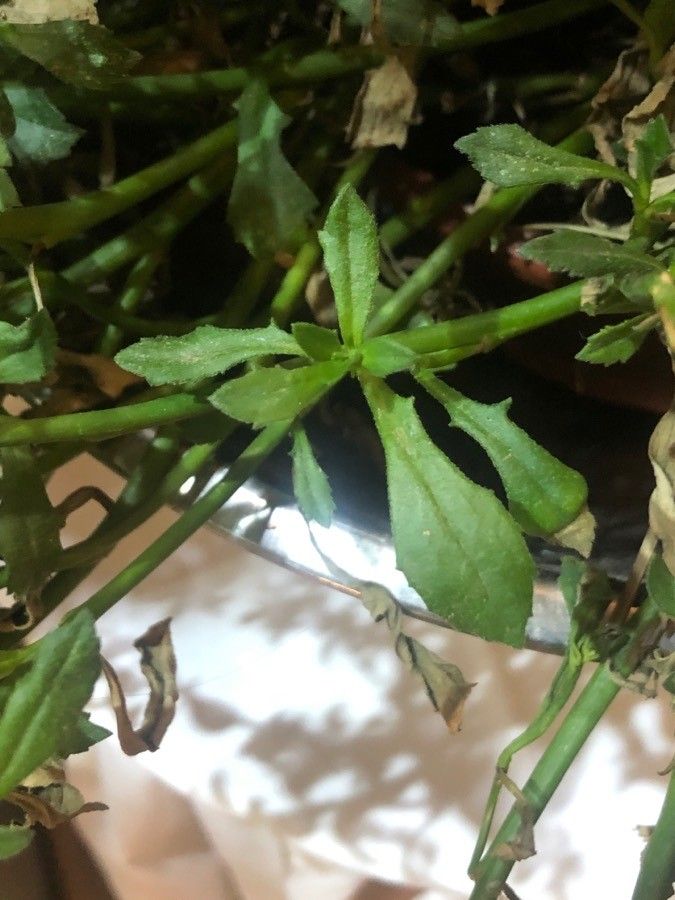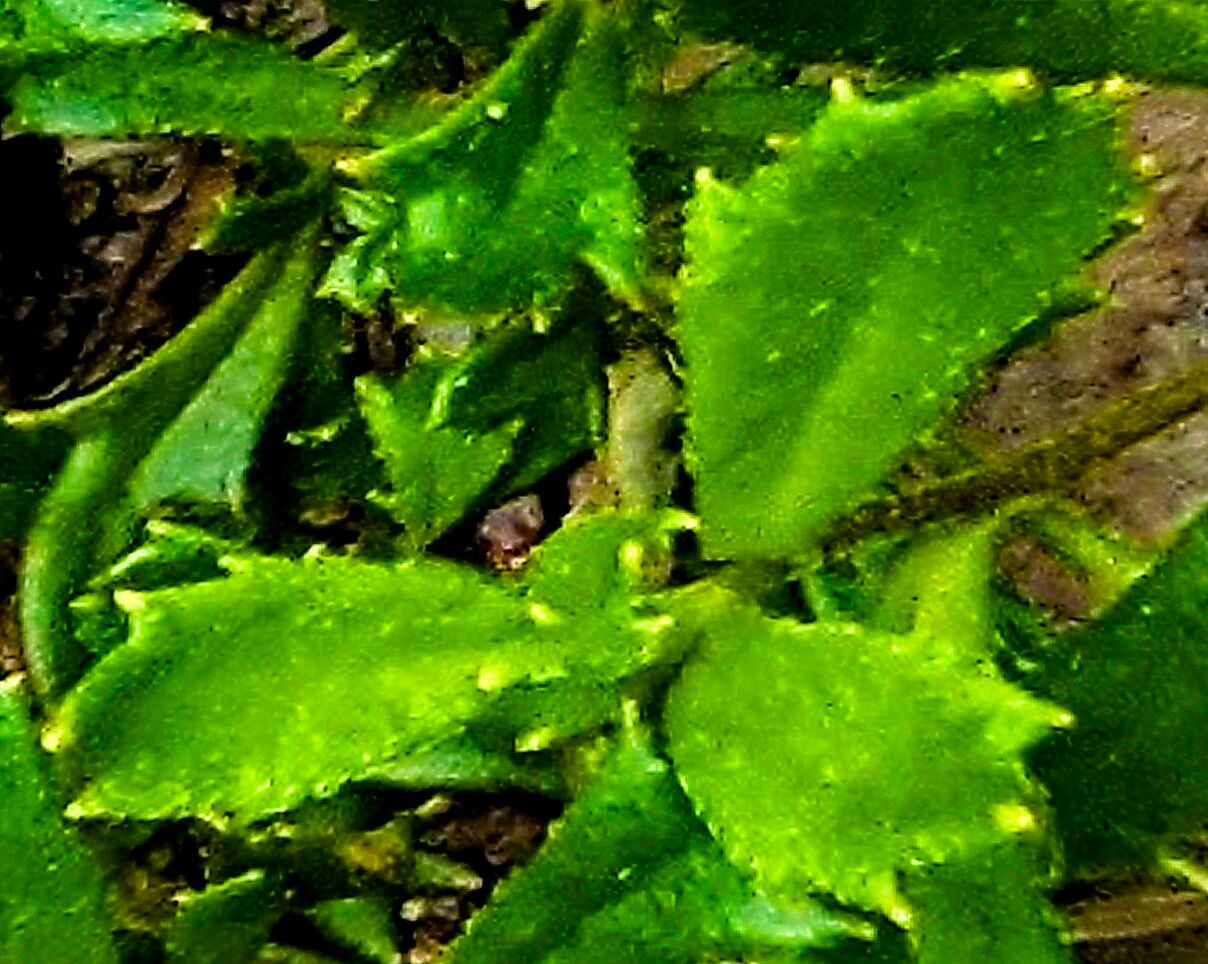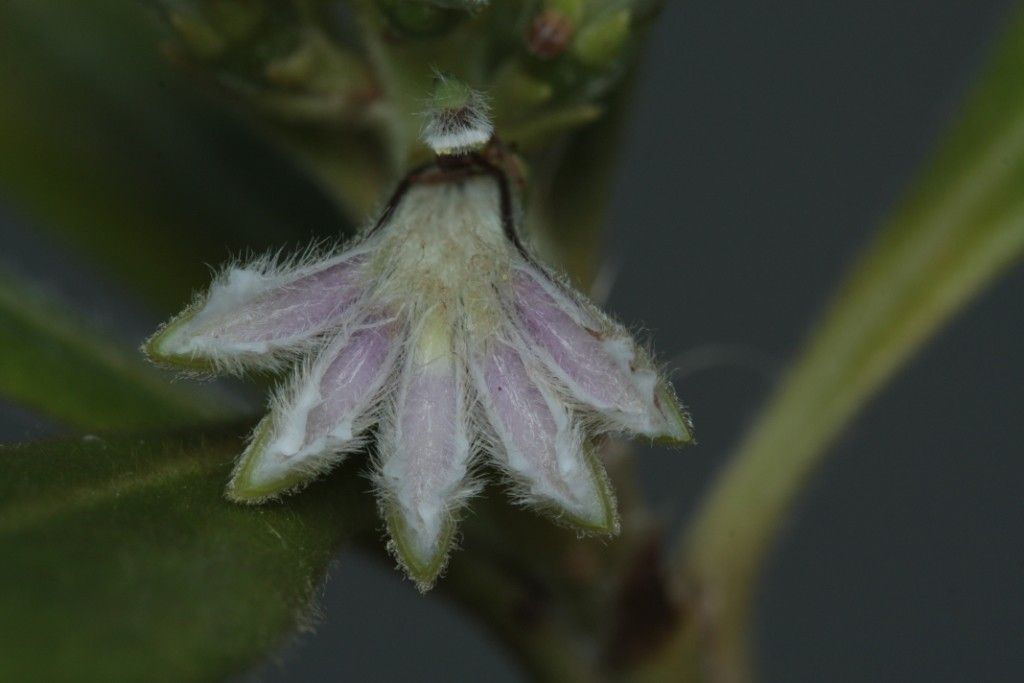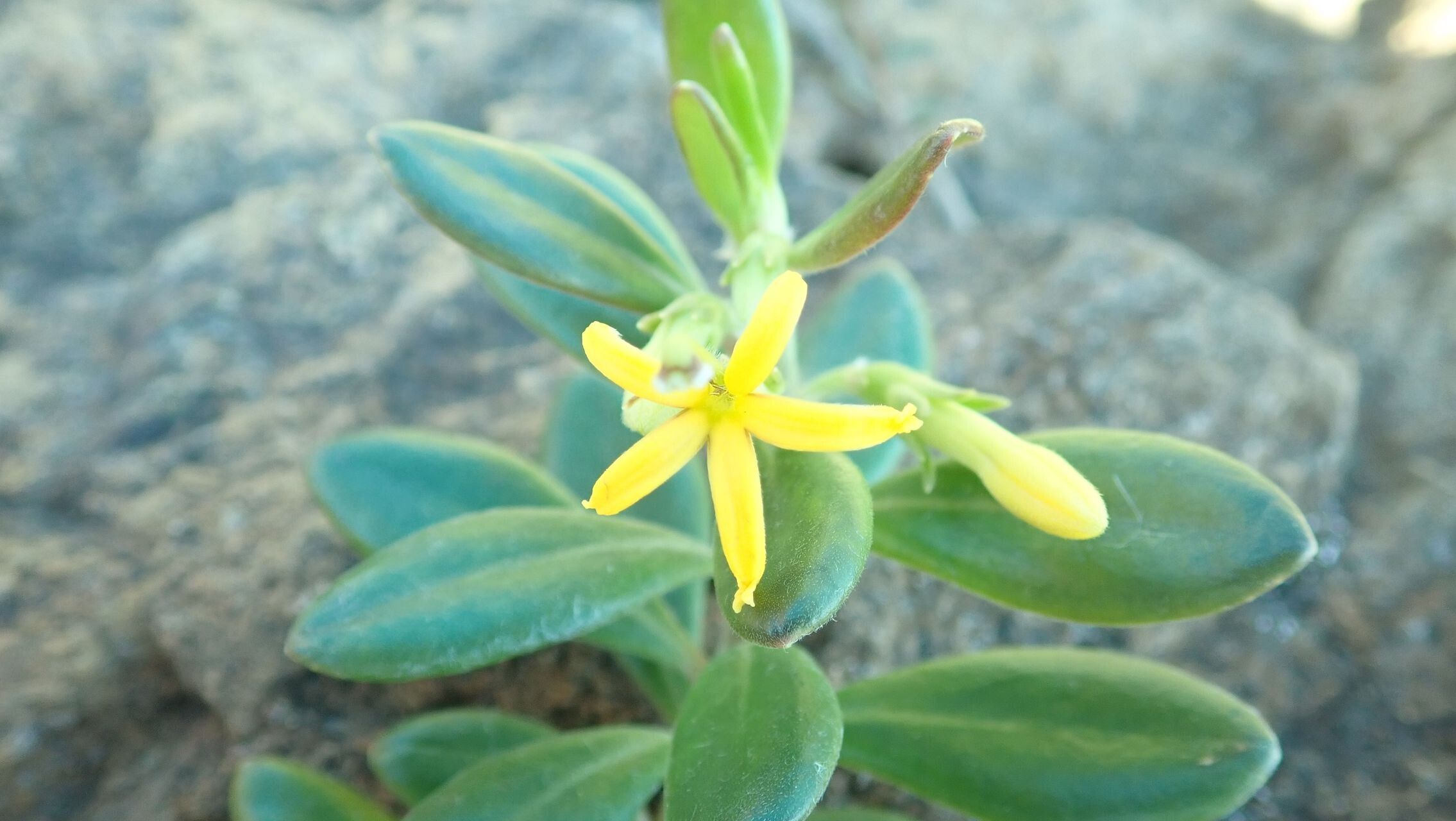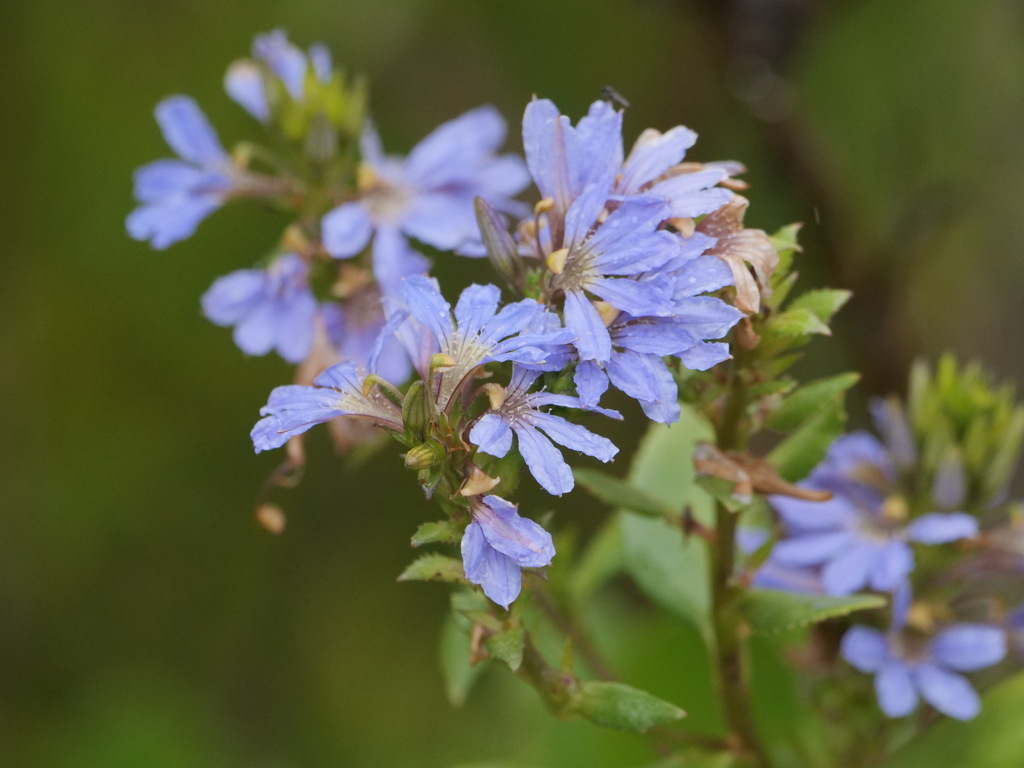
Scaevola nitida, commonly known as the glossy fanflower, is a species of flowering plant in the Goodeniaceae family. This native Australian plant thrives in various habitats, including coastal dunes, heathlands, and woodlands. Typically growing up to 1 meter tall, it features glossy green, oval-shaped leaves with serrated edges. The distinctive fan-shaped flowers, which have five petals, are white or pale blue and bloom from spring to summer, attracting bees, butterflies, and other pollinators.
Scaevola nitida is a hardy plant capable of tolerating drought conditions once established, though it prefers well-drained soils and regular watering during its growing season. It can be propagated through seeds or cuttings but requires full sun exposure for optimal growth.
The glossy fanflower is valued for its ornamental appeal in landscaping due to its attractive flowers and foliage. Additionally, indigenous Australians traditionally used it for medicinal purposes, treating skin conditions such as burns, cuts, and insect bites.
In summary, Scaevola nitida is a beautiful native Australian plant that adds color to any garden and holds cultural significance through its traditional medicinal uses by indigenous Australians.
shining fanflower is fairly resistant to disease and is generally not susceptible to illnesses. In terms of care, this plant is fairly low-maintenance. When grown outdoors it needs only light watering, and larger plants usually do not require pruning. Smaller plants, however, should be pruned after they have finished blooming. shining fanflowert is appropriate for anyone with an outdoor space, such as a garden or deck, and does not require a great deal of care experience.
How to keep Scaevola Nitida.
Light
shining fanflower comes from open habitats, such as sunny meadows and forest edges, which offer abundant light. It does best in full sun but can also tolerate partial sun, adapting well to various sunlight conditions.
Temperature
Shining fanflower adapts well to warm conditions, tolerating higher heat and wide temperature swings. In hot weather, attention should be paid to irrigation and providing some shade to avoid sunscald. On the other hand, shining fanflower is not very tolerant of cold. It can endure modest chill, but overly cold conditions may cause frost injury.
Fertilizer
Fertilize your shining fanflower in early spring to encourage healthy growth. Regular feeding improves overall health, producing vigorous growth, increased resilience to harsh conditions, and better resistance to diseases and pests. Keep a set fertilization schedule for your shining fanflower to preserve lush foliage with rich color.
Botanical profile.
- Plant Type
- Shrub
- Life Cycle
- Perennial
- Genus
- Scaevola
- Family
- Goodeniaceae
- Hardiness Zone
- 9-11
- Mature Height
- 49 cm to 91 cm
- Mature Spread
- 49 cm to 91 cm
- Leaf Color
- Green
- Leaf Type
- Evergreen
- Flower Color
- White
- Flower Size
- 1.02 cm to 2.03 cm
- Bloom Time
- Fall
- Planting Time
- Spring
- Harvest Time
- Late fall, Early winter, Mid winter