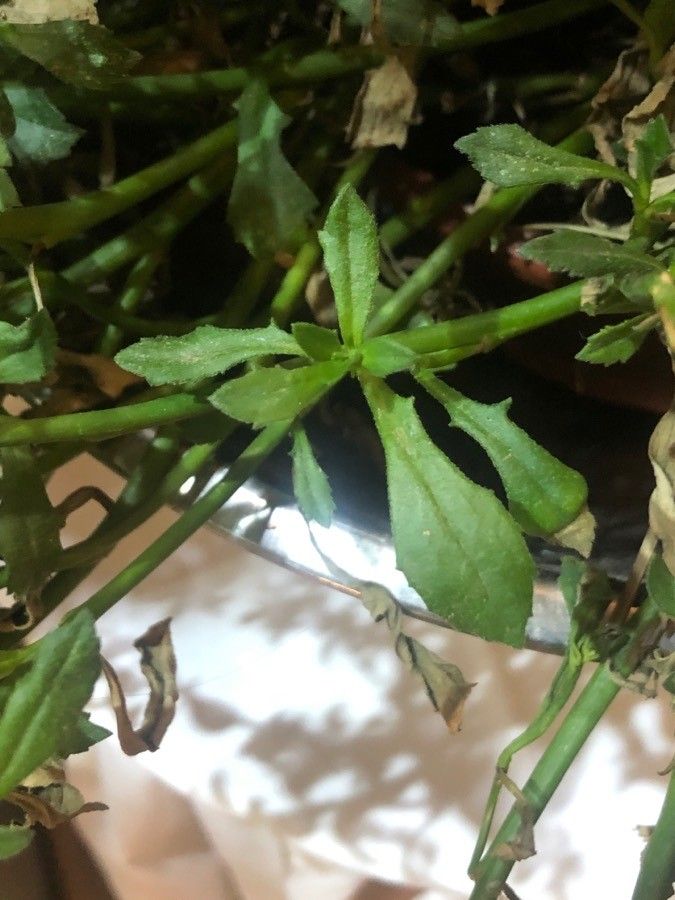
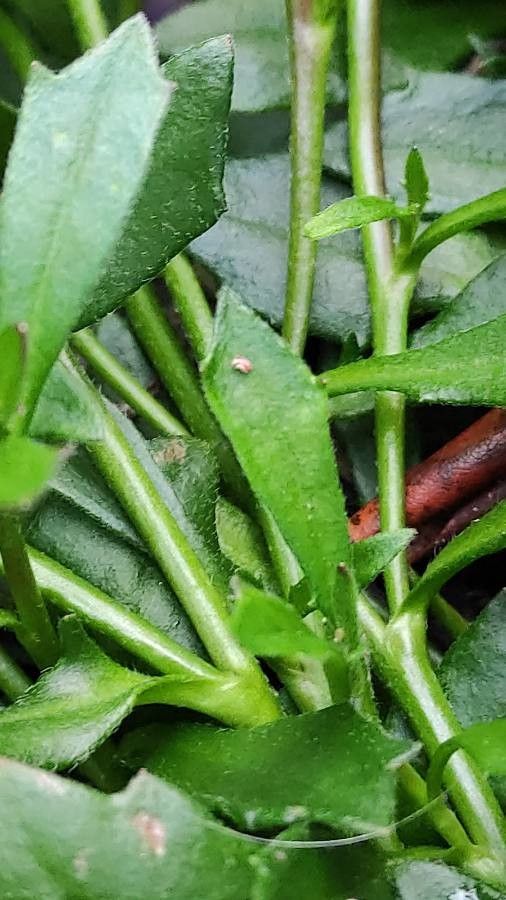
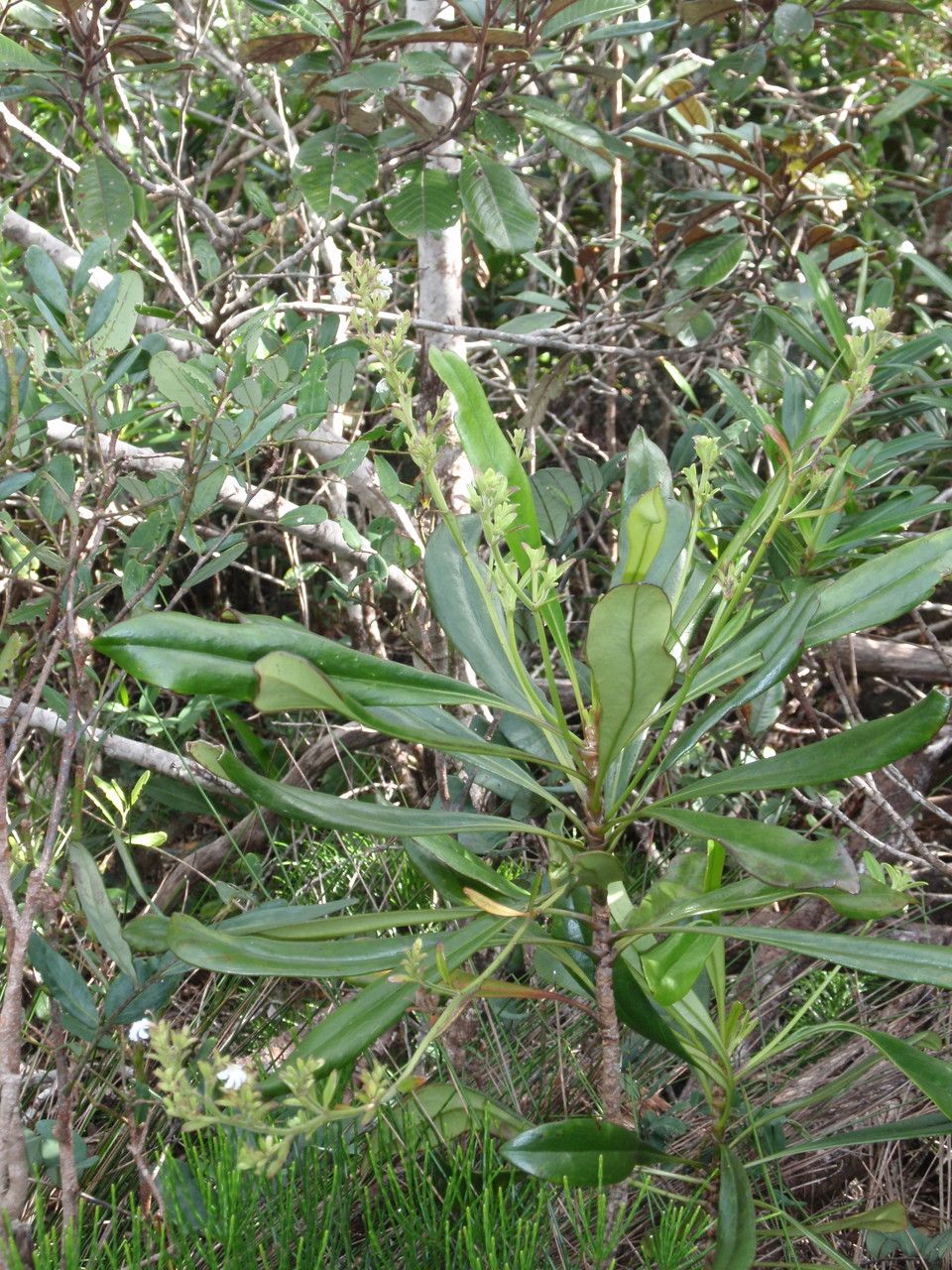
Scaevola, commonly known as the fan flower, is a genus of flowering plants that belong to the Goodeniaceae family. Native to Australia, these plants thrive in various habitats, including coastal dunes, rocky outcrops, and open forests.
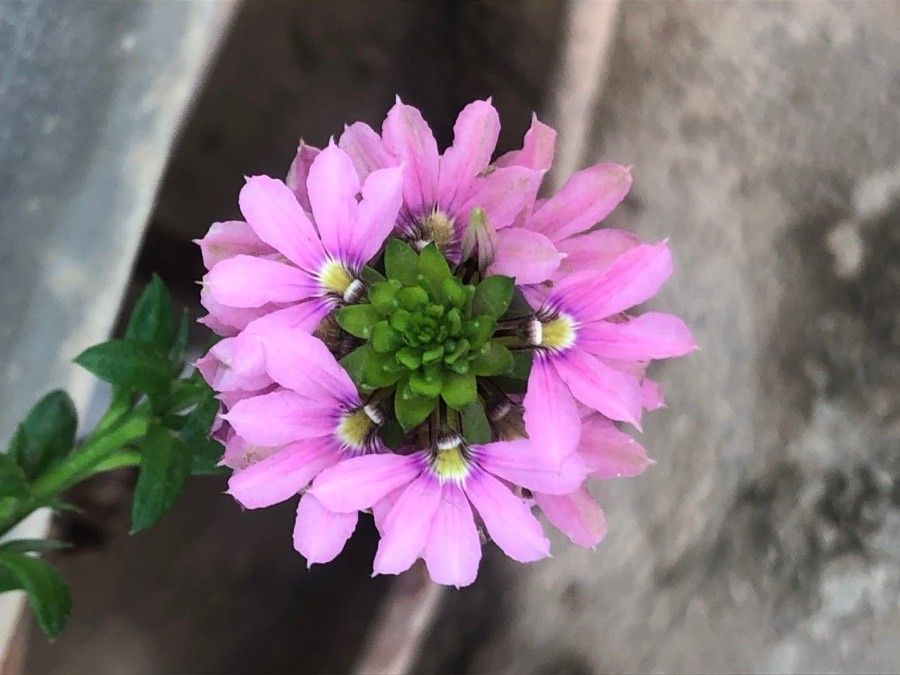
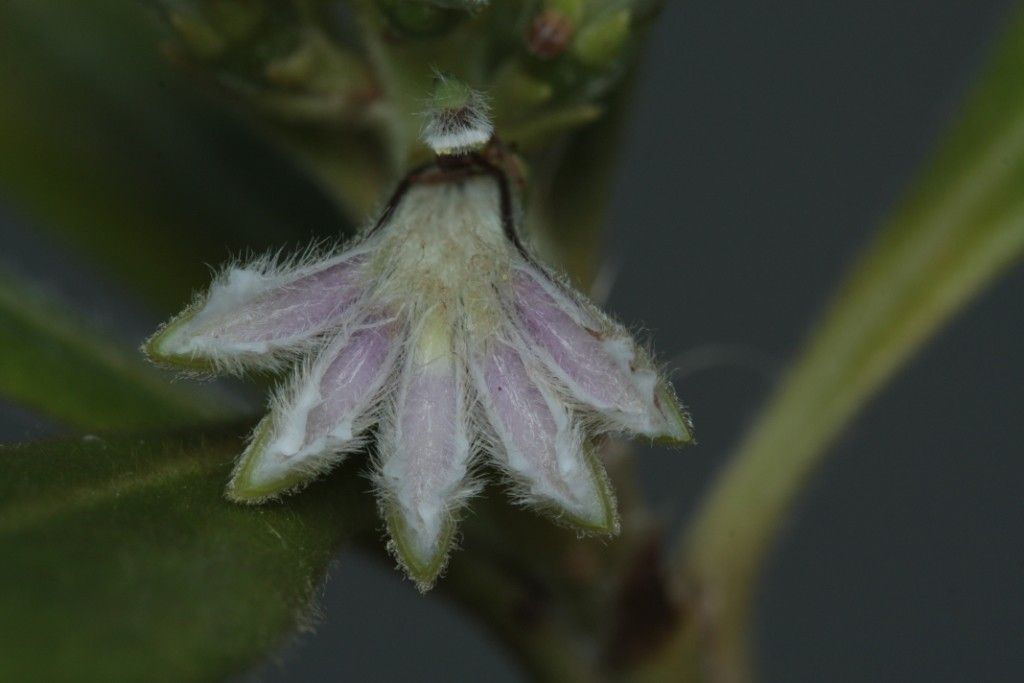
Scaevola plants are celebrated for their unique fan-shaped flowers that bloom in shades of blue, pink, white, or purple. These distinctive flowers feature five petals fused at the base to form a tube-like structure, with two lobes at the top resembling butterfly wings.
These hardy perennials can grow up to 30 cm tall and spread up to 60 cm wide, making them ideal for ground cover or hanging baskets. They prefer full sun exposure but can tolerate partial shade and thrive in well-draining soil.
Scaevola is an easy-to-grow plant that requires minimal maintenance, making it an excellent choice for novice gardeners. Once established, they are drought-tolerant, making them perfect for low-water gardens.
In addition to their ornamental value in gardens and landscapes, Scaevola has medicinal properties. Indigenous Australians have used them as an antiseptic agent for wounds or skin infections.
Overall, Scaevola is a beautiful plant with unique flowers that add color and texture to any garden. Its ease of growth and minimal maintenance requirements make it perfect even for beginners!
Fairy fan-flower is fairly disease-resistant and typically not prone to illnesses. Nevertheless, it can be vulnerable to pests and diseases present in its environment. These problems are usually minor. Regarding care, the plant needs moderate maintenance. It should be pruned regularly to keep a tidy appearance and encourage healthy growth. Fertilizing can also help stimulate flowering. Fairy fan-flower is suitable for anyone with outdoor space, such as a garden or patio, and does not demand extensive gardening experience. It may need more attention when cultivated indoors.
How to keep Scaevola Aemula.
Light
Fairy fan-flower grows best with abundant sunlight, reflecting its native habitat where sun is plentiful. The plant can survive with reduced but steady light. Insufficient sun may cause stunted growth, while excessive exposure to scorching heat can be harmful.
Water
Fairy fan-flower is well-suited for coastal dunes, where it demonstrates resilience to both wet and dry conditions. This plant thrives in well-drained soil and moderate humidity, requiring consistent weekly watering to maintain optimal health. By giving it careful attention during the growing season, you can ensure vibrant blooms, whether you plant it in garden beds or containers.
Temperature
Fairy fan-flower is native to areas characterized by moderate to high temperatures and performs best in a range of 68 to 100 °F (20 to 38 ℃). Seasonal adjustments may be required to maintain that optimal temperature.
Fertilizer
Proper fertilization is essential for the health and appearance of the Fairy fan-flower. Fertilize the Fairy fan-flower during summer, repeating the application monthly throughout the season. Nutrients fuel growth and support the plant’s parts. Fertilization improves the Fairy fan-flower’s flower display, ensuring the best blooms.
Pruning
The Fairy fan-flower is known for its charming, fan-shaped blooms that appear throughout the summer. To promote healthy growth, prune the plant from late winter to early spring, making sure to remove any dead stems. Lightly trimming the plant after its first bloom can improve air circulation and extend the flowering period, helping to keep the plant vibrant and compact.
Pot & Repot
To ensure the best care for your fairy fan-flower, repot it every 2 to 3 years during the spring. Choose wider pots to accommodate its spreading growth habit. After repotting, make sure to provide plenty of light and water moderately to help the roots establish and encourage healthy growth.
Toxicity
This fair fan flower has no reported toxic effects on people, pets, or livestock. It's a safe houseplant to have for adding a pop of brightness to any home or garden.
Further reading →
The toxicity and danger assessments provided are for reference only. We do not assure their accuracy, so it's crucial not to depend on them. Seek professional advice when necessary for accurate guidance.
Botanical profile.
- Plant Type
- Herb
- Life Cycle
- Perennial, Annual
- Genus
- Scaevola
- Family
- Goodeniaceae
- Hardiness Zone
- 10-11
- Mature Height
- 20 cm to 91 cm
- Mature Spread
- 30 cm to 61 cm
- Leaf Color
- Green
- Leaf Type
- Evergreen
- Flower Color
- Purple, Blue
- Flower Size
- 2.54 cm to 5.08 cm
- Bloom Time
- Late spring, Summer, Early fall
- Planting Time
- Spring
- Harvest Time
- Summer, Fall
- Native Area
- Australia
Other names.
Reader questions.
What's the best way to water my Fairy fan-flower?
To properly water the Fairy fan-flower, it is best to use filtered water at room temperature. Tap water may contain harmful particles, so filtration is recommended. Since the Fairy fan-flower is accustomed to warm environments, it is important to avoid using cold water as it can shock the plant. Furthermore, overhead watering should be avoided to prevent foliage issues. Instead, pour the filtered room temperature water directly onto the soil until it is fully saturated. This will benefit the plant by moisturizing the roots and allowing them to spread and absorb necessary nutrients.
Why should I put plant food on my Fairy fan-flower?
Fertilizer and soil nutrients are like fuel for your Fairy fan-flower, helping it grow and stay healthy. Plants use nutrients in the soil to make new plant parts and maintain current ones. For the Fairy fan-flower, fertilization is important for beautiful flowers, which are its main attraction. To ensure the flowers look their best, using fertilizer is a reliable way to help your Fairy fan-flower produce gorgeous blooms.
What are the sunlight requirements for Fairy fan-flower?
Fairy fan-flower requires abundant sunlight to thrive, reflecting its need for an environment similar to its native eco-space where sunlight is plentiful. The plant can survive in less generous sunlight conditions, but insufficient solar access may lead to underdevelopment, while excessive exposure to intense heat could cause harm. Full sun for this plant means receiving more than 6 hours of direct sunlight daily, while partial sun is about 3-6 hours of sunlight. It's crucial to observe how sunlight moves through your garden to select spots that offer the right balance of light and shade, ensuring the plant's well-being.
What is the ideal temperature range for Fairy fan-flower?
Fairy fan-flower thrives in environments that offer moderate to high temperatures, ideally within a range of 68 to 100°F (20 to 38°C). Due to its preference for warmer conditions, special care is needed during different seasons to ensure the temperature remains optimal. When temperatures start to drop, particularly in autumn, it is advisable to bring Fairy fan-flower plants that are grown outdoors inside. They should be placed near a bright window yet kept at a safe distance from direct heat sources like heaters. Keeping the temperature above 20°C during the winter months is crucial for maintaining healthy plant growth, as temperatures nearing 5°C can be harmful.
What do I do if I give my Fairy fan-flower too much water or too little water?
Taking care of your Fairy fan-flower requires attention to its watering needs. While both overwatering and underwatering can harm the plant, overwatering is a more common problem. When the Fairy fan-flower gets too much water, its stems and leaves may wilt and turn yellow. Prolonged overwatering can also cause root rot, mold, and mildew, which can kill the plant. Underwatering is less likely, as this plant can tolerate some drought. However, if underwatering does occur, you will notice that the leaves become brittle and brown. It's important to recognize the signs of overwatering early to prevent irreversible damage. If you notice early signs, reduce your watering schedule and check the soil's drainage. Replace soil that drains poorly with a loose, well-draining potting mix. If you suspect your Fairy fan-flower is not receiving enough water, simply water it more regularly until the signs disappear.
When should I fertilize my Fairy fan-flower to make it grow well?
The Fairy fan-flower has two main phases each year: the dormant phase and the active growth phase. During the dormant phase in winter, the plant experiences minimal new growth. The active growth phase occurs in spring and fall, when fertilization is most important. It's recommended to start fertilizing your Fairy fan-flower in the spring and continue once a month until late summer. As fall approaches, you can gradually reduce the fertilization rate.
How can artificial lighting be used for indoor grown Fairy fan-flowers?
For indoor plants, particularly during seasons or in spaces where natural sunlight is insufficient, artificial lighting is key to promoting optimal growth. The right type of artificial light should be chosen, with LED lights being a popular choice due to their ability to be customized for specific plant needs. Full sun plants require 30-50W/sq ft of artificial light, partial sun plants need 20-30W/sq ft, and full shade plants need 10-20W/sq ft. The light source should be placed 12-36 inches above the plant, and the duration should mimic natural daylight hours, typically 8-12 hours per day, to ensure healthier growth.
What should I do if my Fairy fan-flower is exposed to low temperatures?
Fairy fan-flower is not tolerant of low temperatures and exhibits optimal growth when the temperature remains above 20°C. It's important to ensure the temperature stays above 5°C during winter to avoid damage. Exposure to temperatures below 1°C can result in the leaves lightening in color and, following frost damage, turning brown or black with symptoms such as wilting and drooping. To mitigate frost damage, trim away the affected parts of the plant. Then, move the plant indoors to a warmer environment for cold protection. Placing the plant near a south-facing window while avoiding proximity to heaters or air conditioning vents can help provide sufficient sunlight without causing excessive dryness in the air.
How frequently should I be watering my Fairy fan-flower?
If your Fairy fan-flower is in a pot, the most precise way to determine if it needs water is by checking the soil's moisture level. Simply stick your finger into the soil, about two to three inches deep. If you find that the top layer of soil is dry, it's time to water the plant. For those growing Fairy fan-flowers outdoors in the ground, you can use a similar method to test the soil. Once again, check if the first few inches of soil have dried out, indicating the need for water. In the spring and early fall, following this method will likely result in watering the plant approximately once a week. However, during extremely hot weather, you may need to increase the frequency to about twice a week or more. Nevertheless, it's worth noting that mature, well-established Fairy fan-flowers demonstrate impressive drought tolerance and can withstand periods without water.
When should I not add fertilizer to my Fairy fan-flower?
To support the growth of Fairy fan-flower, it is important to avoid causing root burn. During spring and summer, when the plant is actively growing, it requires extra nutrients. However, during fall and winter, when the plant enters its dormancy stage, fertilization should be stopped.
What symptoms indicate Fairy fan-flower is receiving inadequate light?
Symptoms of inadequate lighting in Fairy fan-flowers include the growth of smaller new leaves compared to older ones, leggy or sparse growth due to longer spaces between leaves or stems, faster leaf drop as the plant conserves resources, slowed or halted new growth indicating the plant is in survival mode, and lighter-colored new leaves suggesting insufficient chlorophyll and nutrient absorption. Chlorosis, or the yellowing of leaves because of excessive sunlight, along with sunscald, leaf curling, wilting, and leaf scorching are signs that a plant is struggling with its current light conditions.
How should I care for my Fairy fan-flower during high temperatures?
In the summer, it's essential to ensure that the temperature around your Fairy fan-flower does not exceed 38°C. Temperatures above 43°C can lead to the leaves fading in color and increase the risk of sunburn for the plant. If such conditions occur, you should trim away any sunburned or dried-up parts of the plant. Moving the plant to a shaded location, especially to protect it from the midday and afternoon sun, can prevent further damage. Additionally, watering the plant in the morning and evening will help maintain soil moisture, which is vital for the plant's health during high temperatures.