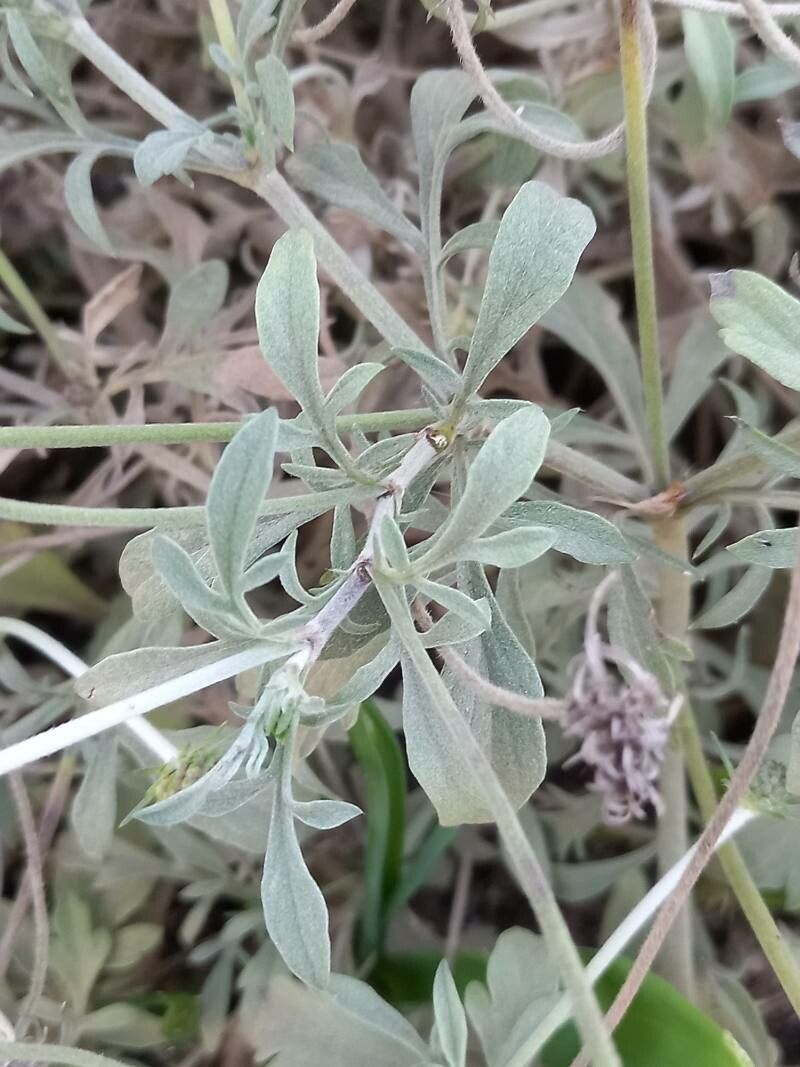
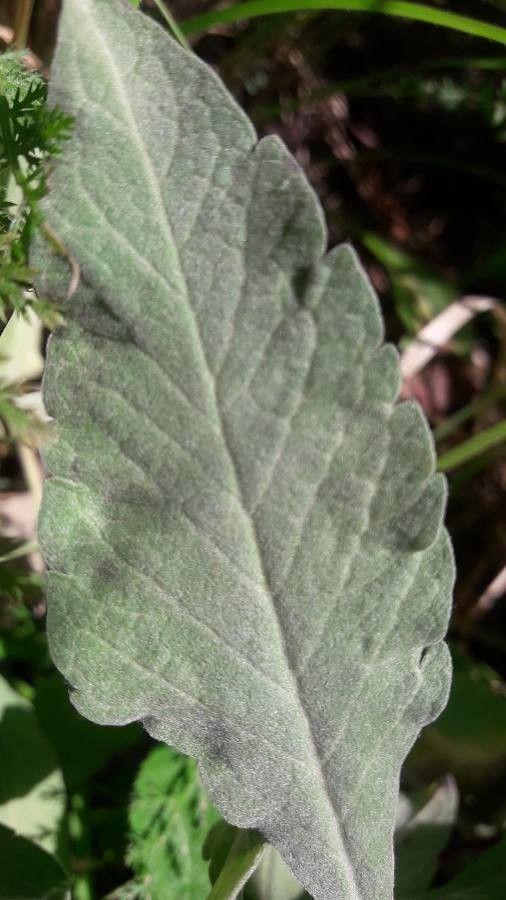
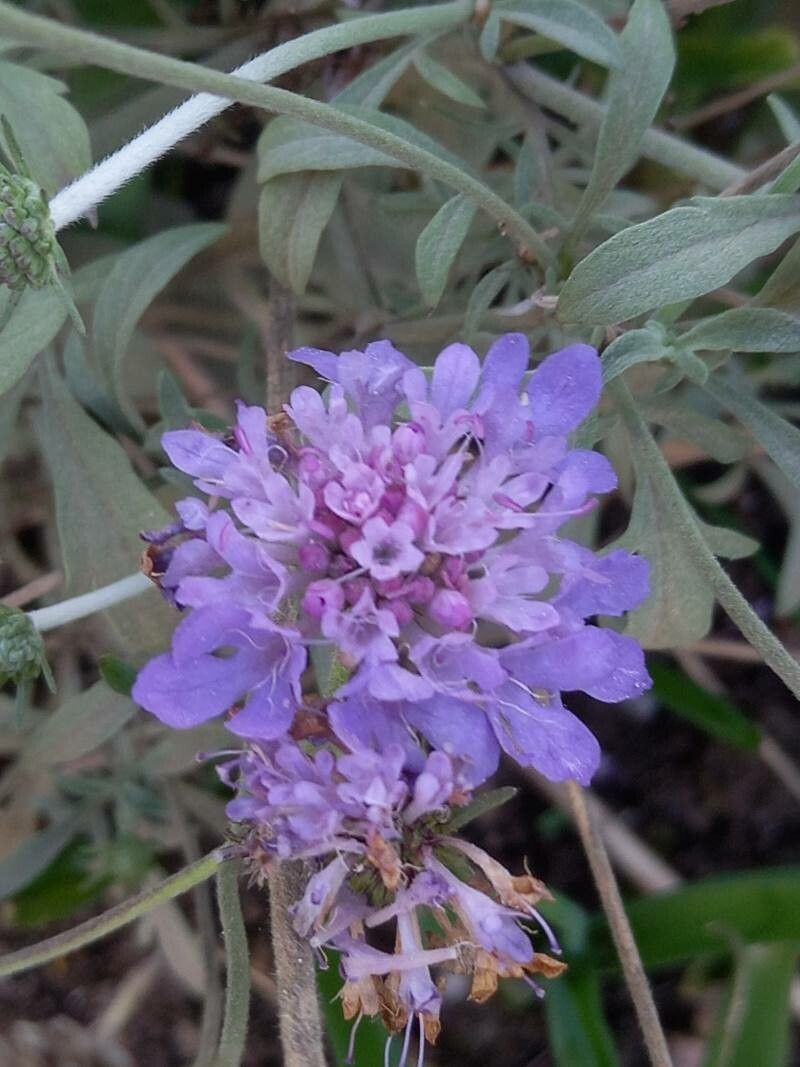
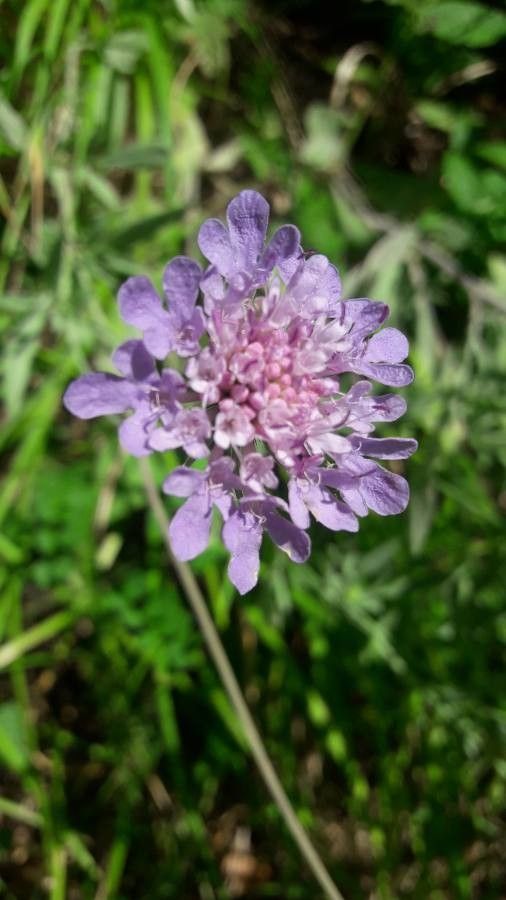
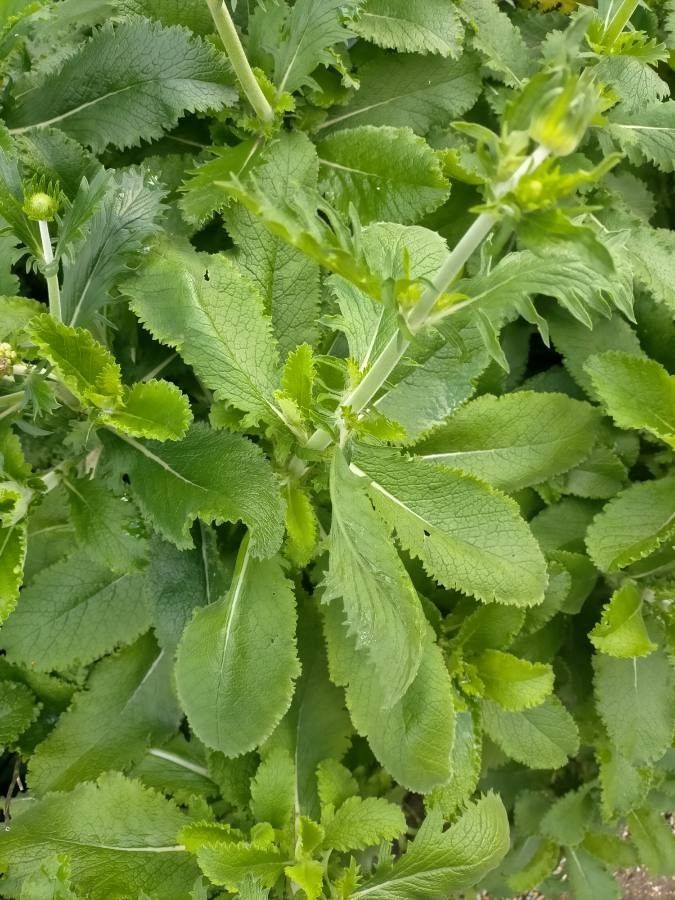
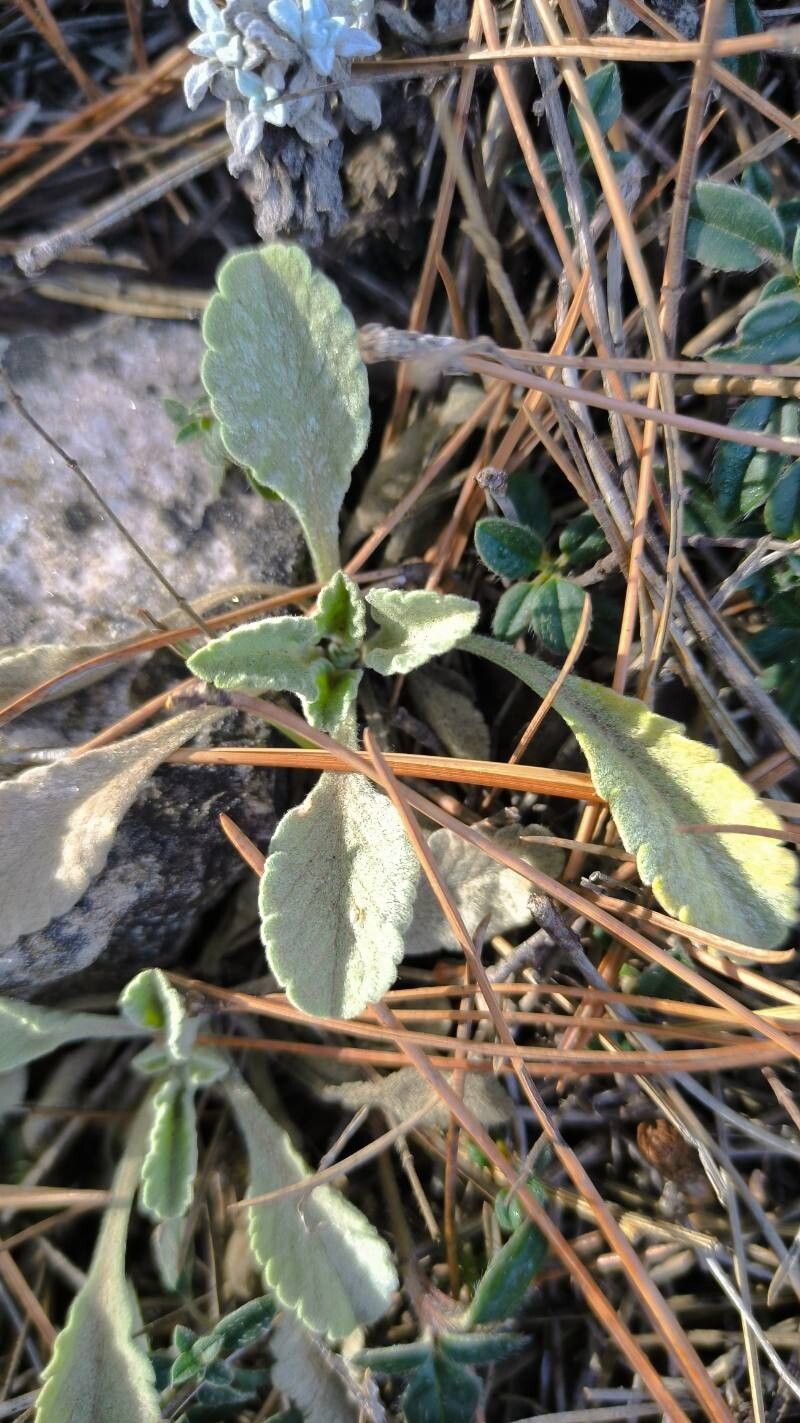
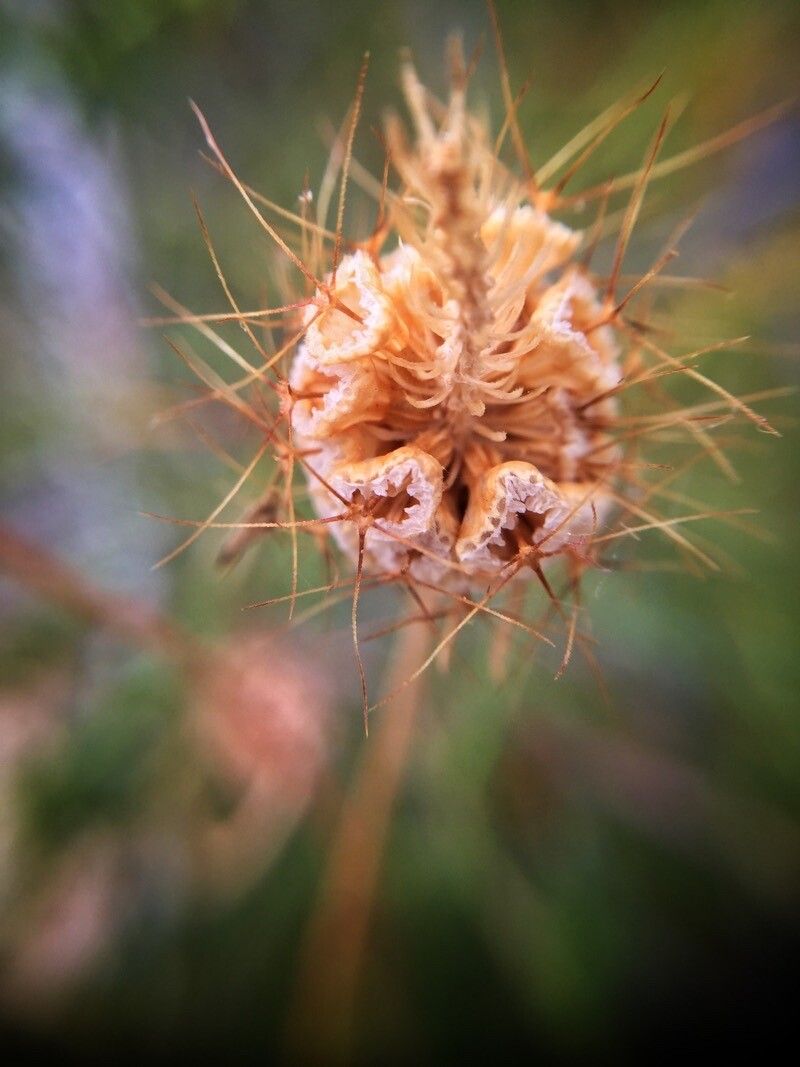
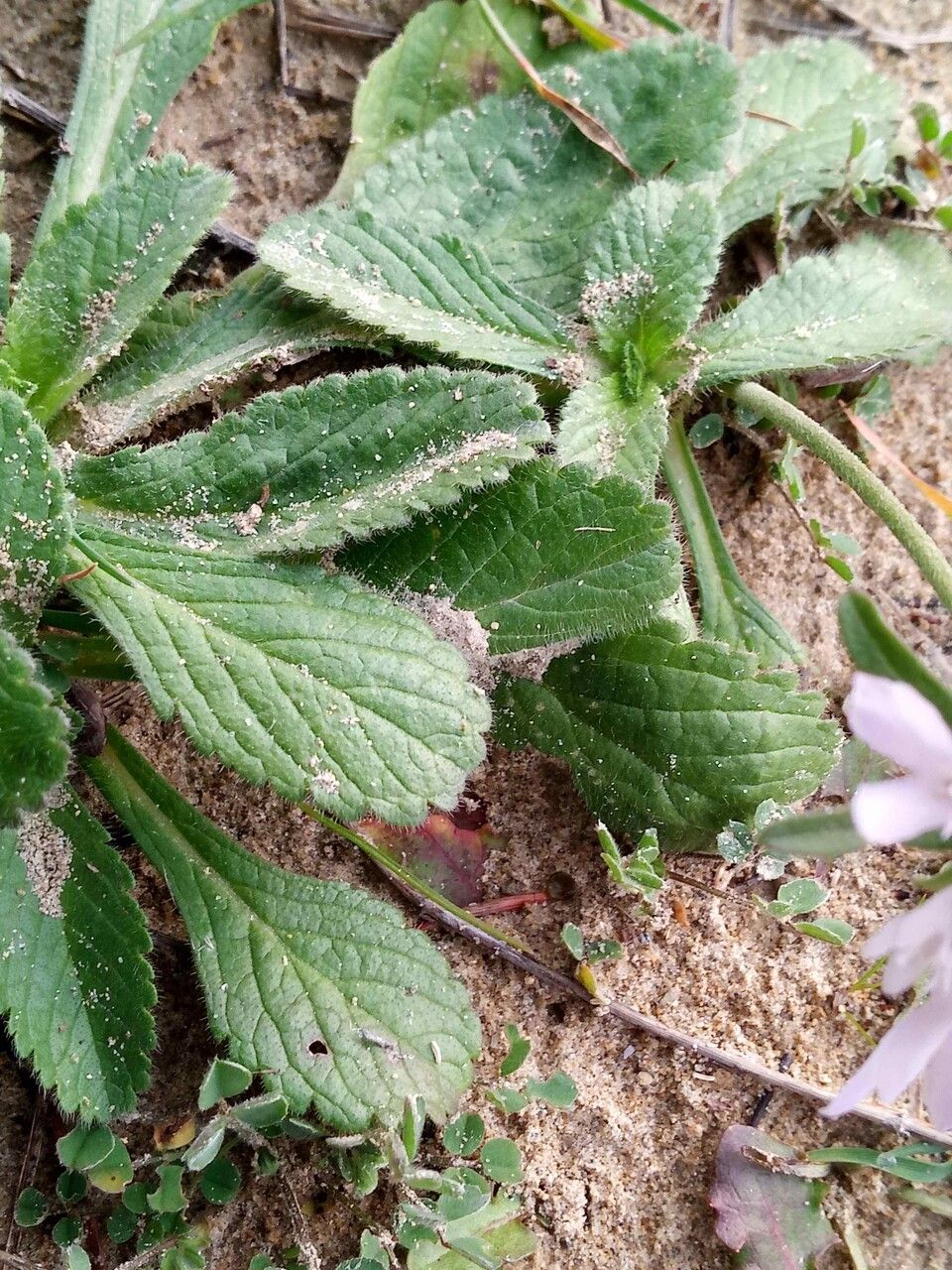
Cream pincushions has strong disease resistance and is generally not easily affected by illnesses. However, it can be vulnerable to pests and diseases present in its surroundings. These infections are usually mild. In terms of care, the plant needs moderate maintenance. It should be pruned regularly to maintain a tidy appearance and healthy growth. Fertilizing can also help promote flowering. Cream pincushions is suitable for anyone with outdoor space, such as a garden or patio, and does not require extensive care experience. It may need more care when grown indoors.
How to keep Scabiosa Holosericea.
Light
Cream pincushions prefer a location where they receive the main sun exposure for most of the day, though they can tolerate places that get sun only part of the day. Native to habitats that regularly receive abundant sunlight, they need that exposure to grow healthily. Too little or too much sunlight can adversely affect their growth.
Temperature
Cream pincushions are native to areas where temperatures typically range from 68 to 95 °F (20 to 35 ℃). They prefer warm conditions; in cooler seasons, supply extra heat to keep temperatures within that range.
Fertilizer
The ideal time to fertilize a Cream pincushions is early spring, as it comes out of dormancy and begins active growth. Fertilization supplies essential nutrients for healthy development. Although Cream pincushions has relatively low fertilizer needs, applying fertilizer annually can improve its survival and encourage better, longer-lasting flowers.
Pruning
In early spring, pruning Scabiosa holosericea can significantly enhance its growth and blooming. This process also improves air circulation, which helps reduce the risk of disease. To prune effectively, cut back dead stems and remove up to one-third of the plant to maintain its shape. Be sure to use clean, sharp tools to promote both the plant's health and its ornamental appeal.
Pot & Repot
Scabiosa holosericea needs pots with excellent drainage to avoid root rot and support healthy growth. Good drainage is essential for maintaining the right moisture levels and keeping the plant healthy.
Botanical profile.
- Plant Type
- Herb
- Life Cycle
- Perennial, Biennial
- Genus
- Scabiosa
- Family
- Caprifoliaceae
- Hardiness Zone
- 4-10
- Mature Height
- 40 cm
- Mature Spread
- 30 cm
- Leaf Color
- Green, Silver
- Leaf Type
- Deciduous
- Flower Color
- Yellow, White
- Flower Size
- 2.03 cm to 3.05 cm
- Bloom Time
- Late spring, Early summer, Mid summer
- Planting Time
- Spring
- Harvest Time
- Early summer, Mid summer
- Native Area
- Turkey, Austria, Czech Republic, Slovakia, Montenegro, Bulgaria, Armenia, Poland, Greece, Croatia, Slovenia, Belarus, Ukraine, Serbia, Russia, China, Lithuania, Hungary, Germany, Kyrgyzstan, Kazakhstan, Italy, Mongolia, Albania, Azerbaijan, Algeria, Romania, Latvia
Reader questions.
What are the sun requirements for Scabiosa holosericea?
Scabiosa holosericea requires specific sunlight conditions to thrive. For 'Full sun,' the plant needs above 6 hours of sunlight, ensuring it receives ample light for healthy growth. For 'Partial sun,' about 3-6 hours of sunlight is required, offering a balance that can accommodate this plant's needs. It's important to observe how sunlight moves through your garden, finding locations that provide the ideal mixture of light and shade. This careful placement ensures your Scabiosa holosericea will grow happily and healthily.
What is the botanical name for Scabiosa holosericea?
The botanical name for Scabiosa holosericea is the same, Scabiosa holosericea. This name is used scientifically to accurately identify the plant, helping distinguish it from other species within the Scabiosa genus.