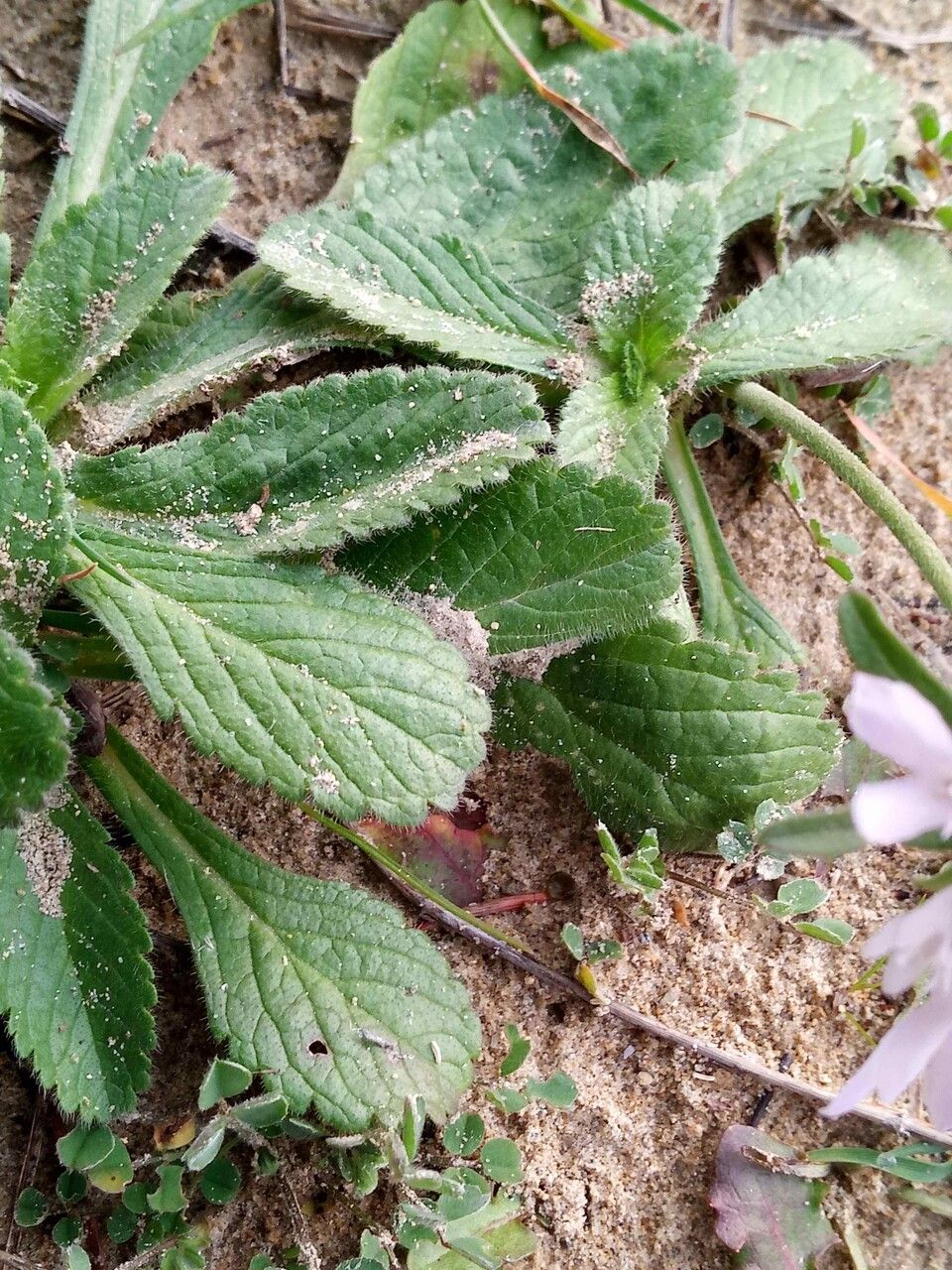
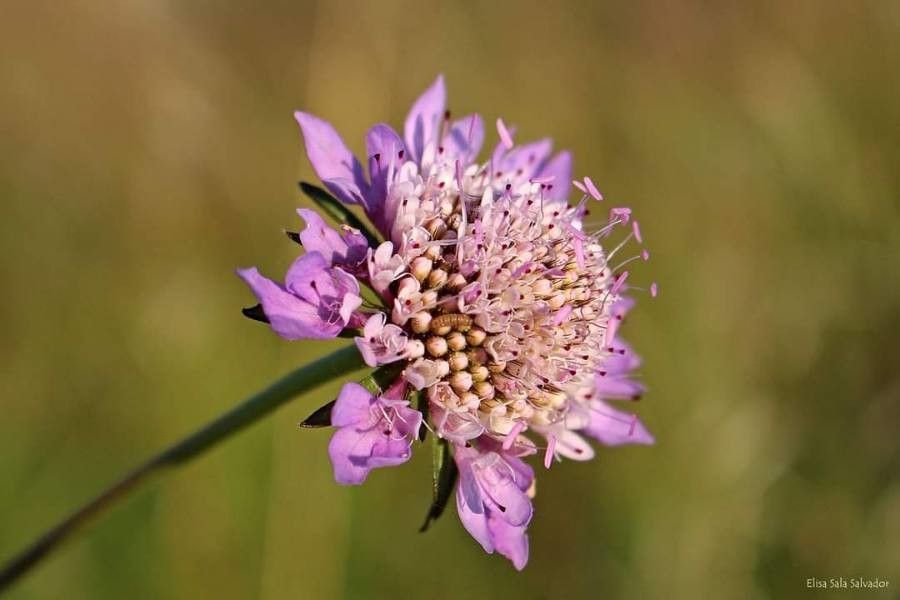
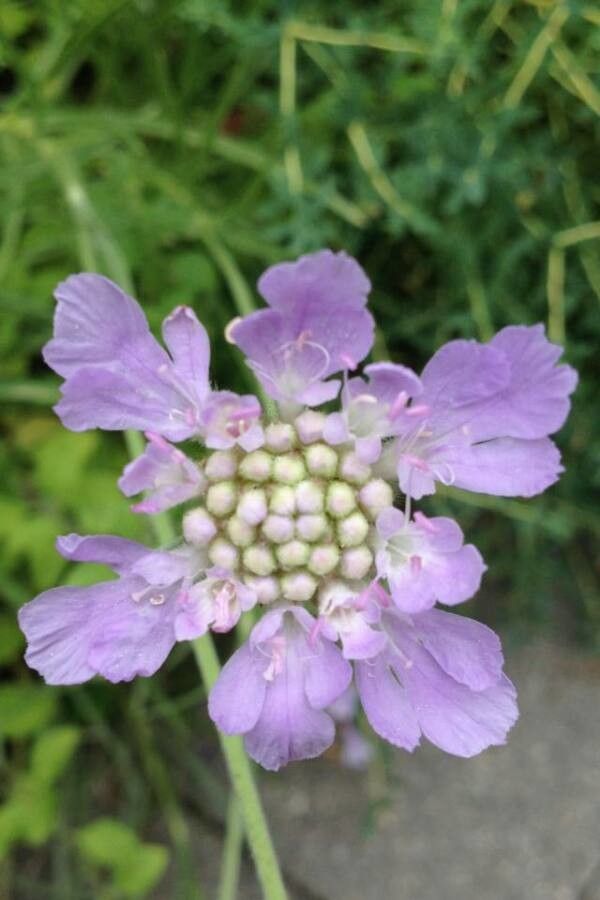
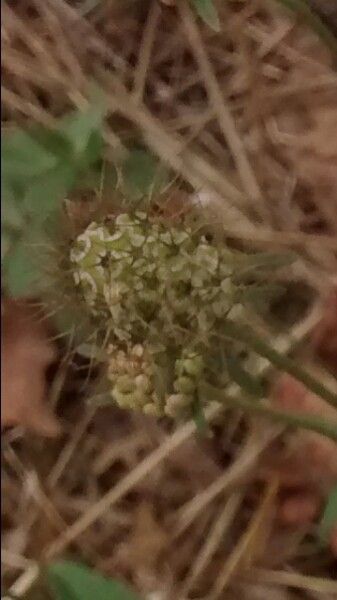
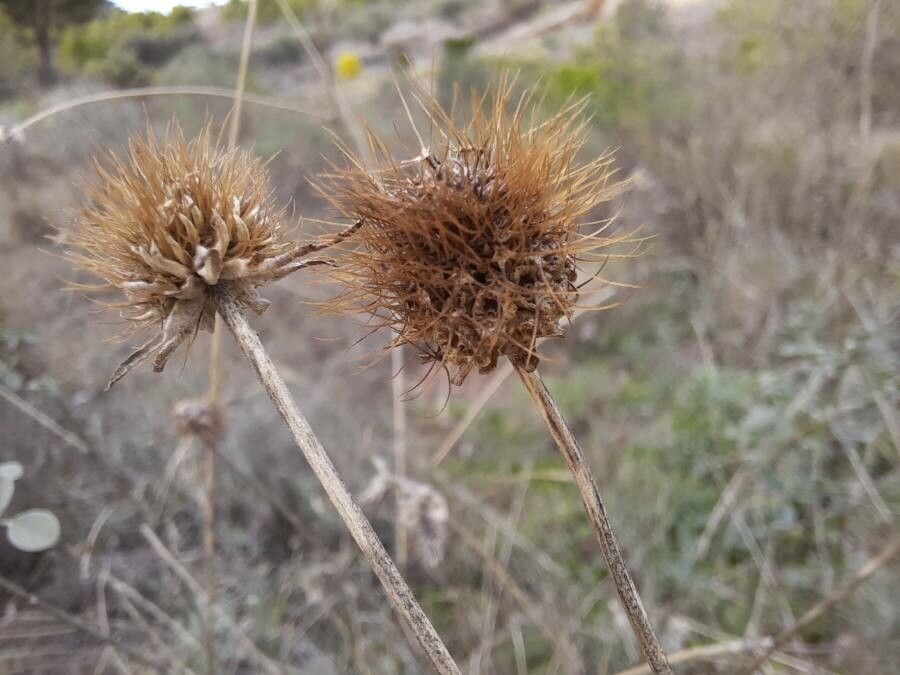
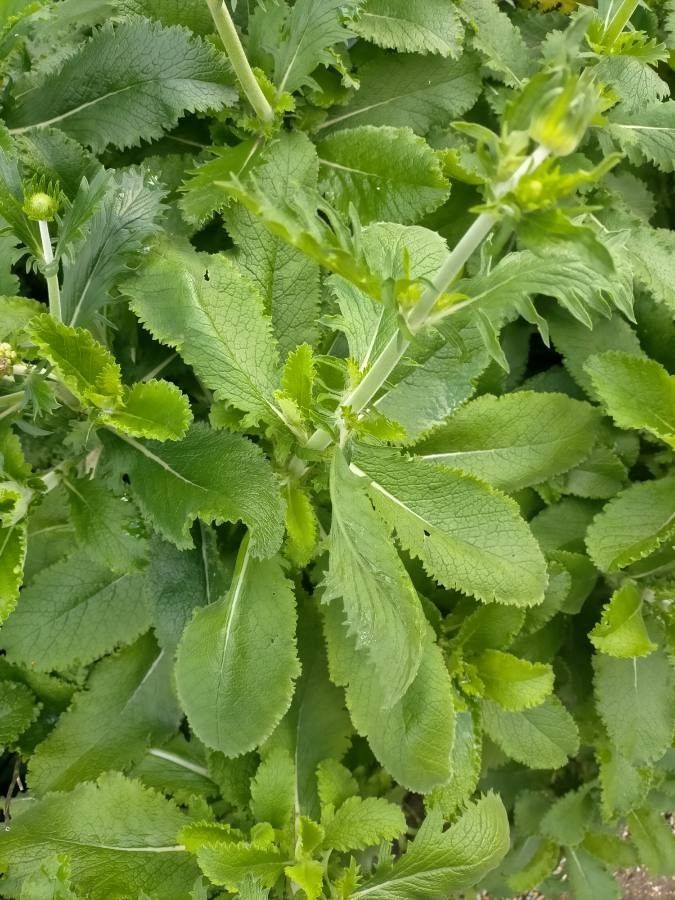
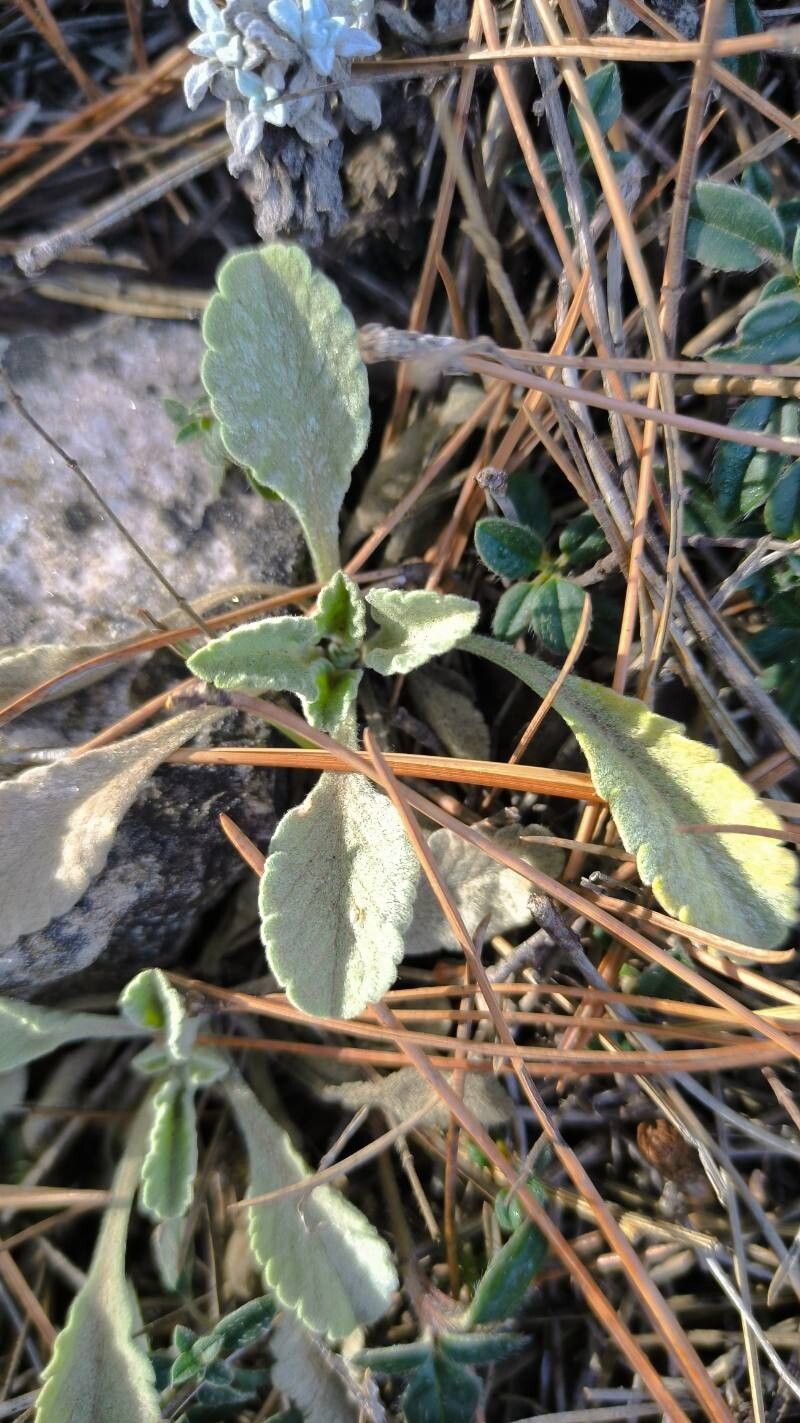
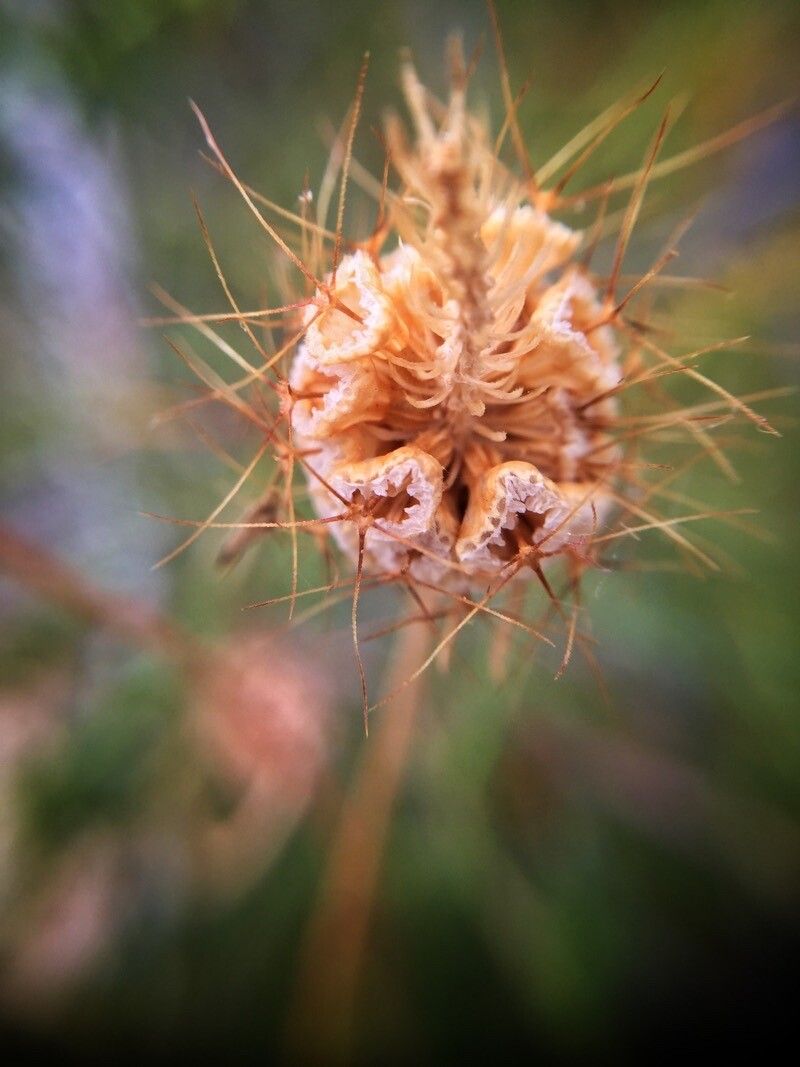
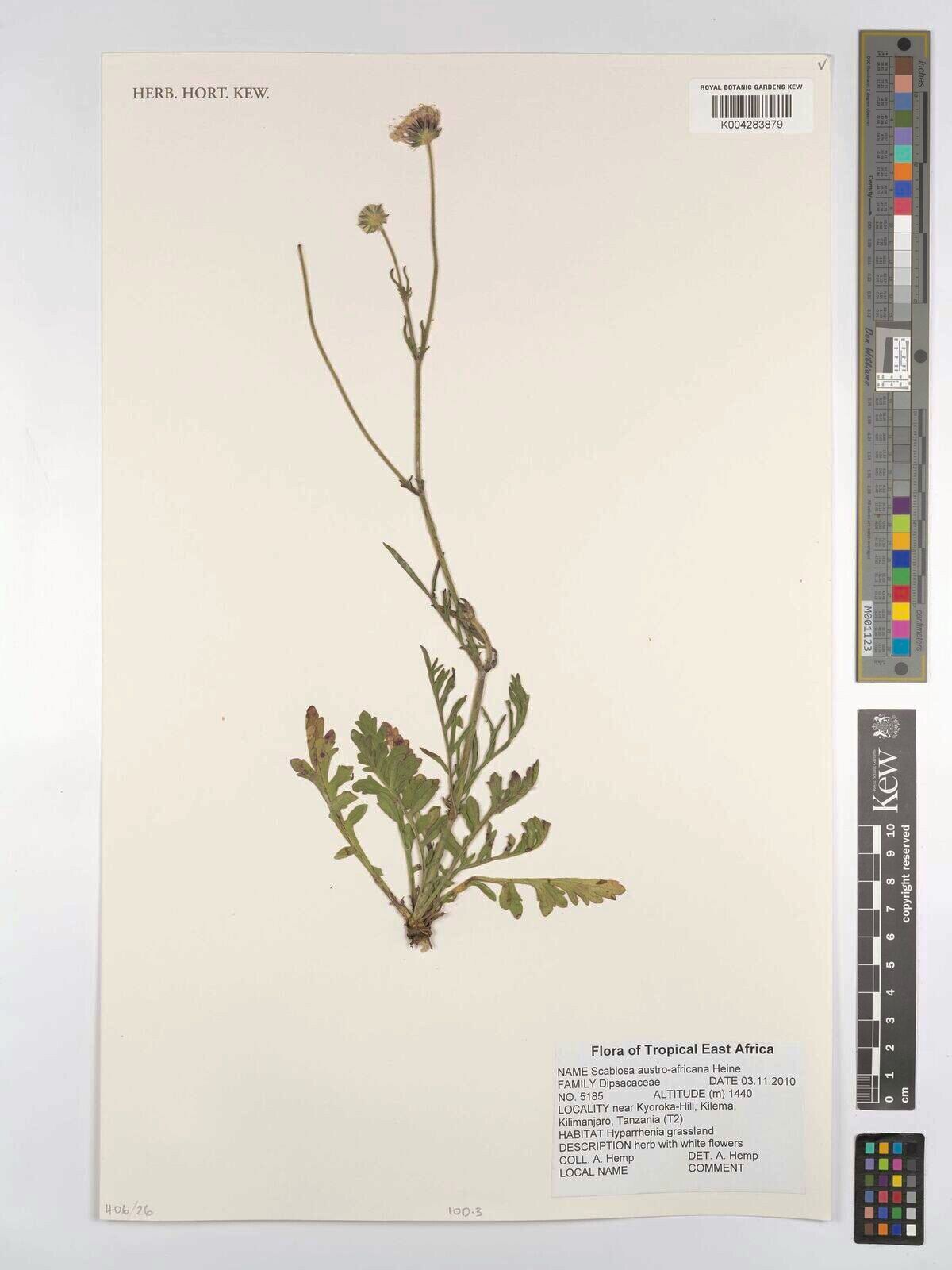
Scabiosa, commonly known as the pincushion flower, is a genus of flowering plants within the honeysuckle family. Native to Europe and Asia, these plants have been introduced worldwide as ornamental garden additions. Scabiosa typically grows in clumps and features long stems adorned with clusters of small, delicate flowers resembling pincushions.
The flowers vary in color, including shades of pink, purple, blue, and white. They bloom from early summer through fall, attracting bees and butterflies. Scabiosa thrives in well-drained soil with full sun exposure but can tolerate some shade.
Gardeners favor Scabiosa for its extended blooming period and low maintenance requirements. It is versatile, serving well as a border plant or planted en masse for a striking display. Additionally, it makes an excellent cut flower for floral arrangements.
Beyond its ornamental appeal, Scabiosa has been used medicinally for centuries due to its anti-inflammatory properties, making it beneficial in treating skin conditions such as eczema and psoriasis.
Overall, Scabiosa is an attractive flowering plant that adds color and interest to any garden while also offering potential health benefits through traditional medicinal use.
Sweet scabious is fairly disease-resistant and usually not prone to illness. That said, it can be affected by pests and diseases present in its environment. Those problems are typically mild. Regarding care, the plant needs moderate maintenance. It should be pruned regularly to keep a neat appearance and healthy growth. Fertilizing can also help encourage flowering. Sweet scabious is suitable for anyone with an outdoor area, such as a garden or patio, and does not demand extensive care experience. It may need extra attention when grown indoors.
How to keep Scabiosa Atropurpurea.
Light
Sweet scabious does best in places with plenty of sun yet can tolerate some shade. Native to areas with generous but not extreme sunlight, it may still experience growth problems if light is either too limited or excessively intense.
Water
The pincushion flower thrives in Mediterranean climates, where there is a balance of sun and moisture. Although it is drought-tolerant, it should be watered twice a week, especially during its peak flowering period. The plant prefers well-drained soil, and careful watering helps promote vibrant blooms, making it a popular choice for outdoor gardens.
Temperature
Sweet scabious is suited to a native environment with temperatures between 68 and 100°F (20 and 38°C). It thrives in this warmth and may need adjustments on cooler days. Be careful to adjust temperature with the seasons to ensure it flourishes.
Fertilizer
Proper fertilization is essential for Sweet scabious's health and appearance. Fertilize Sweet scabious in summer, repeating the treatment monthly throughout summer. Nutrients fuel growth and maintain the plant's components, and fertilization boosts Sweet scabious's flower display, ensuring the best blooms.
Pruning
The pincushion flower flourishes with proper pruning, ideally done from early to late spring. By removing spent blooms and weak stems, you can promote extended flowering, improve air circulation, and reduce the risk of disease. This care not only enhances blooming but also ensures the plant maintains a well-groomed appearance, making the pincushion flower an attractive addition to any garden.
Pot & Repot
The pincushion flower needs excellent drainage in pots to thrive. Good drainage prevents root rot and promotes healthy growth.
Botanical profile.
- Plant Type
- Herb
- Life Cycle
- Perennial, Annual
- Genus
- Scabiosa
- Family
- Caprifoliaceae
- Hardiness Zone
- 9-11
- Mature Height
- 61 cm to 91 cm
- Mature Spread
- 15 cm to 30 cm
- Leaf Color
- Green
- Leaf Type
- Evergreen
- Flower Color
- Purple, Lavender
- Flower Size
- 2.54 cm to 7.62 cm
- Bloom Time
- Late spring, Early summer, Mid summer
- Planting Time
- Spring
- Harvest Time
- Summer
- Native Area
- Spain, Portugal
Other names.