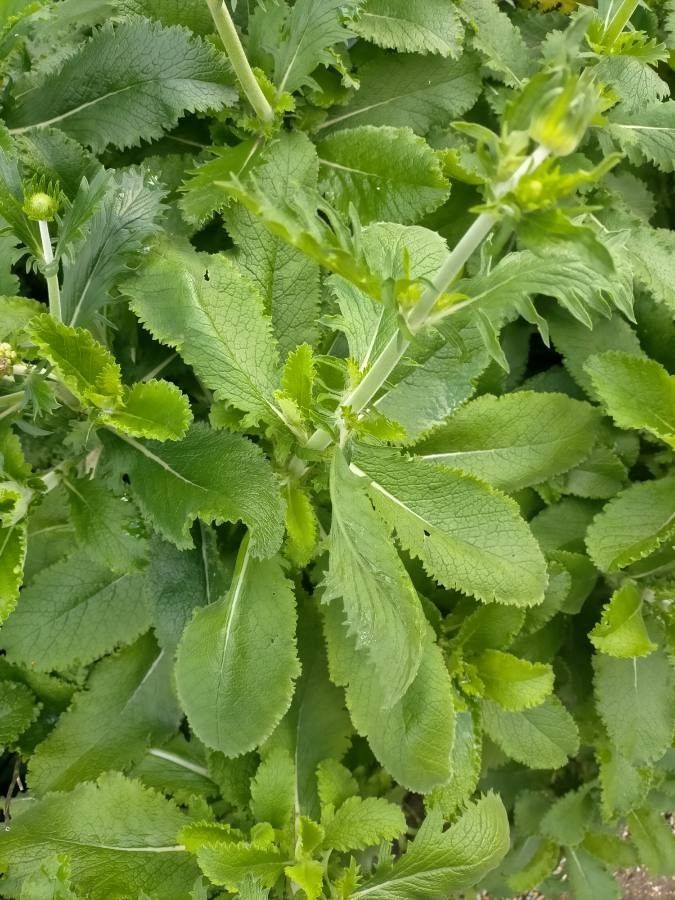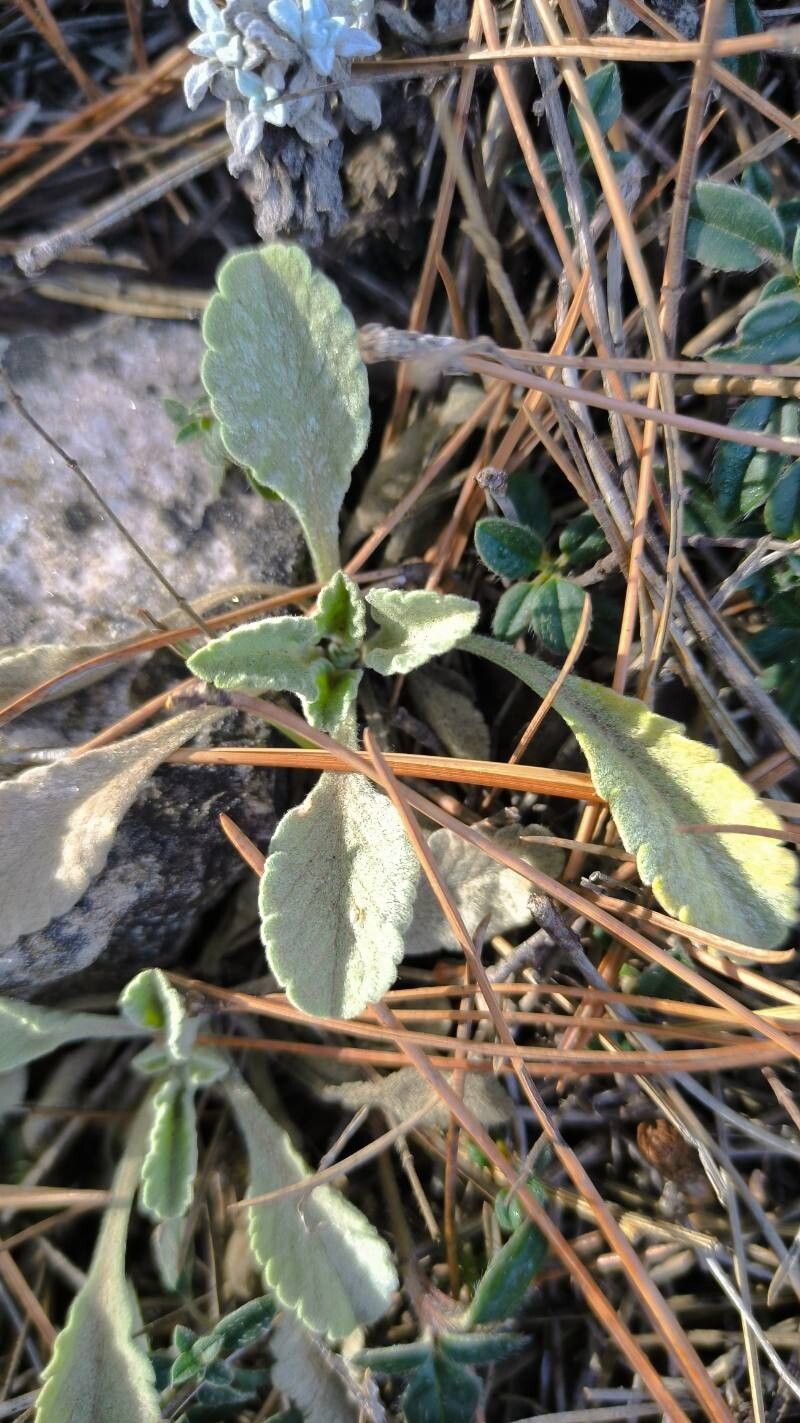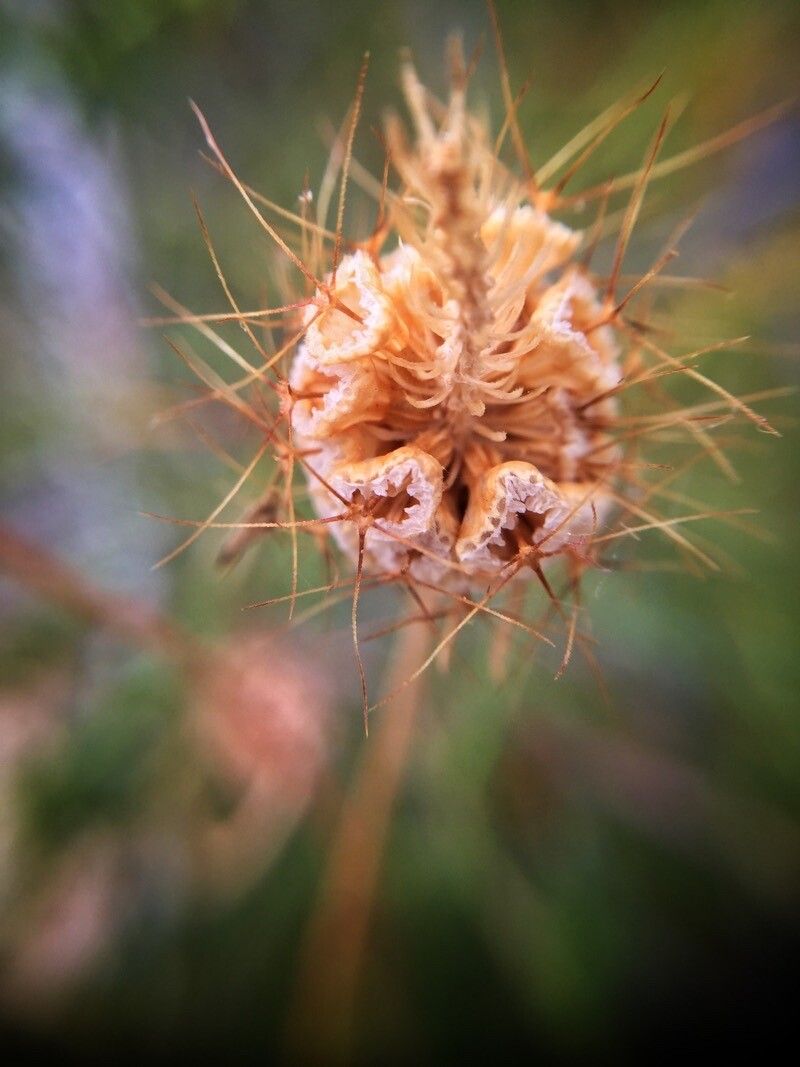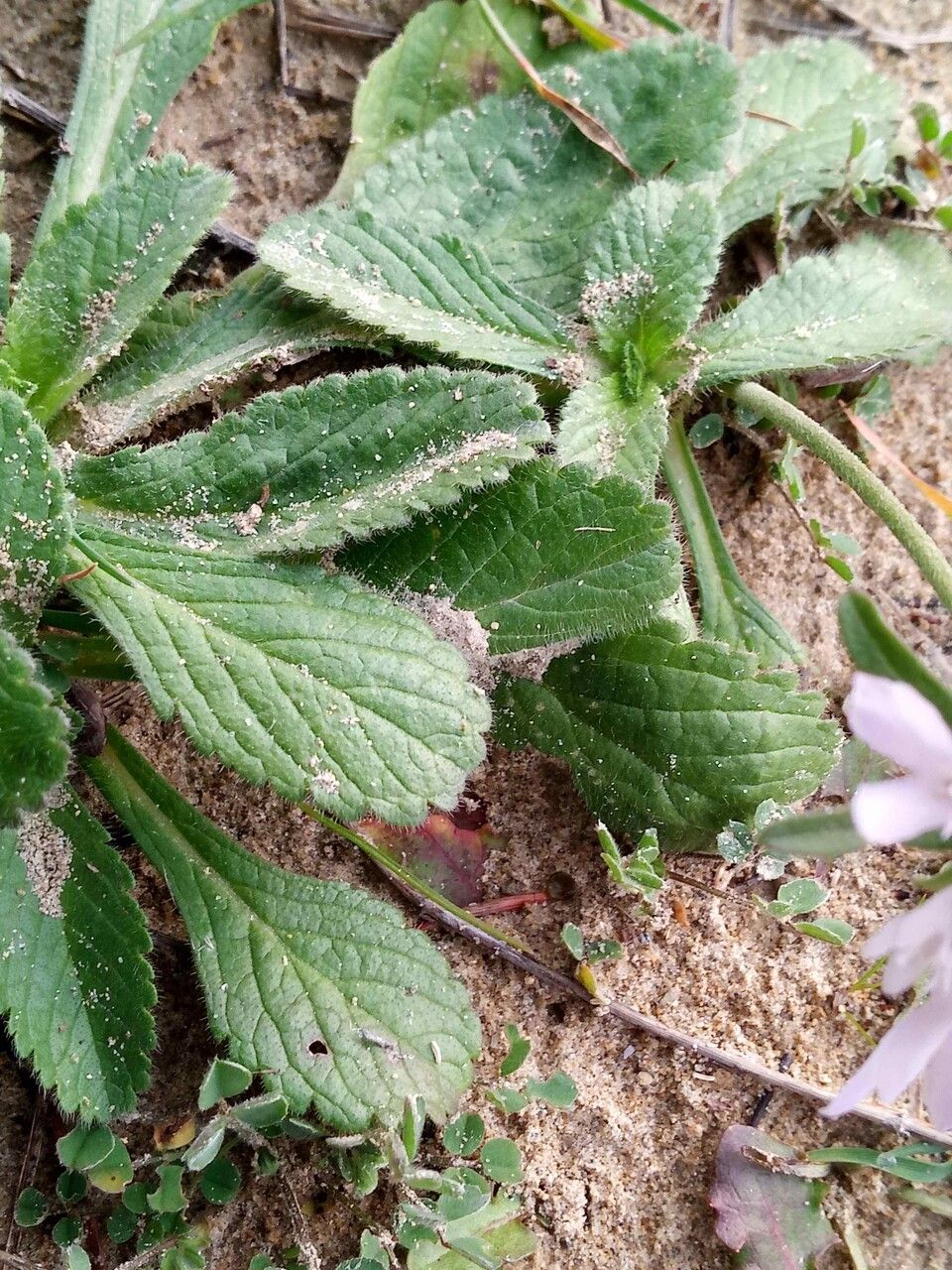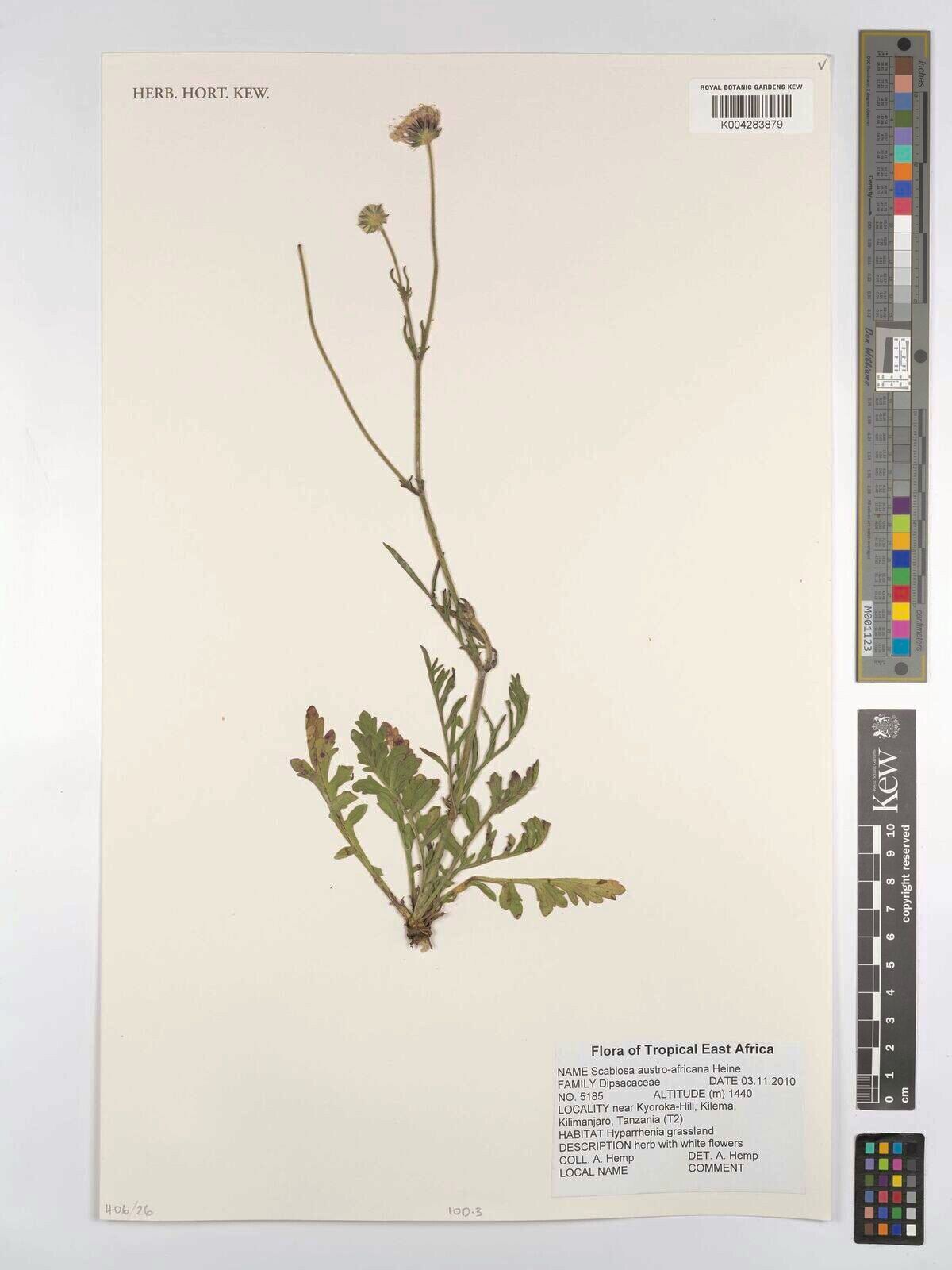
Small scabious is fairly disease-resistant and typically does not suffer from many illnesses. However, it can be affected by pests and diseases present in its surroundings. These problems are usually not serious. In terms of care, the plant requires moderate maintenance. Regular pruning is needed to keep a neat appearance and support healthy growth. Fertilizing can also help encourage flowering. Small scabious is suitable for anyone with an outdoor area, such as a garden or patio, and does not demand extensive gardening experience. It may need more attention when grown indoors.
How to keep Scabiosa Austroafricana.
Light
Small scabious is a perennial herbal plant that loves the sun and hails from open habitats, frequently flourishing in meadows and grasslands. Although it prefers full sun, it can also withstand conditions of partial sun.
Temperature
Small scabious can withstand various temperature ranges, but its spread might still be restricted by unique water and temperature blends. It flourishes optimally in temperate climates during the summer if there is sufficient rain or irrigation. Consecutive periods of overcast, wet weather and high temperatures can enhance the chances of Small scabious perishing. During the winter, safeguarding against cold contributes to the plant's survival prospects.
Fertilizer
The optimal period to fertilize a Small scabious is at the beginning of spring when it shifts from dormancy to active growth. Beneficial nutrients for vigorous growth are supplied through fertilization. While Small scabious doesn't require much fertilizer, providing it once a year can boost its longevity and contribute to the production of more durable, superior flowers.
Botanical profile.
- Plant Type
- Herb
- Life Cycle
- Perennial
- Hardiness Zone
- 3-9
- Mature Height
- 30 cm to 76 cm
- Mature Spread
- 20 cm to 40 cm
- Leaf Color
- Green, Dark Green
- Leaf Type
- Semi-evergreen
- Flower Color
- Lavender
- Flower Size
- 2.03 cm to 3.05 cm
- Bloom Time
- Late spring, Summer, Fall
- Planting Time
- Spring, Summer, Autumn
- Harvest Time
- Mid summer, Late summer, Fall, Early winter
- Native Area
- Lesotho, Turkey, Sweden, Austria, Angola, Namibia, Montenegro, Slovenia, Morocco, Croatia, Yemen, Kenya, Uganda, Tanzania, Zimbabwe, Russia, Belarus, Germany, Burundi, Mozambique, Estonia, Ethiopia, Romania, Latvia, Belgium, Botswana, Portugal, Netherlands, Saudi Arabia, Malawi, France, Czech Republic, South Africa, Zambia, Bulgaria, Armenia, Poland, Greece, Ukraine, Serbia, Lithuania, Italy, Spain, Switzerland, Denmark, Eswatini, Iran, Azerbaijan, United Kingdom, Hungary, Algeria, Albania, Congo (DRC), Turkmenistan