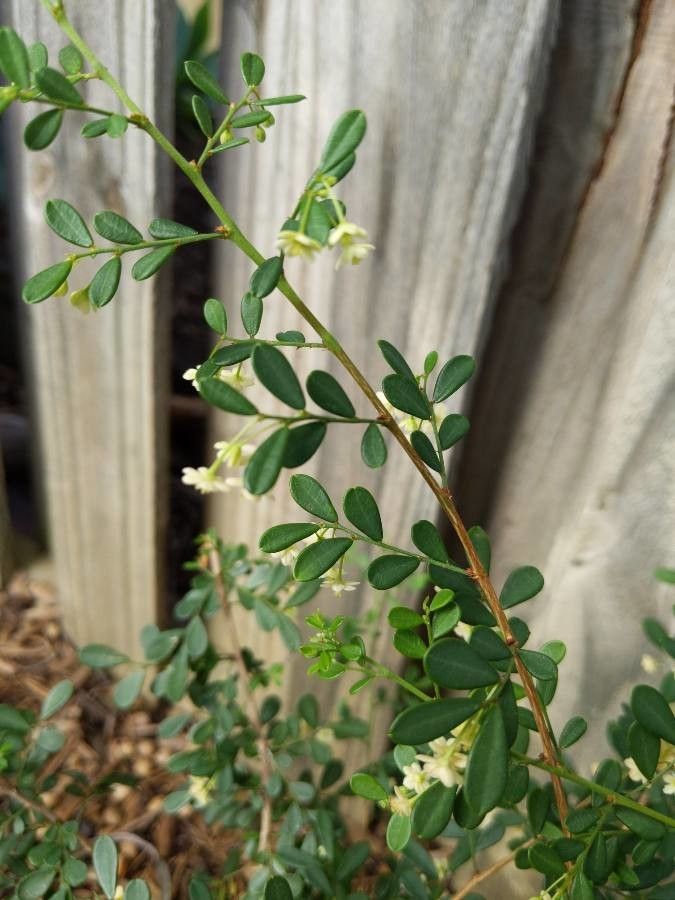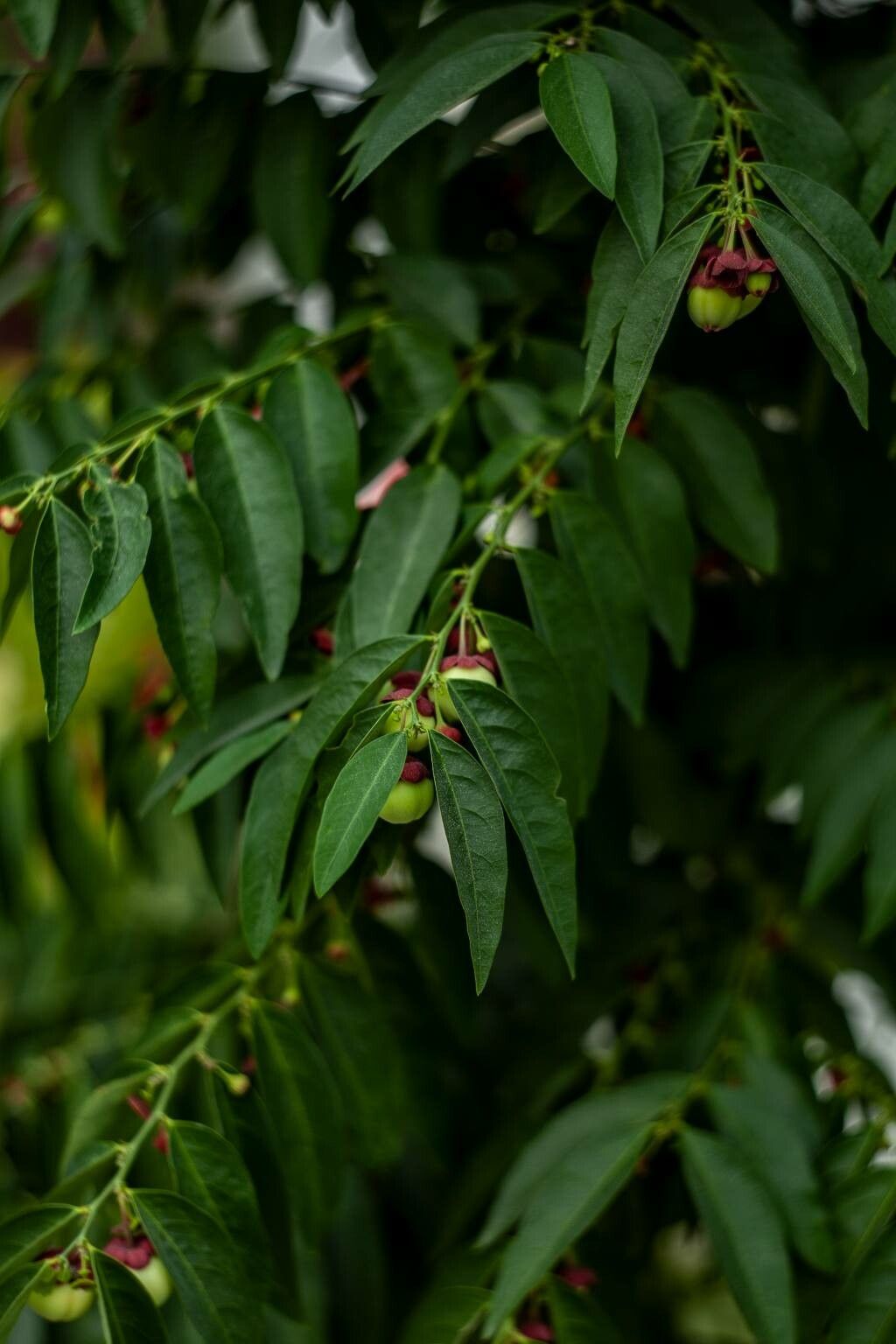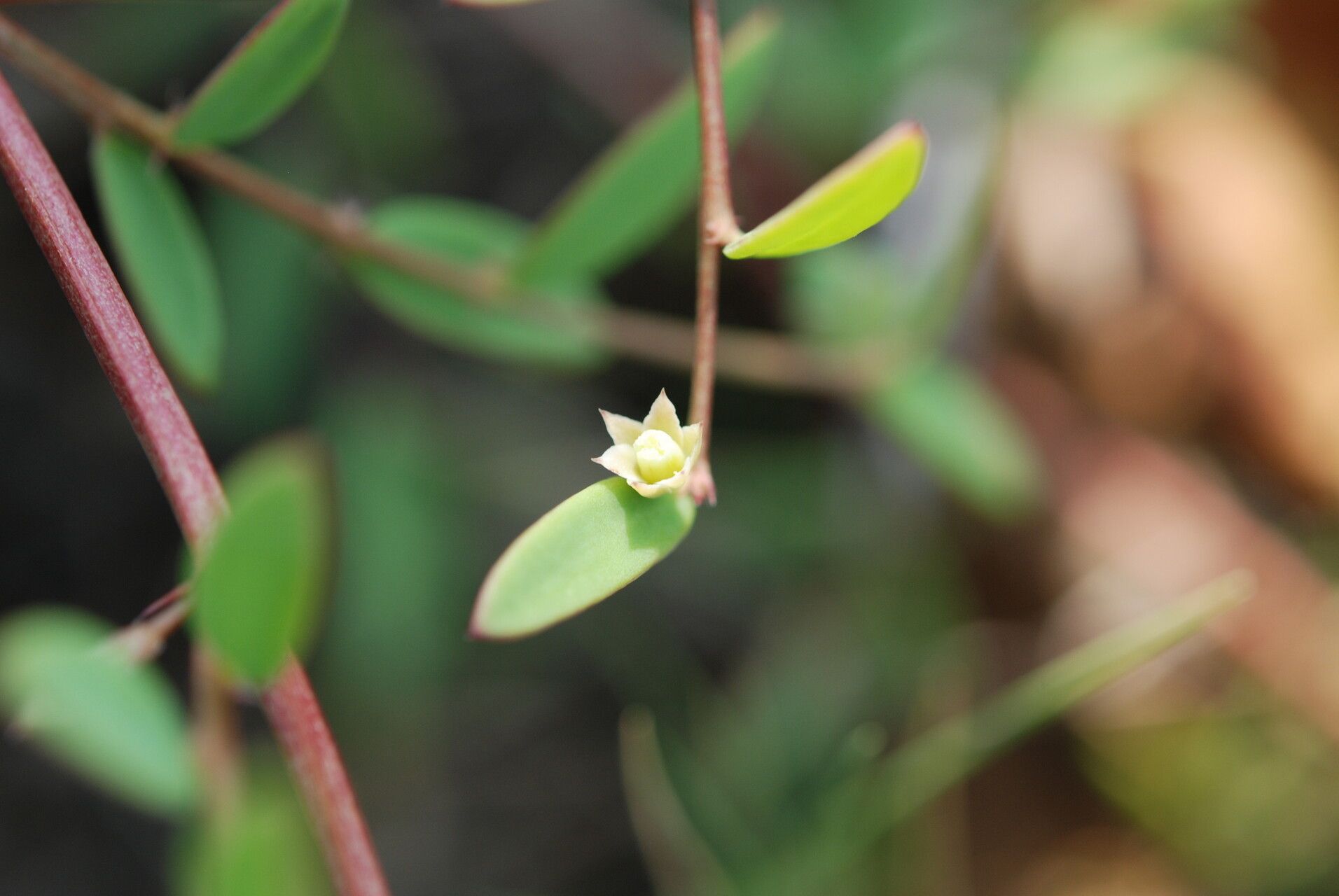
Synostemon bacciformis has strong disease resistance and is generally unlikely to suffer from illnesses. Nevertheless, it can be vulnerable to pests and diseases present in its environment. Such infections are typically mild. Regarding care, this plant needs a moderate level of attention. It should be pruned regularly to keep a tidy appearance and support healthy growth. Applying fertilizer can also encourage flowering. Synostemon bacciformis is suitable for anyone with outdoor space, like a garden or patio, and does not demand extensive care experience. It may need more frequent attention when cultivated indoors.
How to keep Sauropus Bacciformis.
Light
Synostemon bacciformis has its roots in settings with intermittent sunlight, like the underlayers of forests or rocky sections that offer natural shadow. It flourishes well in semi-sunlit conditions but is also capable of adapting to situations of complete sun exposure.
Temperature
Synostemon bacciformis is native to the tropics, an area known for its warm, moisture-laden air. It's uniquely engineered to thrive in conditions of high heat and dampness, not favoring unexpected shifts in temperature. For the plant to thrive indoors, maintaining a constant temperature is necessary. Typically, cooler climates are not suitable for this plant, as it needs warmer conditions to grow. If exposed to extremely low temperatures, the plant might halt its growth or potentially perish.
Fertilizer
When most of the flowers of Synostemon bacciformis have fully bloomed, it signifies the time to resume fertilization. Initiate the fertilization process again every three to four weeks, if the climatic conditions are favorable, at the point when the plant's flowering is at its maximum. However, when the Synostemon bacciformis begins to yield fewer fresh flowers, halt the fertilization; fertilizing is needless when there are no more flowers the plant can grow.
Botanical profile.
- Plant Type
- Herb
- Life Cycle
- Annual, Perennial
- Hardiness Zone
- 10-12
- Mature Height
- 15 cm to 61 cm
- Mature Spread
- 20 cm to 40 cm
- Leaf Color
- Green
- Leaf Type
- Evergreen
- Flower Color
- Yellow, Green
- Flower Size
- 0.10 cm to 0.20 cm
- Bloom Time
- Late spring, Summer
- Planting Time
- Spring, Autumn
- Harvest Time
- Late summer, Fall
- Native Area
- Australia