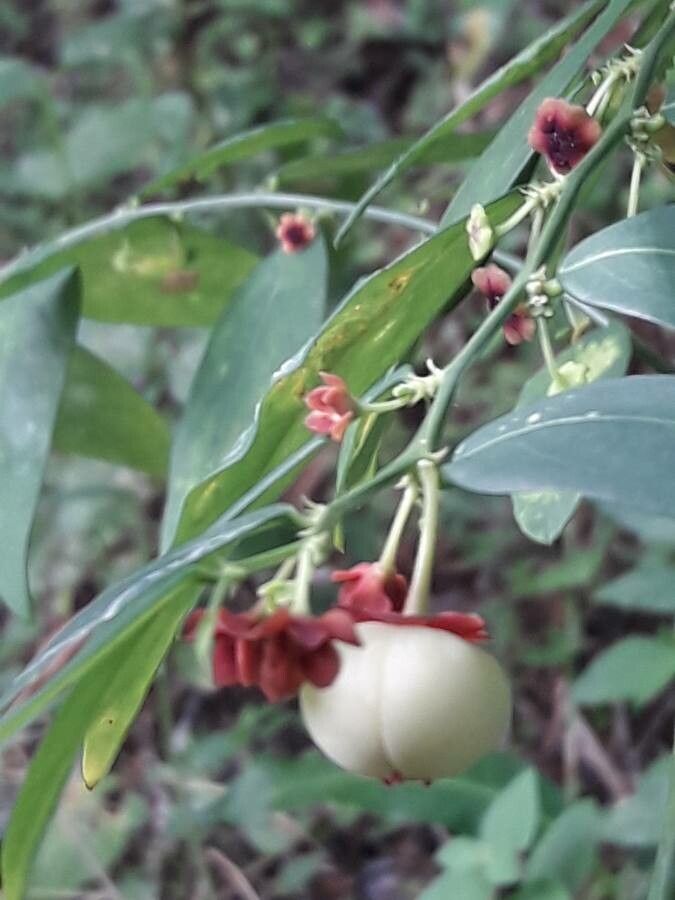
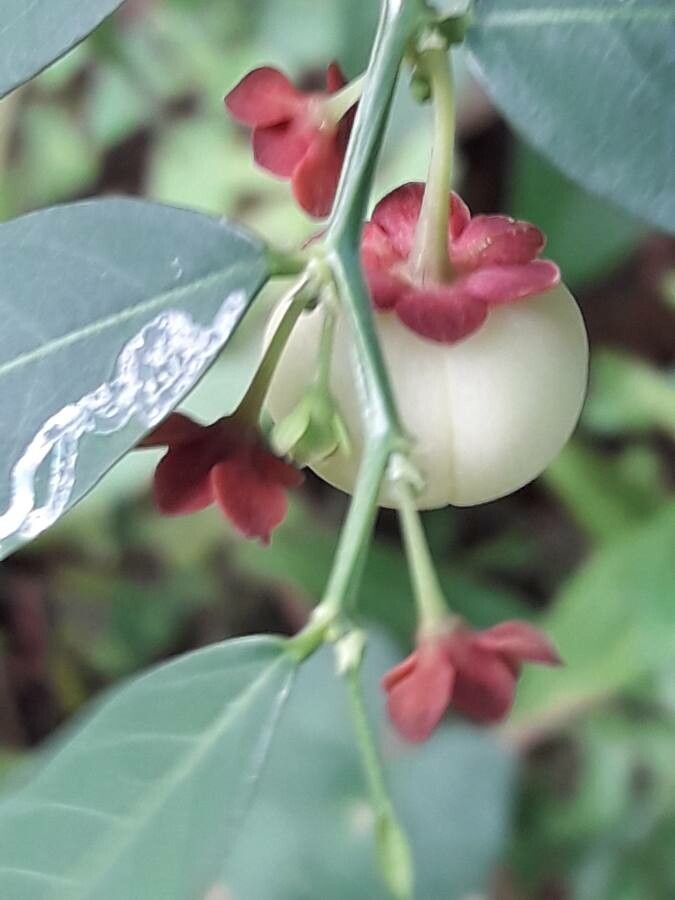
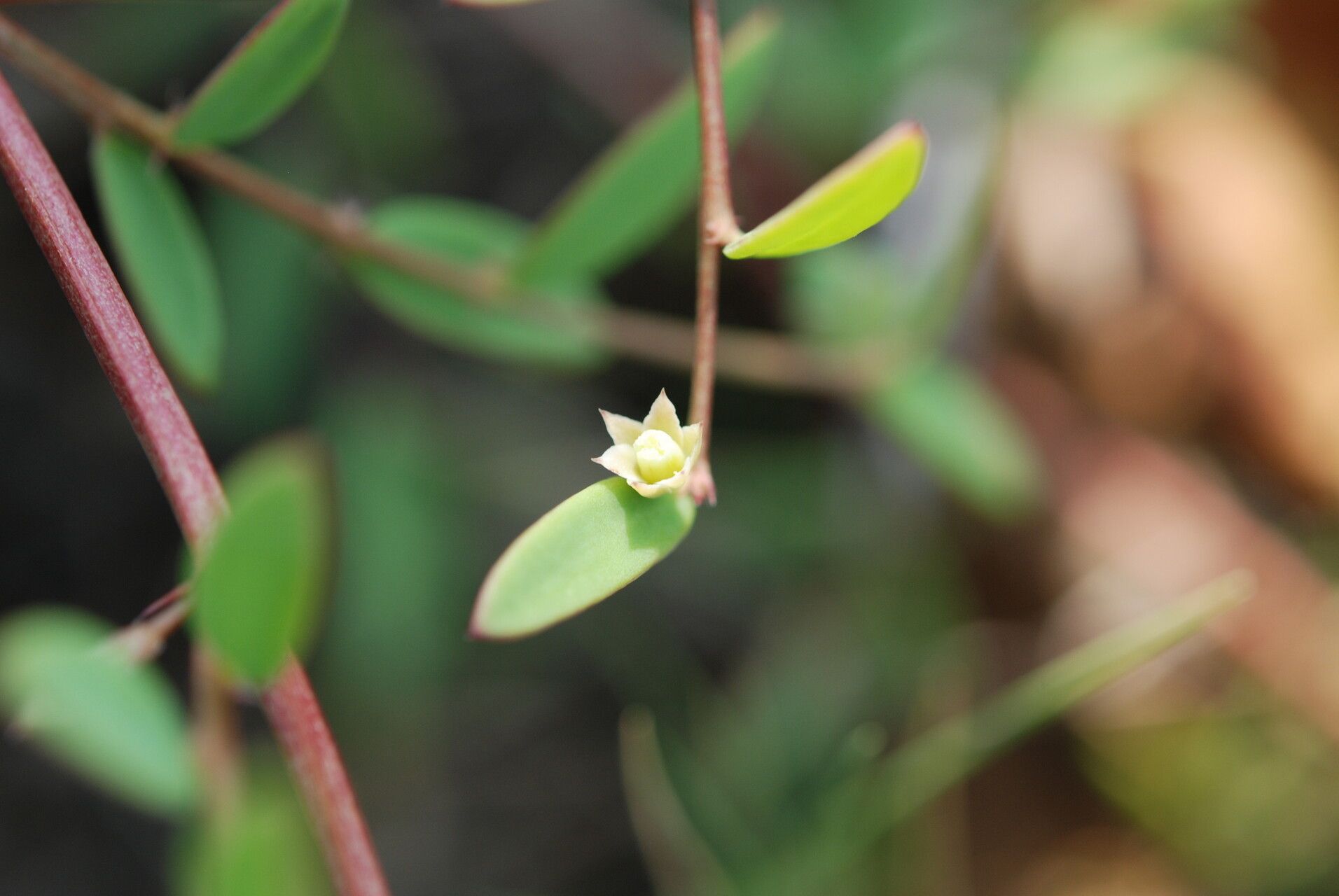
Sauropus androgynus, commonly known as katuk or star gooseberry, is a tropical leafy vegetable that belongs to the Phyllanthaceae family. Native to Southeast Asia, it is widely cultivated in countries such as Indonesia, Malaysia, Thailand, and the Philippines.
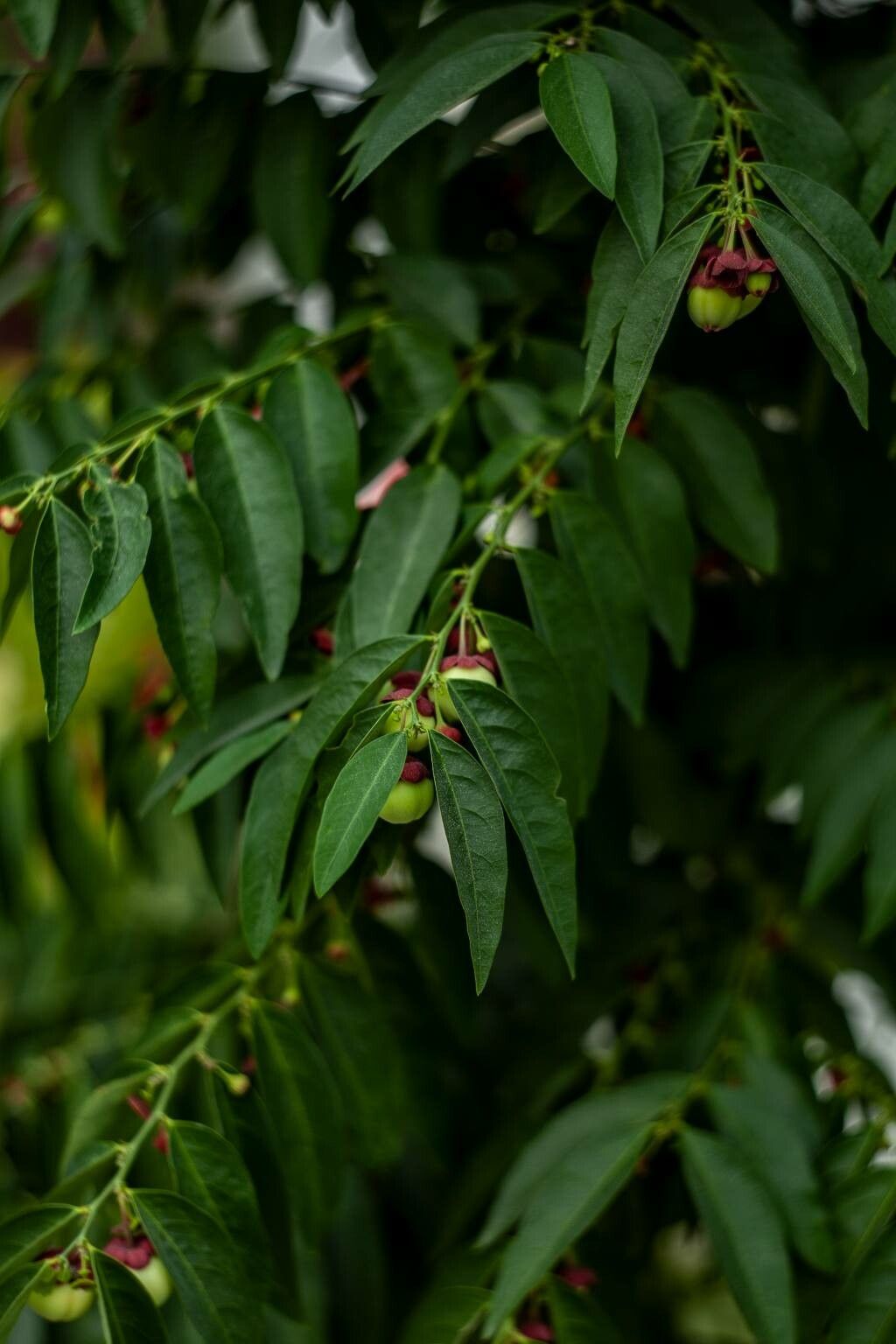
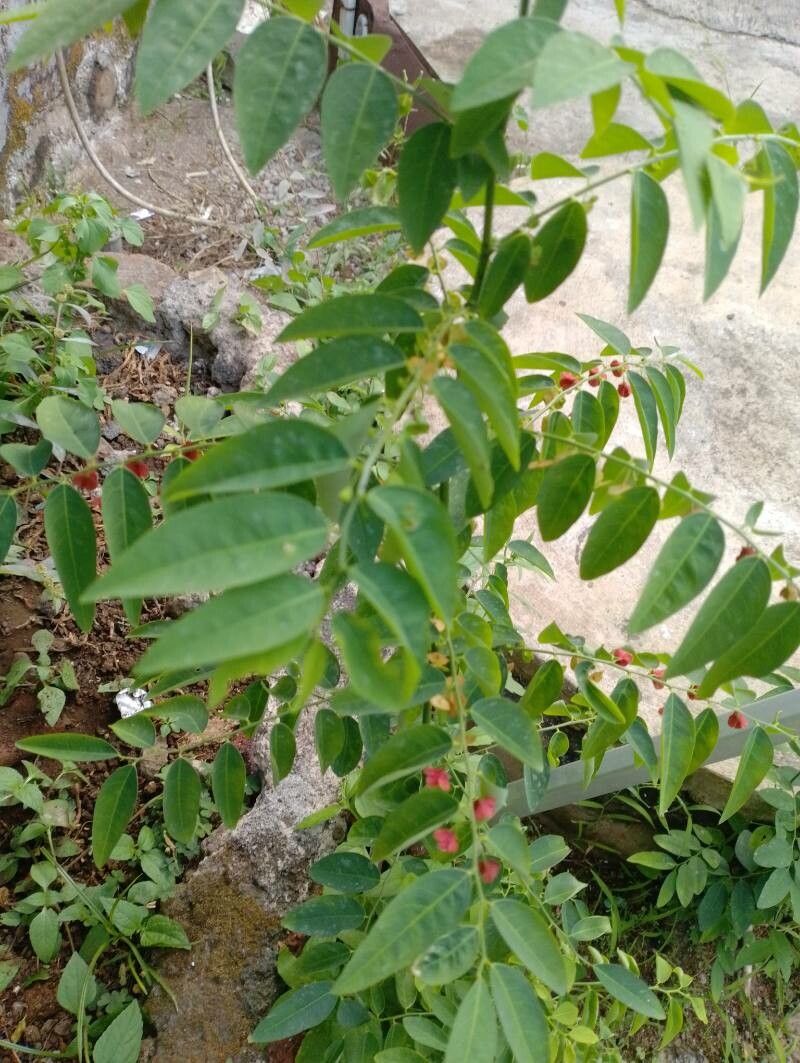
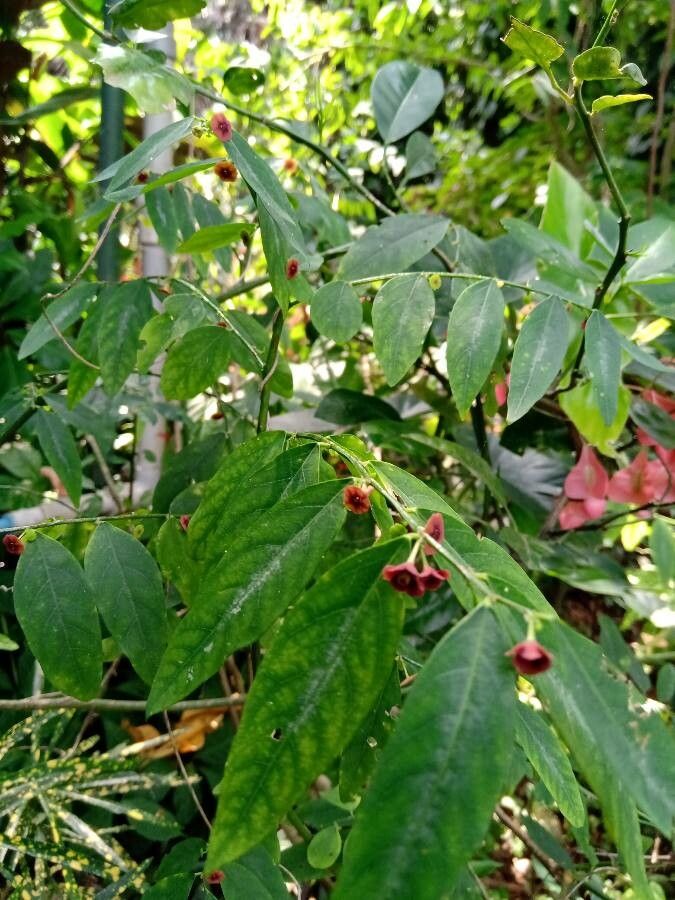
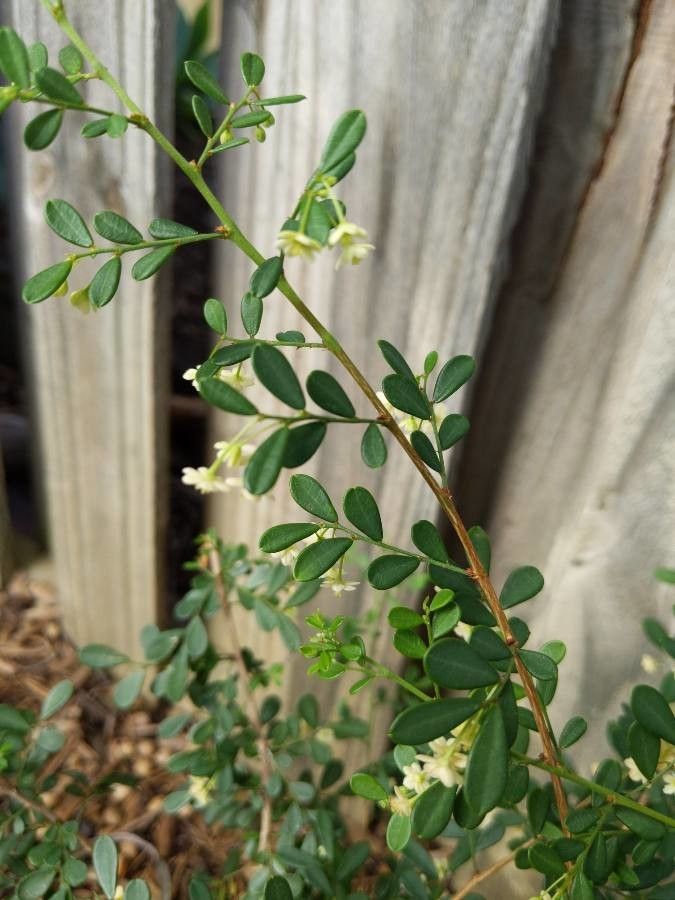
The plant exhibits a shrub-like appearance with oval-shaped, pointed green leaves. These edible leaves have a mild flavor, reminiscent of spinach or kale, and are rich in vitamins A and C, as well as minerals such as calcium.
Sauropus androgynus has been used for centuries in traditional medicine due to its numerous health benefits, including improving digestion, reducing inflammation, and boosting immunity, among others.
The plant is easy to grow from seeds or cuttings in well-drained soil with regular watering. It thrives best in partial shade but can also tolerate full sun exposure.
In addition to its nutritional value and medicinal properties, Sauropus androgynus also boasts ornamental value due to its attractive foliage, making it an excellent addition to home gardens or landscaping projects.
Star gooseberry has moderate disease resistance and can be vulnerable to illnesses like leaf spot. Its vulnerability to insect pests differs by variety, though most varieties tend to be less resistant to pests. Regarding care, Star gooseberry requires regular watering and fertilizing, along with frequent removal of yellow leaves. Controlling pests and diseases as they arise and harvesting promptly are important. Star gooseberry is appropriate for people who can commit some time and effort to routine care.
How to keep Sauropus Androgynus.
Light
Star gooseberry thrives with plenty of sunlight, reflecting the sunny conditions of its native habitat. However, too much sun can harm the plant, while too little can cause stunted growth and duller leaf color.
Temperature
The star gooseberry is native to climates where temperatures typically range from 68 to 95°F (20 to 35℃). It favors warm conditions, so potted plants kept indoors may need seasonal temperature adjustments for optimal growth.
Fertilizer
To feed Star gooseberry, apply natural or commercial fertilizer high in nitrogen for leaf growth, phosphorus for roots and blossoms, and potassium for photosynthesis and maximum fruit production. Plant in spring, enrich the soil with compost or manure, and fertilize seedlings when they reach a height of 2-4 inches. A shortage of macronutrients causes slow growth, wilting, and problems with fruit quality.
Botanical profile.
- Plant Type
- Shrub
- Life Cycle
- Perennial
- Genus
- Sauropus
- Family
- Phyllanthaceae
- Hardiness Zone
- 9
- Mature Height
- 0.91 m to 1.83 m
- Mature Spread
- 3.05 m
- Leaf Color
- Green
- Leaf Type
- Evergreen
- Flower Color
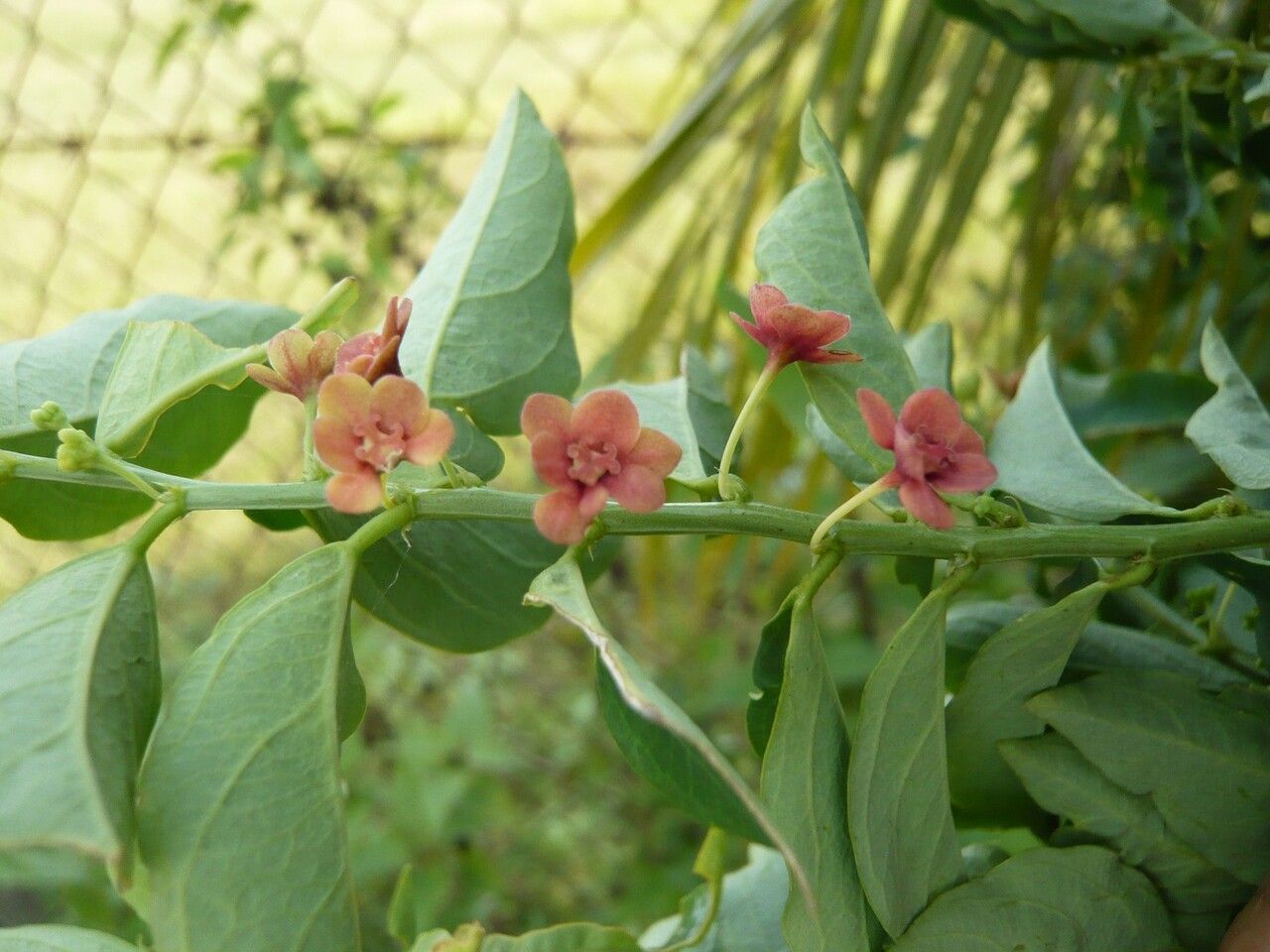
- Red, Yellow, Brown
- Flower Size
- 2.54 cm
- Bloom Time
- All year round
- Planting Time
- Spring, Autumn
- Harvest Time
- All year round
- Native Area
- Sri Lanka, India, Malaysia, Indonesia, Cambodia, Vietnam, Myanmar, Philippines, Singapore, Bangladesh, Laos, Brunei, Thailand
Other names.