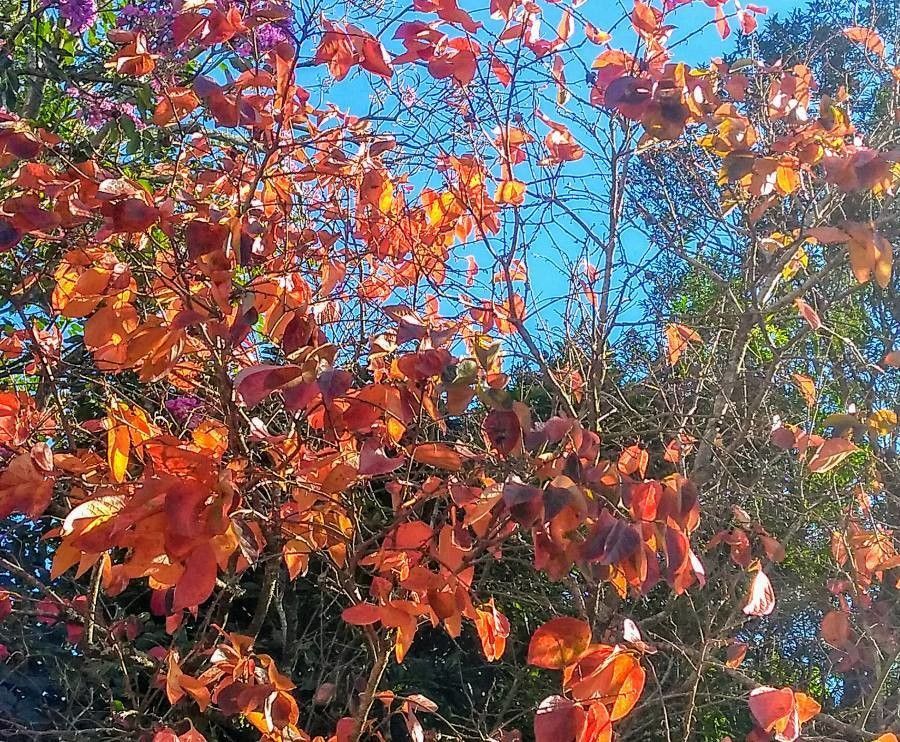
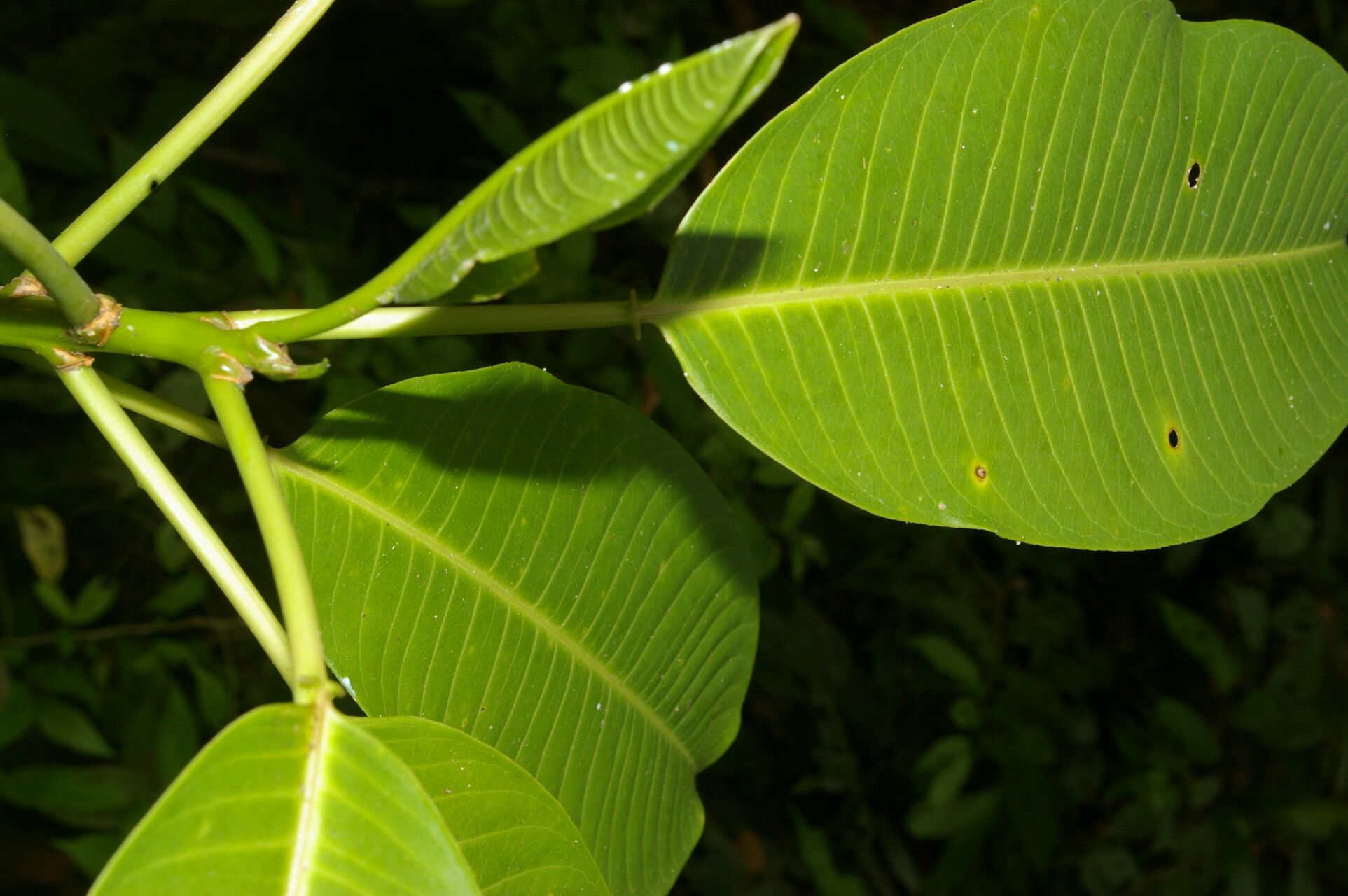
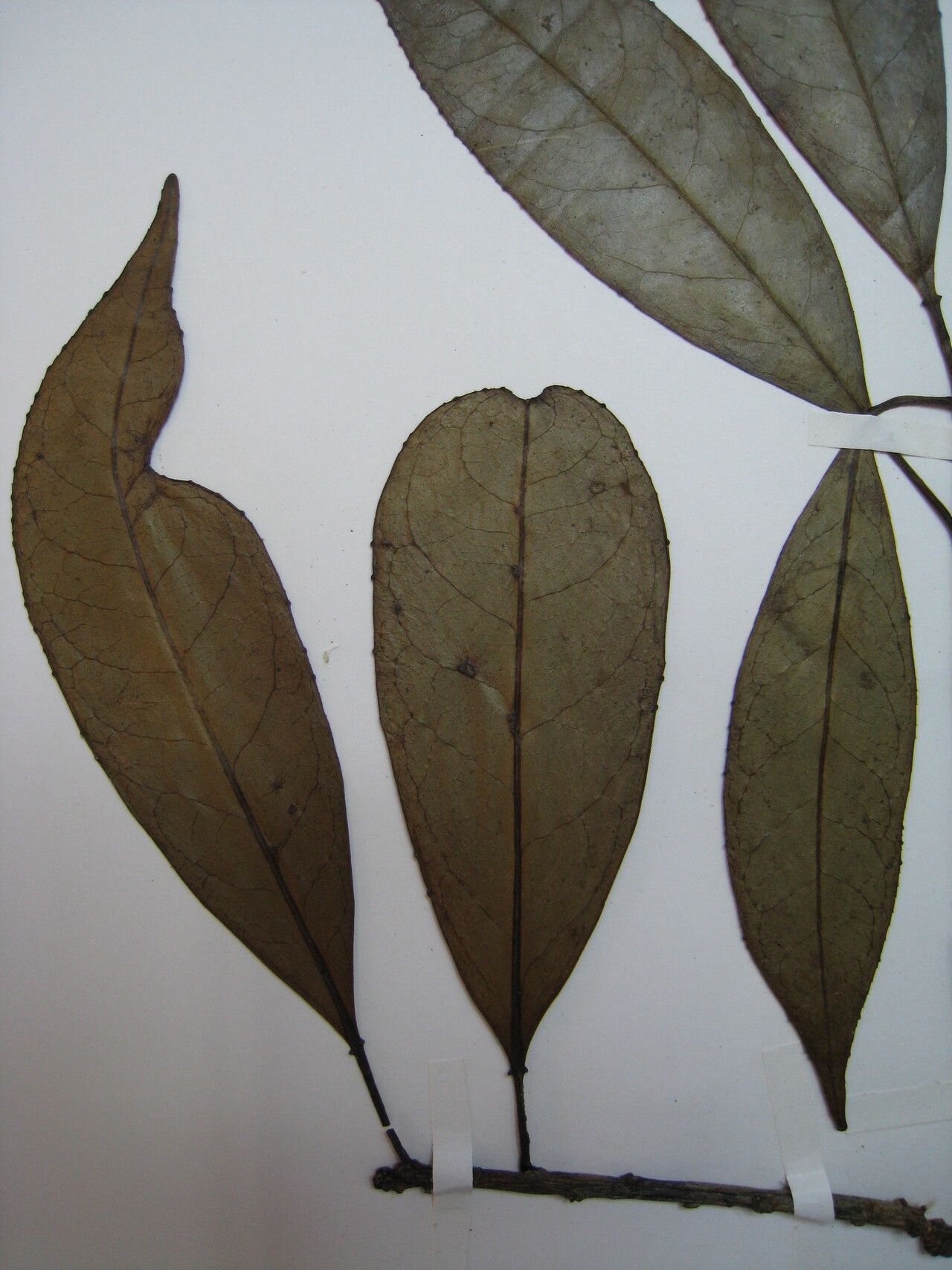
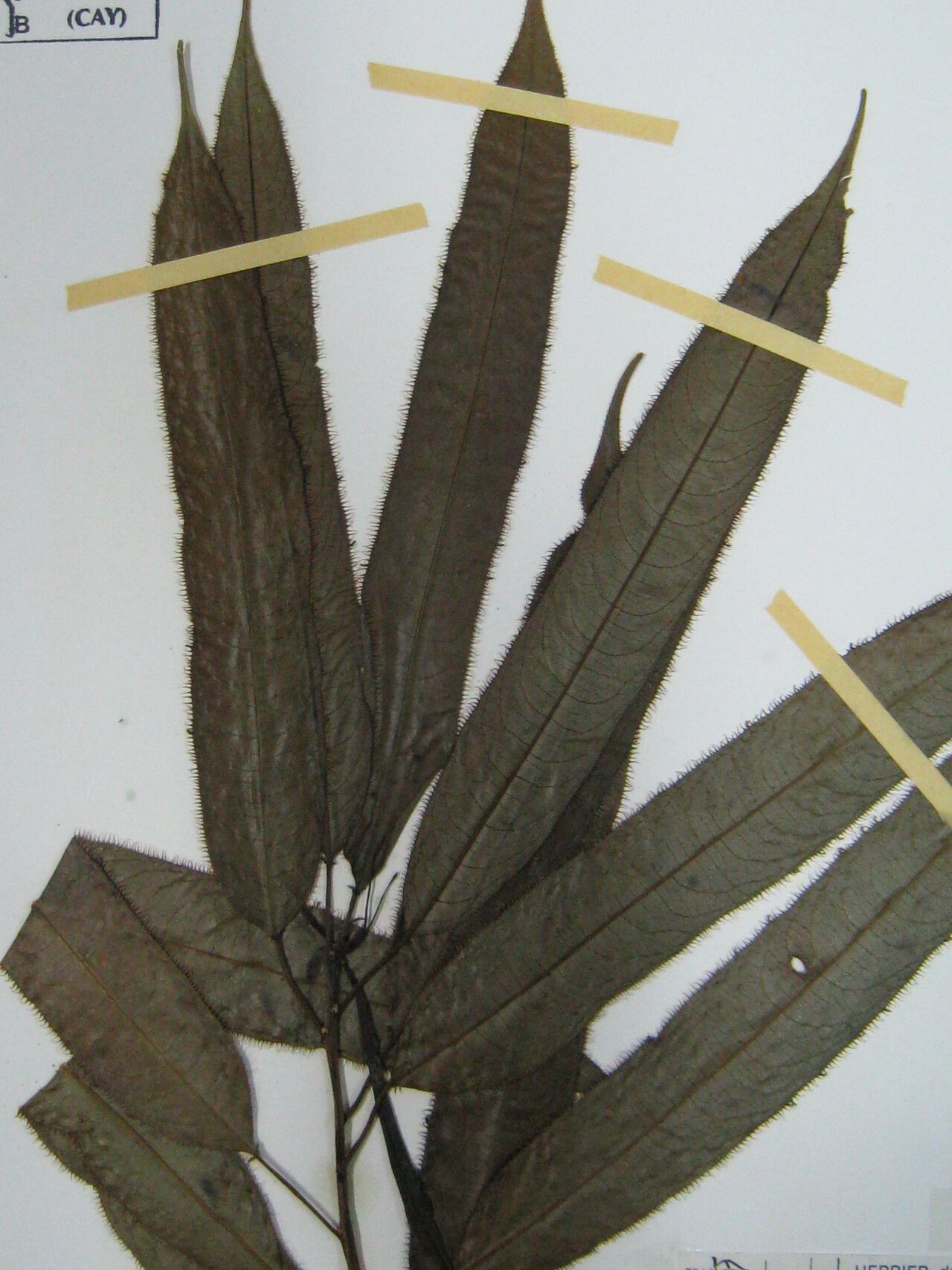
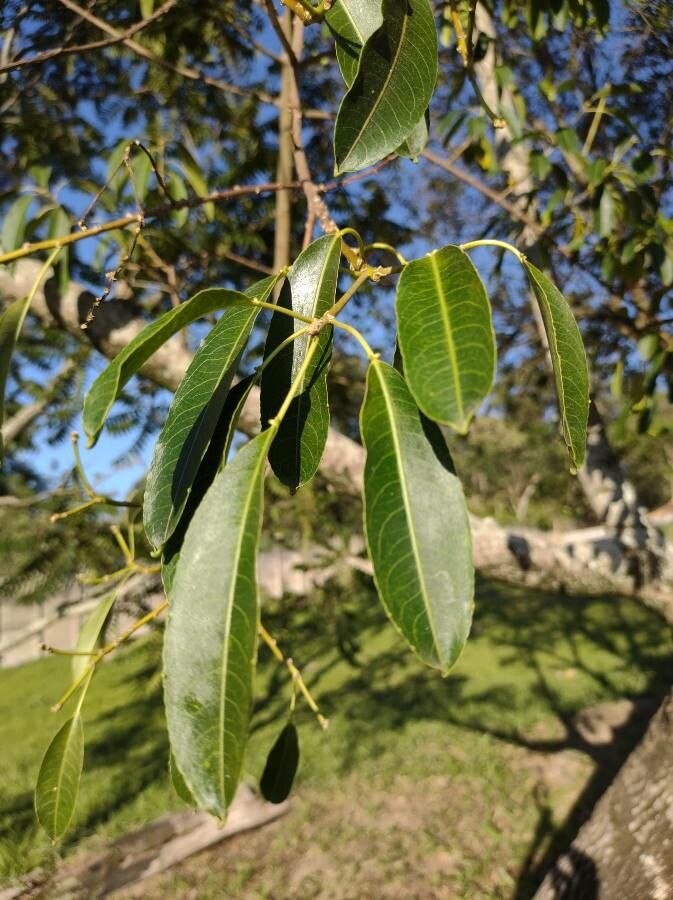
Triadica sebifera is a tree native to eastern China and Taiwan. It is commonly called Chinese tallow, Chinese tallowtree, Florida aspen, chicken tree, gray popcorn tree, or candleberry tree.The seeds (as well as from those of Triadica cochinchinensis) are the sources of stillingia oil, a drying oil used in paints and varnishes. The fatty coat of the seeds, used for candle and soap making, is known as stillingia tallow; hence its common name. It is relevant to biodiesel production because it is the third most productive vegetable oil producing crop in the world, after algae and oil palm. The leaves are used as herbal medicine to treat boils. The plant sap and leaves are reputed to be toxic, and decaying leaves from the plant are toxic to other species of plants. The species is classified as a noxious invader in the southern U.S.This species and T. cochinchinensis were formerly classified in the genus Stillingia, as Stillingia sebifera and Stillingia discolor (hence the name still used for the oil and tallow). The specific epithet sebifera is derived from Latin sebum (meaning "tallow") and fero (meaning "to bear"), thus "tallow-bearing". At some time before 1950, this tree was reclassified into the genus Sapium as Sapium sebiferum, and many papers about the oil still refer to the tree by this name. In 2002 or so it was reclassified again into the genus Triadica with its present name.
Chinese tallow is resistant to disease and generally not susceptible to illnesses. In terms of care, this plant is fairly low-maintenance. When grown outdoors it needs little watering, and larger specimens typically do not require pruning. Smaller plants, however, should be pruned after they bloom. Chinese tallow is appropriate for anyone with outdoor space, such as a garden or deck, and does not demand much gardening experience.
How to keep Sapium Sebiferum.
Light
Chinese tallow grows best in strong light but can also endure moderate illumination, enabling it to adapt to a range of light conditions. Native to well-lit habitats, the plant needs considerable light to grow vigorously. Too little light can cause poor flowering, while excessive exposure may scorch the leaves.
Temperature
The Chinese tallow plant does best at temperatures between 59 to 95 ℉ (15 to 35 ℃). It is often found in locations with hot summers and mild winters. It is recommended to keep the plant in a warm, sunny spot during the growing season and to protect it from frost in the winter months.
Fertilizer
To encourage healthy growth, fertilize your Chinese tallow in early spring. Regular feeding improves overall health, leading to vigorous growth, better resilience in challenging conditions, and increased resistance to pests and diseases. Keep to a specific fertilization schedule for your Chinese tallow to maintain foliage that is vibrant, richly colored, and lush in appearance.
Pot & Repot
When repotting Chinese tallow, select a pot 1-2 inches (2.5–5.1 cm) larger with ample drainage. Use a well-draining potting mix. Repot in spring or fall, making sure the root ball sits slightly below the rim of the flower pot. Water thoroughly after repotting and place the plant in a warm spot with indirect sunlight.
Botanical profile.
- Plant Type
- Tree
- Life Cycle
- Perennial
- Genus
- Sapium
- Family
- Euphorbiaceae
- Hardiness Zone
- 8-10
- Mature Height
- 14.94 m
- Mature Spread
- 4.57 m to 6.1 m
- Leaf Color
- Green, Red
- Leaf Type
- Deciduous
- Flower Color
- White
- Flower Size
- 15.24 cm
- Bloom Time
- Late spring, Early summer
- Planting Time
- Spring, Autumn
- Harvest Time
- Mid summer, Late summer, Early fall
- Native Area
- Vietnam, Japan
Other names.