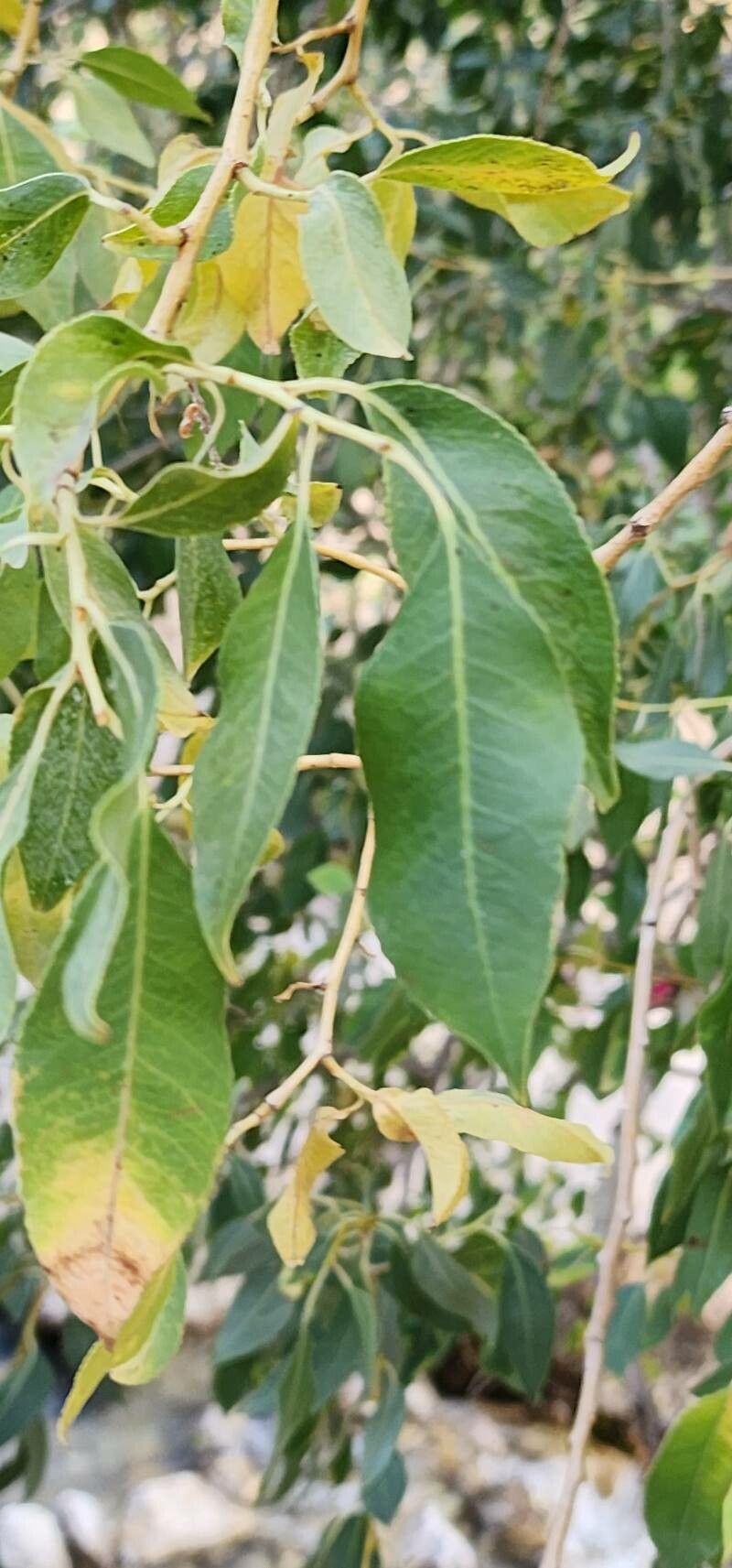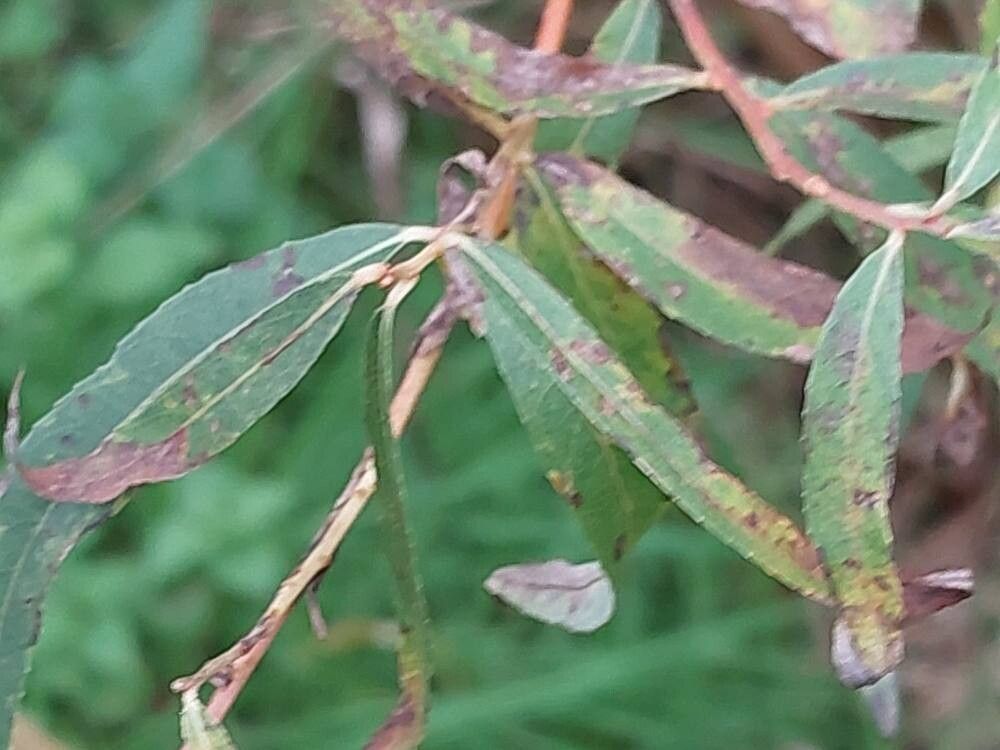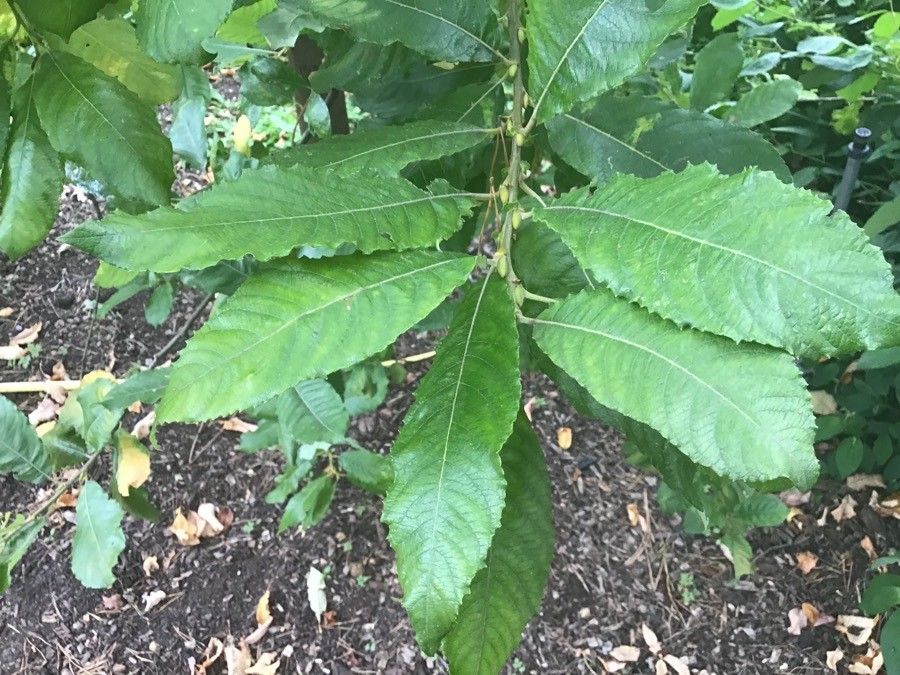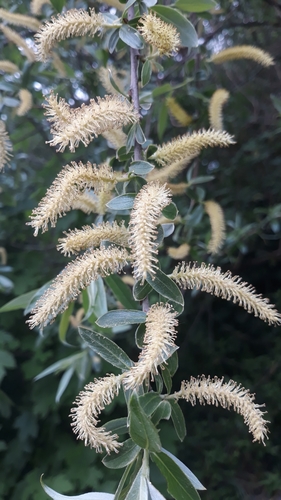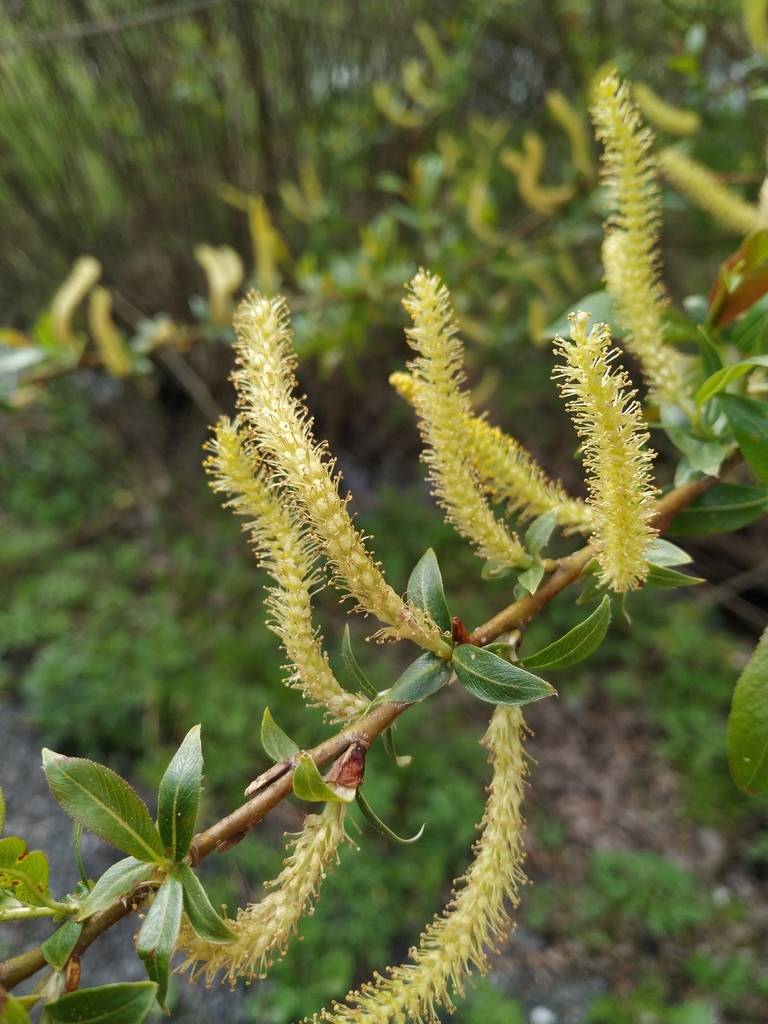
Salix triandra, commonly known as Almond Willow or Almond-leaved Willow, is a deciduous shrub or small tree belonging to the Salicaceae family. Native to Europe and western Asia, it can reach heights of up to 10 meters. The plant’s leaves are narrow and lance-shaped, featuring a glossy green upper surface and a pale green underside. Its bark is smooth and grayish-brown, marked with shallow fissures. This plant favors moist soils, such as those found along riverbanks, in wetlands, marshes, or damp meadows. However, it can also tolerate drier soils if grown in full sun or partial shade. With its fast growth rate, Salix triandra is an excellent choice for erosion control along riverbanks. In early spring, before the leaves appear, Salix triandra produces yellowish-green catkins that eventually turn brown when mature. These catkins contain both male and female flowers, which are pollinated by insects such as bees. The wood of this plant has been used for various purposes, including basket weaving due to its flexibility. Additionally, its bark contains salicin, which has been used medicinally for pain relief. Overall, Salix triandra is an attractive shrub or tree that offers both ecological benefits and practical uses, making it a valuable addition to any landscape design project.
Almond willow has strong resistance to disease and is not usually susceptible to illnesses. In terms of care, the plant is fairly low-maintenance. When grown outdoors it needs little watering, and larger specimens typically do not require pruning. Smaller plants, however, should be cut back after they finish blooming. Almond willowt is suitable for anyone with an outdoor area, such as a garden or deck, and does not require much prior care experience.
How to keep Salix Triandra.
Light
Almond willow grows best in areas with abundant sunlight, although it does not demand specific light conditions to develop well. Fairly hardy, it can readily prosper in direct, unfiltered sun. In its natural setting it prefers locations where sunlight inundates the surroundings. Nonetheless, too little light or overly intense exposure can hinder its growth.
Water
The almond willow thrives in environments similar to its native riparian zones, preferring consistent moisture with some tolerance for drought. It should be watered every three weeks, but make sure to avoid waterlogging. This plant is best suited for outdoor cultivation and performs exceptionally well in areas with fluctuating water levels, making it ideal for rain gardens.
Temperature
Almond willow originates from regions with temperatures between 41 and 90 °F (5 and 32 ℃). It grows best under these conditions, particularly in spring and summer. In temperatures that are hotter or colder, extra care and adjustments may be needed for healthy growth.
Fertilizer
Fertilize your Almond willow in early spring to encourage healthy growth. Regular feeding boosts overall health, producing vigorous growth, increased tolerance of harsh conditions, and enhanced resistance to diseases and pests. Keep to a consistent fertilization schedule for your Almond willow to maintain foliage that is vibrant, deeply colored, and lush in appearance.
Pruning
The almond willow is known for its attractive catkins and lance-shaped leaves and requires careful pruning in early spring. Effective pruning techniques include removing dead branches, thinning crowded areas to improve airflow, and cutting back long stems to encourage bushiness. Regular pruning promotes vigorous growth, enhances flowering, and improves the plant's overall health.
Botanical profile.
- Plant Type
- Shrub
- Life Cycle
- Perennial
- Genus
- Salix
- Family
- Salicaceae
- Hardiness Zone
- 4-8
- Mature Height
- 10.06 m
- Mature Spread
- 6.1 m
- Leaf Color
- Green
- Leaf Type
- Deciduous
- Flower Color
- Yellow
- Flower Size
- 3.05 cm to 5.08 cm
- Bloom Time
- Early spring, Mid spring
- Planting Time
- Spring, Summer, Autumn
- Harvest Time
- Late spring, Early summer
Other names.
Reader questions.
How should I water my Almond willow tree in the best way?
To ensure excellent root development, place a garden hose at the base of the plant. Avoid spraying water directly on the leaves. If the plant is outdoors and exposed to direct sunlight, the leaves will require additional watering. You can use bubblers to moisten the roots of each plant, or soaker hoses to cover the entire garden bed. When adding or removing plants, make sure to push the roots deeply. After watering, drain any excess water and wait for the soil to dry before watering again. Water at ground level to prevent diseases. On a sunny day, it is recommended to spray the entire bush with water. Whether the almond willow is potted or in-ground, it prefers deep watering rather than light sprinkling.
Why should I put fertilizer on my Almond willow tree?
No matter what type of Almond willow you have, regular fertilization is important for the overall health of your plant. Providing the right nutrients promotes stronger growth and helps the Almond willow withstand difficult growing conditions, while also improving its ability to resist diseases and pests. Preserving the attractive foliage of your Almond willow is crucial, so it's important to establish and follow a regular fertilization routine tailored to your plant. This will encourage the development of vibrant leaves and a lush appearance.
What are the sunlight requirements for Almond Willow?
The Almond Willow flourishes in environments that receive abundant sunlight, showcasing its resilience by thriving in unfiltered sunlight. It naturally seeks areas flooded with sun rays, though it doesn't demand specific light conditions to grow well. However, it is crucial to note that both inadequate and extreme exposure to light could adversely affect its growth. The plant appreciates both full sun (above 6 hours of sunlight) and partial sun (about 3-6 hours of sunlight). Observing how sunlight moves through your garden helps in choosing spots that offer a balance of light and shade, ensuring plant happiness.
What temperature is best for Almond willow?
The best temperature range for Almond willow to thrive is between 65-80℉ (18-27℃). During the primary growing phase, it can tolerate temperatures as high as 95℉ (35℃) and as low as 15℉ (-10℃). This species is capable of surviving freezing winters, as it is tolerant of low temperatures. The ideal temperature range is 65-80℉ (18-27℃), while the highest tolerable range is 85-95℉ (30-35℃), and the lowest tolerable range is -5 to 15℉ (-20 to -10℃) or colder.
What should I do if I give too much or too little water to the Almond willow plant?
If an Almond willow is overwatered, it can exhibit yellowing, dropping, and wilting leaves, as well as a dull and unhealthy appearance with mushy stems. In such cases, it's best to adjust your watering schedule. On the other hand, wilting can also indicate under watering, with crispy and dry leaves. When the soil is dry, simply watering may not be enough, so give it a thorough watering. However, even with enough water, the plant may still have dry and yellow leaves due to root damage. Once it returns to normal, the yellowing will stop. Indoors, always check the moisture levels and avoid overwatering, looking for signs of black spots. If present, let the soil dry for a few days. Overwatering can lead to root rot, so if you see discolored and slimy roots, consider transferring the plant to a different pot. Prevent root rot by avoiding excessively soggy soil. When planting the Almond willow outdoors, dig a little deeper and if the soil is too dry, it may indicate under watering, in which case, adequate watering is necessary for recovery.
When should I fertilize my Almond willow tree?
To ensure healthy growth, fertilize your Almond willow for the first time in late winter or early spring. This provides the necessary nutrients for growth once the weather warms up. If you live in a warm climate region, it would also be beneficial to fertilize again in early fall. This not only adds nutrients for the following growing season but also increases the Almond willow's resilience to winter cold and prevents foliage damage. Fertilizing earlier will allow new branches enough time to grow and withstand the cold winter.
How does artificial lighting benefit indoor Almond Willow plants?
Indoor Almond Willow plants benefit significantly from adequate lighting, especially when natural sunlight is insufficient, like in winter or less sunny spaces. Artificial lighting, such as LED lights, provides a vital solution that supports faster and healthier growth. These lights can be tailored to supply the specific wavelengths needed by your plants. For example, full sun plants require 30-50W/sq ft, partial sun plants need 20-30W/sq ft, and full shade plants require 10-20W/sq ft of artificial light. The light source should be placed 12-36 inches above the plant to mimic natural sunlight, and most plants benefit from 8-12 hours of light per day.
Should I change the temperature for Almond willow at different stages of growth?
According to research, Almond willow experiences stunted growth when subjected to higher temperatures for extended periods, particularly during the emergence of axillary buds and the growth of main shoots. To promote healthy growth after germination or transplantation, it is advisable to maintain consistent and cooler temperatures at around 65℉ (18℃).
How often do I need to water my Almond willow?
To properly care for the Almond willow, it is best to give them a deep watering, especially if they are planted in pots. Pots have limited water storage capacity, causing the soil to dry out quickly. In colder regions, they should be watered every 3 to 5 days, preferably in the morning when the soil is dry. You can check if watering is needed by assessing the top 2-3 inches of soil; when it is dry, it is time to water the plant fully. On hot days, monitor the soil moisture daily as high temperatures can quickly dry out the pot's soil. If you have a garden, irrigation is necessary. In hot climates, watering once a week is generally sufficient. Only water the plants when the top 2-3 inches of soil become very dry, taking into consideration any rainfall received. During spring and fall, when the Almond willow typically grows, it is helpful to add 3 to 4 inches of mulch to retain moisture. Sandy soil drains faster and requires more frequent watering, while clay soil necessitates less frequent watering to prevent root rot. To track your watering schedule, mark the dates on a calendar, and if you notice the leaves drooping, it indicates that watering may be slightly late.
When is the best time to not add fertilizer to my Almond willow tree?
There are specific times of the year when you should avoid fertilizing your Almond willow. The first time is during the early and mid-winter months when the plant is dormant and does not require any feeding. It is also not recommended to fertilize this plant in late spring and throughout the summer because the weather is usually hotter and drier during this period. These conditions can have a harmful effect on your Almond willow if you fertilize it. To prevent any problems, it is best to follow a fertilization schedule that involves feeding only in early spring and early fall.
What symptoms indicate light deficiency in Almond Willow?
Almond Willow may show several symptoms when exposed to suboptimal lighting, indicating a deficiency. These include smaller new leaves, leggy or sparse growth, faster leaf drop, slower or no new growth, paler new leaves, and conditions like chlorosis, sunscald, leaf curling, wilting, and leaf scorching. Such symptoms arise because the plant enters a survival mode due to poor light, impacting its ability to photosynthesize, conserve resources, and maintain its structure and color.
How can I make sure Almond Willow stays warm in cold seasons?
Almond willows can tolerate freezing temperatures when planted in the ground, as long as the winter temperatures don't drop below 15℉(-10℃). However, if you plant them in pots or containers, their roots need to be safeguarded from the cold. You can do this by wrapping the container in a blanket or bringing it inside, ensuring full protection from the elements.