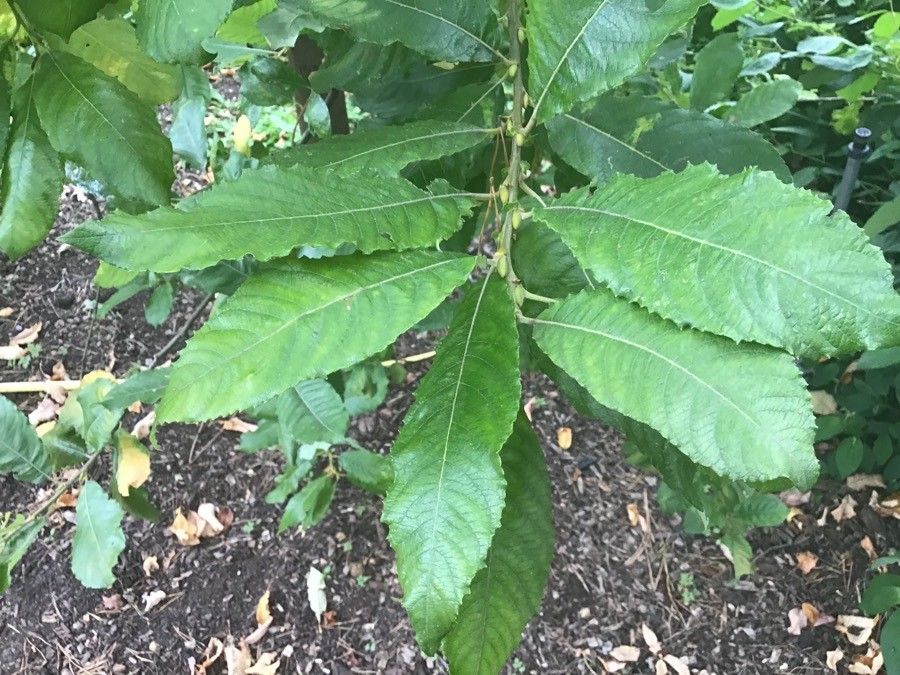
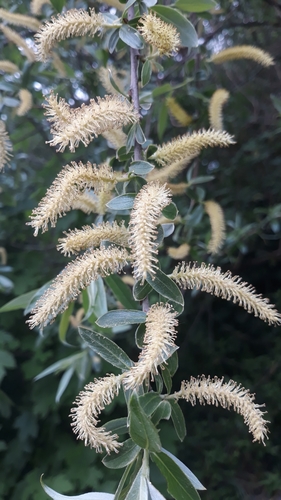
Salix retusa, commonly known as the netleaf willow, is a deciduous shrub or small tree belonging to the Salicaceae family. Native to North America, it thrives in various habitats, including riparian areas, wetlands, and mountain slopes. The plant can reach a height of up to 6 meters and a spread of approximately 3 meters.
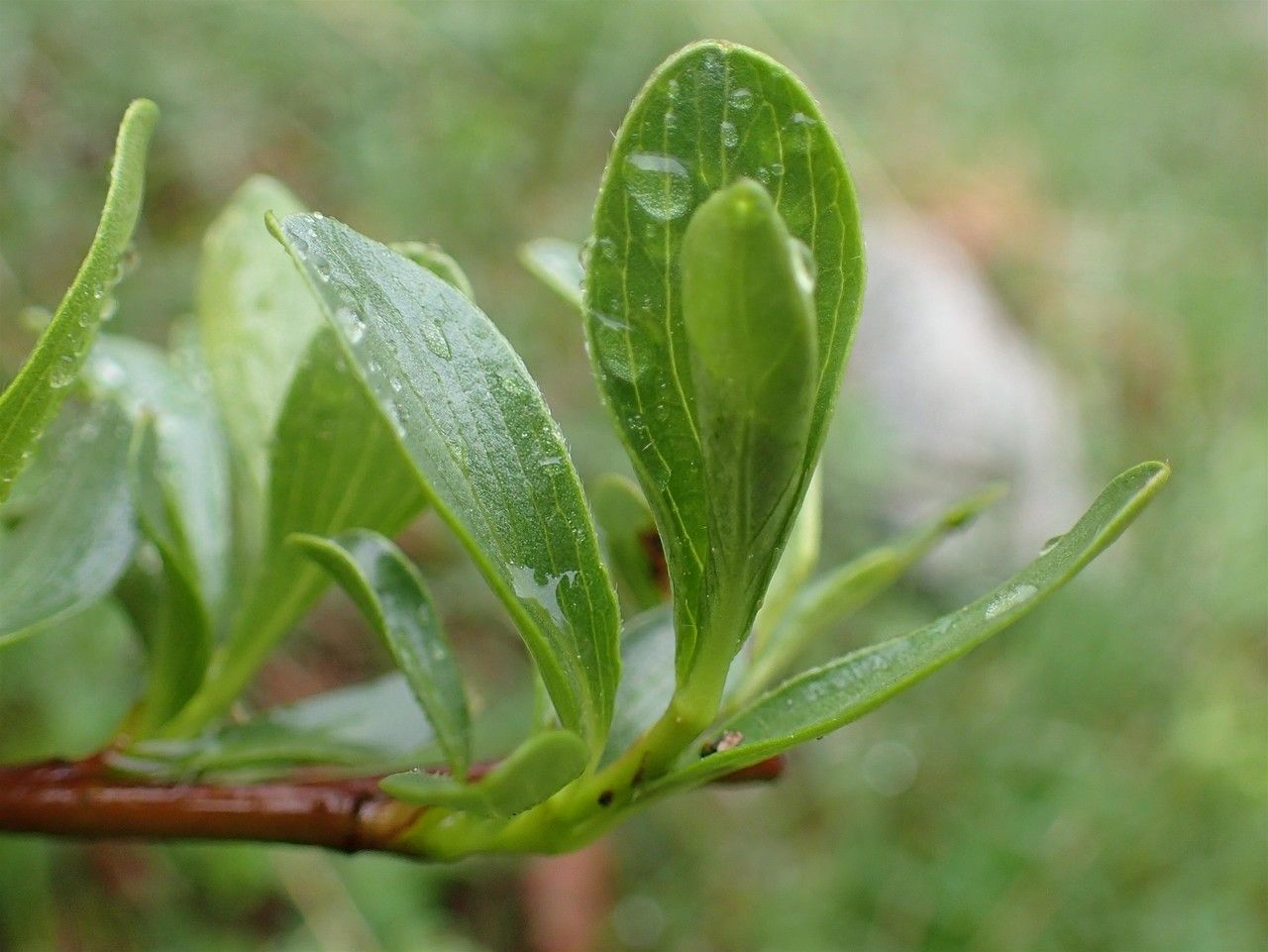
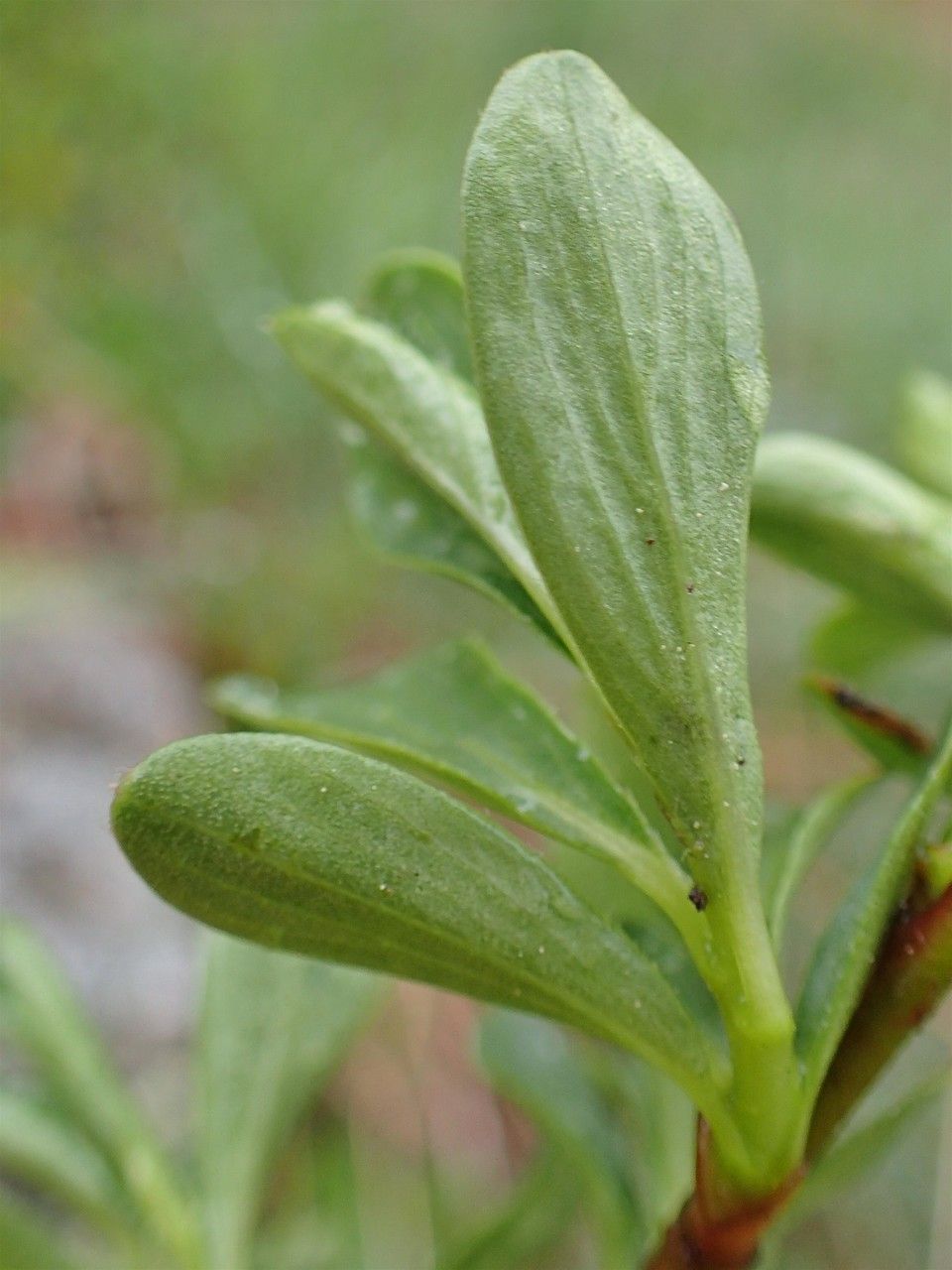
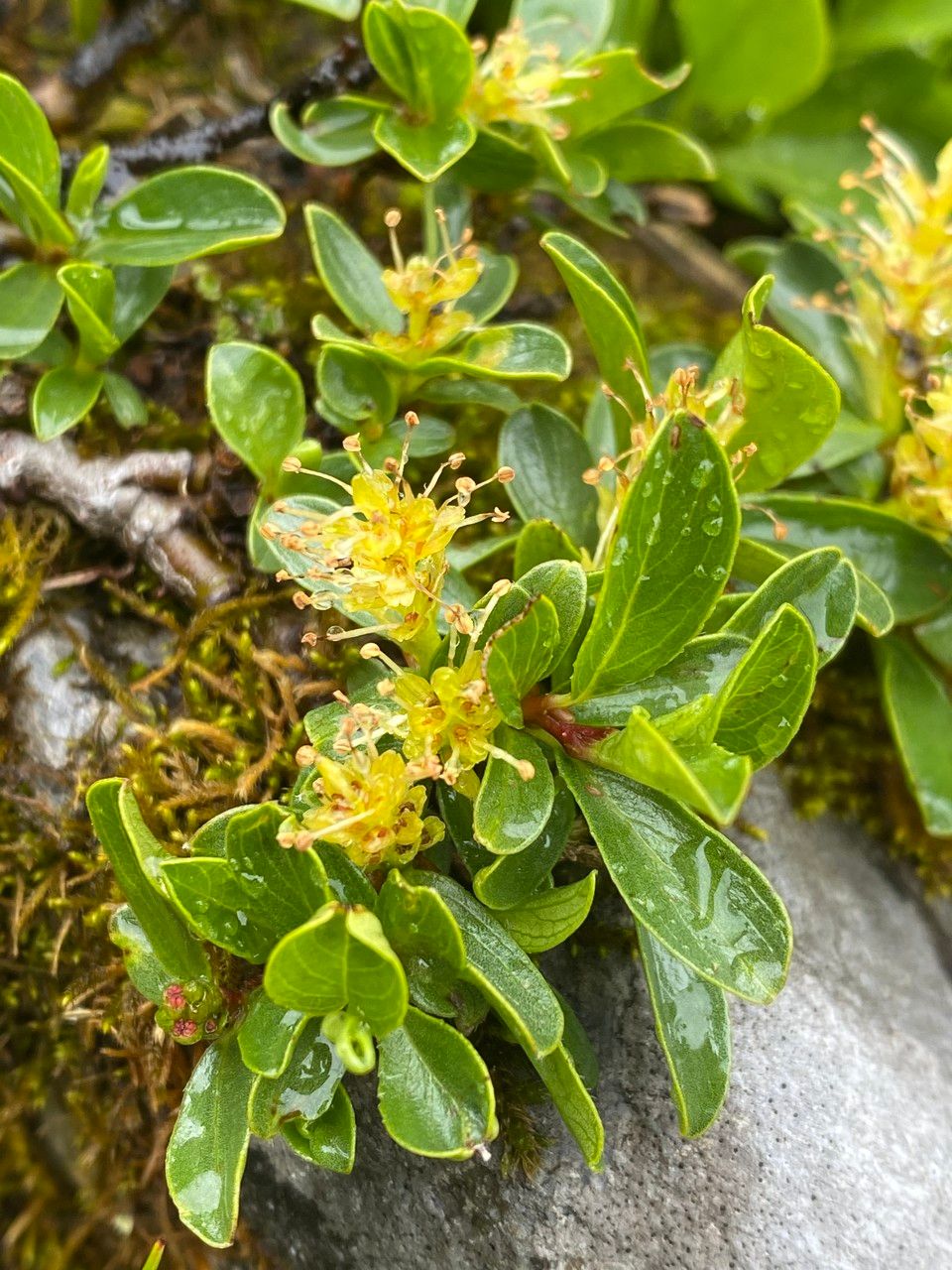
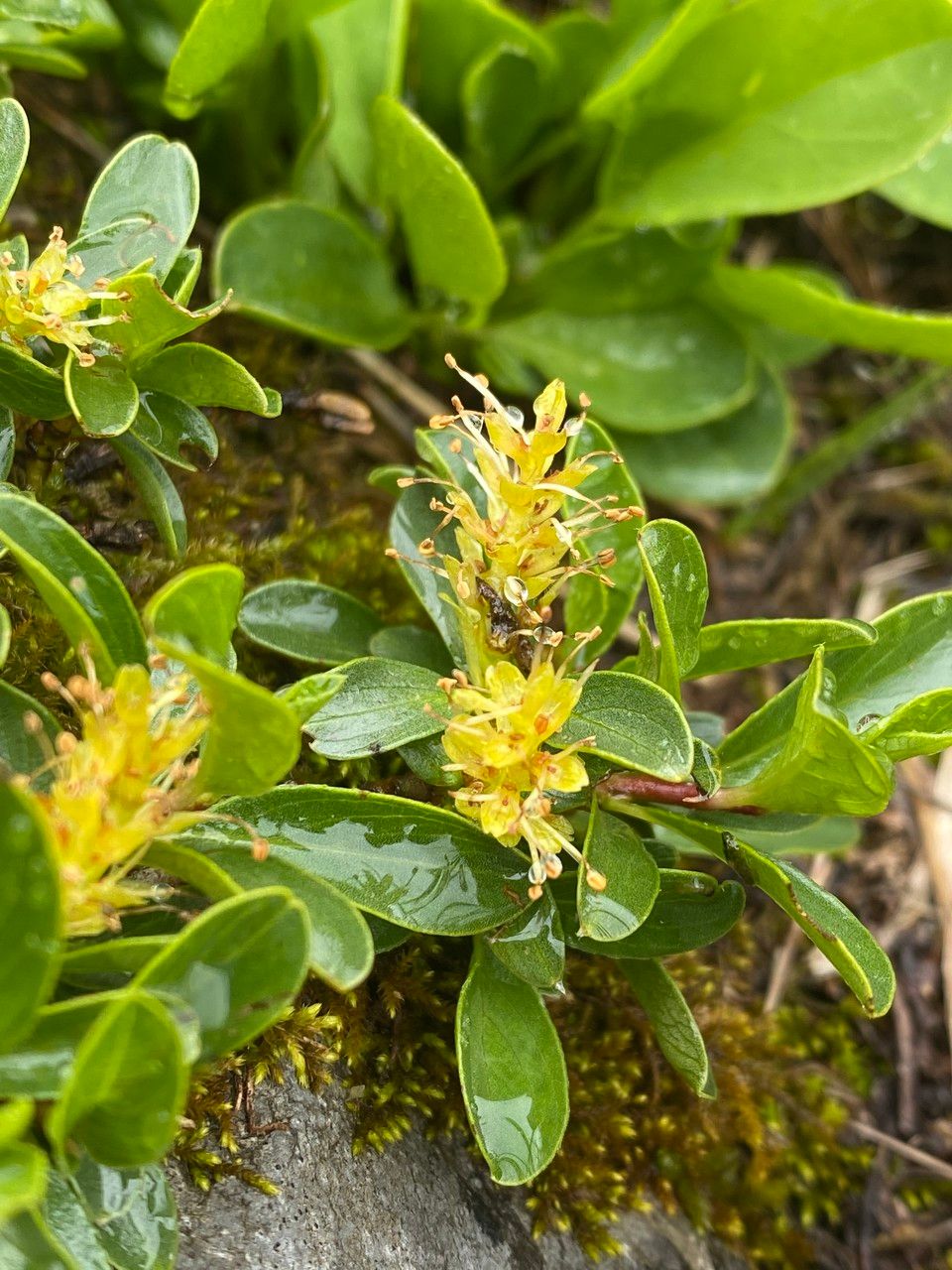
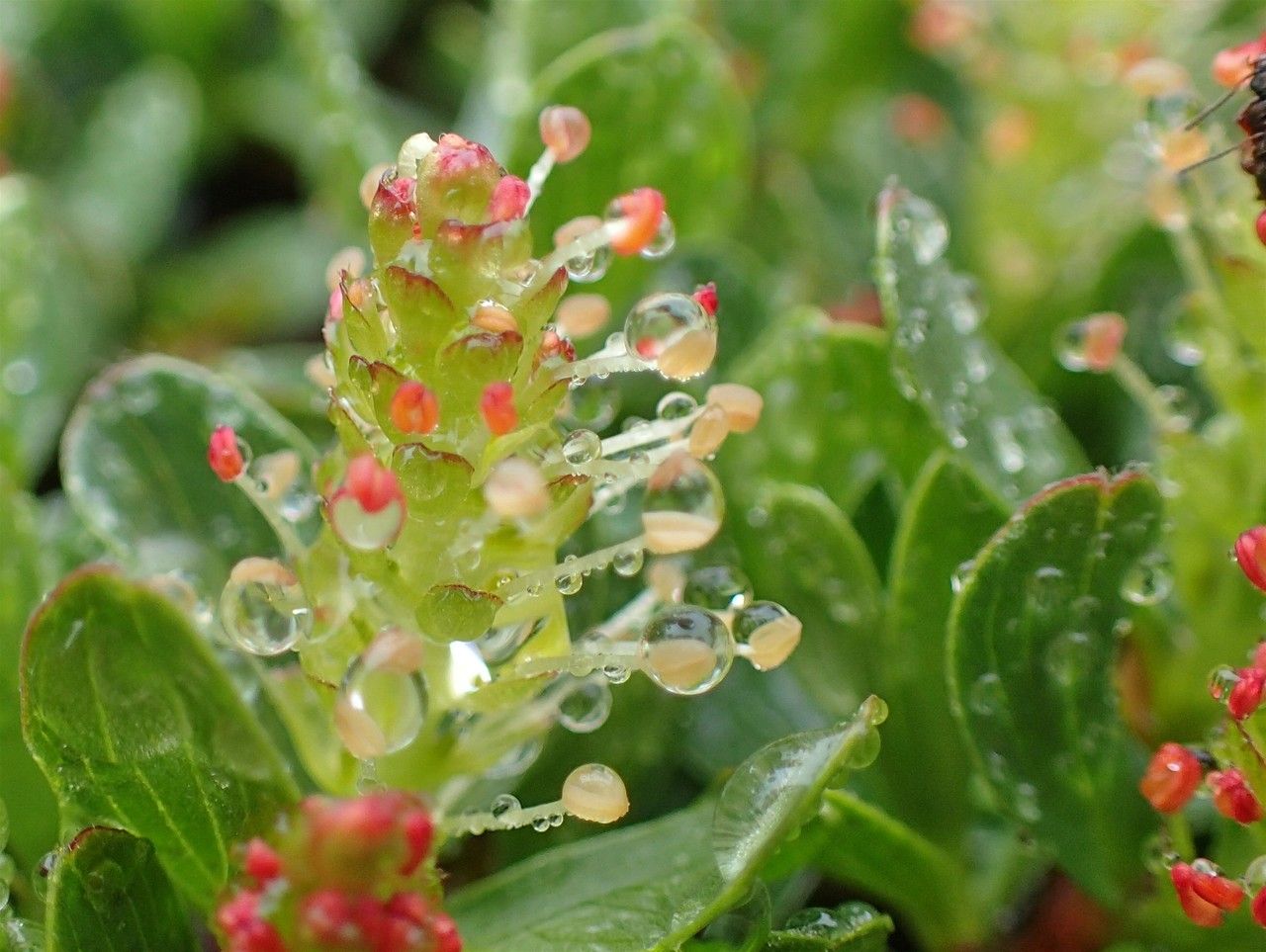
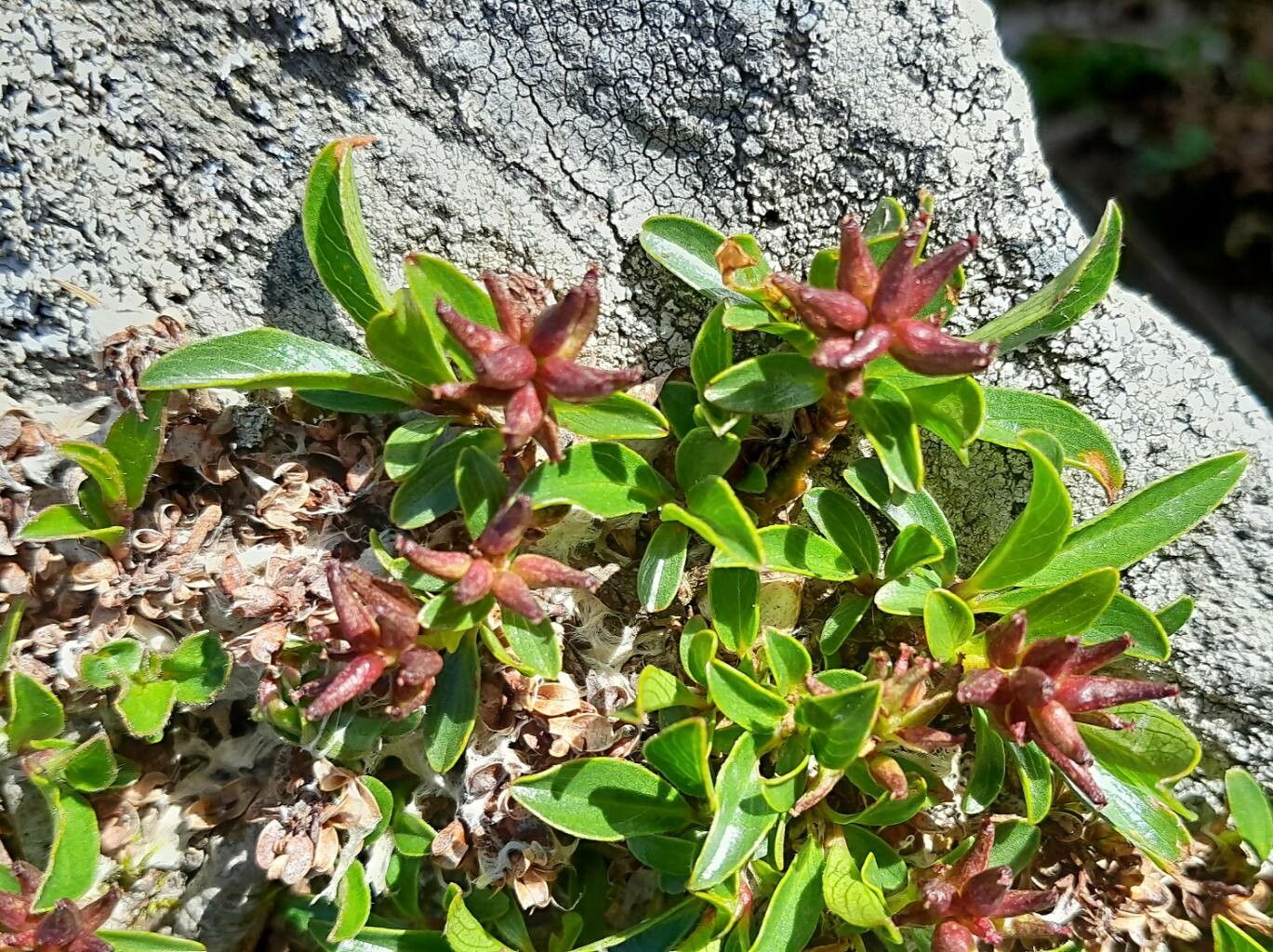
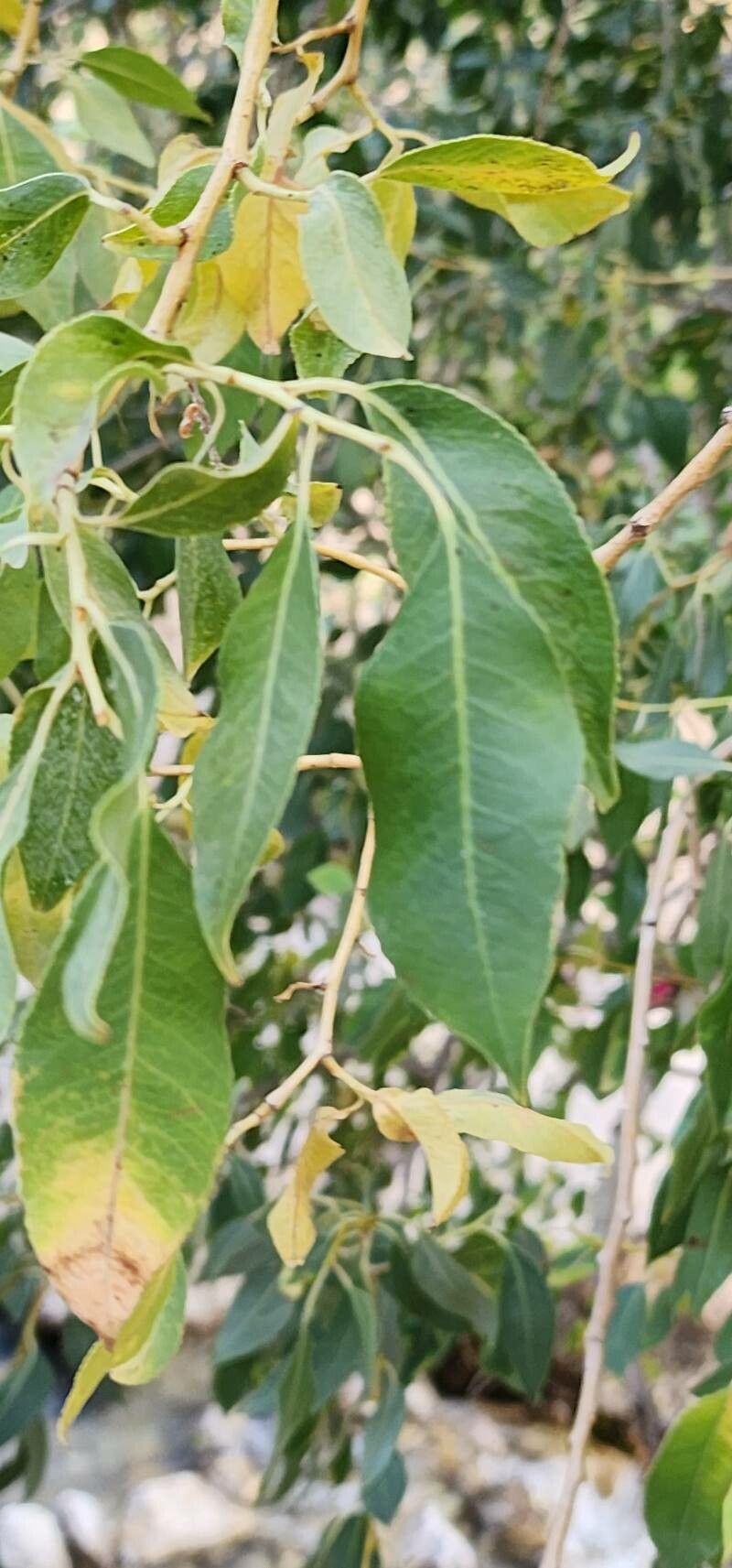
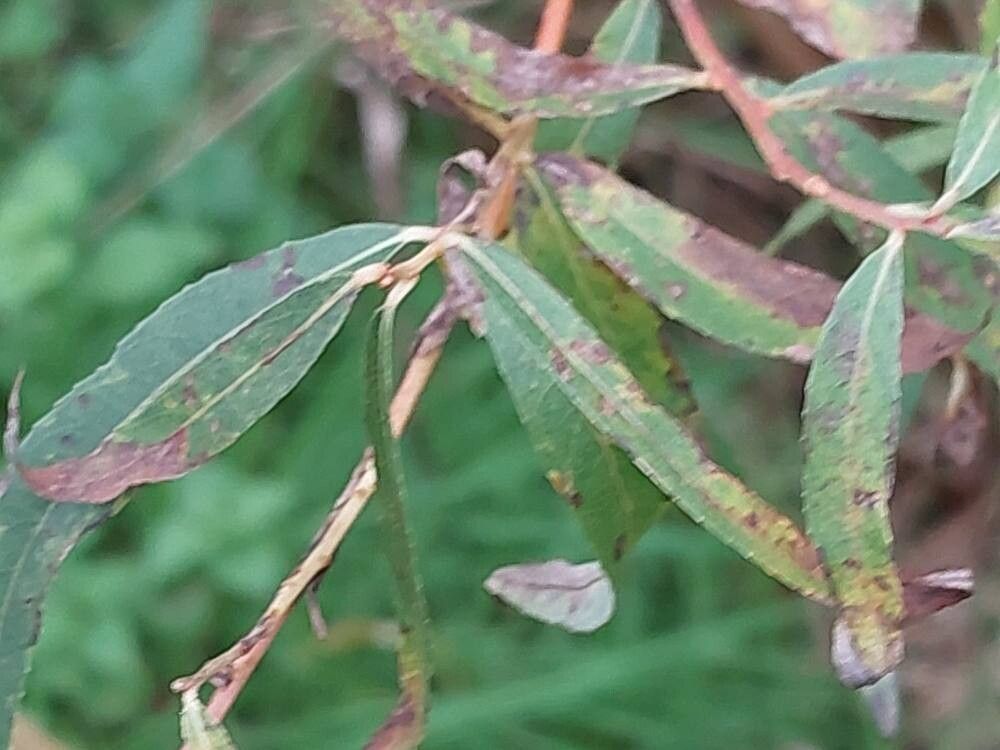
The leaves of Salix retusa are narrow and elongated, with serrated edges. They exhibit a green color on the top side and a whitish underside, lending them a net-like appearance—hence the name "netleaf willow." The plant produces small yellowish-green flowers in early spring, just before the leaves emerge.
Salix retusa is vital for wildlife, providing food for animals such as beavers, deer, elk, and moose. Additionally, it offers a habitat for birds, including warblers and finches.
The bark of Salix retusa has been used by indigenous people for medicinal purposes, such as treating fever and providing pain relief. Its wood is also valued for its flexibility, making it suitable for basket weaving.
Overall, Salix retusa is an ecologically significant plant species that contributes to various wildlife habitats and holds cultural importance due to its traditional medicinal uses by indigenous people.
Botanical profile.
- Plant Type
- Tree, Shrub
- Life Cycle
- Perennial
- Genus
- Salix
- Family
- Salicaceae
- Hardiness Zone
- 3-7
- Mature Height
- 10 cm
- Mature Spread
- 4.88 m
- Leaf Color
- Green, Dark Green
- Leaf Type
- Deciduous
- Flower Color
- Yellow
- Flower Size
- 2.54 cm to 5.08 cm
- Bloom Time
- Mid spring, Late spring
- Planting Time
- Spring, Summer
- Harvest Time
- Early summer, Mid summer
- Native Area
- Austria, Slovakia, Montenegro, Bulgaria, Poland, Croatia, Slovenia, Ukraine, Serbia, Germany, Italy, Spain, Switzerland, Albania, Romania, France
Other names.