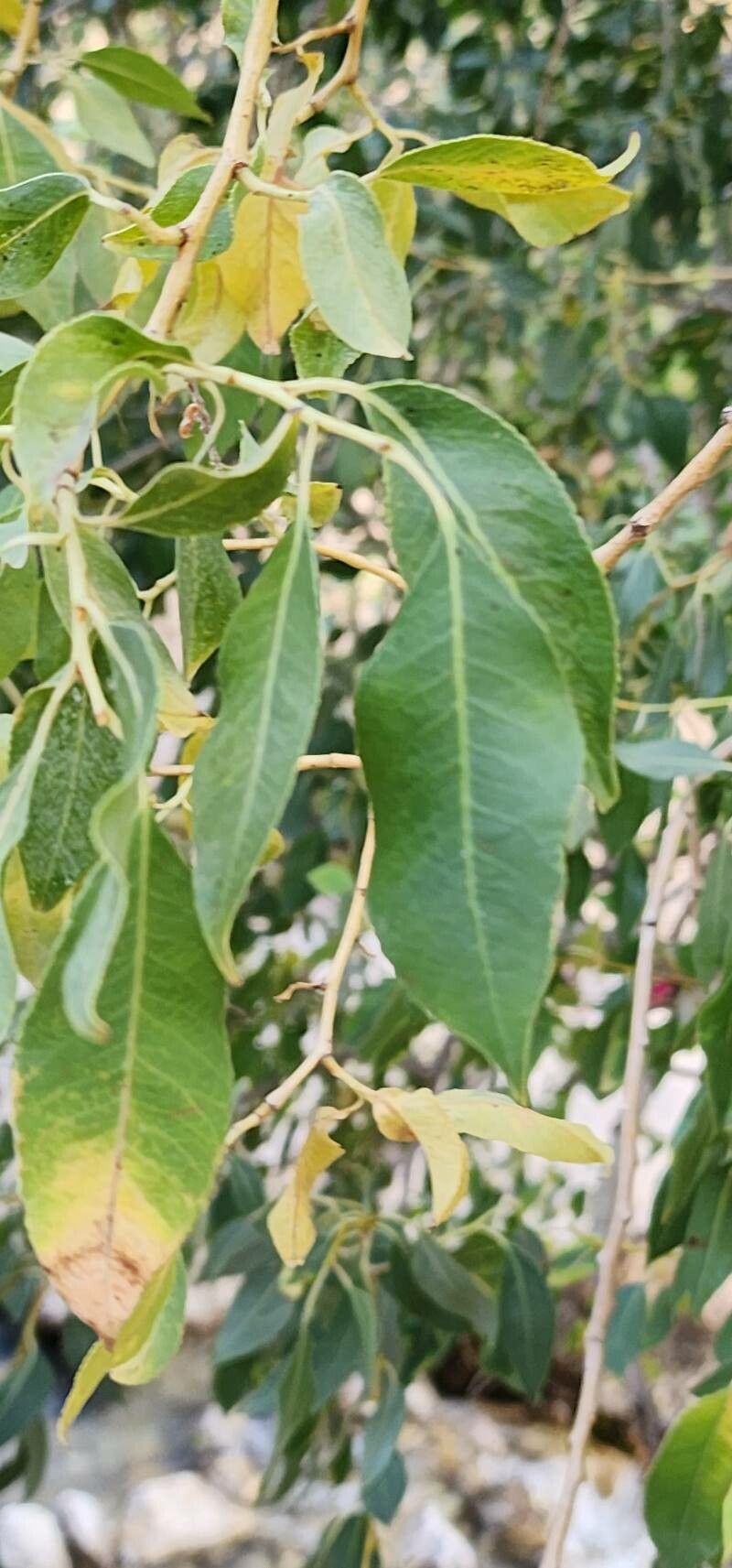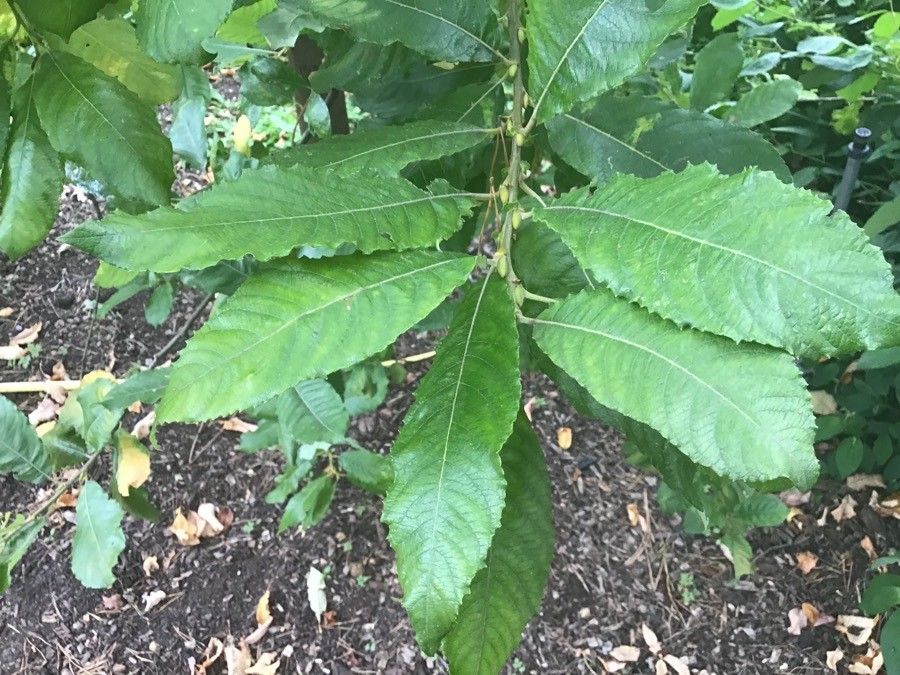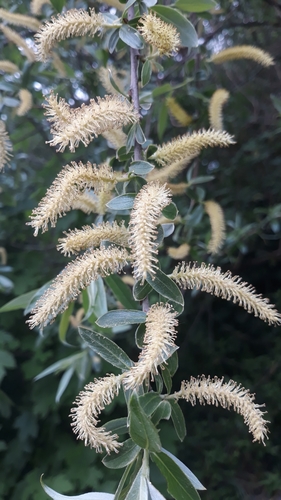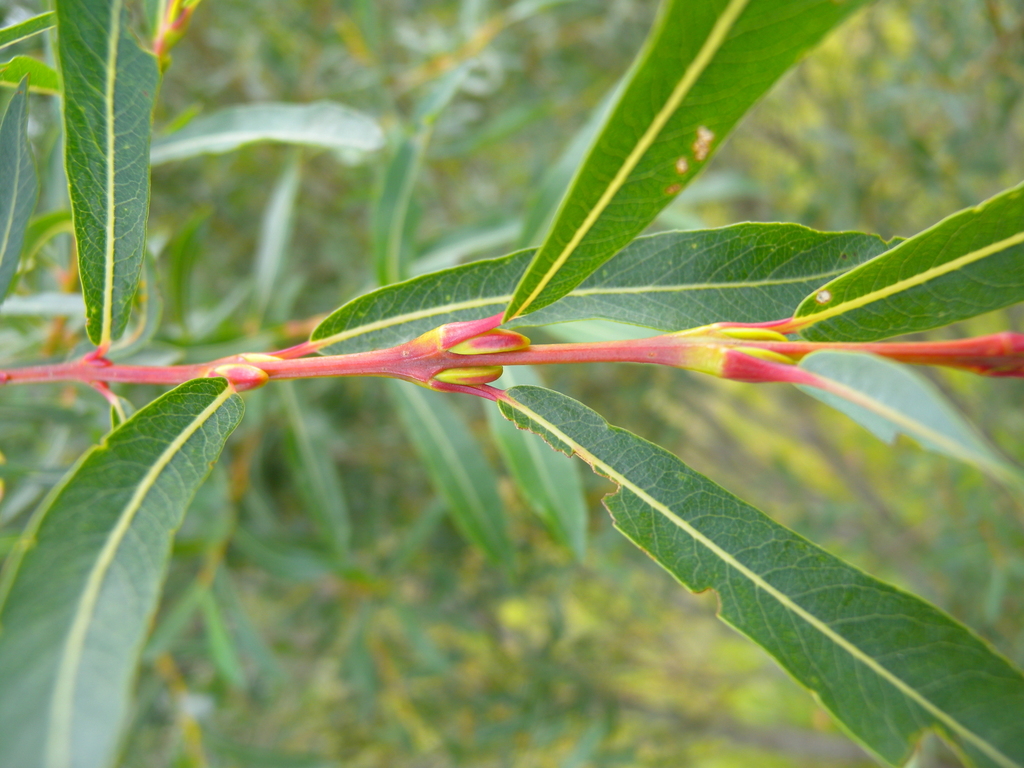
Salix purpurea, commonly known as purple willow or purple osier, is a deciduous shrub in the Salicaceae family. Native to Europe and western Asia, it can grow up to six meters tall. The plant features slender stems and long, narrow leaves that are green on top and grayish-green underneath. In the fall, these leaves turn yellow before dropping off.
The bark of Salix purpurea is smooth and grayish-brown when young but becomes rougher as it ages. Historically, it has been valued for its medicinal properties, as it contains salicin, which can be converted into salicylic acid—the active ingredient in aspirin.
The plant thrives in moist soil conditions but can tolerate some drought once established. It grows best in full sun or partial shade and requires regular pruning to maintain its shape.
Due to its extensive root system, Salix purpurea is often used for erosion control along riverbanks, where it helps stabilize soil against erosion caused by water currents.
Overall, Salix purpurea is an attractive shrub with medicinal properties that also plays an important ecological role in preventing soil erosion along riverbanks.
Purple willow is resistant to disease and generally not susceptible to illnesses. In terms of care, this plant is fairly low maintenance. When grown outdoors, it needs only minimal watering and larger specimens usually do not require pruning. However, smaller plants should be trimmed after they finish blooming. Purple willow is appropriate for anyone with outdoor space, such as a garden or a deck, and does not demand extensive care experience.
How to keep Salix Purpurea.
Light
Purple willow thrives with plenty of light. It reaches its best condition when kept in continuous sun, though it can cope with only partial sunlight during the day. Too much or too little sun can stunt its growth or result in weaker development.
Water
Purple willow flourishes in areas near water, as it requires consistently moist soil. During the growing season, its water needs increase, so it's ideal to water it weekly. This plant adapts well to outdoor growth, thriving in the damp conditions typical of riverbanks.
Temperature
Native to temperate areas, the purple willow tolerates a wide temperature range, from 32 ℉ (0 ℃) to 90 ℉ (32 ℃). In summer it prefers cooler conditions of about 60 to 70 ℉ (16 to 21 ℃), and in winter it can withstand temperatures as low as 32 ℉ (0 ℃). It is recommended to water the plant regularly in summer to help it cope with higher temperatures.
Fertilizer
Fertilize your Purple willow in early spring to encourage healthy growth. Regular fertilization boosts overall health, producing vigorous growth, greater tolerance of harsh conditions, and better resistance to pests and diseases. Follow a consistent fertilization schedule for your Purple willow to maintain vibrant foliage with deep color and a lush appearance.
Pruning
The purple willow is known for its slender, flexible branches and distinctive purple shoots. To maintain its shape and vigor, prune one-third of the old growth each spring. Remove any dead or crossing branches to improve air circulation. Regular pruning encourages denser foliage and enhances the vibrant color, ensuring the purple willow stays healthy and visually appealing.
Pot & Repot
When repotting Purple willow, select a pot 1-2 inches (2.5–5.1 cm) larger with ample drainage. Use a well-draining potting mix. Repot in spring or fall, making sure the root ball sits slightly lower than the rim of the flower pot. Water thoroughly after repotting and place in a warm spot with indirect sunlight.
Botanical profile.
- Plant Type
- Shrub
- Life Cycle
- Perennial
- Genus
- Salix
- Family
- Salicaceae
- Hardiness Zone
- 3-7
- Mature Height
- 7.92 m
- Mature Spread
- 3.96 m
- Leaf Color
- Green, Blue
- Leaf Type
- Deciduous
- Flower Color
- Yellow
- Flower Size
- 2.54 cm to 3.30 cm
- Bloom Time
- Mid spring, Late spring
- Planting Time
- Spring
- Harvest Time
- Late spring, Early summer, Mid summer
Other names.
Reader questions.
How should I water my Purple willow tree?
To ensure excellent root development, place a garden hose at the base of the plant. Avoid spraying the leaves directly, especially if they are outdoors in direct sunlight, as they will need more water. Using bubblers on each plant can moisten the roots effectively. When adding or removing plants, use soaker hoses to cover the entire garden or bed and encourage deep root growth. Remember to drain excess water and wait for the soil to dry before watering again. Watering at ground level is recommended to prevent diseases. On a sunny day, consider spraying the entire bush with water. Whether your Purple Willow is in a pot or in the ground, remember that it prefers deep watering rather than light sprinkling.
Why should I apply fertilizer to my Purple willow plant?
No matter which variety of Purple willow you have, regular fertilization is key to promoting overall health. Providing the proper nutrients will result in stronger growth and increased resilience to difficult conditions, plus better defenses against diseases and pests. To maintain the appealing foliage of your Purple willow, prioritize a regular fertilization schedule tailored to its needs. By doing so, you will encourage the development of vibrant, lush leaves with a rich color.
What are the sunlight requirements for a Purple Willow?
Purple Willow, or Salix purpurea, flourishes when it receives generous amounts of light. For optimal health and growth, it should bask in the sun's rays for most of the day, though it can survive with partial sun exposure, roughly 3-6 hours a day. However, both over and underexposure to sunlight can hinder its growth or lead to less vigorous development. It's essential to watch how sunlight moves through your garden and find spots that provide the right balance of light and shade to ensure your plants thrive.
What is the native climate for the purple willow, and what temperatures can it withstand?
The purple willow, or Salix purpurea, grows natively in temperate regions and can withstand a wide variety of temperatures. During the summer months, it prefers cooler temperatures, ideally between 60 to 70 °F (16 to 21 °C), but can survive in temperatures ranging from 32 °F (0 °C) to 90 °F (32 °C). In winter, it remains hardy even when temperatures drop to as low as 32 °F (0 °C). To help the purple willow adjust to the higher temperatures in summer, it is recommended to water the plant regularly.
If I give Purple willow plant too much or too little water, what should I do?
When a Purple willow is overwatered, its leaves may turn yellow, wilt, and eventually drop off. The plant may appear dull and unhealthy, with mushy stems. When these signs start to appear, it's best to adjust your watering schedule if possible. On the other hand, wilting can also indicate under watering. In this case, the leaves will become crispy and dry. If the soil is dry and simply watering is not enough, give it a thorough watering. While enough water will help the Purple willow recover, the plant may still have dry and yellow leaves for a few days due to damage to the root system. Once it returns to normal, the yellowing of the leaves will stop. If you have a Purple willow indoors, always check the moisture levels in the pot. Avoid overwatering and watch out for black spots. If you see these spots, let the soil dry in the pot by refraining from watering for a few days. Overwatering can lead to root rot, so if you suspect it, consider transferring the plant to a different pot, especially if you notice discolored and slimy roots. Always take preventive measures against root rot and make sure the soil does not become overly soggy. When planting a Purple willow outdoors, dig a little deeper and check the soil with your fingers. If it feels dry, it may indicate underwatering. Adequate watering is necessary to help the plant recover.
When should I fertilize my Purple willow?
To maintain the health and growth of your Purple willow, it's recommended to fertilize it twice a year. The first fertilization should be done in late winter or early spring, providing the necessary nutrients for healthy growth as the weather becomes warmer. If you live in a warm climate region, an additional fertilization in early fall is beneficial. This not only adds nutrients for the following growing season but also improves the tree's resilience to winter cold and prevents foliage damage. Fertilizing earlier in the fall ensures enough time for new branches to grow and withstand the cold winter.
How does artificial lighting benefit indoor Purple Willow plants?
Indoor Purple Willow plants require adequate lighting for optimal growth, especially when natural sunlight is insufficient, like in winter or less sunny spaces. Artificial lighting, such as LED lights, can be tailored to provide specific wavelengths needed by plants. For full sun plants, 30-50W/sq ft of artificial light is recommended; for partial sun plants, 20-30W/sq ft; and for full shade plants, 10-20W/sq ft. The light source should be placed 12-36 inches above the plant, mimicking natural sunlight, and plants typically need 8-12 hours of light per day.
Does the purple willow require any special care during winter?
The purple willow is highly cold-tolerant and doesn't need additional frost protection in the winter. However, to prepare for winter and ensure the plant stays healthy, it is advisable to water the plant generously before the first freeze of autumn. This helps the soil retain moisture and enter a frozen state, preventing drought and water scarcity for the purple willow during the winter and early spring months.
How frequently should I water my Purple willow?
The Purple willow requires deep and infrequent watering, especially when planted in pots. When watering, soak them in a gallon of water each time. Potted plants have limited water storage, so they dry out faster. In cold regions, water every 3 to 5 days. Water in the morning when the soil is dry, both indoors and outdoors. Check the soil inside to determine if it needs watering - if the top 2-3 inches are dry, water the plant thoroughly. On hot days, check the moisture daily as the soil can dry out quickly in pots. If you have a garden, irrigation is necessary. In hot climates, water once a week when about 2 to 3 inches of soil becomes too dry. Be mindful of rainfall - if there is a lot, additional watering may not be needed to avoid root rot. Purple willow grows mainly in spring and fall. Adding mulch 3 to 4 inches deep helps retain water when the plant is outdoors. Sandy soil drains faster, so water more frequently. Clay soil requires less frequent watering - wait 2-3 days for it to dry before watering again to prevent root rot. Keep track of watering dates and pay attention to drooping leaves, as this indicates the need for water.
When is it best to not use fertilizer for my Purple willow?
There are certain times of the year when it is best to avoid fertilizing your Purple willow. One of these times is in the early and mid-winter months when the plant is dormant and does not require any feeding. It is also not recommended to fertilize the plant during late spring and summer, as the weather tends to be hotter and drier. Both of these conditions can have a negative impact on the Purple willow's response to fertilization. To prevent any issues, it is advisable to stick to a fertilization schedule that involves feeding only during the early spring and early fall.
What are the symptoms of inadequate light for a Purple Willow?
When a Purple Willow doesn't receive enough light, it may show symptoms like smaller new leaves, leggy or sparse growth, faster leaf drop, slower or no new growth, and lighter-colored new leaves. Other symptoms include chlorosis, where leaves turn yellow due to the breakdown of chlorophyll; sunscald, characterized by pale, bleached areas on the plant; leaf curling, as a defense mechanism against excessive sunlight; wilting from increased water loss; and leaf scorching, indicated by brown, dry edges on leaves. These symptoms highlight the plant's struggle with light deficiency or overexposure.
What should be done if a purple willow is exposed to temperatures below its cold tolerance?
If a purple willow is exposed to temperatures below its cold tolerance threshold of -35°C, the branches may become brittle and dry, and no new shoots will emerge in the spring. To address this, you should prune away any dead branches that have failed to produce new leaves in the springtime. This helps the plant maintain its health and encourages new growth.