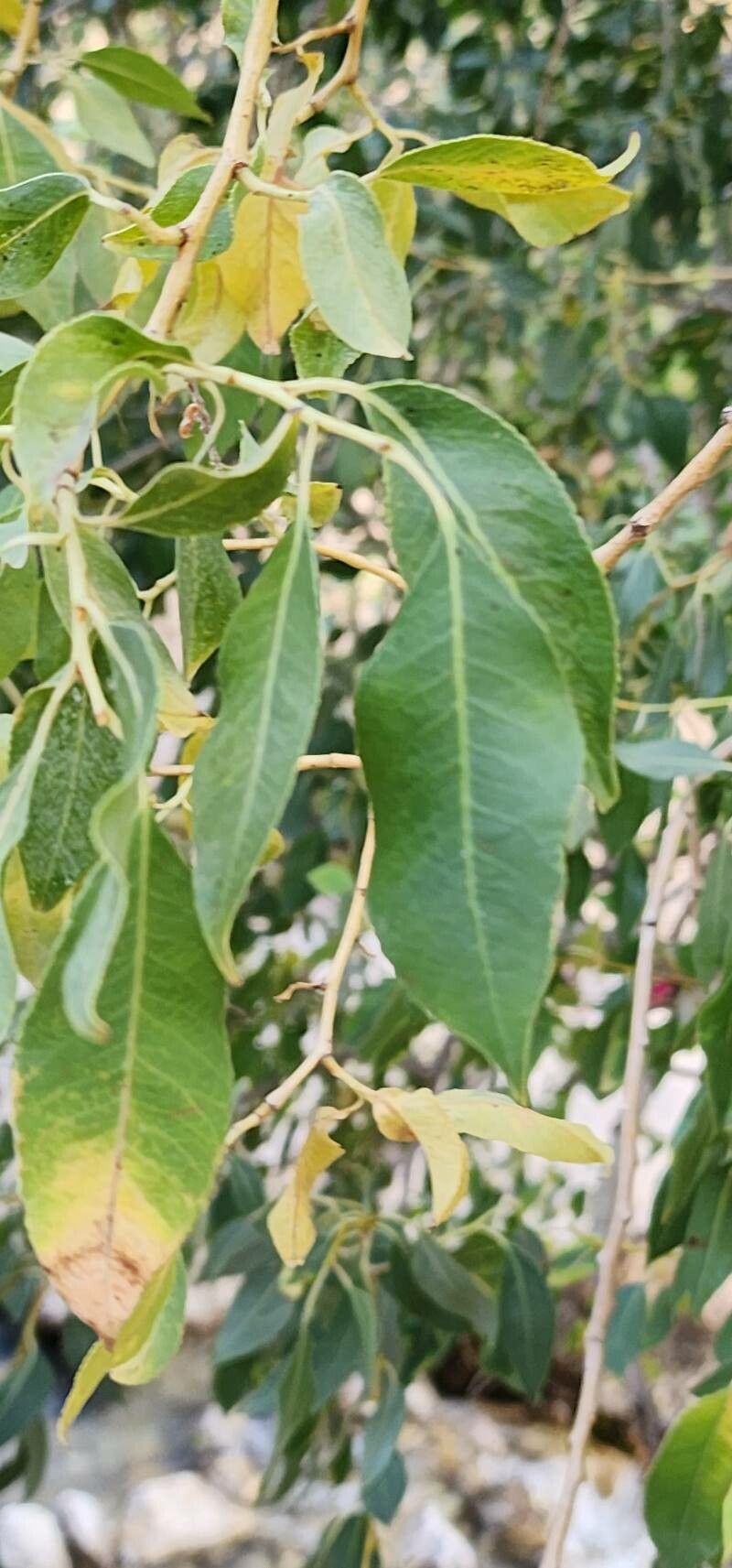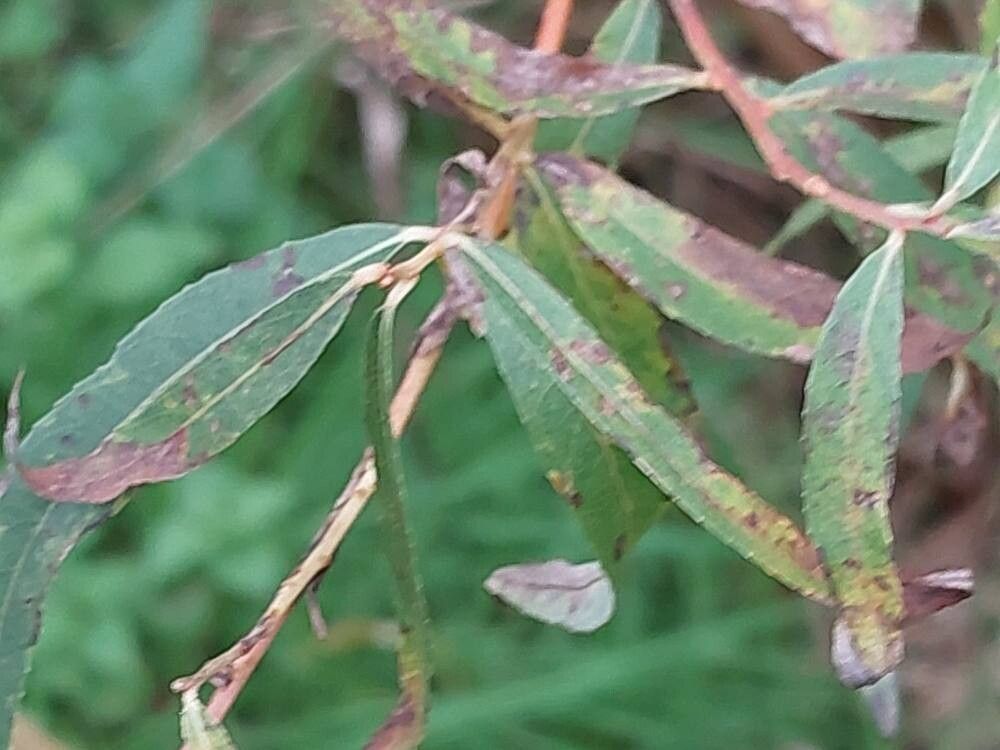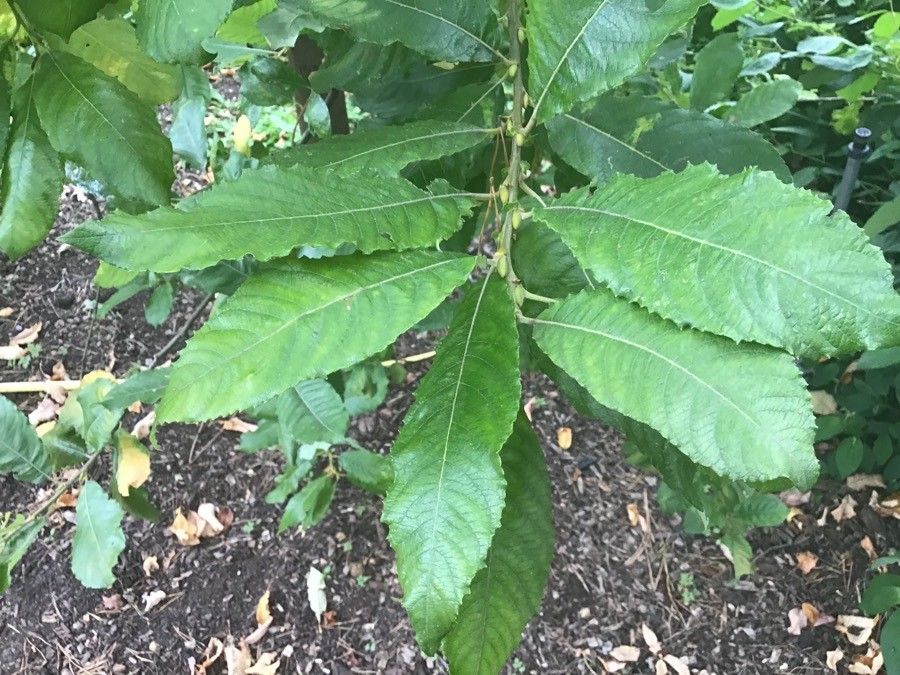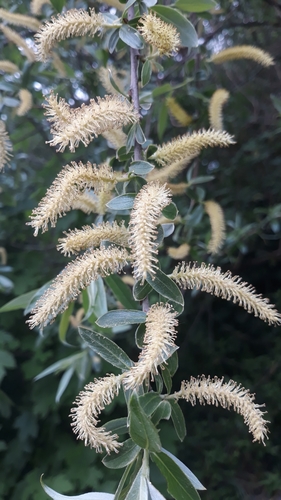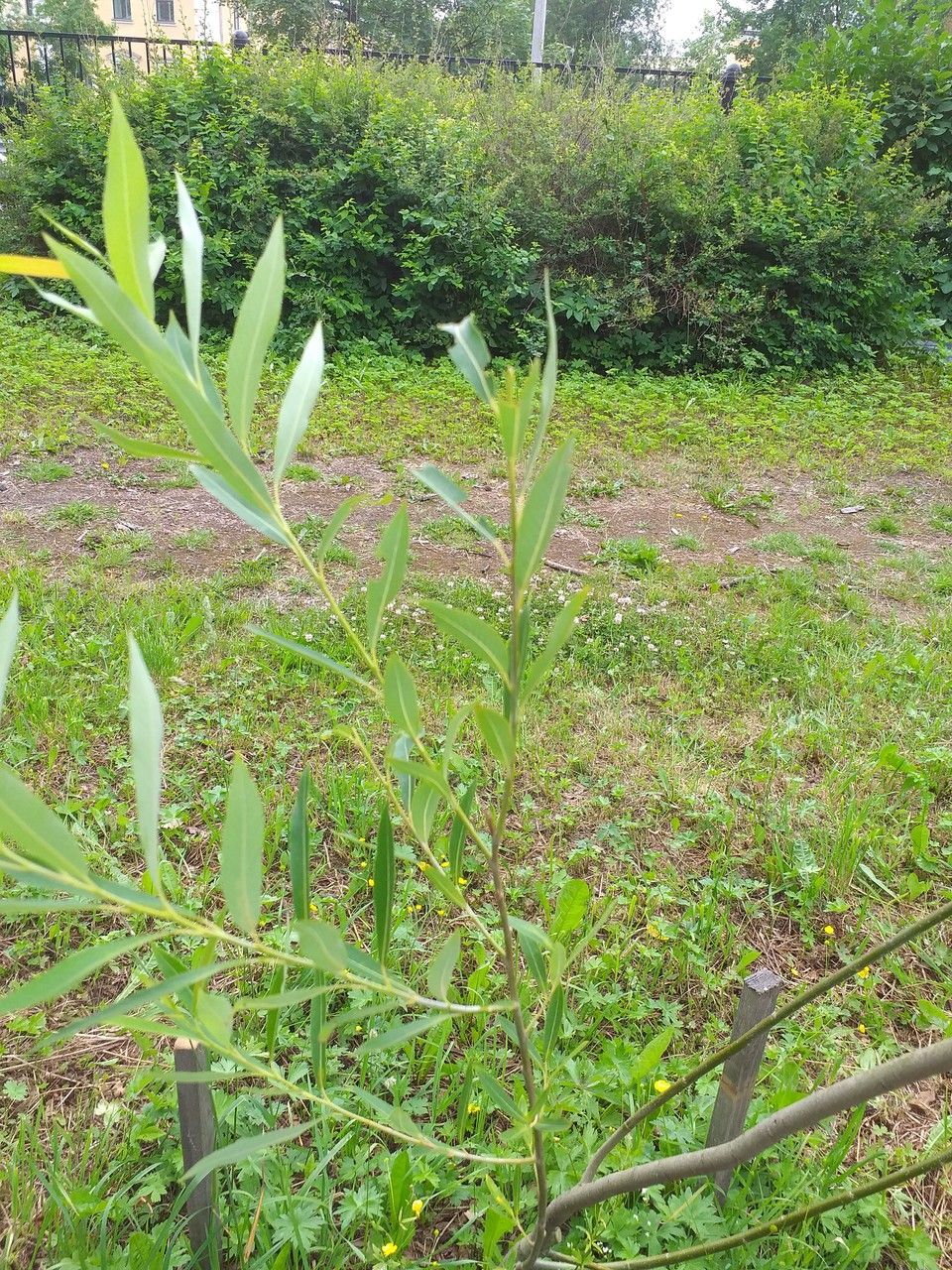
Salix nipponica is a species of willow native to Eastern Asia.
Erect willow shows strong resistance to disease and is generally not susceptible to illnesses. In terms of care, this plant is fairly low-maintenance. When grown outdoors it needs little watering, and larger specimens usually do not require pruning. Smaller specimens, however, should be pruned after they finish blooming. Erect willow is suitable for anyone with an outdoor area, such as a garden or a deck, and does not demand extensive care experience.
How to keep Salix Nipponica.
Light
Erect willow comes from environments that are not closed off, like bright fields and edges of forests, where light is abundant. It flourishes under full sunlight, however, it can also adapt to partial sunlight, demonstrating a good tolerance towards different lighting conditions.
Temperature
The erect willow has a notable capacity to adapt to a range of weather conditions, from hot summers to freezing winters. Nonetheless, there is a specific temperature range within which it grows best. If the temperature rises excessively, the plant could suffer from heat and humidity stress, potentially leading to its death. In areas where the temperatures fall near to its cold tolerance limit, applying measures to insulate the plant is critical for its protection.
Fertilizer
For optimal growth, apply fertilizer to your Erect willow at the beginning of spring. Consistent fertilization boosts overall health, leading to robust growth, improved resistance to harsh conditions, and enhanced resilience against diseases and pests. Adhere to a particular fertilization routine for your Erect willow to guarantee vivid foliage with intense color and a rich look.
Botanical profile.
- Plant Type
- Tree
- Life Cycle
- Perennial
- Genus
- Salix
- Family
- Salicaceae
- Hardiness Zone
- 3-7
- Mature Height
- 20.12 m to 24.99 m
- Mature Spread
- 2.13 m to 3.05 m
- Leaf Color
- Green, Dark Green
- Leaf Type
- Deciduous
- Flower Color
- Green
- Flower Size
- 2.03 cm to 4.06 cm
- Bloom Time
- Early spring, Mid spring
- Planting Time
- Spring, Autumn
- Harvest Time
- Mid spring, Late spring
- Native Area
- Russia, Japan, Mongolia, Koppen, South Korea, China