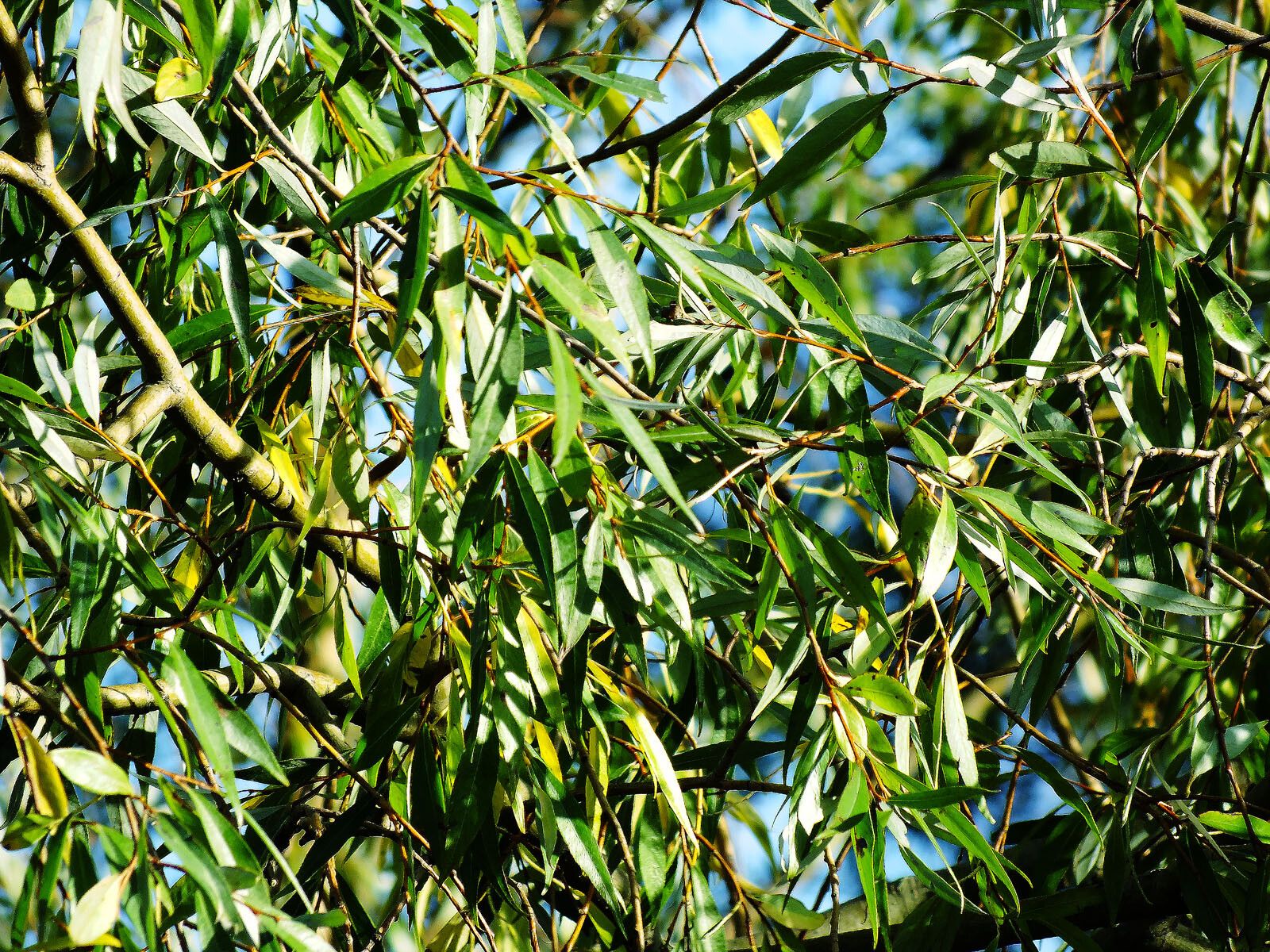
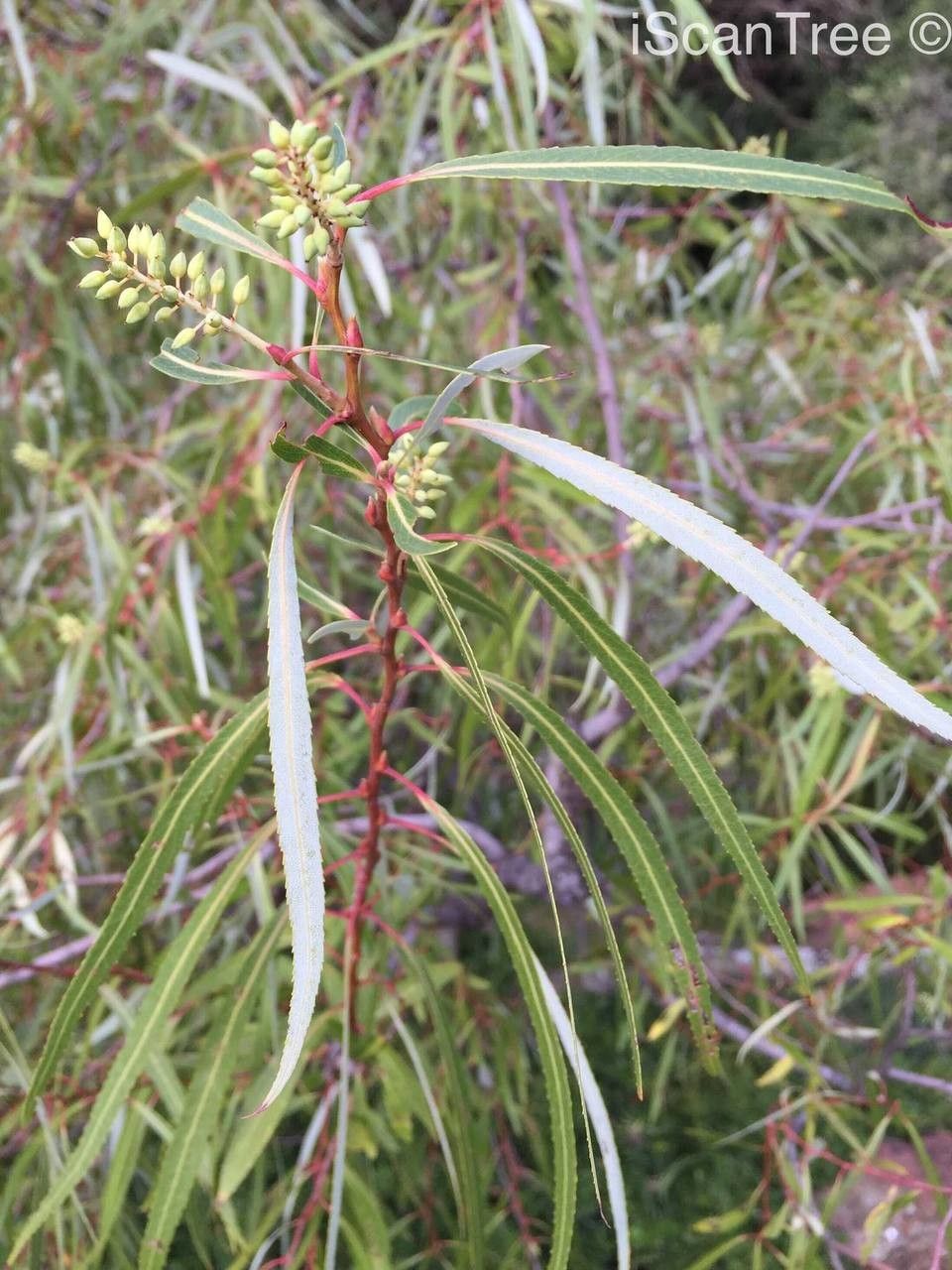
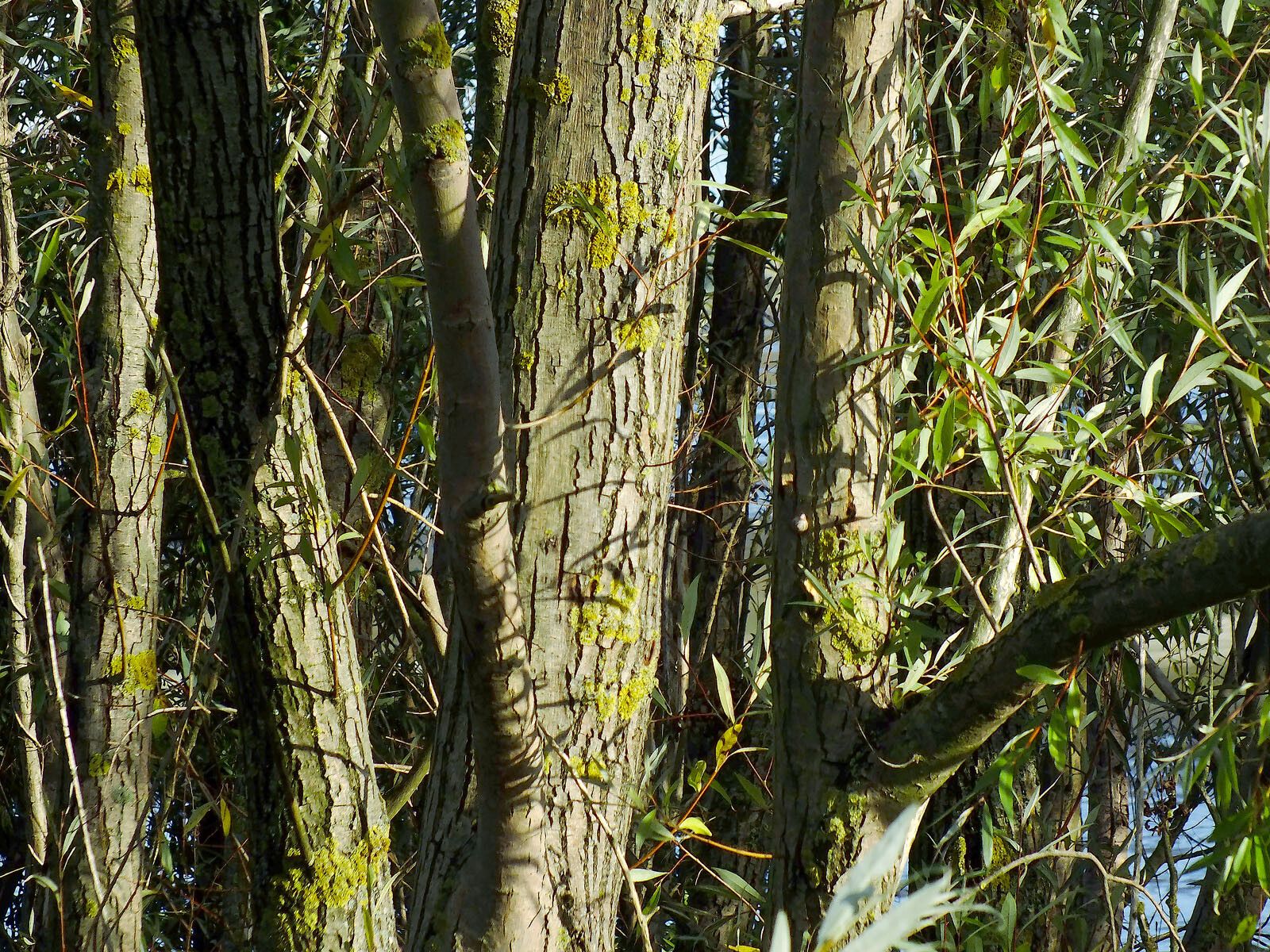
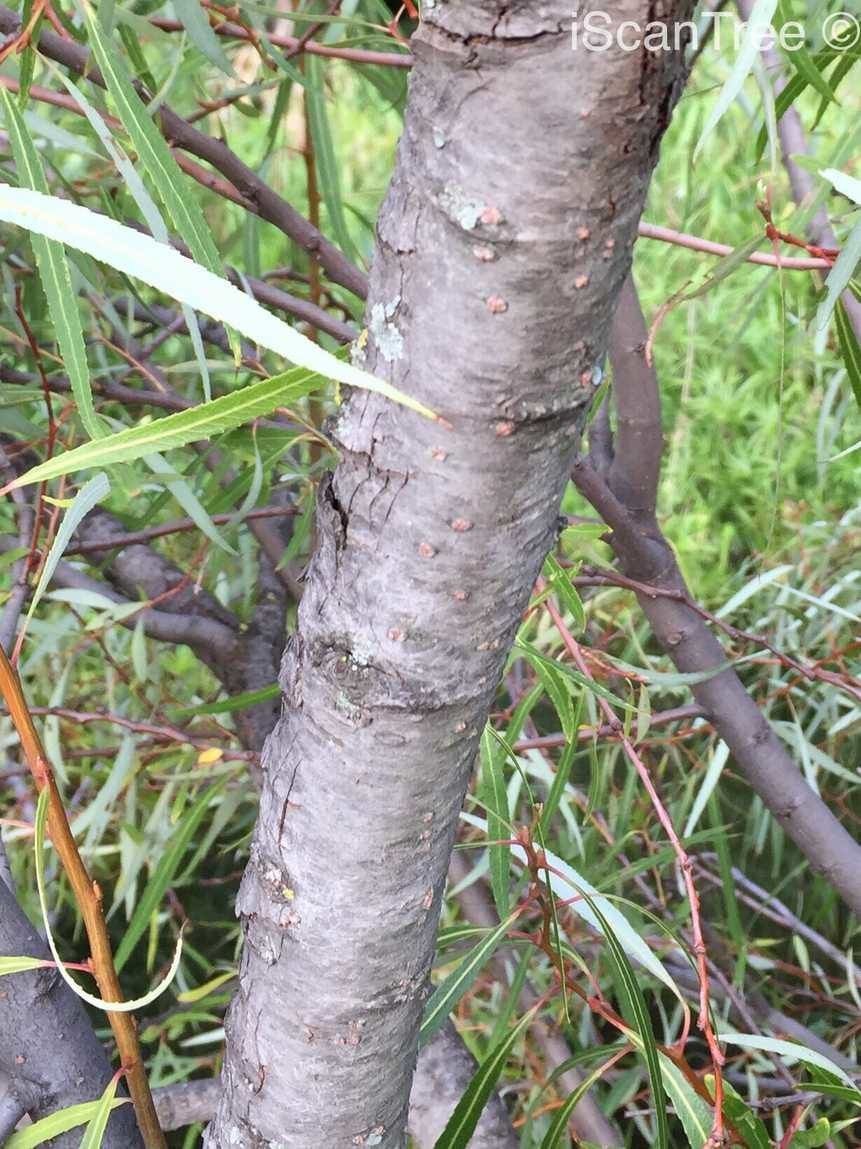
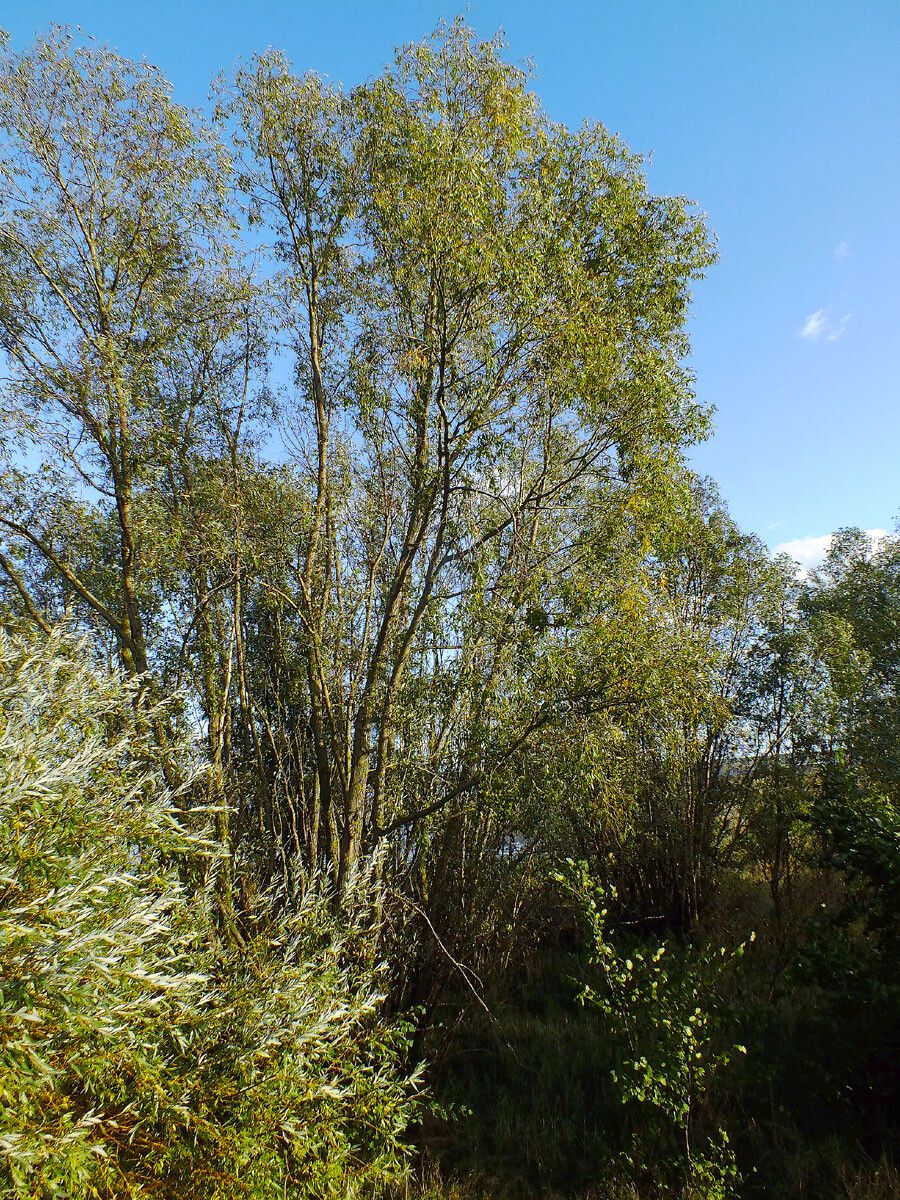
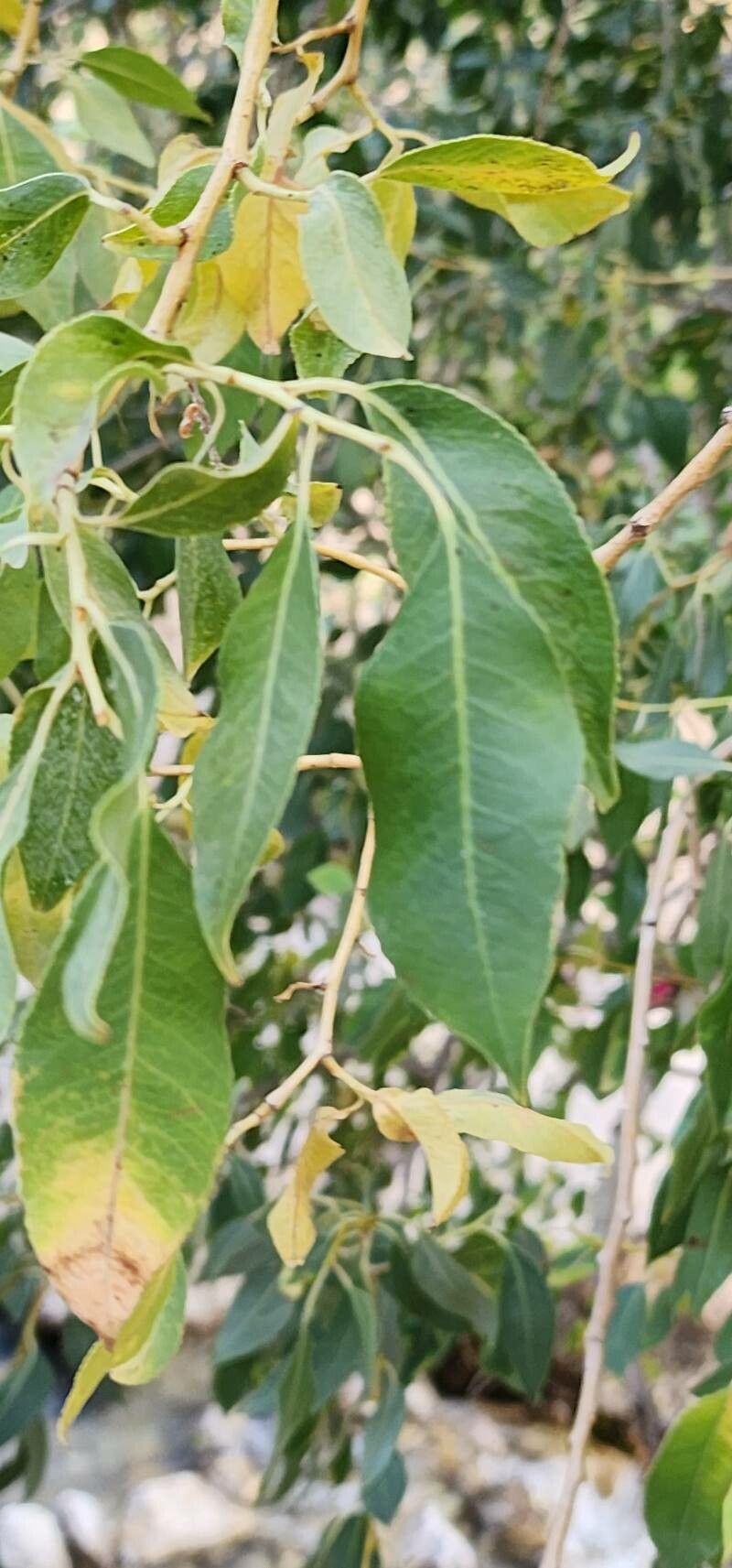
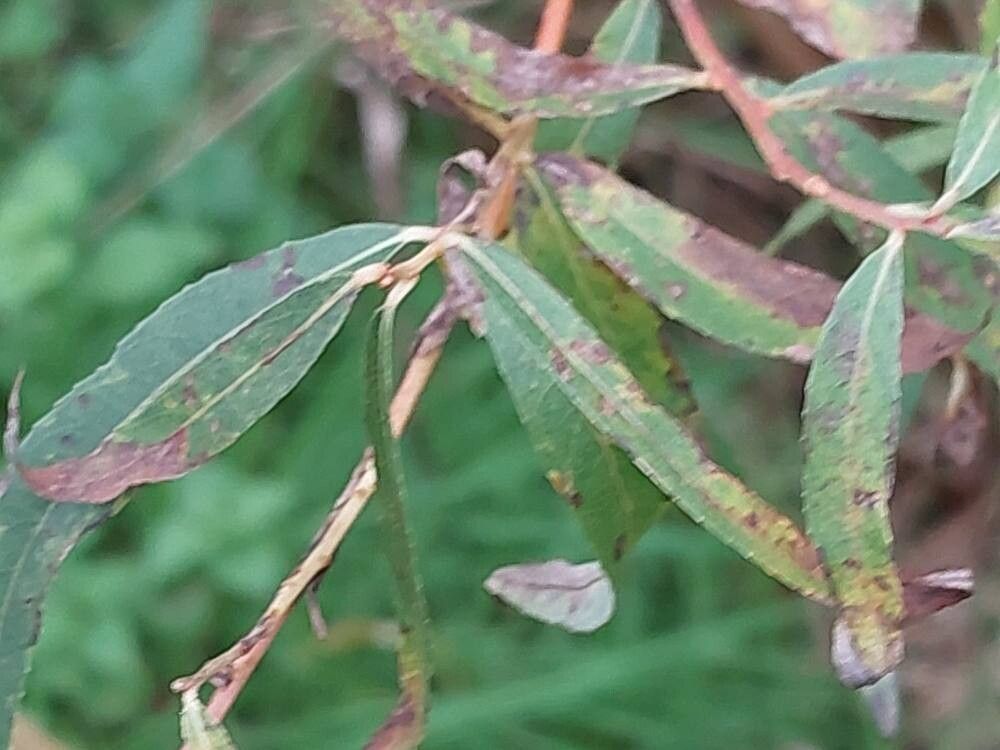
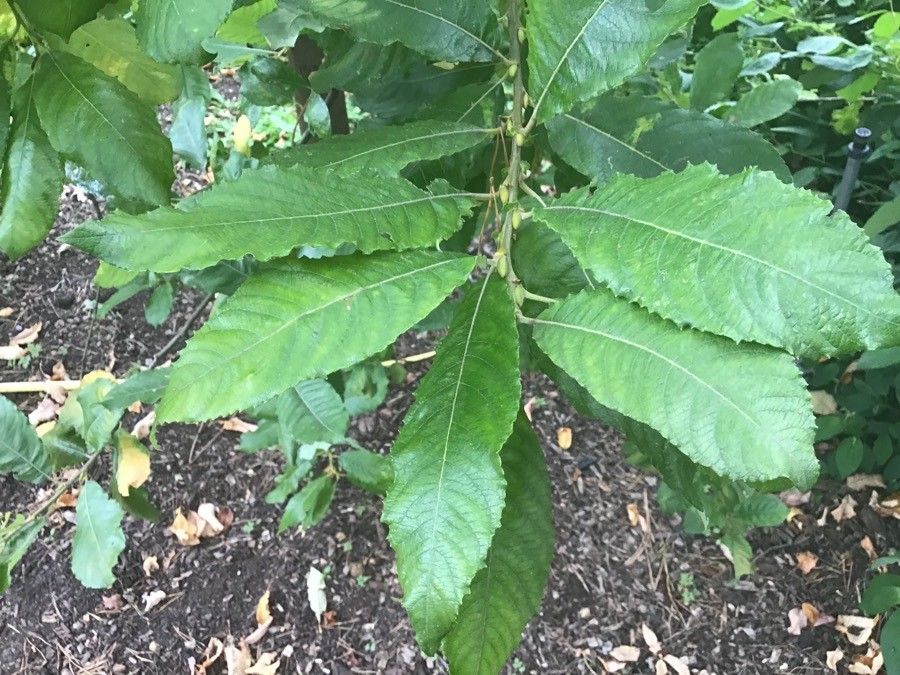
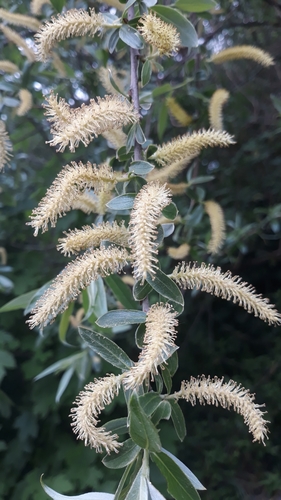
Salix mucronata (commonly called the Cape silver willow or Safsaf willow) is a tall, graceful, evergreen willow tree. It grows along riverbanks in South Africa, and is used for a wide range of traditional medicines. The Cape willow is dioecious (separate male and female trees).
Small-leaved willow is resistant to disease and generally does not catch illnesses easily. In terms of maintenance, this plant is fairly low-maintenance. When grown outdoors it needs only light watering, and larger specimens usually do not require pruning. However, smaller plants ought to be pruned after they finish blooming. Small-leaved willowt is suitable for anyone who has an outdoor area, such as a garden or deck, and it does not demand much gardening experience.
How to keep Salix Mucronata.
Light
Small-leaved willow is native to open habitats, such as sunny meadows and forest margins, which provide plenty of light. It does best in Full Sun but can also tolerate Partial Sun, adjusting well to different sunlight levels.
Water
Small-leaved willow needs regular watering, especially for seedlings during the summer. However, mature plants are drought-tolerant and do not require daily watering. Watering is usually done around 5 PM, but this should be adjusted based on the soil's moisture level. Overwatering is generally not a concern for mature plants, as their roots can withstand water logging.
Temperature
Small-leaved willow shows good adaptability to temperature, able to endure higher temperatures and large temperature fluctuations. In hot weather, care should be taken to water appropriately and provide adequate shade to prevent sunburn. However, small-leaved willow has relatively poor tolerance for low temperatures; while it can bear some cold, overly cold conditions can cause frost damage.
Fertilizer
To encourage healthy development, fertilize your Small-leaved willow in early spring. Regular feeding boosts overall health, producing vigorous growth, better tolerance of harsh conditions, and enhanced resistance to pests and diseases. Keep to a consistent fertilization schedule for your Small-leaved willow to maintain lively foliage with rich color and a full, lush appearance.
Pruning
The small-leaved willow has small, delicate leaves and graceful, arching branches. To keep it healthy and looking its best, prune it in early spring. This involves removing any dead wood and thinning out the canopy, allowing more sunlight and air to circulate. This care routine not only encourages healthier growth and a more attractive appearance but also helps reduce pest problems.
Botanical profile.
- Plant Type
- Shrub, Tree
- Life Cycle
- Perennial
- Genus
- Salix
- Family
- Salicaceae
- Hardiness Zone
- 7-10
- Mature Height
- 3.05 m to 7.92 m
- Mature Spread
- 2.13 m to 4.88 m
- Leaf Color
- Dark Green, Olive Drab
- Leaf Type
- Evergreen
- Flower Color
- Yellow
- Flower Size
- 2.03 cm to 4.06 cm
- Bloom Time
- Early spring, Mid spring
- Planting Time
- Spring, Summer, Autumn
- Harvest Time
- Late spring, Early summer
Other names.
Reader questions.
What are the sunlight requirements for the Small-leaved Willow (Salix mucronata)?
The Small-leaved Willow, or Salix mucronata, thrives in various sunlight conditions. It requires 'Full sun,' which means it needs above 6 hours of sunlight daily to flourish. However, it can also grow well in 'Partial sun,' with about 3-6 hours of sunlight. It's important to observe the movement of sunlight through your garden to find the ideal spots that offer a harmonious balance of light and shade, ensuring the well-being of your plants.