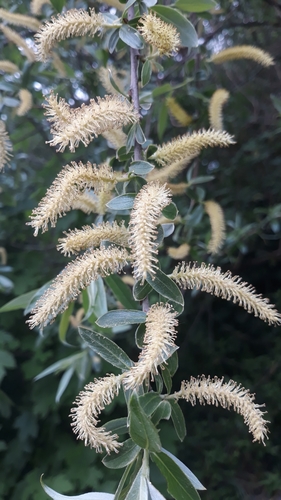
Salix matsudana, commonly known as the Chinese willow or Hankow willow, is a deciduous tree belonging to the Salicaceae family. Native to China, it has been widely cultivated around the world for its ornamental value and its ability to stabilize soil and prevent erosion.
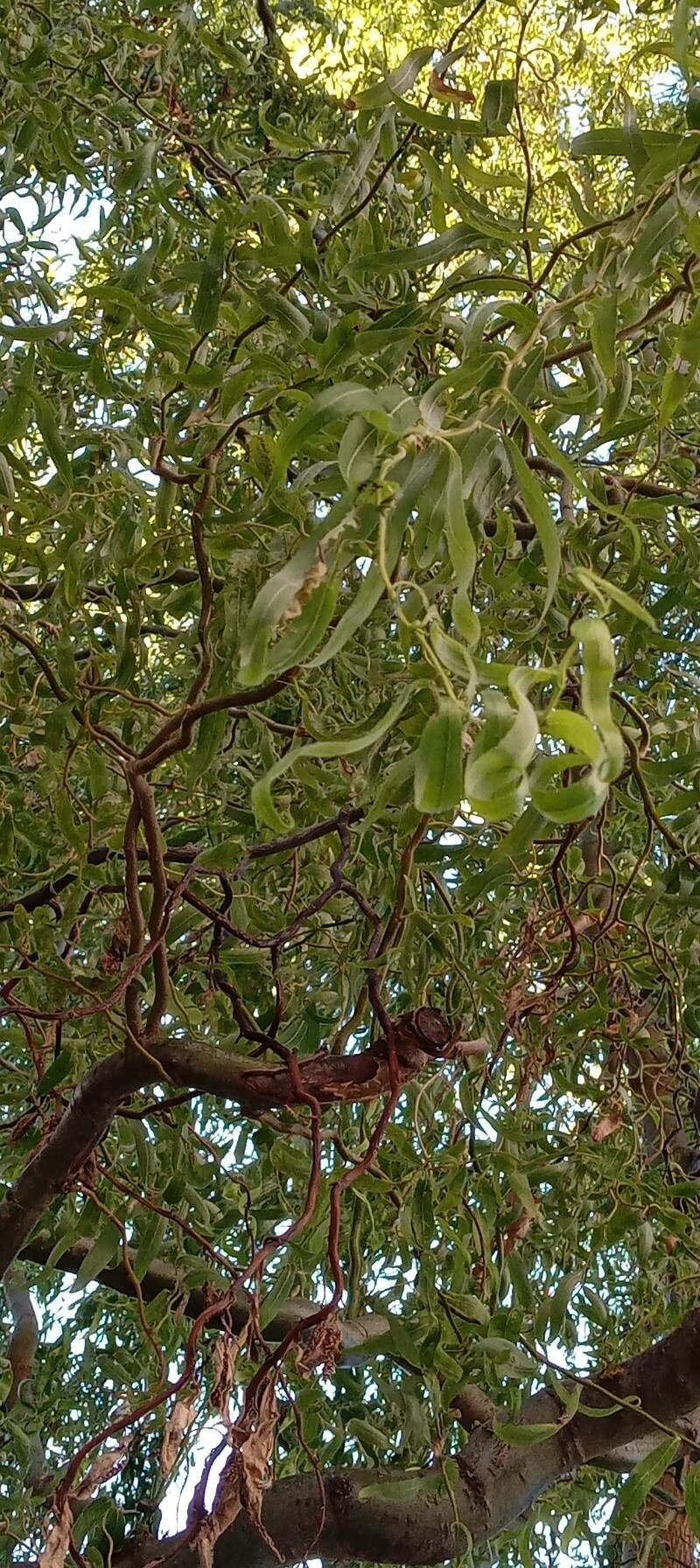
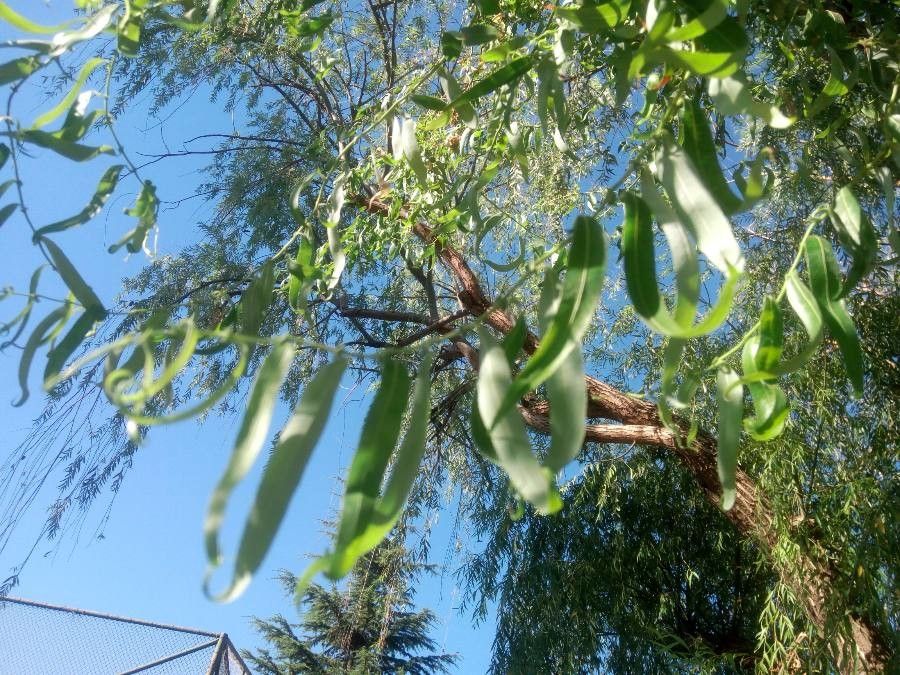
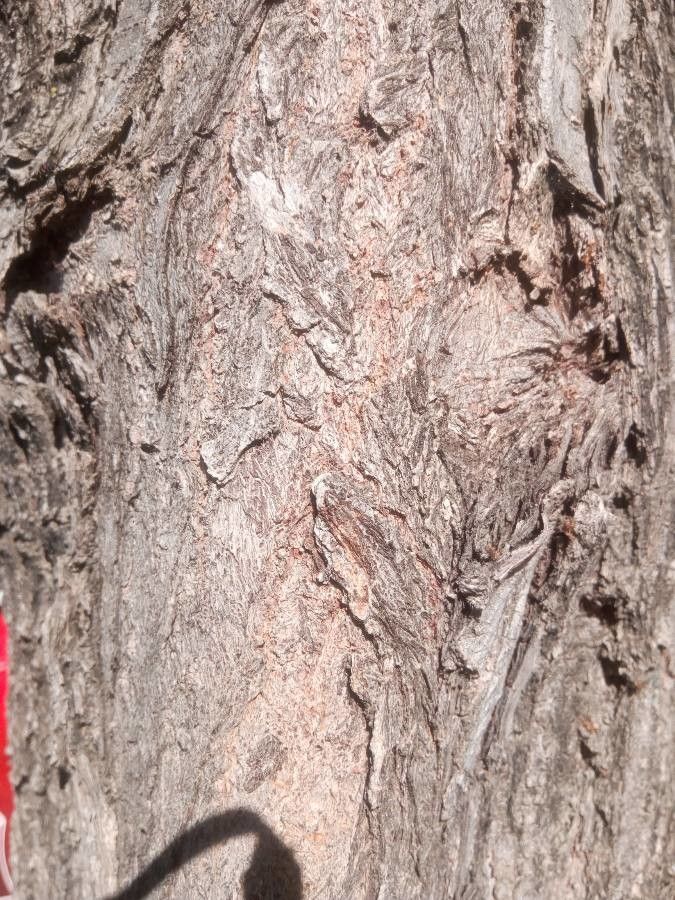
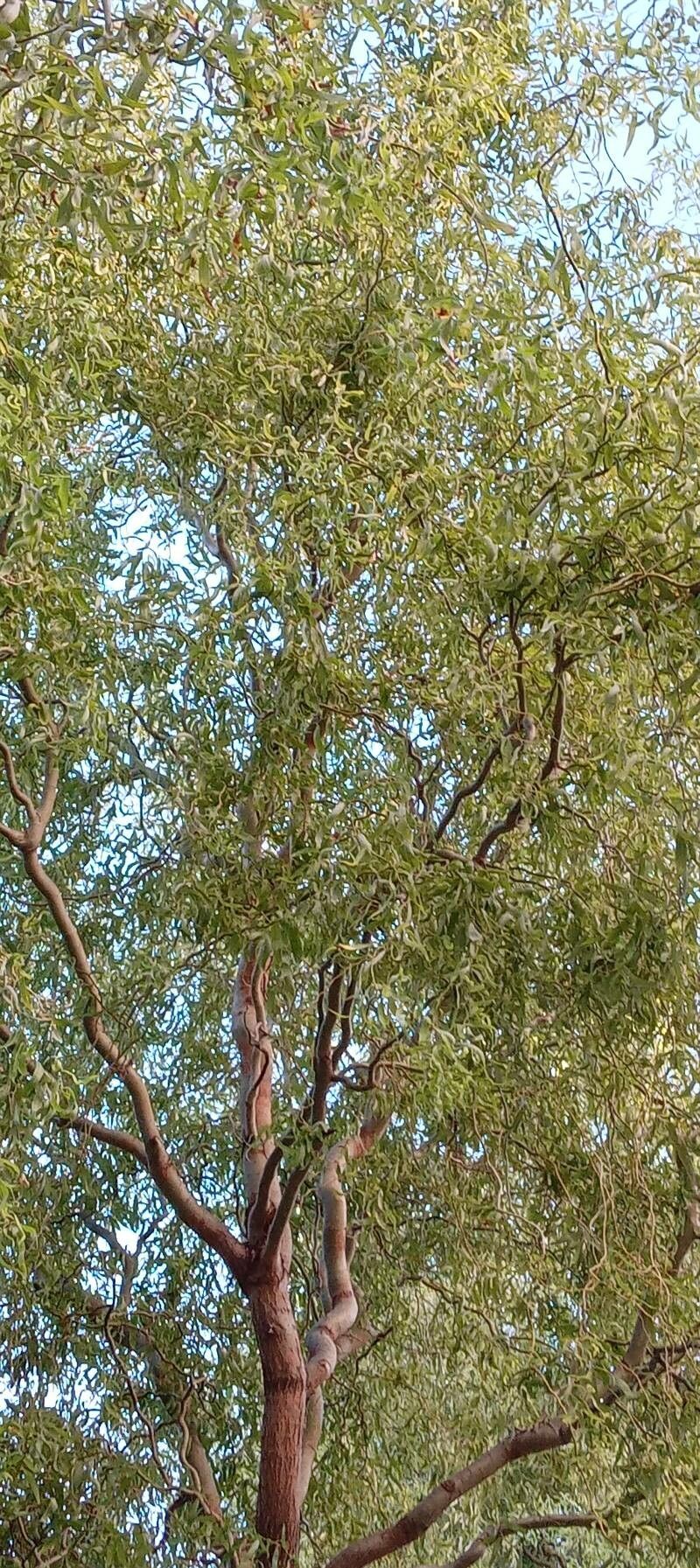
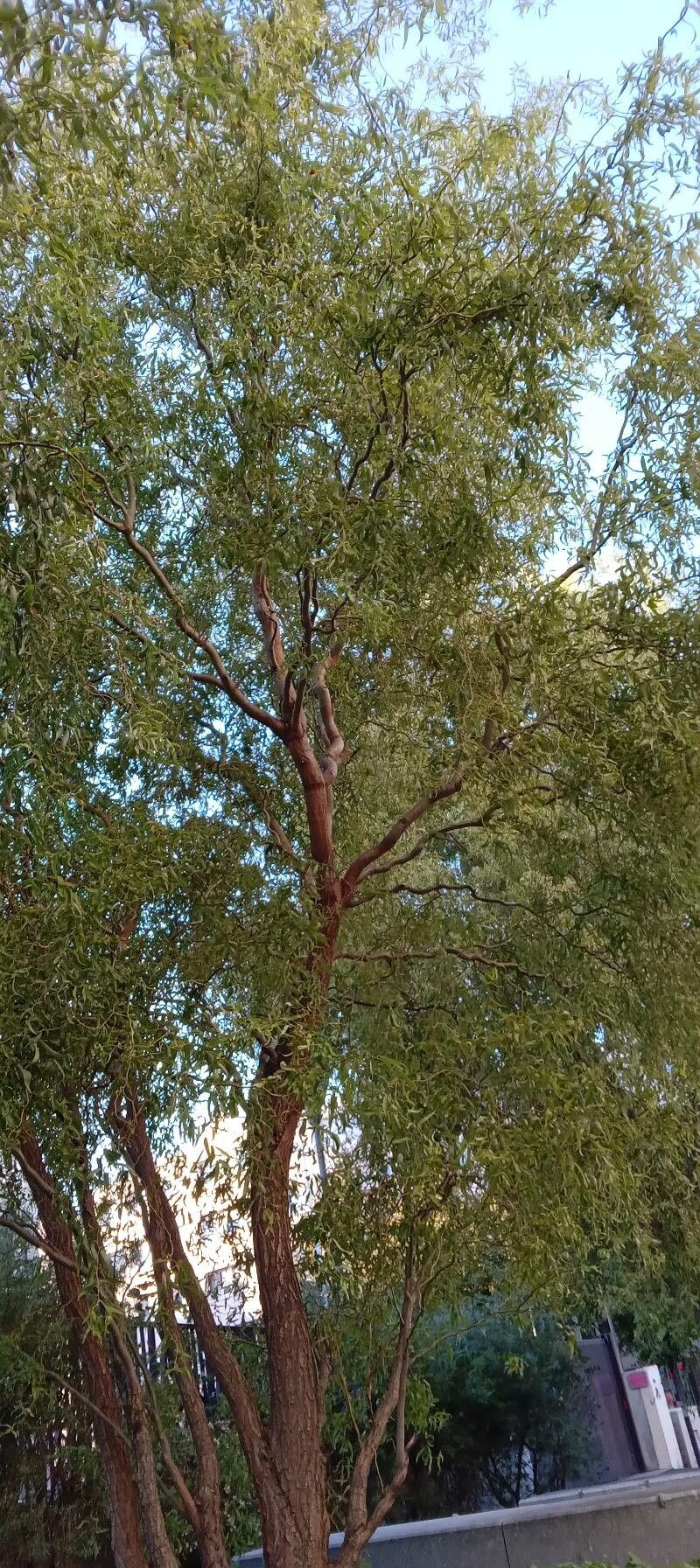
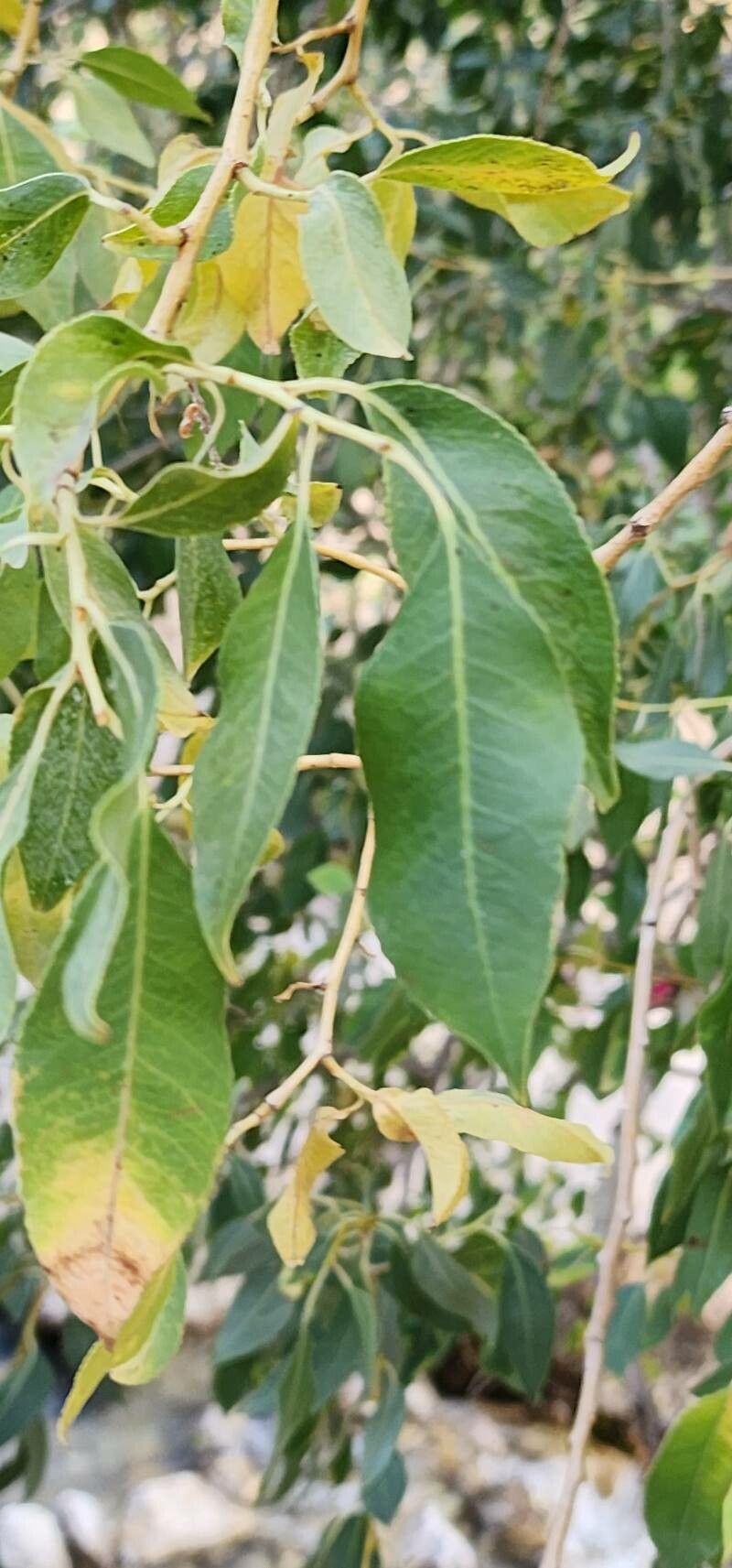
This tree can reach a height of up to 20 meters and features a broad crown with a trunk diameter of up to 1 meter. Its leaves are lance-shaped, glossy green on the top with pale undersides, and can grow up to 15 cm long. The bark is grayish-brown with deep fissures, giving it an attractive texture.
Salix matsudana produces catkins in early spring before its leaves emerge from buds. The male catkins can be up to 10 cm long, while the female catkins are shorter, up to 5 cm. The flowers are pollinated by insects such as bees.
The Chinese willow prefers moist soils but can tolerate drought conditions once established. It thrives best in full sun but can also handle partial shade.
Additionally, Salix matsudana has been used in traditional Chinese medicine for centuries due to its anti-inflammatory properties, which help alleviate pain from arthritis and other inflammatory conditions.
In summary, Salix matsudana is an attractive ornamental tree that not only provides soil stabilization but also boasts medicinal properties. This makes it a valuable plant species both aesthetically and medicinally.
The weeping willow has strong resistance to disease and is typically not susceptible to illnesses. Regarding maintenance, this tree is fairly low-maintenance. When grown outdoors it needs little watering, and mature specimens usually do not require pruning. Young plants, however, should be trimmed after they finish flowering. Weeping willow is appropriate for anyone with an outdoor area, such as a garden or a deck, and does not demand extensive care experience.
How to keep Salix Matsudana.
Light
Weeping willow prefers locations that receive strong sunlight for most of the day. It can also tolerate places where sun exposure is somewhat reduced, or even greatly diminished. Too much sun can cause leaf scorch, while excessive shade may lead to poor growth. Its native habitat receives a high amount of sunlight.
Water
Corkscrew willow has unique water requirements despite being more drought-tolerant than other willows. Plant Corkscrew willow where the soil is typically damp to reduce the need for regular watering, such as in the lowest area of your garden where water pools after a storm or in a green area.
Temperature
The weeping willow comes from temperate regions and prefers temperatures from 41 to 95 ℉ (5 to 35 ℃). In summer it can tolerate higher heat but needs ample irrigation to prevent heat stress. In winter it can withstand some frost but should be protected from extreme cold below 5 ℉ (-15 ℃).
Fertilizer
Apply fertilizer to your weeping willow in early spring to encourage healthy growth. Regular feeding improves overall health, leading to vigorous growth, better tolerance of harsh conditions, and increased resistance to diseases and pests. Keep a consistent fertilization schedule for your weeping willow to preserve bright, richly colored foliage and a full, lush appearance.
Pruning
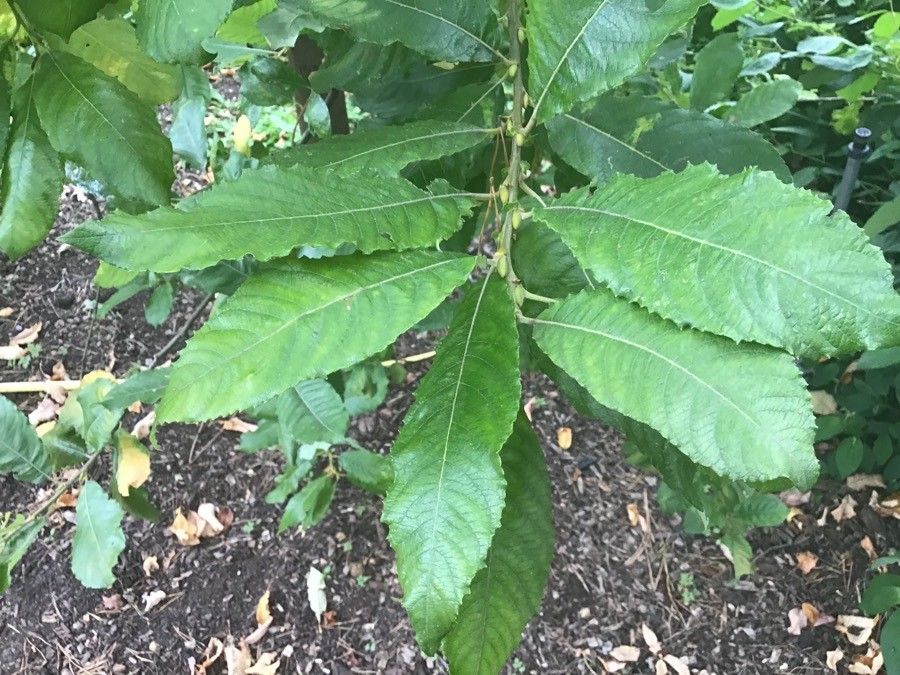
Typically well-formed trees, corkscrew willows require little maintenance. However, March is a good time to do some little pruning. Any branches that are sick, damaged, or dead should be removed. To maintain the tree healthy and happy, try to build an open framework with no branches touching one another. The flowers are white with a pink tint, and the alternating leaves have serrated edges.
Pot & Repot
When repotting Weeping willow, choose a pot 1-2 inches (2.5–5.1 cm) larger with ample drainage. Use a well-draining potting mix. Repot in spring or fall, ensuring that the root ball is slightly lower than the rim of the flower pot. Water thoroughly after repotting and place in a warm spot with indirect sunlight.
Toxicity
According to the Victorian Resources Online, the Salix genus is non-toxic. Still, the Corkscrew Willow could be potentially dangerous to dogs if consumed in large quantities.
Further reading →
The toxicity and danger assessments provided are for reference only. We do not assure their accuracy, so it's crucial not to depend on them. Seek professional advice when necessary for accurate guidance.
Botanical profile.
- Plant Type
- Tree
- Life Cycle
- Perennial
- Genus
- Salix
- Family
- Salicaceae
- Hardiness Zone
- 4-9
- Mature Height
- 20.12 m
- Mature Spread
- 3.96 m to 7.92 m
- Leaf Color
- Green, Light Green
- Leaf Type
- Deciduous
- Flower Color
- Green, White, Yellow
- Flower Size
- 2.54 cm
- Bloom Time
- Early spring, Mid spring
- Planting Time
- Summer, Autumn, Spring
- Harvest Time
- Late spring, Early summer
- Native Area
- China, Korea
Other names.