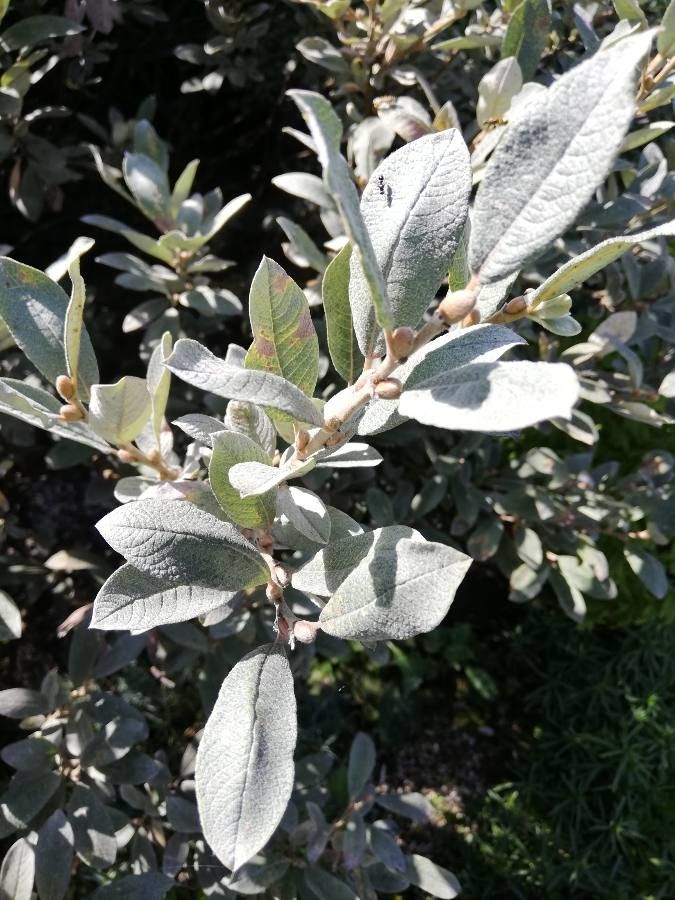
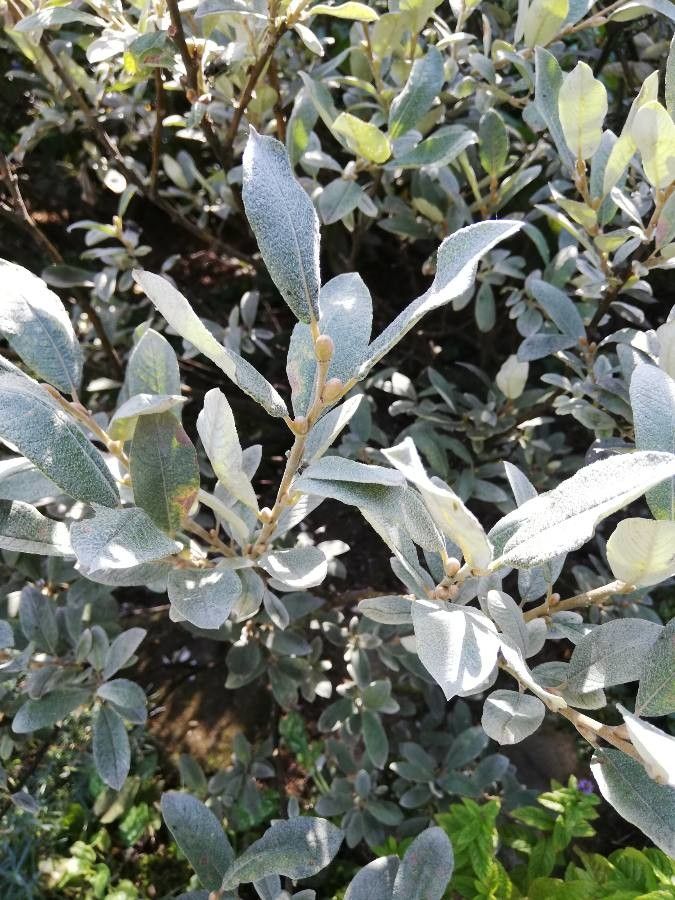
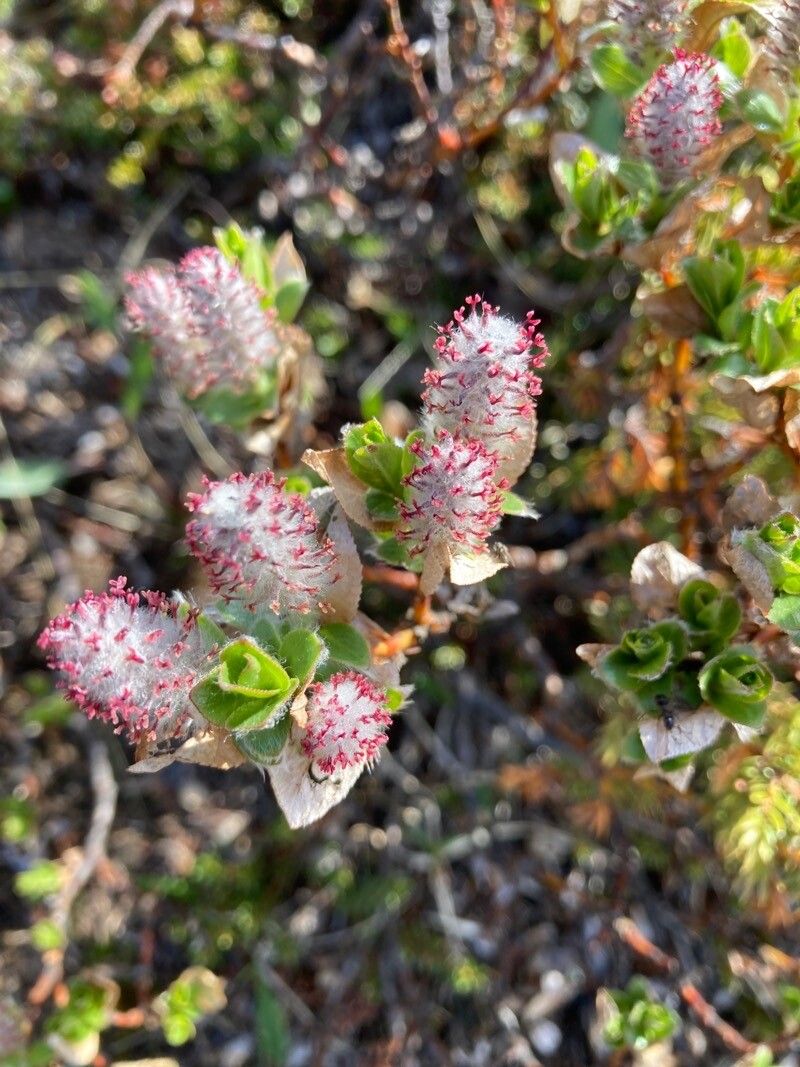
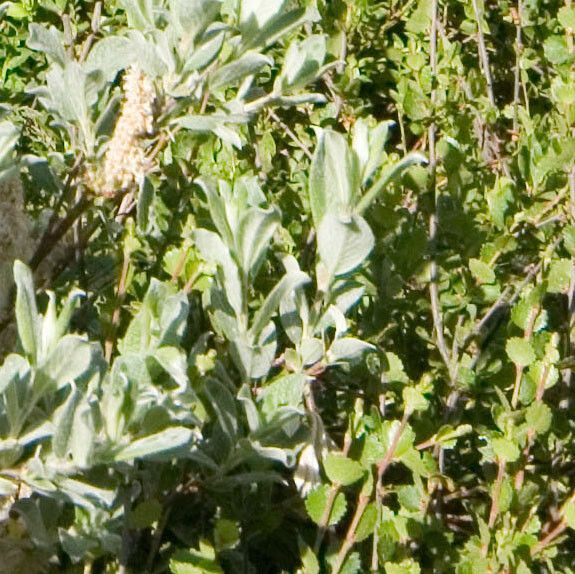
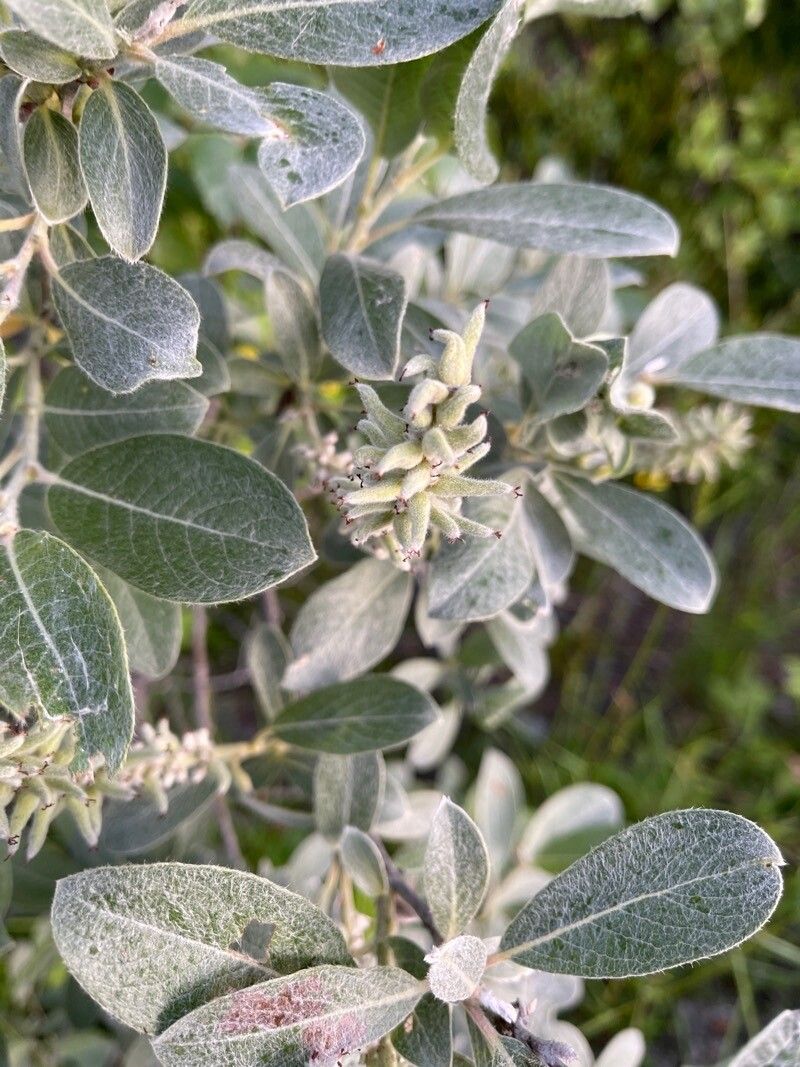
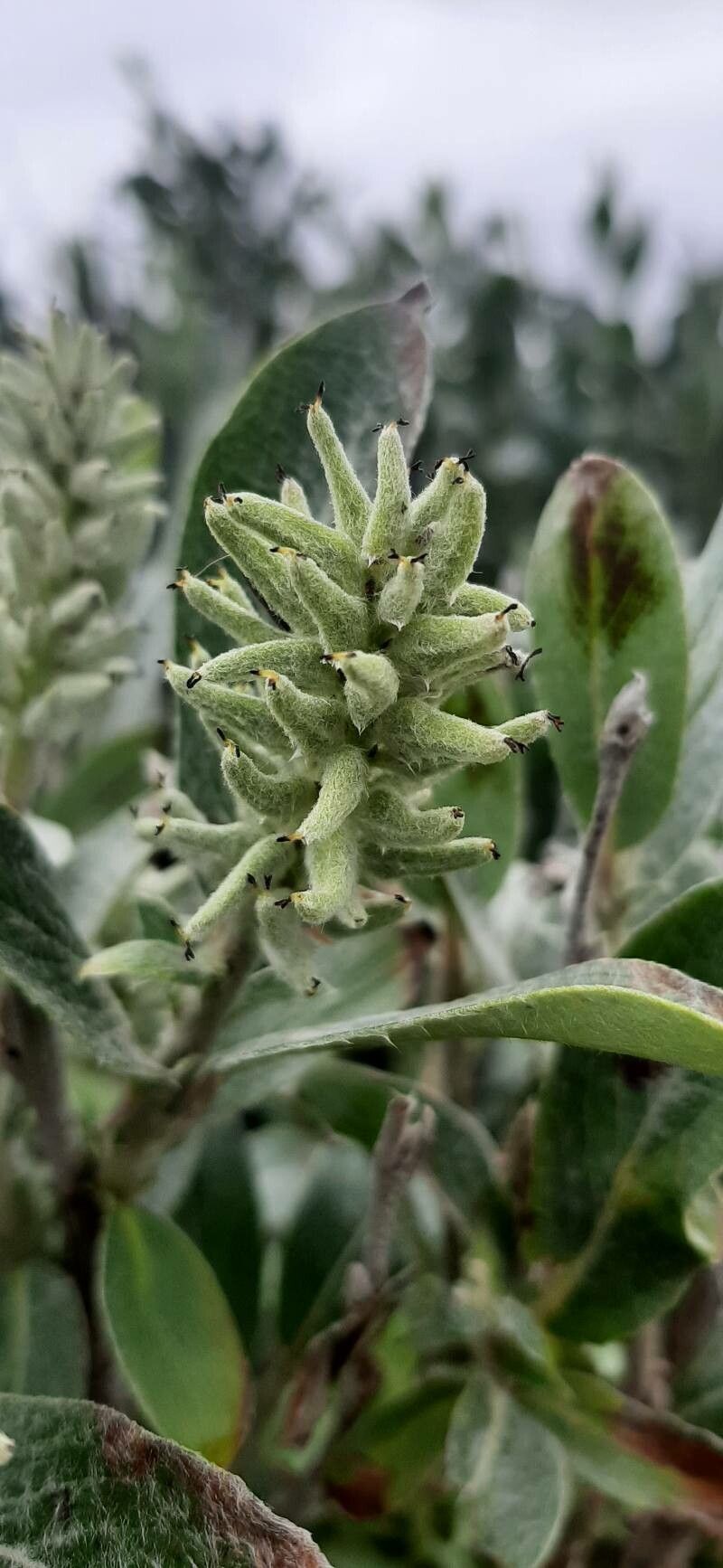
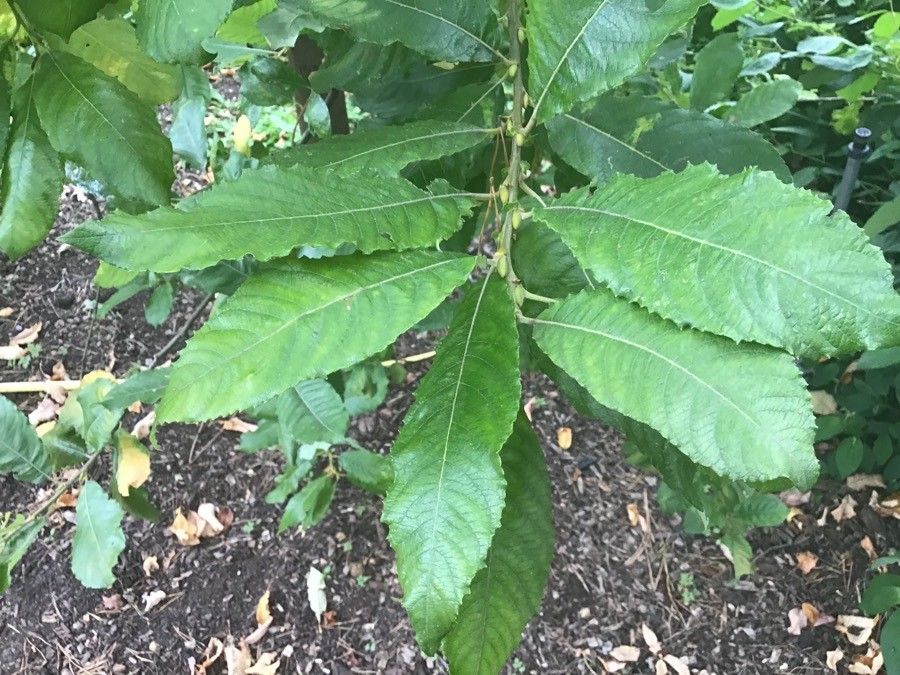
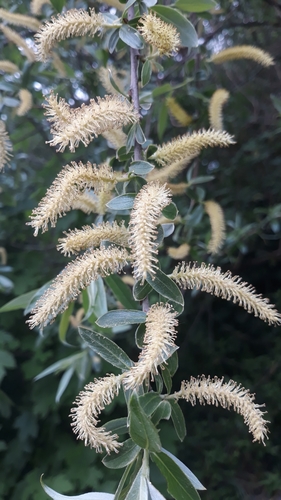
Salix lapponum, the downy willow, is a low, much-branched shrub having a wide distribution in Northern Europe, eastwards to the Altai and western Siberia, and is found as far south as the Pyrenees and Bulgaria. In Scotland, UK, it can be found on rocky mountain slopes and cliffs, generally at altitudes of 200–900 m (660–2,950 ft). It grows to a height of 1.5 m (4.9 ft). As described in Stace and BSBI Salix lapponum has the following characteristics:
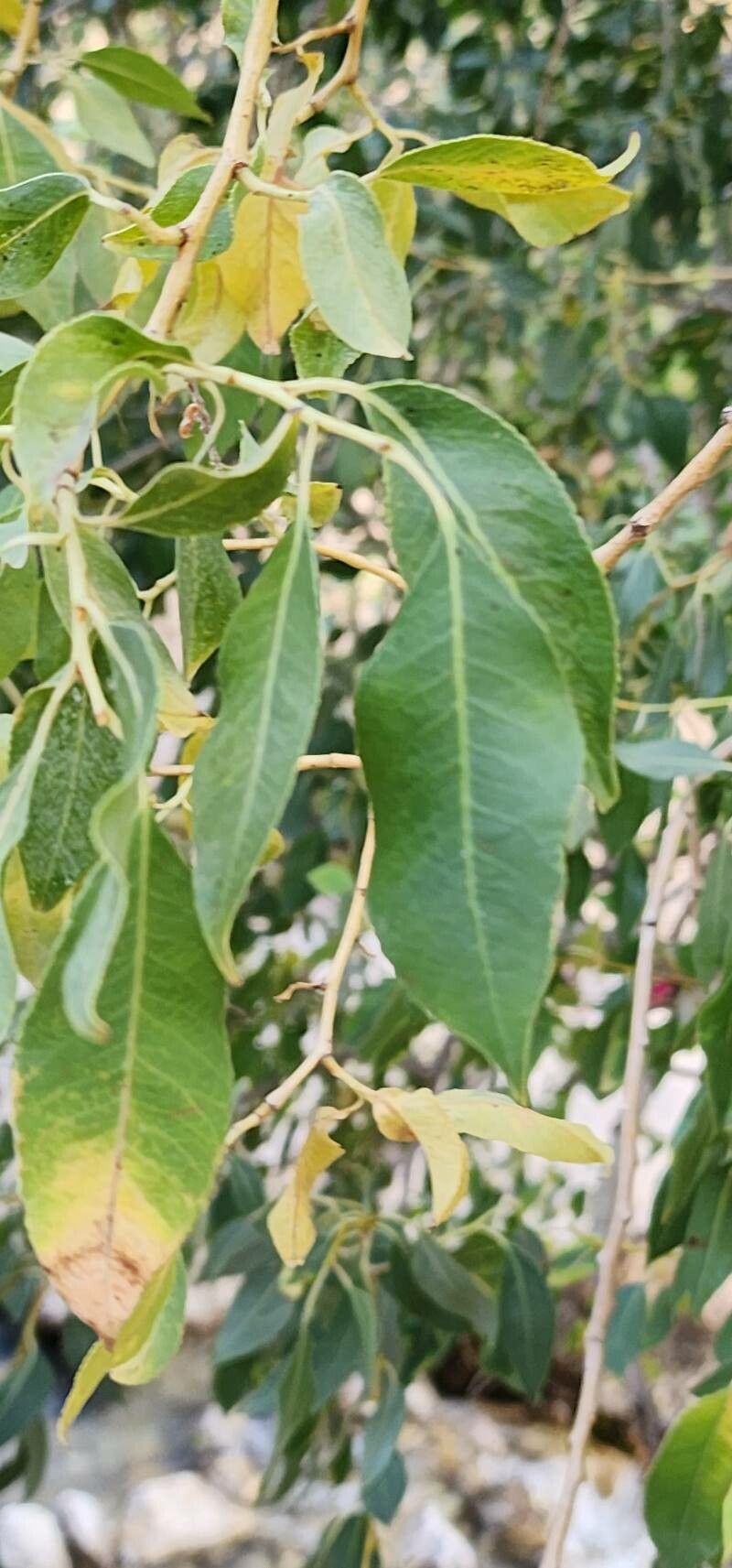
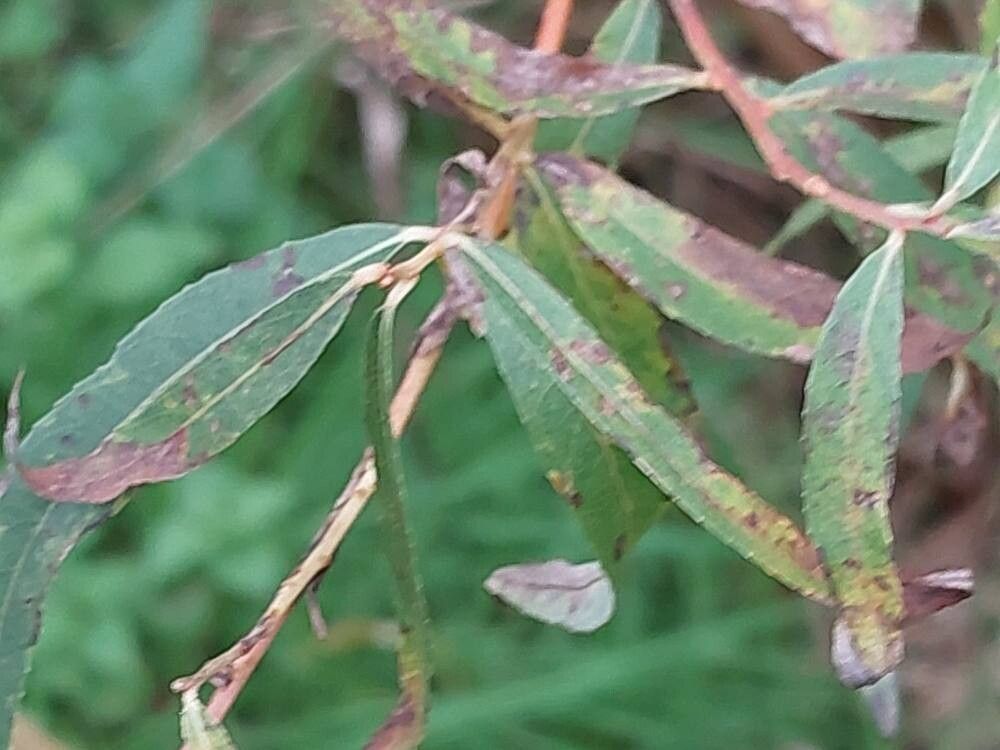
Twigs hairy at first, hairless and rather glossy dark reddish brown later. Leaves usually lanceolate to 7 cm long by 2.5 cm wide; slightly hairy to hairy on upper side; usually densely hairy on lower side; margins entire or subentire, sometimes a little undulate. Petiole short, occasionally up to 1 cm long but usually less than 5mm.
Downy willow has strong resistance to disease and is typically not susceptible to illnesses. In terms of care, this plant is fairly low-maintenance. When planted outdoors it needs little watering, and larger specimens usually do not require pruning. Smaller plants should be trimmed after they have finished blooming. Downy willow is suitable for anyone with outdoor space, such as a garden or deck, and does not require much care experience.
How to keep Salix Lapponum.
Light
Downy willow is native to open habitats, for example sunlit meadows and forest margins, which provide abundant light. It prefers Full Sun but can also tolerate Partial Sun, showing adaptability to different sunlight conditions.
Water
The downy willow thrives in cool, moist environments and prefers consistent moisture. While it is moderately drought-tolerant, it truly flourishes in evenly damp soil. For optimal growth, it should be watered twice a week. This plant is suitable for outdoor cultivation and is well-adapted to seasonal rainfall, which makes it an excellent choice for rain gardens.
Temperature
Downy willow is found in northern areas and in high-altitude mountain regions. It is very temperature-sensitive and prefers cool conditions with good air circulation in summer. Excessive heat in summer can damage Downy willow and may even cause its death. Giving it suitable shade and misting it regularly during hot summer periods can help it get through the season without trouble. Typically, Downy willow does not need particular winter protection, but it is important to water it well before the soil freezes.
Fertilizer
Fertilize your Downy willow in early spring to encourage healthy growth. Regular feeding boosts overall health, producing vigorous growth, greater tolerance of harsh conditions, and better resistance to pests and diseases. Keep a consistent fertilization schedule for your Downy willow to preserve foliage that is vivid in color and has a lush appearance.
Pruning
The downy willow is characterized by its soft, downy leaves and fluffy catkins. To maintain healthy growth, it is best to prune this plant in early spring. Pruning helps by removing dead branches and thinning out crowded areas, which improves air circulation and light penetration, thereby enhancing the plant's vitality. Remember to use sanitized tools to ensure clean cuts and prevent infection.
Botanical profile.
- Plant Type
- Shrub
- Life Cycle
- Perennial
- Genus
- Salix
- Family
- Salicaceae
- Hardiness Zone
- 2-7
- Mature Height
- 0.91 m to 1.52 m
- Mature Spread
- 1.52 m
- Leaf Color
- Gray, Silver
- Leaf Type
- Deciduous
- Flower Color
- Yellow
- Flower Size
- 1.02 cm to 2.03 cm
- Bloom Time
- Early spring, Mid spring
- Planting Time
- Spring
- Harvest Time
- Late spring, Early summer
Other names.
Reader questions.
What are the sunlight requirements for Downy Willow (Salix lapponum)?
Downy Willow, known botanically as Salix lapponum, thrives under specific sunlight conditions. To ensure the plant's health and happiness, it requires 'Full sun' conditions, which means placing it in a location where it receives above 6 hours of sunlight daily. Alternatively, it can also adapt to 'Partial sun' conditions, which provide about 3 to 6 hours of sunlight. It's crucial to observe how sunlight moves through your garden throughout the day to find spots that offer the perfect balance of light and shade suitable for your Downy Willow.
What is the botanical name of Downy Willow?
The botanical name of Downy Willow is Salix lapponum.