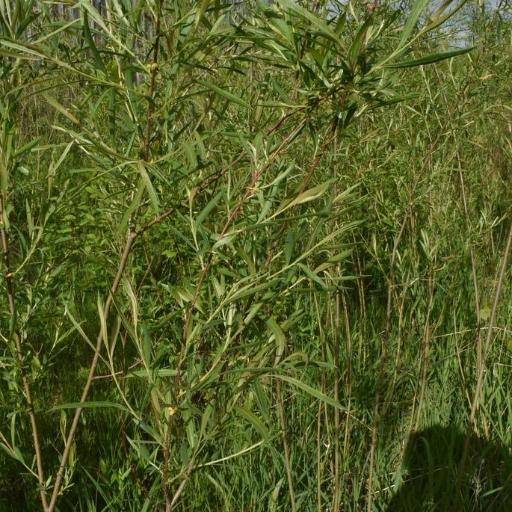
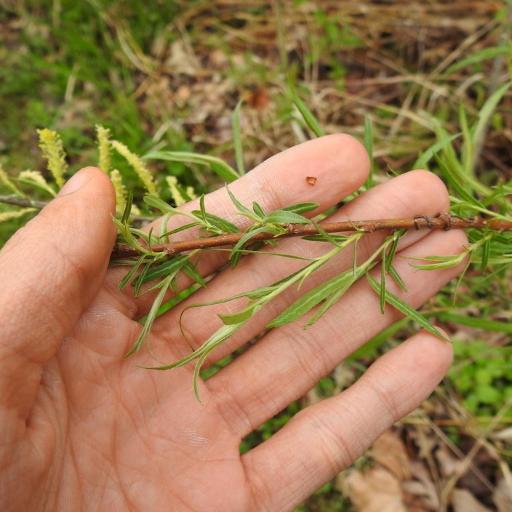
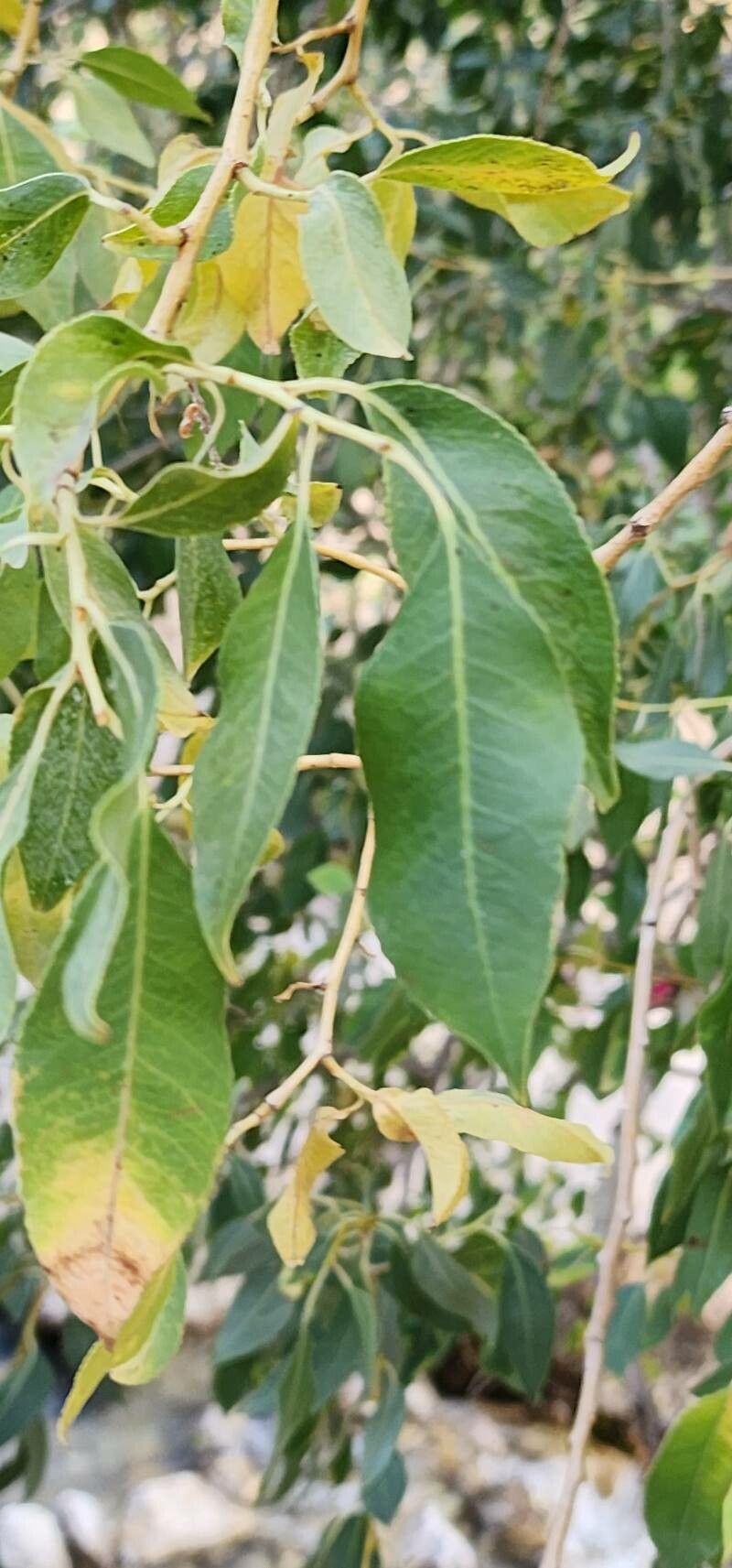
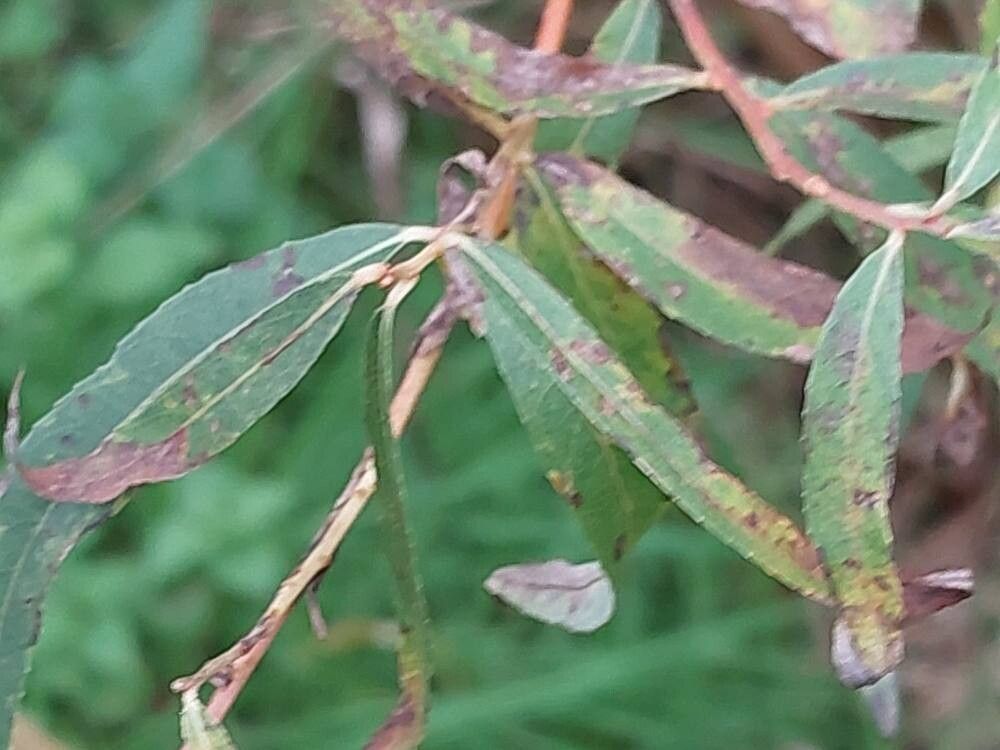
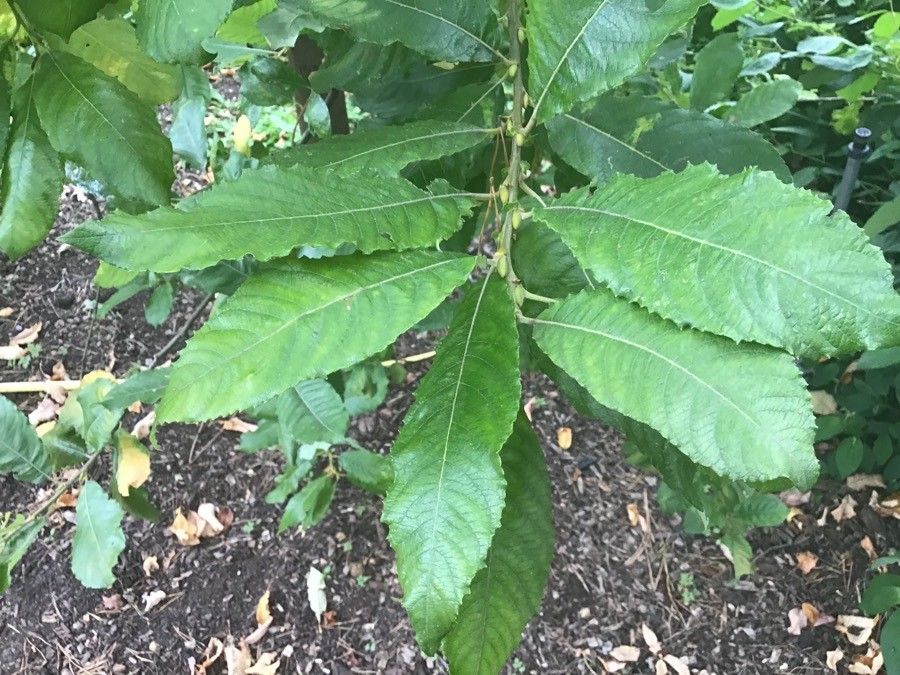
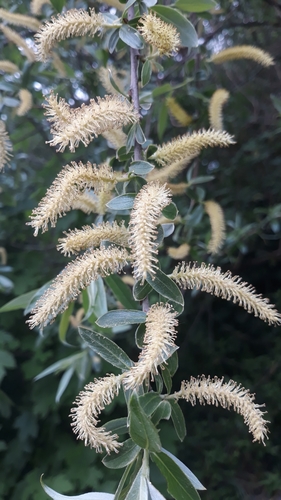
Salix exigua is a species of willow native to most of North America except for the southeast and far north, occurring from Alaska east to New Brunswick, and south to northern Mexico. It is considered a threatened species in Massachusetts while in Connecticut, Maryland, and New Hampshire it is considered endangered.
Sandbar willow is resistant to disease and is generally not susceptible to illnesses. In terms of care, this plant is relatively low-maintenance. When grown outdoors it needs little watering, and larger plants typically do not require pruning. Smaller plants, however, should be pruned after they have finished blooming. Sandbar willow is suitable for anyone with an outdoor area, such as a garden or a deck, and does not demand extensive experience in plant care.
How to keep Salix Interior.
Light
Sandbar willow does best when it receives direct, unobstructed sunlight for most of the day. This light exposure is essential for the plant's optimal growth. Nevertheless, sandbar willow can tolerate locations with only partial sun, showing considerable adaptability. Too much or too little light can affect its health.
Temperature
The sandbar willow originates from regions where temperatures commonly fluctuate and does well in conditions from 32 to 90°F (0 to 32°C). For best growth through the seasons, gently adjust temperatures to imitate its native habitat.
Fertilizer
Fertilize your Sandbar willow in early spring to encourage healthy growth. Regular feeding improves overall health, producing vigorous growth, greater resilience to challenging conditions, and stronger resistance to diseases and pests. Maintain a consistent fertilization schedule for your Sandbar willow to ensure vibrant, deeply colored, lush foliage.
Botanical profile.
- Plant Type
- Tree, Shrub
- Life Cycle
- Perennial
- Genus
- Salix
- Family
- Salicaceae
- Hardiness Zone
- 2-8
- Mature Height
- 1.83 m to 6.71 m
- Mature Spread
- 1.52 m to 3.05 m
- Leaf Color
- Light Green, Olive Drab
- Leaf Type
- Deciduous
- Flower Color
- Yellow, Green
- Flower Size
- 2.03 cm to 5.08 cm
- Bloom Time
- Mid spring, Late spring, Early summer
- Planting Time
- Spring, Autumn
- Harvest Time
- Early summer, Mid summer
Other names.