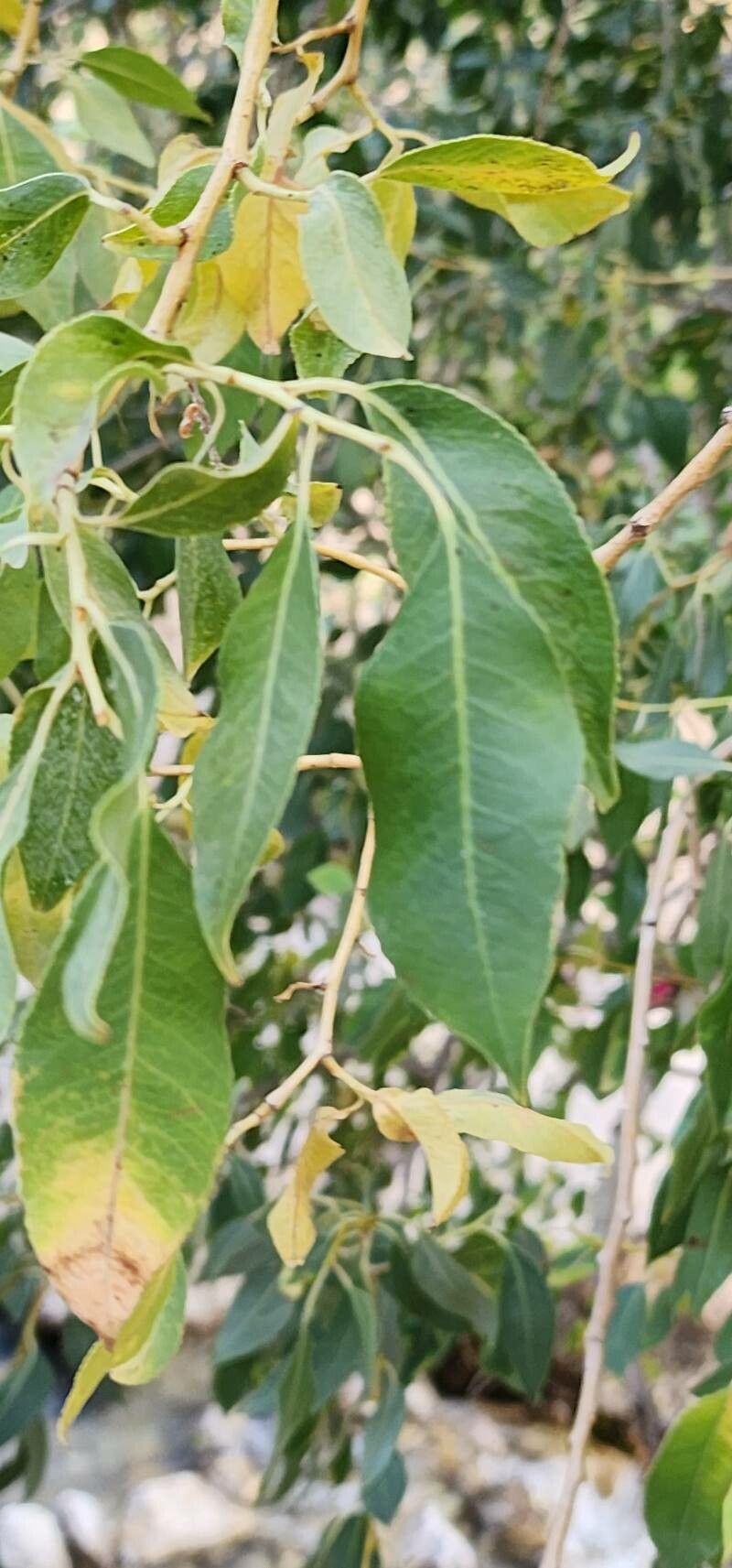
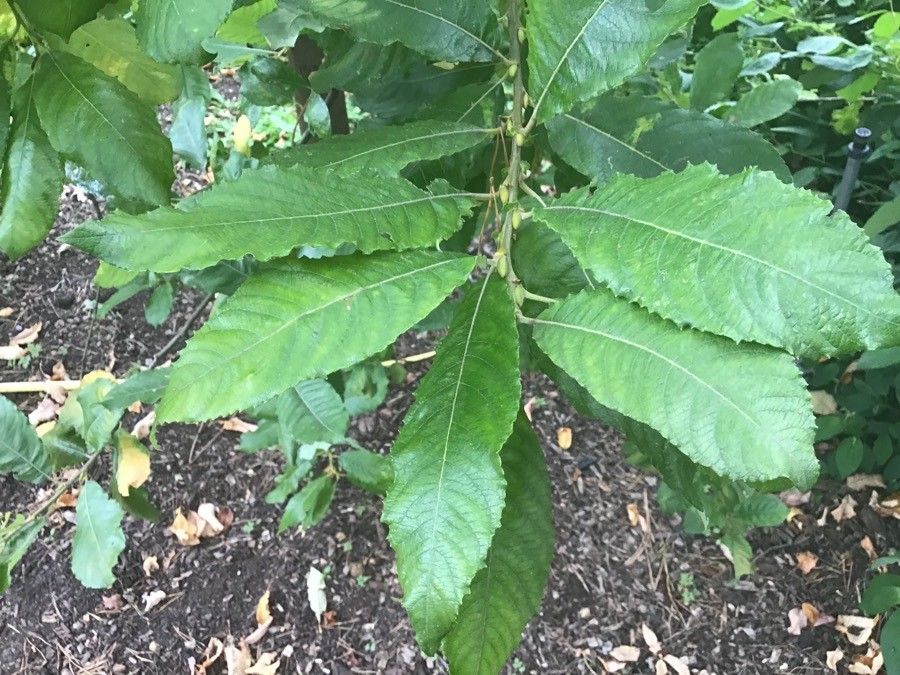
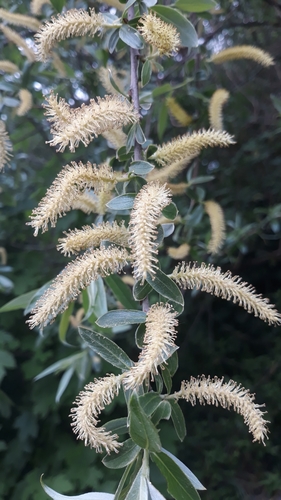
Salix eastwoodiae is a species of willow known by the common names mountain willow, Eastwood's willow, and Sierra willow. It was first described by Bebb in 1879 as Salix californica. This name was later found to be illegitimate, as Lesquereux had given the same name to a fossil willow in 1878. It is native to California, Nevada, and the north-western United States. It grows in subalpine and alpine climates in mountain habitats such as talus and streambanks.
Mountain willow has strong resistance to disease and is generally not susceptible to illnesses. In terms of maintenance, this plant is fairly low-maintenance. When planted outdoors it needs minimal watering, and larger specimens typically do not require pruning. Smaller plants, however, should be pruned after they finish blooming. Mountain willow is suitable for anyone with outdoor space, such as a garden or deck, and does not demand much care experience.
How to keep Salix Eastwoodiae.
Light
Mountain willow is native to open spaces like bright meadows and the outskirts of forests, where there is plenty of light. It flourishes under intense sunlight but can also withstand moderate sunlight, exhibiting good adaptability to different levels of sunlight exposure.
Water
The mountain willow, native to moist environments, needs regular watering to thrive. While it can tolerate moderate drought, it should be watered twice a week for best results. Typically grown outdoors, the mountain willow benefits from seasonal rainfall, which helps ensure it gets enough water for optimal growth throughout the year.
Fertilizer
To foster healthy development, administer fertilizer to your Mountain willow at the onset of spring. Systematic fertilization boosts the overall wellbeing, leading to robust growth, durability in challenging environments, and enhanced resistance to diseases and pests. Uphold a particular fertilization timetable for your Mountain willow to guarantee radiant foliage of intense color and a dense appearance.
Pruning
Mountain willow is a deciduous shrub known for its catkins and slender leaves. To maintain its health and appearance, follow these pruning guidelines: - Prune in early spring: Remove any dead branches and thin out crowded areas to improve airflow. - Shape overgrown stems: This encourages dense foliage and promotes blooming. - Always use clean tools: This helps prevent the spread of disease.
Botanical profile.
- Plant Type
- Shrub
- Life Cycle
- Perennial
- Genus
- Salix
- Family
- Salicaceae
- Hardiness Zone
- 3-7
- Mature Height
- 0.91 m to 3.05 m
- Mature Spread
- 0.91 m to 2.13 m
- Leaf Color
- Green, Dark Green
- Leaf Type
- Deciduous
- Flower Color
- White, Yellow
- Flower Size
- 1.02 cm to 2.03 cm
- Bloom Time
- Early spring, Mid spring
- Planting Time
- Summer
- Harvest Time
- Late spring, Early summer
Other names.
Reader questions.
What are the sunlight requirements for a Mountain Willow (Salix eastwoodiae)?
The Mountain Willow (Salix eastwoodiae) thrives in various sunlight conditions. It requires full sun, which is defined as above 6 hours of sunlight daily, to flourish optimally. However, it can also grow well in partial sun, meaning the plant should receive about 3-6 hours of sunlight. It's important to observe the way sunlight moves through your garden throughout the day to identify spots that offer a balance of light and shade. This ensures the plants are placed in conditions that meet their sunlight needs for healthy growth.
What is the botanical name of Mountain willow?
The botanical name of Mountain willow is Salix eastwoodiae.