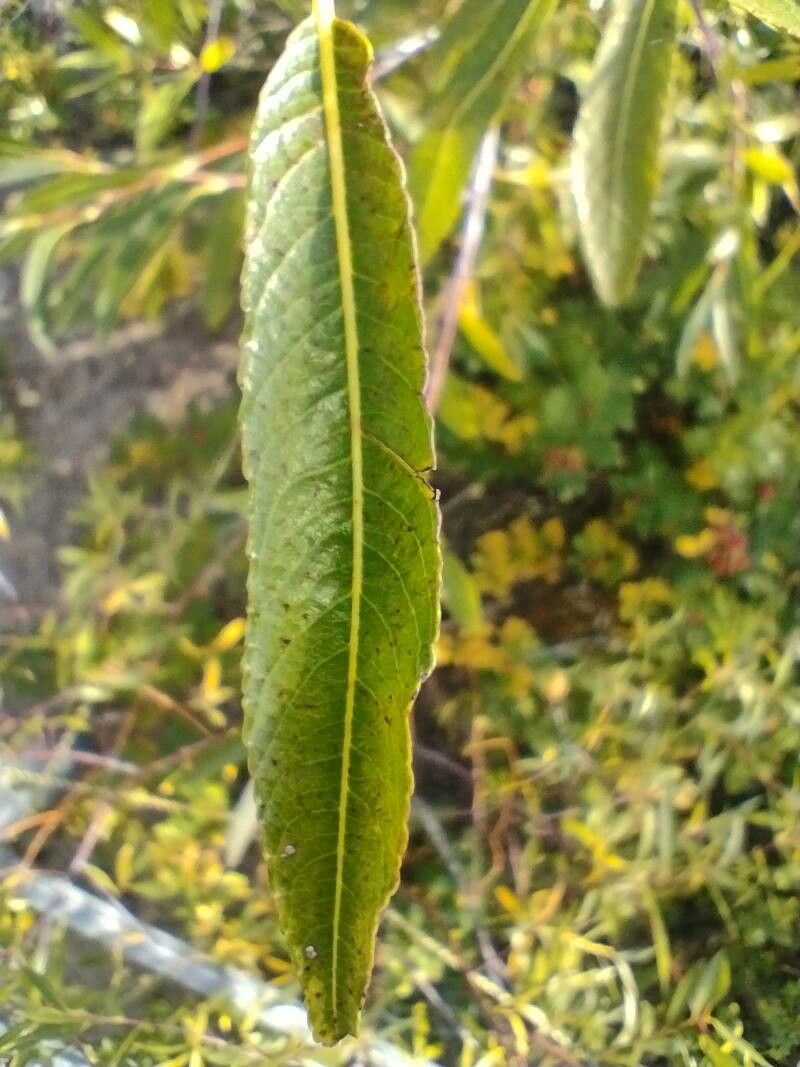
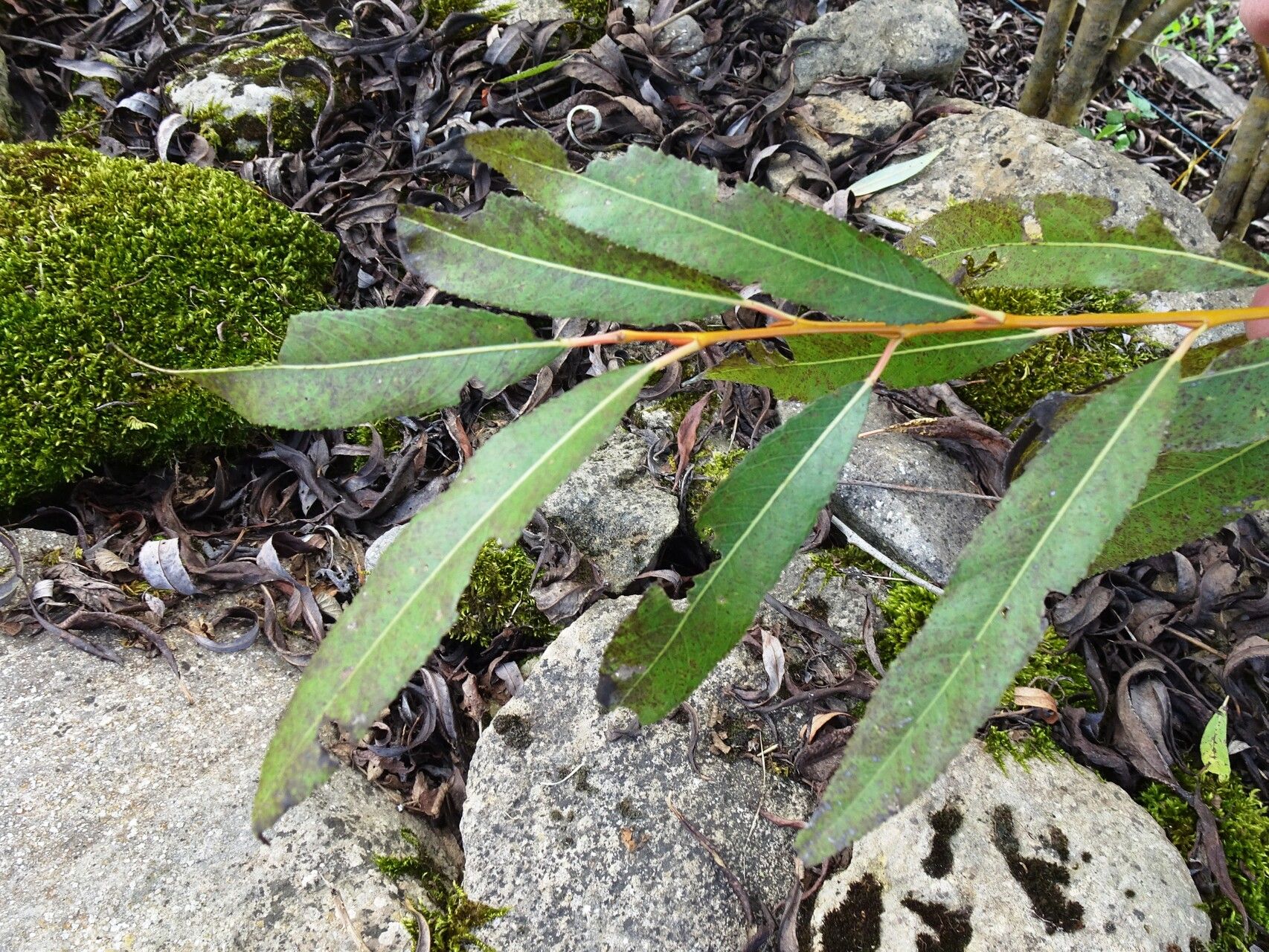
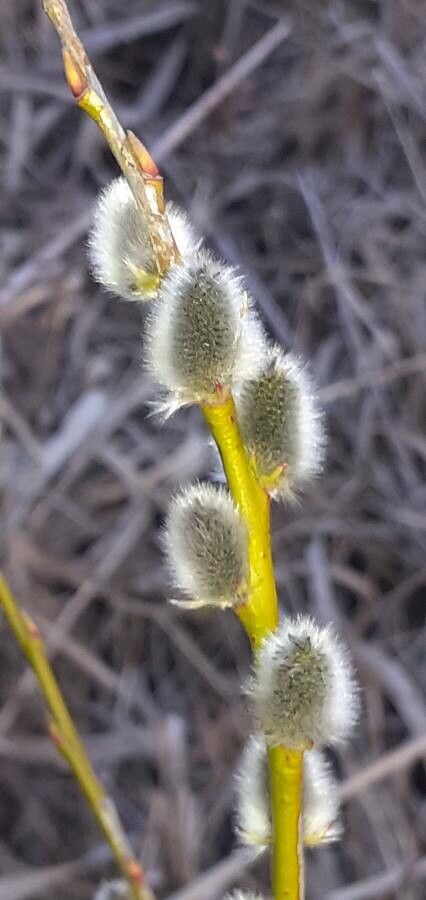
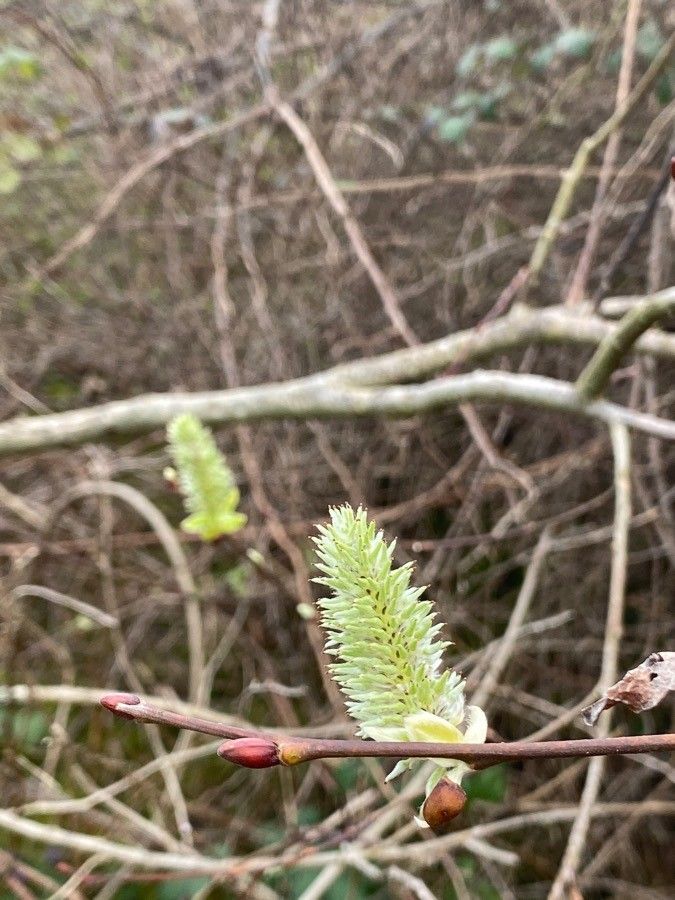
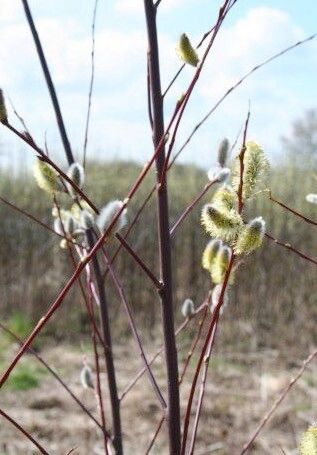
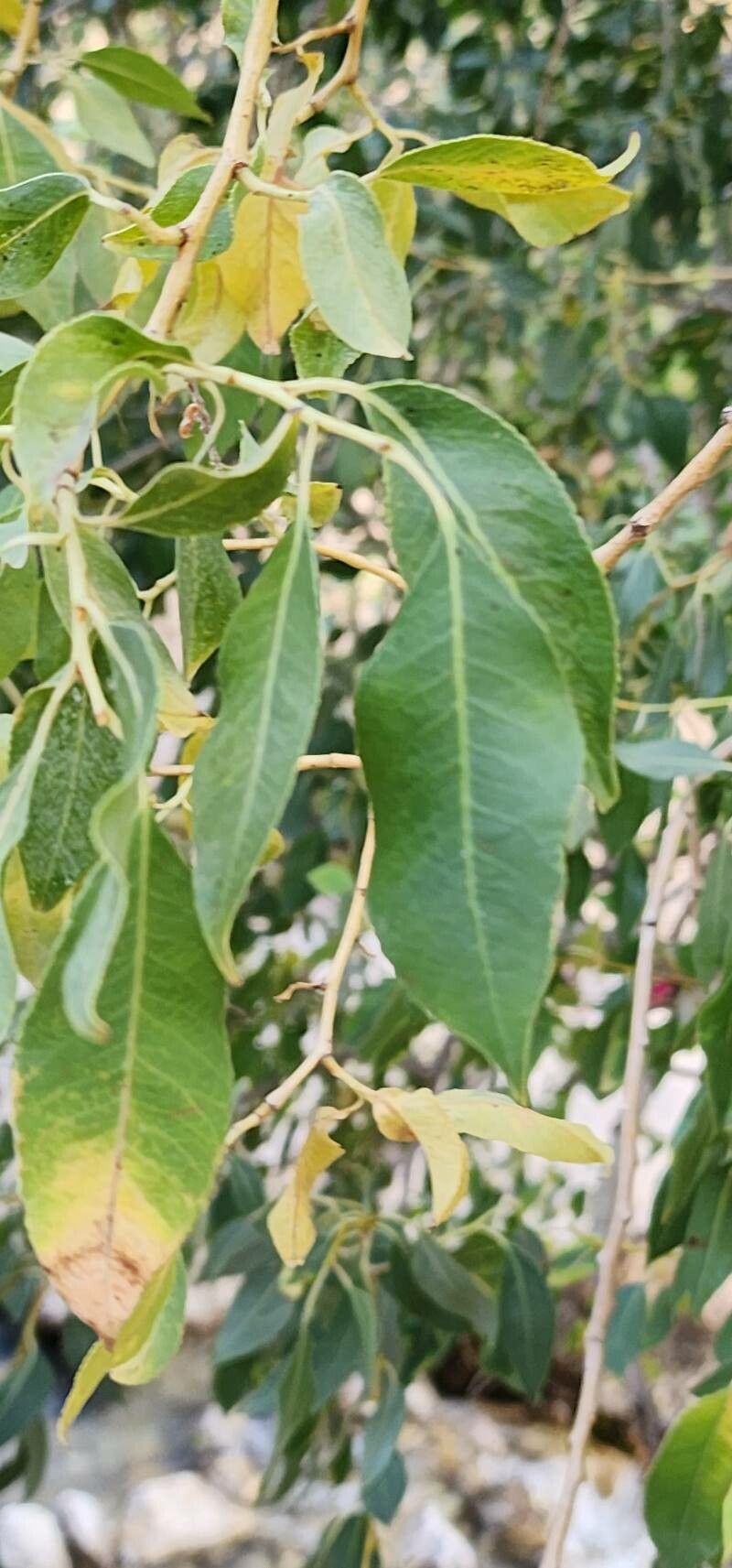
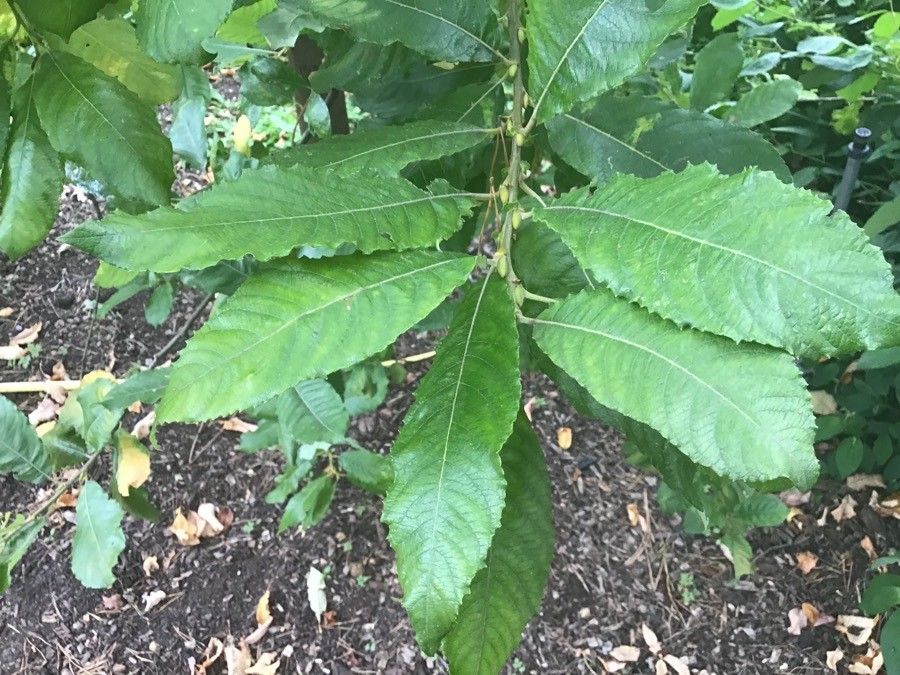
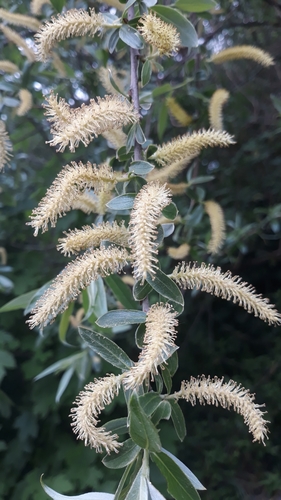
Salix daphnoides, the European violet willow, is a species of plant in the family Salicaceae. It can grow as a large shrub or small tree, normally reaching a height of 6–8 m (20–26 ft), but can grow up to 12 m (39 ft) tall.
The European violet-willow has strong resistance to disease and is generally not susceptible to illnesses. Regarding care, this plant is fairly low-maintenance. When grown outdoors it needs only minimal watering, and larger plants usually do not require pruning. Smaller plants, however, should be pruned after they finish blooming. The European violet-willow is appropriate for anyone with outdoor space, such as a garden or a deck, and does not demand much gardening experience.
How to keep Salix Daphnoides.
Light
The European violet-willow is native to open habitats, such as sunny meadows and forest edges, that offer abundant light. It performs best in Full Sun but can also tolerate Partial Sun, showing adaptability to a range of sunlight conditions.
Water
The European violet-willow is well-suited to brief periods of drought, but it thrives in moist environments such as riverbanks. It should be watered every 1-2 weeks, taking care to keep the soil moist without causing waterlogging. Because this plant is sensitive to changes in precipitation, it needs extra attention during dry spells in order to mimic its natural habitat.
Temperature
European violet-willow is highly adaptable to a wide range of climate conditions, from blazing summers to frosty winters. Still, it does have an optimal temperature range for healthy growth. When temperatures climb too high, the plant can suffer heat and humidity stress that may lead to its death. In areas where temperatures get close to its lower cold-tolerance limit, taking insulating measures to protect the plant is important.
Fertilizer
Fertilize your European violet-willow in early spring to encourage healthy growth. Consistent fertilizing boosts overall vigor, producing strong growth, greater tolerance of adverse conditions, and better resistance to diseases and pests. Stick to a regular fertilization routine for your European violet-willow to maintain richly colored, lush foliage.
Pruning
To promote healthy growth, prune the European violet-willow in early spring. Use techniques such as removing dead branches and thinning dense areas to improve airflow. Make sure your tools are clean to prevent the spread of disease. Pruning at this time aligns with the tree's growth cycle, ensuring optimal recovery and shaping for a vigorous appearance.
Botanical profile.
- Plant Type
- Tree, Shrub
- Life Cycle
- Perennial
- Genus
- Salix
- Family
- Salicaceae
- Hardiness Zone
- 4-7
- Mature Height
- 2.13 m to 6.1 m
- Mature Spread
- 3.96 m to 6.1 m
- Leaf Color
- Yellow, Green
- Leaf Type
- Deciduous
- Flower Color
- Yellow
- Flower Size
- 2.03 cm to 3.05 cm
- Bloom Time
- Late winter, Early spring
- Planting Time
- Spring, Summer, Autumn
- Harvest Time
- Mid spring, Late spring
- Native Area
- Russia, Lithuania, Norway, Germany, Sweden, Estonia, Latvia
Other names.
Reader questions.
What are the sun requirements for European violet-willow?
The European violet-willow, or Salix daphnoides, thrives in various sunlight conditions. It requires 'full sun,' which means it needs more than 6 hours of sunlight daily, to grow best. However, it can also grow well under 'partial sun' conditions, requiring about 3-6 hours of sunlight each day. It's important to observe the way sunlight moves through your garden, selecting spots that offer a good balance of light and shade. This ensures the plants receive the optimal amount of sunlight they need to be happy.