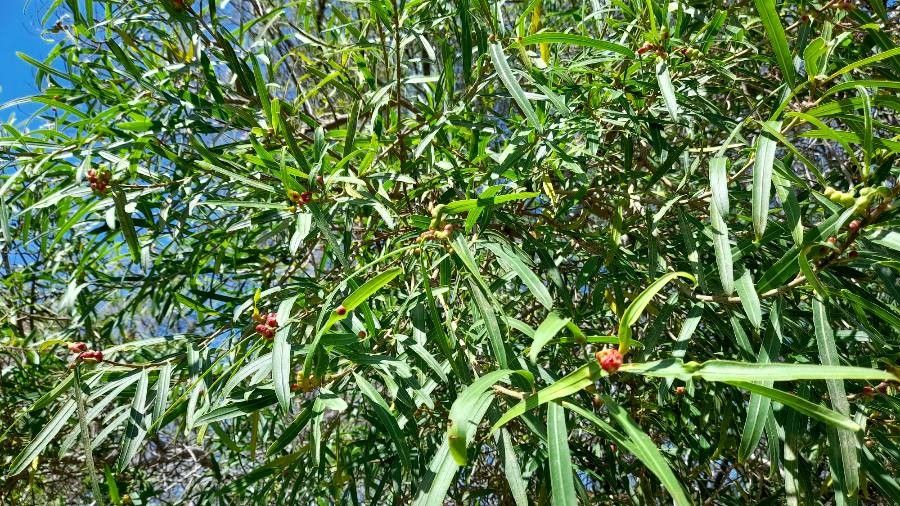
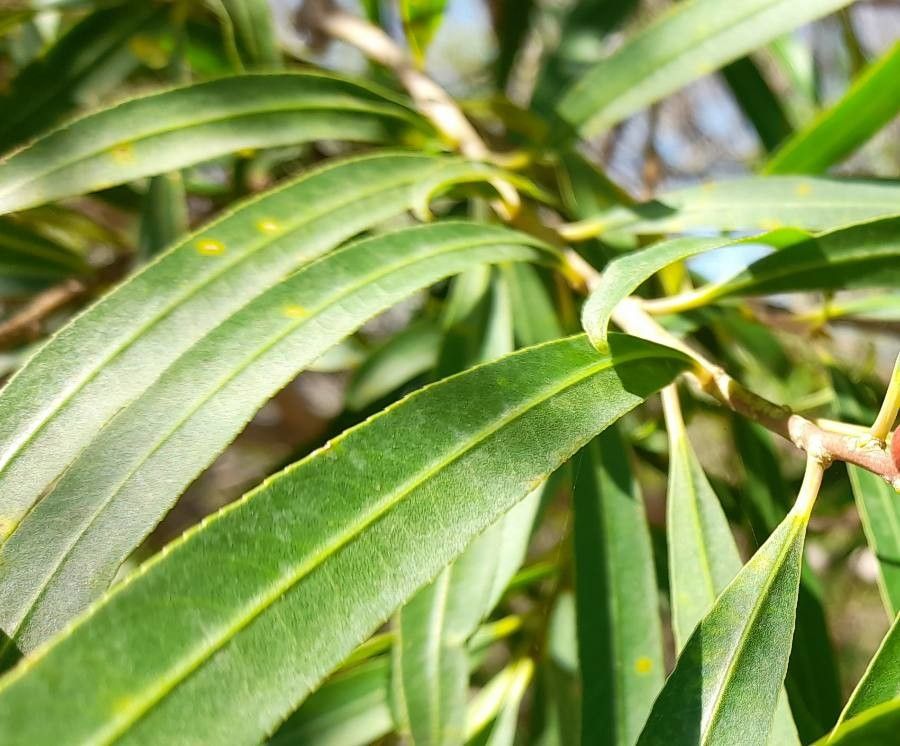
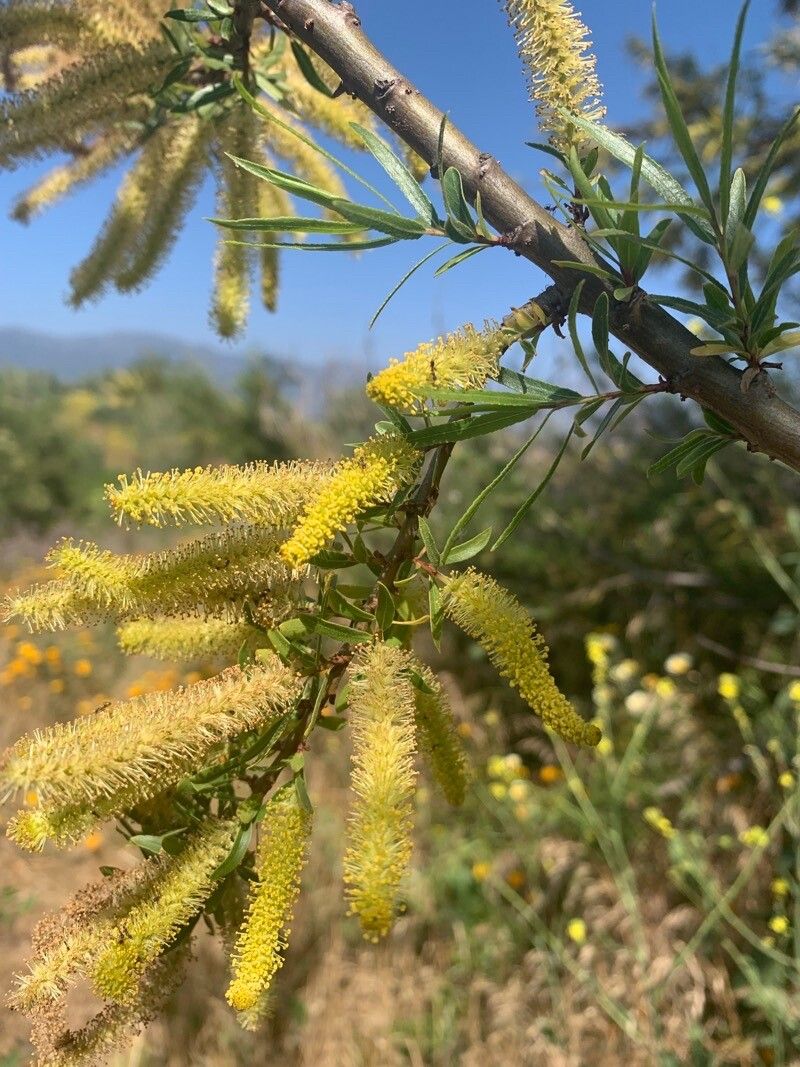
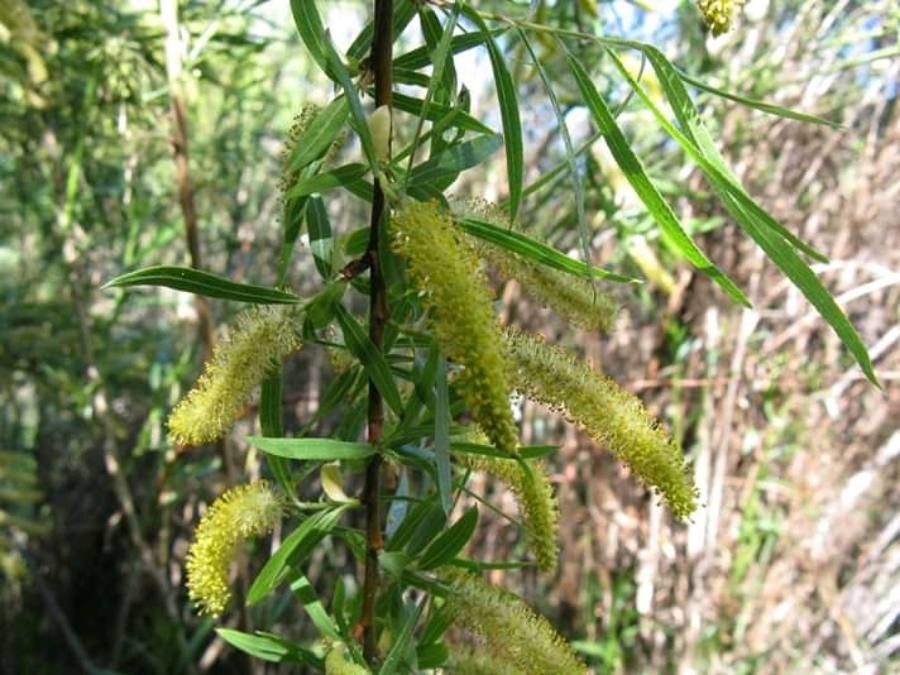
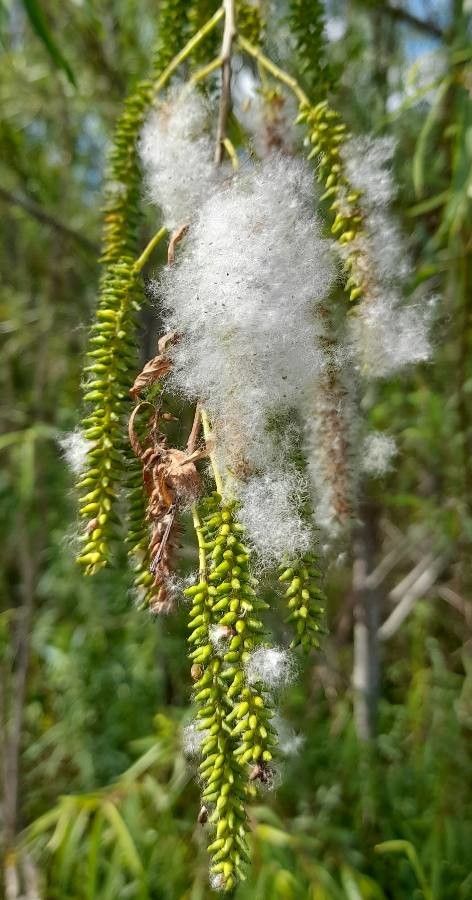
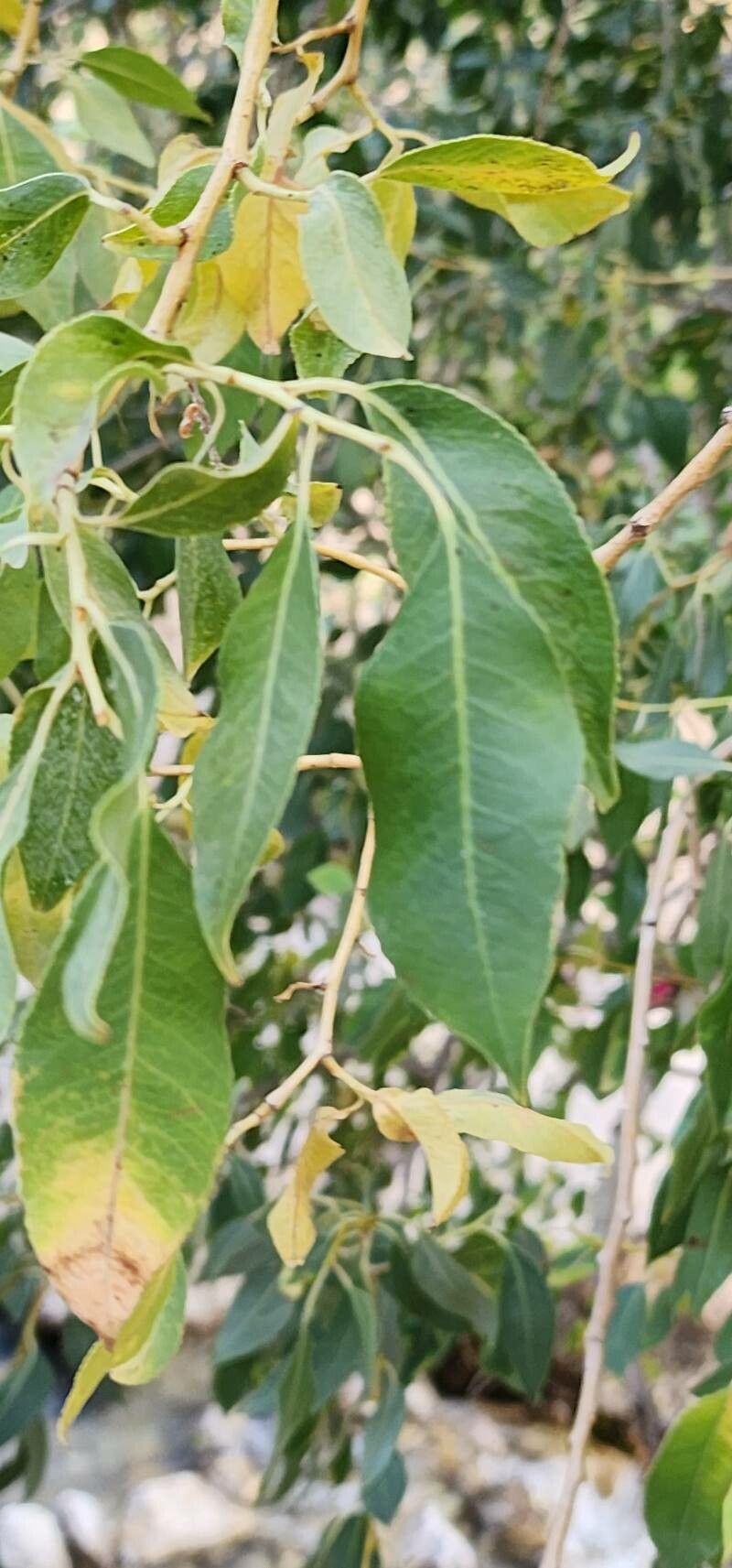
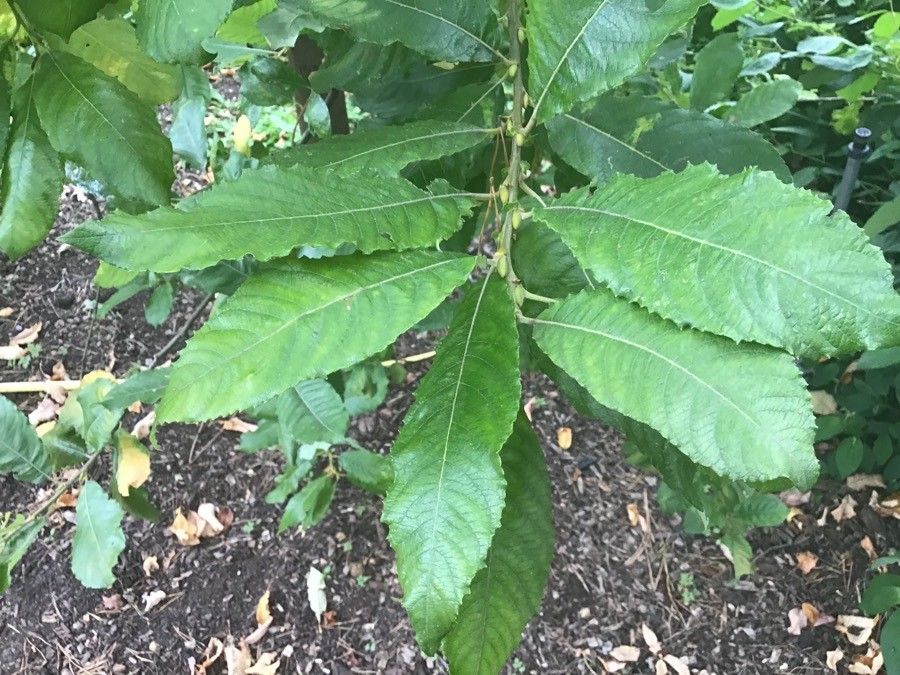
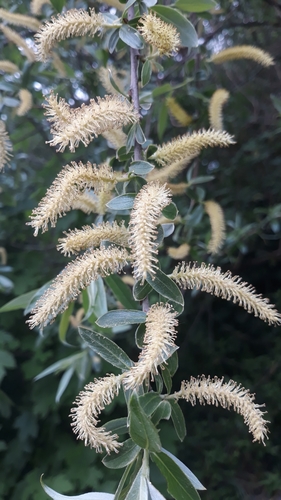
Salix chilensis, commonly known as the Chilean willow, is a deciduous tree native to Chile and Argentina. It belongs to the Salicaceae family and can reach up to 20 meters in height. The tree features a narrow crown with drooping branches, adorned with long, narrow leaves that have serrated edges.
Renowned for its rapid growth rate, the Chilean willow thrives in moist environments such as riverbanks, wetlands, and swamps. It can also grow in drier areas provided there is adequate irrigation.
In early spring, before the leaves emerge, the tree produces small yellow flowers. These flowers are followed by small capsules that contain numerous tiny seeds, which are dispersed by wind or water.
Salix chilensis serves multiple purposes, including erosion control along riverbanks and providing wood for furniture making or fuelwood. Its bark contains salicin, a compound that can be used medicinally for pain relief.
Ecologically, Salix chilensis is significant for its ability to stabilize soil along waterways and provide habitat for wildlife, including birds and insects.
The Chilean pencil willow is disease-resistant and generally not susceptible to illnesses. Carewise, this plant is fairly low-maintenance. When grown outdoors it needs little watering, and larger specimens typically do not require pruning. Smaller plants, though, should be pruned after they finish blooming. The Chilean pencil willow is appropriate for anyone with outdoor space, such as a garden or deck, and does not call for extensive care experience.
How to keep Salix Chilensis.
Light
Chilean pencil willow requires ample sunlight to grow vigorously, preferring direct daytime light to optimize photosynthesis. Its native temperate habitats provide plentiful light that supports effective growth. However, reduced sun exposure can still allow it to maintain a healthy growth cycle. Both excessive and insufficient light can hinder its overall growth.
Temperature
Chilean pencil willow originates from temperate regions and performs best in cooler to moderately warm temperatures of 32 to 90 °F (0 to 32 ℃). Its adaptations include reducing water during freezing temperatures and moving the plant to cooler spots during periods of high heat.
Fertilizer
Correct timing is vital for fertilizing the Chilean pencil willow. Apply fertilizer in early spring and continue once a month until early summer. Fertilizer promotes attractive blooms and supplies energy both during dormancy and in periods of active growth.
Botanical profile.
- Plant Type
- Tree, Shrub
- Life Cycle
- Perennial
- Genus
- Salix
- Family
- Salicaceae
- Hardiness Zone
- 2-7
- Mature Height
- 24.99 m
- Mature Spread
- 20 cm to 76 cm
- Leaf Color
- Light Green, Yellow Green
- Leaf Type
- Deciduous
- Flower Color
- Yellow, Green
- Flower Size
- 0.25 cm
- Bloom Time
- Early spring, Mid spring
- Planting Time
- Spring, Summer, Autumn
- Harvest Time
- Late spring, Early summer
- Native Area
- Uruguay, Colombia, Chile, Belize, Paraguay, Argentina, Honduras, Mexico, Guatemala, Bolivia, Venezuela, Peru, Brazil, El Salvador, Nicaragua, Ecuador, Costa Rica, Panama
Other names.