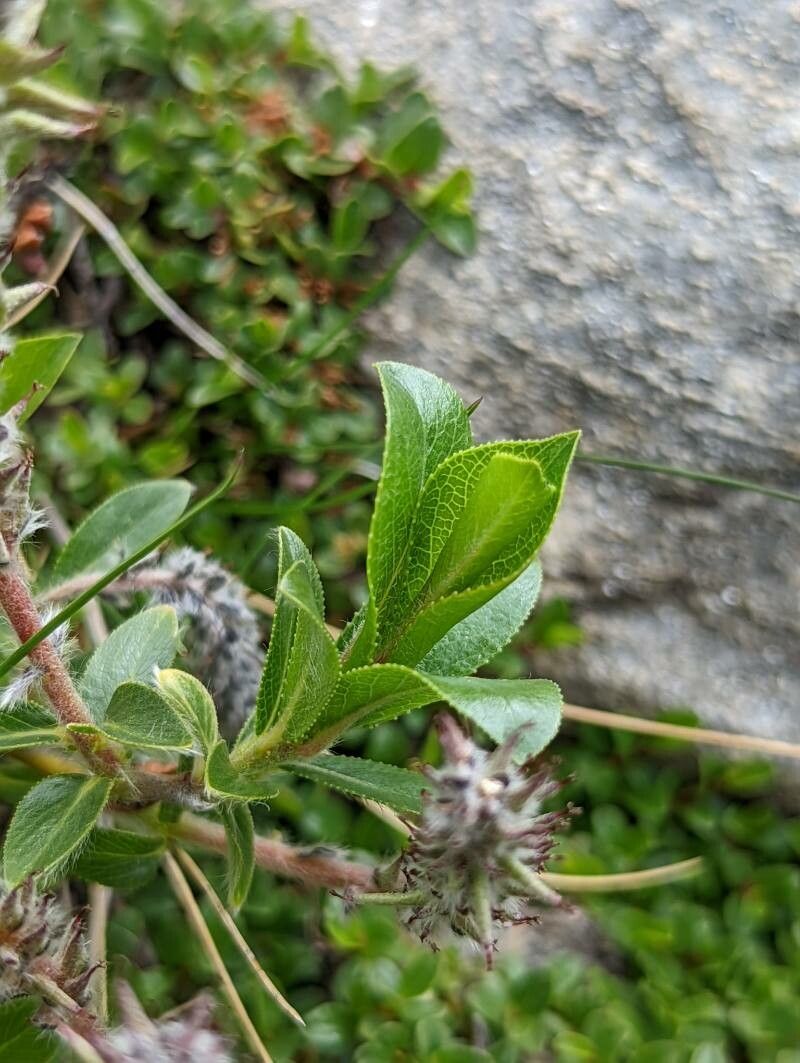
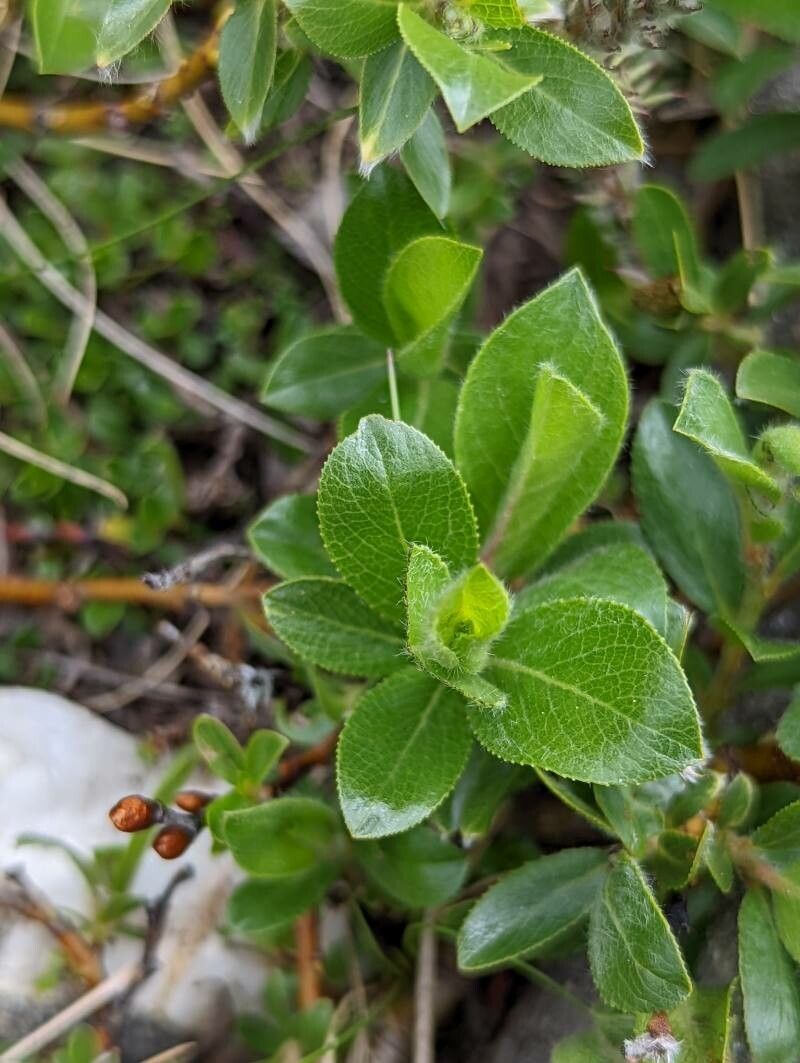
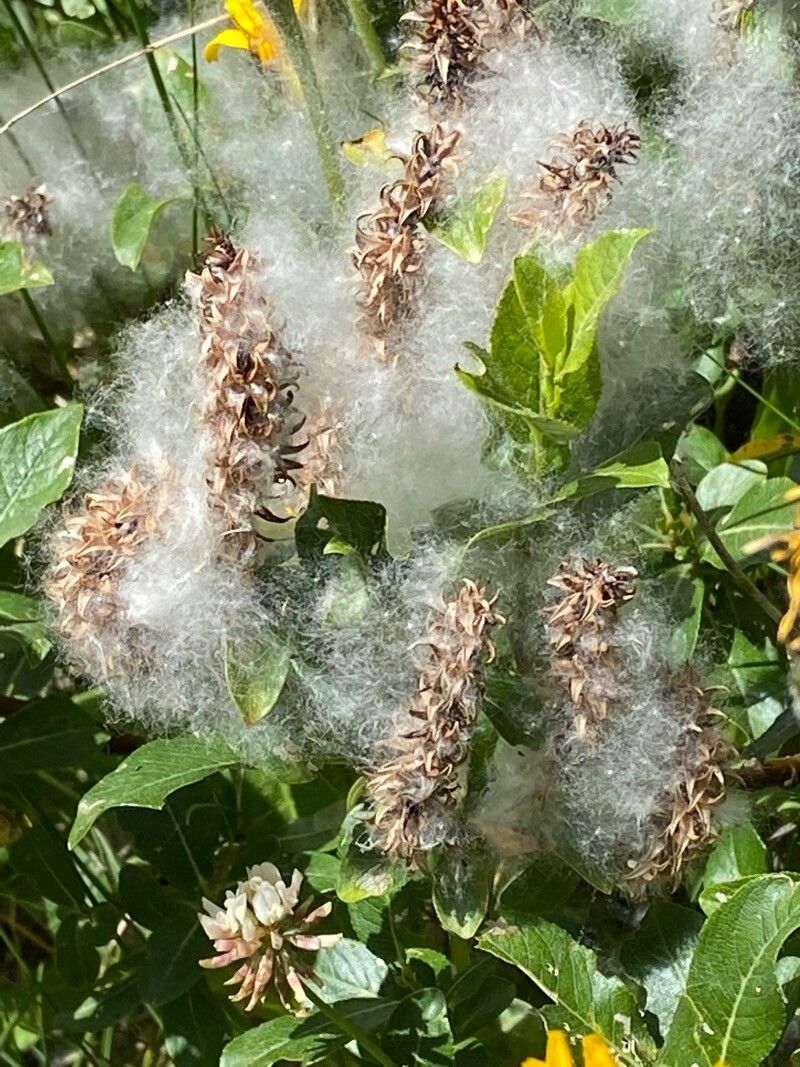
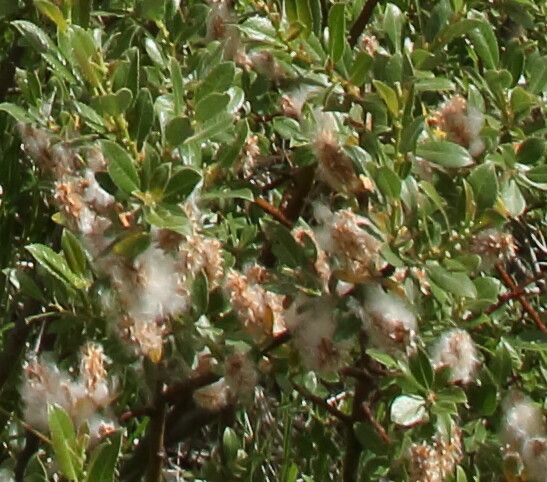
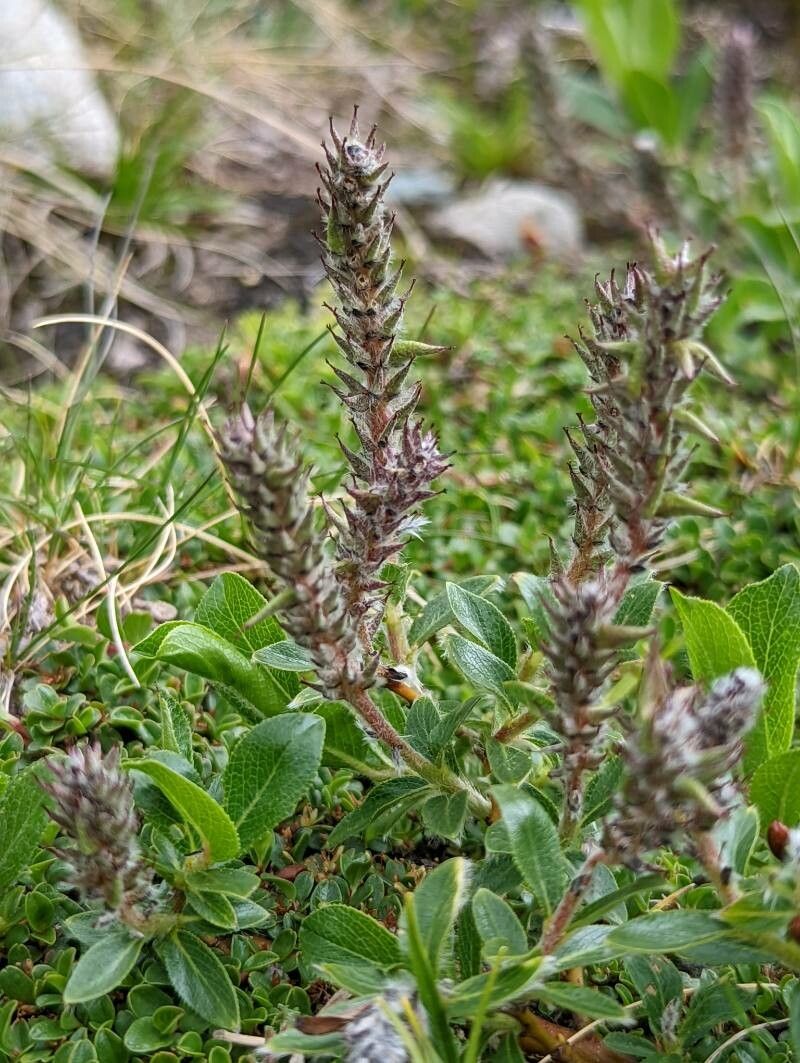
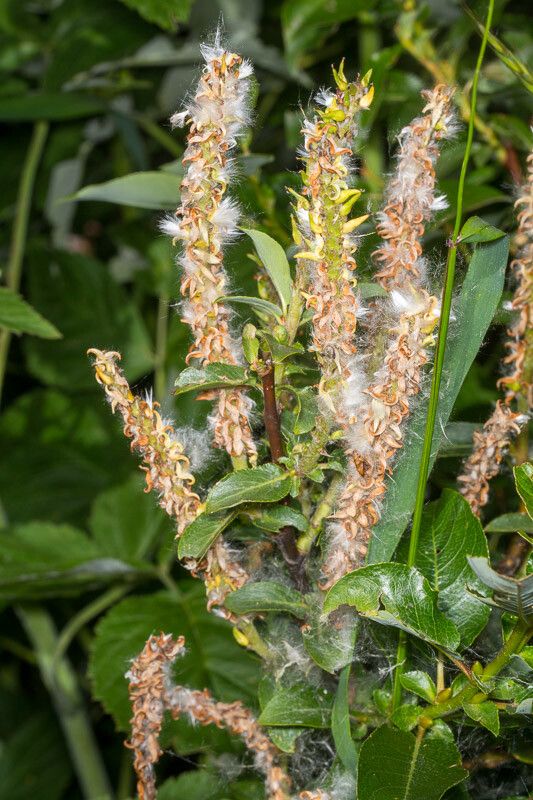
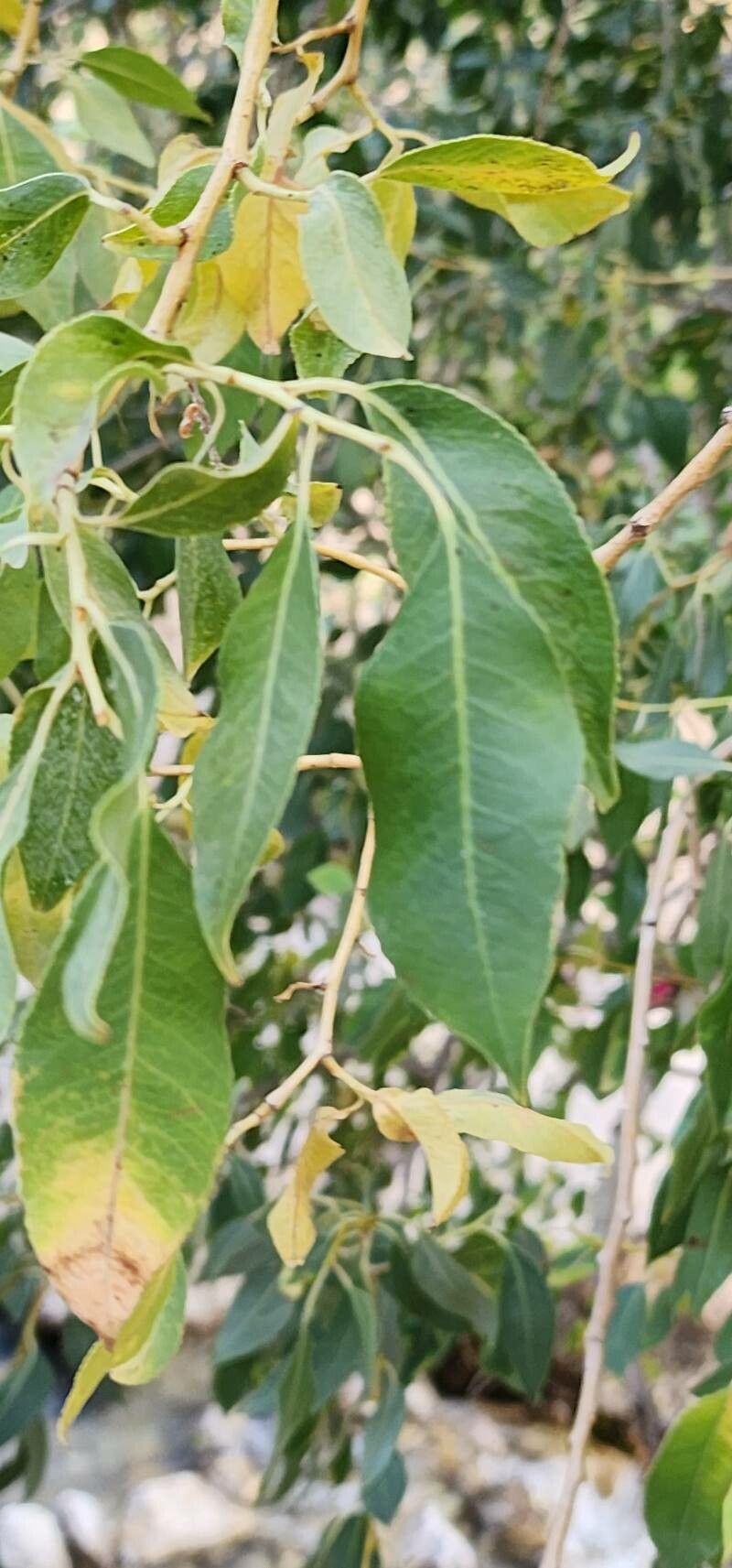
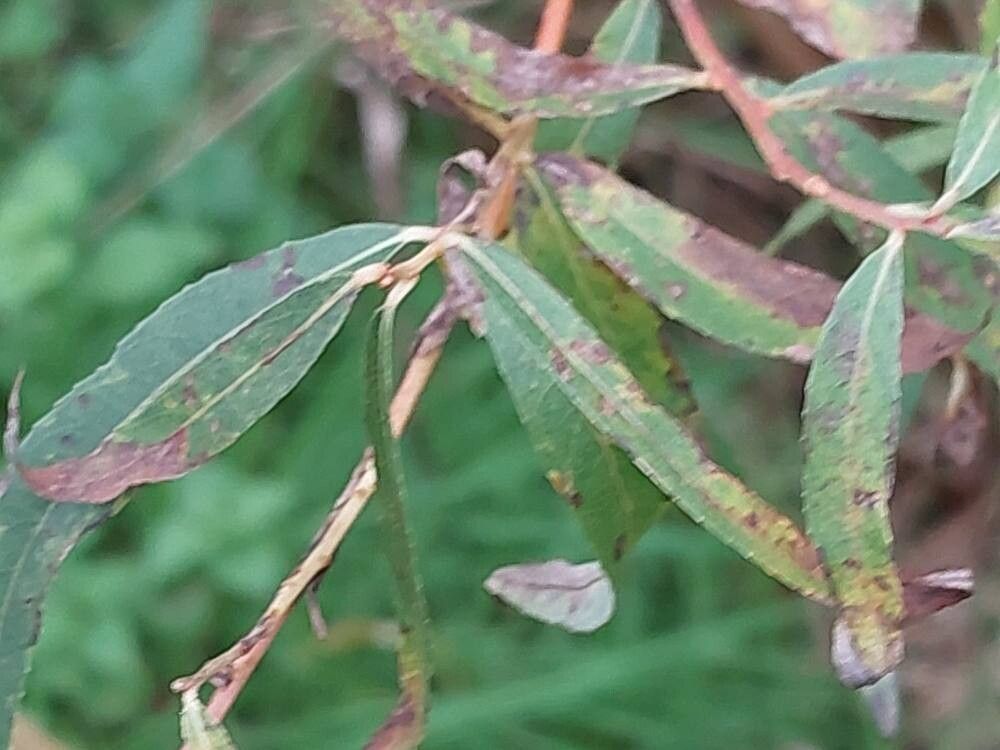
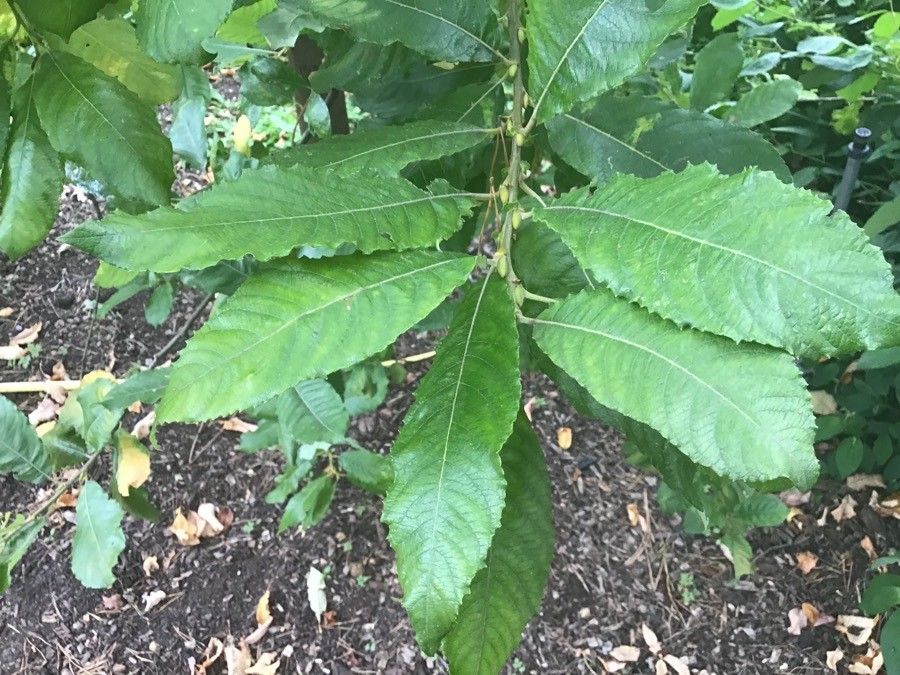
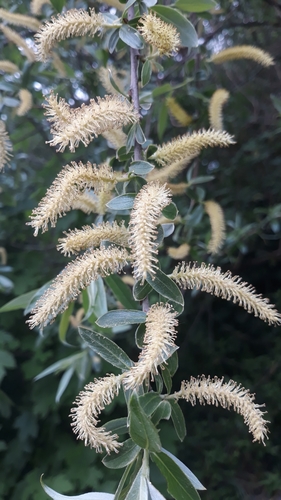
Salix breviserrata is a species of willow belonging to the family Salicaceae. It is found in southern Europe in the Alps, and in the Iberian Peninsula in the Cantabrian Mountains, especially in the Picos de Europa, Somiedo, and the Sierra and Valle del Híjar (Campoo Valley).
Finely toothed willow is resistant to disease and typically does not suffer from illnesses. In terms of care, this plant is fairly low maintenance. When grown outdoors it needs little watering, and larger specimens usually do not require pruning. However, smaller plants should be pruned after they finish blooming. Finely toothed willow is suitable for anyone with an outdoor area, such as a garden or deck, and does not demand extensive gardening experience.
How to keep Salix Breviserrata.
Light
Finely toothed willow is native to open environments, such as sunny meadows and forest edges, which offer abundant light. It grows best in Full Sun but can also tolerate Partial Sun, adapting well to a range of sunlight conditions.
Water
The finely toothed willow, adapted to its naturally moist habitats, thrives with consistent watering and prefers wet conditions. While it can tolerate short periods of dryness, it needs to be watered twice a week. Ideally grown outdoors, this willow benefits from natural rainfall, making it well-suited for rain gardens or similar environments.
Temperature
The finely-toothed willow tolerates a wide range of climates, from blazing summers to frigid winters. Nevertheless, it grows best within a specific temperature window. Extremely high temperatures can subject the plant to heat and humidity stress, potentially killing it. In areas where temperatures approach the lower threshold of its cold tolerance, providing insulation is necessary to safeguard the plant.
Fertilizer
Fertilize your Finely toothed willow in early spring to encourage healthy growth. Regular feeding boosts overall health, leading to vigorous growth, increased tolerance of harsh conditions, and improved resistance to pests and diseases. Keep to a specific fertilization schedule for your Finely toothed willow to maintain vibrant foliage with deep color and a lush appearance.
Pruning
Pruning finely toothed willow trees in early spring is crucial for their health and growth. Start by removing any dead or diseased wood, then thin out areas that are too crowded, and trim back branches that have grown too long. This will promote healthy growth. Make sure to use clean, sharp tools for accurate cuts. Regular pruning helps maintain the tree's vitality and prevents disease.
Botanical profile.
- Plant Type
- Shrub
- Life Cycle
- Perennial
- Genus
- Salix
- Family
- Salicaceae
- Hardiness Zone
- 3-7
- Mature Height
- 10 cm to 40 cm
- Mature Spread
- 0.91 m to 2.13 m
- Leaf Color
- Green, Dark Green
- Leaf Type
- Deciduous
- Flower Color
- Yellow, Green
- Flower Size
- 1.02 cm
- Bloom Time
- Early spring, Mid spring
- Planting Time
- Spring, Summer, Autumn
- Harvest Time
- Late spring, Early summer
- Native Area
- Germany, Austria, Italy, Switzerland, France
Other names.
Reader questions.
What are the sun requirements for Finely toothed willow (Salix breviserrata)?
The Finely toothed willow, or Salix breviserrata, has specific sunlight needs to thrive. For 'full sun' conditions, it requires above 6 hours of sunlight daily. 'Partial sun' conditions are about 3 to 6 hours of sunlight each day. It's important to observe the movement of sunlight through your garden to find spots that offer the right mix of light and shade, ensuring the happiness and health of your Finely toothed willow.