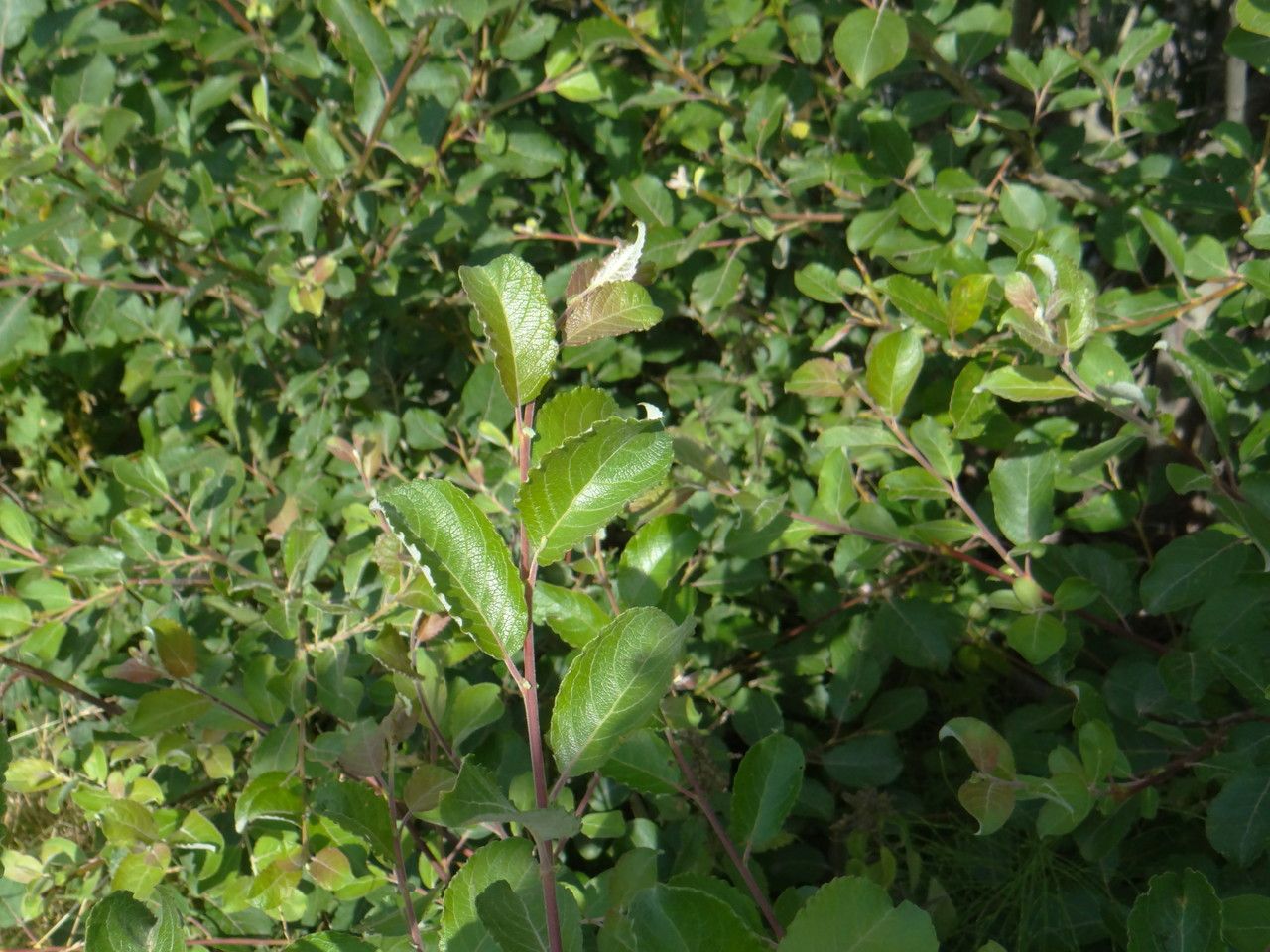
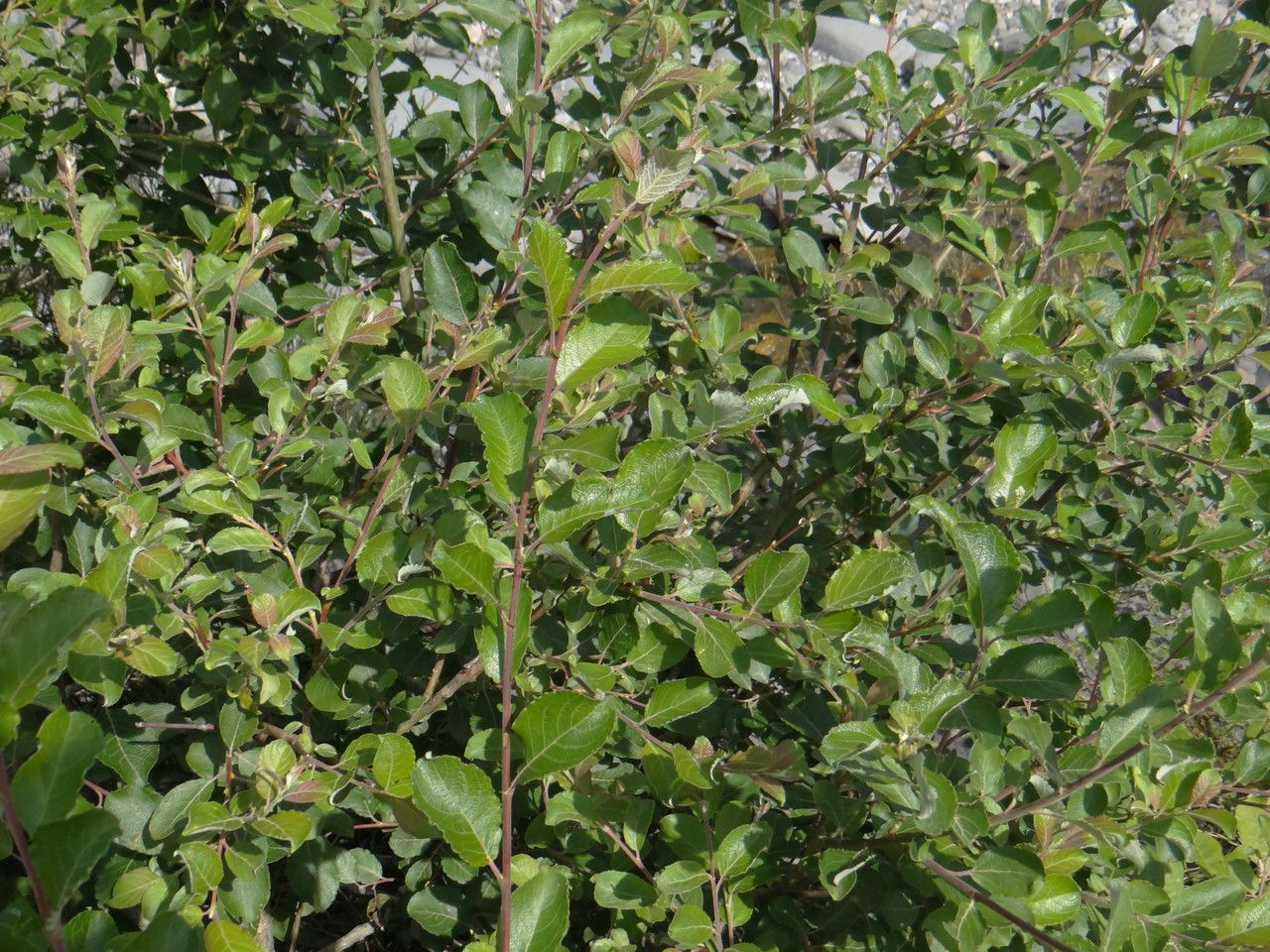
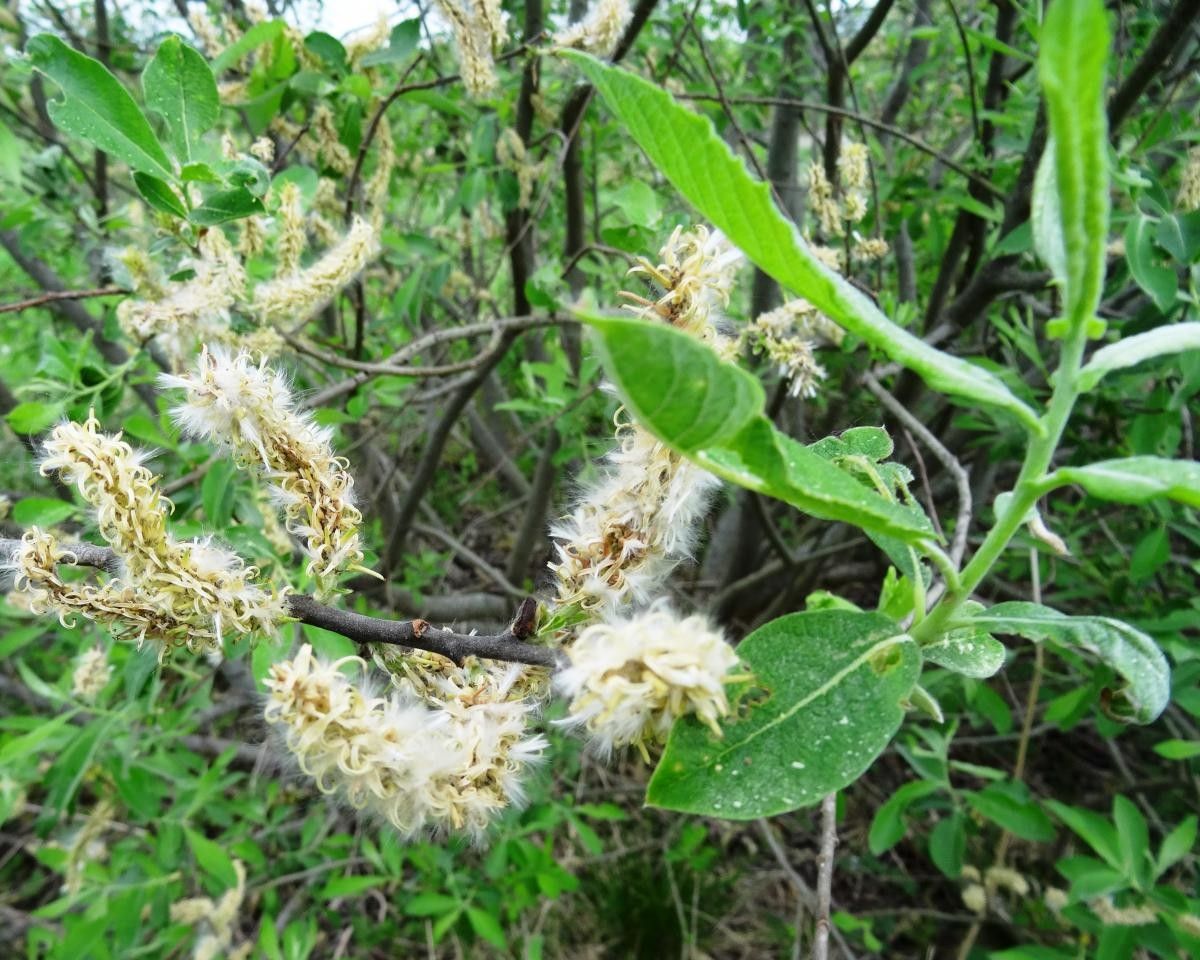
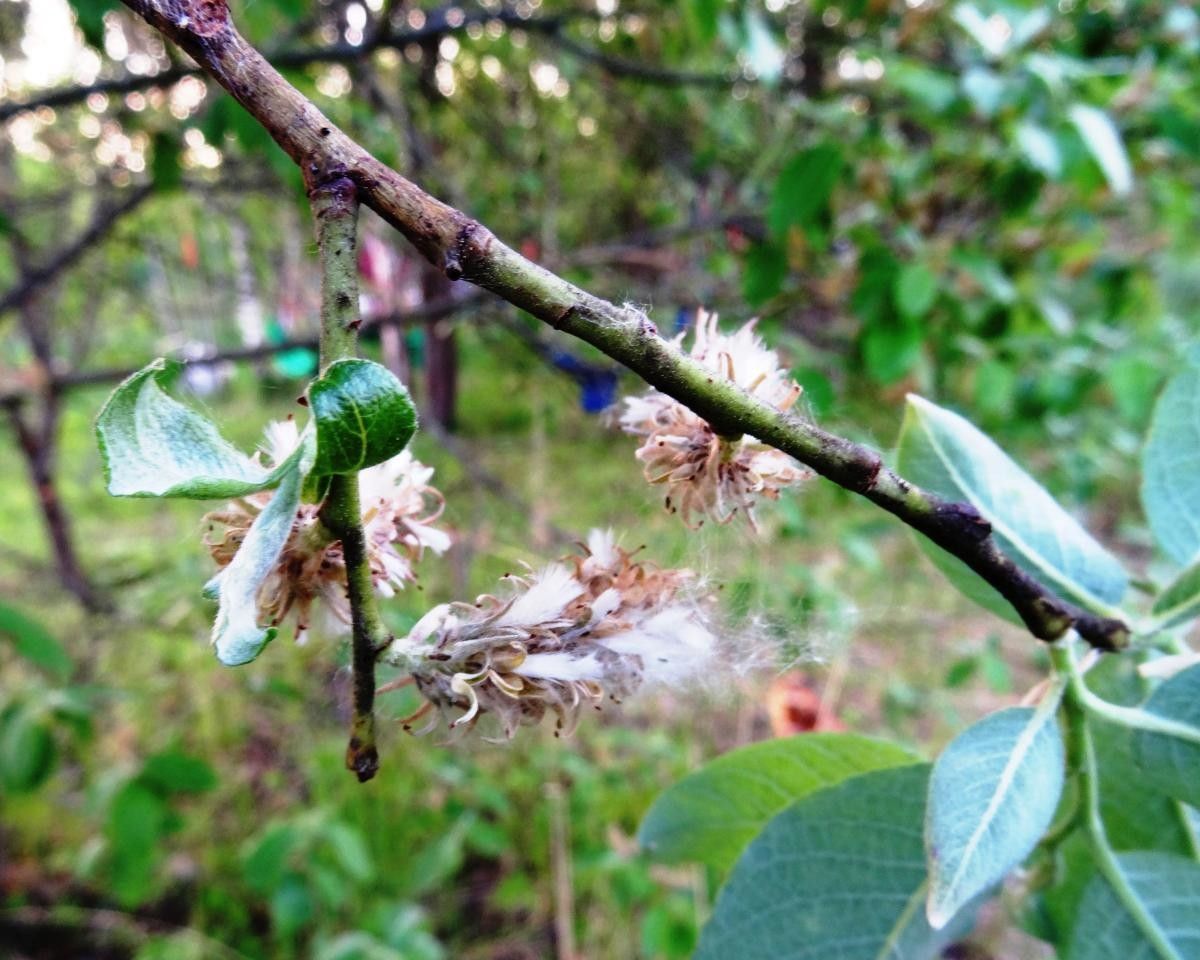
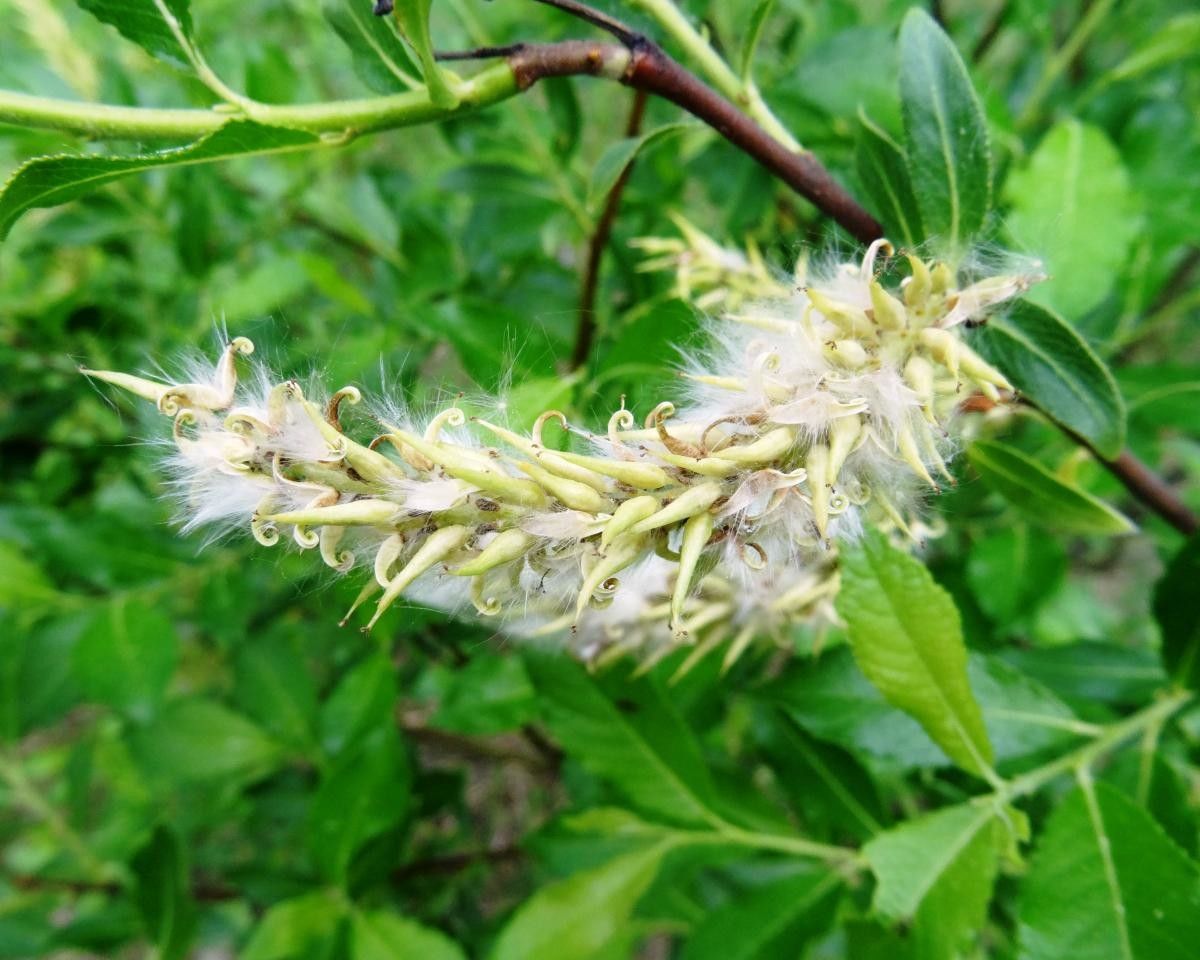
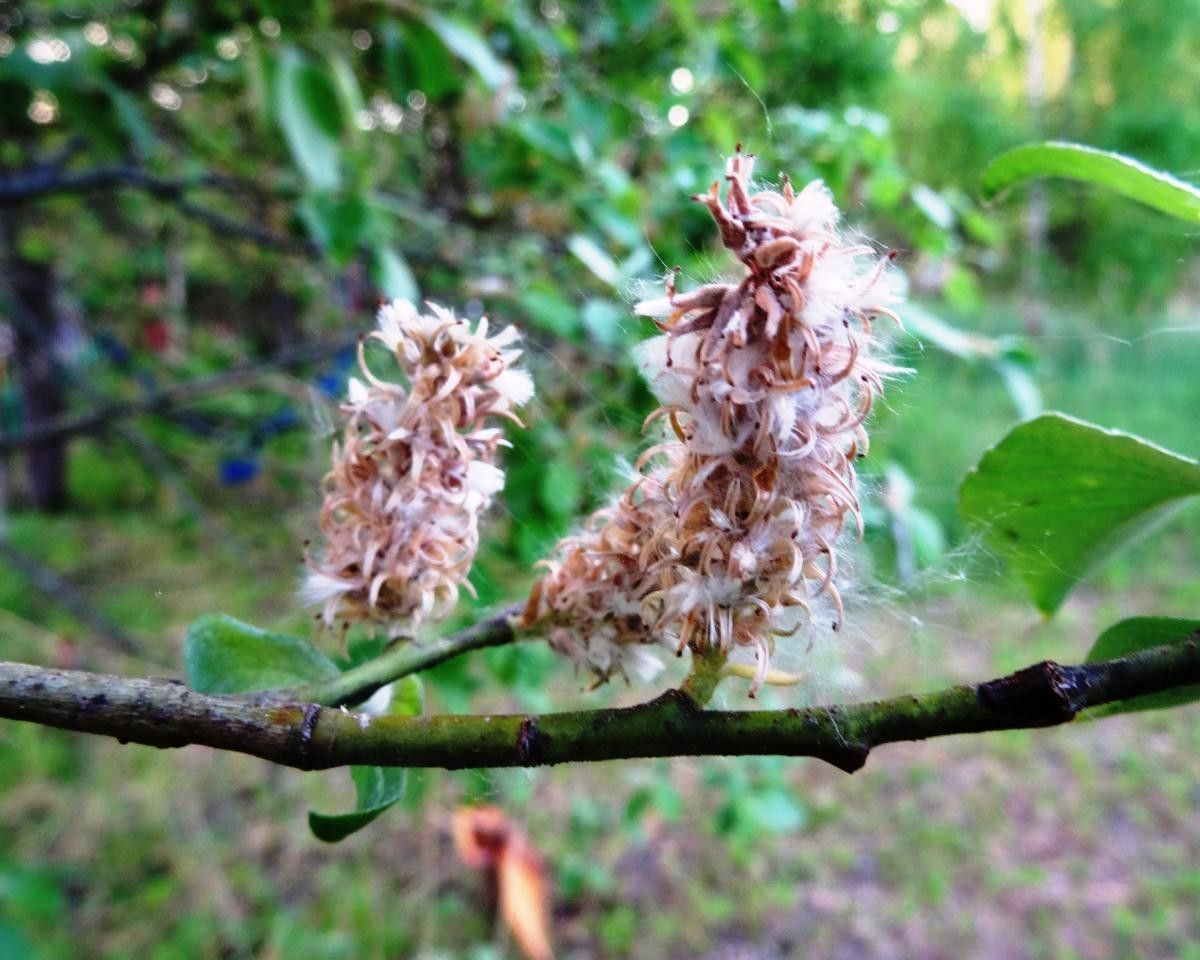
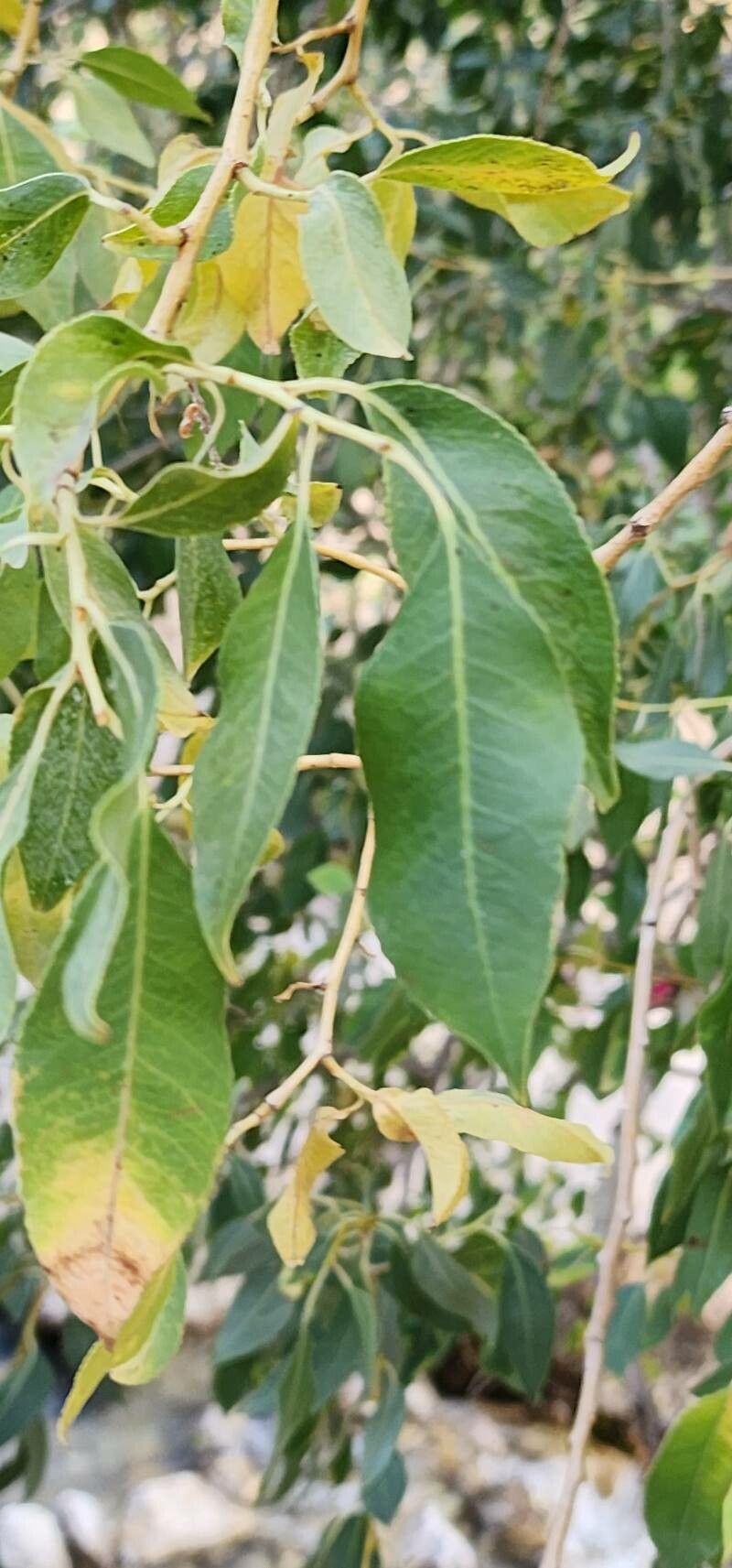
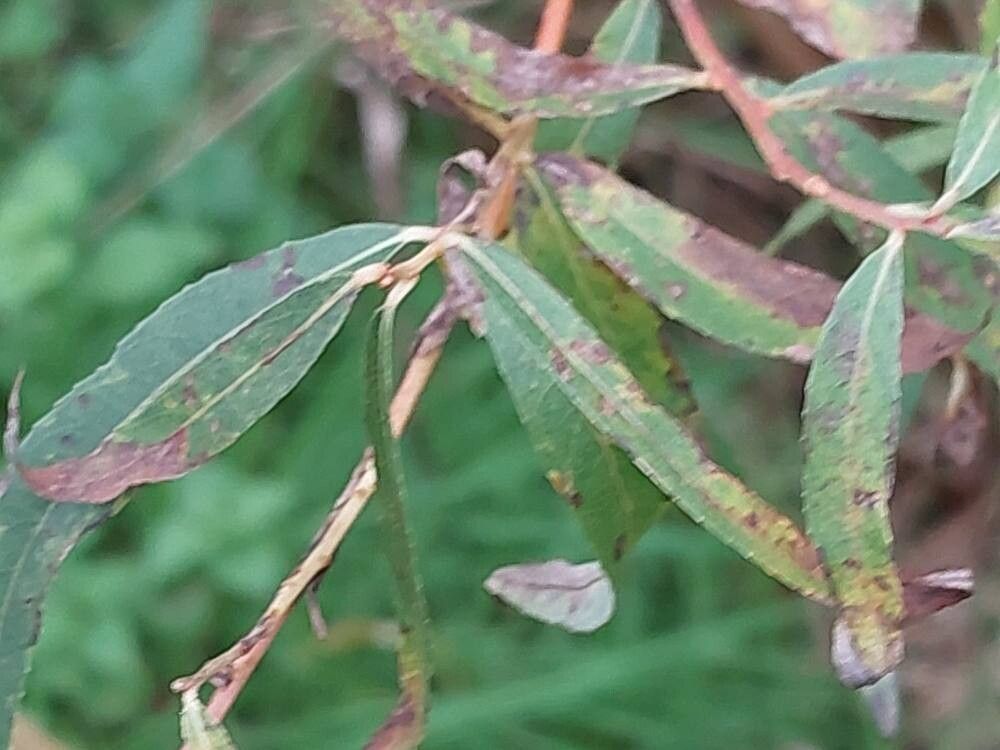
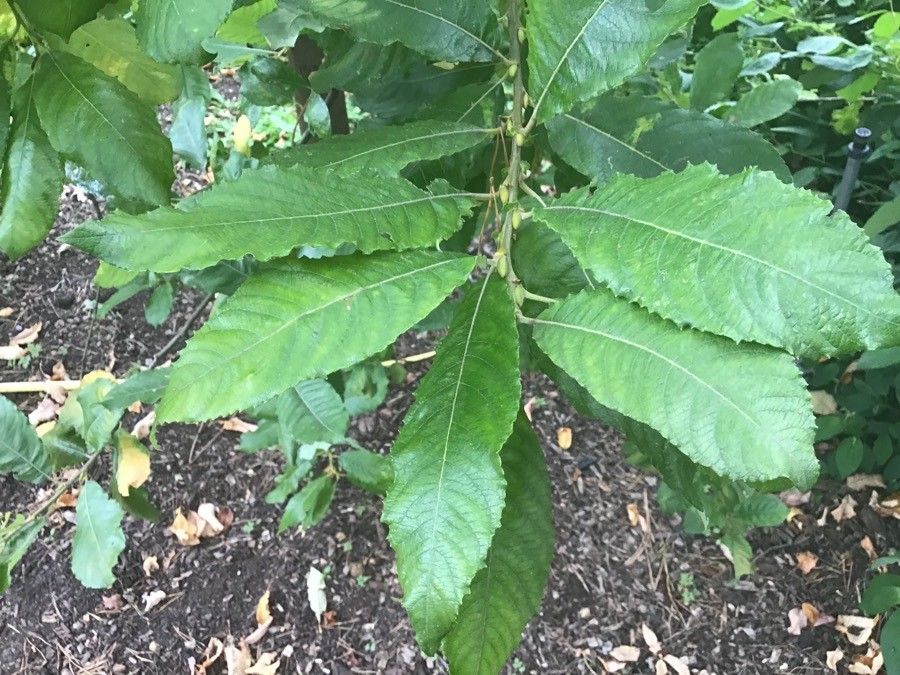
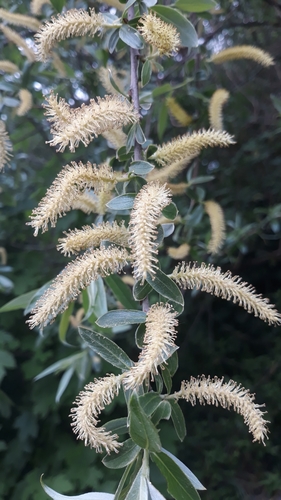
Salix bicolor is a species of flowering plant in the family Salicaceae (willows).
Willow shows good resistance to disease and is typically not susceptible to illnesses. Regarding care, this plant is fairly low-maintenance. When grown outdoors it needs only minimal watering, and larger plants usually do not require pruning. Smaller plants, however, should be pruned after they finish blooming. Willowt is suitable for anyone who has outdoor space, such as a garden or a deck, and it does not need a lot of care experience.
How to keep Salix Bicolor.
Light
Willow is native to open habitats, such as sunny meadows and forest edges, which provide abundant light. It flourishes in Full Sun but can also tolerate Partial Sun, adapting well to a range of sunlight conditions.
Water
Willow trees flourish in moist environments and prefer soil that remains consistently damp, needing to be watered twice a week. While they exhibit moderate drought tolerance, willows are usually grown outdoors, where they benefit from natural rainfall that helps sustain their lush foliage.
Temperature
Willow shows strong adaptability to a range of climate conditions, from scorching summers to chilly winters. It does, however, have an optimal temperature range for growth. If temperatures become excessively high, the plant is vulnerable to heat and humidity stress, which can lead to its death. In areas where temperatures approach the lower limit of its cold tolerance, it is important to provide insulation to protect the plant.
Fertilizer
To encourage healthy growth, fertilize your Willow in early spring. Regular feeding improves overall health, leading to vigorous growth, greater resilience to harsh conditions, and better resistance to diseases and pests. Keep to a consistent fertilization schedule for your Willow to achieve vibrant foliage with deep color and a lush look.
Pruning
The willow tree has slender branches and lance-shaped leaves. Pruning should be done in early spring, focusing on removing dead or diseased wood and thinning out overcrowded branches. This process enhances airflow, reduces the risk of pests, and improves the tree's appearance, promoting healthier growth and better wound healing.
Botanical profile.
- Plant Type
- Tree, Shrub
- Life Cycle
- Perennial
- Genus
- Salix
- Family
- Salicaceae
- Hardiness Zone
- 2-7
- Mature Height
- 2.13 m to 3.96 m
- Mature Spread
- 1.52 m to 3.05 m
- Leaf Color
- Dark Green, Gray
- Leaf Type
- Deciduous
- Flower Size
- 1.02 cm to 2.03 cm
- Bloom Time
- Early spring, Mid spring
- Planting Time
- Spring, Summer, Autumn
- Harvest Time
- Late spring, Early summer
- Native Area
- Germany, Spain, Czech Republic, Poland, Romania, Ukraine, France
Other names.