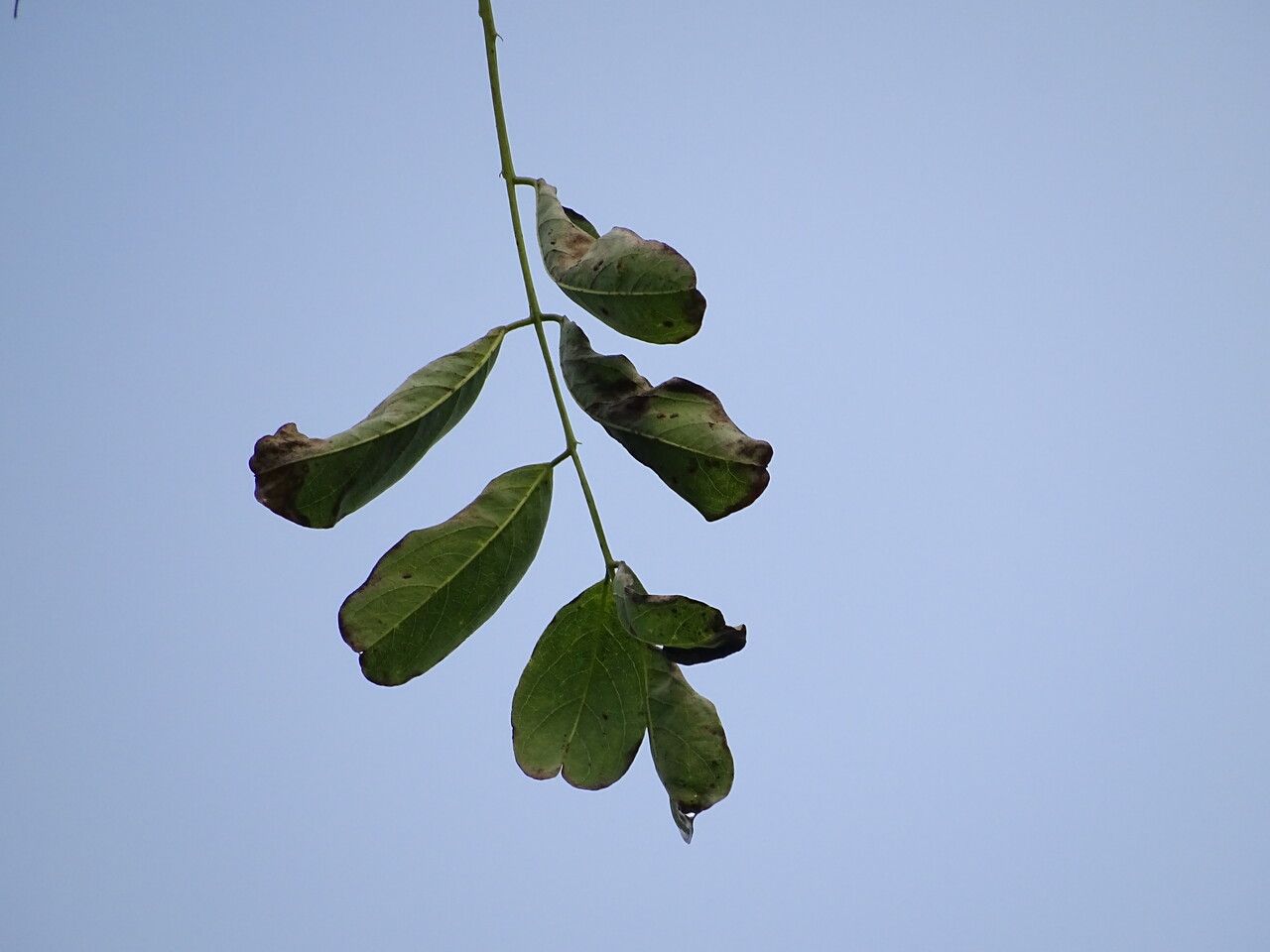
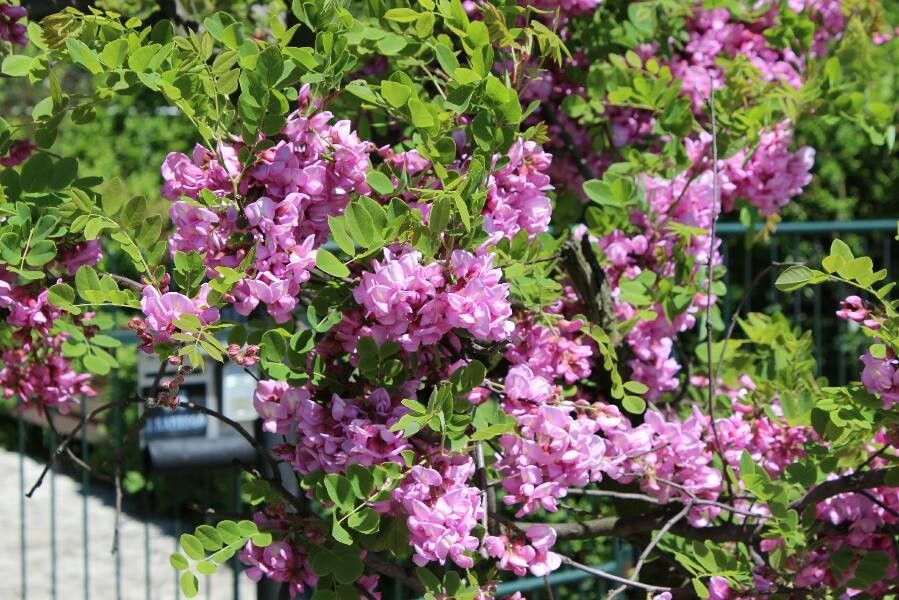
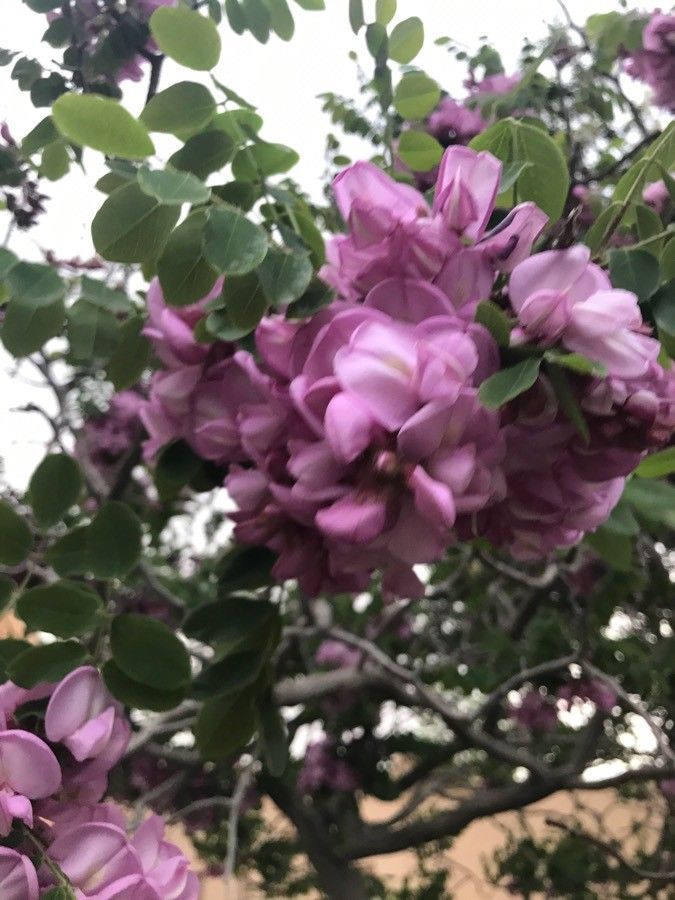
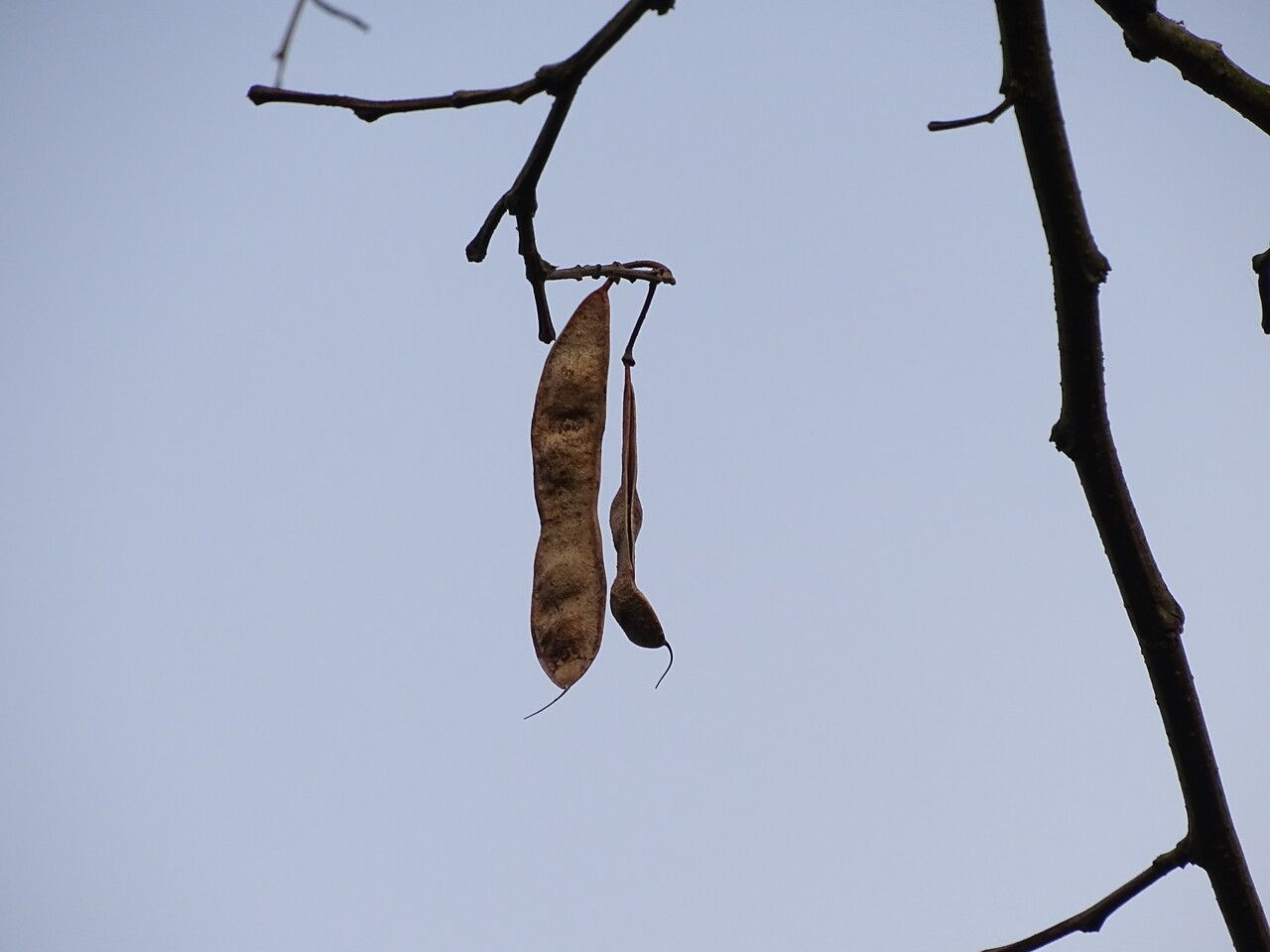
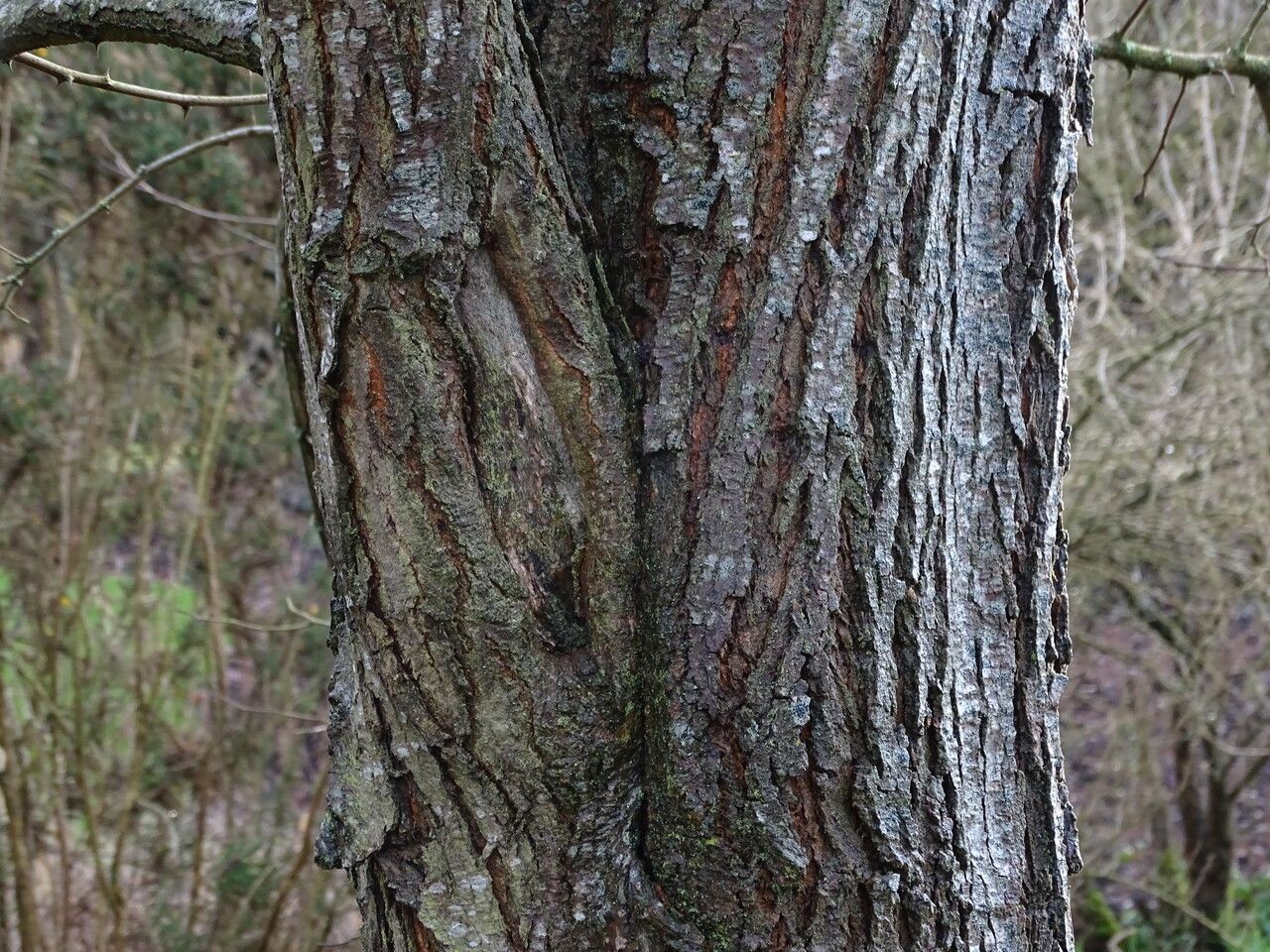
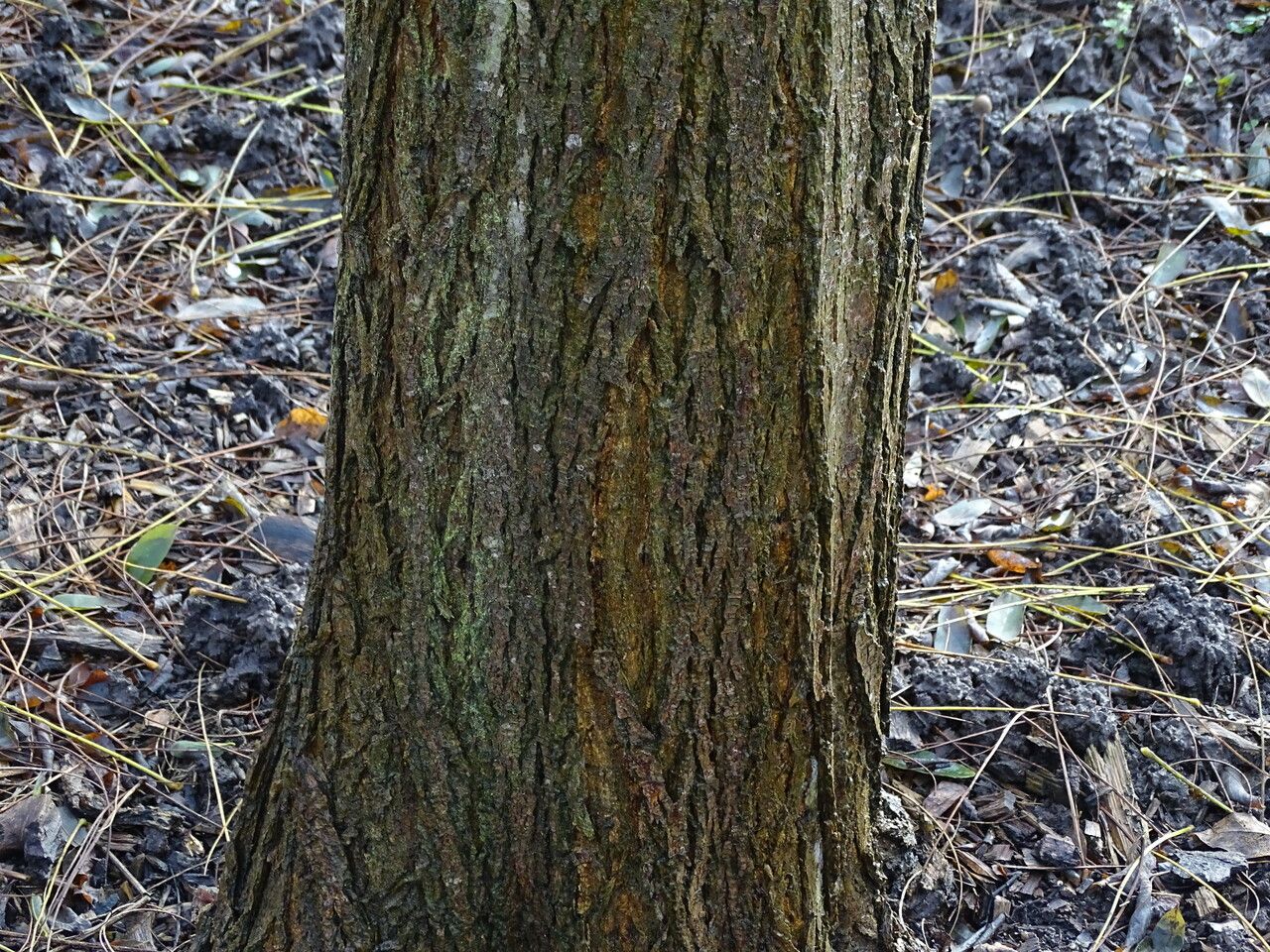
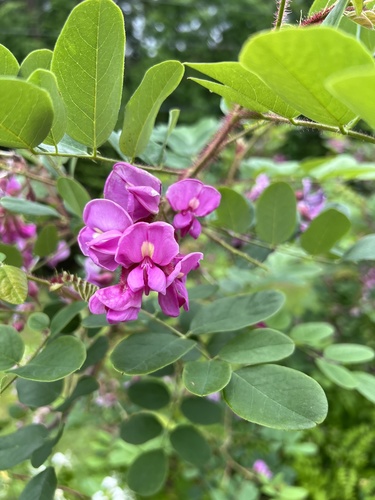
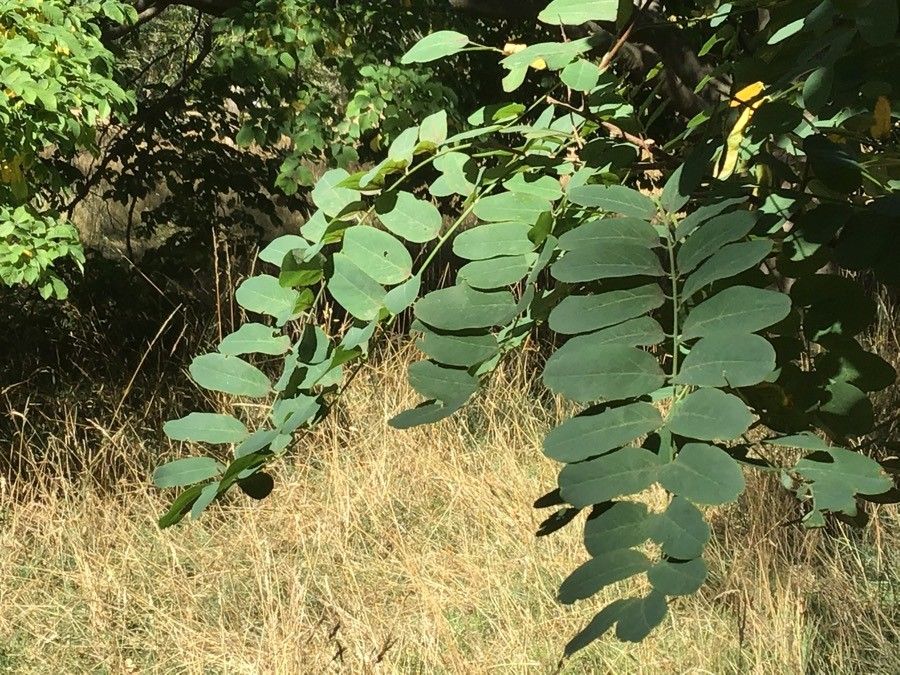
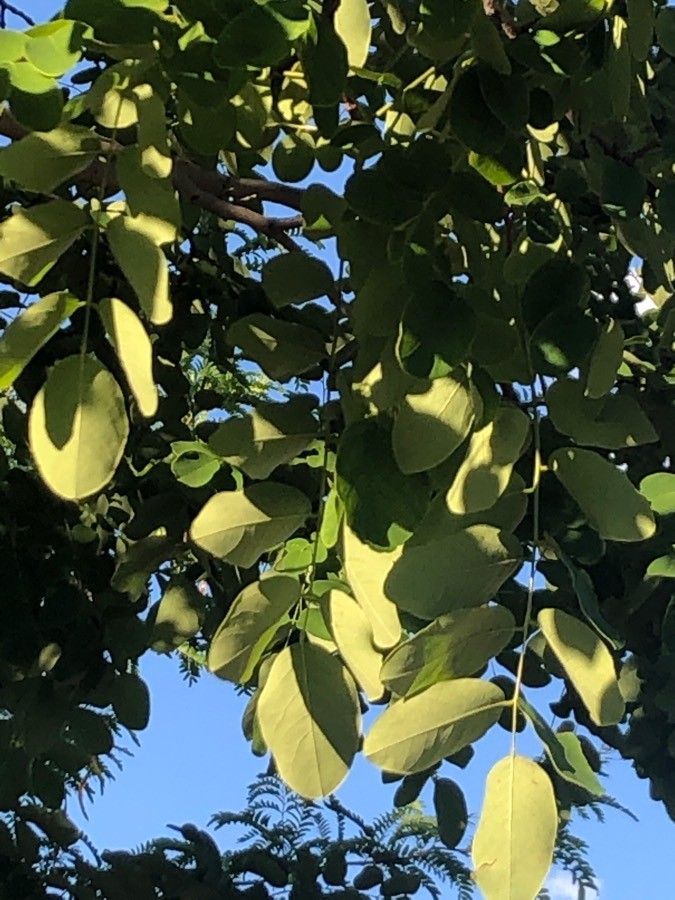
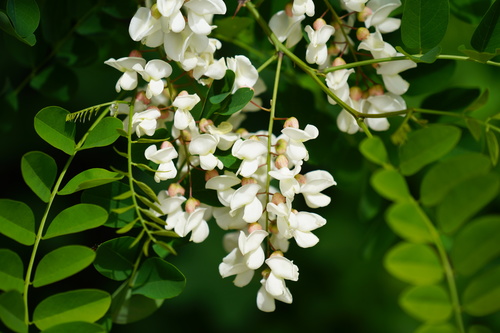
Robinia neomexicana, commonly known as New Mexico locust or southwestern locust, is a deciduous tree or shrub native to the southwestern United States and northern Mexico. It typically reaches heights of 10 to 20 feet and spreads 10 to 15 feet wide. The leaves are pinnately compound, featuring 7 to 15 oval-shaped leaflets with serrated edges. The fragrant, pinkish-purple flowers bloom in clusters at the ends of branches from late spring to early summer. The plant produces flat pods containing several seeds. Robinia neomexicana thrives in full sun to partial shade and prefers well-drained soil, though it is drought-tolerant once established. It is often used ornamentally for its attractive foliage, showy flowers, and its ability to attract pollinators such as bees and butterflies. Beyond its ornamental appeal, Robinia neomexicana serves practical purposes. Its rapid growth on disturbed sites with poor soil conditions makes it effective for erosion control. Additionally, its hardy yet lightweight wood is valuable in furniture making. Overall, Robinia neomexicana is an appealing plant with both aesthetic and practical benefits, making it an excellent choice for gardens and landscape projects within its growing range.
New Mexico locust has good resistance to disease and is generally not prone to diseases. In terms of care, this plant is relatively low-maintenance. When planted outdoors it needs only minimal watering, and larger plants usually do not require pruning. Smaller plants, however, should be pruned after they finish blooming. The New Mexico locust is suitable for anyone with outdoor space, such as a garden or a deck, and does not demand much prior gardening experience.
How to keep Robinia Neomexicana.
Light
The New Mexico locust flourishes with a full day of sunlight, which encourages vigorous growth, though it can tolerate moderate shade. The light conditions of its native habitat shape these preferences. Too much shade can hinder growth, while abundant sun does not harm it, reflecting its sun-loving nature.
Water
The New Mexico locust is well-adapted to dry conditions, thriving with minimal watering, ideally just once every three weeks. Its drought tolerance makes it particularly well-suited for outdoor environments that receive rainfall. Being a deciduous plant, the New Mexico locust conserves water by shedding its leaves seasonally.
Temperature
New mexico locust grows best in conditions similar to its native habitat, favoring temperatures from 41 to 89.6 °F (5 to 32 ℃). During extreme temperatures, consider adjusting shading or irrigation to moderate its exposure.
Fertilizer
Timing is important for fertilizing New mexico locust. Apply fertilizer in early spring and continue monthly until early summer. Fertilizer encourages attractive blooms and supplies energy during both dormant and active growth phases.
Pruning
The New Mexico locust benefits greatly from careful pruning, which is best done in late spring after it has flowered. To encourage better air circulation and sunlight exposure, begin by removing dead wood and thinning out crowded branches. Regular pruning not only promotes healthy growth but also helps prevent disease and maintain the plant's shape. It is important to use sharp, clean tools and to prune any suckers from the base.
Botanical profile.
- Plant Type
- Shrub
- Life Cycle
- Perennial
- Genus
- Robinia
- Family
- Fabaceae
- Hardiness Zone
- 4-8
- Mature Height
- 4.88 m to 10.06 m
- Mature Spread
- 4.88 m
- Leaf Color
- Green, Blue, Yellow
- Leaf Type
- Deciduous
- Flower Color
- Pink
- Flower Size
- 1.52 cm to 2.03 cm
- Bloom Time
- Late spring, Early summer
- Planting Time
- Winter
- Harvest Time
- Late summer, Early fall, Mid fall
- Native Area
- Mexico
Other names.
Reader questions.
What are the sunlight requirements for plants?
Plants have varying sunlight requirements to thrive. Full sun plants require above 6 hours of sunlight per day, while partial sun plants need about 3-6 hours of sunlight daily. Monitoring the movement of sunlight through your garden helps in selecting spots that offer an ideal balance of light and shade, ensuring your plants grow happily.
How does the New Mexico Locust respond to sunlight?
The New Mexico Locust thrives in conditions with full sun exposure, as this promotes robust growth. Originating from habitats with plentiful sunlight, it can also tolerate moderate shade. However, excessive shade may hinder its growth without negatively impacting the plant if it receives too much sun. This resilience underscores its preference for sunny environments.
What is the role of artificial lighting for indoor plants?
Artificial lighting is crucial for indoor plants, especially when natural sunlight is insufficient, such as during winter or in less sunny spaces. It supports optimal growth by providing necessary light intensity. LED lights are a popular choice due to their efficiency and ability to emit specific light wavelengths needed by plants. Full sun plants require 30-50W per square foot, partial sun plants 20-30W, and full shade plants 10-20W of artificial light. Proper placement (12-36 inches above the plant) and duration (8-12 hours daily) mimic natural sunlight, aiding healthier plant growth.
What symptoms indicate a New Mexico Locust plant is receiving insufficient light?
When a New Mexico Locust plant is not getting enough light, it may exhibit symptoms like smaller leaves, leggy or sparse growth, faster leaf drop, slower or no new growth, pale or irregularly colored new leaves, chlorosis (yellowing leaves due to lack of chlorophyll), sunscald, leaf curling, wilting, and leaf scorching. These symptoms reflect the plant's struggle in suboptimal lighting conditions.
How can I manage light conditions for my New Mexico Locust to promote healthy growth?
To manage light conditions for healthy growth of your New Mexico Locust, indoor plants should be gradually moved to sunnier spots to receive at least 6 hours of direct sunlight daily, utilizing south-facing windows and keeping curtains open. Artificial lighting can supplement natural light, especially for large or immobile plants. Outdoors, plants should be transitioned to sunnier locations gradually to prevent sunburn. Reducing obstructions like overhanging branches can increase sunlight exposure. If needed, transplant smaller plants during their dormant period to a brighter area with ample sunlight and good drainage, ensuring their well-being.