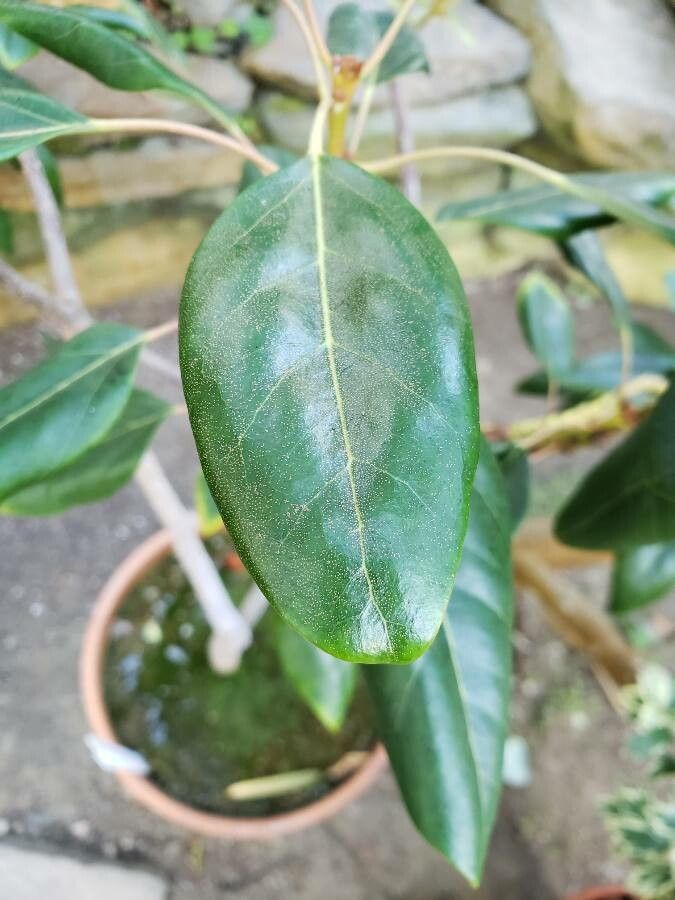
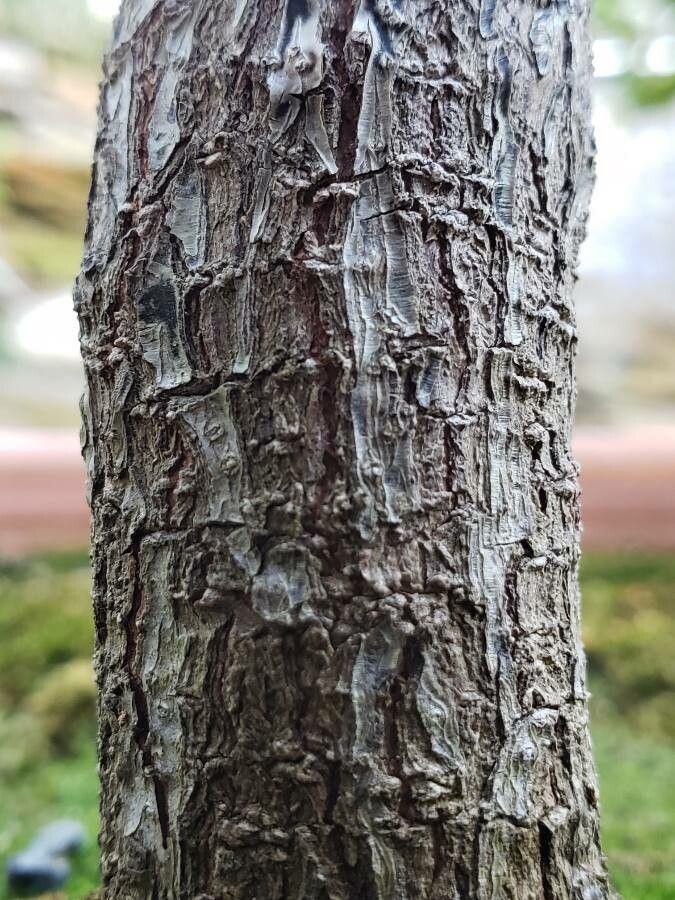
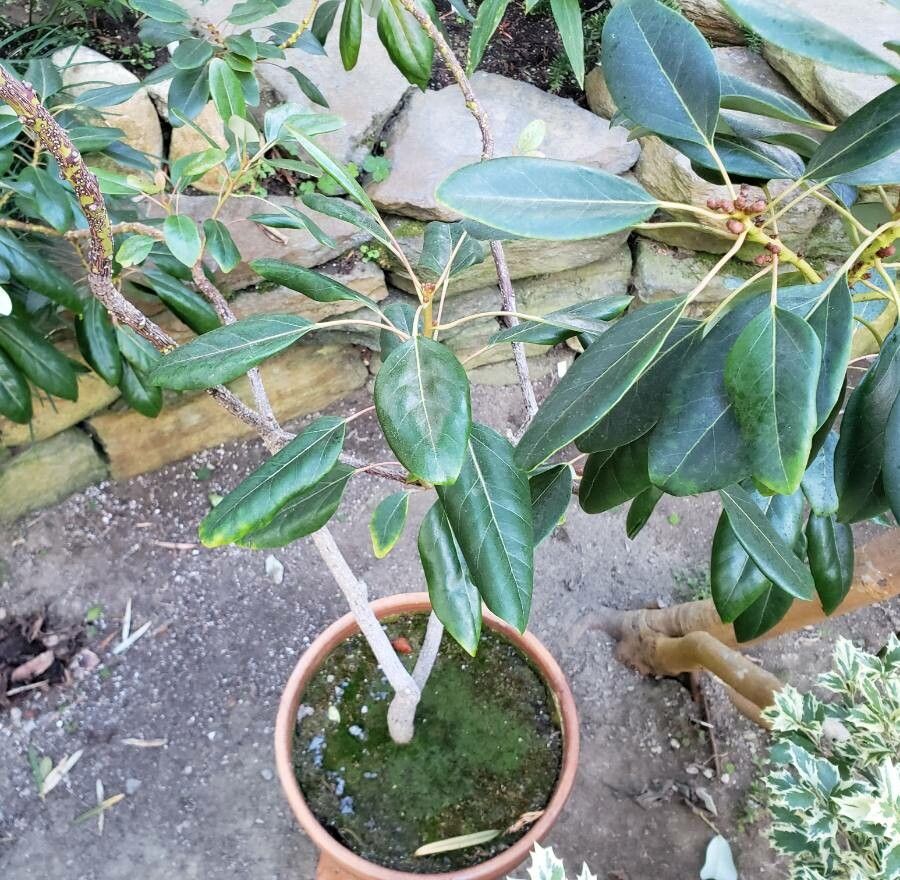
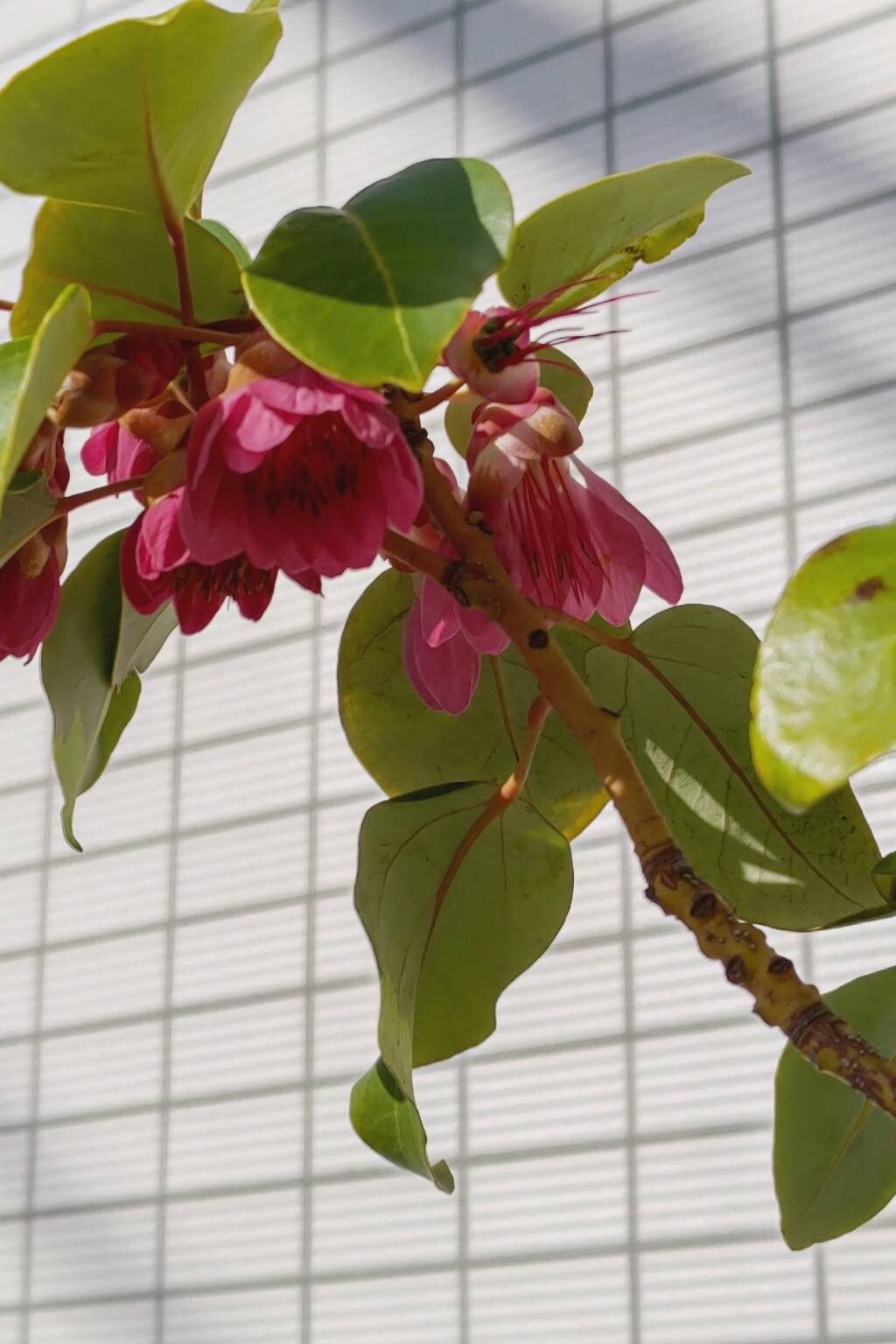
Evergreen Rose Hazel has strong resistance to disease and, overall, is not easily affected by illnesses. With respect to care, this plant is fairly low-maintenance. When grown outdoors it needs only light watering, and larger specimens usually do not require pruning. Smaller plants, however, should be pruned after they finish blooming. Evergreen Rose Hazelt is appropriate for anyone who has an outdoor area, such as a garden or deck, and it does not demand a great deal of care experience.
How to keep Rhodoleia Henryi.
Light
Evergreen Rose Hazel naturally occurs in habitats like forest understories and rocky areas, where it grows in natural shade. It prefers partial sun but can tolerate full sun or full shade, showing its versatile, hardy character.
Temperature
Evergreen Rose Hazel is quite adaptable to temperature, able to endure higher heat and considerable temperature fluctuations. In hot weather, you should watch watering and give appropriate shade to avoid sunburn. On the other hand, Evergreen Rose Hazel is not very tolerant of low temperatures. Although it can handle some cold, very low temperatures can cause frost damage.
Fertilizer
Timing is important when fertilizing Evergreen Rose Hazel. Apply fertilizer in early spring and continue monthly until early summer. Fertilizer encourages attractive blooms and supplies energy both during dormant periods and active growth.
Pruning
Evergreen Rose Hazel is known for its glossy, year-round leaves and vibrant flowers. To encourage healthy growth, it's best to prune the plant from early to late winter while it is dormant. Focus on removing any dead or damaged branches. Thinning out crowded areas will improve light penetration. Always use clean, sharp tools to reduce the risk of damage and infection.
Botanical profile.
- Plant Type
- Tree
- Life Cycle
- Perennial
- Genus
- Rhodoleia
- Family
- Hamamelidaceae
- Hardiness Zone
- 7-9
- Mature Height
- 1.83 m to 3.66 m
- Mature Spread
- 3.66 m to 4.57 m
- Leaf Color
- Dark Green, Forest Green
- Leaf Type
- Evergreen
- Flower Color
- Pink, Red
- Flower Size
- 7.62 cm to 10.16 cm
- Bloom Time
- Late winter, Early spring
- Planting Time
- Spring, Summer
- Harvest Time
- Summer
- Native Area
- China
Reader questions.
What are the sunlight requirements for Evergreen Rose Hazel?
Evergreen Rose Hazel thrives in partial sun, requiring about 3-6 hours of sunlight daily. It's native to environments like forest understories or rocky areas, where it experiences natural shade, making it adaptable to both partial sun and full shade conditions. To ensure your Evergreen Rose Hazel's happiness, observe the sun's movement through your garden to find locations that offer an ideal balance of light and shade.
What is the botanical name of Evergreen Rose Hazel?
The botanical name of Evergreen Rose Hazel is Rhodoleia henryi. This name helps in accurately identifying the plant among gardeners and botanists.
How do I use artificial lighting for indoors Evergreen Rose Hazel?
For indoor Evergreen Rose Hazel plants, adequate lighting is essential for optimal growth, especially when natural sunlight is insufficient. Artificial lights, such as LED lights, can be customized to provide specific wavelengths needed for the plant's growth. For full sun plants, 30-50W/sq ft is required, for partial sun plants 20-30W/sq ft, and for full shade plants 10-20W/sq ft. The light source should be placed 12-36 inches above the plant to mimic natural sunlight and be on for 8-12 hours per day to simulate the natural daylight hours.
What symptoms indicate light deficiency in Evergreen Rose Hazel?
Symptoms of light deficiency in Evergreen Rose Hazel include smaller new leaves, leggy or sparse growth, faster leaf drop, slower or halted growth, lighter-colored new leaves, chlorosis (yellowing of leaves), sunscald, leaf curling, wilting, and leaf scorching. These symptoms arise when the plant is grown indoors with insufficient light or when it's exposed to excessive sunlight.
How can I address light deficiency in Evergreen Rose Hazel?
To address light deficiency in Evergreen Rose Hazel, gradually transition the plant to sunnier spots until it receives 3-6 hours of direct sunlight daily. For indoor plants or those that are not easily movable, consider using artificial light by keeping a desk or ceiling lamp on for at least 8 hours a day or investing in professional plant grow lights. For outdoor plants, move them gradually to sunnier locations to avoid sunburn. It's also essential to reduce obstructions like overhanging branches and, if possible, to transplant smaller plants during their dormant period to spots with better sunlight and drainage.