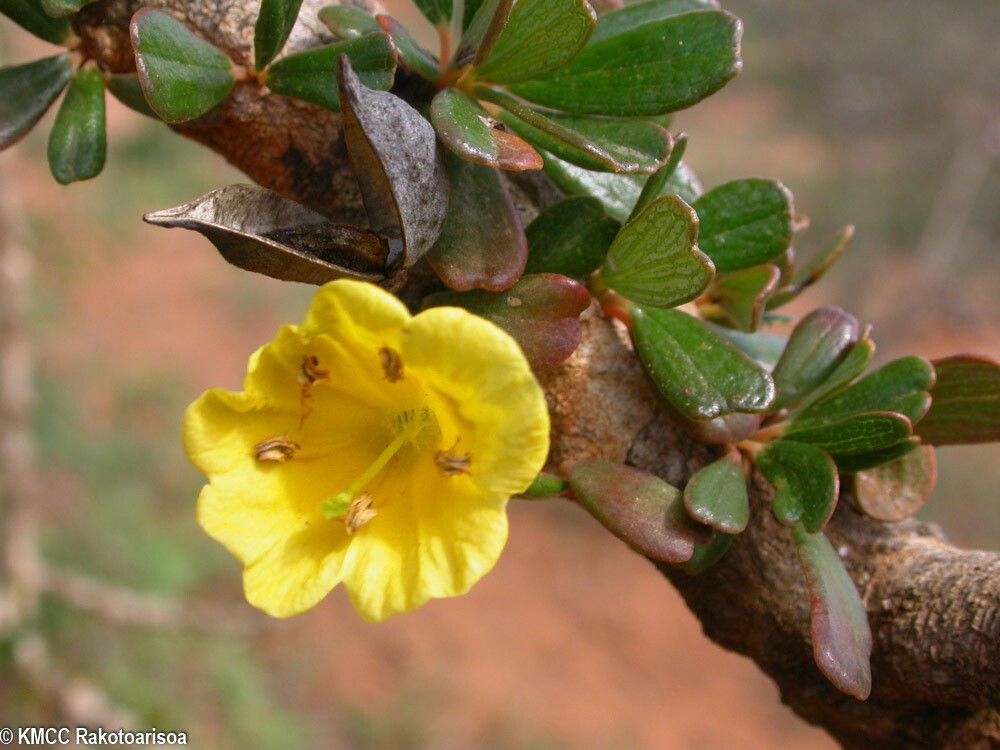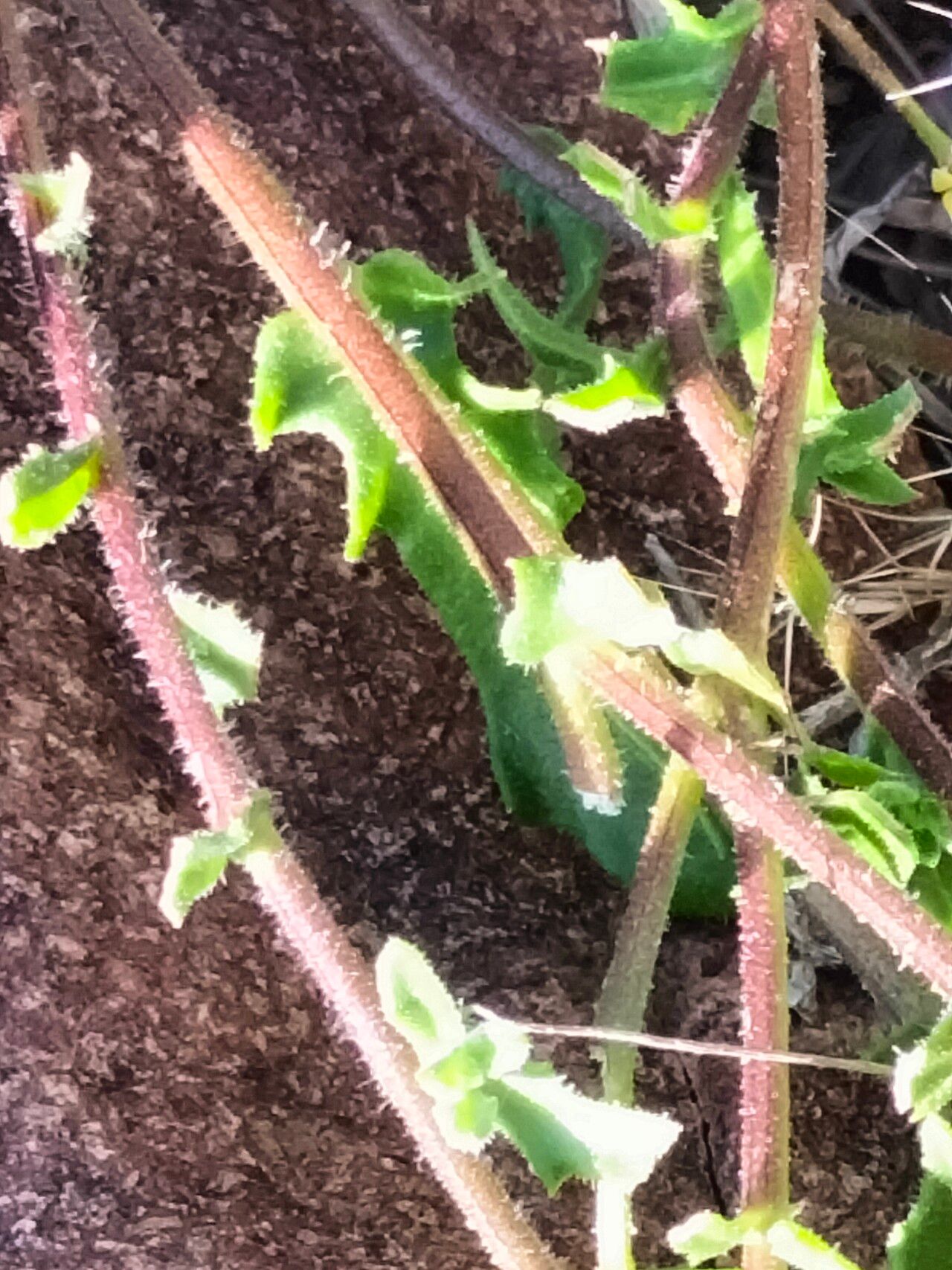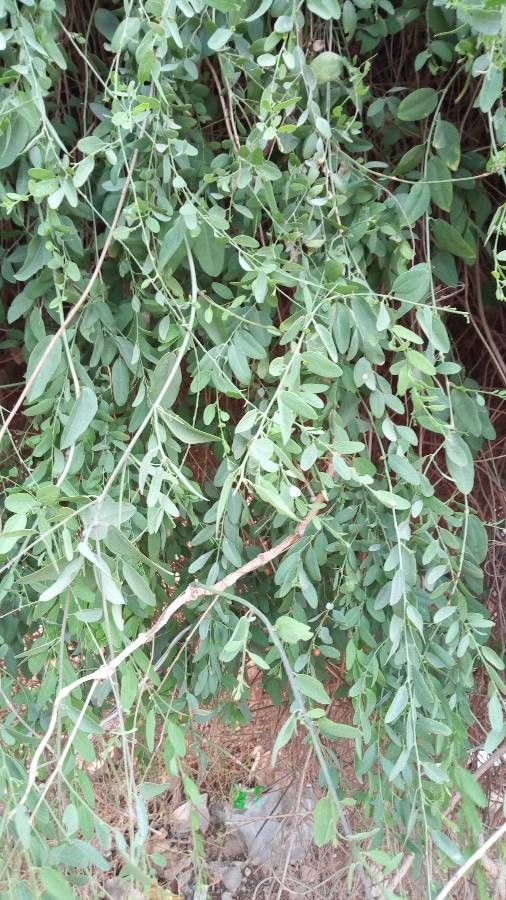
Rhigozum zambesiacum is a flowering plant species that belongs to the Rhigozum family. It is commonly found in the southern regions of Africa, particularly in Zimbabwe, Botswana, and South Africa. The plant typically reaches a height of up to 2 meters and features a woody stem with small, oval-shaped green leaves.
The flowers of Rhigozum zambesiacum are small and white, with five petals arranged in a star shape. They bloom during the summer months, from November to February. The plant produces fruit in the form of a capsule that contains numerous seeds.
Traditional healers attribute several medicinal properties to Rhigozum zambesiacum, using it to treat various ailments such as stomach problems, fever, coughs, colds, and skin infections.
The plant thrives in full sunlight but can also tolerate partial shade. It prefers well-drained soils with moderate moisture levels but can adapt to dry conditions once established.
In summary, Rhigozum zambesiacum serves both medicinal purposes for traditional healers and adds beauty through its white star-shaped flowers during the summer months. This makes it an important species worth conserving for future generations.
Mopane rhigozum is resistant to disease and is generally unlikely to develop illnesses. Regarding care, this plant is fairly low-maintenance. When grown outdoors, it needs little watering, and mature plants usually do not require pruning. However, smaller specimens should be pruned once they have finished blooming. Mopane rhigozumt is appropriate for anyone with an outdoor area, such as a garden or deck, and does not demand extensive care experience.
How to keep Rhigozum Zambesiacum.
Light
Mopane rhigozum comes from open habitats, such as sunny meadows and forest edges, where light is plentiful. It does best in Full Sun but can tolerate Partial Sun, adapting well to different sunlight conditions.
Temperature
Mopane rhigozum comes from tropical regions, where the climate is usually warm and humid. As a result, it is well adapted to high temperatures and humidity. It is sensitive to sudden temperature changes and prefers a stable temperature environment, so indoor temperature fluctuations should be avoided. It typically does not tolerate cold and requires higher temperatures for growth. If the surrounding temperature becomes too low, the plant may stop growing or even die.
Fertilizer
The best time to fertilize a Mopane rhigozum is in early spring when it comes out of dormancy. This encourages overall growth and the development of flowers. Applying fertilizer improves the foliage, stems, and branches, and encourages flowers that are larger, more vivid, and longer-lasting. It also helps move nutrients from the roots up to the flowers and strengthens the plant's health and resistance to disease.
Botanical profile.
- Plant Type
- Shrub
- Life Cycle
- Perennial
- Genus
- Rhigozum
- Family
- Bignoniaceae
- Hardiness Zone
- 9-11
- Mature Height
- 2.13 m to 3.96 m
- Mature Spread
- 2.13 m to 3.05 m
- Leaf Color
- Green, Dark Green
- Leaf Type
- Evergreen
- Flower Color
- Yellow
- Flower Size
- 2.03 cm to 3.05 cm
- Bloom Time
- Mid fall, Late fall, Early winter
- Planting Time
- Summer, Autumn
- Harvest Time
- Mid winter, Late winter, Early spring
- Native Area
- Mozambique, South Africa, Eswatini, Botswana, Zimbabwe