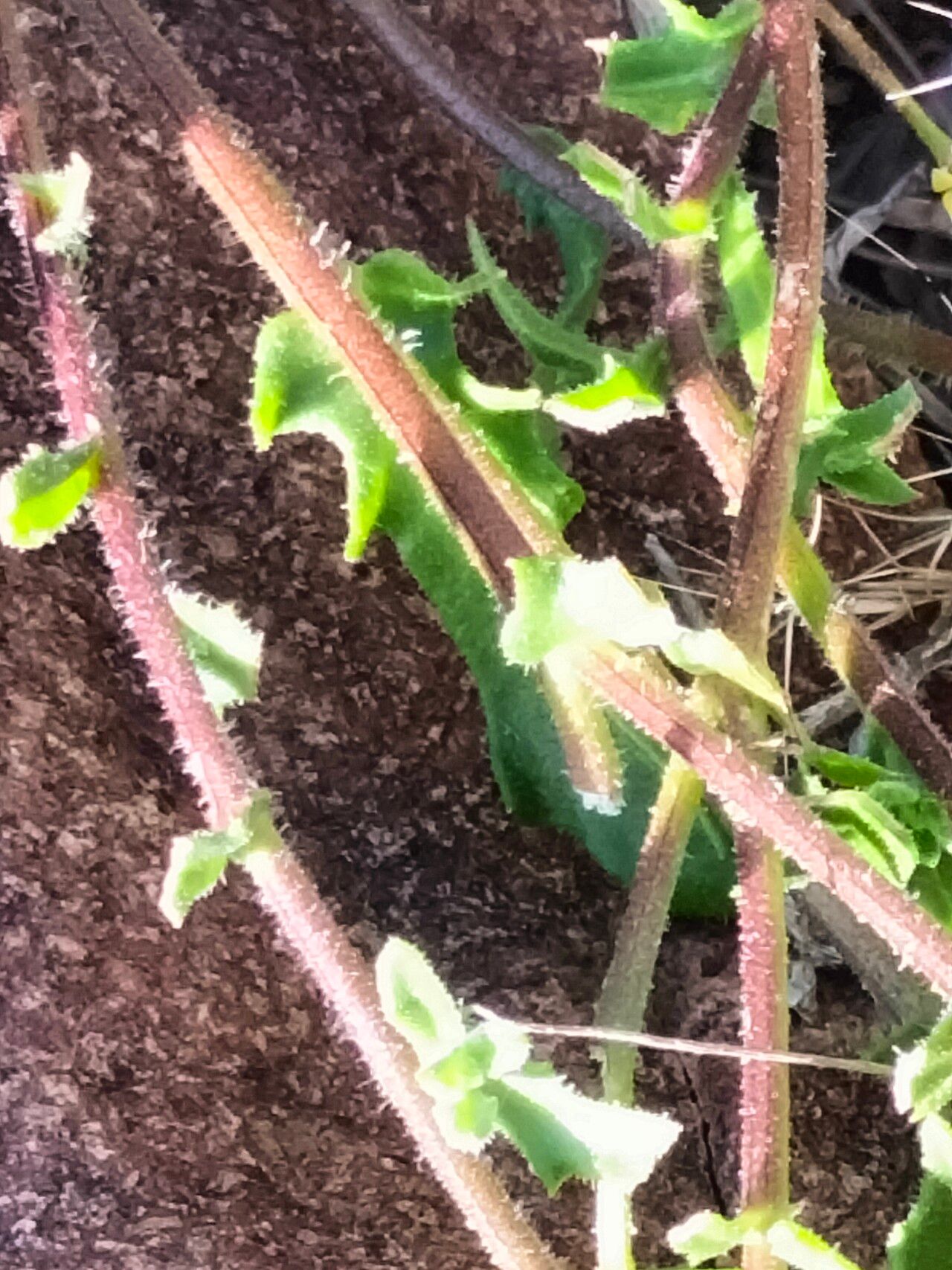
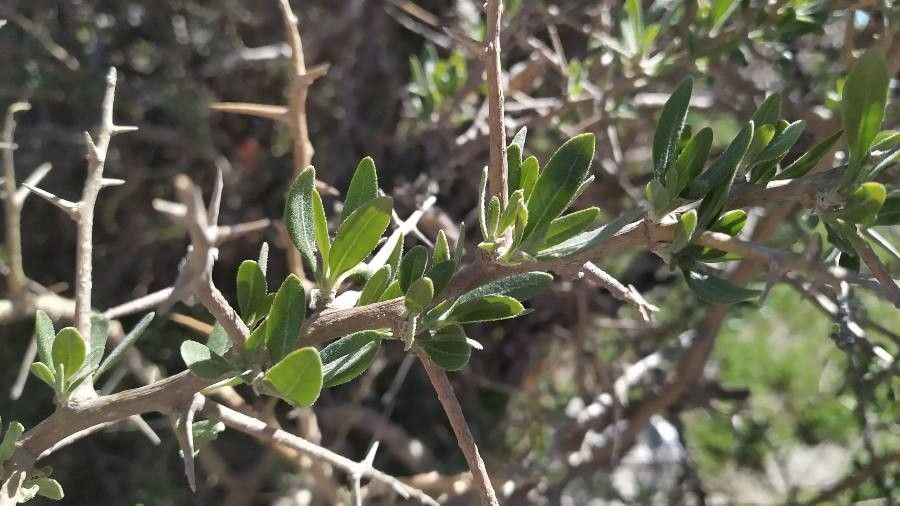
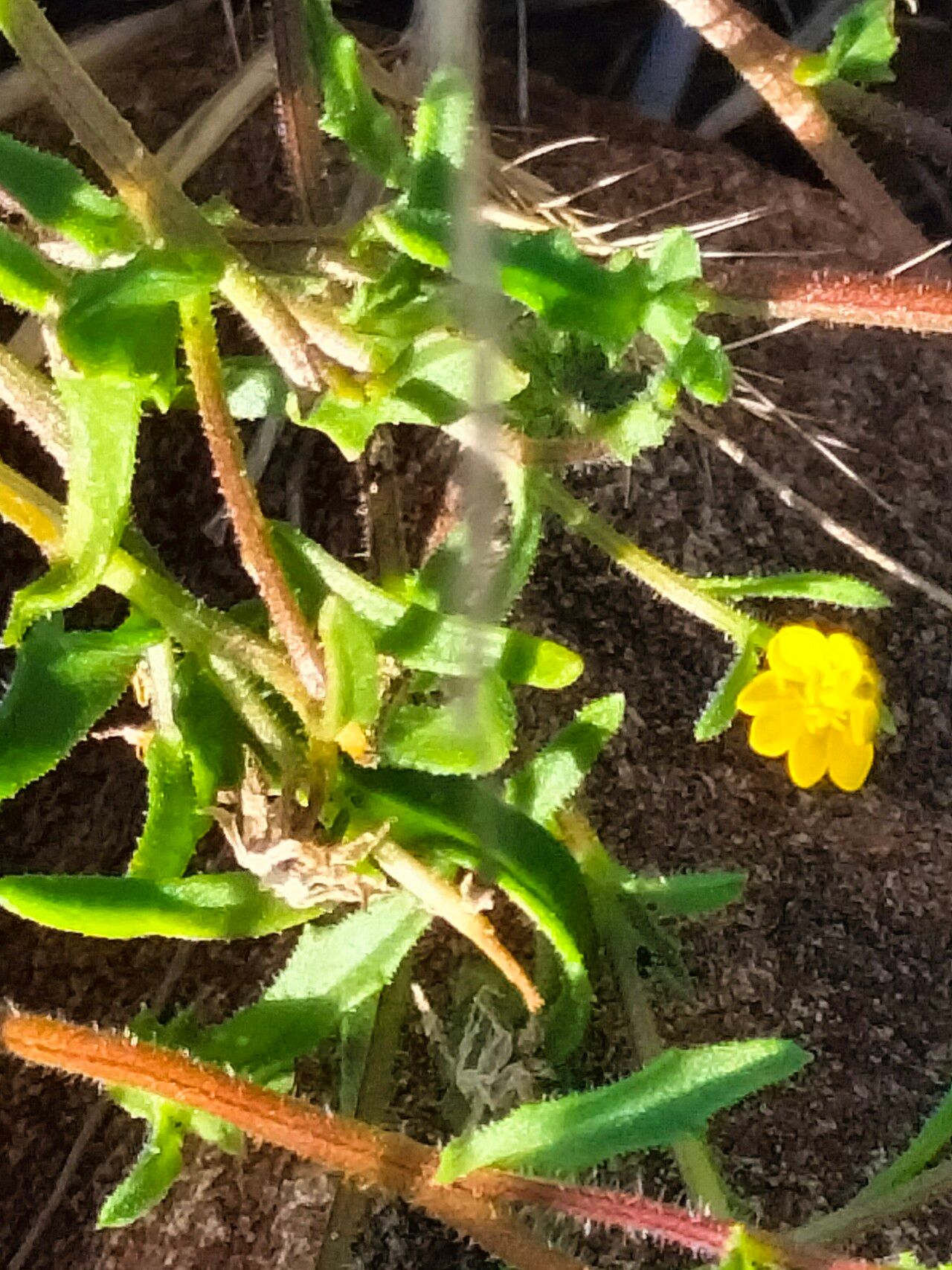
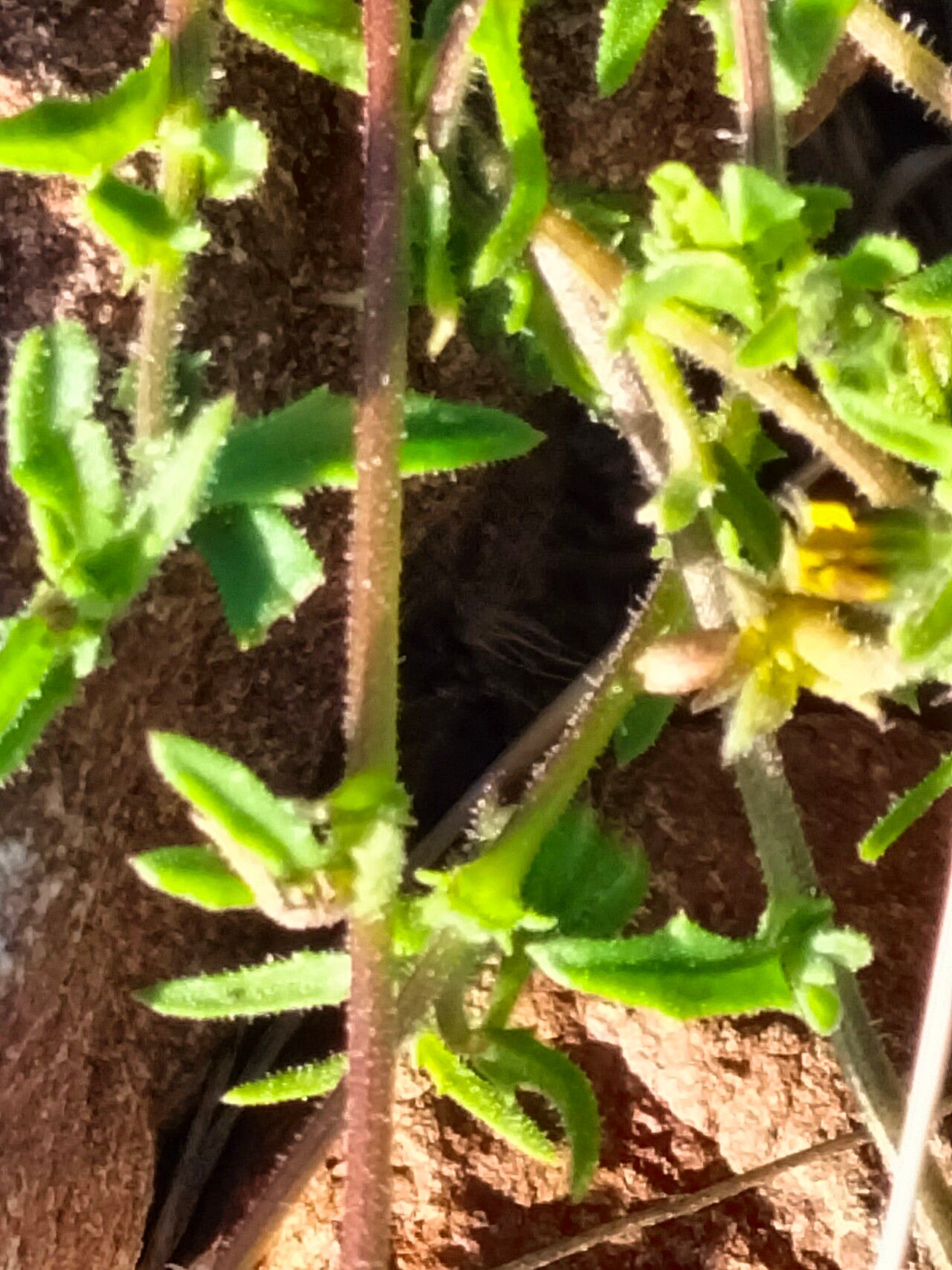
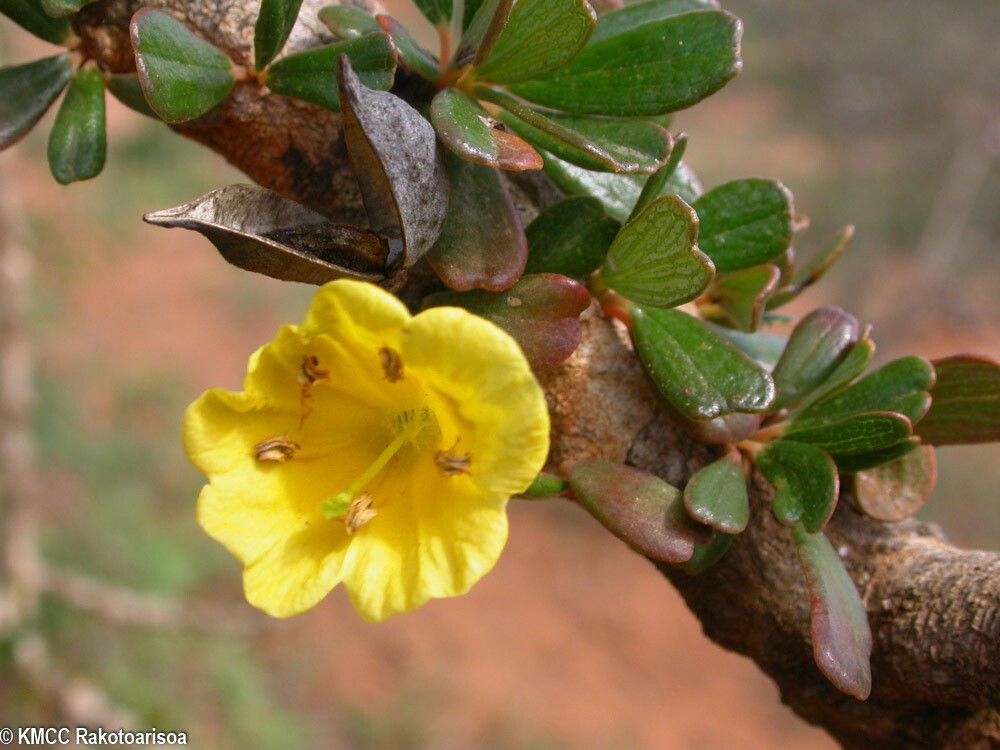
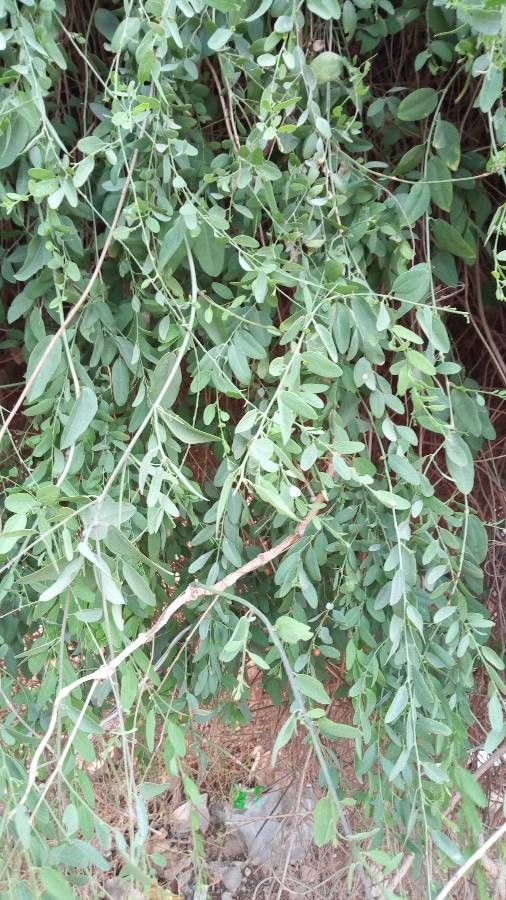
Rhigozum obovatum, the Karoo gold, is a perennial shrub or tree that is part of the Bignoniaceae family. The species is native to Namibia, South Africa and Zimbabwe. In South Africa, the plant occurs in Limpopo, Mpumalanga, Northern Cape, Eastern Cape, the Free State and the Western Cape.
Yellow pomegranate shows strong disease resistance and is generally not prone to illnesses. In terms of care, this plant is fairly low-maintenance. When grown outdoors, it needs only minimal watering, and larger plants usually do not require pruning. Smaller plants, however, should be pruned after they finish blooming. Yellow pomegranate is suitable for anyone with outdoor space, such as a garden or a deck, and does not demand much gardening experience.
How to keep Rhigozum Obovatum.
Light
Yellow pomegranate does best in places that receive ample sunshine for most of the day. It can tolerate some light shade, but extended periods of shade or insufficient light can slow its growth. Its native habitat is also exposed to a high level of sunlight, which explains its sun-loving nature.
Water
Originating from arid regions, the yellow pomegranate is highly drought-tolerant and requires minimal watering. It thrives with irrigation every two weeks. This plant is best grown outdoors in sandy soil, which provides good drainage and prevents the waterlogging that can harm its growth.
Temperature
The yellow pomegranate comes from tropical areas, where the climate is usually warm and humid. Therefore, it is well adapted to high heat and moisture. It is sensitive to abrupt temperature changes and prefers a steady temperature, so avoiding indoor temperature fluctuations is important. It typically does not tolerate cold and needs higher temperatures to grow. If the ambient temperature falls too low, the plant may stop growing or even die.
Fertilizer
The best time to fertilize a Yellow pomegranate is in early spring, as it breaks dormancy. This supports overall growth and the development of flowers. Fertilizing improves the foliage, stems, and branches and encourages flowers that are larger, more vibrant, and longer lasting. It also helps transport nutrients from the roots to the flowers and enhances the plant’s health and resistance to disease.
Pruning
The yellow pomegranate is known for its vibrant yellow flowers and requires pruning from early to late winter. To ensure healthy growth, remove any dead or damaged branches and thin out overcrowded areas to improve air circulation. Light pruning helps enhance blooming and maintains the plant's ornamental appeal. It's important to avoid heavy pruning to support healthy development.
Botanical profile.
- Plant Type
- Shrub
- Life Cycle
- Perennial
- Genus
- Rhigozum
- Family
- Bignoniaceae
- Hardiness Zone
- 9-11
- Mature Height
- 0.91 m to 3.05 m
- Mature Spread
- 0.91 m to 2.13 m
- Leaf Color
- Green, Dark Green
- Leaf Type
- Evergreen
- Flower Color
- Yellow
- Flower Size
- 2.03 cm to 3.05 cm
- Bloom Time
- Spring
- Planting Time
- Spring, Summer, Autumn
- Harvest Time
- Summer
- Native Area
- South Africa, Namibia, Zimbabwe
Other names.
Reader questions.
What are the sunlight requirements for Yellow Pomegranate?
Yellow Pomegranate (Rhigozum obovatum) requires full sun, meaning it should receive above 6 hours of sunlight daily for optimal growth. It can also tolerate partial sun, which equals about 3-6 hours of sunlight. Observing how sunlight moves through your garden can help you find spots that offer the ideal balance of light and shade, ensuring your plants thrive. The natural habitat of Yellow Pomegranate is exposed to a high level of sunlight, endorsing its preference for sun-rich settings. It's vital to provide ample daylight, as continuous shade or poor lighting can adversely affect its growth. In indoor settings where natural light is insufficient, particularly during winter or in less sunny areas, using artificial lighting can be a great solution to meet the plant's light requirements, ensuring healthier and faster growth.
How do I use artificial lighting for indoor Yellow Pomegranate plants?
For indoor Yellow Pomegranate plants requiring additional light, artificial lighting can significantly aid in their growth. LED lights are recommended due to their adaptability in providing specific light wavelengths needed by plants. Full sun plants should get 30-50W/sq ft of artificial light, partial sun plants 20-30W/sq ft, and full shade plants 10-20W/sq ft. The light source should be positioned 12-36 inches above the plant, simulating natural sunlight as closely as possible. Mimicking natural daylight durations is crucial, with most plants benefiting from 8-12 hours of light per day. These practices help promote healthier and more robust plant growth in environments where natural sunlight is scarce.
What are warning signs that my Yellow Pomegranate isn't getting enough light?
Symptoms of insufficient light in Yellow Pomegranate include smaller new leaves, leggy or sparse growth, early leaf drop to conserve resources, halted or no new growth, paler new leaves indicating a lack of chlorophyll, chlorosis (leaves turning yellow), sunscald from intense sunlight exposure, leaf curling as a sun exposure defense, wilting from excessive water loss, and leaf scorching, characterized by dry, brown edges on the leaves. These signs indicate the plant may be struggling with its light environment, either from too little or too much direct sunlight.
How can I remedy light deficiency symptoms for my Yellow Pomegranate?
To address light deficiency in Yellow Pomegranate, gradually acclimatize your plant to receive at least 6 hours of direct sunlight if it's indoors by moving it closer to a south-facing window or providing artificial light for at least 8 hours a day. For outdoor plants, incrementally shifting them to sunnier locations each week helps avoid sunburn. To maximize sunlight for plants on the ground, remove or prune obstructions like tree branches, or consider transplanting smaller plants during their dormant period into brighter, well-drained areas. While damaged parts may not recover, new growth following increased light exposure will be healthy, signifying improvement.