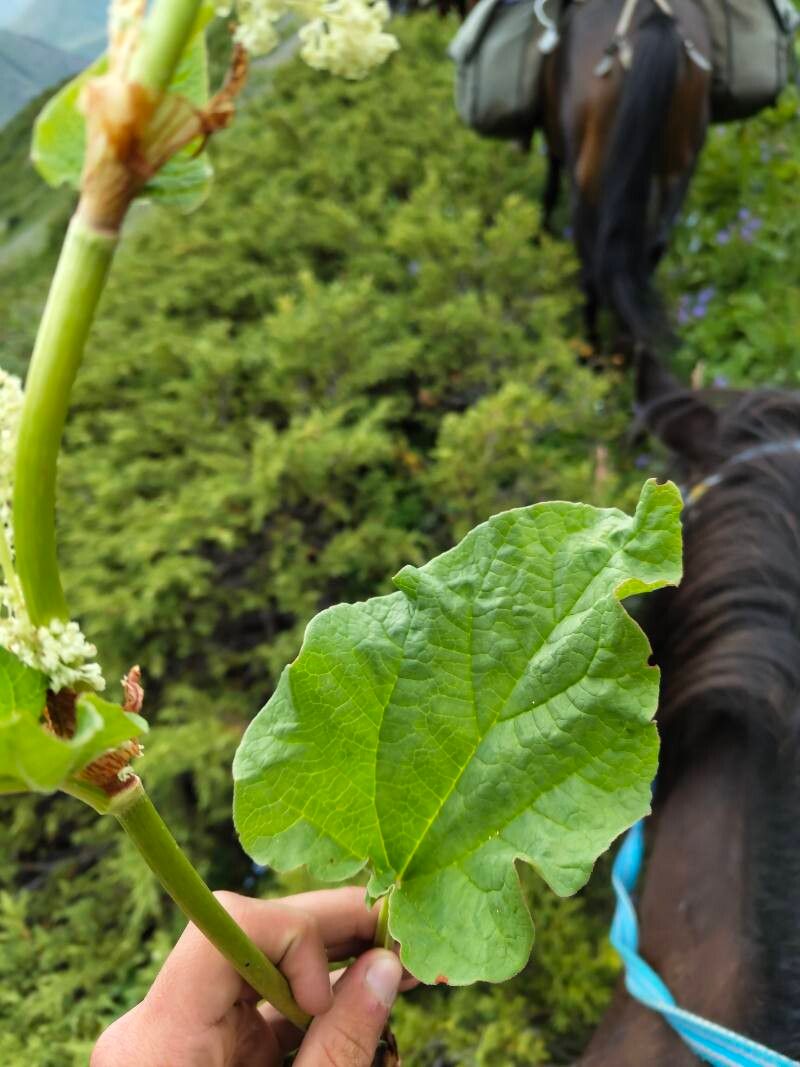
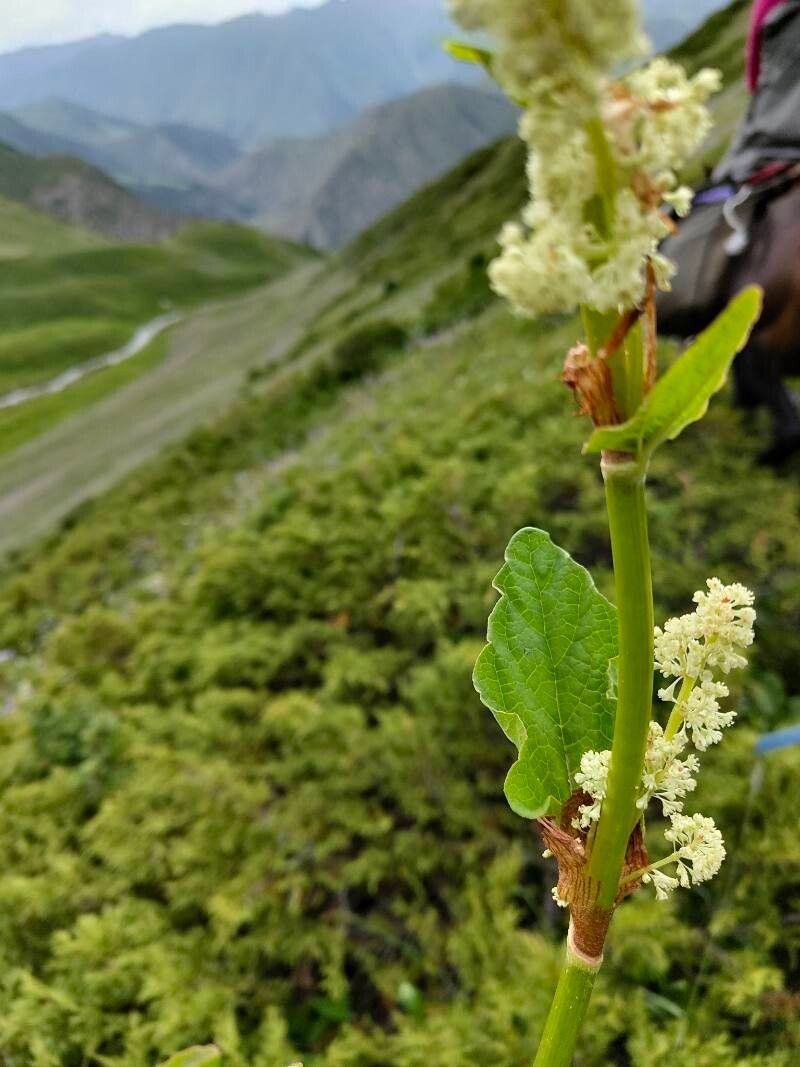
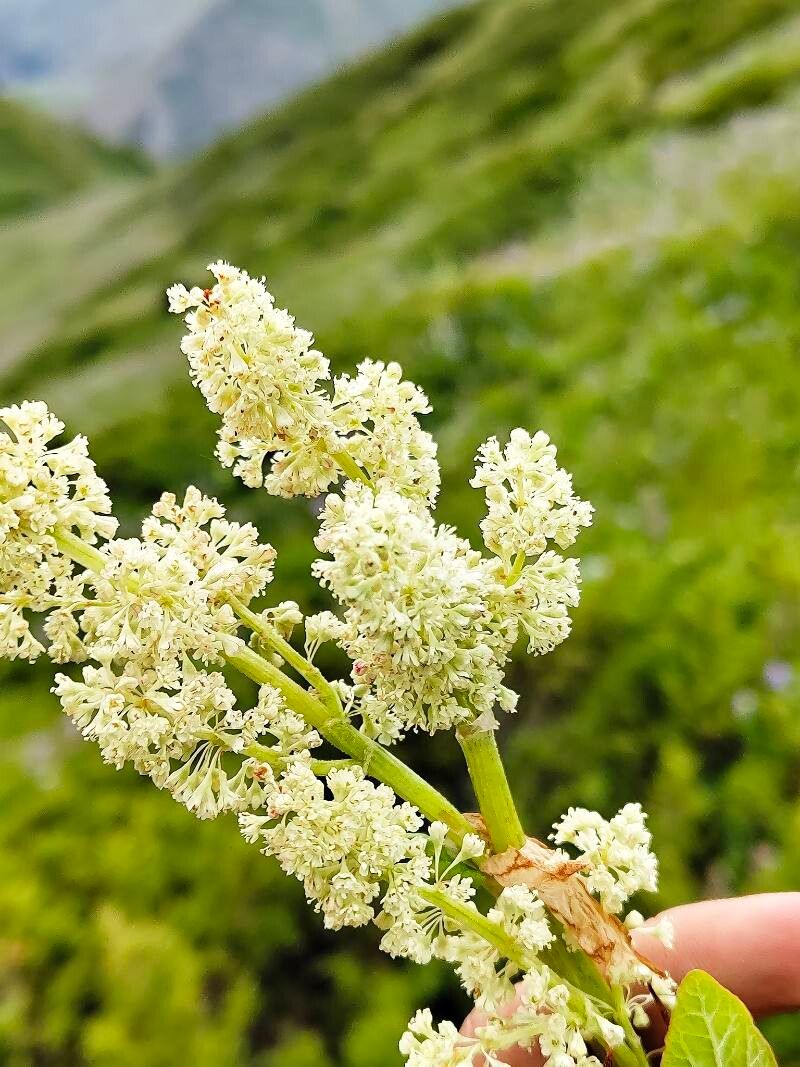
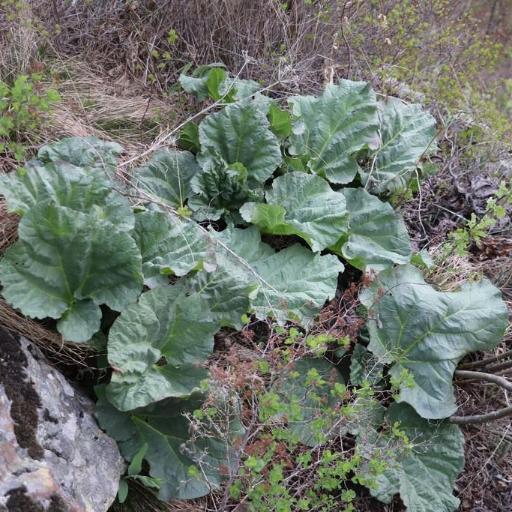
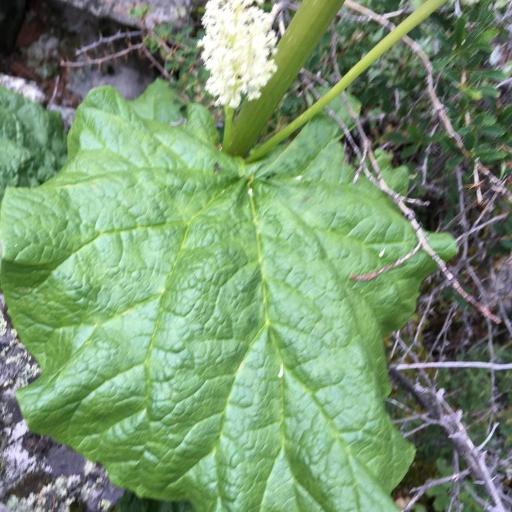
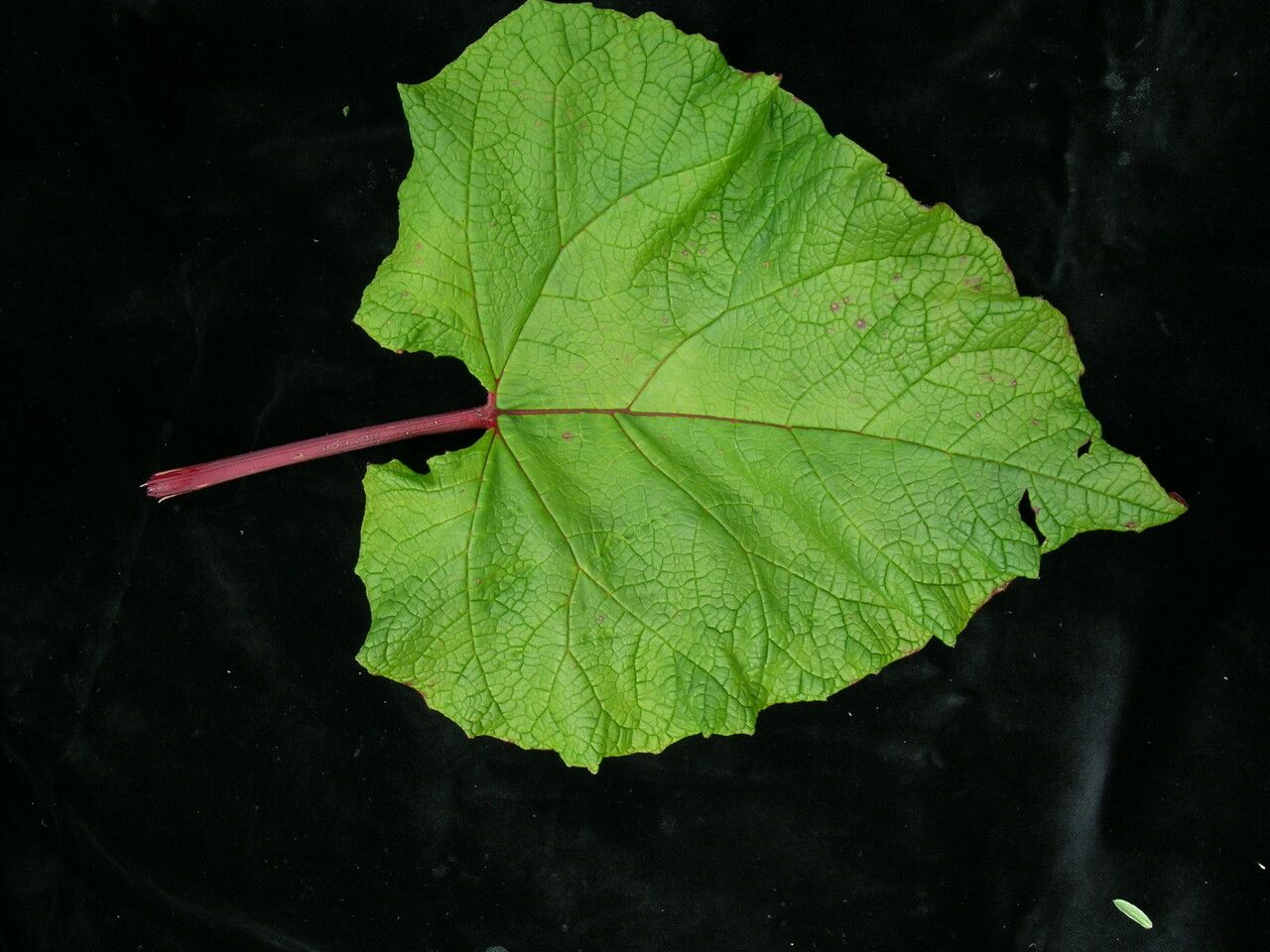
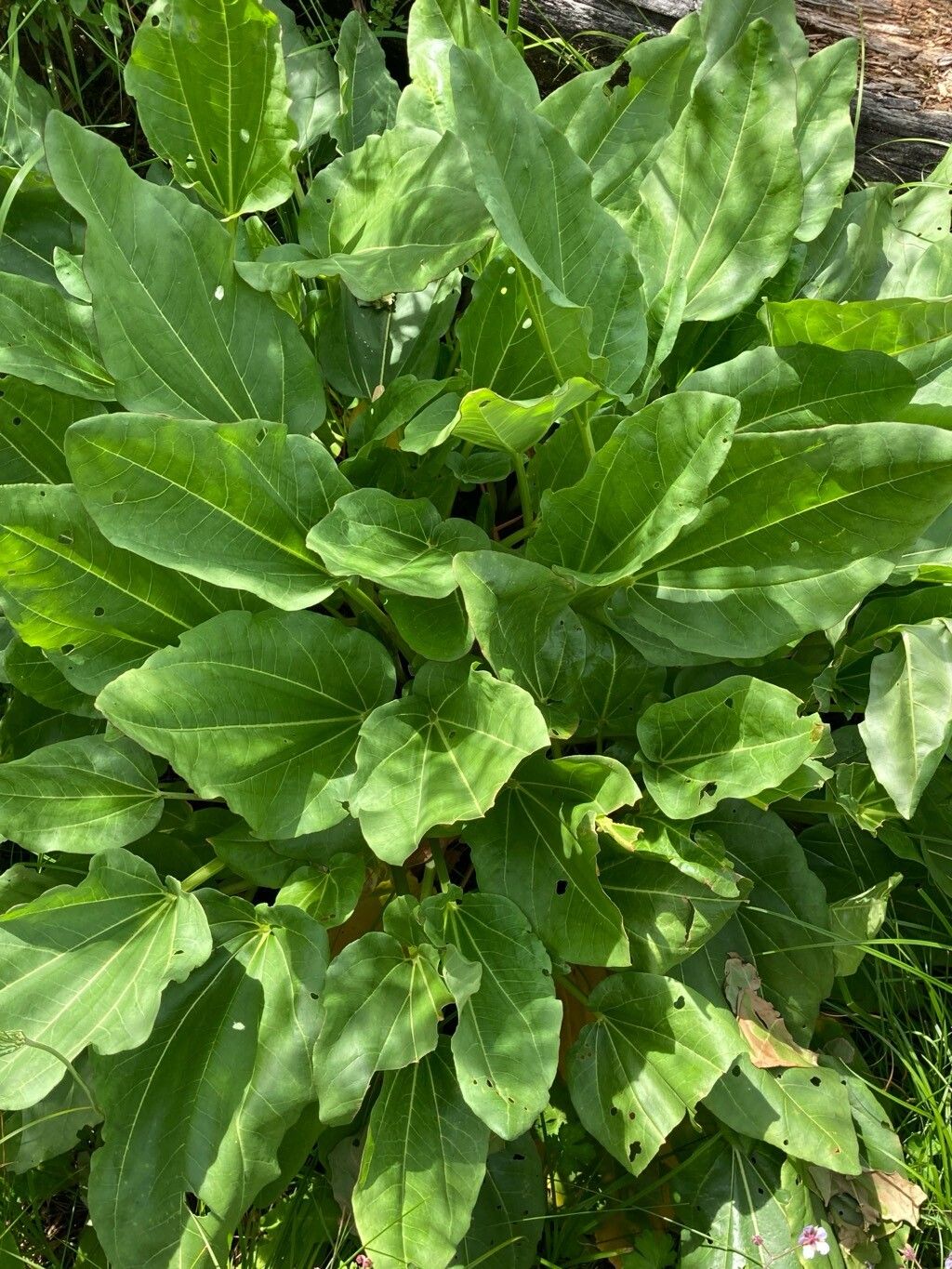
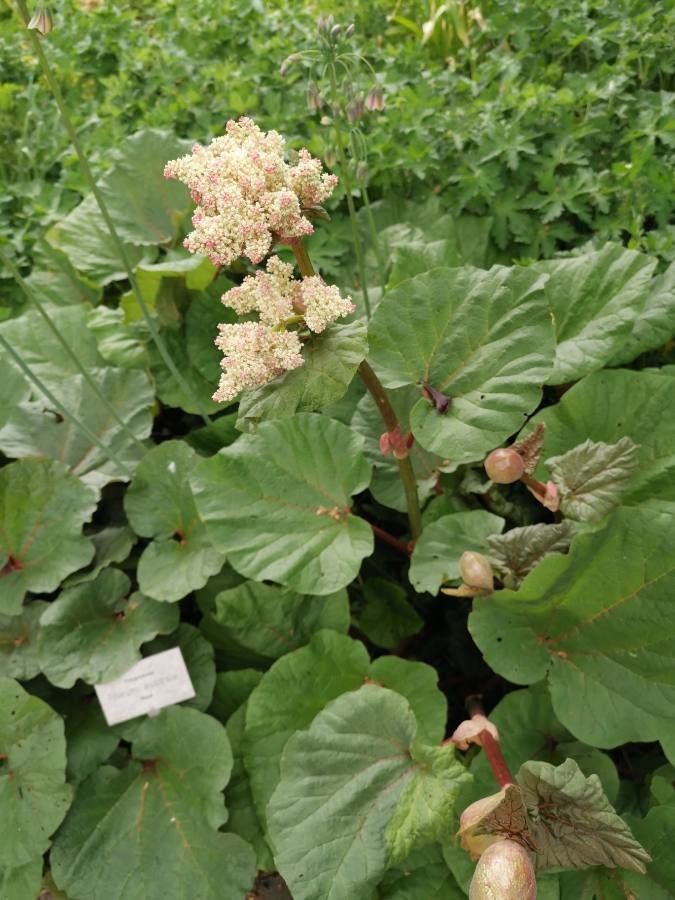
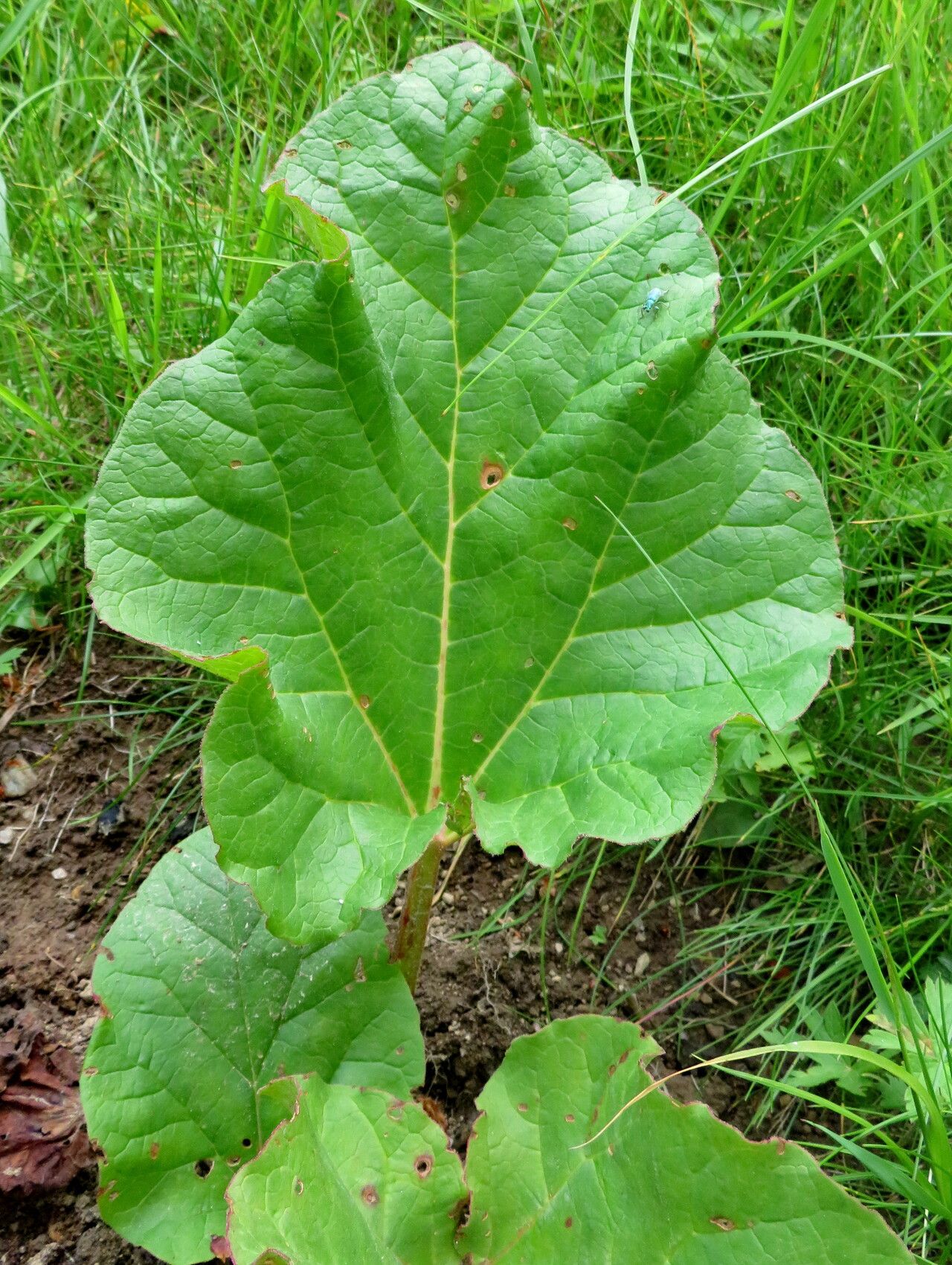
False rhubarb has strong resistance to diseases and is generally unlikely to suffer from them. Still, it can be affected by pests and illnesses present in its environment. Such infections are typically mild. Regarding care, this plant demands moderate maintenance. It should be pruned regularly to preserve a neat appearance and healthy growth. Applying fertilizer can also encourage blooming. False rhubarb is appropriate for anyone with outdoor areas like a garden or patio and does not call for extensive plant-care experience. It may need extra attention when cultivated indoors.
How to keep Rheum Compactum.
Light
False rhubarb needs ample sunlight to thrive, though it can tolerate lower light levels. It comes from sunny habitats, which promote its vigorous growth. Excessive sun can sometimes scorch the leaves, while insufficient light may stunt its development.
Temperature
False rhubarb's native growing environment calls for a moderate temperature range of 0 to 35 ℃ (32 to 95℉). The plant favors a cool temperate to subarctic climate and can withstand cold down to -25℃ (-13℉). In summer, it needs less frequent watering and partial shade to adapt to higher temperatures.
Fertilizer
Usually one fertilizer application in spring is enough for False rhubarb, but repeated feedings can maximize growth. Feed every month to six weeks. Fertilizing improves the leaves’ appearance and function, helping keep a consistent color and healthy texture. It also promotes root growth and nutrient uptake for long-term plant health.
Botanical profile.
- Plant Type
- Herb
- Life Cycle
- Perennial
- Genus
- Rheum
- Family
- Polygonaceae
- Hardiness Zone
- 3-9
- Mature Height
- 1.22 m
- Mature Spread
- 91 cm
- Leaf Color
- Green, Yellow
- Leaf Type
- Deciduous
- Flower Color
- White
- Flower Size
- 0.20 cm to 0.25 cm
- Bloom Time
- Late spring, Early summer
- Planting Time
- Spring
- Harvest Time
- Mid summer
- Native Area
- Bulgaria