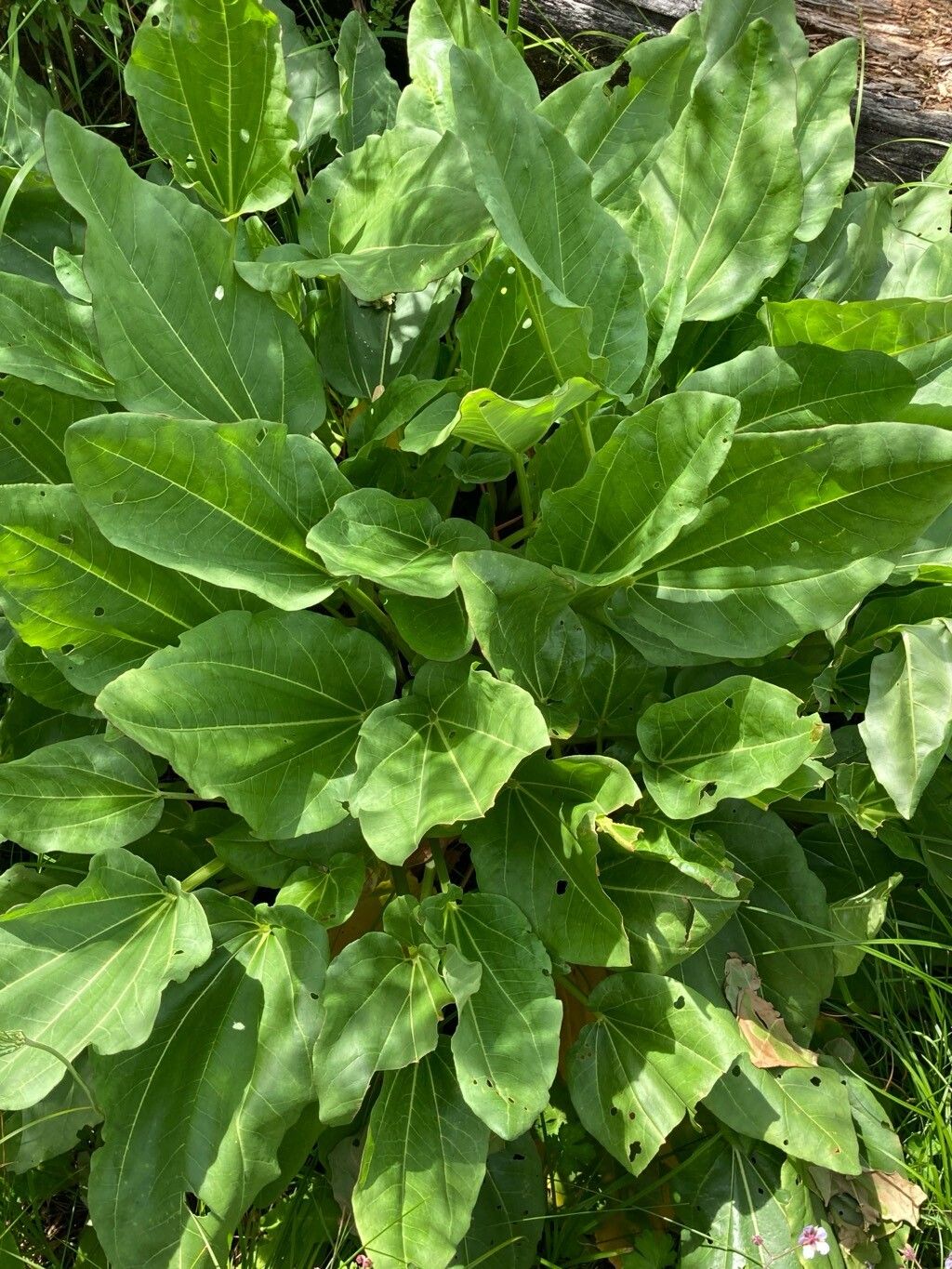
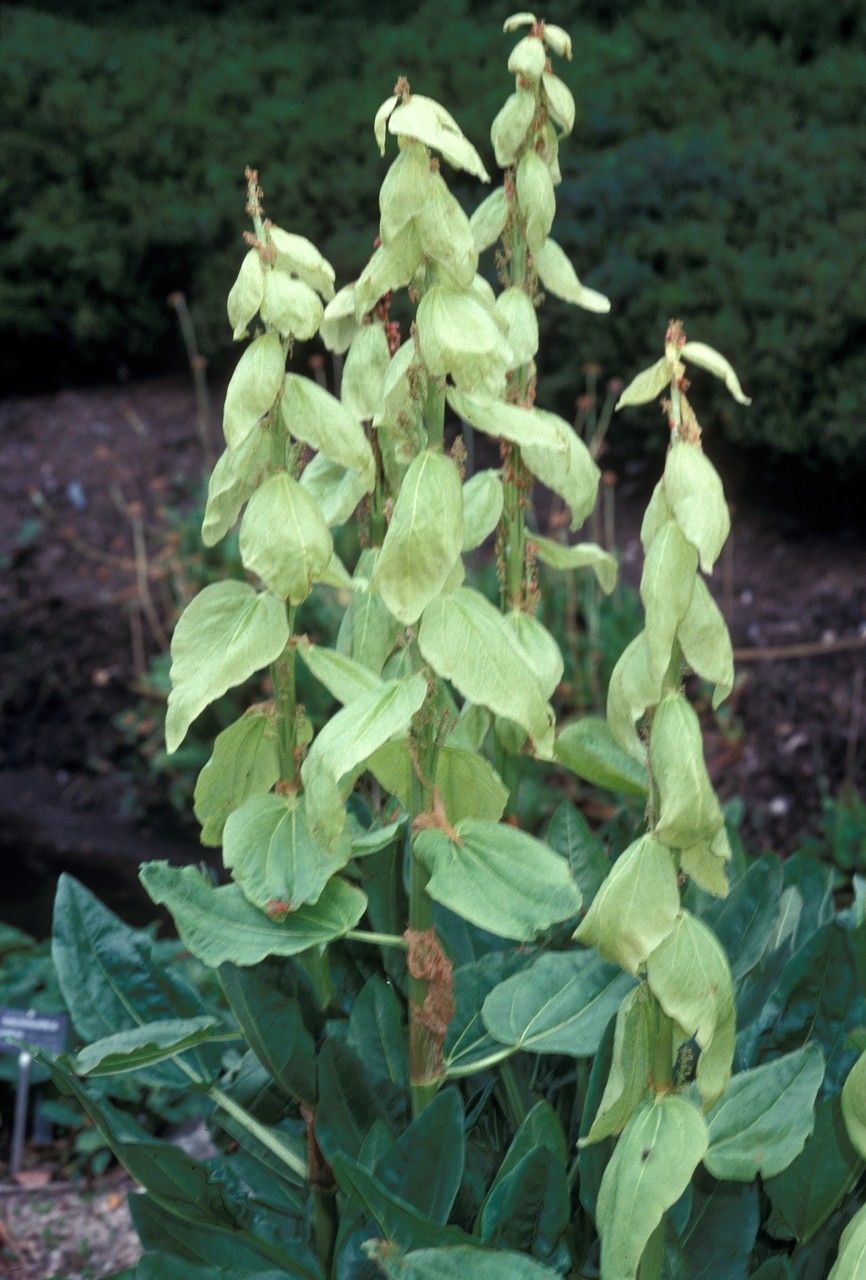
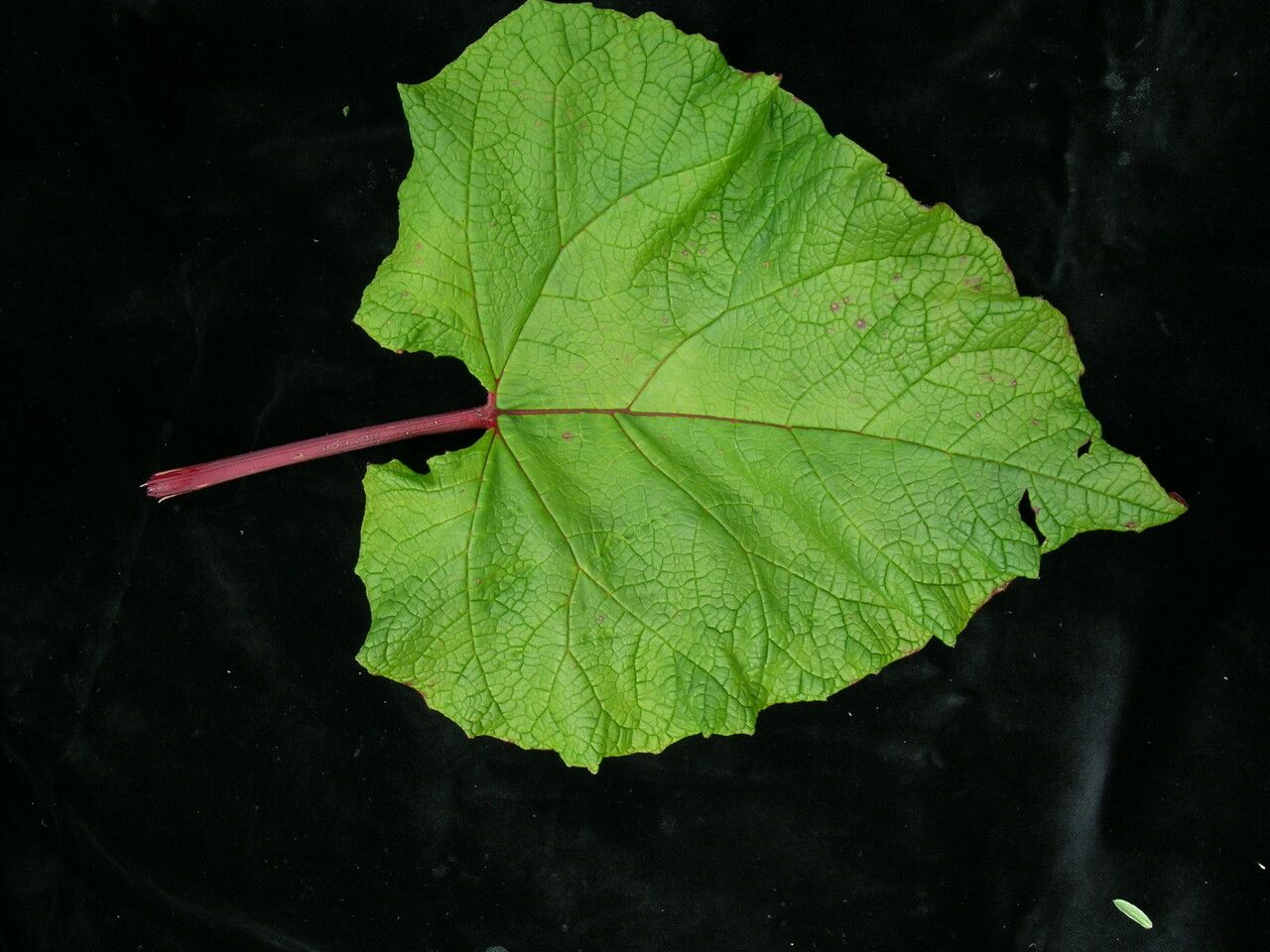
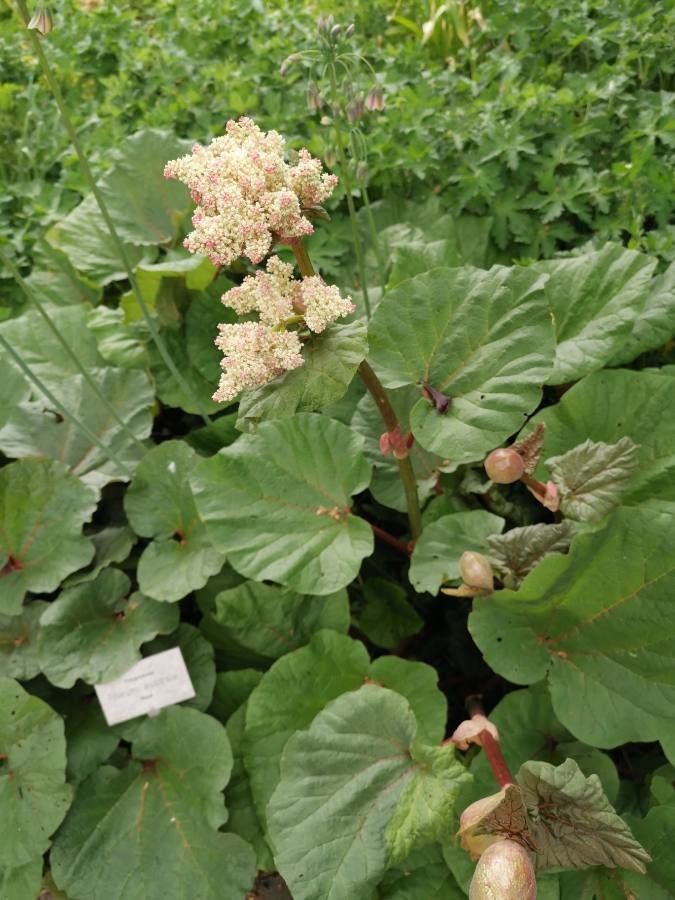
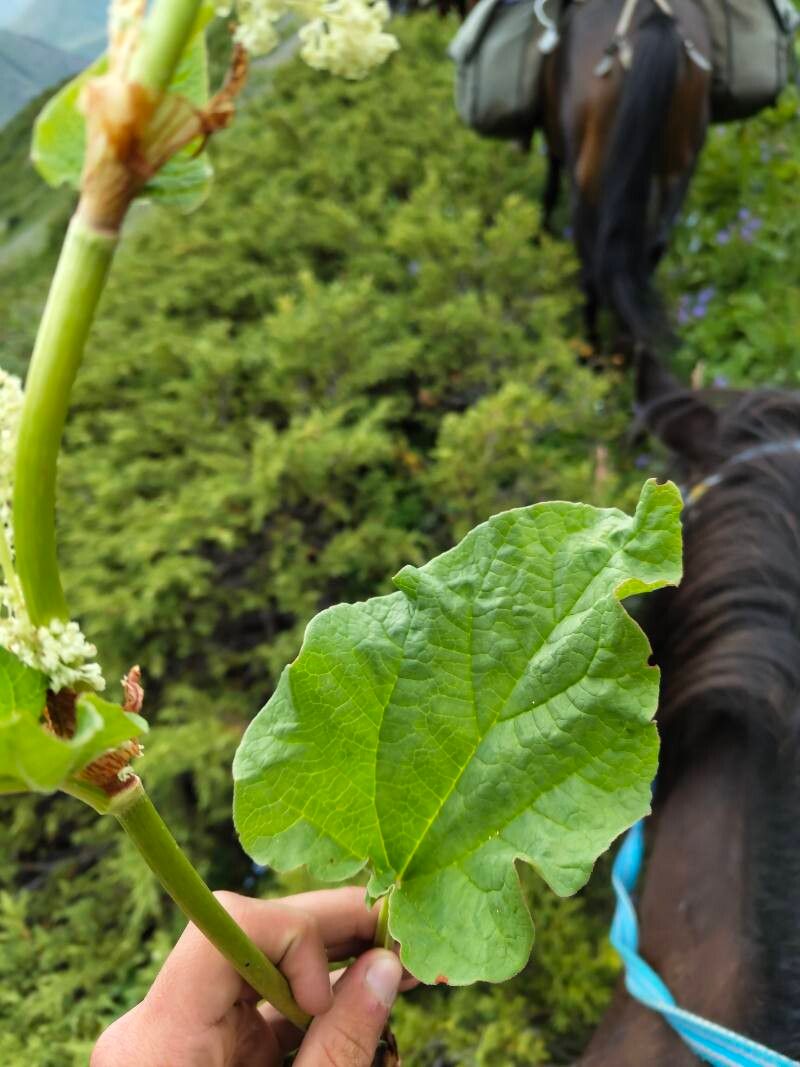
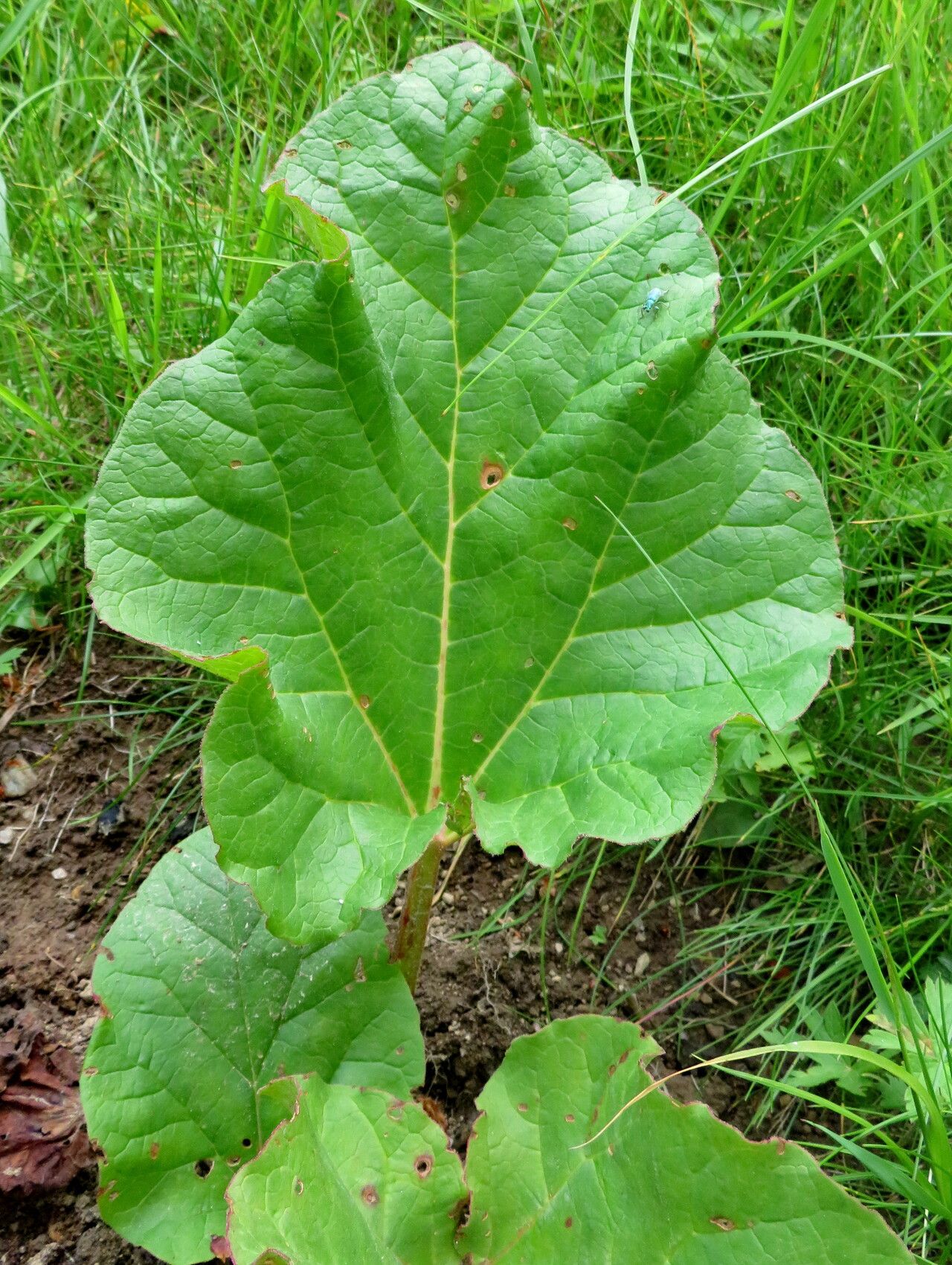
Alexander’s rhubarb has strong disease resistance and is generally not likely to get sick. However, it can be vulnerable to pests and illnesses present in its environment. Such infections are typically mild. Regarding care, this plant needs moderate maintenance. It requires regular pruning to keep a tidy appearance and encourage healthy growth. Applying fertilizer can also encourage flowering. Alexander’s rhubarb is suitable for anyone with an outdoor area, like a garden or patio, and does not demand much care experience. It may need more attention if kept indoors.
How to keep Rheum Alexandrae.
Light
Alexander's rhubarb originates from habitats like forest undergrowth or stony regions, where it typically receives indirect sun exposure. Its optimal lighting situation is partial sunlight, however, it shows its adaptability and robustness by thriving in conditions of full sunlight or complete shade.
Water
Alexander's rhubarb flourishes in mountainous areas where the moisture levels are moderate and consistent. It prefers soil that remains evenly moist and can withstand short periods of dryness, though it should be kept away from waterlogged conditions. To ensure adequate hydration, it's best to water it weekly. Typically found outdoors in cooler climates, this plant benefits from natural rainfall, which helps meet its moisture requirements.
Fertilizer
The primary period for fertilizing Alexander's rhubarb is in the early spring when the flowers start to form. The correct fertilizer promotes improved blossoms and assists Alexander's rhubarb in generating beautiful flowers. The application of fertilizer in early spring guarantees superior flowers throughout the season and supplies energy for periods of dormant growth.
Pruning
Alexander’s rhubarb is known for its large, thick stalks and impressive foliage. To encourage new growth and maintain plant health, prune the rhubarb in early to late spring. This helps remove any damaged leaves, improves air circulation, and reduces the risk of disease. Always clean your pruning tools before use to prevent the spread of pathogens, ensuring optimal health and vigor for Alexander's rhubarb.
Botanical profile.
- Plant Type
- Herb
- Life Cycle
- Perennial
- Genus
- Rheum
- Family
- Polygonaceae
- Hardiness Zone
- 5-8
- Mature Height
- 1.52 m
- Mature Spread
- 61 cm
- Leaf Color
- Green
- Leaf Type
- Deciduous
- Flower Color
- White
- Flower Size
- 0.25 cm to 0.51 cm
- Bloom Time
- Late spring, Early summer
- Planting Time
- Spring, Summer
- Harvest Time
- Mid summer, Late summer
- Native Area
- China
Other names.