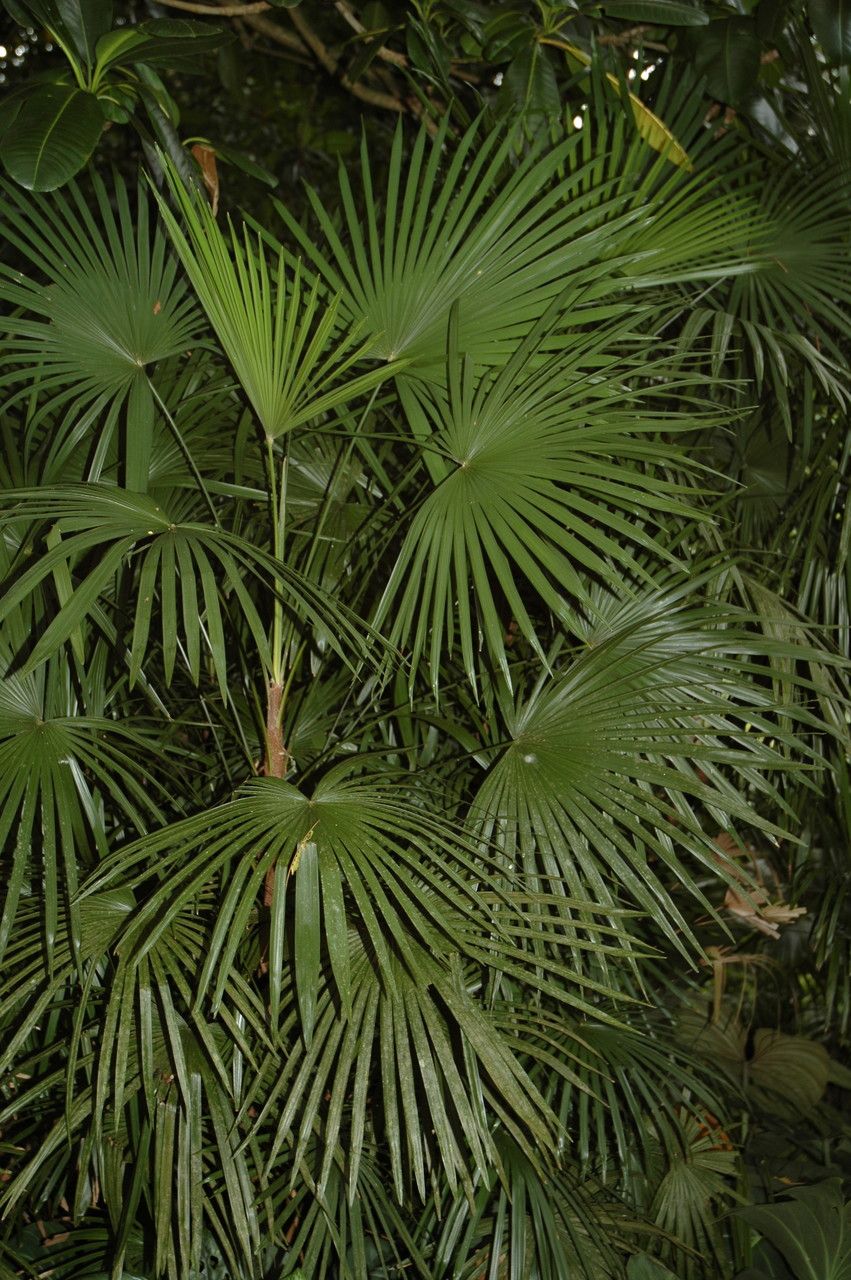
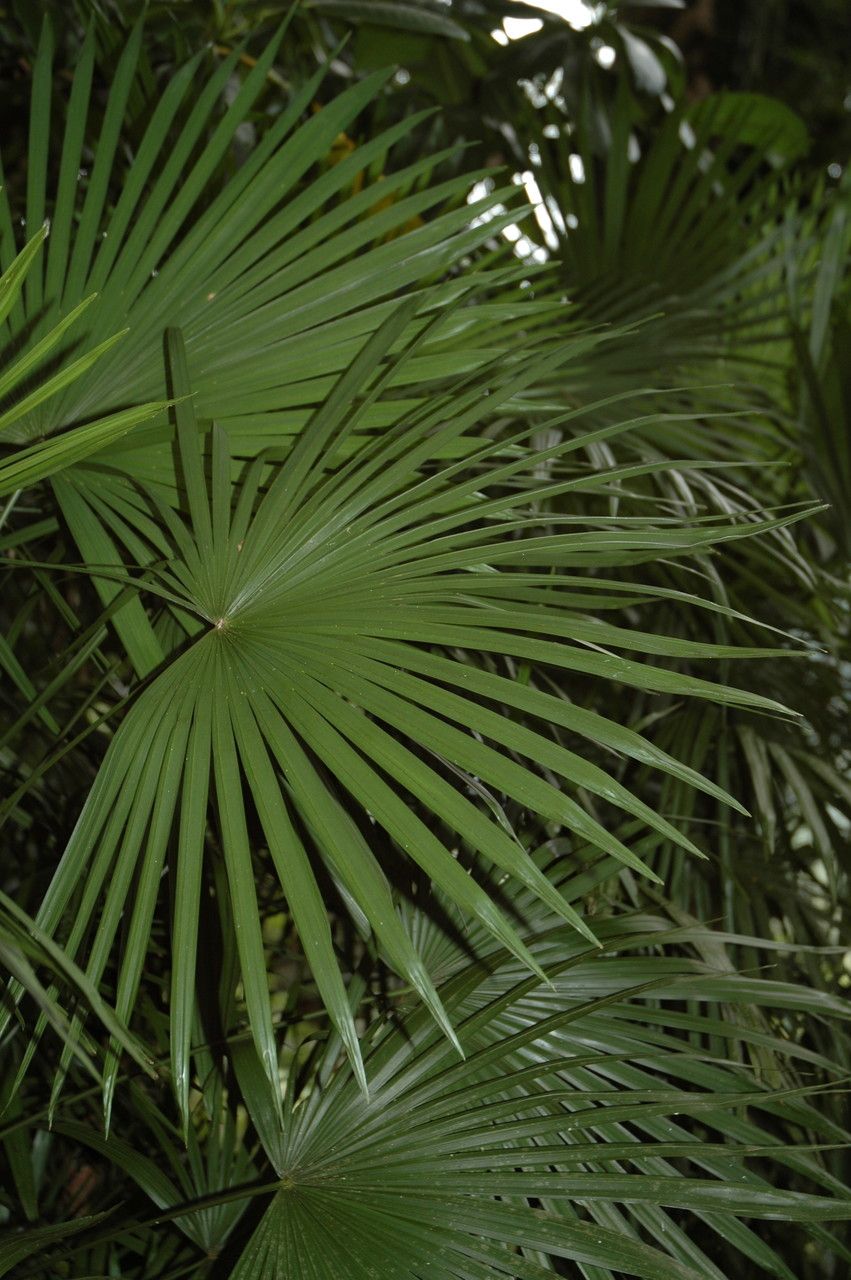
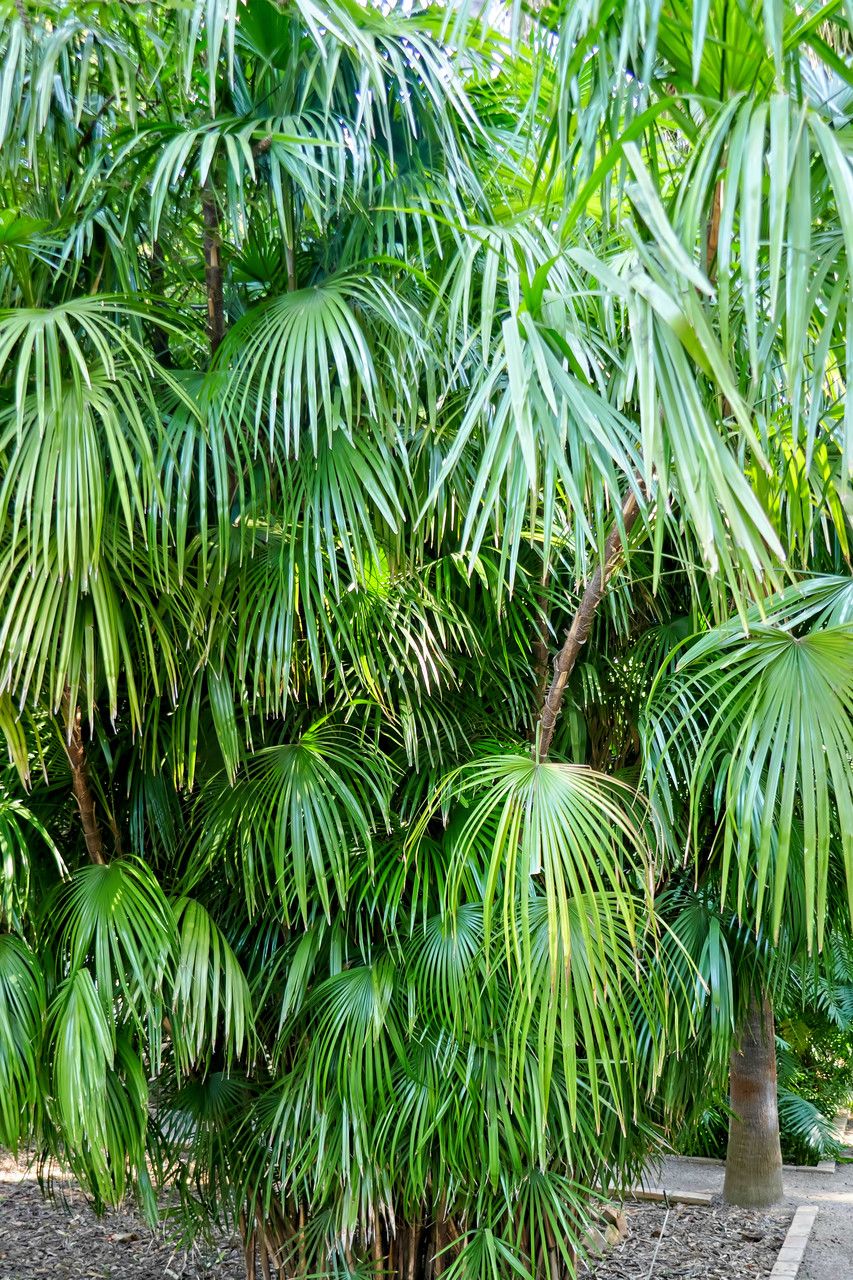
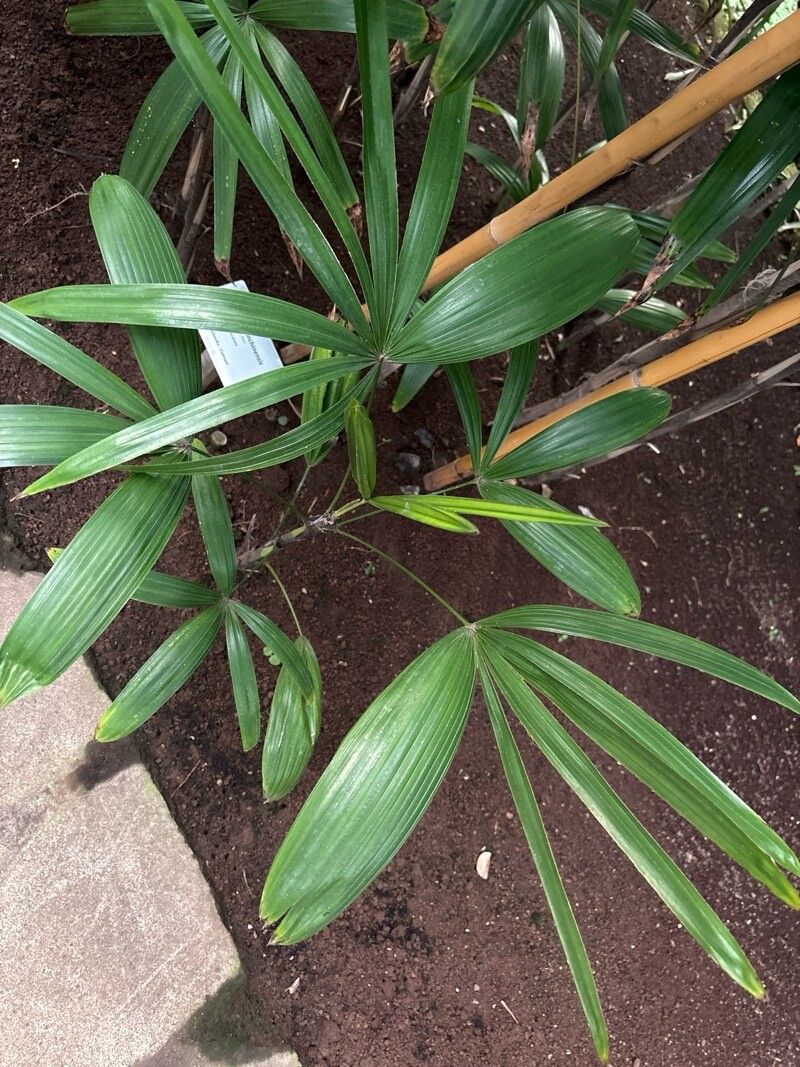
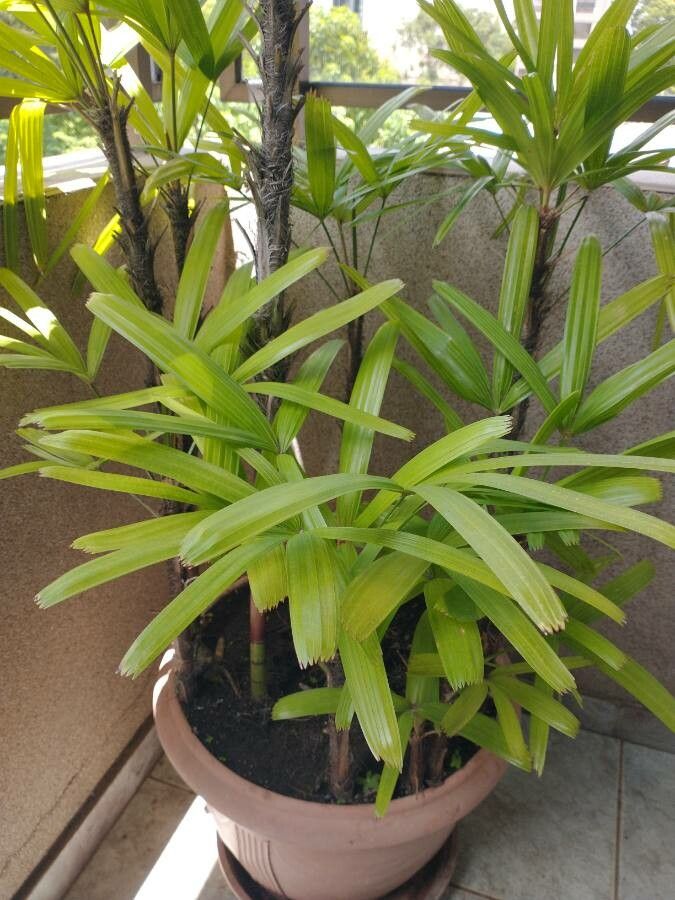
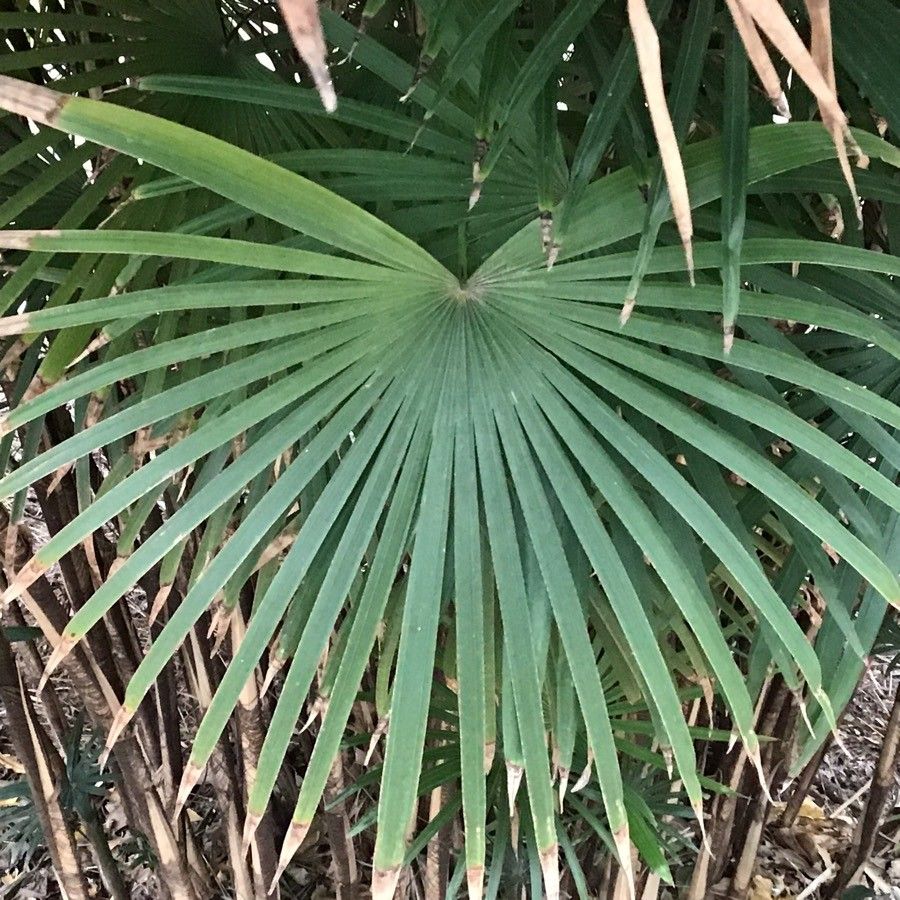
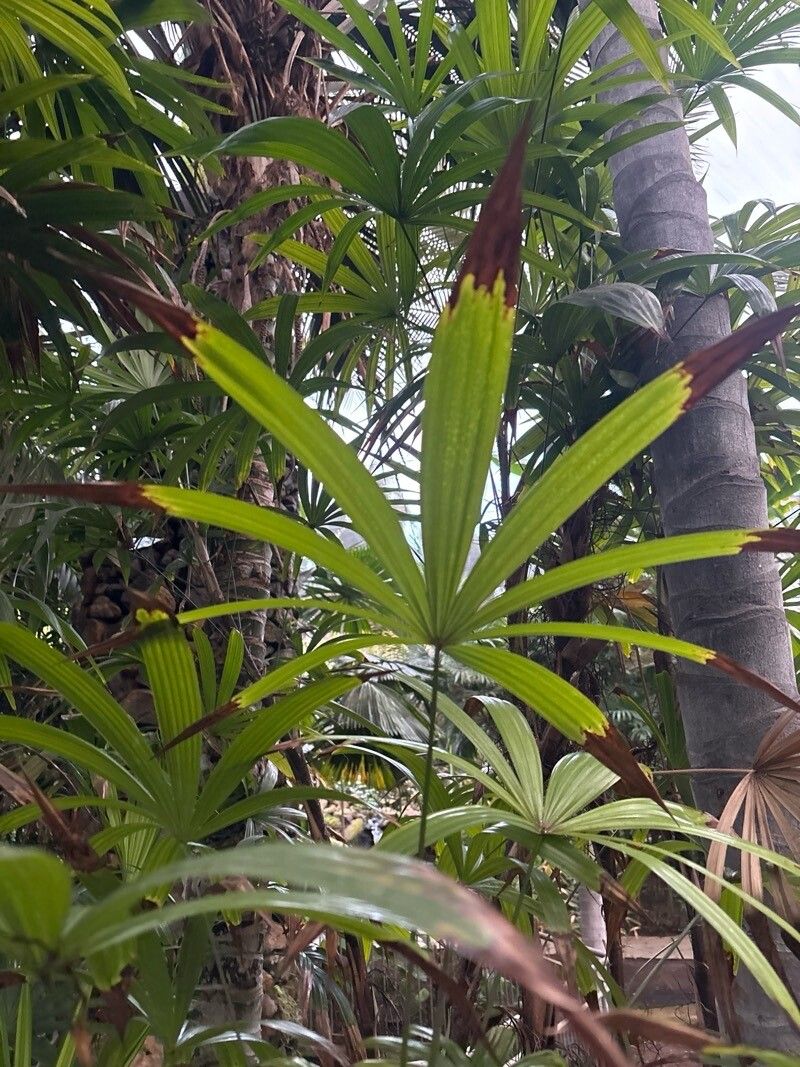
Reed rhapis is resistant to disease and typically not susceptible to illnesses. In terms of upkeep, this plant is fairly low maintenance. Planted outdoors, it needs only minimal watering, and larger specimens usually do not require pruning. Smaller plants, however, should be pruned after they have finished blooming. Reed rhapis is suitable for anyone with outdoor space, like a garden or deck, and does not demand much experience in plant care.
How to keep Rhapis Multifida.
Light
Reed rhapis grows best with plenty of sunlight. It can, however, adapt to lower light conditions without compromising its growth. Because it originates from areas with strong sun exposure, both too little and too much light can harm its health and affect its overall vigor and development.
Humidity
This plant will thrive in moderate humidity, which is probably the level in your home. However, misting it a few times a week can be very beneficial. Make sure the room has good ventilation.
Temperature
Reed rhapis demonstrates good temperature adaptability, able to tolerate higher heat and wider temperature fluctuations. In hot weather, care should be taken with watering and to provide suitable shade to prevent sunburn. However, reed rhapis is comparatively less tolerant of low temperatures. While it can endure some cold, excessively low temperatures can cause frost damage.
Fertilizer
The timing of fertilizing Reed rhapis is critical. Apply fertilizer in early spring and repeat it monthly until early summer. Fertilizer encourages attractive blooms and supplies energy during both dormant and active growth phases.
Botanical profile.
- Plant Type
- Tree, Shrub
- Life Cycle
- Perennial
- Genus
- Rhapis
- Family
- Arecaceae
- Hardiness Zone
- 9-11
- Mature Height
- 2.44 m
- Mature Spread
- 2.44 m
- Leaf Color
- Green
- Leaf Type
- Evergreen
- Flower Color
- White
- Flower Size
- 2.54 cm
- Bloom Time
- Mid spring, Late spring, Summer, Early fall, Mid fall
- Planting Time
- Autumn, Winter
- Harvest Time
- Mid summer, Late summer, Fall, Early winter, Mid winter
- Native Area
- Japan, China
Other names.