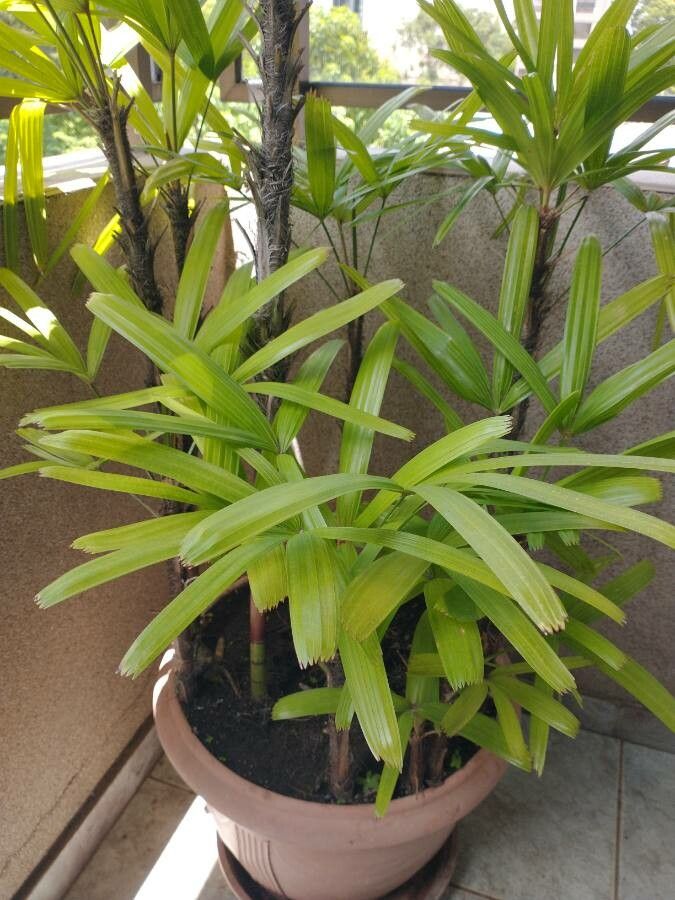
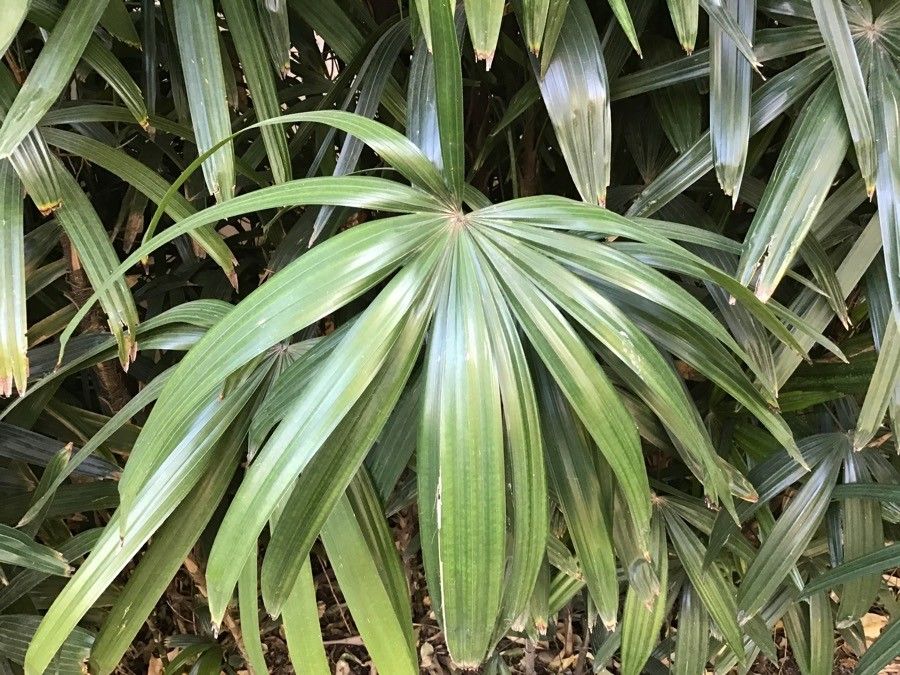
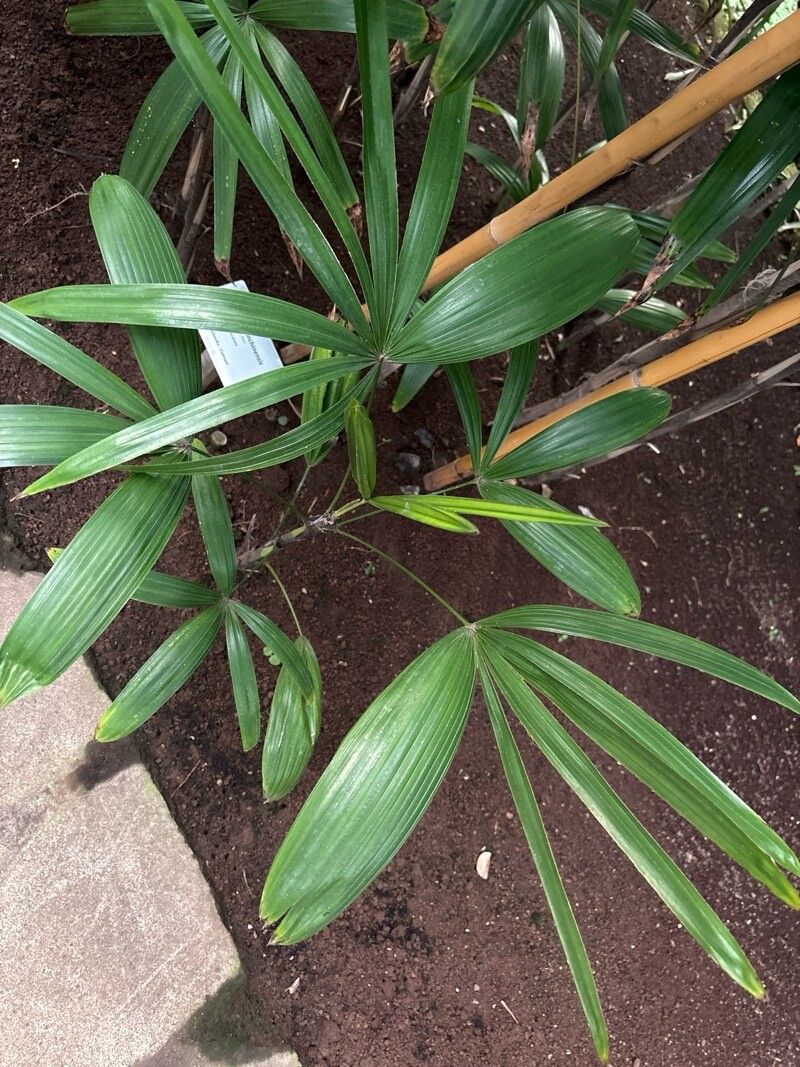
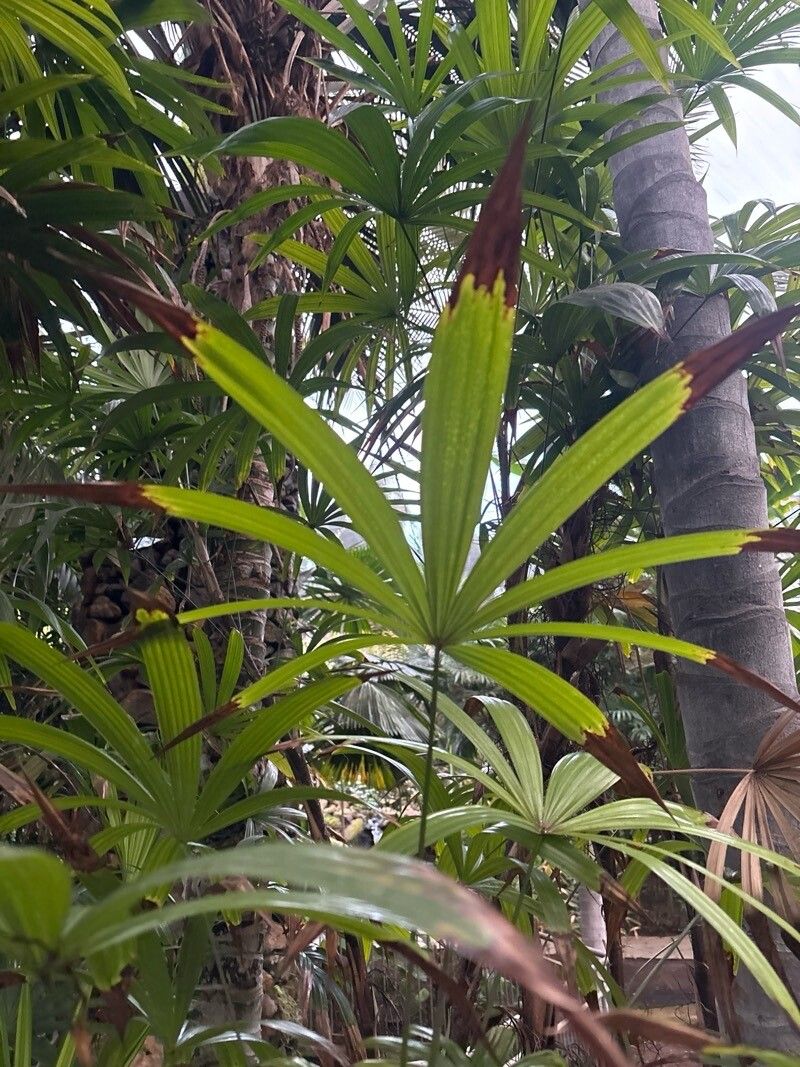
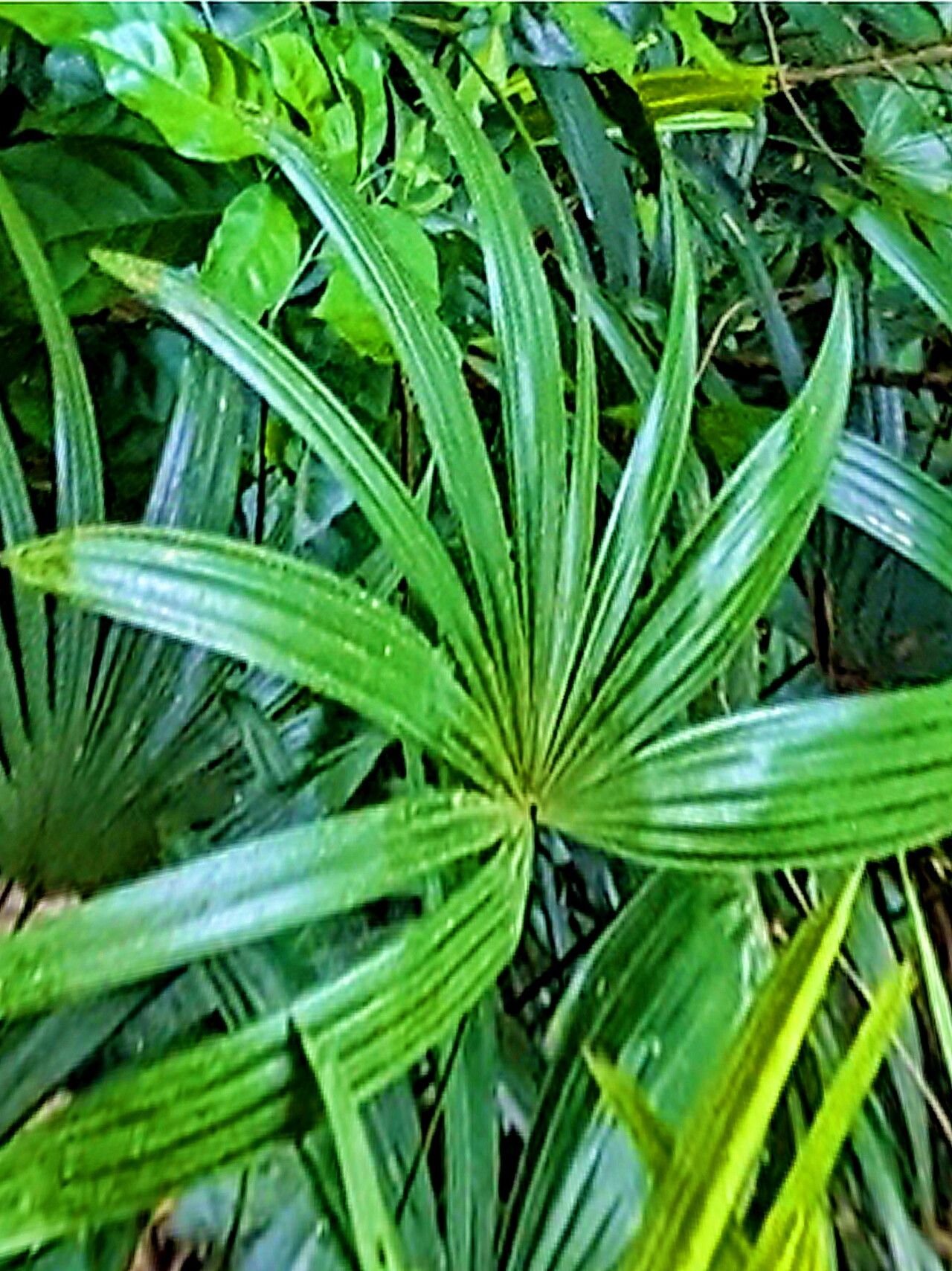
Rhapis excelsa, commonly known as the Lady Palm, is a popular indoor plant that belongs to the Arecaceae family. Native to Southeast Asia, this plant is widely cultivated for its attractive appearance and ease of care. It has a slow growth rate and can reach heights of 6-12 feet, featuring multiple stems covered with dark green leaves.
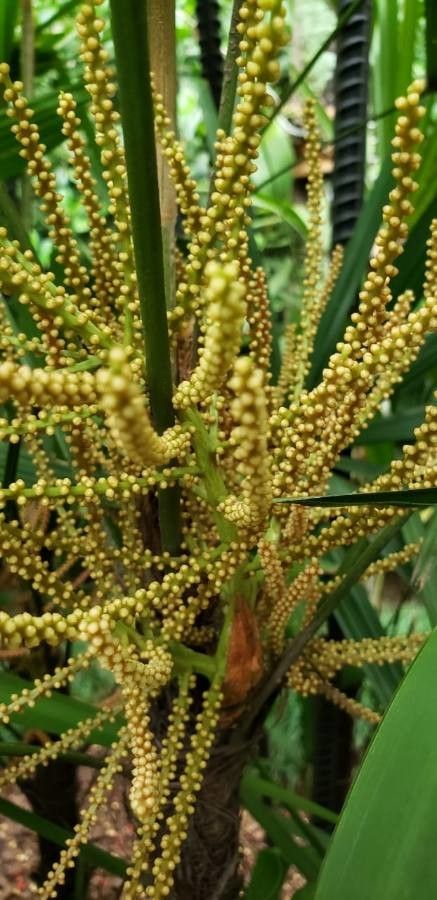
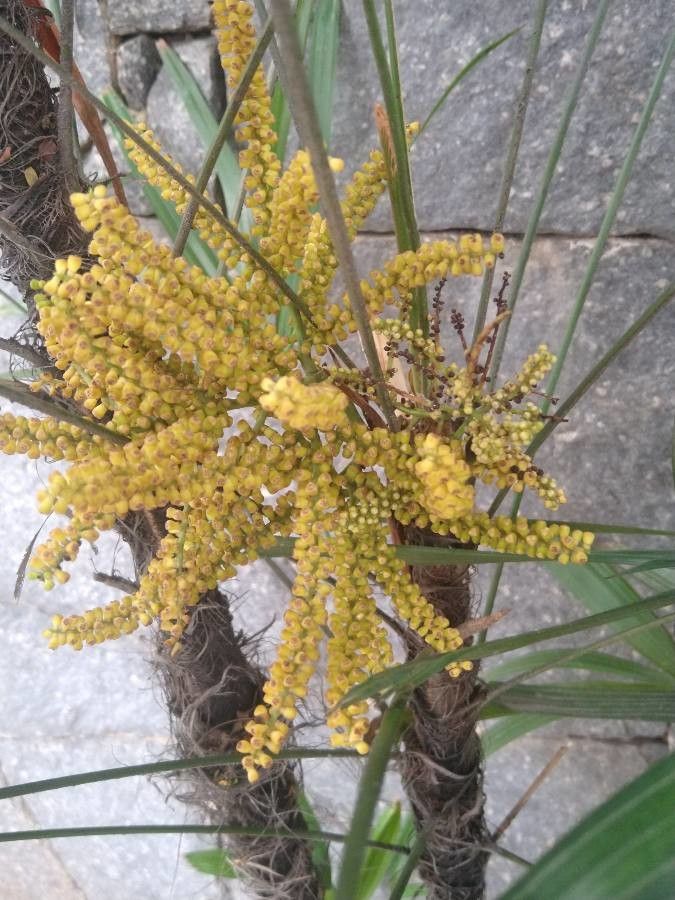
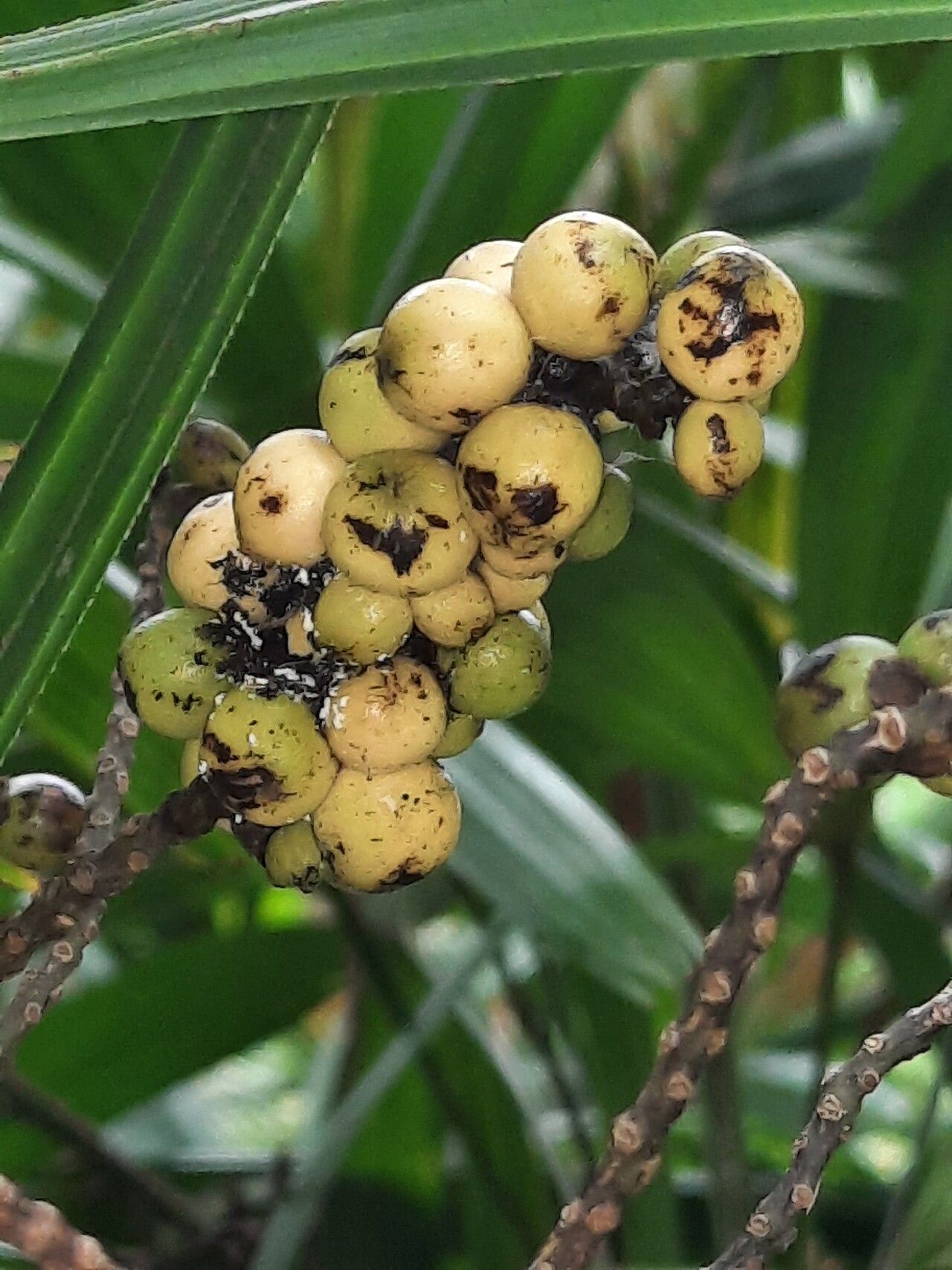
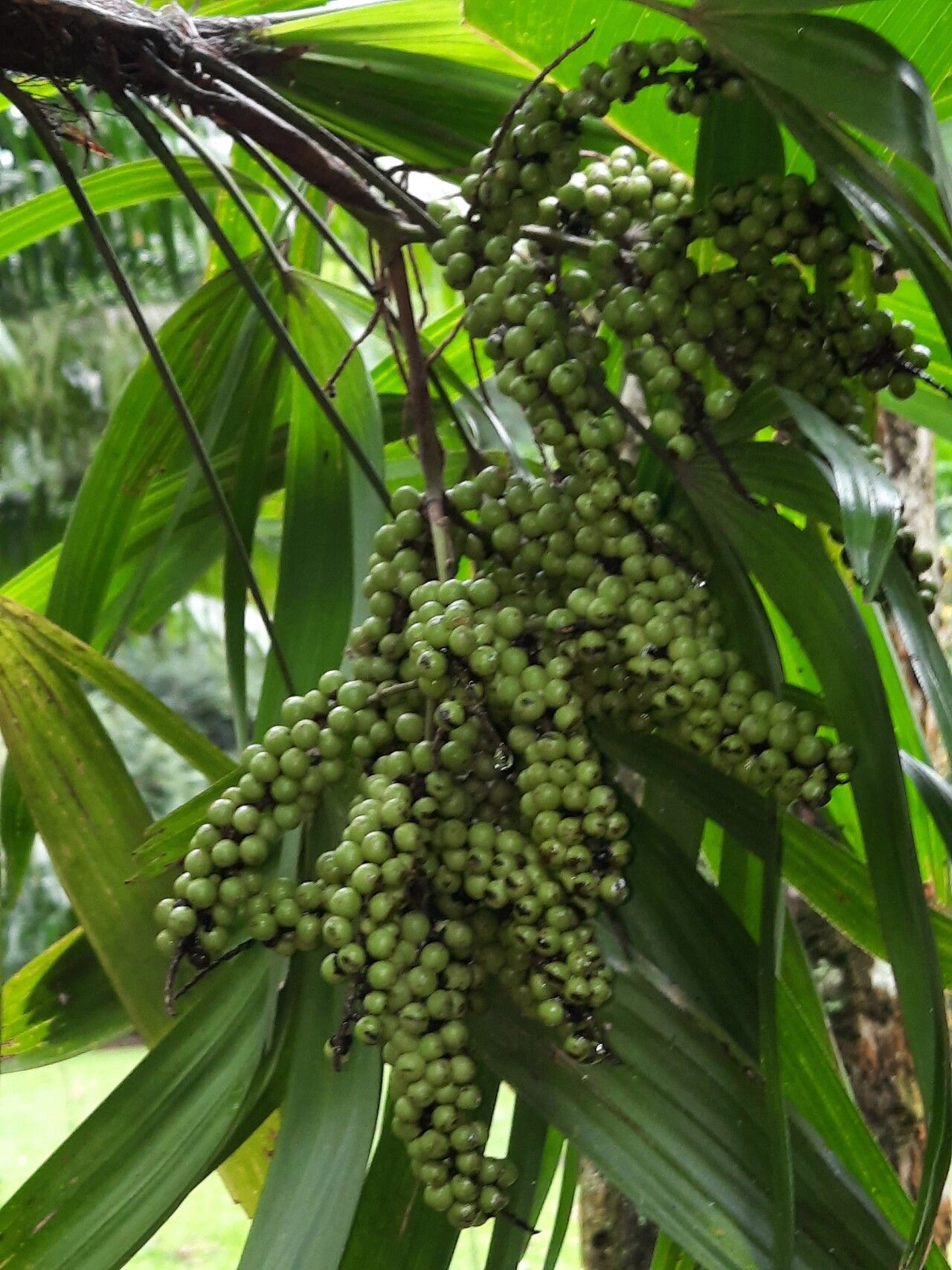
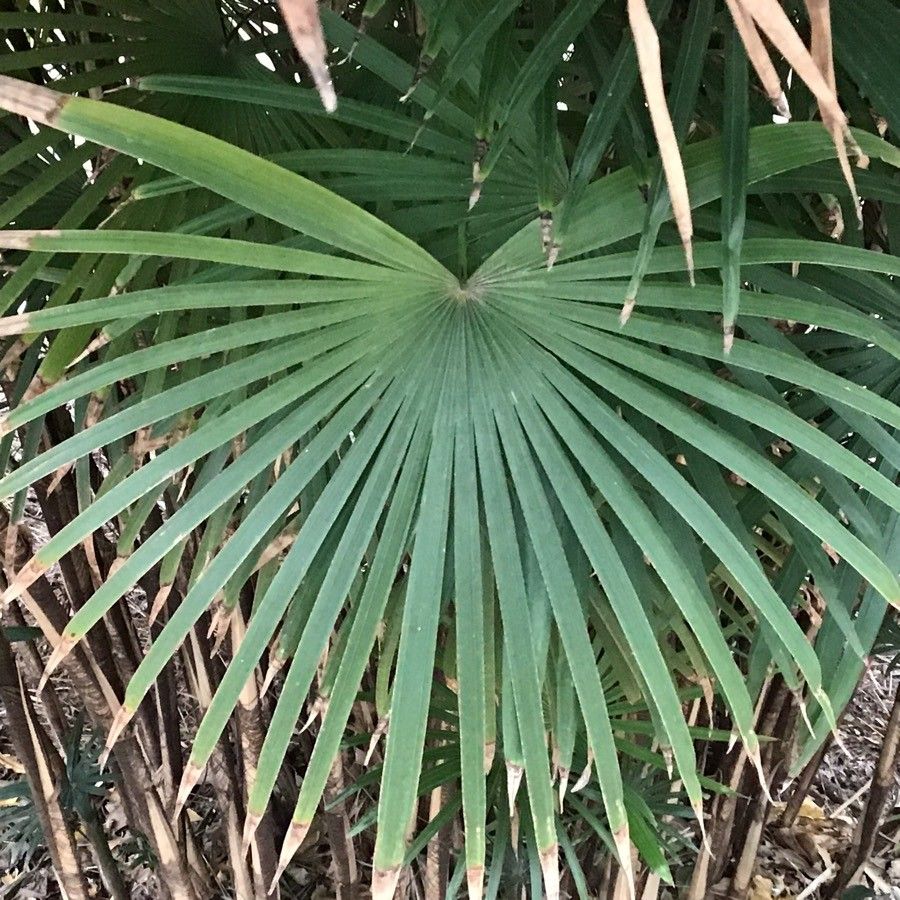
The leaves of Rhapis excelsa are fan-shaped and boast a deep green coloration, which lends an elegant touch to any space. While the plant does produce small yellowish-green flowers, they are not particularly noticeable as they grow close to the base of the stems.
Rhapis excelsa thrives in bright but indirect light and can also tolerate low light conditions, making it an ideal indoor plant for homes or offices. It prefers well-draining soil and regular watering, but it does not like being overwatered or sitting in waterlogged soil.
In the 16th century, Rhapis excelsa, also known as the Lady Palm, was cultivated in China as a container plant to adorn the interiors of imperial palaces. The trend was soon adopted by the Japanese and eventually spread to Europe and the United States. Today, the plant is popular in homes, shopping centers, and office buildings, both for its elegant appearance and its air-purifying properties. FUN FACT · FROM THE LIBRARY
The Lady Palm is also known for its air-purifying properties. It helps improve indoor air quality by removing toxins such as formaldehyde, benzene, and xylene from the environment.
Overall, Rhapis excelsa is an attractive, low-maintenance houseplant that adds elegance and beauty wherever it is placed. Its numerous health benefits make it a popular choice among indoor gardeners worldwide.
The Bamboo Palm, also known as the Lady Palm, resembles bamboo with its sturdy, slender canes that grow in clusters. The base of each stem is protected by a sheath of coarse fibers. However, it's important to note that many other palms are also commonly referred to as bamboo palms, which can lead to some confusion.
Lady Palm is fairly resistant to disease and generally does not tend to get sick. However, if kept in a poor environment it can become more vulnerable to disease. It also has few insect pest problems. Regarding care, this plant has moderate requirements. It needs plenty of sunlight, since inadequate light can make it more susceptible to disease and produce thin growth. Because it is often kept indoors, it may need to be moved regularly to a well-lit spot. It does not require frequent watering. Overall, Lady Palm is suitable for most people, though it is best for those who can provide good light conditions.
How to keep Rhapis Excelsa.
Light
The lady palm typically thrives in environments with plenty of diffused light. It tolerates both low-light and bright-light locations, allowing it to grow. The regions it comes from have that kind of lighting. Uneven light can cause misshapen or discolored leaves.
Water
The Lady Palm flourishes in the understories of tropical rainforests, where it benefits from consistent moisture and partial shade. To keep it healthy, water the Lady Palm every 1 to 2 weeks, ensuring the soil stays moist without becoming waterlogged. Additionally, misting the plant regularly increases humidity, which encourages healthier growth and vibrant foliage.
Humidity
This plant prefers dry conditions, so don't mist it. However, watering it less often can also thrive in higher humidity.
Temperature
The optimal temperature range for lady Palm growth is 68 to 100 ℉ (20 to 38 ℃). In its native habitat it flourishes in tropical areas with warm temperatures and high humidity. During winter, maintain temperatures above 60 ℉ (15.6 ℃) to prevent damage to the plant.
Fertilizer
Fertilize your Lady Palm in early spring to encourage healthy growth. Regular feeding improves its overall health, producing vigorous growth, better tolerance of challenging conditions, and stronger resistance to pests and diseases. Keep to a consistent fertilization routine for your Lady Palm to maintain bright, richly colored foliage and a lush appearance.
Pruning
The Lady Palm is known for its graceful, fan-shaped fronds. To encourage healthy growth, prune in early spring by removing any dead or damaged fronds. Avoid cutting healthy stems to maintain bushiness and improve light access. Regular pruning not only boosts the plant's vigor but also helps prevent pest infestations.
Pot & Repot
When repotting a Lady Palm, choose a slightly larger container with good drainage. Use a potting mix that drains well. Repot during spring, taking care not to harm the roots. Place the palm at the same depth as it was in the previous pot. Water well after repotting, then move it to a warm area with bright, indirect light. Avoid excessive watering to prevent root rot.
Botanical profile.
- Plant Type
- Palm
- Life Cycle
- Perennial
- Genus
- Rhapis
- Family
- Arecaceae
- Hardiness Zone
- 9-12
- Mature Height
- 1.83 m to 4.57 m
- Mature Spread
- 1.83 m to 4.57 m
- Leaf Color
- Green
- Leaf Type
- Evergreen
- Flower Color
- Yellow, Cream, White
- Flower Size
- 2.54 cm
- Bloom Time
- Mid summer
- Planting Time
- Spring, Summer, Autumn
- Harvest Time
- Mid summer, Late summer
- Native Area
- Vietnam, China
Other names.
Reader questions.
How should I water my Lady Palm plant?
To properly water your indoor Lady Palm, it's best to water it by applying water directly to the top layer of soil in the container. Use rainwater or distilled water that is at or around room temperature. To check if your plant needs water, poke your finger into the soil. If the first few inches of soil are dry, add enough water to wet those layers and let the excess water drain from the bottom of the container. It's always safer to underwater your Lady Palm, as overwatering can lead to root rot and other fatal complications. When growing the Lady Palm outdoors, rainfall alone may be sufficient for watering. However, if it rains less than once a week during the growing season, you may need to supplement the soil with additional water. Once again, rainwater or distilled water is the best choice for watering, whether your Lady Palm is indoors or outdoors.
Why do I have to put fertilizer on my Lady Palm plant?
To ensure your Lady Palm thrives, it is important to fertilize it regularly. This will provide the necessary nutrients for robust growth, making it more resilient to challenging conditions and better equipped to combat diseases and pests. The foliage of the Lady Palm is a main aesthetic highlight, so it is crucial to maintain its beauty. This involves following a customized fertilization schedule for your specific Lady Palm, resulting in vibrant, lush leaves.
What are the sunlight requirements for Lady Palm?
Lady Palm thrives in conditions that offer abundant yet filtered sunlight. It can grow in areas with minimal to substantial sunlight exposure, similar to its native environments. However, the right balance is crucial, as too much or too little light can lead to issues. Partial sun, which denotes about 3-6 hours of sunlight daily, is ideal. For locations with full shade or full sun, less than 3 hours of direct sunlight is recommended. It's important to observe how sunlight moves through your garden to choose the best spots that provide a balance of light and shade, ensuring your plants are happy.
What is the ideal temperature range for Lady Palm growth?
The ideal temperature range for Lady Palm (Rhapis excelsa) growth is between 68°F to 100°F (20°C to 38°C). This plant thrives in tropical regions characterized by warm temperatures and high humidity. To prevent damage during colder months, it's crucial to keep the environment above 60°F (15.6°C). Lady Palm is particularly heat-loving, and exposure to cold can be detrimental. For outdoor-grown plants, it is advisable to bring them indoors during autumn and place them near a bright window, maintaining a reasonable distance from heaters to ensure the temperature remains above 20°C. Temperatures nearing 0°C can harm the plant, making it essential to provide a warmer setting during winter to support its growth.
What should I do if I give Lady Palm too much or too little water?
Here are some signs that indicate plants are not getting enough water: brown tips on the plant, wilted and drooping leaves that appear lifeless, and the potential for leaves to turn brown, crispy, and dry out severely. If you notice these signs, water the plant as soon as possible. Alternatively, overwatering can lead to root rot. If this occurs, remove any damaged roots from the soil, especially if they are mushy, fragile, and black. It is important to remove a larger part of the root to address the issue. Overwatering can also cause leaves to turn brown and fall off early. To help the plant recover, drain excess water and wait for the soil to dry before watering again. If you notice signs of root rot, discard the soil in the pot. Clean everything thoroughly and place pebbles in the pot to improve drainage. If you observe tan rings or reddish-brown spots on the leaves, discard any excess water at the base of the pot. Additionally, ensure the plant is in a well-ventilated location to promote faster soil drying and prevent future rotting.
When should I put fertilizer on my Lady Palm?
To keep your Lady Palm healthy and promote growth, it's recommended to fertilize it first in late winter or early spring. This helps provide the necessary nutrients for the plant to thrive once the weather becomes warmer. If you live in a warm climate region, providing another round of fertilizer in early fall can be beneficial. This helps replenish nutrients in the soil for the upcoming growing season and also enhances the plant's ability to withstand winter temperatures without damaging the foliage. Fertilizing earlier in fall ensures that the new branches have ample time to grow and withstand the cold winter.
How does artificial lighting benefit indoor plants, and what guidelines should be followed?
Artificial lighting is essential for indoor plant growth, especially when natural sunlight is insufficient, like in winter or less sunny spaces. It promotes faster, healthier growth. LED lights are a favorable choice as they can be customized to provide specific wavelengths necessary for plants. The required intensity depends on the plant type: full sun plants need 30-50W/sq ft, partial sun plants 20-30W/sq ft, and full shade plants 10-20W/sq ft. The lights should be positioned 12-36 inches above the plant to emulate natural sunlight, and typically, plants need 8-12 hours of light daily.
How does low temperature affect Lady Palm and what are the solutions?
Lady Palm prefers warm temperatures and has a low tolerance for cold. It thrives best when temperatures remain above 20°C. During winter, ensuring temperatures stay above 0°C is important, as exposure to temperatures below -5°C can lead to the leaves lightening in color. After frost damage, the leaves may turn brown or black, and the plant may exhibit wilting and drooping. To address frost damage, trim the affected parts and immediately move the plant to a warm environment for protection. Placing the plant near a south-facing window is recommended to ensure it receives ample sunlight. It's also important to avoid placing the plant near heaters or air conditioning vents to prevent the air around it from becoming excessively dry.
What should I do if I give my Lady Palm too much or too little water?
When watering the Lady Palm, the main issue to watch out for is overwatering. There are several signs to indicate when this problem occurs. If the Lady Palm receives too much water, its leaves will turn brown and droop. The stems may also become mushy and emit a foul odor. Overwatering can also lead to root rot, which can be fatal if left unchecked. If you catch the overwatering early, you can try reducing the watering rate or adding sand to improve soil drainage. In more severe cases, you may need to repot the Lady Palm, removing any rotten roots. If you grow the Lady Palm outdoors and it consistently receives too much water, consider transplanting it to a location with looser soil for better drainage. On the other hand, if the Lady Palm is underwatered, its leaves will droop, but they are more likely to turn yellow than brown. Additionally, an underwatered Lady Palm will exhibit slower growth. If you see these signs, increase the frequency of watering.
When is not a good time to add fertilizer to my Lady Palm?
Avoid fertilizing your Lady Palm during specific times of the year. One of these times is the early and mid-winter months when the plant is dormant and doesn't require feeding. Similarly, it is not recommended to fertilize the plant during the late spring and summer when the weather is typically hotter and drier. These conditions can negatively affect the Lady Palm's response to fertilization. To prevent any issues, stick to a fertilization schedule that only involves feeding in the early spring and early fall.
What are common symptoms of light deficiency in Lady Palm, and how can excessive sunlight affect it?
Light deficiency in Lady Palm can lead to symptoms such as lighter-colored new leaves, indicating insufficient chlorophyll and nutrients; slower or no new growth as the plant enters survival mode; and faster leaf drop to conserve resources. Excessive sunlight can cause chlorosis (leaves turning yellow), sunscald (pale, bleached areas on leaves or stems), leaf curling (to reduce surface area exposed to sunlight), wilting (from increased water loss), and leaf scorching (brown, dry edges on leaves). These conditions either indicate a lack of sufficient light or the harmful effects of too much sunlight.
What should be done if a Lady Palm is exposed to high temperatures?
During the summer months, it is crucial to keep the temperature below 100°F (38°C) for Lady Palm. If temperatures exceed 109°F (43°C), the leaves may lighten in color and the plant may become more susceptible to sunburn. To mitigate damage from high temperatures, trim the sunburned and dried-up parts of the plant. Moving the plant to a location that provides shade during the midday and afternoon hours can help protect it from excessive heat. Additionally, watering the plant in the morning and evening will help keep the soil moist, which is beneficial for the plant's health during hot conditions.