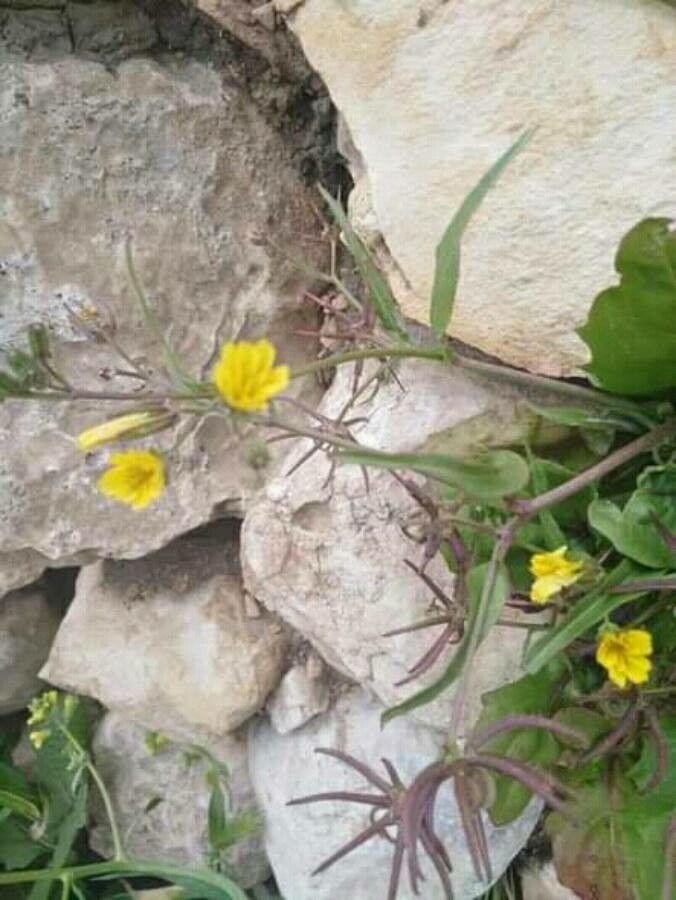
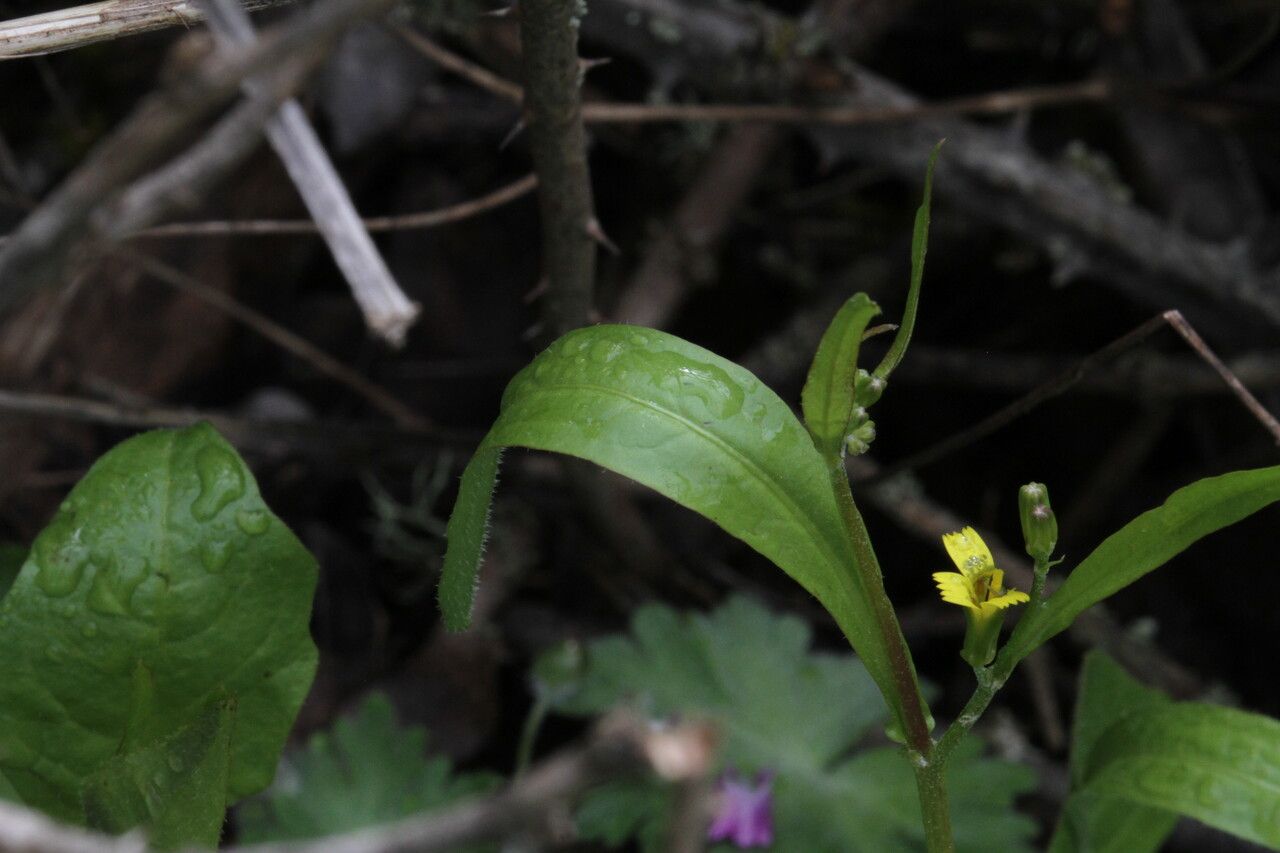
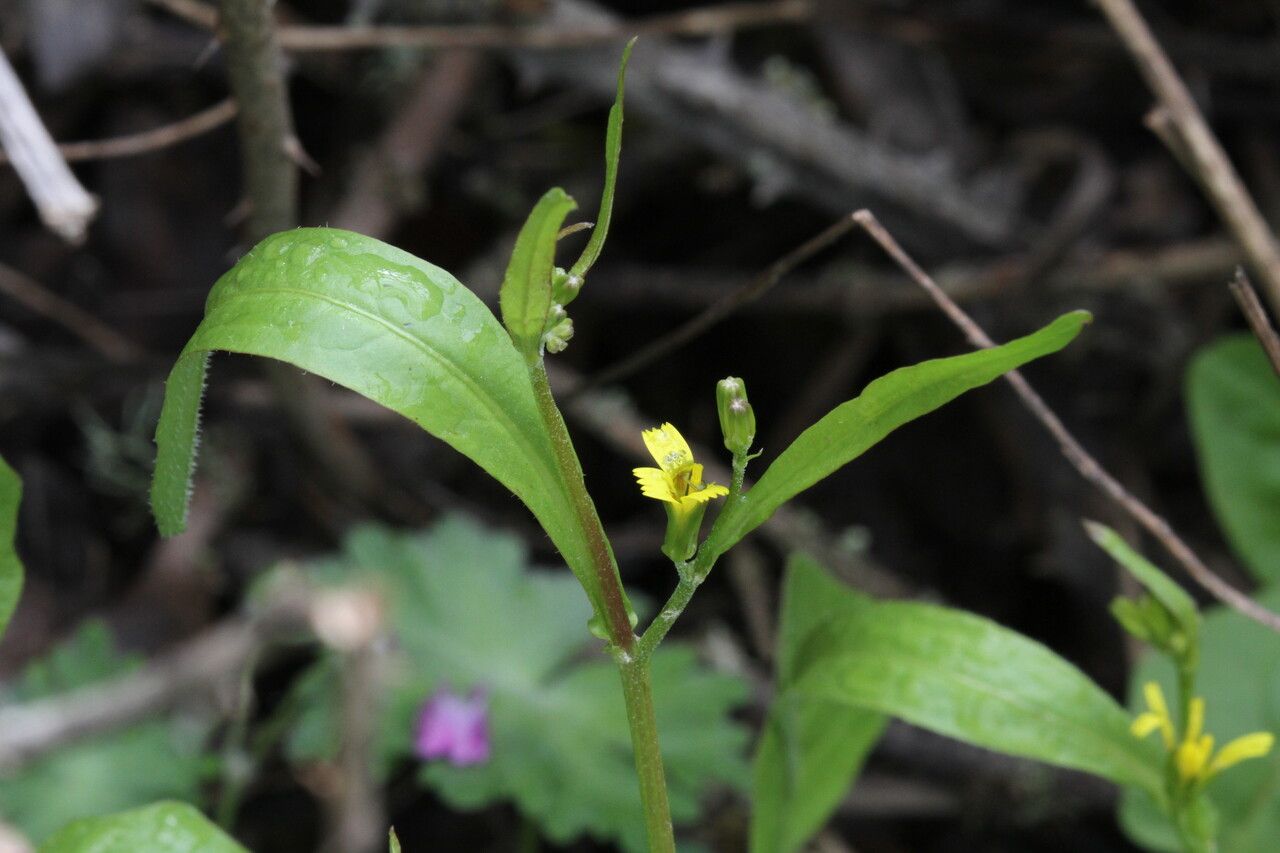
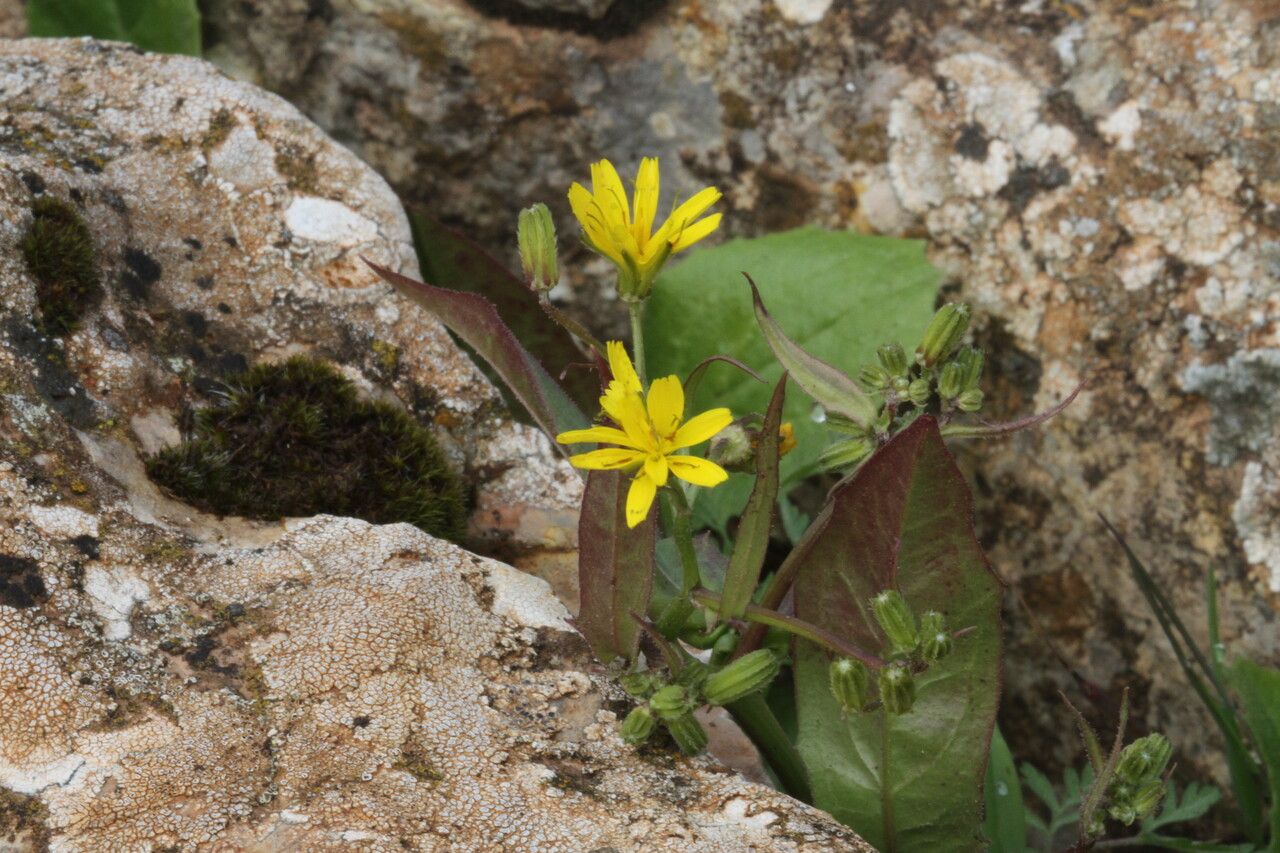
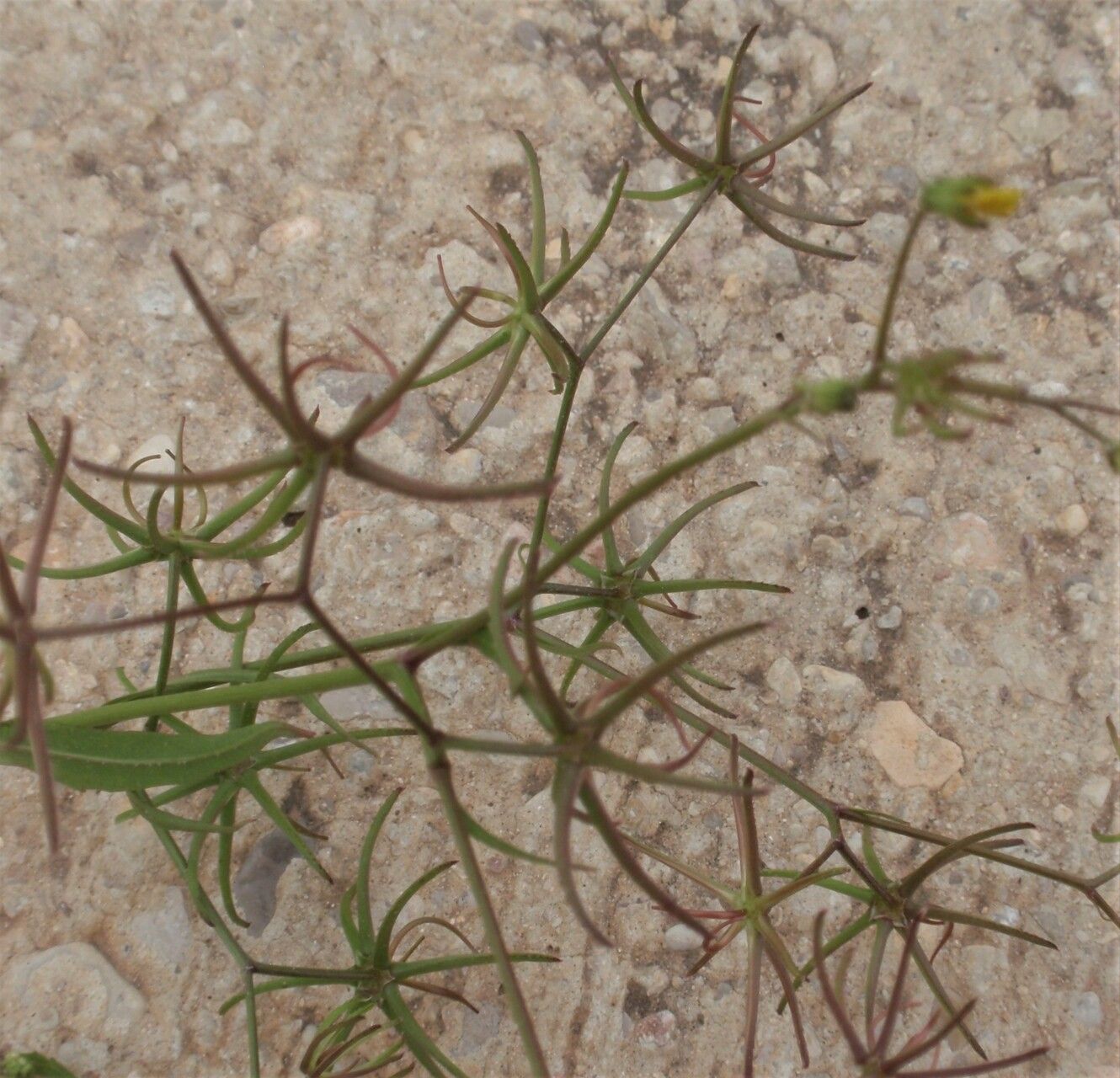
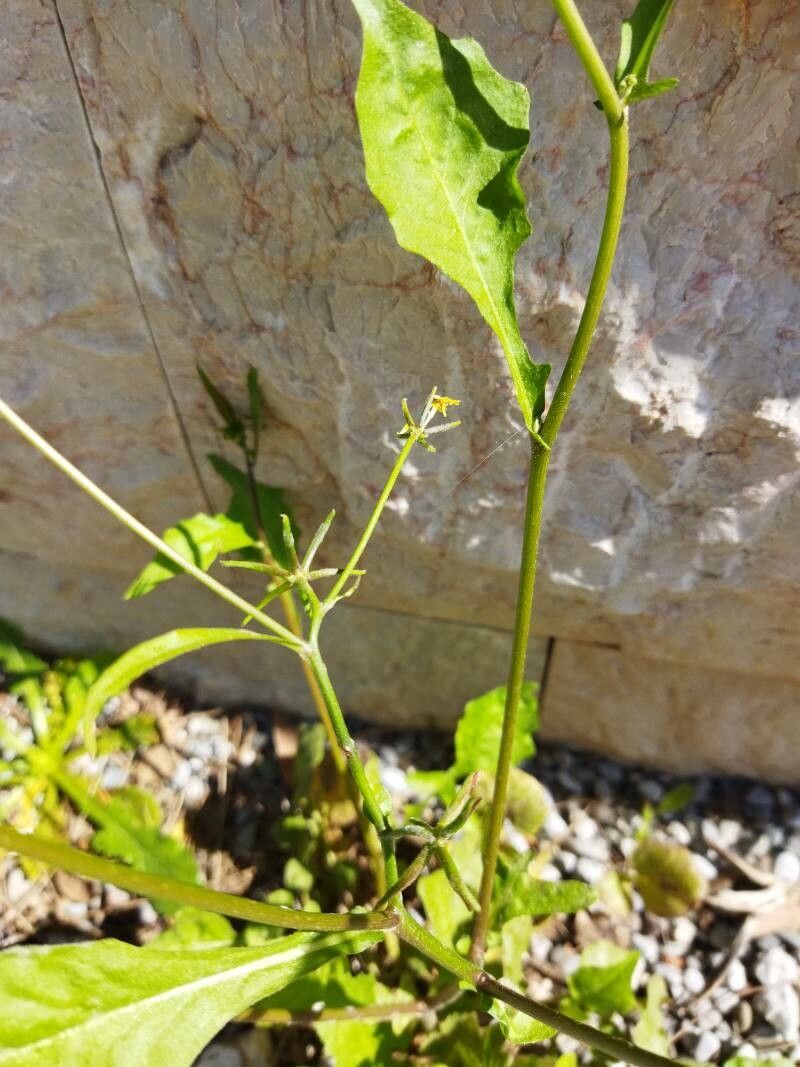
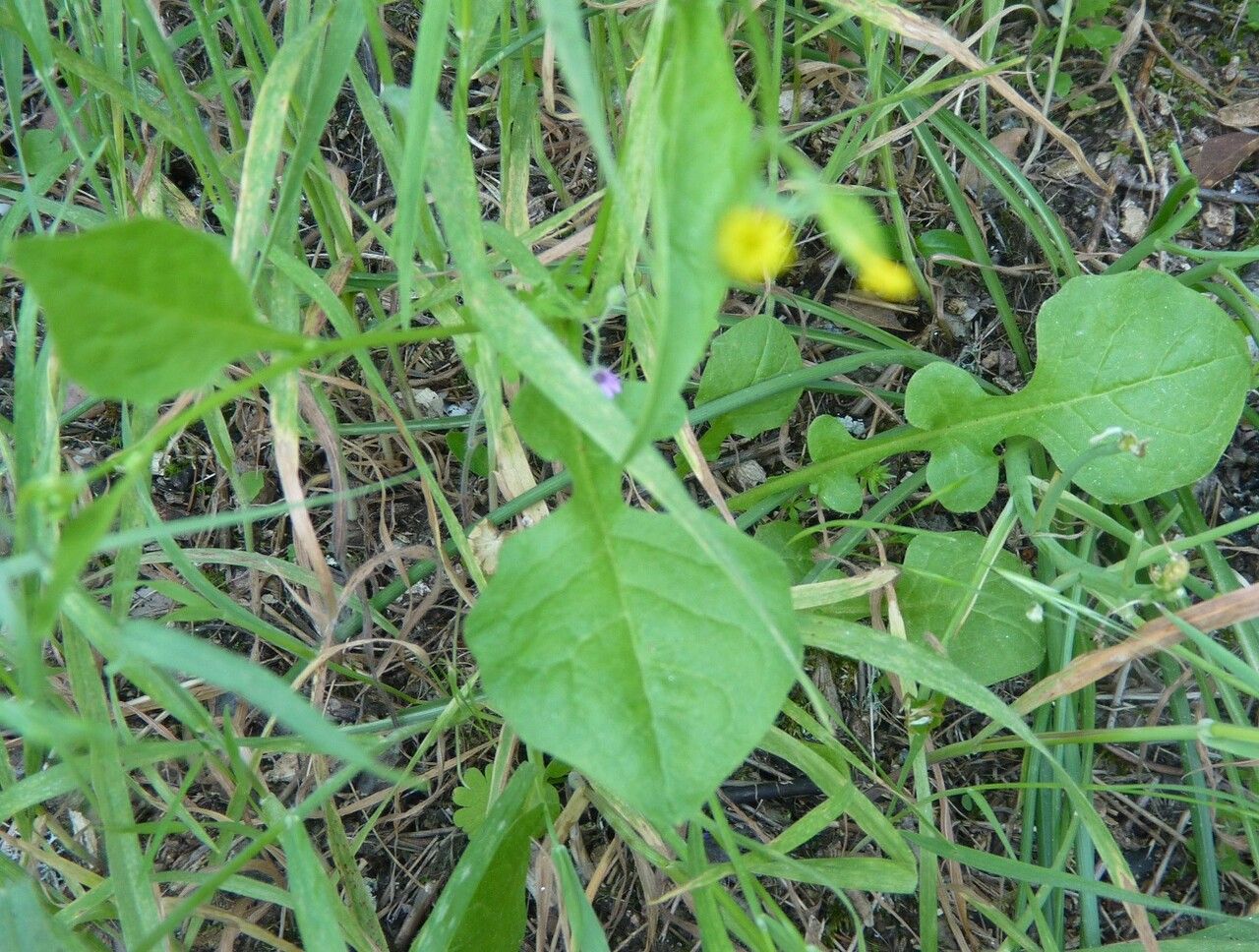
Rhagadiolus stellatus, commonly known as the star thistle, is a perennial plant belonging to the Asteraceae family. Named for its distinctive star-shaped flowers, this plant is native to the Mediterranean region and thrives in various habitats, including rocky slopes, dry meadows, and open woodlands.
The stem of Rhagadiolus stellatus can reach up to 60 cm in height and features a woody base. Its narrow, lance-shaped leaves are covered with fine hairs, giving them a grayish-green appearance. At the top of each stem, clusters of bright yellow flowers with pointed tips bloom.
Flowering from June to August, Rhagadiolus stellatus attracts numerous pollinators such as bees and butterflies. After flowering, it produces small fruits containing seeds that are dispersed by wind or animals.
Traditionally, this plant has been used for its anti-inflammatory properties in medicinal treatments. It is also valued for its ornamental beauty, making it a favorite among gardeners.
However, Rhagadiolus stellatus can become an invasive species outside its native range, where it competes with local plants for resources like water and nutrients.
Overall, Rhagadiolus stellatus is a fascinating plant with unique characteristics that make it beneficial in some contexts and potentially harmful in others, depending on its growing environment.
Perennial hyoseris is generally disease-resistant and not highly prone to illnesses. However, it can be affected by pests and diseases present in its surroundings. These problems are usually minor. For care, the plant needs moderate maintenance. It should be pruned regularly to keep a neat appearance and promote healthy growth. Fertilizing can also encourage more flowering. Perennial hyoseris is suitable for people with outdoor spaces like a garden or patio and does not require extensive care experience. It may need extra attention if grown indoors.
How to keep Rhagadiolus Stellatus.
Light
Perennial hyoseris is an evergreen herb that loves the sun, and typically originates from open environments, routinely flourishing in grasslands and meadows. It has a preference for full sunlight, but is able to withstand conditions of partial sun as well.
Water
The endive daisy flourishes in moderately moist soil and thrives in Mediterranean-like climates. While it can withstand dry spells, it benefits from consistent moisture, so weekly watering is recommended. This makes it an excellent choice for sunny outdoor areas. Its efficient water use also makes it suitable for xeriscaping and drought-resistant gardens.
Temperature
Perennial hyoseris possesses the capability to acclimate to a broad spectrum of temperature conditions, though its spread may continue to be constrained by various configurations of moisture and heat conditions. It flourishes optimally in hot climates during the summer months, provided there is sufficient rain or irrigation. Extended phases of overcast and rainy conditions, as well as prolonged exposure to high temperatures, can heighten the chances of Perennial hyoseris perishing. During the winter months, effectively defending against cold can enhance the survival rate of the plant.
Fertilizer
Usually, one round of fertilizer application in the springtime is enough for Perennial hyoseris, however, repeated feedings can optimize growth. You should feed the plant either monthly or every one and a half months. The act of fertilizing boosts the appearance and functionality of the leaves, leading to a consistent color and robust texture. Additionally, it encourages the growth of the roots and better absorption of nutrients, contributing positively to the overall well-being of the plant in the long run.
Pruning
The Endive Daisy showcases delicate yellow flowers and rosette-like leaves. To encourage bushier growth, prune the plant in early spring, concentrating on removing any dead or damaged stems. Deadheading the flowers will help extend the blooming period. Remember to clean your tools to prevent the spread of disease, as proper pruning improves the plant's overall health and vitality.
Botanical profile.
- Plant Type
- Herb
- Life Cycle
- Perennial
- Genus
- Rhagadiolus
- Family
- Asteraceae
- Hardiness Zone
- 8-9
- Mature Height
- 10 cm to 40 cm
- Mature Spread
- 15 cm to 25 cm
- Leaf Color
- Green, Dark Green
- Leaf Type
- Deciduous
- Flower Color
- Yellow
- Flower Size
- 2.54 cm to 4.06 cm
- Bloom Time
- Mid spring, Late spring, Early summer
- Planting Time
- Spring, Autumn
- Harvest Time
- Summer
- Native Area
- Tunisia, Italy, Spain, Algeria, Greece, Croatia, Morocco, France
Other names.
Reader questions.
How should I water my Endive daisy?
To water Endive daisy, you have multiple options. You can use a garden hose with a spray nozzle, a watering can, or any other common watering tool. Endive daisies are not too particular about the type of water they receive. They can survive with rainwater, tap water, or filtered water. However, it is generally recommended to avoid watering this plant from overhead as it can harm the leaves and flowers and potentially cause disease. Instead, using a drip irrigation system is often the best method. These systems distribute water evenly and directly to the soil. If you have a container-grown Endive daisy, the watering process is similar, but you can use a cup, watering can, or tap water to apply water directly to the soil.
What are the sunlight requirements for Endive Daisy?
Endive Daisy (Rhagadiolus stellatus) thrives in bright, open environments, preferring full sun (above 6 hours of sunlight) for optimal growth, though it can tolerate partial sun (about 3-6 hours of sunlight). Watch how sunlight moves through your garden to find spots with the perfect balance of light and shade, ensuring your plants' happiness.
What are the optimal growing temperatures for Endive Daisy?
Endive Daisy thrives best in temperate climates with optimal growing conditions between 68 to 95 °F (20 to 35 °C). To ensure the plant grows optimally, it is advisable to maintain these conditions if seasonal temperatures fluctuate.
What should I do if I give too much or too little water to my Endive daisy?
To resolve the issue of underwatering your Endive daisy, simply increase the frequency of watering when you notice it lacks moisture. On the other hand, overwatering can be more problematic if left unnoticed. It can lead to diseases and ultimately the decline and death of your plant. To prevent this, choose a suitable location for your plant that receives sufficient sunlight to dry the soil and has good drainage. In the case of an overwatered Endive daisy in a pot, consider switching it to a new pot with better drainage. Make sure to use loose soil and a pot that drains efficiently when repotting.
Can Endive Daisy grow with artificial lighting?
Yes, Endive Daisy can grow with artificial lighting, especially when natural sunlight is insufficient, like during winter or in less sunny spaces. Indoor plants generally require adequate lighting for optimal growth. LED lights are recommended because they can be tuned to provide specific wavelengths needed by your plants. Full sun plants need 30-50W/sq ft, partial sun plants need 20-30W/sq ft, and full shade plants need 10-20W/sq ft of artificial light. The light source should be placed 12-36 inches above the plant, mimicking natural sunlight duration, which is usually 8-12 hours per day.
Does Endive Daisy require frost protection during winter?
Endive Daisy has strong cold resistance and usually does not require special frost protection during winter. However, if temperatures are expected to drop below -15°C, providing cold protection is important. This can be achieved by covering the plant with soil or straw. Additionally, it is recommended to water the plant abundantly before the first freeze in autumn to ensure the soil remains moist, thus helping prevent drought and water scarcity for the plant during winter and early spring.
How often should I give water to my Endive daisy?
To properly care for your Endive daisy, it is important to provide regular water throughout the growing season. In the spring, aim to water the plant once a week. As the weather gets hotter, you may need to increase watering to two to three times a week. However, be cautious not to exceed this amount as it can harm the plant. Regardless of the watering frequency, ensure that the soil remains moist but not overly wet. Watering a potted Endive daisy differs slightly. Potted plants tend to dry out faster, so you may need to water them more frequently. In most cases, plan to water a potted Endive daisy a few times per week, compared to just once a week for a plant in the ground.
What are the symptoms of light deficiency in Endive Daisy?
Symptoms of light deficiency in Endive Daisy include smaller new leaves, leggy or sparse growth, faster leaf drop, slower or no new growth, lighter-colored new leaves indicating a lack of chlorophyll, and symptoms of excessive sunlight exposure like chlorosis, sunscald, leaf curling, wilting, and leaf scorching. These symptoms indicate the plant's struggle in insufficient light conditions, affecting its health and growth.
How does low temperature affect Endive Daisy and what are the solutions?
Endive Daisy is cold-tolerant and prefers temperatures above 20°C. In winter, it should be kept above 0°C. If temperatures fall below -15°C, there might not be noticeable changes during winter, but a decrease in sprouting or even no sprouting may occur during springtime. The solution for any parts that have failed to sprout in spring is to remove them.
How much water does my Endive daisy require?
When it comes to deciding how much water to give your Endive daisy, you have a few options. Some gardeners prefer to assess the soil's moisture level by touching it. By this method, you would water until the top six inches of soil feel damp. Another approach is to use a specific measurement: typically, around two gallons per week, though this can vary depending on factors like temperature and soil dryness. However, following this guideline strictly may lead to overwatering if your plant needs less water. If you're growing your Endive daisy in a container, you'll need a different method. In this case, water enough to moisten all the dry layers of soil. You can test this by touching the soil with your finger or observing a slight trickle of water coming from the drainage holes.
How can I ensure Endive Daisy receives enough sunlight indoors and outdoors?
To ensure your Endive Daisy receives enough sunlight, gradually move it to a sunnier location each week until it gets at least 6 hours of direct sunlight daily. Indoors, use a south-facing window and keep curtains open, or use artificial light such as desk or ceiling lamps for at least 8 hours daily. Outdoors, avoid drastic changes in light intensity to prevent sunburn. If sunlight is blocked by objects like trees, consider pruning or transplanting the plant to a sunnier location. Remember, parts of the plant affected by inadequate light may not recover, but new growth should be healthy with improved light exposure.
What impact does high temperature have on Endive Daisy and what solutions exist?
During summer, it's important to keep Endive Daisy below 35°C. Temperatures exceeding 41°C can cause the leaves to lighten in color, become prone to curling, susceptible to sunburn, and in severe cases, the entire plant may wilt and dry up. To mitigate these effects, trim away the sunburned and dried-up parts, move the plant to a shaded location during the midday and afternoon sun, or use a shade cloth. Additionally, watering the plant in the morning and evening to keep the soil moist can help.