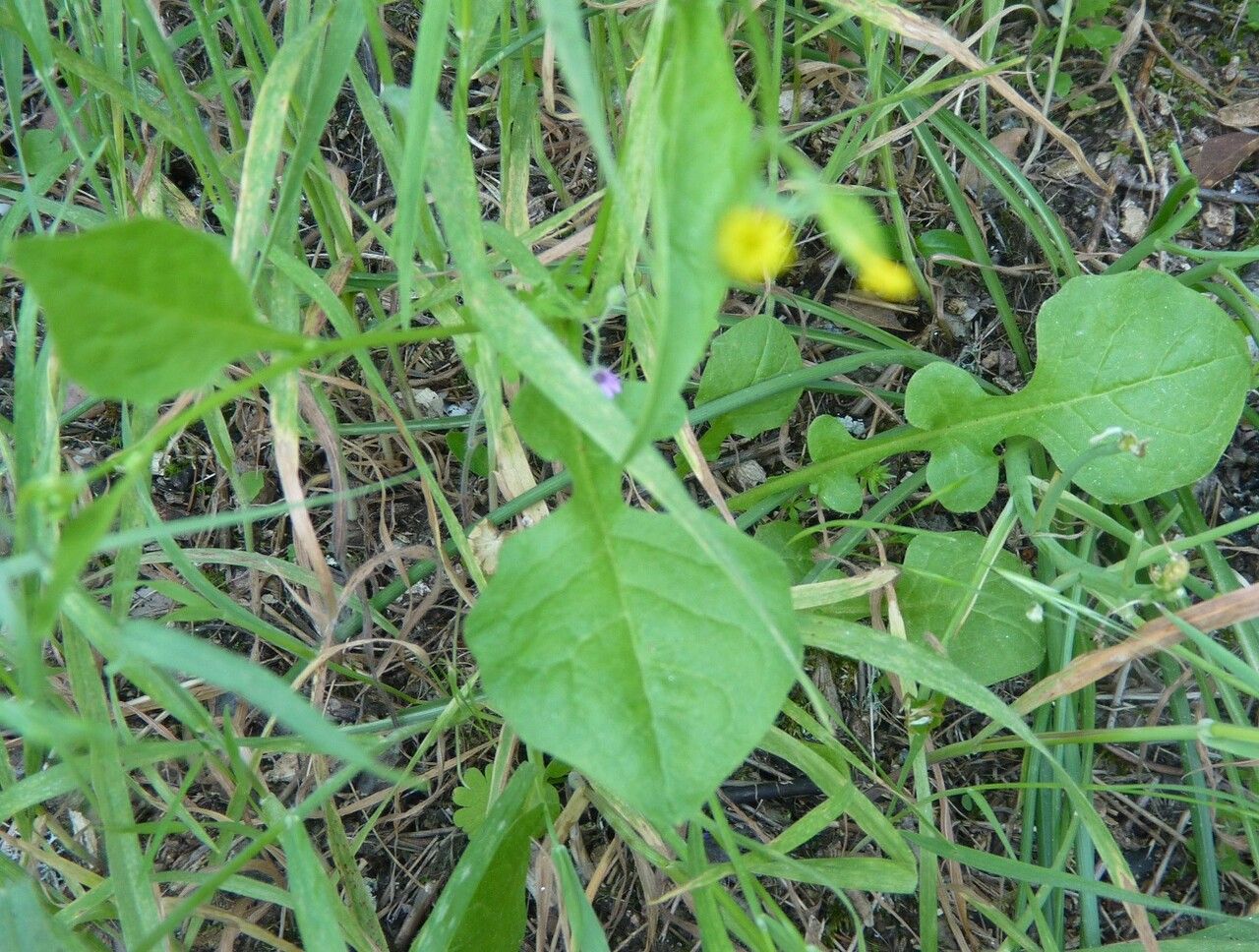
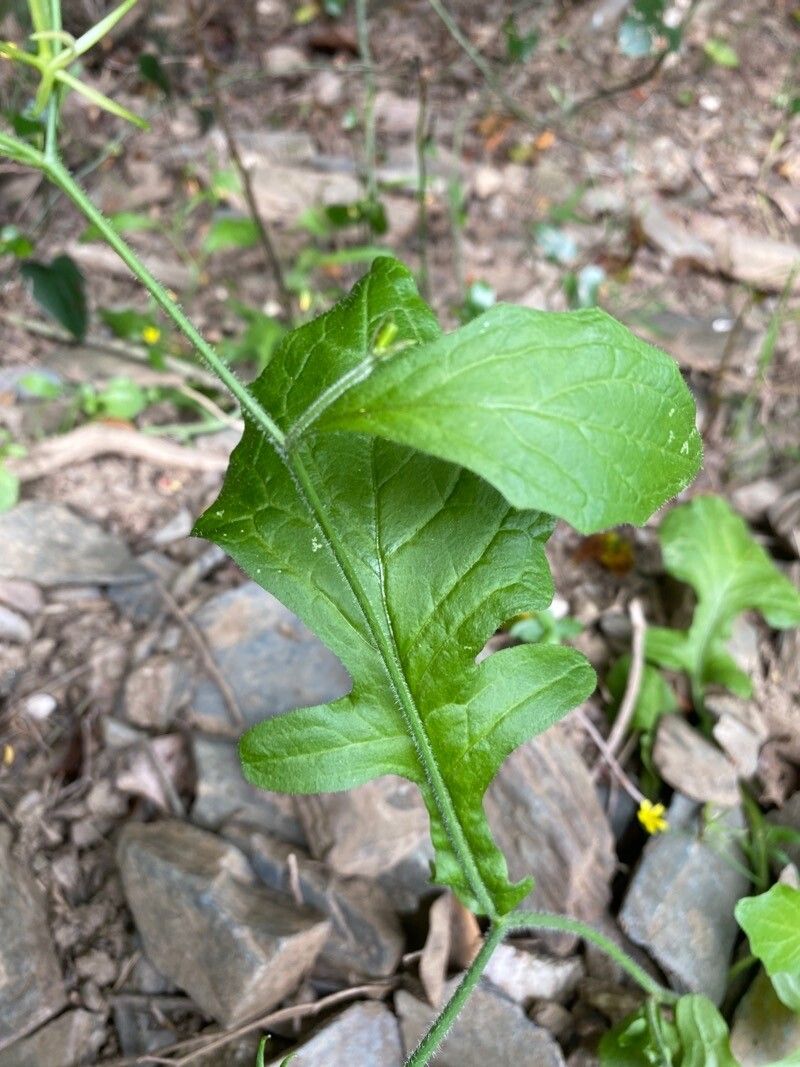
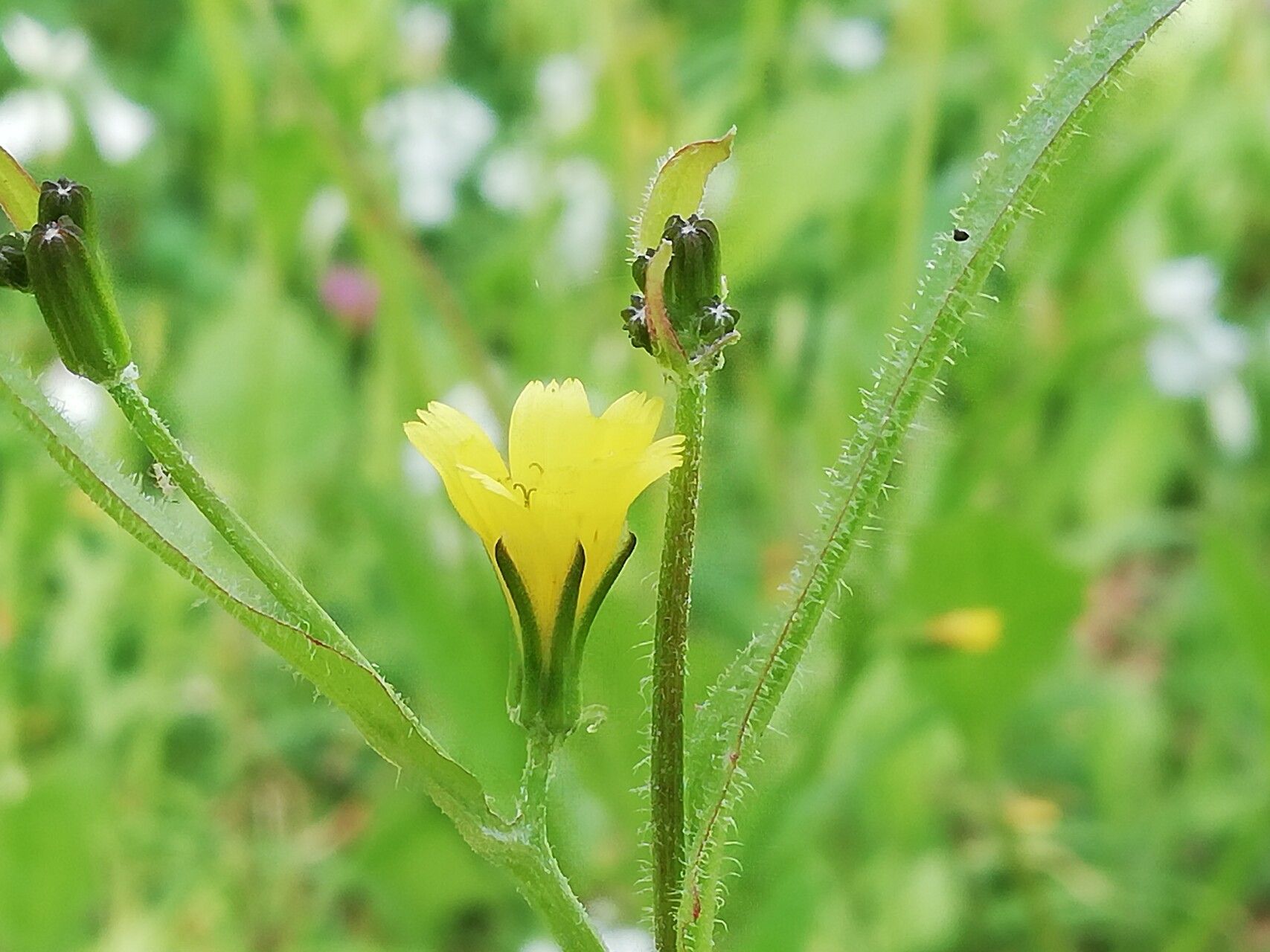
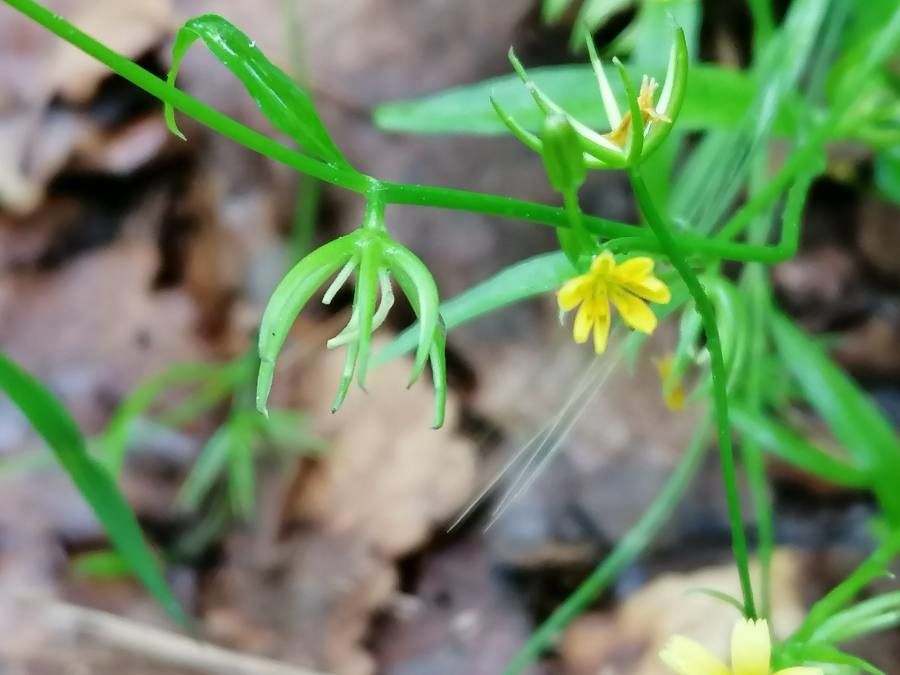
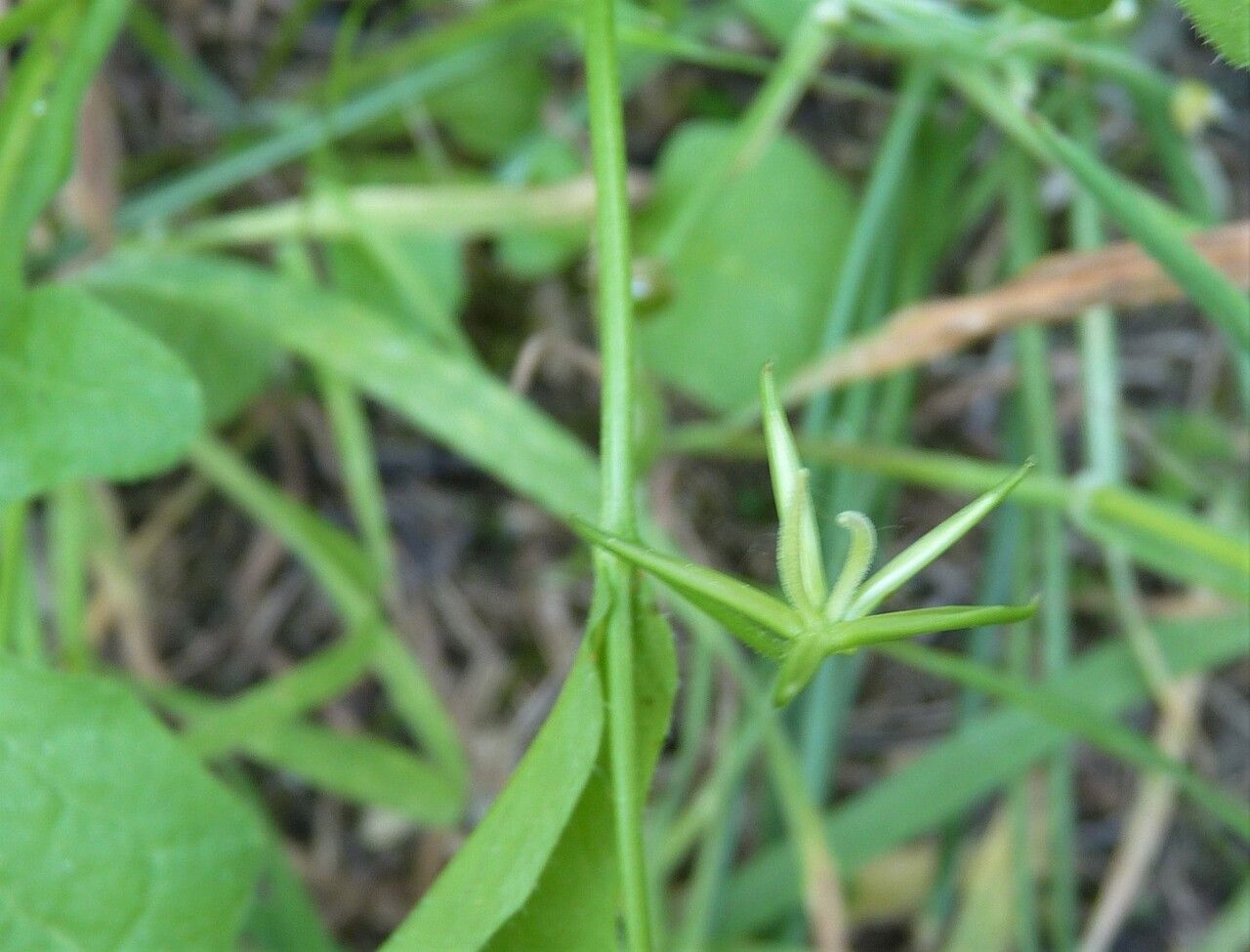
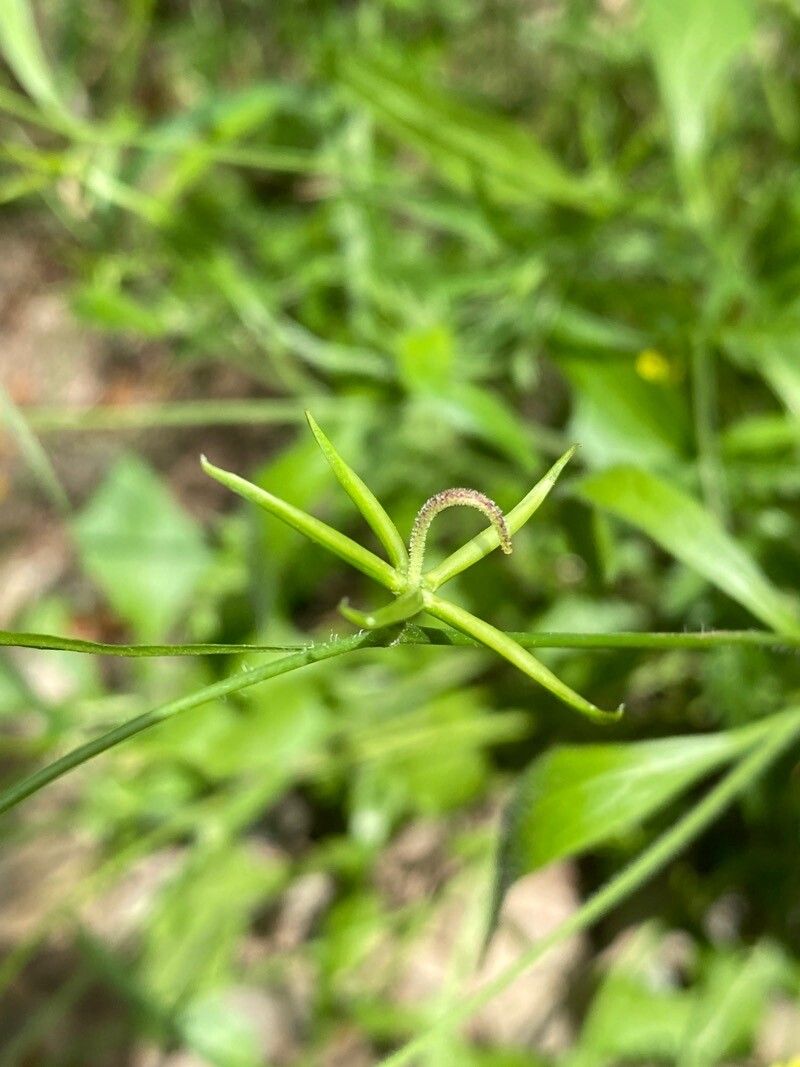
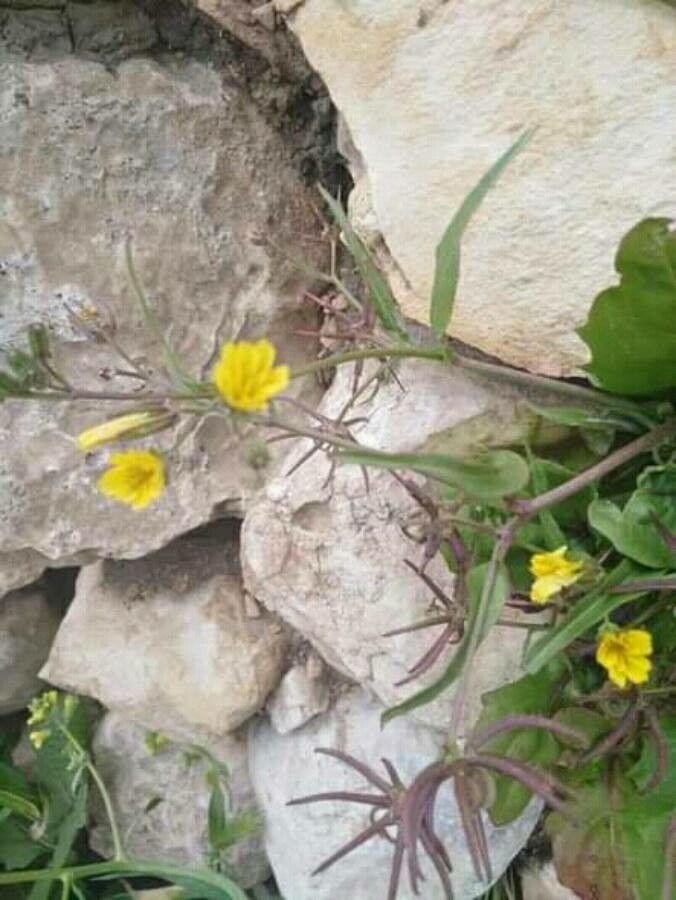
Rhagadiolus edulis, commonly known as the Edible Rhagadiolus, is a perennial plant species belonging to the Asteraceae family. This plant is native to various regions of Europe, Asia, and North Africa, where it typically grows up to 50 cm in height. It features a woody stem with numerous branches.
The leaves of Rhagadiolus edulis are narrow, elongated, and possess a grayish-green color. The plant produces small yellow flowers that cluster at the ends of its branches, blooming from June to August.
The roots of Rhagadiolus edulis are edible and have been consumed for centuries by various cultures around the world. They are rich in carbohydrates, proteins, vitamins A and C, as well as minerals such as calcium and iron.
Besides its culinary value, Rhagadiolus edulis has been utilized for medicinal purposes. Its high fiber content makes it effective in treating digestive disorders such as constipation and diarrhea.
In summary, Rhagadiolus edulis is a fascinating plant with significant culinary and medicinal uses, making it an important part of many cultures worldwide.
Edible star-hawkbit has moderate resistance to disease and can be prone to issues such as leaf spot. Its vulnerability to insect pests varies by variety, but most cultivars are relatively less resistant to pests. For care, edible star-hawkbit needs consistent watering and fertilization, plus regular removal of yellow leaves. It is important to address pests and diseases as they occur and to harvest the plant at the appropriate time. Edible star-hawkbit is appropriate for people who can allocate some time and effort to routine care.
How to keep Rhagadiolus Edulis.
Light
The edible star-hawkbit is native to habitats with ample sunlight, for example open fields and sunny meadows. It prefers full sun but can also tolerate partial sun.
Water
The edible star-hawkbit flourishes in Mediterranean climates, where it requires a balance of moisture and can tolerate moderate drought. It should be watered twice a week and benefits from natural rainfall, but it will need additional watering during dry periods. Its ability to adapt to changing seasonal moisture levels highlights its resilience.
Temperature
For Edible star-hawkbit, moderate temperatures are preferred, comparable to what most people find comfortable. It does best in conditions that are neither excessively hot nor extremely cold. The main problem with high temperatures is the risk of sunburn, and in summer it is advisable to provide some shade to prevent too much heat. When temperatures fall, Edible star-hawkbit goes into dormancy. If continuous growth is required, higher temperatures must be maintained during winter. Frost can damage the plant and should be avoided.
Fertilizer
To maximize yield, edible star-hawkbit does well with regular applications of a balanced fertilizer, especially one high in nitrogen. Apply fertilizer before planting, at planting, and again when seedlings are 2 inches tall. Adding compost or manure also provides a steady nutrient supply. Inadequate soil nutrients lead to underdeveloped leaves and stems, thin stems, poorer flavor, and possibly a bitter taste.
Pruning
Prune your edible star-hawkbit from early to late spring by removing any dead or damaged stems. This encourages new growth and helps maintain the plant's shape. Pruning at this time promotes optimal health and air circulation, reduces the risk of disease, and enhances flowering and overall productivity.
Botanical profile.
- Plant Type
- Herb
- Life Cycle
- Annual
- Genus
- Rhagadiolus
- Family
- Asteraceae
- Hardiness Zone
- 7-10
- Mature Height
- 30 cm to 61 cm
- Mature Spread
- 20 cm to 40 cm
- Leaf Color
- Green
- Leaf Type
- Semi-evergreen
- Flower Color
- Yellow
- Flower Size
- 1.02 cm to 1.52 cm
- Bloom Time
- Mid spring, Late spring
- Planting Time
- Spring, Summer, Autumn
- Harvest Time
- Early summer, Mid summer
- Native Area
- Turkey, Montenegro, Cyprus, Bulgaria, Greece, Slovenia, Morocco, Ukraine, Lebanon, Russia, Syria, Portugal, Italy, Spain, Algeria, France
Reader questions.
What are the sunlight requirements for Edible Star-Hawkbit (Rhagadiolus edulis)?
Edible Star-Hawkbit (Rhagadiolus edulis) thrives in conditions where it can receive different amounts of sunlight depending on its positioning. For it to be considered in full sun, it should receive above 6 hours of sunlight daily. On the other hand, partial sun for this plant is about 3-6 hours of sunlight. It's important to observe the movement of sunlight through your garden carefully. Finding spots that offer the right mix of light and shade will greatly contribute to the wellbeing of your plants. The key is to ensure that the light conditions match the plant's needs to guarantee its happiness and growth.