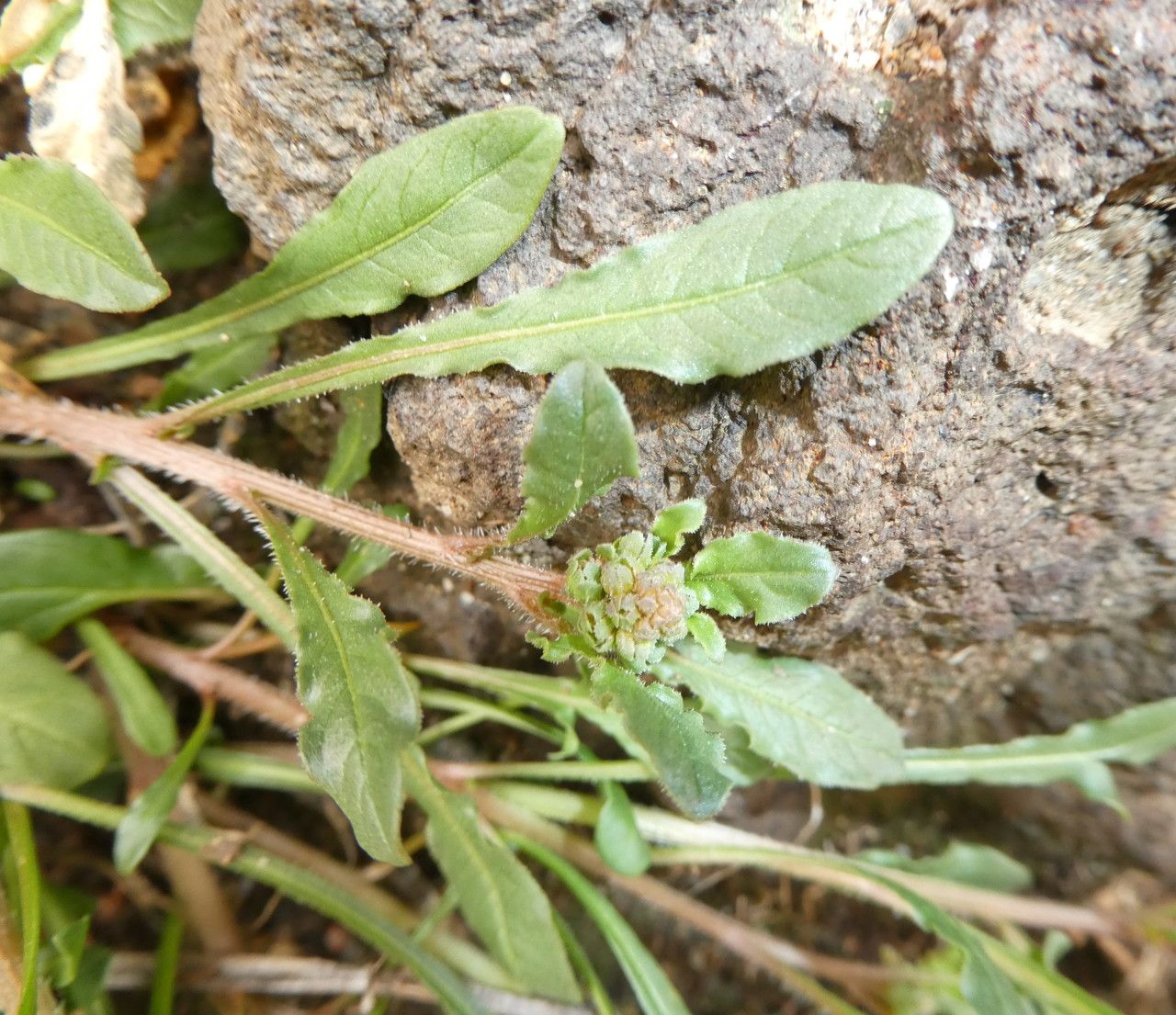
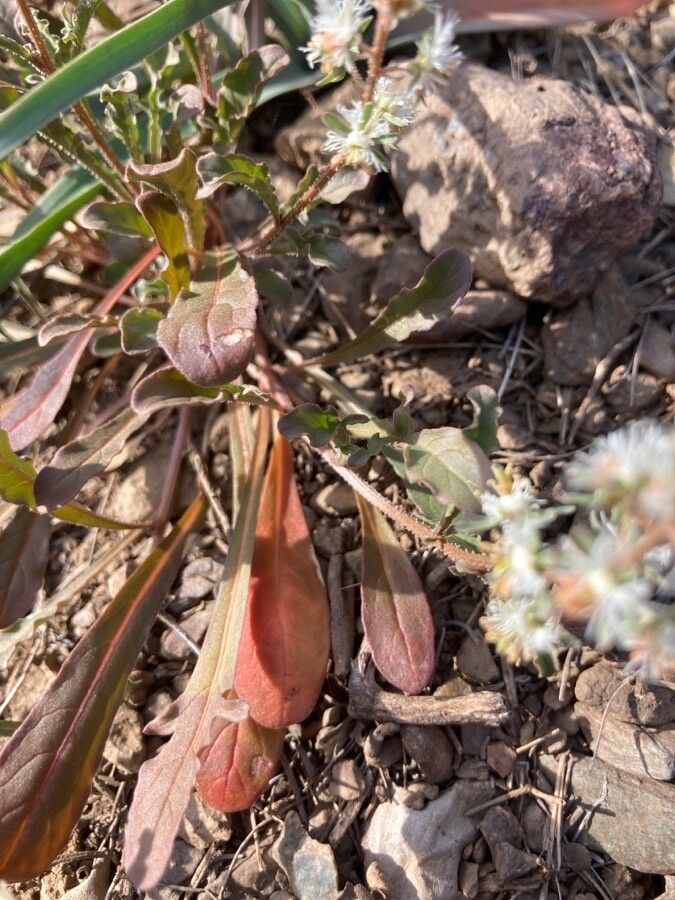
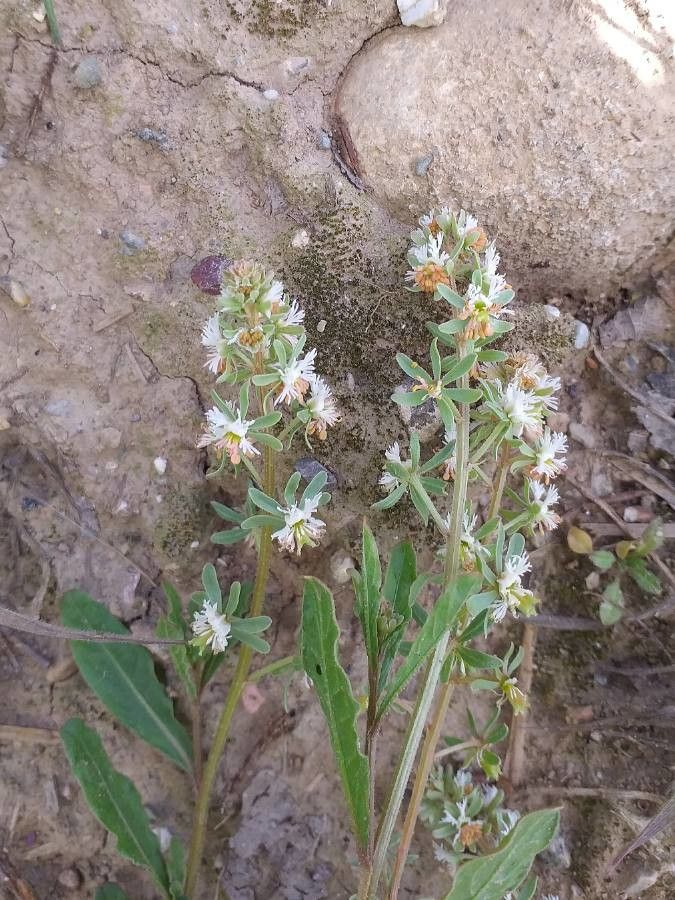
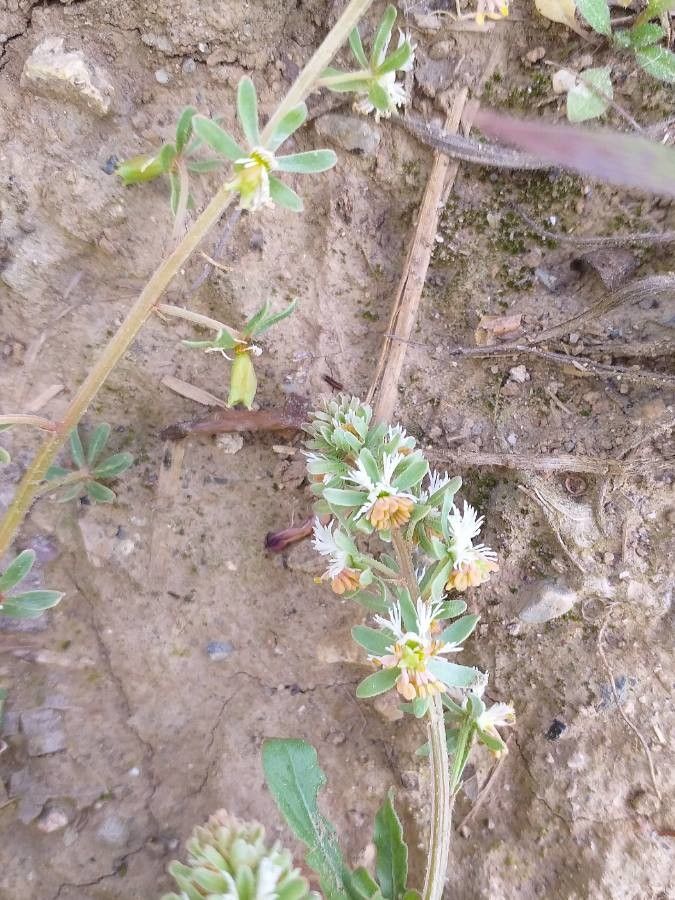
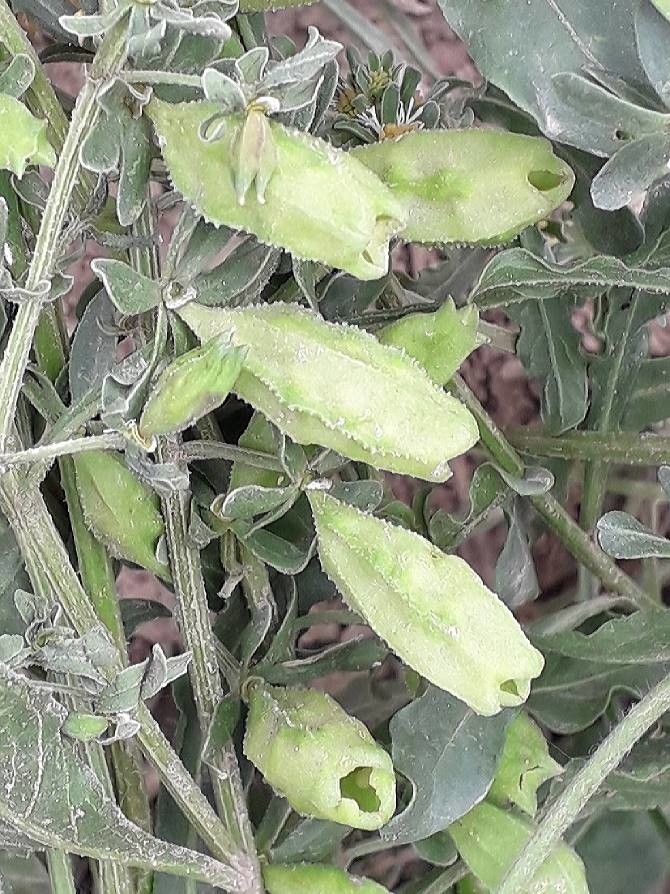
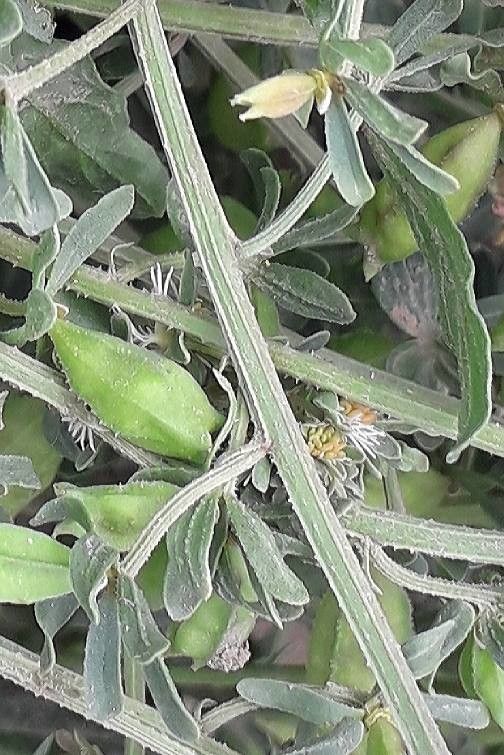
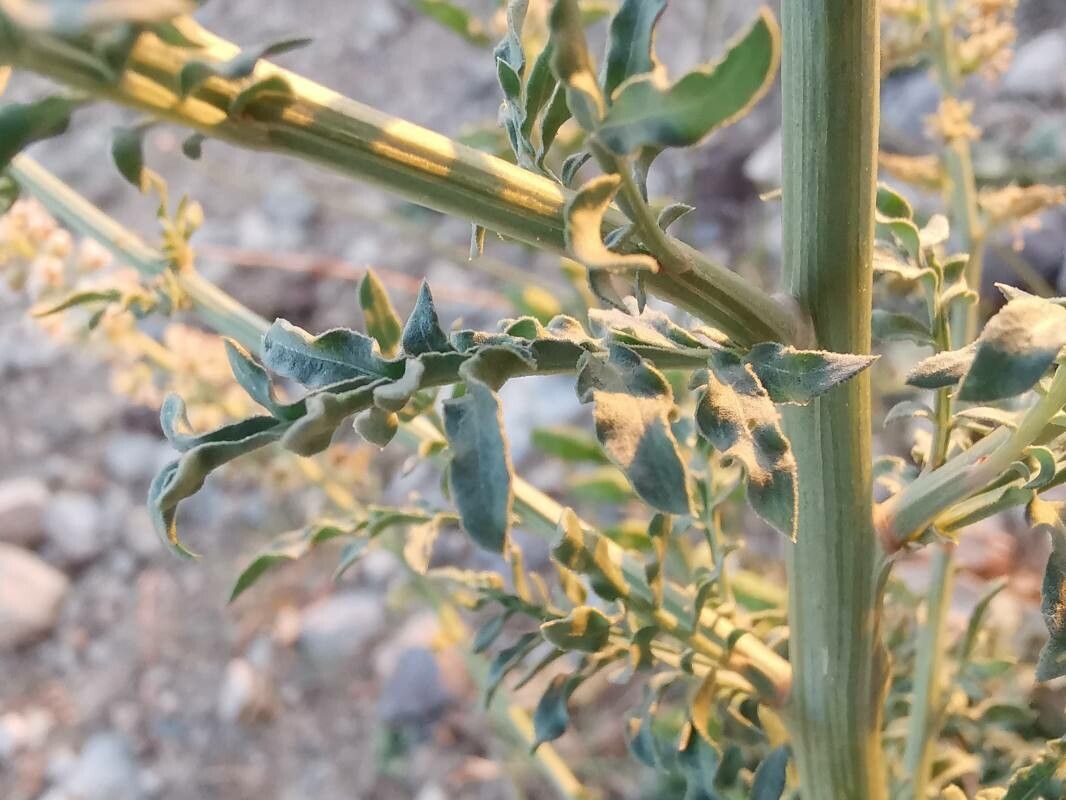
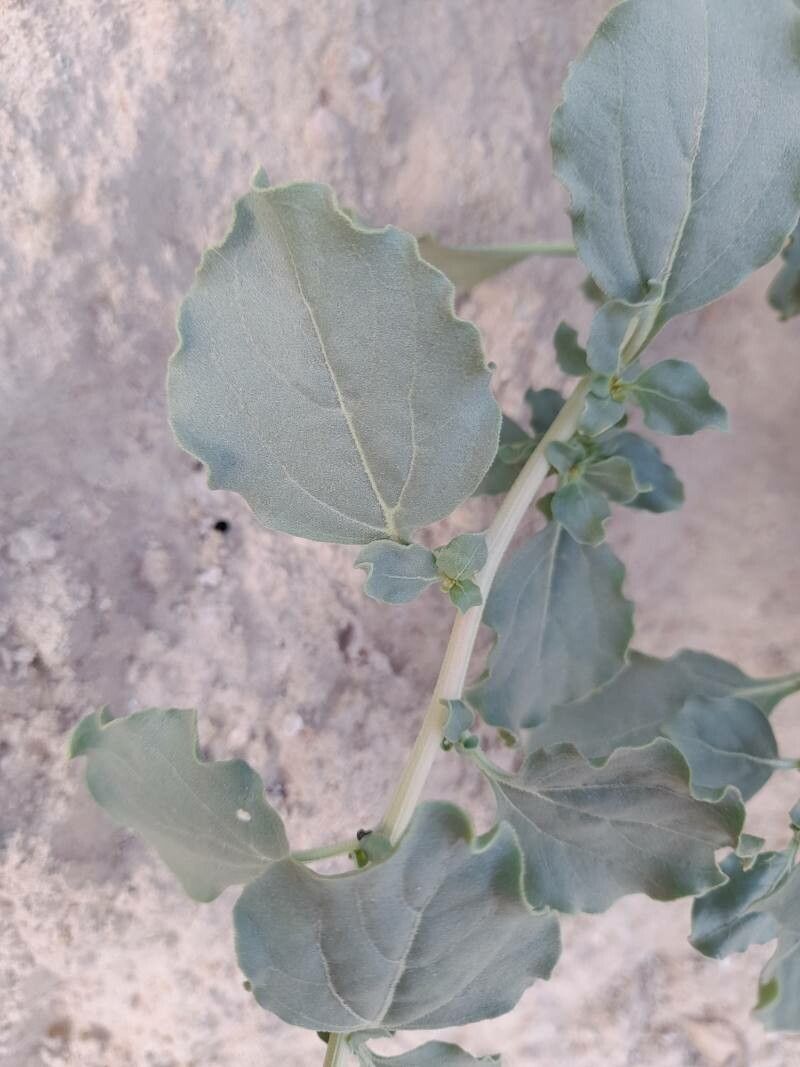
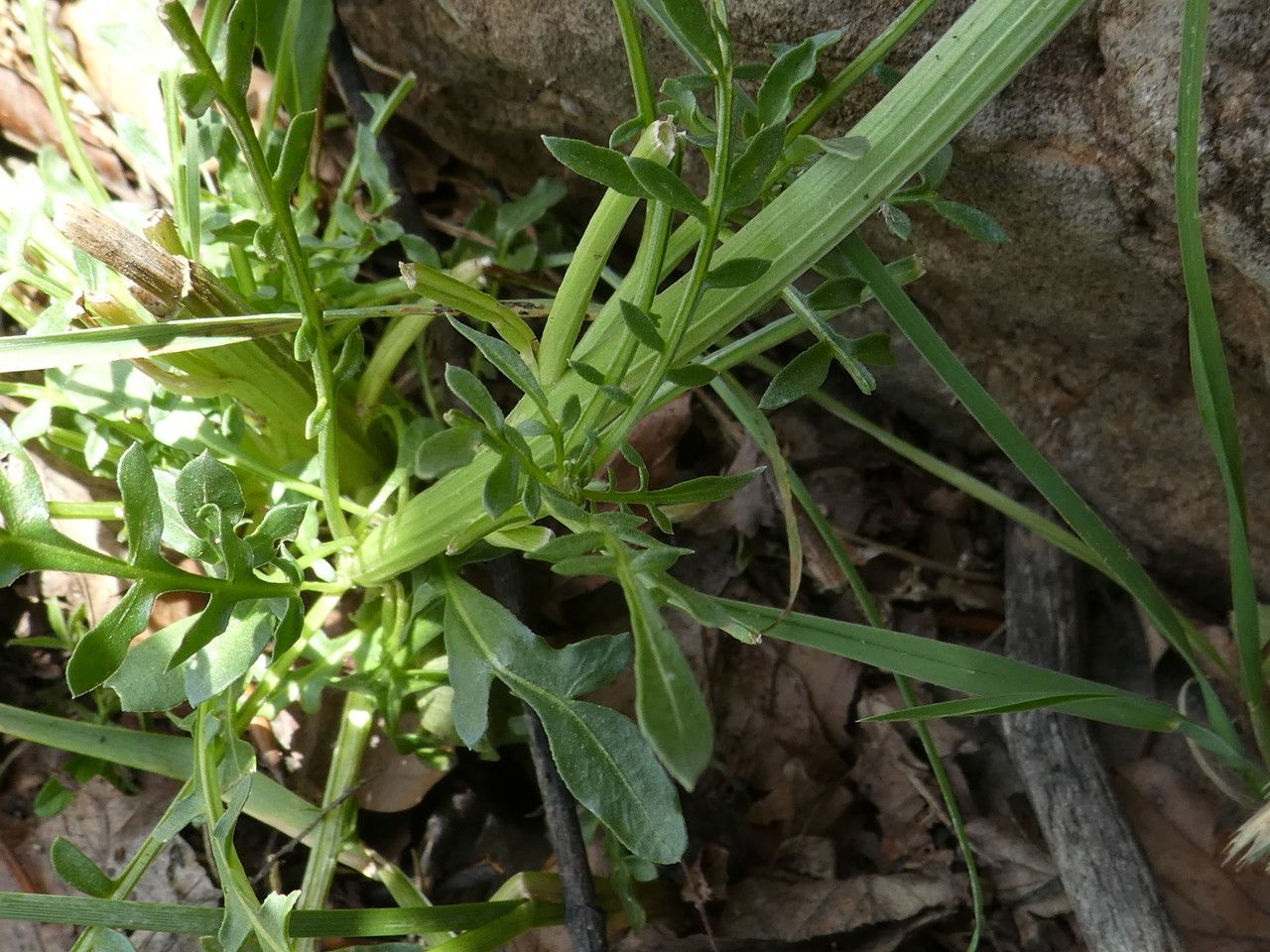
Reseda phyteuma, common name rampion mignonette or corn mignonette, is a species of flowering plant in the family Resedaceae.
Rampion mignonette is fairly disease-resistant and generally not prone to illnesses. However, it can be affected by pests and diseases present in its environment. Such infections are usually mild. For care, the plant needs moderate upkeep. Regular pruning is required to keep a neat appearance and promote healthy growth. Fertilizing can also help encourage flowering. Rampion mignonette is suitable for anyone with outdoor space, like a garden or patio, and does not demand much care experience. It may need more attention when grown indoors.
How to keep Reseda Phyteuma.
Light
Rampion mignonette comes from bright, open habitats and does best in full sun. It can tolerate some partial shade but prefers direct sunlight for optimal growth. This plant, which may be annual or biennial, is noted for its sun-loving character.
Water
Rampion mignonette flourishes in conditions similar to those of the Mediterranean. It prefers consistent moisture but can withstand short periods of drought. To keep the plant healthy, it's best to water it weekly. In temperate gardens, where it is grown outdoors, its water needs are influenced by rainfall, requiring less watering during the rainy season.
Humidity
This plant will thrive in moderate humidity, which is probably the level in your home. However, misting it a few times a week can be very beneficial. Make sure the room has good ventilation.
Temperature
Rampion mignonette is a plant native to areas with temperate climates. It prefers temperatures of 68 to 95 °F (20 to 35 ℃) and adapts well to seasonal changes. Depending on local climate conditions, advice on temperature management may be needed.
Fertilizer
When most of Rampion mignonette's blooms have opened to full size, resume fertilizing. Around the time the blooms are at peak output, apply fertilizer every three to four weeks, as weather permits. Then, once Rampion mignonette begins producing fewer new blooms, stop fertilizing; there is no need to fertilize when the plant can no longer produce more blooms.
Pruning
Rampion mignonette is a perennial plant that features delicate flowers and is ideal for ornamental gardens. To keep the plant healthy and attractive, prune it between early and late spring. During pruning, remove any dead stems and thin out crowded areas to improve air circulation. This care encourages healthy growth, enhances flowering, and helps maintain a compact shape, which prevents disease and extends the blooming period.
Botanical profile.
- Plant Type
- Herb
- Life Cycle
- Annual, Biennial
- Genus
- Reseda
- Family
- Resedaceae
- Hardiness Zone
- 5-8
- Mature Height
- 10 cm to 49 cm
- Mature Spread
- 20 cm to 40 cm
- Leaf Color
- Light Green
- Leaf Type
- Deciduous
- Flower Color
- Yellow, White
- Flower Size
- 0.51 cm to 0.76 cm
- Bloom Time
- Mid spring, Late spring, Early summer
- Planting Time
- Spring, Summer
- Harvest Time
- Summer
- Native Area
- Libya, Egypt, Turkey, Slovakia, Montenegro, Croatia, Morocco, Slovenia, Romania, France, Portugal, Tunisia, Greece, Serbia, Italy, Spain, Switzerland, Albania, Azerbaijan, Algeria, Hungary
Other names.
Reader questions.
How should I water my Rampion mignonette plant?
There are a few different ways you can water Rampion mignonette. You can use a garden hose with a spray nozzle, a watering can, or any other regular watering tool. This plant isn't too fussy about the type of water it receives, so rainwater, tap water, or filtered water all work fine. It's generally best not to water the plant from above, as this can harm the leaves and flowers and possibly cause disease. A drip irrigation system is often a good option for watering, as it evenly and directly applies water to the soil. If you have a container-grown Rampion mignonette, you can use a cup, watering can, or the tap to water it directly into the soil.
What is Rampion mignonette and where does it originate from?
Rampion mignonette, scientifically known as Reseda phyteuma, is a plant that originates from environments with moderate climates and temperatures. It thrives in temperatures ranging from 68 to 95 °F (20 to 35 ℃), showing a strong capacity to adjust through varying seasonal conditions. Given its robust cold resistance, Rampion mignonette doesn’t normally require special frost protection measures during winter, except in extremely cold environments where temperatures are expected to drop below -25°C.
If I give my Rampion mignonette plant too much or too little water, what should I do?
If you notice your Rampion mignonette plant is lacking moisture, the solution is simple: water it more regularly. However, overwatering can be a more serious problem. If you overwater your plant, it may develop diseases that can cause it to decline and die. To prevent this, choose a growing location that gets plenty of sunlight to dry the soil and has good drainage to allow excess water to drain away. If you have overwatered your Rampion mignonette plant in a pot, you may need to consider transferring it to a new pot. The previous pot may not have had good drainage or enough drainage holes. When repotting, use loose soil and a pot that drains efficiently.
How can I protect Rampion mignonette during extremely cold winters?
Although Rampion mignonette has strong cold resistance, in winters where temperatures are expected to drop below -25°C, it's important to take steps to provide cold protection. This can include covering the plant with materials such as soil or straw to insulate it from the extreme cold. Additionally, before the first freeze in autumn, it's recommended to water the plant abundantly to ensure the soil remains moist, helping to prevent drought and water scarcity for the plant during the colder months and early spring.
How frequently do I need to water my Rampion mignonette?
Rampion mignonette requires regular watering throughout the growing season. During spring, it is recommended to water the plant once per week. As the season progresses and temperatures increase, you may need to water the plant two to three times per week. Overwatering can harm the Rampion mignonette, so be cautious. It is important to keep the soil moist but not wet, regardless of watering frequency. When growing Rampion mignonette in a pot, you should increase watering frequency as the soil in containers tends to dry out faster. Typically, you will need to water a potted Rampion mignonette a few times per week, whereas an in-ground plant only needs watering once per week.
What should I do if my Rampion mignonette is exposed to temperatures below -25°C?
If your Rampion mignonette is subjected to temperatures below -25°C, although it has a degree of cold tolerance, there might not be any noticeable changes during winter. However, there could be a decrease in sprouting or even no sprouting during springtime. In such cases, it's advised to remove any parts of the plant that have failed to sprout in spring, as part of the recovery process.
How much water does my Rampion mignonette plant require?
To determine how much water to give your Rampion mignonette, you have a few options. Some gardeners prefer to check the soil moisture by feeling it, and suggest watering until the top six inches of soil feel damp. Another method is to use a specific measurement, like two gallons per week, depending on the temperature and how quickly the soil dries out. However, sticking to strict guidelines might cause overwatering if your plant doesn't need that much. When growing Rampion mignonette in a container, the approach is different. You should water enough to moisten all the dry layers of soil, which you can check by sticking your finger in or observing excess water draining from the bottom.
How does Rampion mignonette react to high temperatures and how can I protect it?
During the summer, it's crucial to keep the temperature for Rampion mignonette below 35°C. When temperatures exceed 38°C, the plant's leaves may become lighter in color, start to curl, and become susceptible to sunburn. In severe cases, the entire plant may wilt and dry out. To protect your plant in these conditions, you should trim away any sunburned and dried-up parts. Moving the plant to a shaded area or using a shade cloth to protect it from the midday and afternoon sun can be beneficial. Ensuring the soil is kept moist through watering in the morning and evening is also important.
How do I know if I am giving enough water to my Rampion mignonette plant?
Avoiding overwatering your Rampion mignonette can be tricky because these plants have deep roots that need to be moistened weekly. However, Rampion mignonette is highly prone to root rot and can also experience browning from overwatering. Underwatering is not as common as these plants can survive without extra watering for some time. But, if you wait too long to water, the plant will likely wilt and its leaves may become dry.
How do I need to water my Rampion mignonette plant throughout the year?
As the seasons progress, the water needs of your Rampion mignonette will increase. In spring, watering once per week is sufficient. However, as the summer heat sets in, you will likely need to water your Rampion mignonette more frequently, possibly up to three times per week. This is especially important for Rampion mignonette grown in containers, as the soil in containers tends to dry out faster in warm weather. In autumn, when your Rampion mignonette is still flowering, it may require slightly less water due to the cooler temperatures and less intense sunlight compared to summer.
How should I water my Rampion mignonette as it grows?
Throughout the year, Rampion mignonette goes through different growth stages, each with varying water requirements. When starting from a seed, you should provide more water during the germination stage and maintain consistent soil moisture by watering frequently. After a few weeks, when the plant grows above the soil, slightly less water is needed. Once the plant is mature, a regular watering frequency of once per week is sufficient. During flower development, providing slightly more water can be helpful.
How do you water Rampion mignonette differently indoors versus outdoors?
Most Rampion mignonette grow outdoors instead of indoors for several reasons. Firstly, these plants typically grow too tall for indoor spaces. Secondly, Rampion mignonette requires more daily sunlight than most indoor environments can offer. If you do manage to create a suitable indoor growing space, you might need to water your Rampion mignonette more frequently compared to outdoor growing locations. This is because indoor spaces tend to be drier, partly due to HVAC units, and also because soil in containers can dry out quickly.