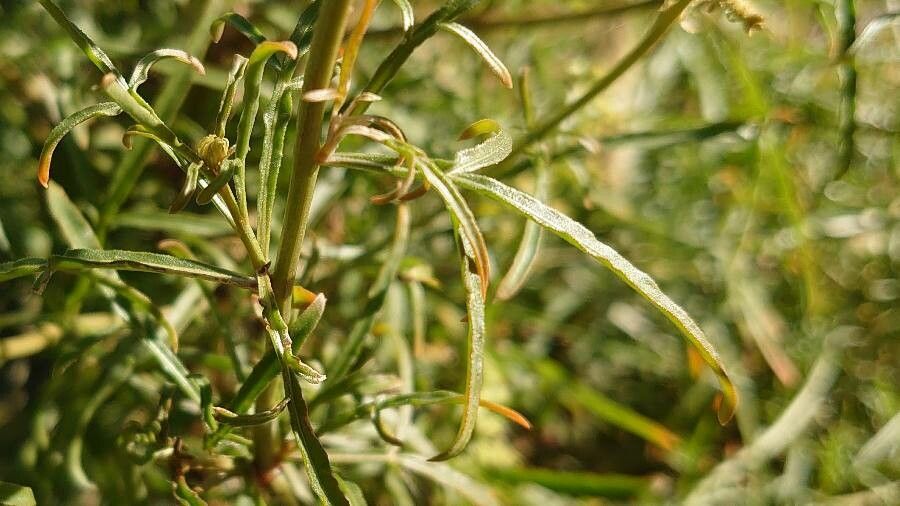
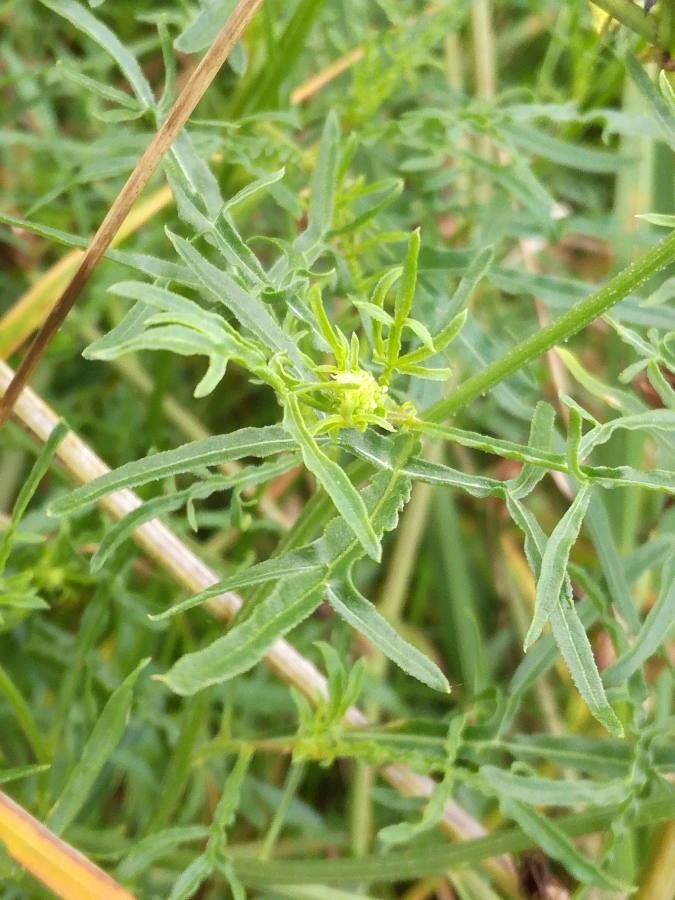
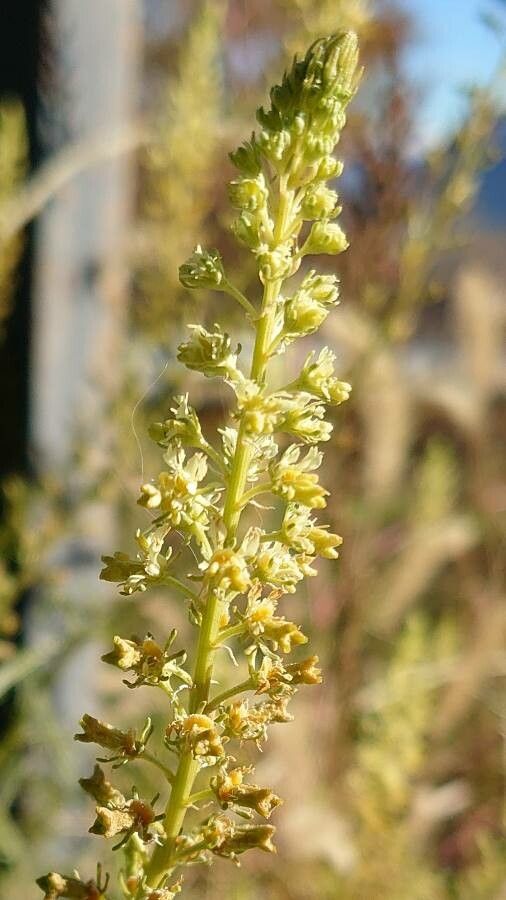
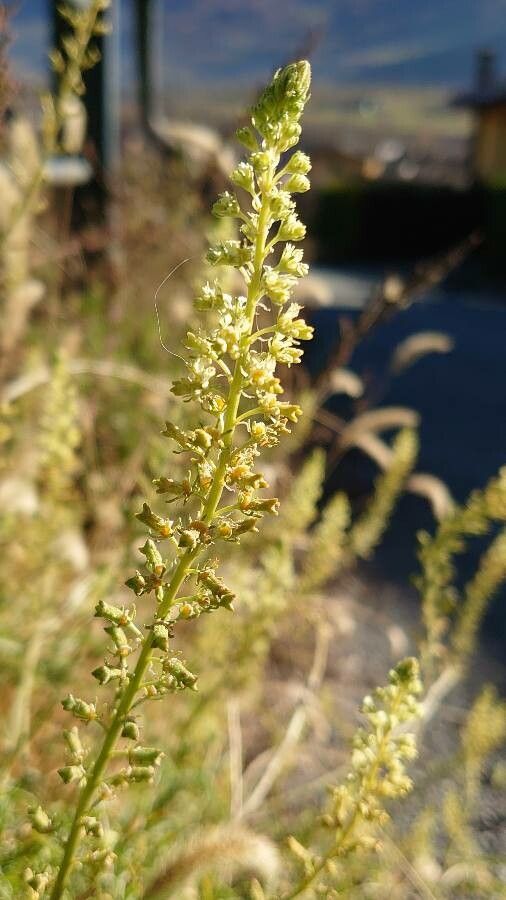
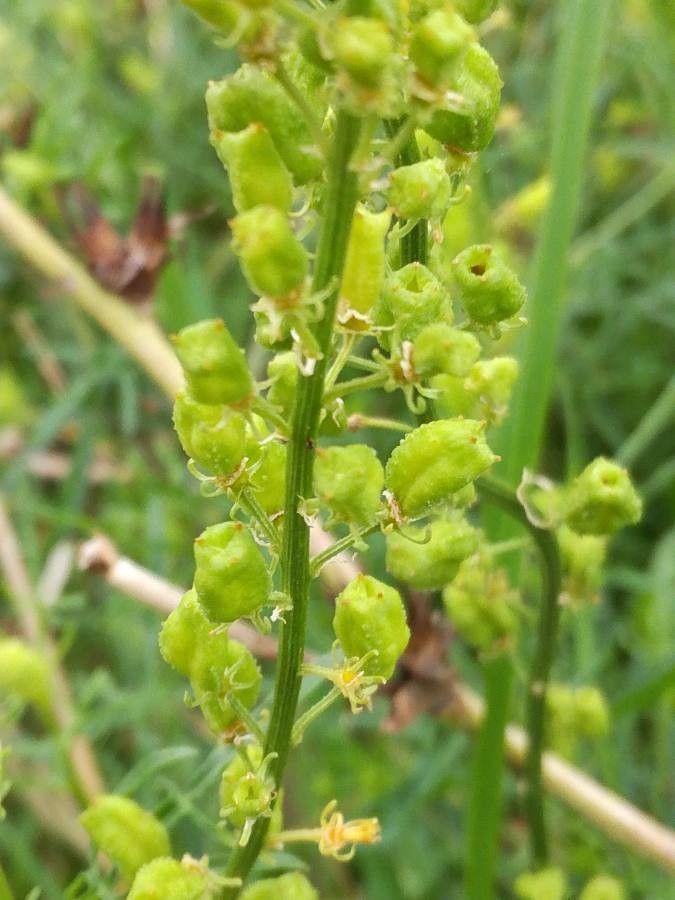
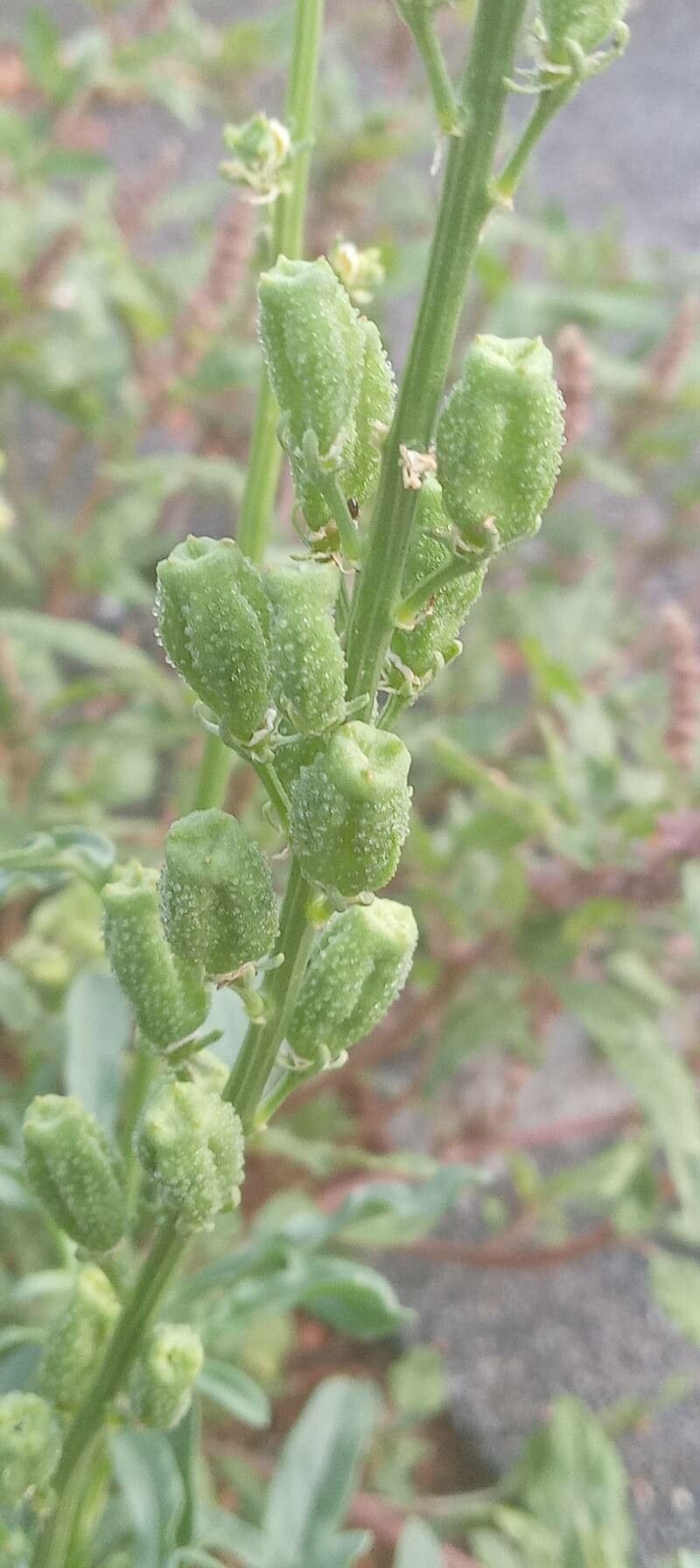
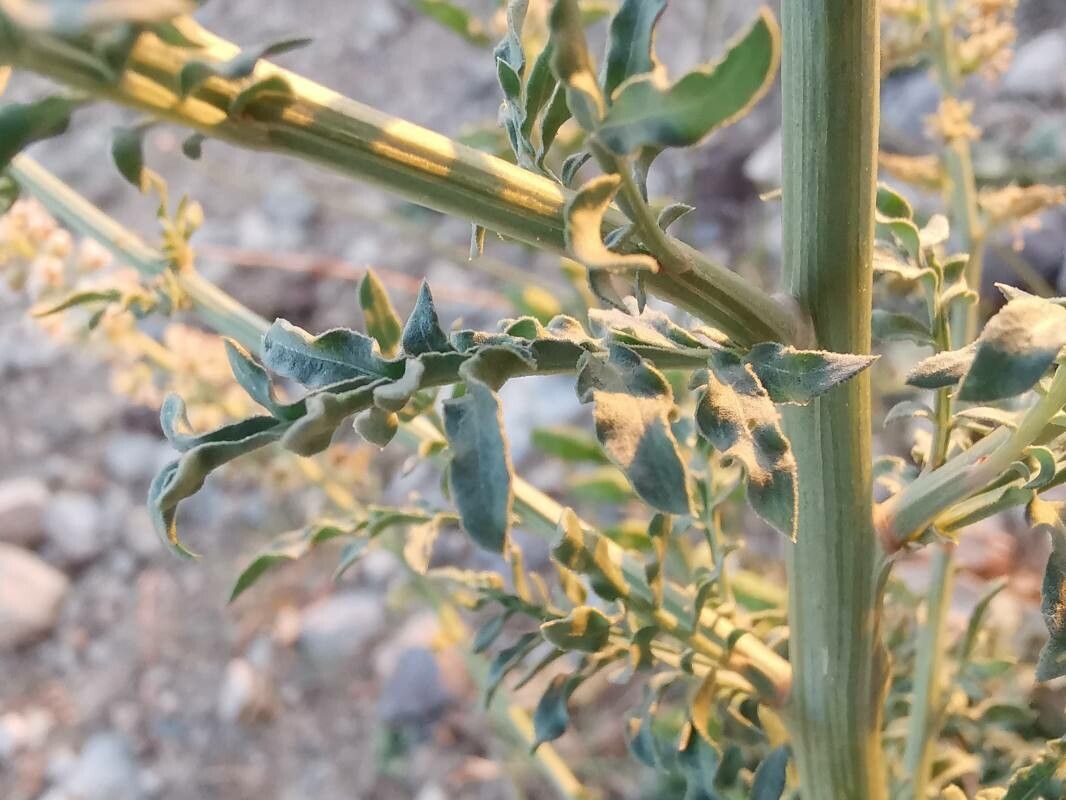
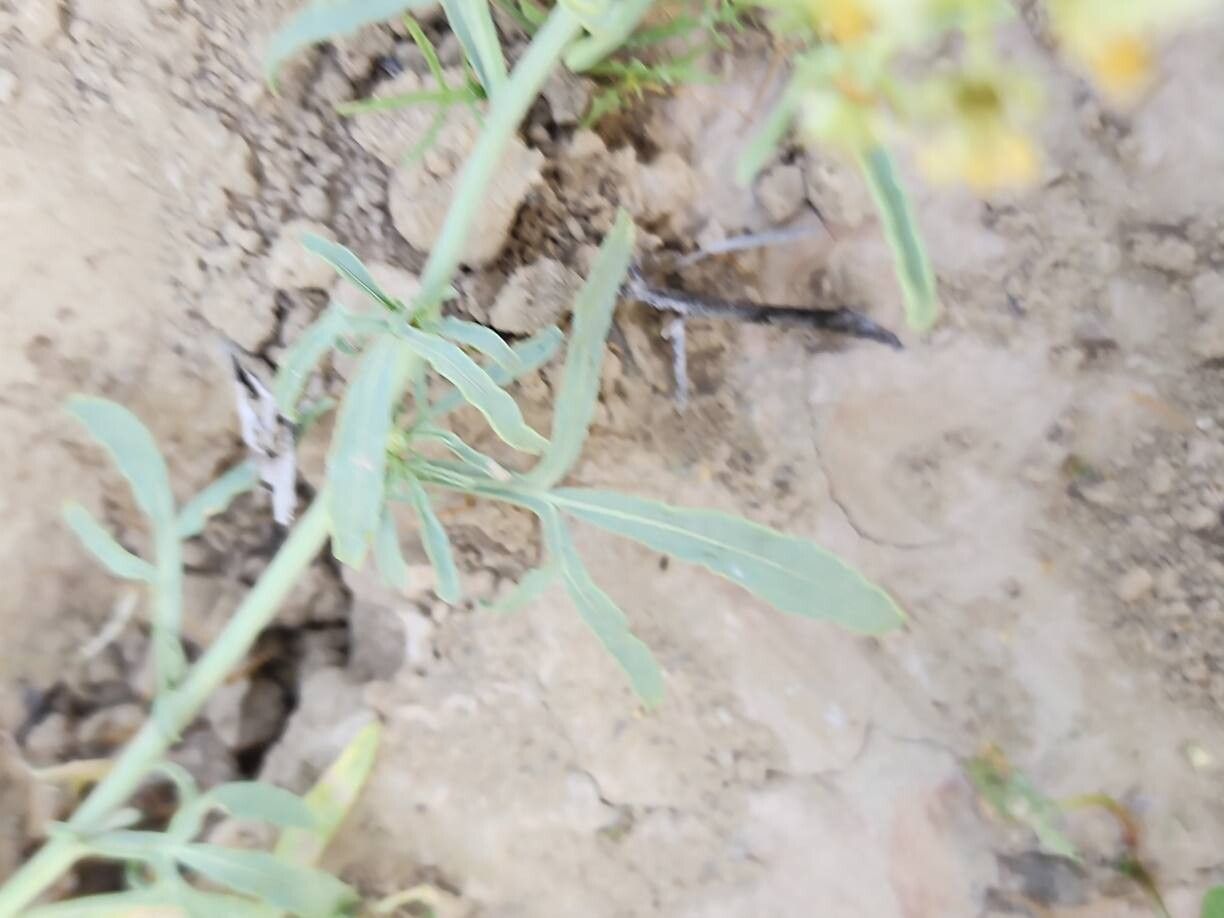
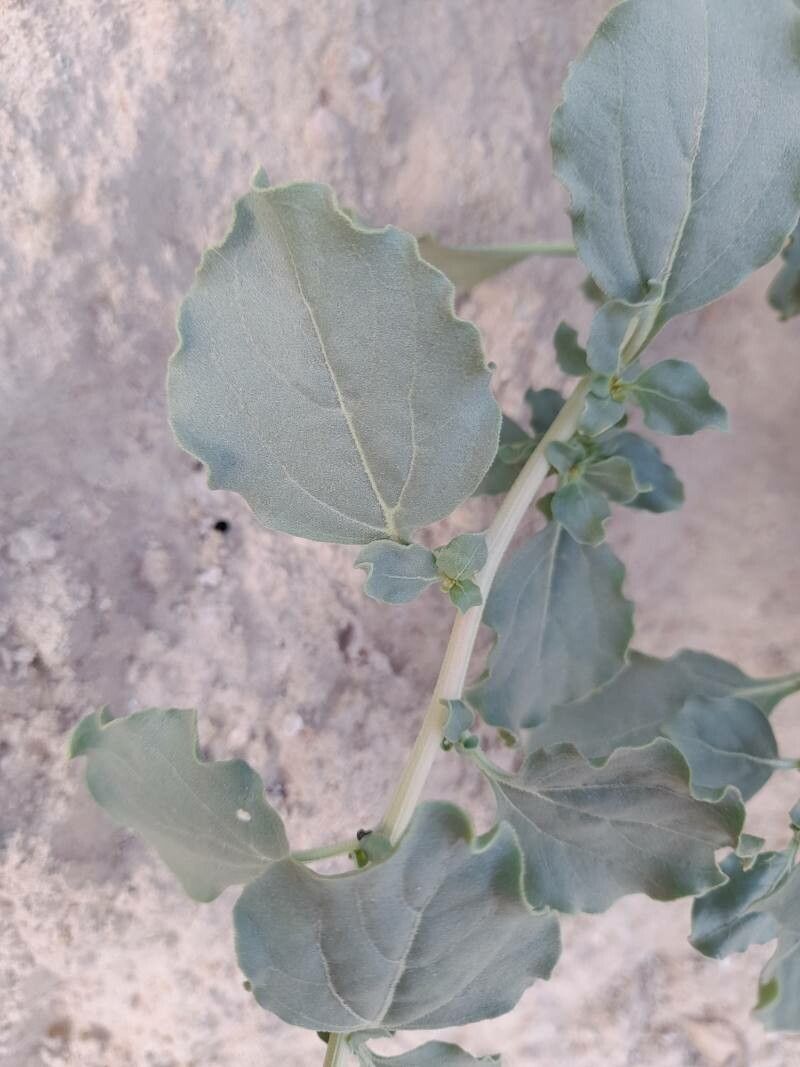
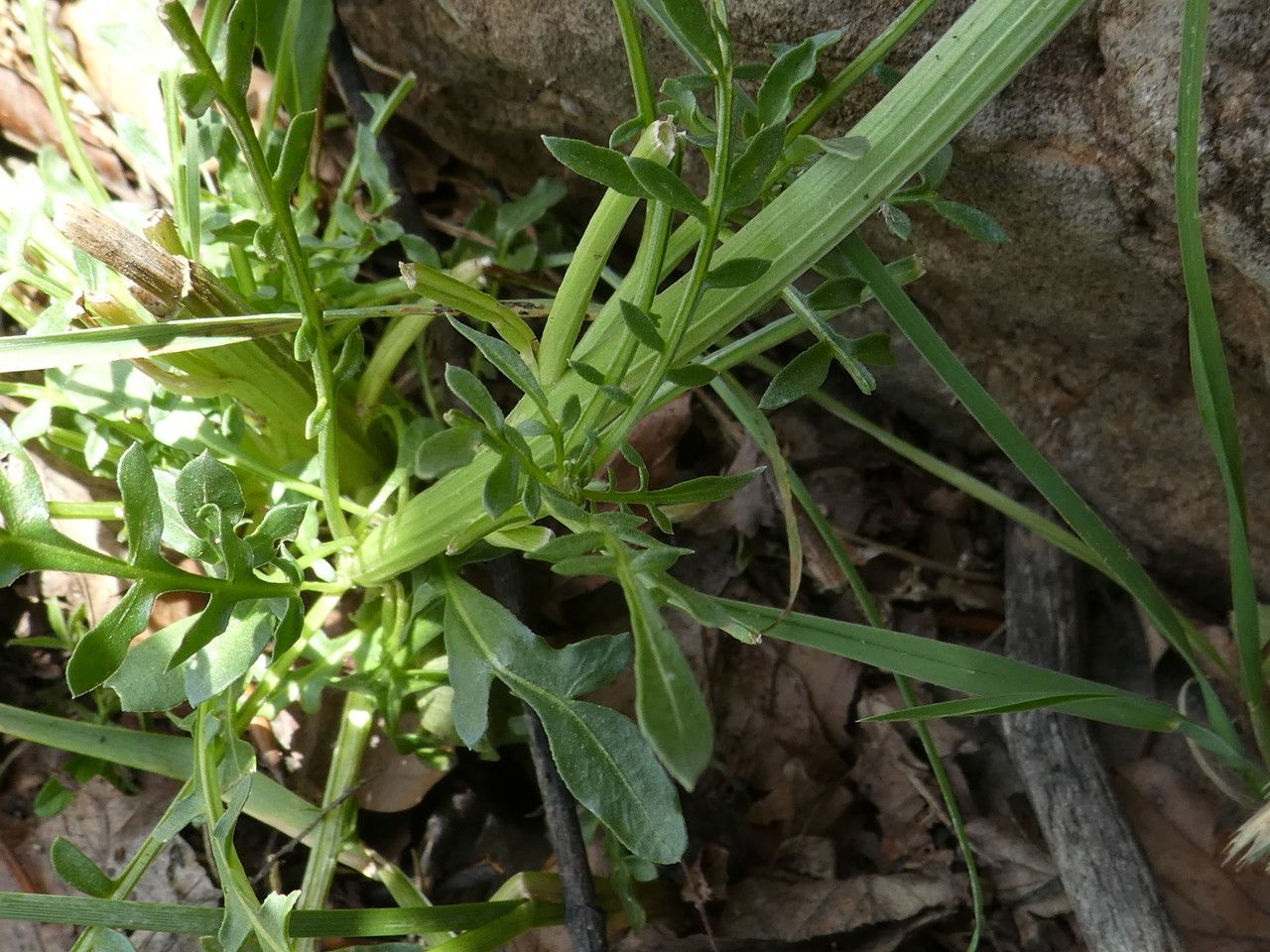
Reseda lutea, commonly known as the yellow mignonette, is a flowering plant in the Resedaceae family. Native to Europe, it thrives in various habitats, including meadows, fields, and roadsides. The plant can grow up to 60 cm tall and features yellow-green flowers that bloom from May to September. Its leaves are lance-shaped with slightly serrated edges and are arranged alternately on the stem.
Historically, Reseda lutea has been used for medicinal purposes, primarily for its anti-inflammatory properties. Additionally, its sweet fragrance has made it a popular choice in perfumery.
Yellow mignonette is a hardy plant that prefers well-drained soil in full sun or partial shade. It can be propagated by seeds or cuttings and requires minimal maintenance once established.
Overall, Reseda lutea is a beautiful, low-maintenance flowering plant with medicinal properties that adds color and fragrance to any garden or landscape.
Yellow mignonette is fairly disease-resistant and generally not prone to illnesses. However, it can be affected by pests and diseases present in its environment. Such infections are typically mild. Regarding care, this plant needs moderate maintenance. Regular pruning is required to retain a neat appearance and healthy growth. Fertilizing can also help encourage flowering. Yellow mignonette is well suited to anyone with outdoor space, such as a garden or patio, and does not demand extensive care experience. It may need more attention when grown indoors.
How to keep Reseda Lutea.
Light
Yellow mignonette requires plenty of sunlight for optimal growth. In its native environment it has adapted to prefer bright, unobstructed light. Insufficient sunlight can cause stunted growth and reduced vigor. Conversely, excessive sun exposure generally does not cause significant damage, showing good resilience.
Water
Yellow mignonette, a plant native to the Mediterranean, thrives in dry conditions due to its drought tolerance. It needs weekly watering, striking a balance between retaining moisture and ensuring good drainage. Typically grown outdoors, yellow mignonette adapts well to different temperatures and flourishes in garden soils that resemble its native dry climate.
Temperature
Yellow mignonette naturally occurs in areas with moderate to warm temperatures, especially doing well between 68 to 95 °F (20 to 35 °C). When seasons change, it is advisable to keep yellow mignonette in conditions that mirror its native temperature range for optimal growth.
Fertilizer
Yellow mignonette requires regular feeding to encourage flowering but does not tolerate excess. It should receive small amounts of fertilizer frequently throughout its life, especially during the peak of active growth and while it is flowering. You will feed your Yellow mignonette until it stops blooming.
Pruning
Yellow mignonette requires minimal pruning. Focus on removing dead or damaged stems from early to late spring. Regular pruning helps maintain the plant's shape, promotes healthy growth, and enhances flowering. Make sure to use clean tools to prevent disease. For older plants, reserve heavy pruning to rejuvenate them.
Toxicity
Reseda lutea has no toxic effects reported.
Further reading →
The toxicity and danger assessments provided are for reference only. We do not assure their accuracy, so it's crucial not to depend on them. Seek professional advice when necessary for accurate guidance.
Botanical profile.
- Plant Type
- Herb
- Life Cycle
- Biennial, Perennial
- Genus
- Reseda
- Family
- Resedaceae
- Hardiness Zone
- 7
- Mature Height
- 61 cm to 91 cm
- Mature Spread
- 49 cm
- Leaf Color
- Green, Dark Green
- Leaf Type
- Semi-evergreen
- Flower Color
- Yellow
- Flower Size
- 0.51 cm to 0.76 cm
- Bloom Time
- Mid spring, Late spring, Summer, Fall
- Planting Time
- Spring, Summer
- Harvest Time
- Summer, Fall, Early winter
Other names.
Reader questions.
How should I water my Yellow mignonette plant?
To properly water the Yellow mignonette, follow these steps: 1. Use filtered water at room temperature. Tap water may contain harmful particles that can damage the plant's health. 2. The water should be at room temperature or slightly warmer. The Yellow mignonette is accustomed to a warm environment, and cold water may shock its system. 3. Avoid overhead watering, as it can lead to problems with the foliage. Instead, focus on watering the soil directly. 4. Pour the filtered room temperature water onto the soil until it is completely soaked. This will benefit the plant by moistening the roots and promoting their spread through the soil to gather necessary nutrients.
Why should I put fertilizer on my Yellow mignonette plant?
Yellow mignonette plants are known for their vibrant, leafy foliage, which requires nitrogen and potassium to grow rapidly. These nutrients also support root development, helping to anchor the plants into the soil. Additionally, nitrogen encourages the plants to grow taller and fuller.
What are the sunlight requirements for Yellow mignonette?
Yellow mignonette requires full sun, equating to more than 6 hours of sunlight daily, for optimal growth. Its native habitat conditions have shaped its preference for clear, unobstructed light. Insufficient sunlight may result in stunted growth and diminished vitality, though the plant is quite resilient to excessive sun exposure. Observing how sunlight moves through your garden can help in choosing the perfect balance of light and shade to ensure your plants thrive.
What are the ideal temperature conditions for yellow mignonette?
Yellow mignonette thrives best in environments with moderate to warm temperature ranges, specifically between 68 to 95 °F (20°C to 35°C). It is native to environments that usually do not experience extreme cold, thus adapting well to its preferred temperature range for optimum growth. While yellow mignonette has strong cold resistance and does not usually require special frost protection measures during winter, it is important to provide some form of cold protection if winter temperatures are expected to drop below -15°C. This can include covering the plant with soil or straw. Additionally, before the first freeze in autumn, it is advisable to water the plant abundantly to ensure the soil remains moist and enters a frozen state, which helps in preventing drought and water scarcity for the plant during winter and early spring.
What should I do if I give too much or too little water to my Yellow mignonette plant?
Both overwatering and underwatering can harm the health of your Yellow mignonette, but overwatering is more common. Too much water can cause the stems and leaves to wilt and turn yellow. Overwatering for a long time can also lead to diseases like root rot, mold, and mildew that can kill the plant. Underwatering is less likely because the Yellow mignonette can tolerate drought. However, it's still possible, and if it happens, the leaves may become brittle and brown. It's crucial to recognize signs of overwatering early. Some diseases caused by overwatering, like root rot, may not be fixable if you wait too long. Reduce your watering schedule if you see early signs of overwatering. Check the quality of the soil. If it drains poorly, replace it with a loose, well-draining potting mix. If you notice signs of underwatering, simply water more regularly until the signs disappear.
When should I put fertilizer on my Yellow mignonette?
Yellow mignonette plants are heavy feeders and require a lot of nutrients due to their fast growth, large leaves, and high water content. Throughout the growing season, from germination to when the plants start to age, it is necessary to regularly fertilize them. If not, deficiency symptoms will appear and the plant's growth will be impaired. Previously, it was believed that when yellow mignonette plants started changing colors in the fall, their nutrient needs significantly decreased and fertilizer applications could be reduced or stopped. However, research has shown that providing small amounts of nitrogen fertilizer after maturity is actually beneficial. This will not significantly affect the plant's coloration and will also prevent the lower leaves from turning yellow and falling off.
How can artificial lighting be used for indoor plants?
Indoor plants, including Yellow mignonette, require adequate lighting, especially when natural sunlight is insufficient. Artificial lighting can be a crucial solution, promoting healthier and faster growth. LED lights are favored for their ability to provide specific wavelengths needed by plants. For full sun plants, 30-50W per square foot is recommended; partial sun plants need 20-30W per square foot, and full shade plants require 10-20W per square foot. The light source should be placed 12-36 inches above the plant to mimic natural sunlight, and most plants will need 8-12 hours of light per day.
How does yellow mignonette react to low temperatures?
Yellow mignonette is cold-tolerant and performs optimally when the temperature remains above 20°C. Despite its resilience to cold, during winter, it is crucial to ensure the temperature stays above 0°C to maintain its health. If temperatures dip below -15°C, while there might not be noticeable changes during the winter, there could be a decrease in sprouting or even a complete lack of sprouting during spring. To manage this issue, it is recommended to remove any parts of the plant that fail to sprout in spring, aiming to promote healthier growth in the upcoming seasons.
How often should I give water to my Yellow mignonette plant?
If your Yellow mignonette is in a pot, the best way to check if it needs water is to poke your finger into the soil. If the top two to three inches are dry, it's time to water it. If you're growing the plant outside in the ground, you can use the same method. When the top few inches of soil have dried out, it's a sign that it needs water. Typically, you will need to water the plant about once a week during spring and early fall. During very hot weather, you may need to water it twice a week or more. However, mature and well-established Yellow mignonettes can tolerate drought well.
When should I not add fertilizer to my Yellow mignonette?
Sometimes fertilizer can be harmful to Yellow mignonette instead of helpful, especially if the plant is already under stress. To prevent further problems, avoid fertilizing if the plant is struggling with diseases like leaf spot, black rot, or blackleg, or if it has insect issues such as aphids, spider mites, or whiteflies. Fertilizing can weaken the plant's defenses and make it more susceptible to other pests or diseases. It's also best to avoid fertilizing when the soil surface is hardened or too dry, as this can lead to fertilizer burn on the roots. Instead, water the potting soil slightly to make it moist before applying fertilizer.
What are the symptoms of light deficiency in Yellow mignonette?
When Yellow mignonette doesn't receive enough light, it may show symptoms such as smaller new leaves, leggy or sparse growth, faster leaf drop, slower or no new growth, and lighter-colored new leaves, indicating a lack of chlorophyll and essential nutrients. Excessive sunlight can cause chlorosis, sunscald, leaf curling, wilting, and leaf scorching, impacting the plant's ability to photosynthesize and maintain overall health.
How does yellow mignonette respond to high temperatures?
During the summer, it is essential to ensure that yellow mignonette is kept below 35°C. When temperatures exceed 38°C, the plant may experience stress resulting in leaves that may become lighter in color, prone to curling and susceptible to sunburn. In severe cases, the plant may wilt and become dry. To address these issues, trim away the sunburned and dried-up parts of the plant. Relocate the plant to a shaded area, away from the midday and afternoon sun, or use a shade cloth to protect it. Additionally, watering the plant in the morning and evening can help keep the soil adequately moist and support the plant’s needs during high temperatures.