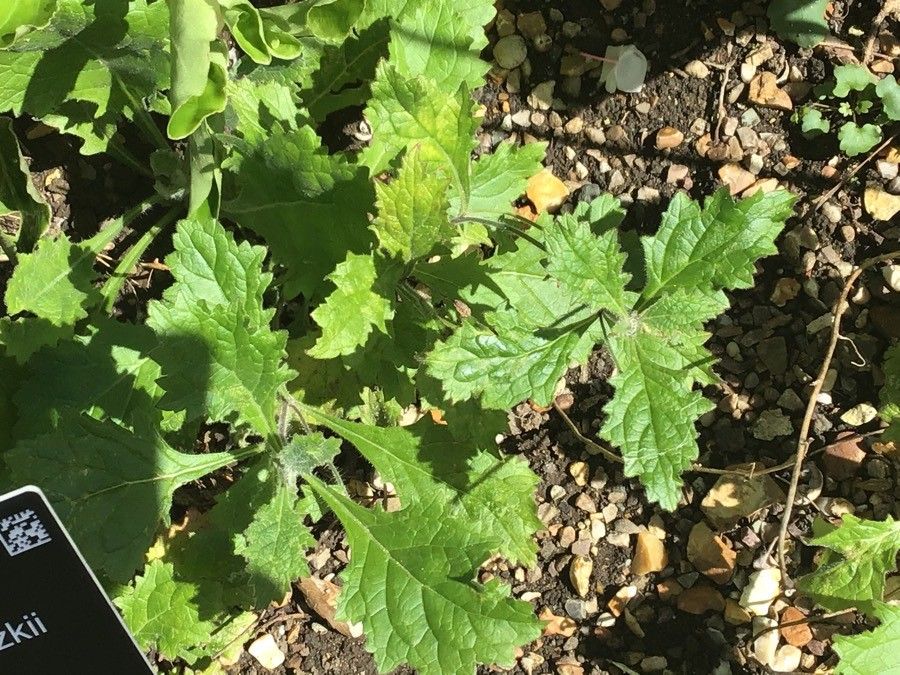
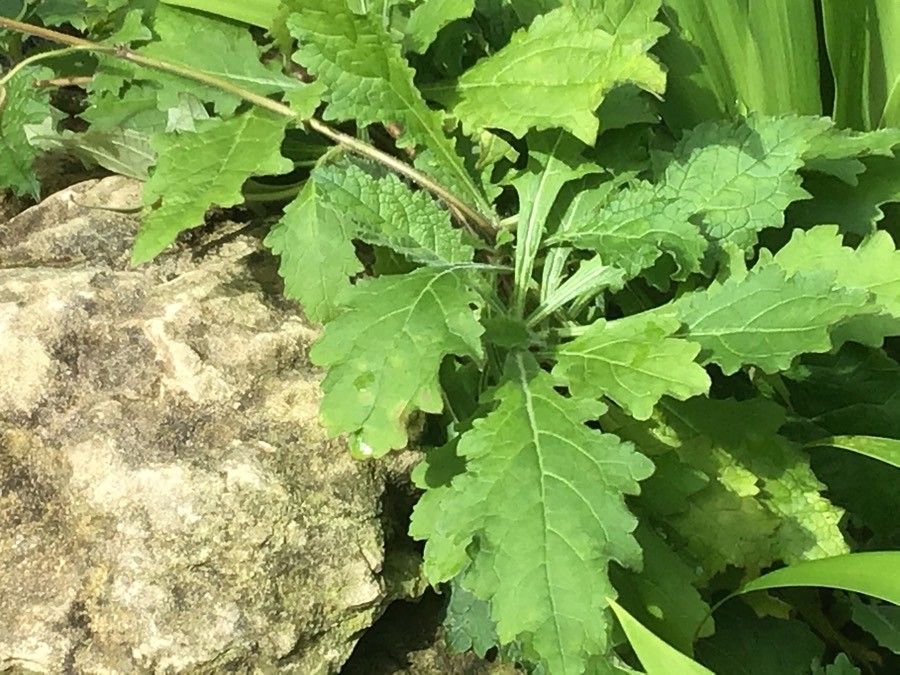
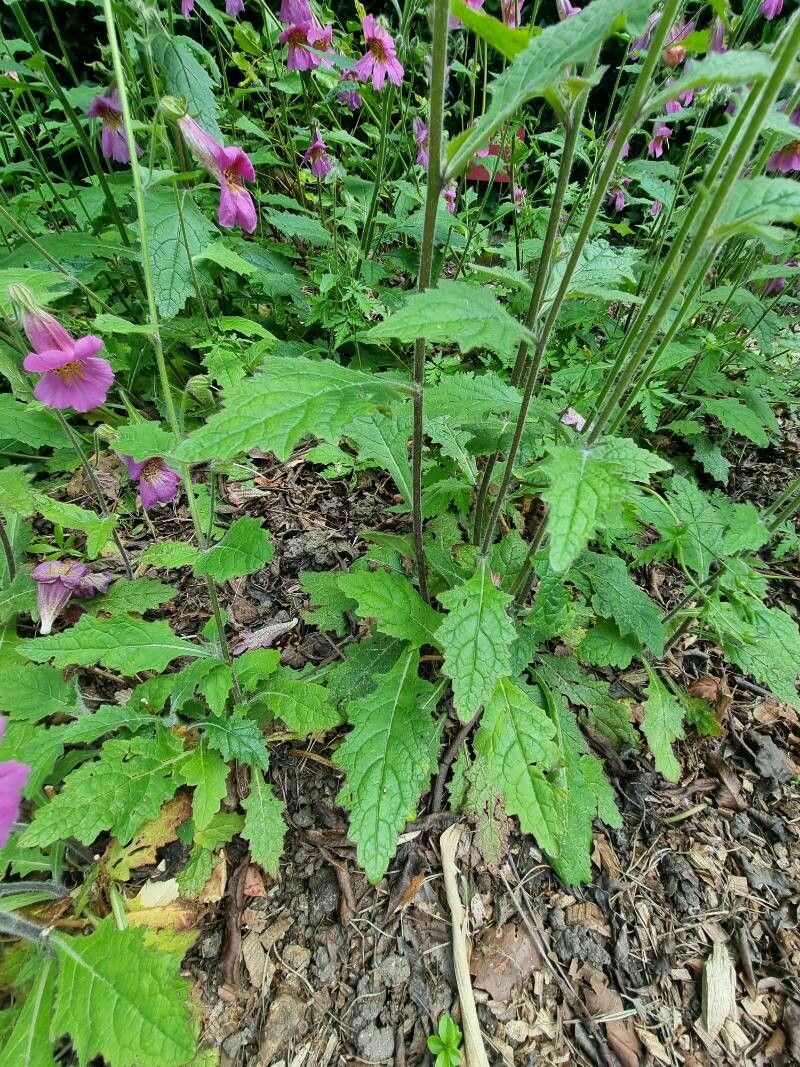
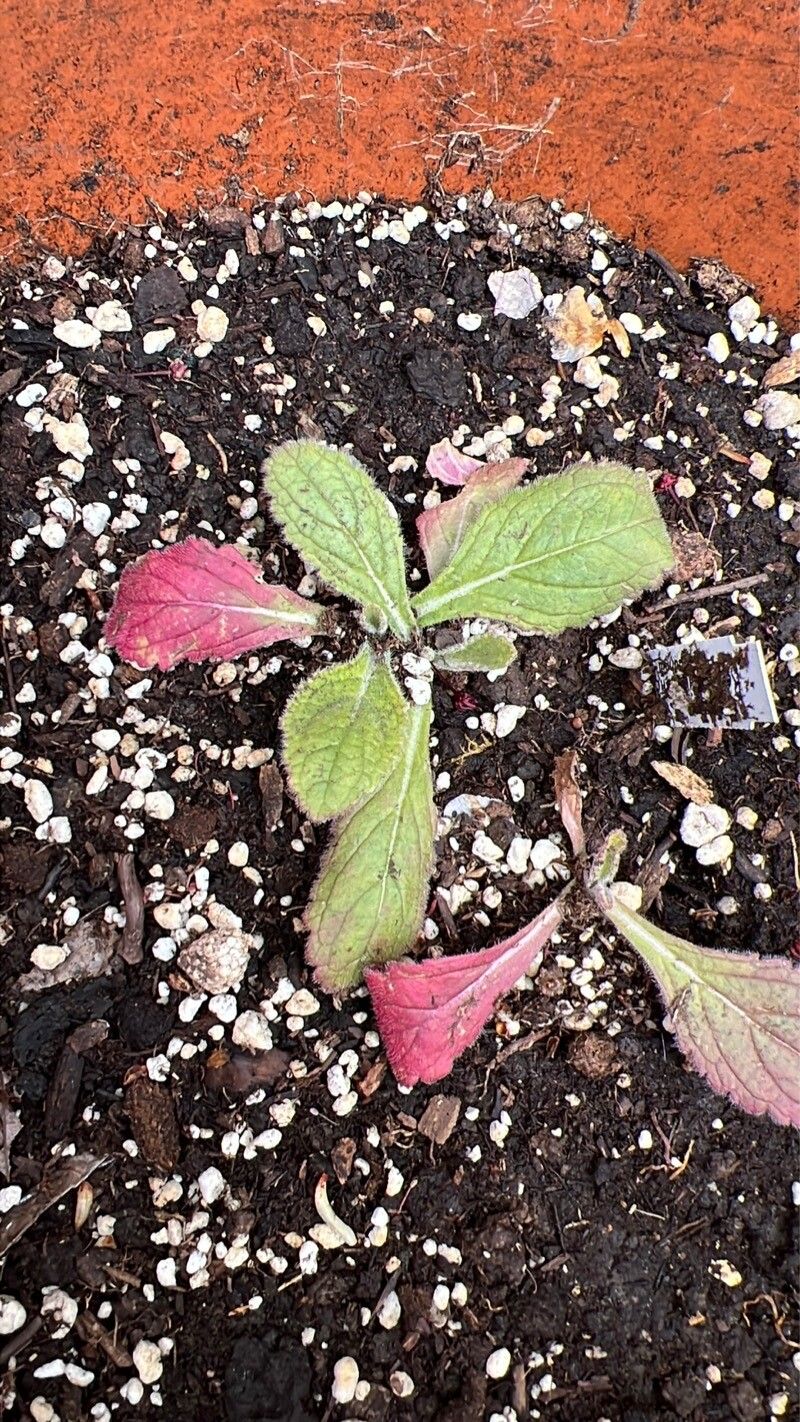
Chinese foxglove has strong resistance to disease and generally does not tend to get sick. However, it can be vulnerable to pests and diseases present in its environment. When infections do occur, they are typically mild. Regarding care, this plant requires moderate maintenance. It should be pruned regularly to keep a tidy appearance and promote healthy growth. Fertilizing can also help encourage flowering. Chinese foxglove is suitable for anyone with outdoor space, such as a garden or patio, and does not demand extensive care experience. It may need more attention when grown indoors.
How to keep Rehmannia Piasezkii.
Light
Chinese foxglove does best when it receives plenty of sunlight throughout the day, although it can also tolerate moderate sun. In the wild it grows beneath a canopy that filters the light, avoiding strong exposure. Both too little and too much light can impair its health, showing up as poor growth or scorched leaves.
Water
Chinese foxglove, which originates from the moist regions of China, thrives with consistent moisture as long as it is not waterlogged. For optimal growth, it should be watered weekly, making it well-suited for outdoor cultivation where it can benefit from natural rainfall. Providing it with adequate water during the growing season is essential for promoting a strong growth cycle.
Temperature
The Chinese foxglove can adjust to various temperature ranges, but its spread may still be restricted by differing mixtures of heat and water conditions. It flourishes most effectively in balmy climates during the summer when there's sufficient rain or irrigation. Extended durations of overcast and wet conditions, alongside prolonged elevated temperatures, can enhance the possibility of the Chinese foxglove perishing. In the cold season, adequate insulation against low temperatures can elevate the plant's chances of survival.
Fertilizer
The best time to fertilize a Chinese foxglove is in early spring, when it is coming out of dormancy and beginning active growth. Fertilizing supplies essential nutrients for healthy development. Although Chinese foxglove has relatively low fertilizer requirements, applying fertilizer annually can improve its survival and encourage better, longer-lasting blooms.
Pruning
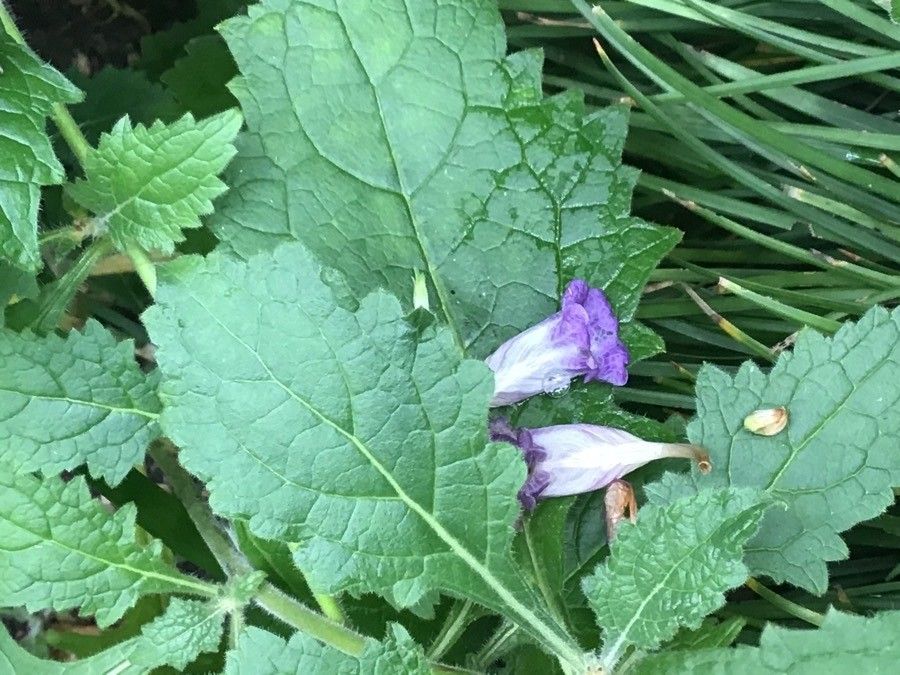
Chinese foxglove boasts tubular, bell-shaped flowers and requires pruning from early to late spring to maintain shape and encourage new growth. Be sure to remove any damaged stems and trim the plant after it finishes flowering to promote a sturdy structure. Pruning also improves air circulation, which helps minimize the risk of disease. Always use clean, sharp tools to prevent infections.
Botanical profile.
- Plant Type
- Herb
- Life Cycle
- Perennial
- Genus
- Rehmannia
- Family
- Orobanchaceae
- Hardiness Zone
- 6-9
- Mature Height
- 30 cm to 91 cm
- Mature Spread
- 30 cm
- Leaf Color
- Green, Dark Green
- Leaf Type
- Deciduous
- Flower Color
- Pink, Purple
- Flower Size
- 3.05 cm to 5.08 cm
- Bloom Time
- Mid spring, Late spring, Early summer
- Planting Time
- Spring, Summer
- Harvest Time
- Mid summer, Late summer, Early fall
- Native Area
- China
Other names.
Reader questions.
What are the sunlight requirements for Chinese foxglove?
Chinese foxglove requires conditions that offer ample sunshine throughout the day for it to thrive. It needs to be in full sun, which is characterized by more than 6 hours of sunlight a day, or in partial sun, getting around 3-6 hours of sunlight. However, it can also grow under conditions that mimic its natural habitat, where sunlight is filtered through a canopy, thus avoiding intense direct exposure. It's essential to observe how sunlight moves through your garden and select locations that provide a balanced mix of light and shade, ensuring the plants' health and happiness.
How can artificial lighting be used for Chinese foxglove?
When natural sunlight is not sufficient, especially during winter or in less sunny indoor spaces, artificial lighting can be a crucial support for Chinese foxglove's growth. The right type of artificial light, such as LED lights, should be chosen for its ability to offer specific wavelengths needed by the plant. For indoor plants, the intensity of the light should be adjusted based on the plant's natural sunlight needs: 30-50W/sq ft for full sun plants, 20-30W/sq ft for partial sun plants, and 10-20W/sq ft for full shade plants. The light source should be placed 12-36 inches above the plant to mimic natural light, and the duration should replicate the natural daylight hours, typically 8-12 hours a day.
What are the symptoms of inadequate lighting in Chinese foxglove?
Inadequate lighting can lead to several symptoms in Chinese foxglove, indicating its health is being compromised. These include smaller new leaves compared to older ones, leggy or sparse growth, faster leaf drop, and slower or ceased new growth. Additionally, leaves might develop lighter colors or irregular patterns, a condition known as chlorosis, or even sunscald from too much sunlight, which damages the plant tissues. Other symptoms include leaf curling as a defense mechanism against extreme sunlight, wilting from excessive water loss, and leaf scorching, characterized by brown, dry, and crispy leaf edges.
What solutions are available for light-related issues in Chinese foxglove?
To address light-related issues in Chinese foxglove, several strategies can be implemented. For indoor plants, gradually moving them to a sunnier location, using south-facing windows, and keeping curtains open during the day can significantly increase sunlight exposure. Artificial grow lights are also an option for providing additional light. Outdoors, plants should be moved gradually to sunnier spots to avoid sunburn. Pruning obstructive branches or transplanting the plant to a brighter location may be necessary to ensure adequate sunlight. It's important to note that damaged parts of the plant might not recover, but new growth will be healthy after improving light exposure.