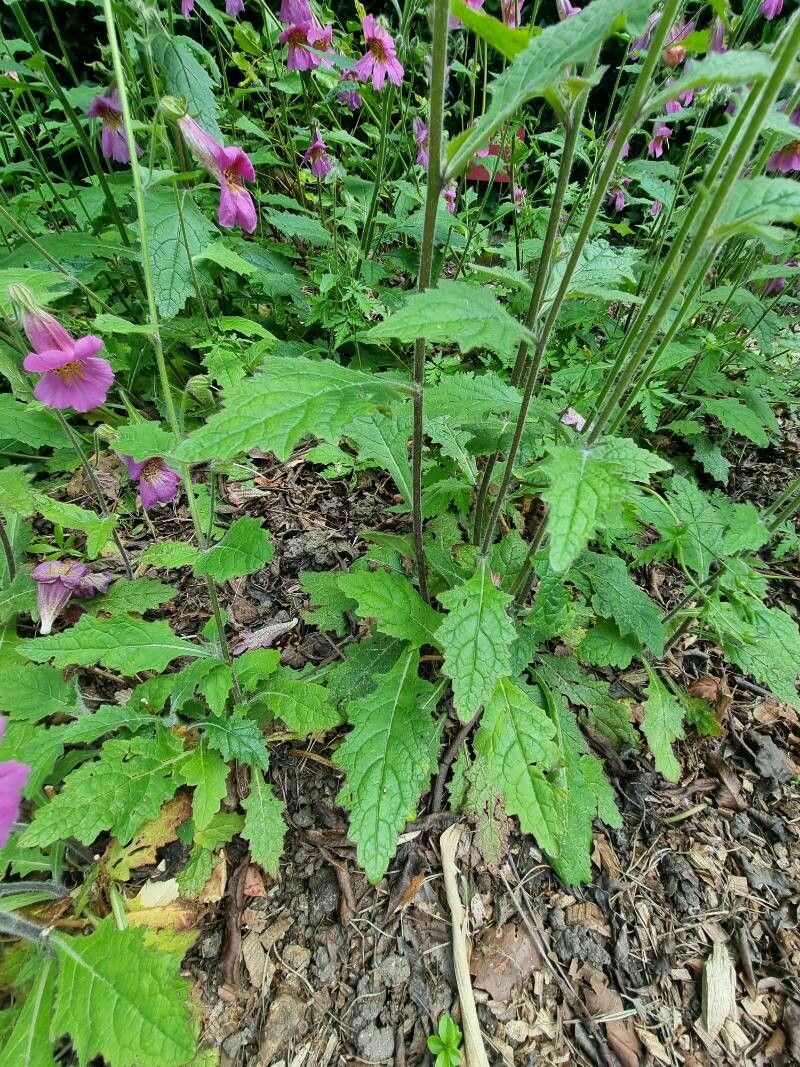
Rehmannia elata, also known as Chinese foxglove, is a perennial herbaceous plant native to China and Korea. It belongs to the Orobanchaceae family and can reach a height of up to 1.5 meters. The plant is notable for its thick, fleshy root, which is utilized in traditional Chinese medicine for its anti-inflammatory and immunomodulatory properties.
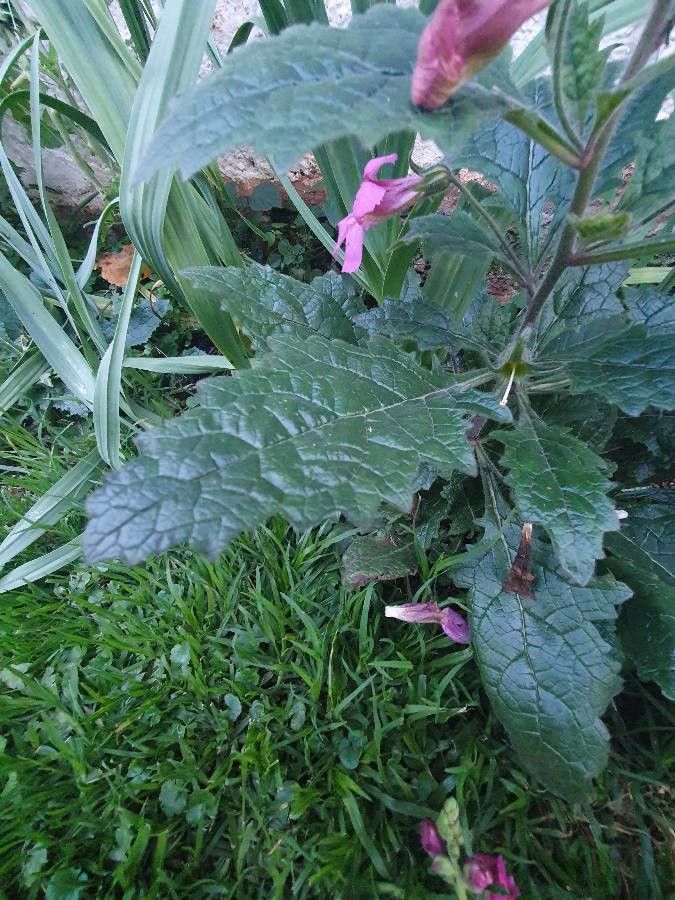
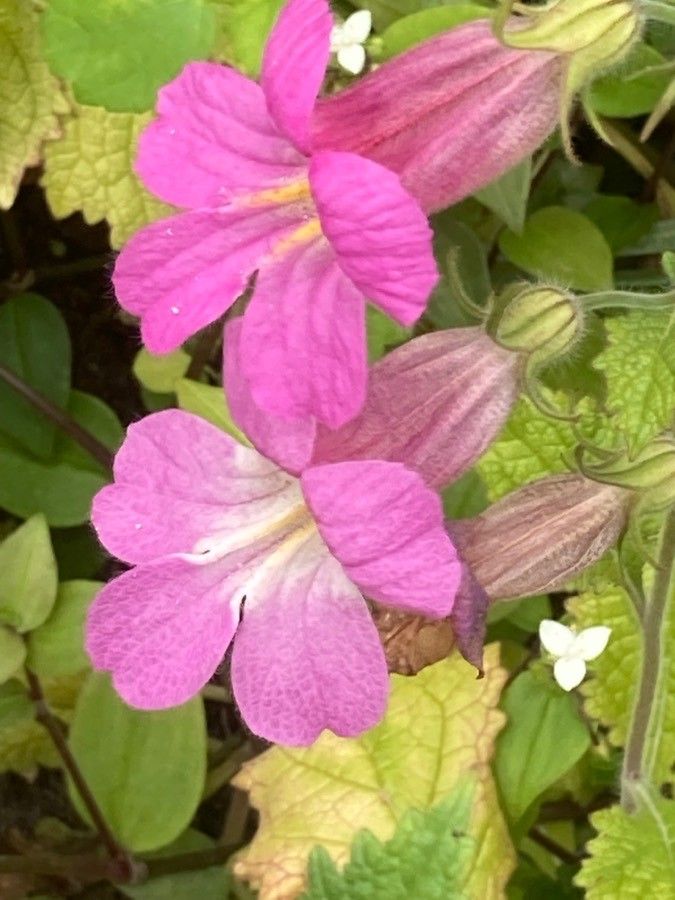
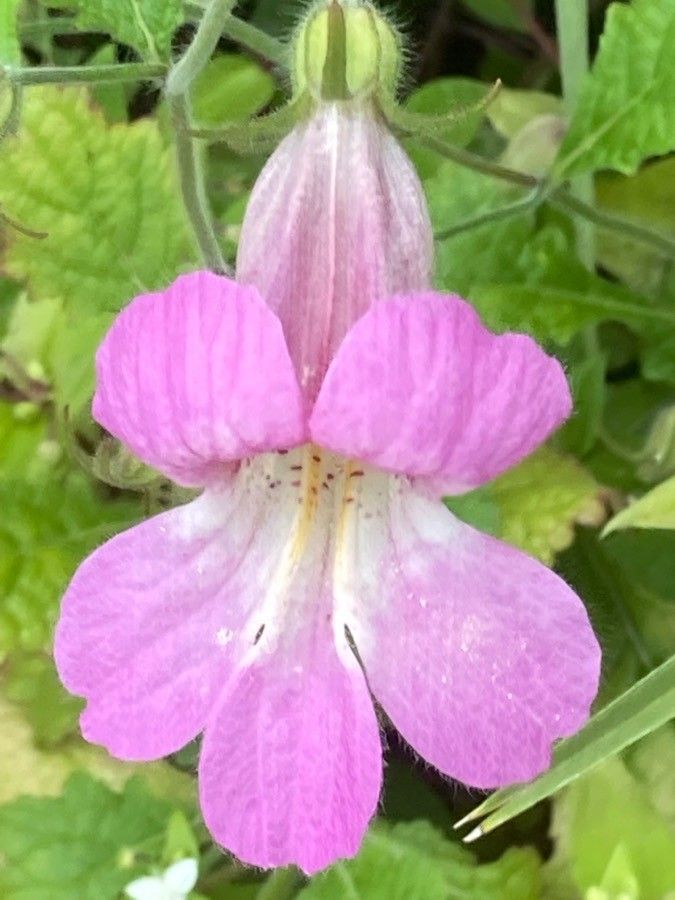
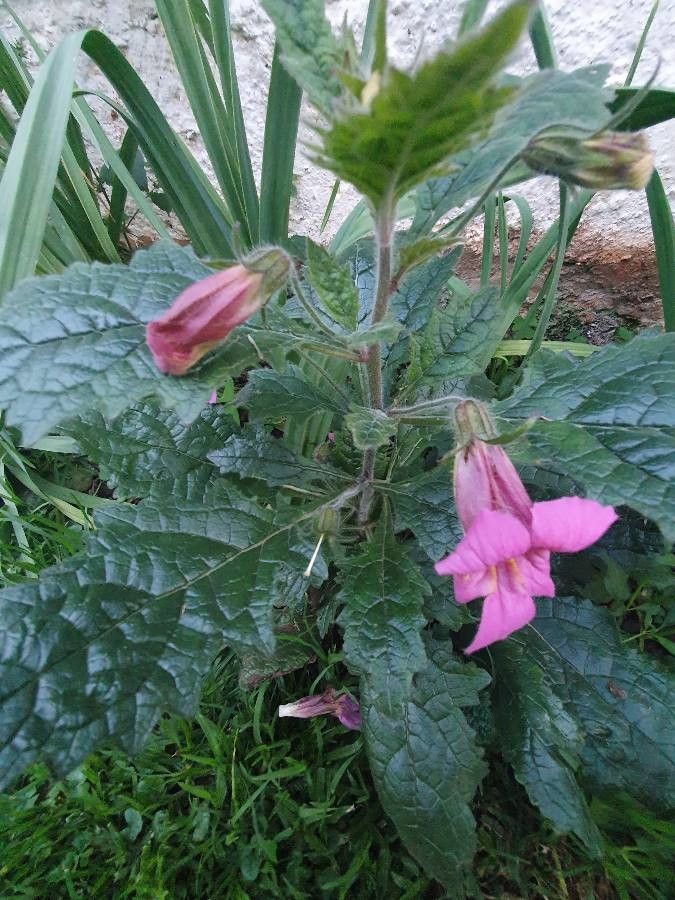
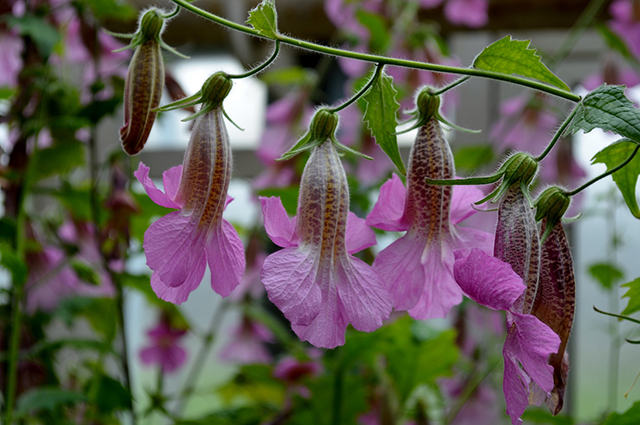
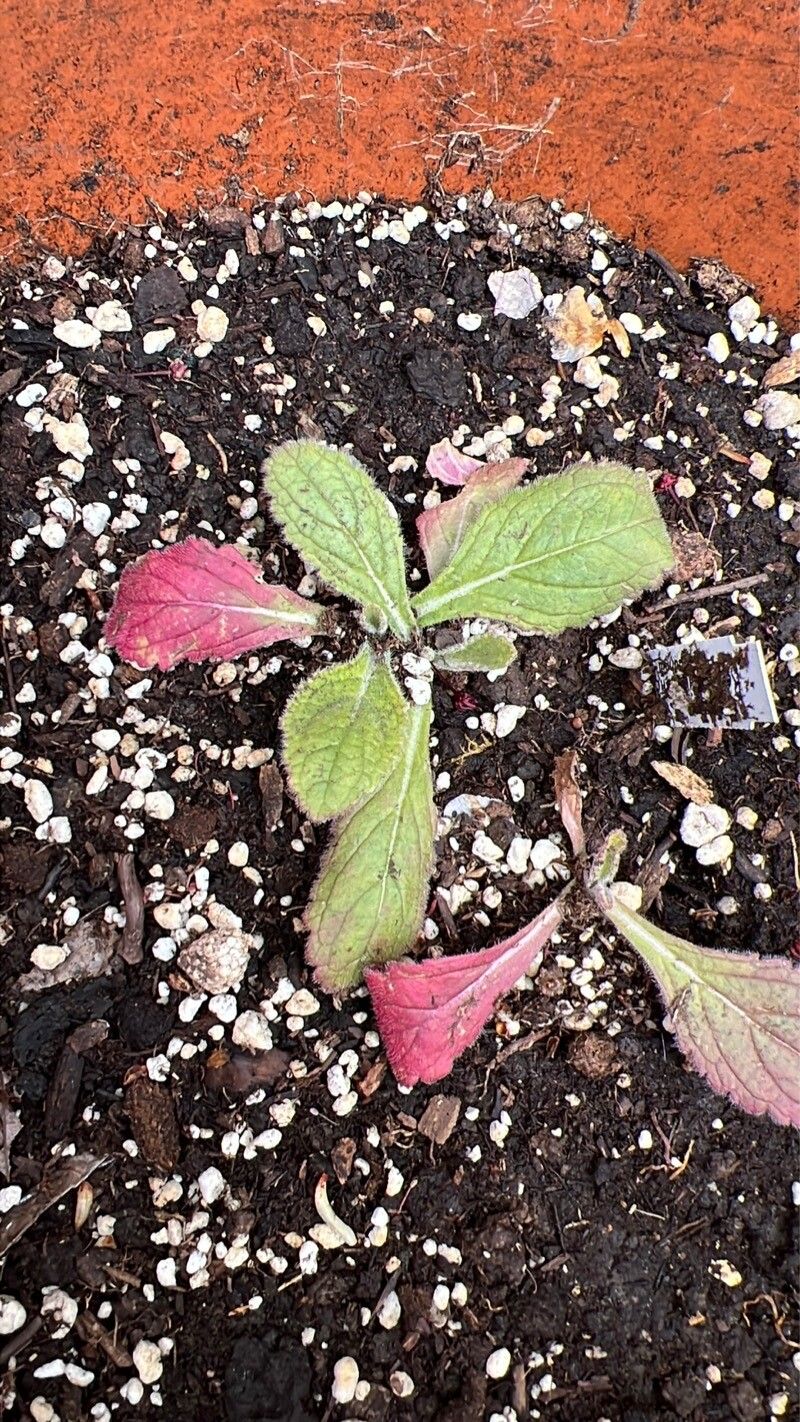
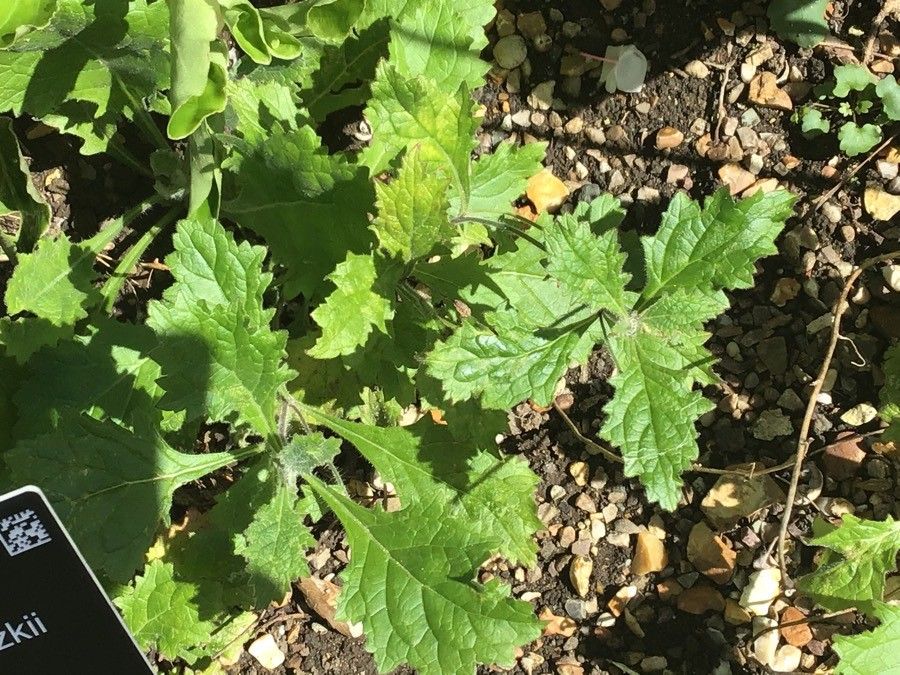
The leaves of Rehmannia elata are arranged oppositely along the stem and have an ovate to lanceolate shape with serrated edges. Its flowers are tubular with five petals, varying in color from pink to purple.
Rehmannia elata thrives in moist soil conditions and partial shade but can also tolerate full sun if provided with sufficient water. While often cultivated as an ornamental plant due to its attractive flowers, it also holds significant medicinal value.
In traditional Chinese medicine, the root of Rehmannia elata is used to treat a variety of ailments, including fever, inflammation, anemia, type 2 diabetes (DM2), hypertension (HTN), chronic renal failure (CRF), rheumatoid arthritis (RA), and others.
Overall, Rehmannia elata is a versatile plant with both ornamental appeal and medicinal benefits, making it an important species of interest both culturally and scientifically.
Chinese foxglove has strong resistance to disease and generally does not tend to get sick. However, it can be vulnerable to pests and diseases present in its environment. When infections do occur, they are typically mild. Regarding care, this plant requires moderate maintenance. It should be pruned regularly to keep a tidy appearance and promote healthy growth. Fertilizing can also help encourage flowering. Chinese foxglove is suitable for anyone with outdoor space, such as a garden or patio, and does not demand extensive care experience. It may need more attention when grown indoors.
How to keep Rehmannia Elata.
Light
The Chinese foxglove naturally thrives in areas like forest underlayers or rock-strewn terrains where shade is prevalent. While it has a partiality for semi-sunny conditions, it can also acclimate to full sun or complete shade, which showcases its adaptable and robust characteristics.
Water
Chinese foxglove thrives in consistently moist soil and needs to be watered weekly to maintain ideal conditions. Although it can tolerate short dry spells, it flourishes in higher humidity, particularly indoors. This environment supports its lush foliage and vibrant blooms, reflecting its natural hydration cycles.
Temperature
The Chinese foxglove can adjust to various temperature ranges, but its spread may still be restricted by differing mixtures of heat and water conditions. It flourishes most effectively in balmy climates during the summer when there's sufficient rain or irrigation. Extended durations of overcast and wet conditions, alongside prolonged elevated temperatures, can enhance the possibility of the Chinese foxglove perishing. In the cold season, adequate insulation against low temperatures can elevate the plant's chances of survival.
Fertilizer
Typically, a one-time application of fertilizer in spring is enough for the Chinese foxglove, although it can benefit from multiple feedings for optimal growth. Apply feed every thirty to forty-five days. Fertilizing not only improves the look and function of the leaves, maintaining their color and texture, but it also boosts root development and the capacity to absorb nutrients, which are essential for the plant's longevity.
Pruning
Chinese foxglove is a herbaceous perennial that features bell-shaped flowers in shades of pink to purple. For best results, prune it from early to late spring by removing dead stems and cutting back flowering stems after they have bloomed. This practice promotes healthy growth, improves air circulation, and helps prevent disease. Be sure to use clean, sharp tools when pruning.
Pot & Repot
During the repotting process of a Chinese foxglove, select a container that is 1–2 inches (2.5–5 cm) bigger with abundant drainage. Utilize a potting mix that drains well. Do the repotting in either spring or fall, making sure that the plant's root ball sits a bit lower compared to the edge of the flower pot. Following the repotting, water the plant thoroughly and situate it in a warm location where it gets indirect sun exposure.
Toxicity
All parts of the Chinese foxglove are poisonous if ingested by humans and animals.
Further reading →
The toxicity and danger assessments provided are for reference only. We do not assure their accuracy, so it's crucial not to depend on them. Seek professional advice when necessary for accurate guidance.
Botanical profile.
- Plant Type
- Herb
- Life Cycle
- Perennial
- Genus
- Rehmannia
- Family
- Plantaginaceae
- Hardiness Zone
- 7-9
- Mature Height
- 0.61 m to 1.22 m
- Mature Spread
- 49 cm
- Leaf Color
- Green, Dark Green
- Leaf Type
- Deciduous
- Flower Color
- Pink, Purple
- Flower Size
- 3.05 cm to 5.08 cm
- Bloom Time
- Mid spring, Late spring, Early summer
- Planting Time
- Spring, Summer, Autumn
- Harvest Time
- Summer
- Native Area
- China
Other names.