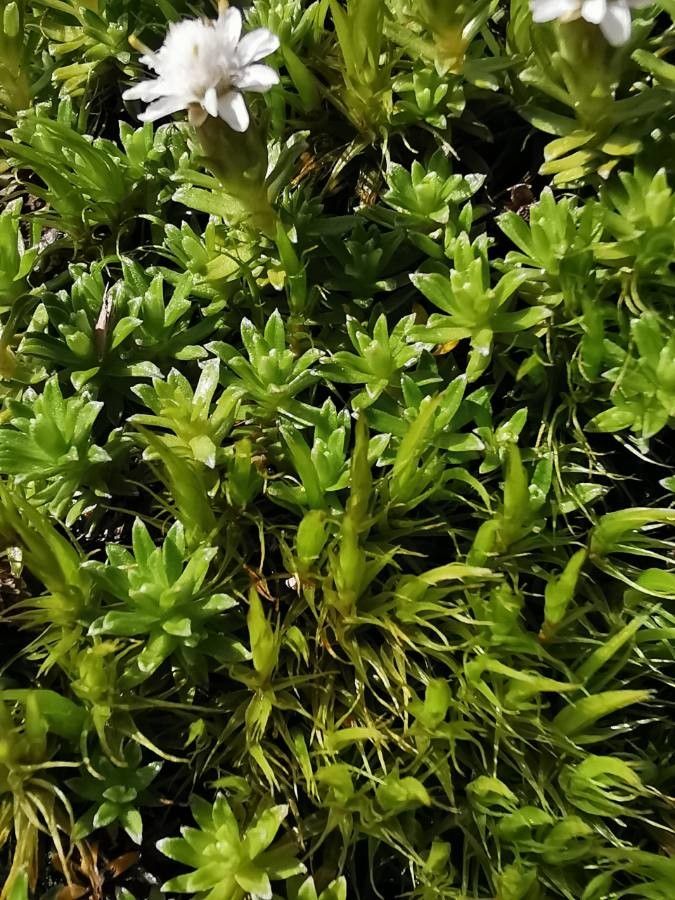
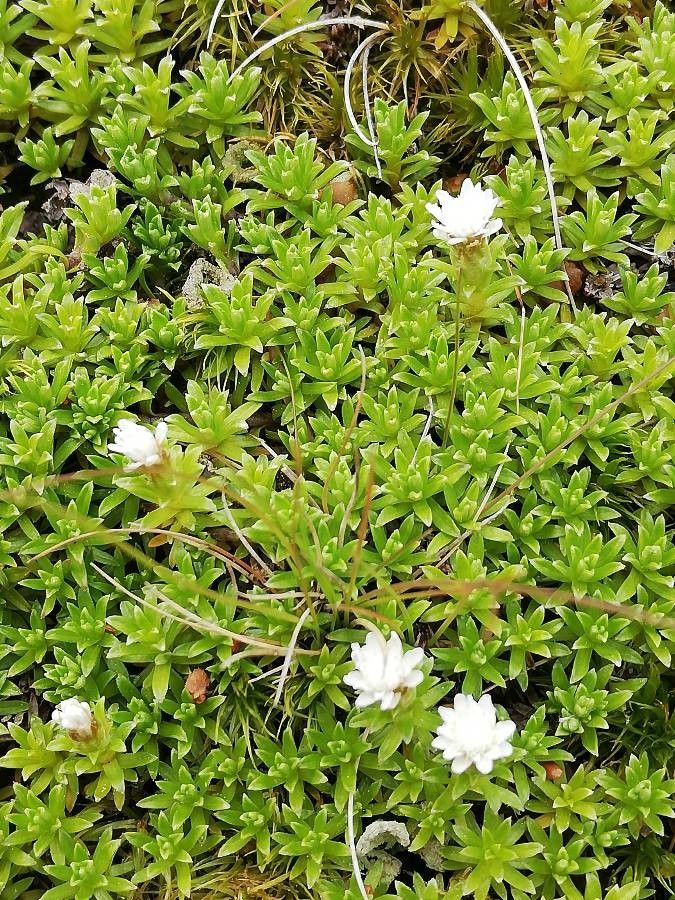
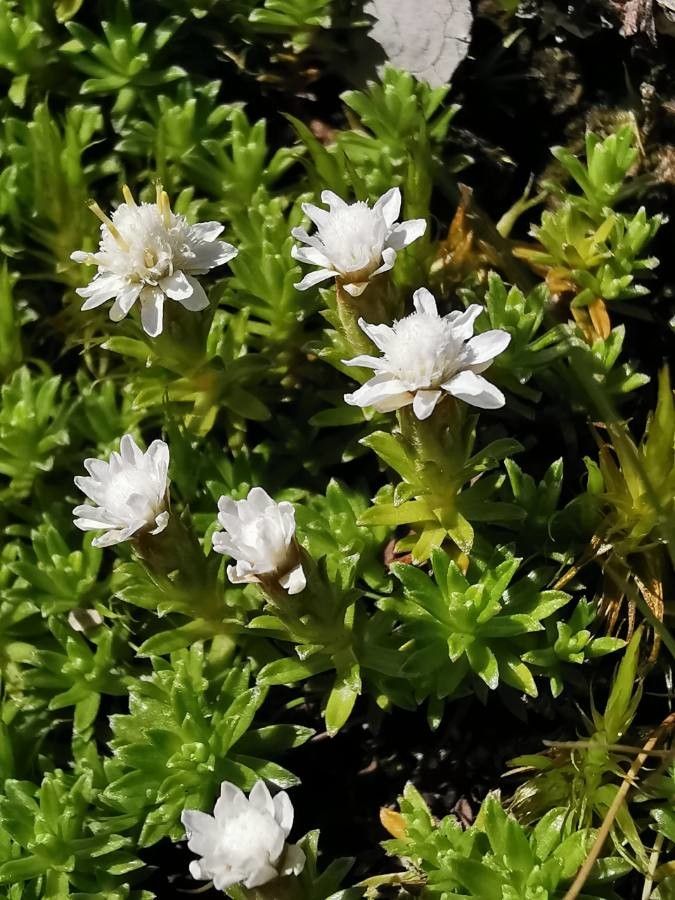
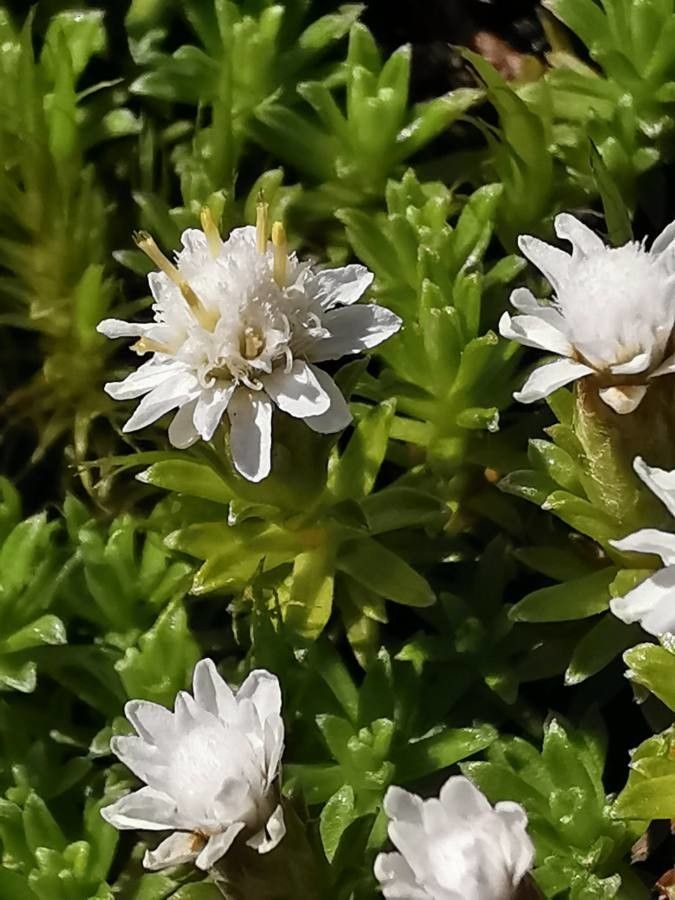
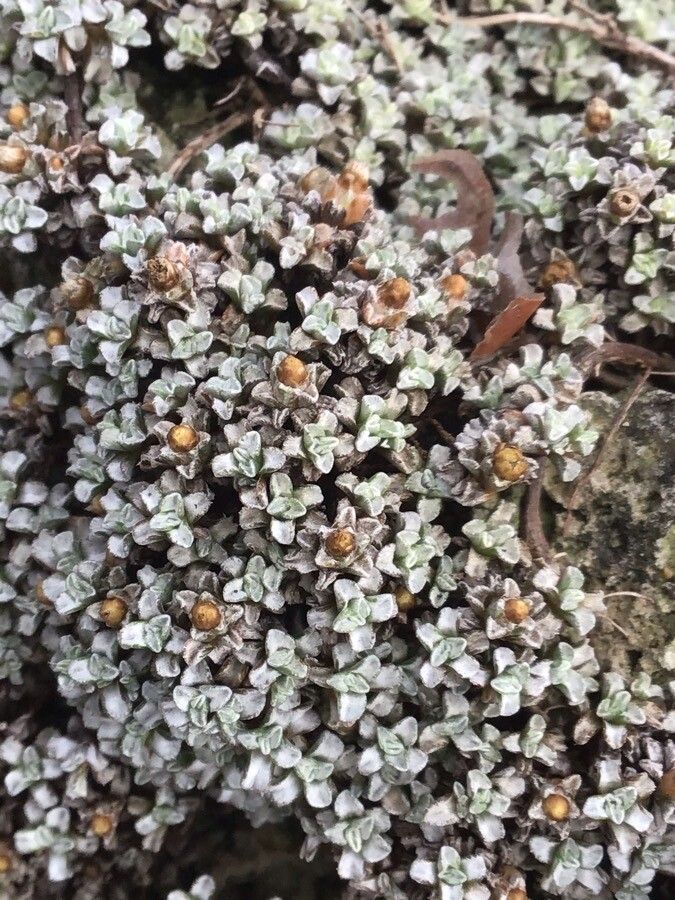
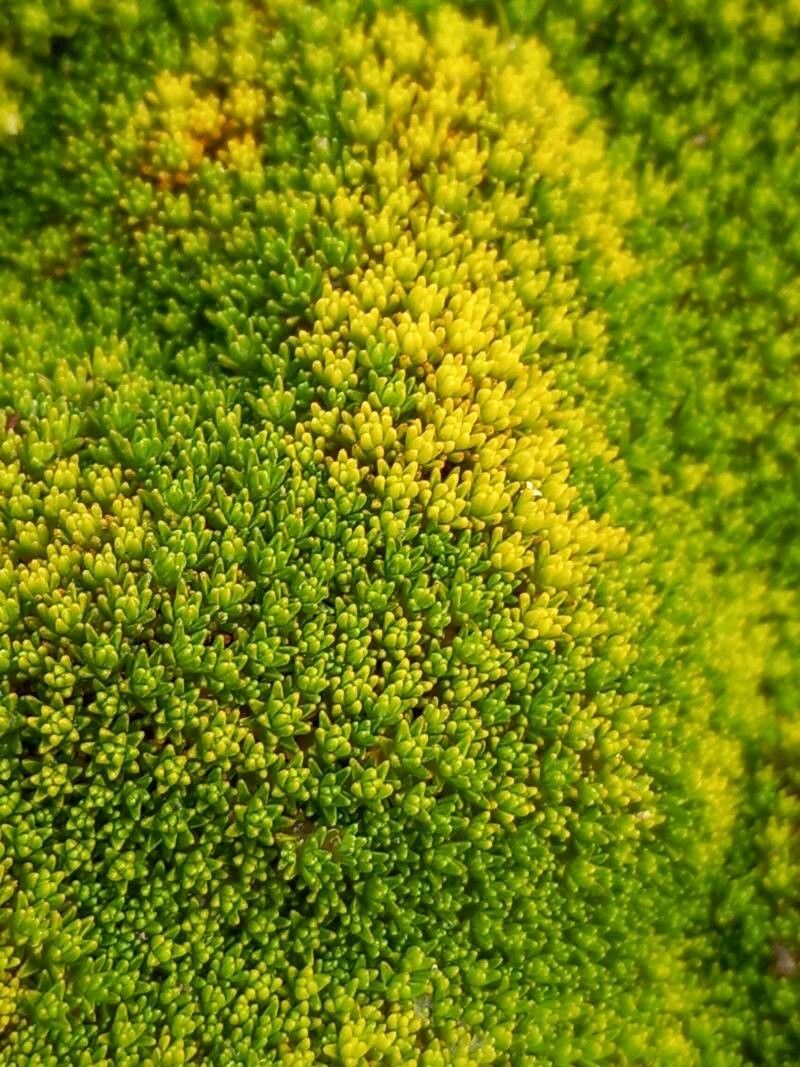
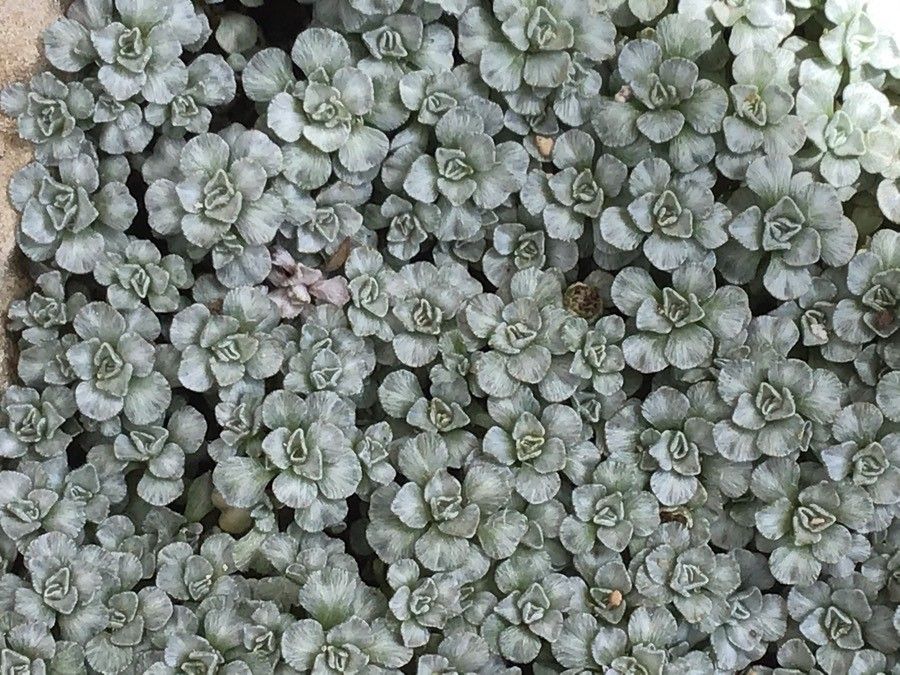
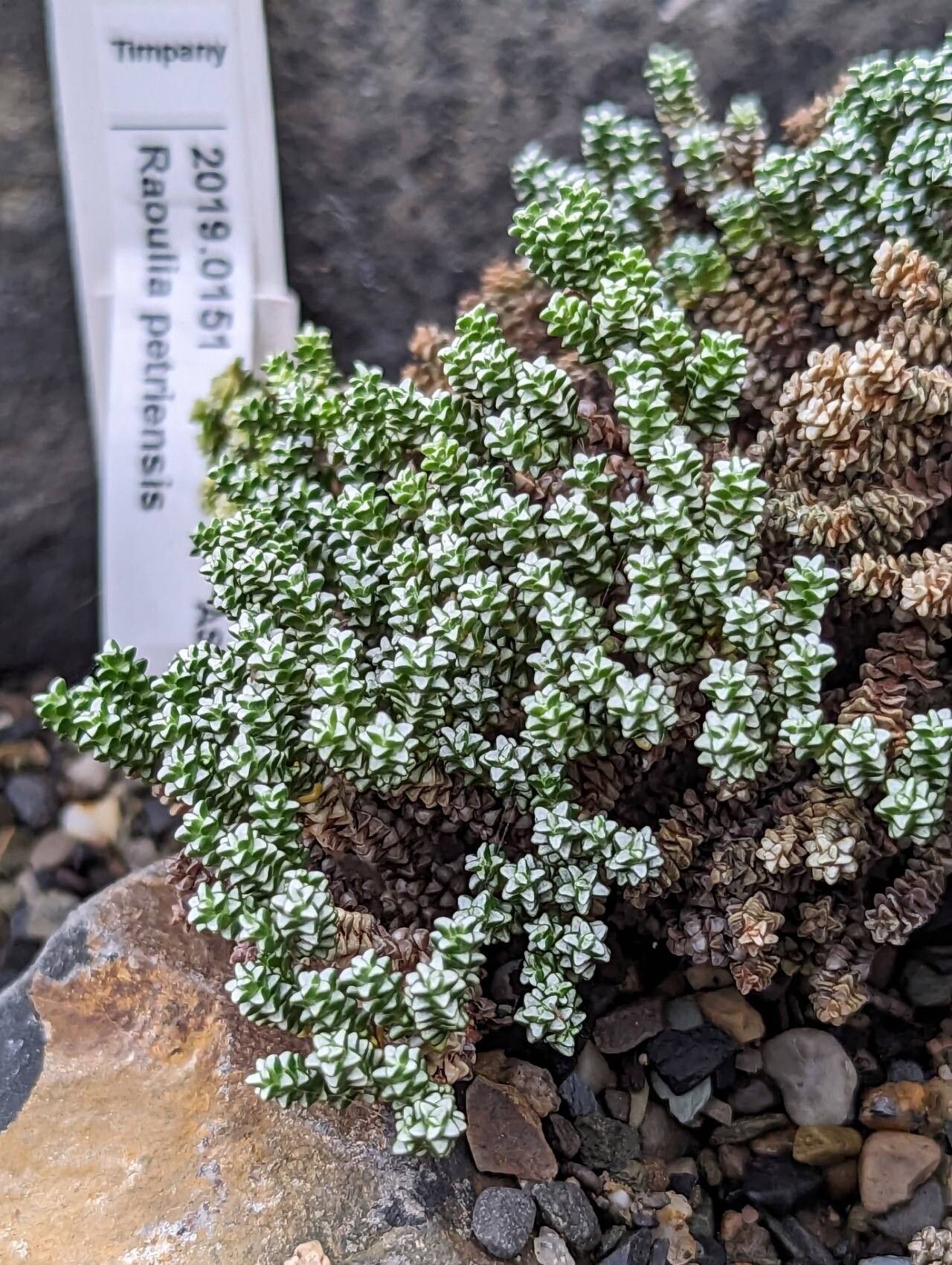
Raoulia glabra, or the mat daisy, is a species of flowering plant that is endemic to New Zealand.
Mat daisy is fairly disease-resistant and usually does not readily develop illnesses. However, it can be vulnerable to pests and diseases present in its environment. These outbreaks are typically not severe. For care, this plant requires moderate maintenance. It should be pruned on a regular basis to preserve a tidy appearance and encourage healthy growth. Fertilizing can also help stimulate flowering. Mat daisy is appropriate for anyone with an outdoor area, such as a garden or patio, and does not demand extensive care experience. When grown indoors, though, it may need more attention.
How to keep Raoulia Glabra.
Light
Mat daisy is a sun-loving perennial herb that comes from open habitats and commonly thrives in meadows and grasslands. It prefers full sun but can also tolerate partial sun.
Water
The mat daisy flourishes in well-drained alpine regions, ideally with moderate hydration from weekly watering. It handles cooler temperatures effectively and benefits from morning dew, which offers moisture without the risk of waterlogging. To keep it healthy, maintain a consistent watering routine.
Fertilizer
Typically one spring fertilizer application is adequate for Mat daisy, though repeated feedings can boost growth. Apply fertilizer every month to month and a half. Feeding improves foliage appearance and function, promoting even color and a healthy texture. It also encourages root development and nutrient uptake, supporting long-term plant health.
Pruning
Mat daisy thrives when pruned from early to late spring. This process involves removing dead leaves and lightly trimming the plant to maintain its shape. Pruning at this time encourages healthy new growth, improves air circulation, and helps prevent pests. To ensure the plant's health and visual appeal, use clean and sharp tools.
Botanical profile.
- Plant Type
- Herb
- Life Cycle
- Perennial
- Genus
- Raoulia
- Family
- Asteraceae
- Hardiness Zone
- 7-10
- Mature Height
- 2 cm to 5 cm
- Mature Spread
- 10 cm to 30 cm
- Leaf Color
- Silver, Gray
- Leaf Type
- Evergreen
- Flower Color
- White
- Flower Size
- 0.51 cm to 0.76 cm
- Bloom Time
- Mid spring, Late spring
- Planting Time
- Spring, Summer
- Harvest Time
- Early summer, Mid summer
- Native Area
- New Zealand
Other names.
Reader questions.
What are the sunlight requirements for a Mat Daisy?
A Mat Daisy thrives in full sun conditions, which means it needs more than 6 hours of direct sunlight daily. However, it can also tolerate partial sun, requiring about 3-6 hours of sunlight. It's important to notice how sunlight moves through your garden throughout the day and choose a location that provides the appropriate balance of light and shade for your Mat Daisy to ensure its health and happiness.
What essentials should I know about growing a Mat Daisy?
The Mat Daisy is a sun-loving perennial herbaceous plant that is natively found in open habitats, such as meadows and grasslands. It prefers full sun but can tolerate partial sun conditions. For indoor plants, when natural sunlight is limited, especially during winter or in less sunny locations, artificial lighting can serve as a vital solution. LED lights are often recommended due to their ability to provide specific wavelengths of light needed by plants. For optimal growth indoors, the intensity of artificial light should be adjusted based on the plant's sunlight requirements: 30-50W/sq ft for full sun plants, 20-30W/sq ft for partial sun plants, and 10-20W/sq ft for full shade plants. The distance and duration of artificial lighting should mimic natural sunlight as closely as possible.
What are important symptoms of light deficiency in Mat Daisy?
When a Mat Daisy does not receive adequate lighting, it may exhibit several symptoms indicating light deficiency. These include smaller new leaves, leggy or sparse growth, faster leaf drop, slower or halted growth, lighter-colored or irregularly patterned new leaves, chlorosis, sunscald, leaf curling, wilting, and leaf scorching. These symptoms vary based on the severity of the light deficiency and can affect the plant's overall health. Monitoring these signs closely can help in identifying and correcting light-related issues to ensure the health and vitality of your Mat Daisy.
How can I alleviate symptoms of light deficiency in Mat Daisy?
To address light deficiency in Mat Daisy, there are several strategies you can employ. For indoor plants, gradually move them to a location where they can receive at least 6 hours of direct sunlight daily, such as a south-facing window. Keep curtains open during the day for maximum light exposure. If the plant is large or not easily movable, consider using artificial light, keeping a desk or ceiling lamp on for at least 8 hours daily, or invest in professional plant grow lights. For outdoor plants, gradually move them to sunnier locations each week to avoid sunburn. If obstruction is an issue, prune any trees that block sunlight or consider transplanting smaller plants to sunnier spots during their dormant period, ensuring ample sunlight and good drainage.