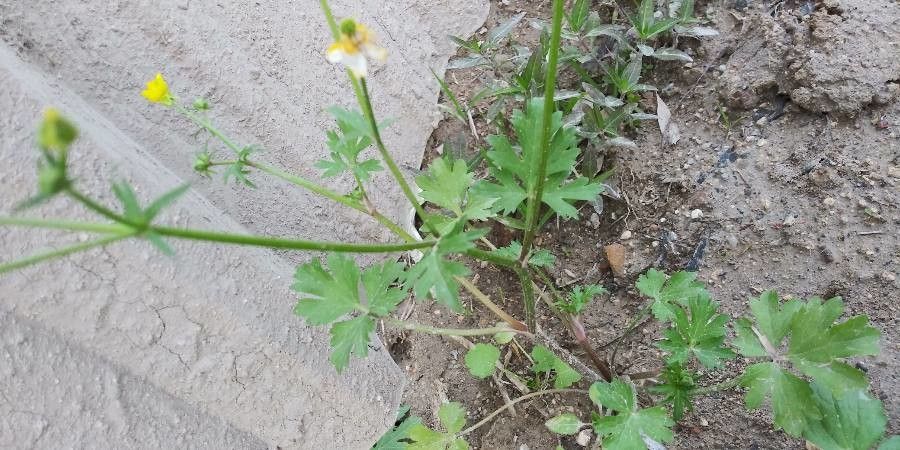
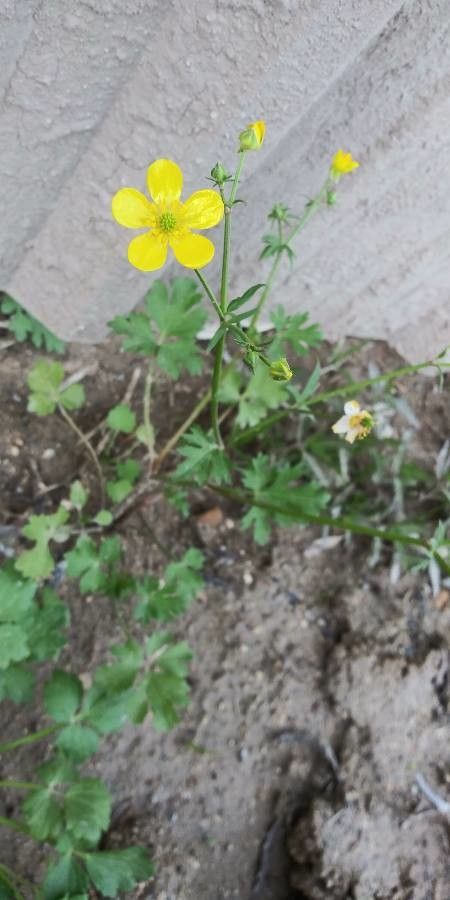
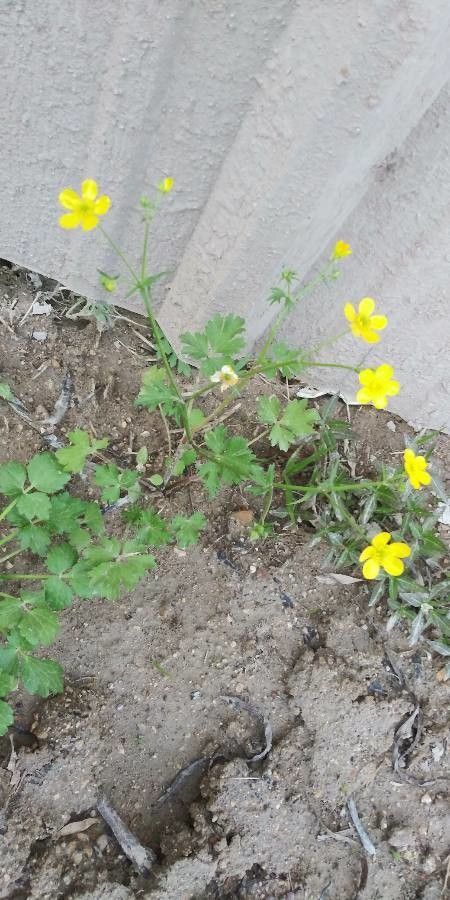
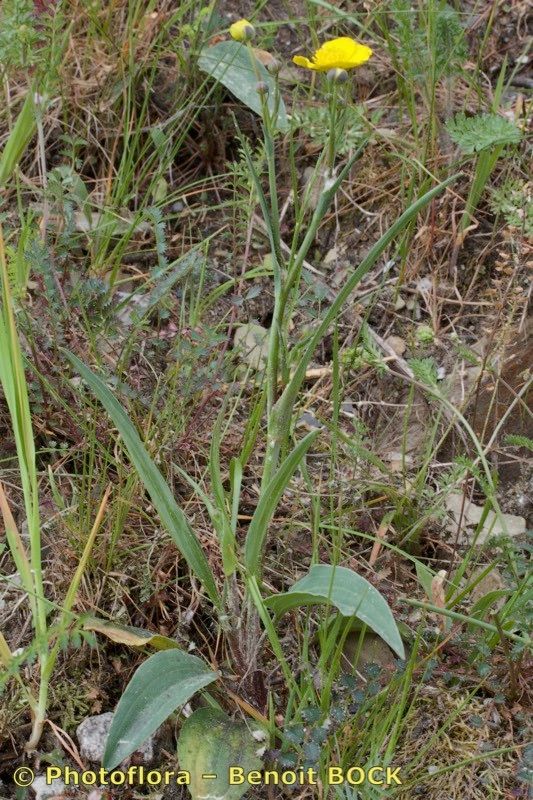
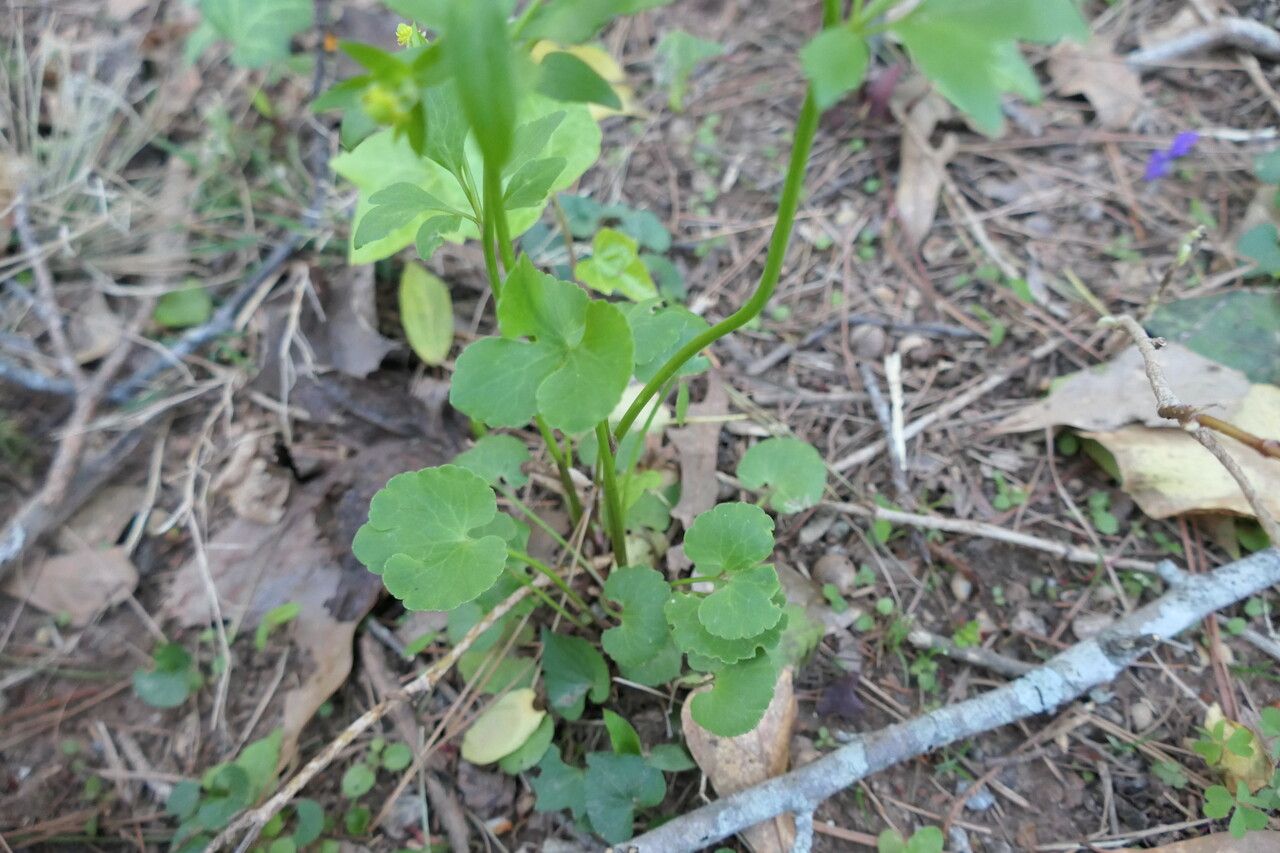
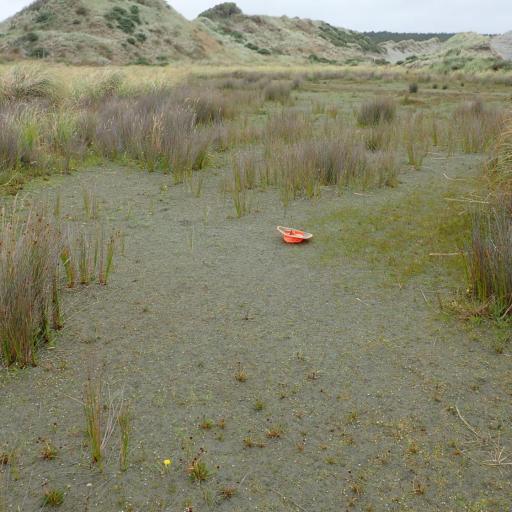
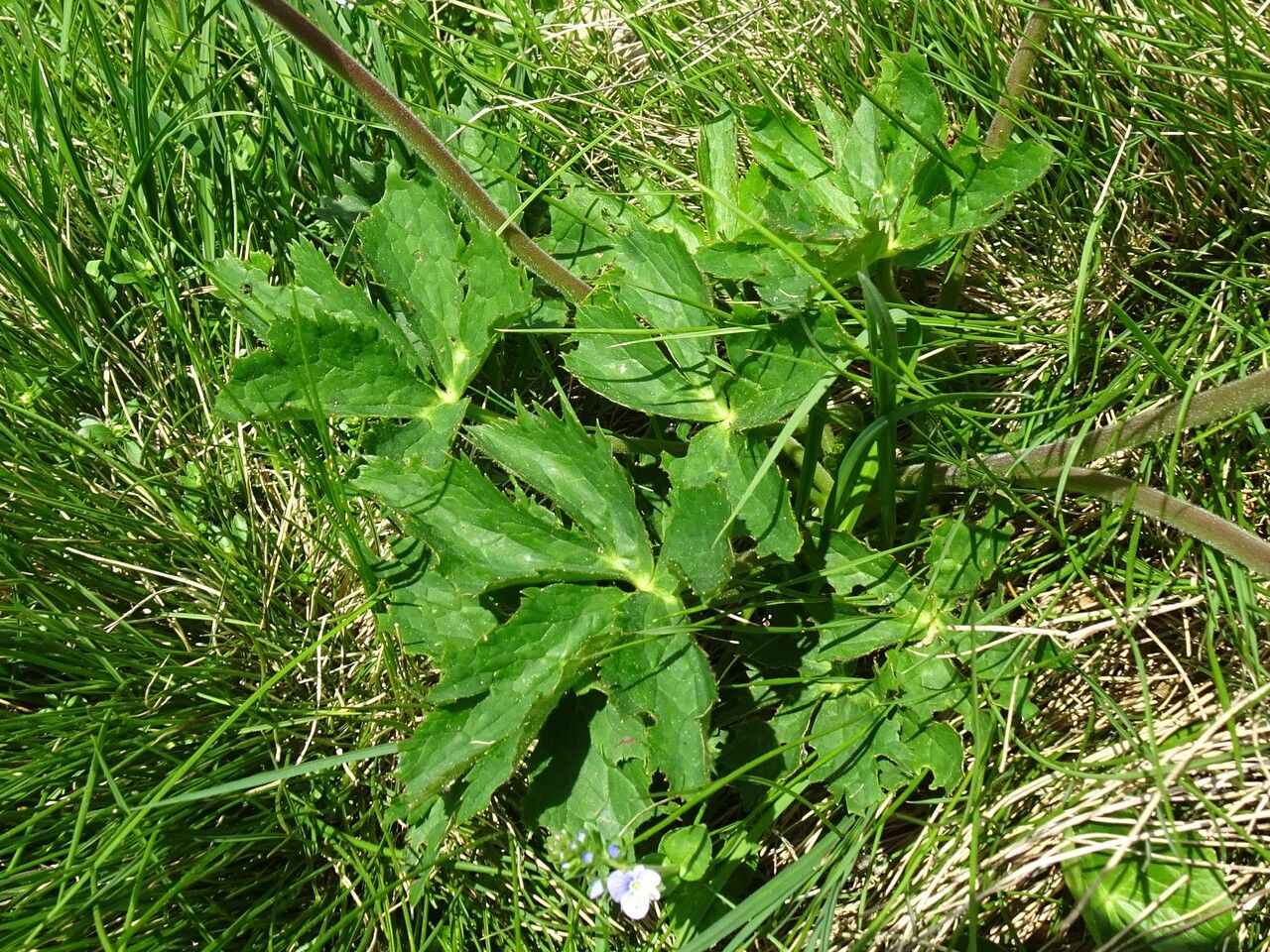
Ranunculus uncinatus is a species of buttercup known by the common names woodland buttercup and little buttercup. It is native to western North America from Alaska to California to New Mexico, where it grows in wet, wooded habitat such as forest streambanks. It is a perennial herb producing a slender, erect stem which may exceed half a meter in maximum height. The lightly hairy lower leaves have blades deeply divided into three toothed lobes borne on long petioles. The upper leaves are smaller and divided into narrower lobes. The flower has four or five yellow petals a few millimeters long around a central receptacle and many stamens and pistils. The fruit is an achene borne in a spherical cluster.
Woodland buttercup has strong disease resistance and is generally not prone to illnesses. That said, it can be affected by pests and diseases present in its environment. These problems are usually mild. Care-wise, the plant requires moderate maintenance. Regular pruning is needed to keep a tidy appearance and encourage healthy growth. Applying fertilizer can also help stimulate flowering. This plant is well suited to anyone with outdoor space, such as a garden or patio, and does not demand extensive gardening experience. It may need more attention if grown indoors.
How to keep Ranunculus Uncinatus.
Light
Woodland buttercup occurs naturally in habitats like forest understories and rocky areas, where it grows in natural shade. It prefers partial sun but can tolerate full sun or full shade, reflecting its versatile and hardy nature.
Water
Water woodland buttercup sparingly during the seedling stage, allowing the soil to dry out between waterings. During the growing season, ensure the plants receive 9-10 mm of water each week. In winter, reduce the amount of water. Once buds appear, maintain slightly moist soil, but be cautious not to overwater, particularly in the summer and winter months.
Temperature
Woodland buttercup can adapt to a wide range of temperature conditions, but its distribution may still be limited by various combinations of moisture and heat. It grows best in warm summer climates with adequate rainfall or watering. Extended periods of cloudy, rainy weather or prolonged high temperatures can increase the likelihood of Woodland buttercup dying. In winter, proper protection against cold can improve the plant's survival rate.
Fertilizer
The best time to fertilize a Woodland buttercup is in early spring, as it is coming out of dormancy and beginning active growth. Fertilization supplies essential nutrients for healthy development. Although Woodland buttercup requires relatively little fertilizer, applying it annually can improve its survival and encourage better, longer-lasting flowers.
Pruning
The woodland buttercup, known for its vibrant yellow flowers, benefits greatly from early spring pruning. Key techniques include removing dead stems, reducing overgrowth, and thinning the plant to improve air circulation. These practices encourage robust growth and overall health. Pruning before the new growth season begins optimizes energy efficiency and enhances the plant's appearance.
Botanical profile.
- Plant Type
- Herb
- Life Cycle
- Perennial
- Genus
- Ranunculus
- Family
- Ranunculaceae
- Hardiness Zone
- 4-8
- Mature Height
- 15 cm to 61 cm
- Mature Spread
- 15 cm to 30 cm
- Leaf Color
- Green, Dark Green
- Leaf Type
- Deciduous
- Flower Color
- Yellow
- Flower Size
- 1.02 cm to 1.52 cm
- Bloom Time
- Mid spring, Late spring, Early summer
- Planting Time
- Spring, Summer
- Harvest Time
- Summer
Other names.
Reader questions.
What are the sunlight requirements for Woodland buttercup (Ranunculus uncinatus)?
Woodland buttercup, known botanically as Ranunculus uncinatus, thrives in locations that receive full sun, which means it should get above 6 hours of sunlight daily. It's important to observe the way sunlight moves through your garden carefully. By choosing spots that provide the perfect balance of light and shade, you ensure the happiness and health of your plants. This careful observation helps in placing your Woodland buttercup in an ideal position to flourish.
What is the botanical name of the Woodland buttercup?
The botanical name of the Woodland buttercup is Ranunculus uncinatus. This species is part of the Ranunculaceae family, known for its distinctive characteristics and commonly found in woodland habitats.