Ranunculus tuberosus, commonly known as the tuberous buttercup, is a perennial herbaceous plant in the Ranunculaceae family. Native to Europe and Asia, this species flourishes in meadows, pastures, and along riverbanks.
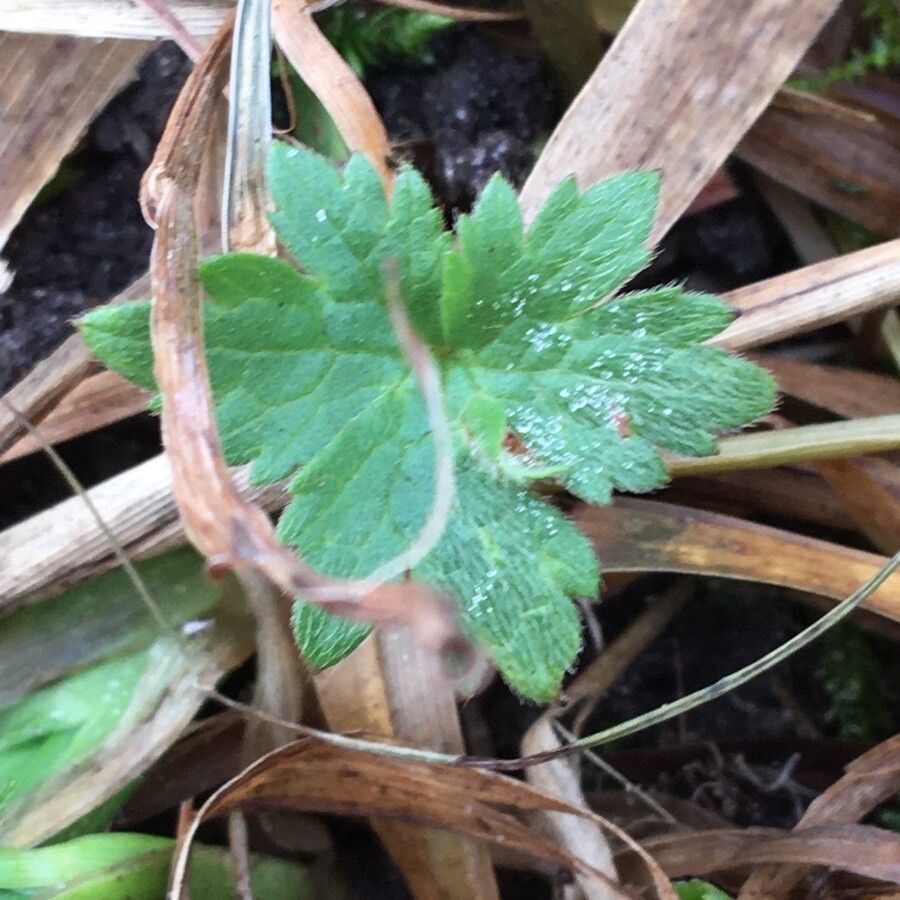
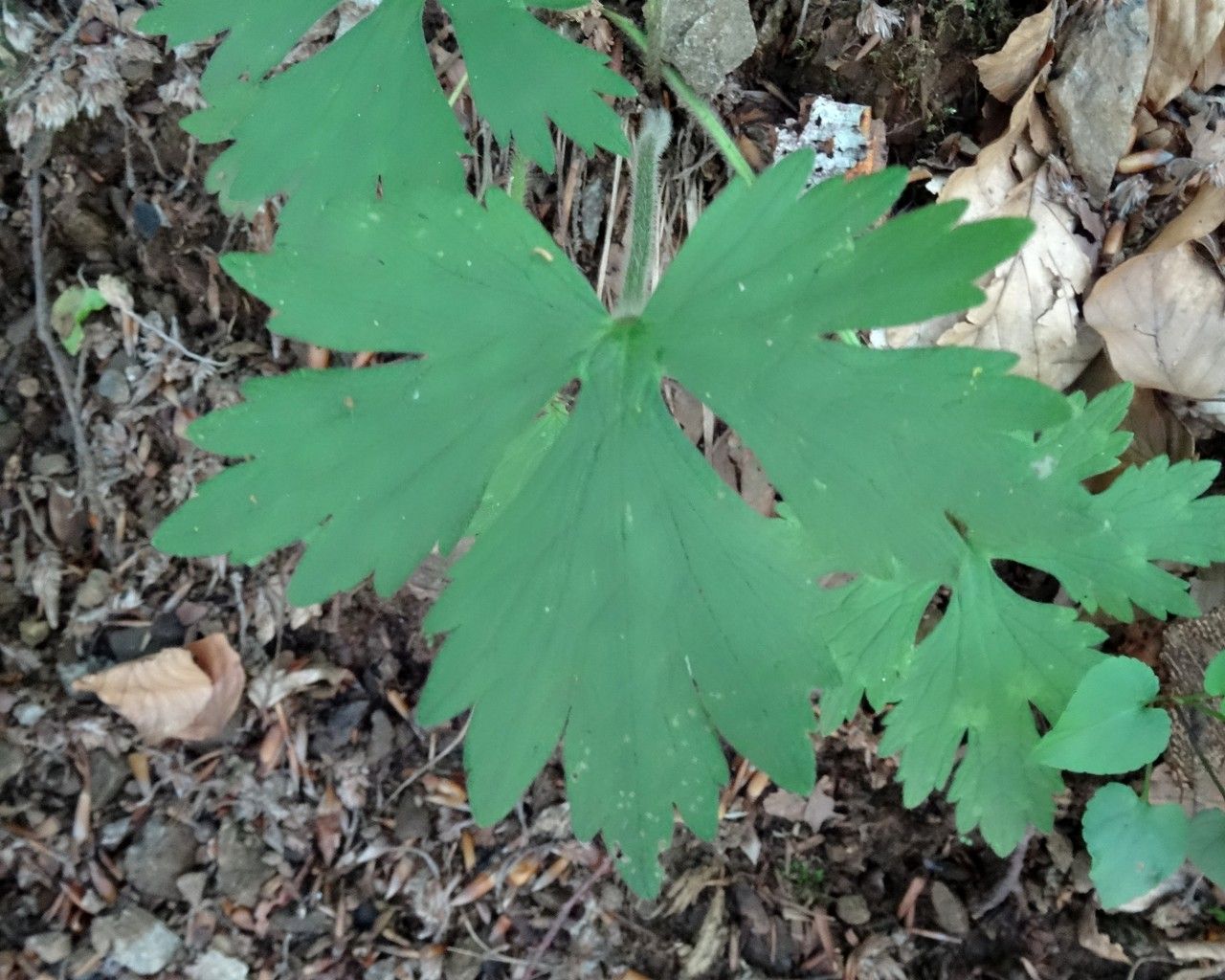
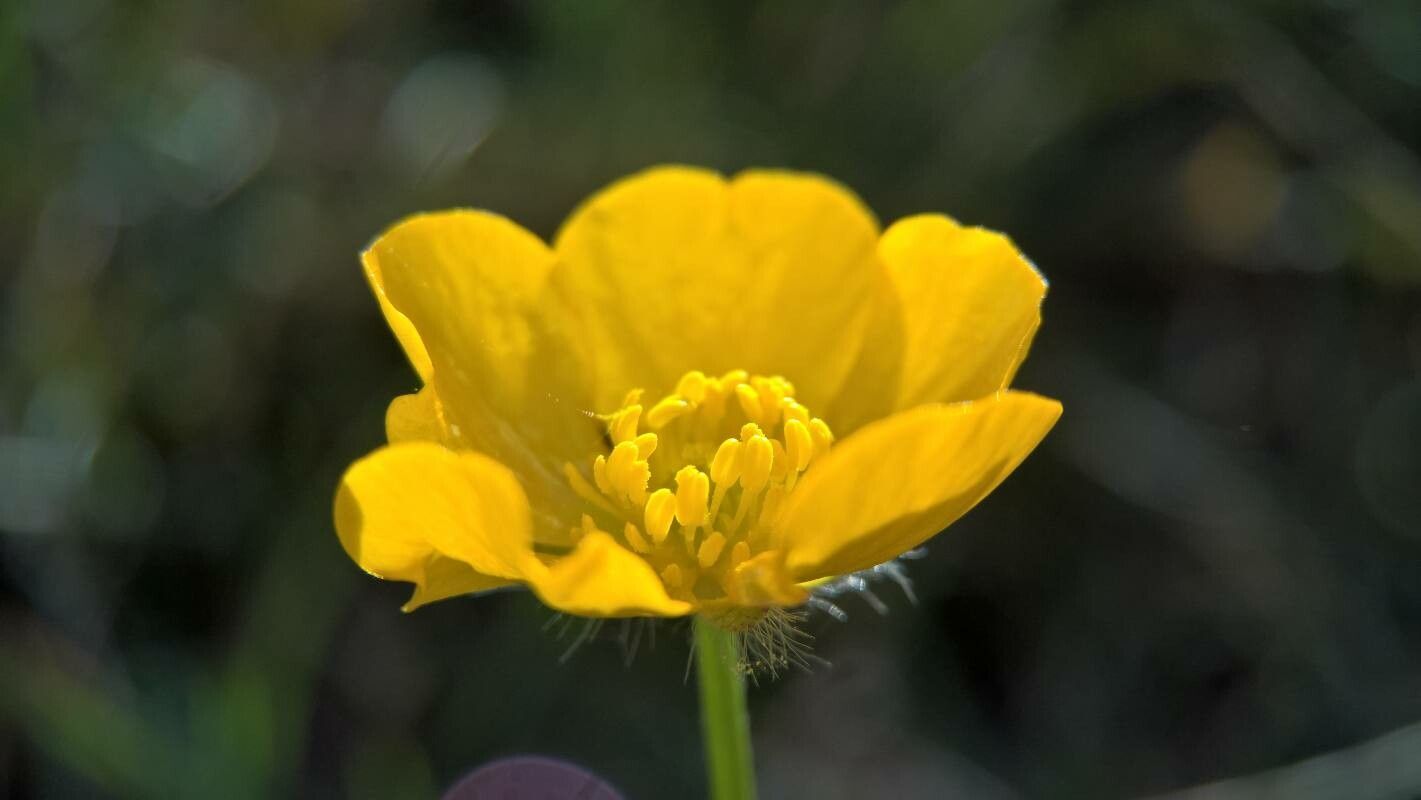
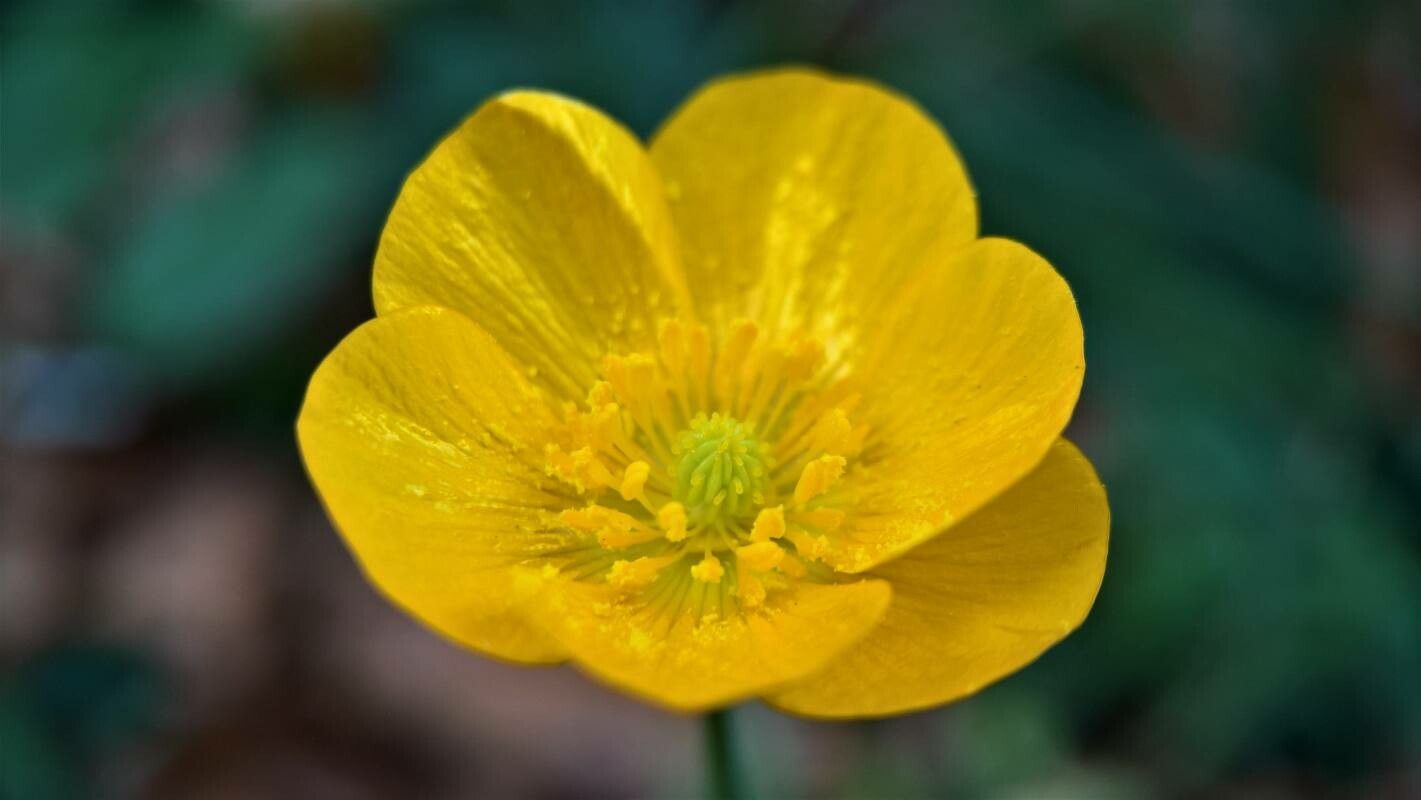
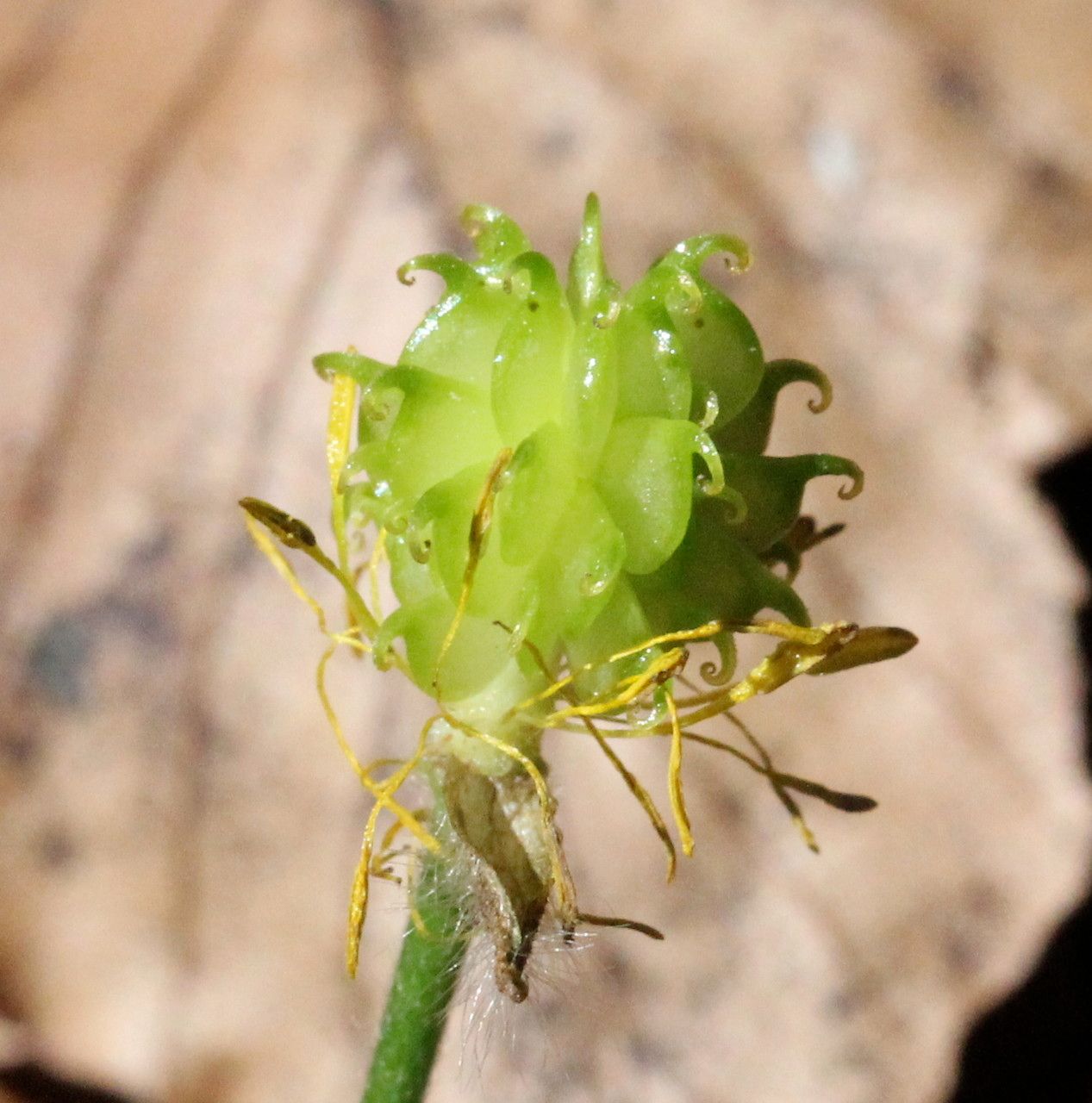
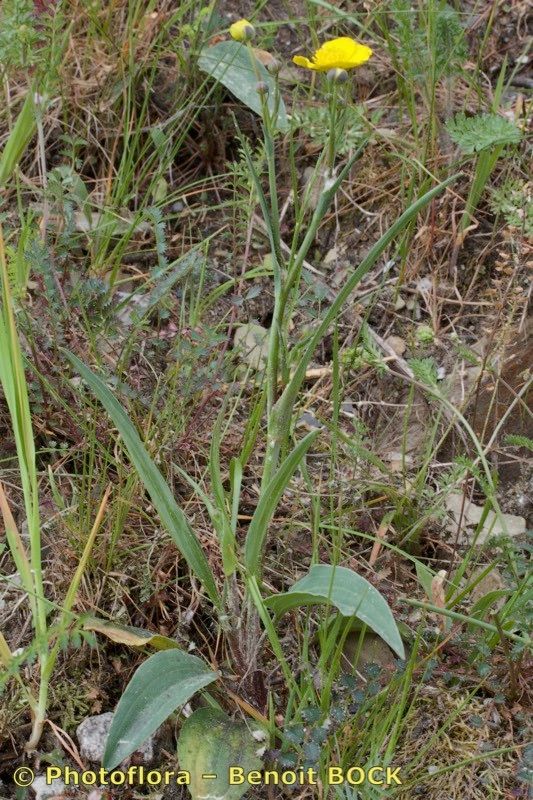
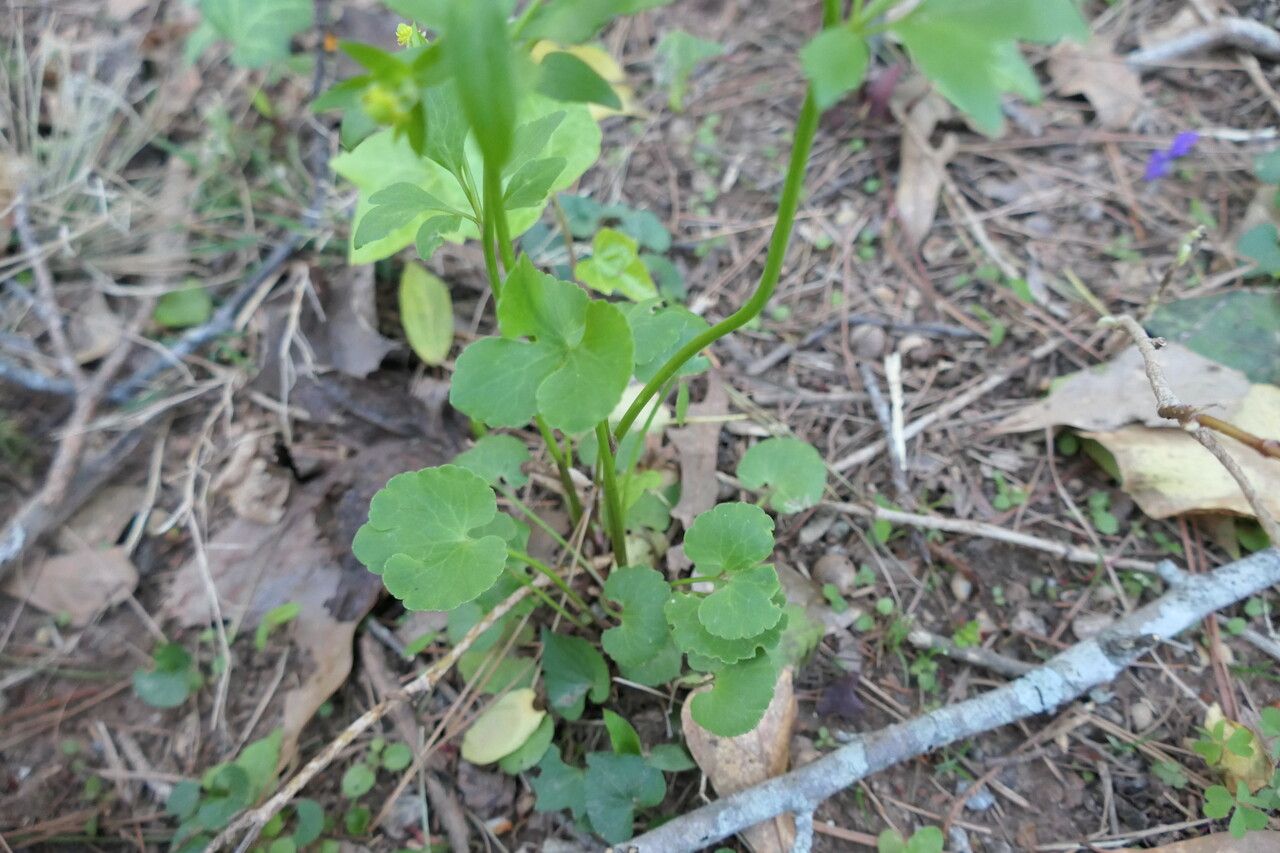
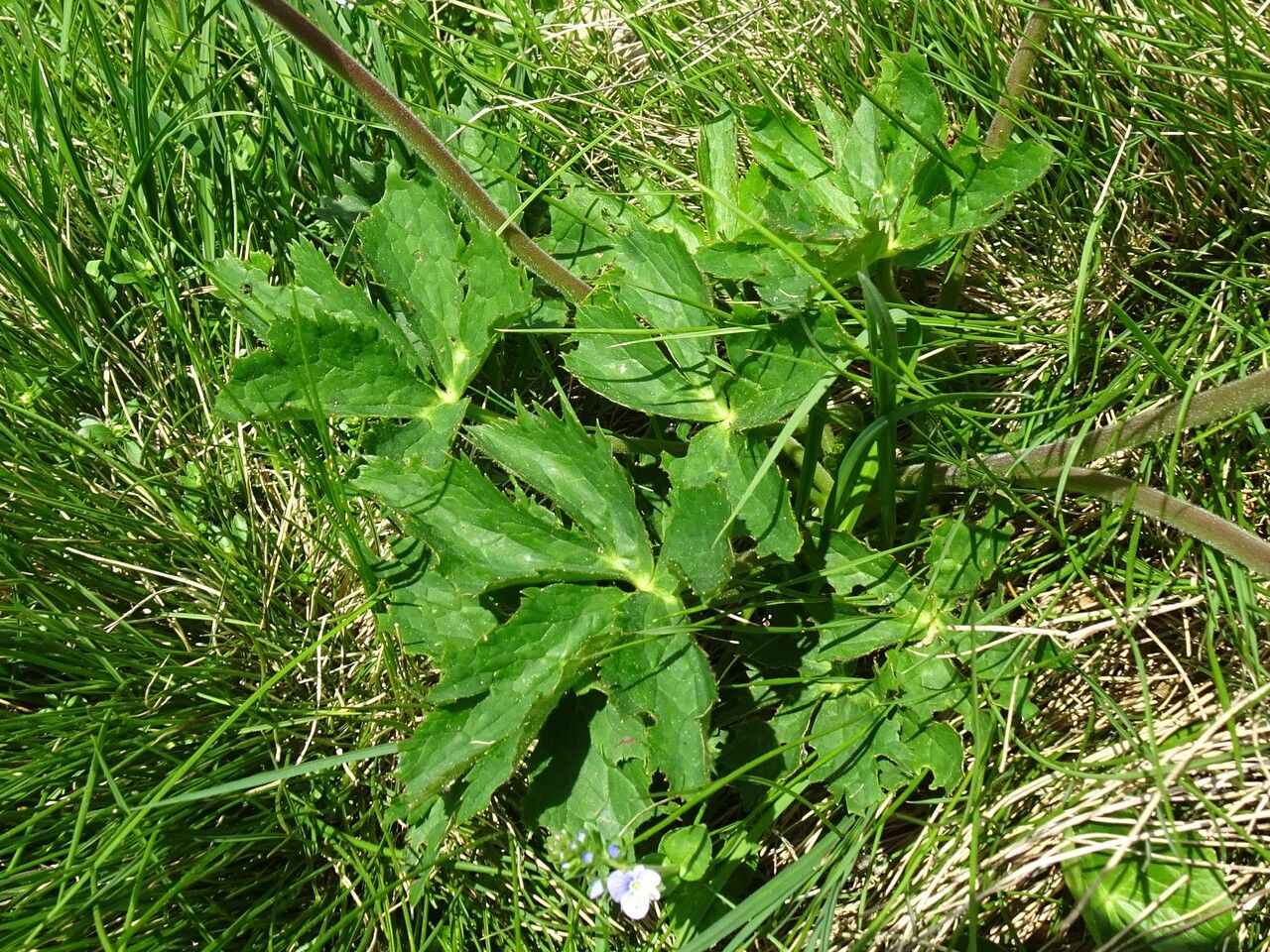
The plant can grow up to 30 cm in height, featuring a thick rootstock that produces small tubers. Its leaves are deeply divided into three lobes with toothed edges. The flowers, a striking bright yellow, have five petals and numerous stamens.
Ranunculus tuberosus blooms from May to July, attracting pollinators such as bees and butterflies. Notably, it contains alkaloids that have been historically used for pain relief, highlighting its medicinal properties.
However, caution is advised when handling or consuming this plant. Its high concentration of protoanemonin can cause skin irritation or blistering if improperly handled, and it can be toxic if ingested in large quantities.
In conclusion, Ranunculus tuberosus is a visually appealing wildflower with medicinal benefits, but it should be approached with care due to its potential toxicity.
Showy buttercup is disease-resistant and typically not prone to illnesses. Regarding care, this plant is fairly low maintenance. When grown outdoors it needs minimal watering, and larger specimens usually do not require pruning. Smaller plants, however, should be pruned after they finish blooming. Showy buttercup is suitable for anyone with an outdoor space, such as a garden or deck, and does not require much care experience.
Botanical profile.
- Life Cycle
- Perennial
- Genus
- Ranunculus
- Family
- Ranunculaceae
- Hardiness Zone
- 3-11
- Leaf Type
- Deciduous
- Native Area
- Sweden, Austria, Slovakia, Montenegro, Slovenia, Croatia, Belarus, Russia, Germany, Iceland, Estonia, Romania, Latvia, Belgium, Netherlands, France, Czech Republic, Peru, Bulgaria, Armenia, Poland, Greece, Ukraine, Serbia, Lithuania, Norway, Kyrgyzstan, Kazakhstan, Italy, Switzerland, Denmark, Finland, Albania, Ireland, United Kingdom, Hungary
Other names.