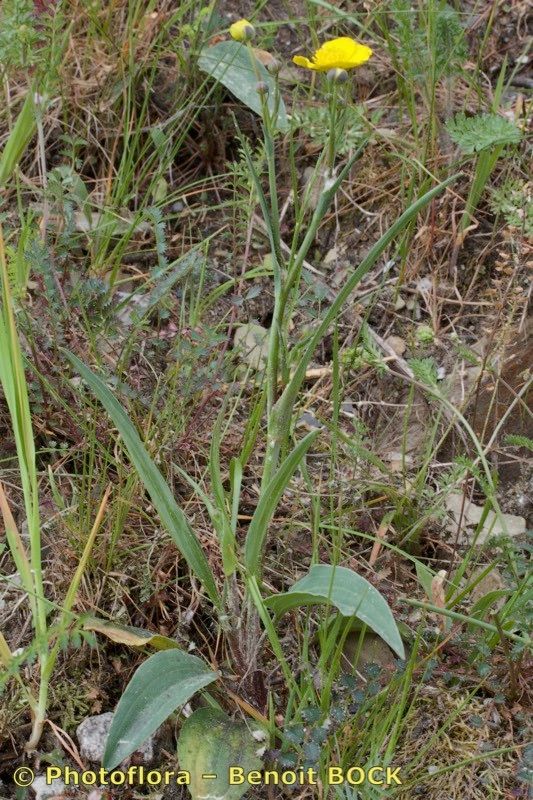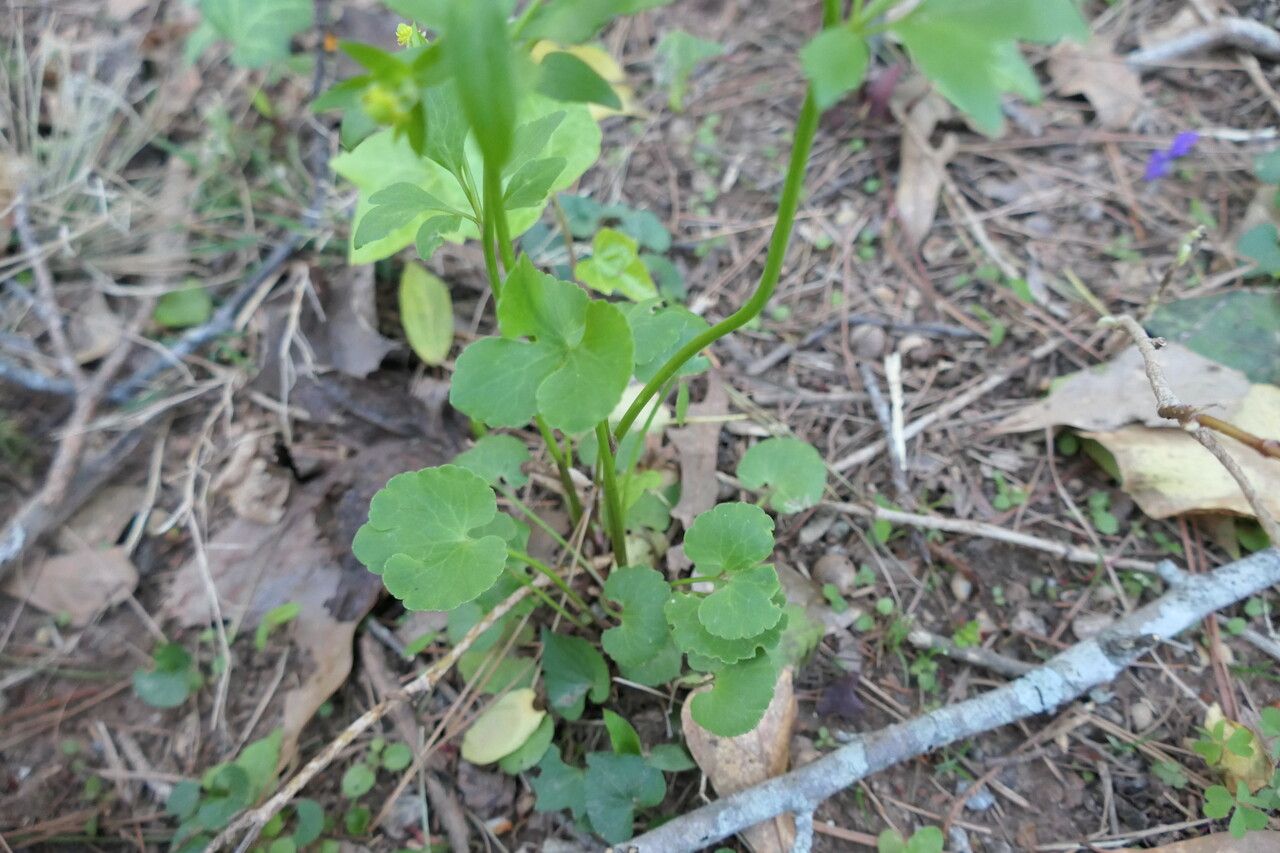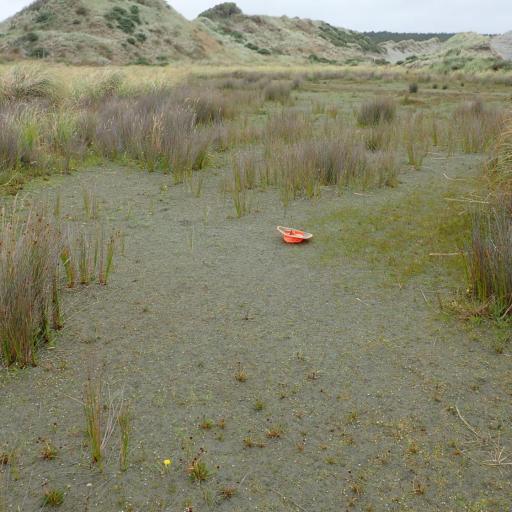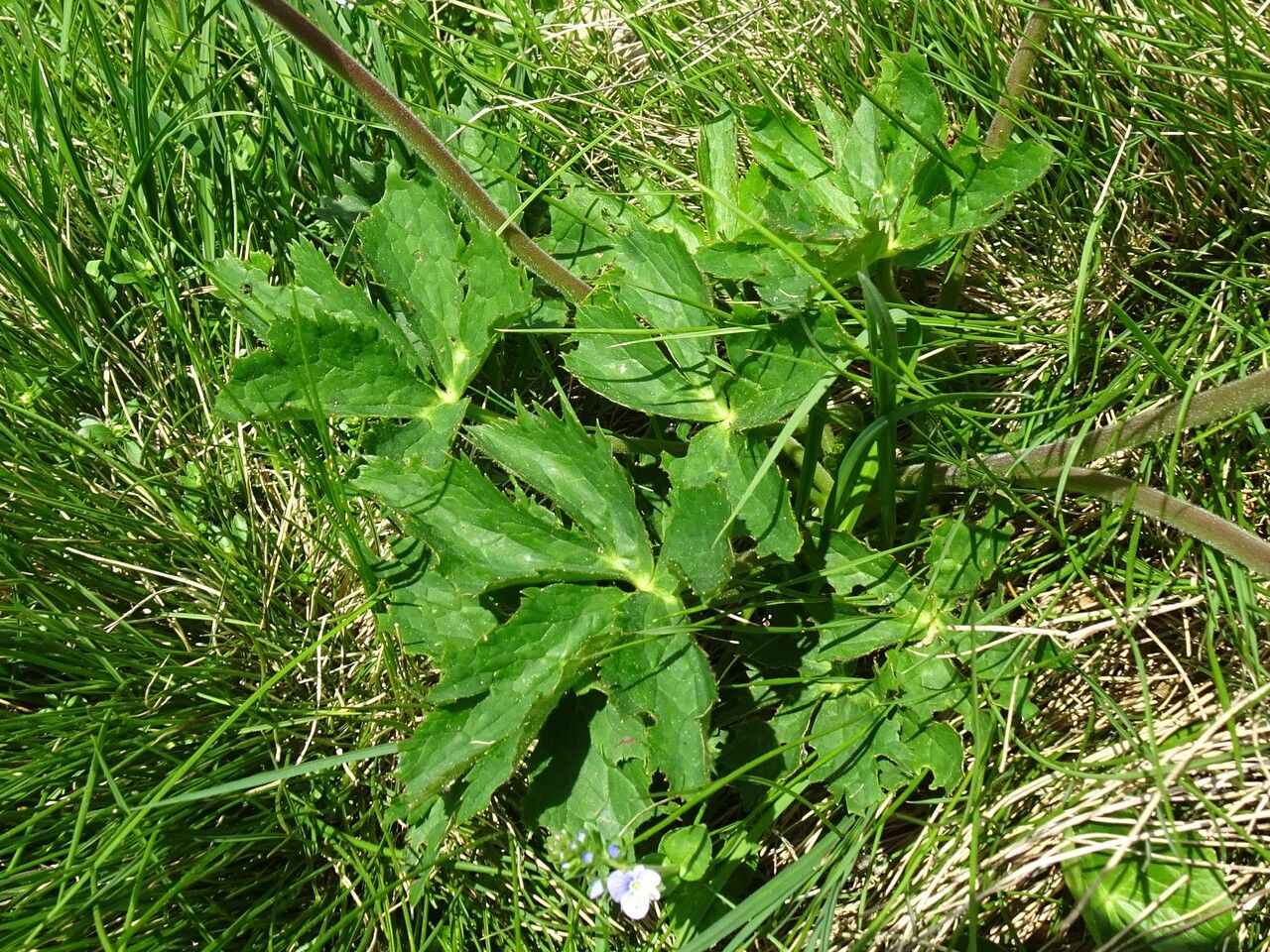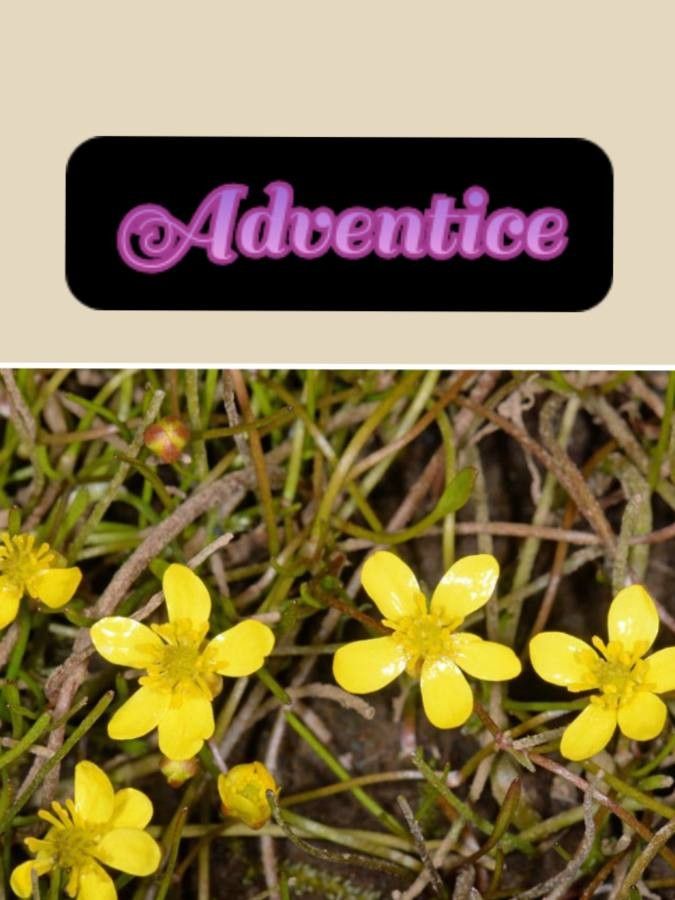
Ranunculus reptans is a species of flowering plant belonging to the family Ranunculaceae.Its native range is Subarctic and Temperate Northern Hemisphere.
Creeping spearwort is fairly resistant to disease and usually does not suffer many illnesses. However, it can be vulnerable to pests and diseases present in its environment. These outbreaks are typically not severe. Regarding care, the plant has moderate maintenance needs. It should be pruned regularly to preserve a neat appearance and support healthy growth. Fertilizing can also aid in encouraging blooms. Creeping spearwort is well suited for anyone with outdoor space, such as a garden or patio, and does not demand extensive plant-care experience. It may need more attention when kept indoors.
How to keep Ranunculus Reptans.
Light
Creeping spearwort is native to habitats like forest understories and rocky areas, where it grows in natural shade. It prefers partial sun but can tolerate full sun or full shade, showing its versatile and hardy nature.
Water
Creeping spearwort flourishes in moist environments, needing consistent moisture without becoming waterlogged. To keep this balance, water the plant weekly. When grown outdoors near streams, its strong root system efficiently absorbs water, making it well-suited for riparian landscapes.
Fertilizer
Generally, one application of fertilizer in spring is enough for Creeping spearwort, although feeding several times can maximize growth. Apply fertilizer every month to a month and a half. Fertilization improves the leaves' appearance and function, supporting even color and a healthy texture. It also encourages root development and nutrient uptake for the plant's long-term health.
Pruning
Creeping spearwort is a perennial plant that forms mats with its creeping stems and features yellow flowers. To encourage growth, remove damaged parts, and manage its spread, it's best to prune this plant from early to late spring. Be sure to use clean, sharp tools and avoid excessive cutting to preserve its natural growth habit.
Botanical profile.
- Plant Type
- Herb
- Life Cycle
- Perennial
- Genus
- Ranunculus
- Family
- Ranunculaceae
- Hardiness Zone
- 4-8
- Mature Height
- 2 cm to 6 cm
- Mature Spread
- 10 cm to 49 cm
- Leaf Color
- Light Green, Green
- Leaf Type
- Deciduous
- Flower Color
- Yellow
- Flower Size
- 0.51 cm to 1.27 cm
- Bloom Time
- Late spring, Early summer, Mid summer
- Planting Time
- Spring, Summer, Autumn
- Harvest Time
- Mid summer, Late summer, Early fall
- Native Area
- Sweden, Austria, Slovakia, Montenegro, Poland, Belarus, China, Uzbekistan, Russia, Lithuania, Norway, Germany, Italy, Kazakhstan, Switzerland, Denmark, Iceland, Estonia, Japan, Mongolia, Finland, United Kingdom, Latvia, France
Other names.
Reader questions.
What are the sunlight requirements for Creeping spearwort (Ranunculus reptans)?
Creeping spearwort (Ranunculus reptans) requires a location that provides full sun, which means the plant should receive above 6 hours of sunlight daily. It's important to observe how sunlight moves through your garden throughout the day to find spots that offer the right balance of light and shade. This ensures the plants thrive by getting an adequate amount of sunlight without being exposed to too much or too little.
What is Creeping spearwort?
Creeping spearwort is known botanically as Ranunculus reptans. However, the provided information does not include details on its essentials or symptoms associated with it.