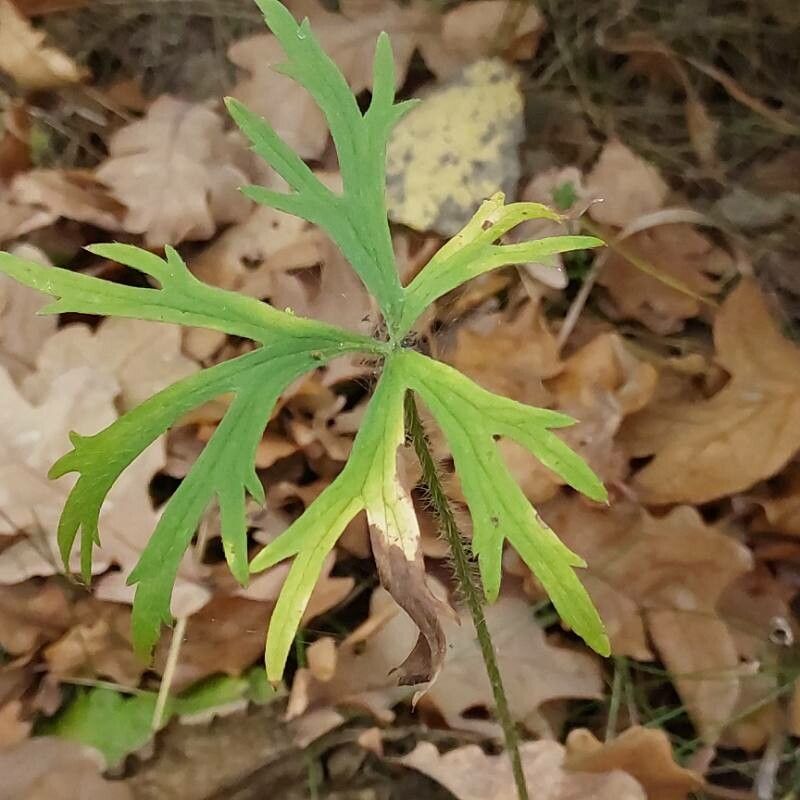
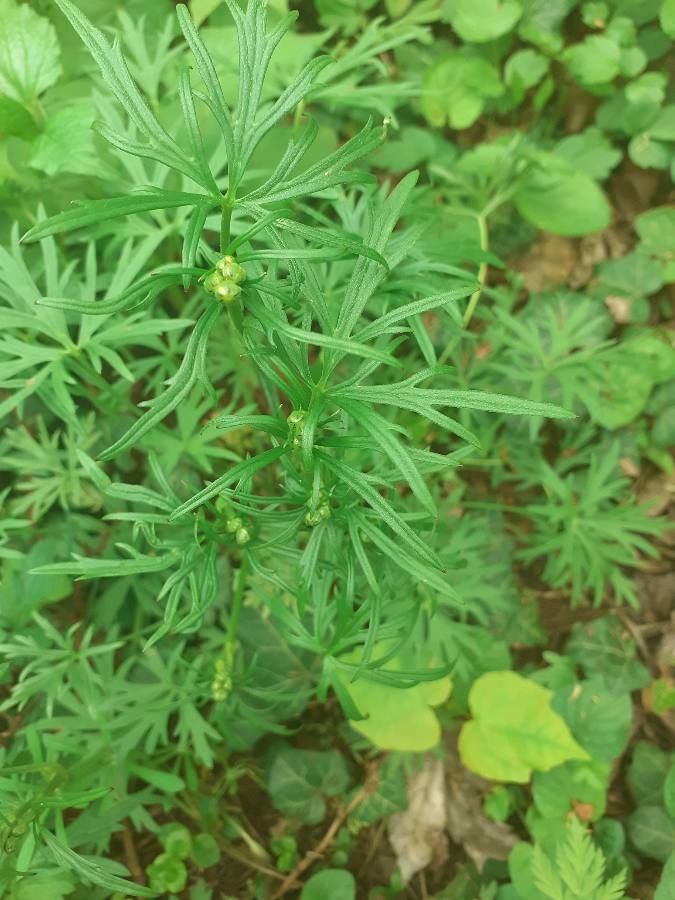
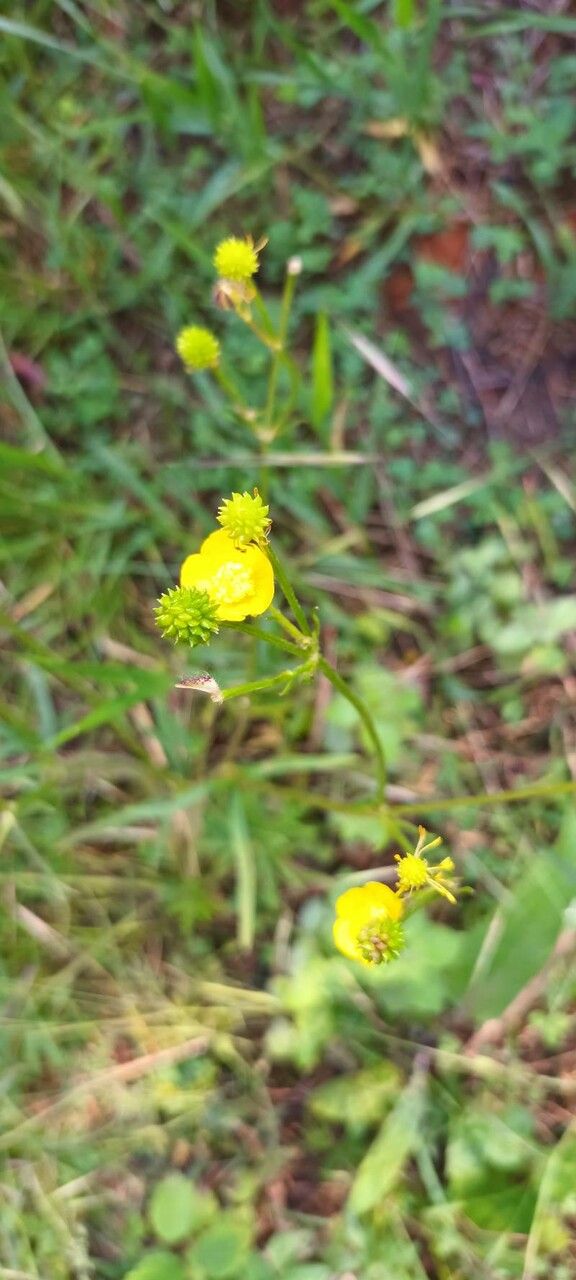
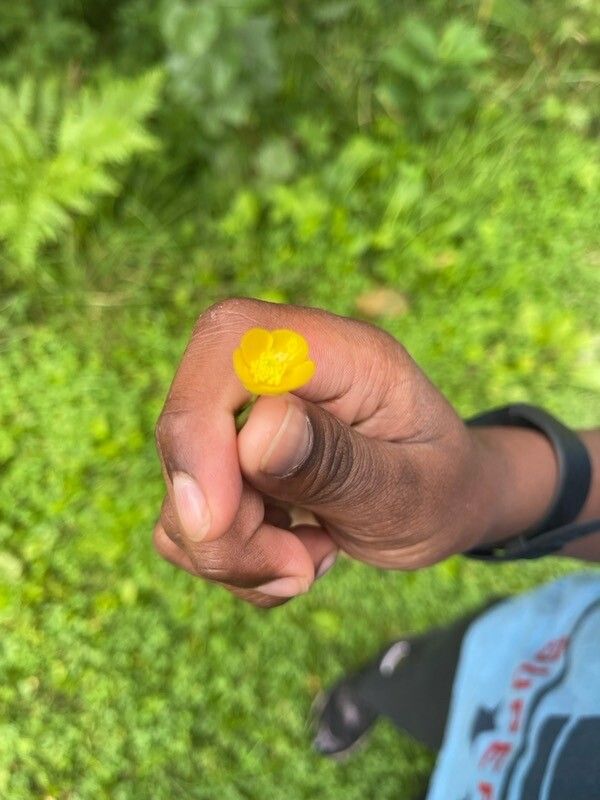
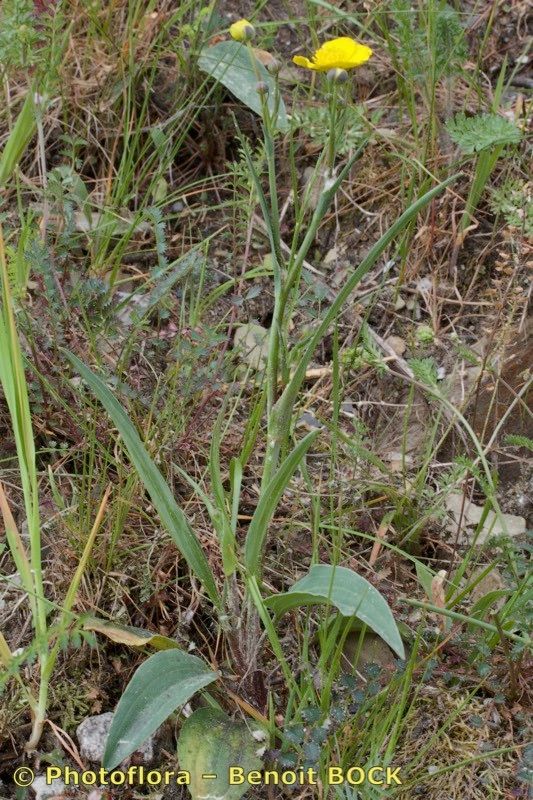
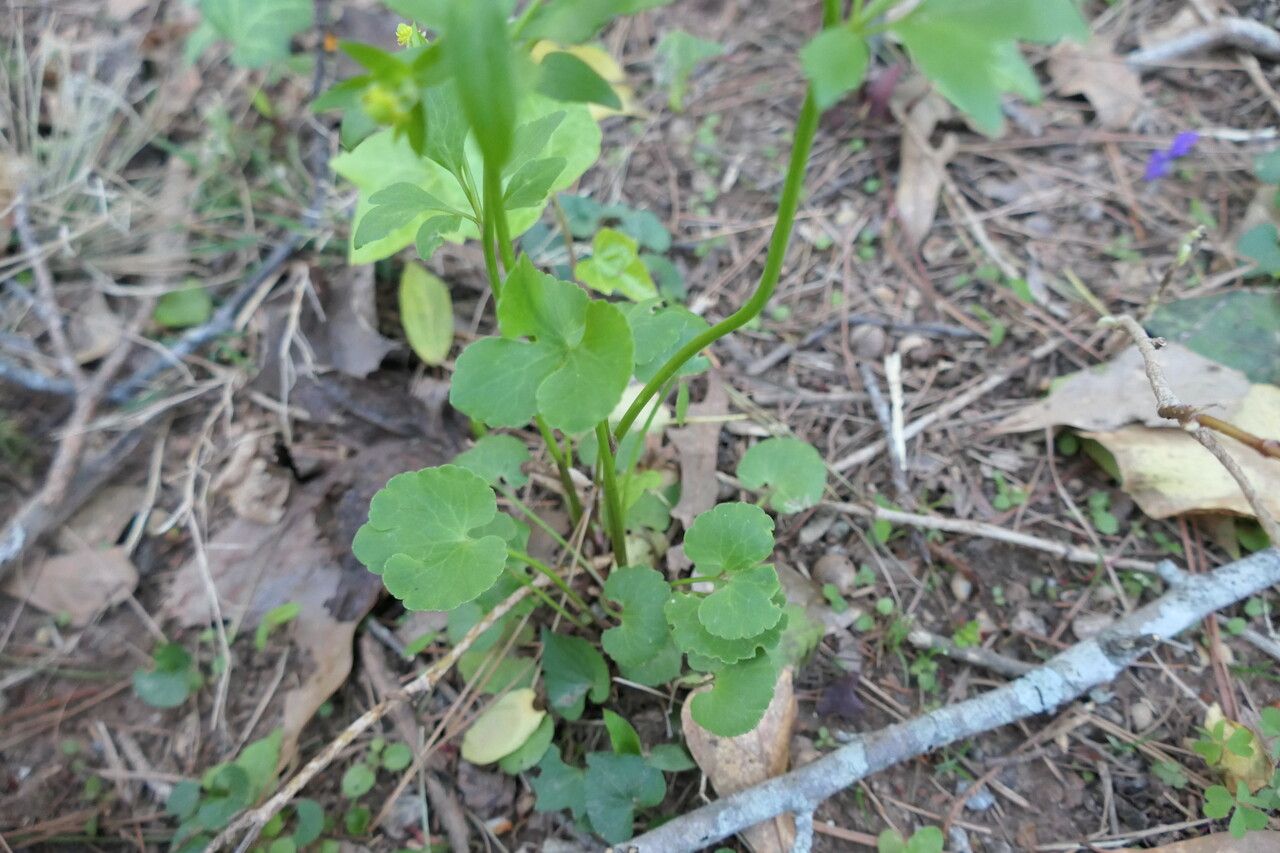
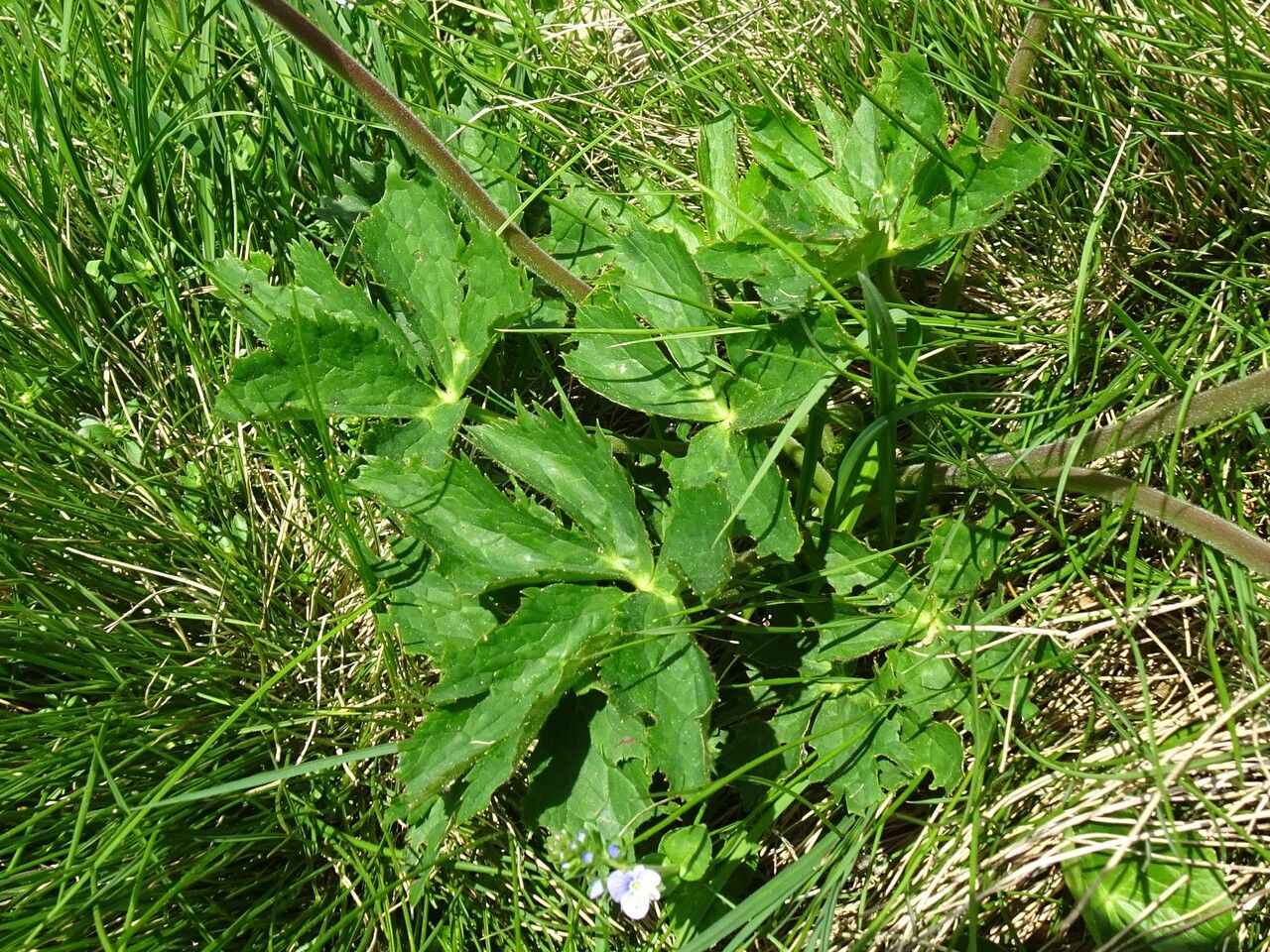
Ranunculus polyanthemos is a species of flowering plant belonging to the family Ranunculaceae.Its native range is Europe to Russian Far East and Iran.
The multi-flowered buttercup is fairly resistant to disease and typically does not suffer from many illnesses. Still, it can be affected by pests and diseases found in its environment, though such problems are generally mild. Regarding care, this plant needs moderate maintenance. It should be pruned on a regular basis to preserve its appearance and encourage healthy growth. Applying fertilizer can also boost flowering. The multi-flowered buttercup is well suited for anyone with outdoor areas like a garden or patio and does not demand extensive gardening experience. It may, however, need more attention when kept indoors.
How to keep Ranunculus Polyanthemos.
Light
The multi-flowered buttercup is a perennial herbaceous plant that enjoys sunshine, and it has its roots in open environments, frequently flourishing in meadows and grasslands. While it has a preference for full sunlight, it can also withstand areas with only partial sun.
Water
The multi-flowered buttercup flourishes in moist environments, needing weekly watering to stay healthy. Indoors, it thrives in high humidity, which encourages lush growth and vibrant blooms during its growing season. While it can handle occasional dry spells, maintaining consistent moisture is ideal for mimicking its natural habitat.
Temperature
The Multi-flowered buttercup has the capacity to adjust to various temperature climates, nevertheless, its habitation might be constrained by diverse mixes of heat and water circumstances. It flourishes optimally in hot climates during summer, provided there is sufficient rainfall or watering. Extended occurrences of overcast and wet conditions, together with sustained high temperatures, can heighten the chances of the Multi-flowered buttercup perishing. During winter, safeguarding it against cold can enhance the probability of the plant's survival.
Fertilizer
The primary period to fertilize Multi-flowered buttercup is early spring, during the formation of flowers. Using the correct fertilizer promotes superior blooms and assists Multi-flowered buttercup in generating beautiful flowers. Providing fertilizer in early spring guarantees outstanding flowers throughout the season and supplies the necessary energy for dormant growth stages.
Pruning
The multi-flowered buttercup is a perennial that flourishes in meadows, showcasing vibrant blooms. To encourage growth and flowering, prune it from early to late spring, removing dead stems and excess growth to maintain its shape and vigor. Regularly deadhead faded flowers to prolong the blooming period and support healthy development.
Botanical profile.
- Plant Type
- Herb
- Life Cycle
- Perennial
- Genus
- Ranunculus
- Family
- Ranunculaceae
- Hardiness Zone
- 4-8
- Mature Height
- 20 cm to 76 cm
- Mature Spread
- 20 cm to 40 cm
- Leaf Color
- Green, Dark Green
- Leaf Type
- Semi-evergreen
- Flower Color
- Yellow, Gold
- Flower Size
- 2.03 cm to 3.05 cm
- Bloom Time
- Mid spring, Late spring, Early summer
- Planting Time
- Spring
- Harvest Time
- Summer
Other names.
Reader questions.
What are the sun requirements for the Multi-flowered buttercup?
The Multi-flowered buttercup (Ranunculus polyanthemos) thrives in full sun, requiring above 6 hours of sunlight daily. It's important to observe the way sunlight moves through your garden to find the ideal spots that offer a perfect balance of light and shade, ensuring the best growth and happiness of your plants.
What is the Multi-flowered buttercup?
The Multi-flowered buttercup, scientifically known as Ranunculus polyanthemos, is a species within the genus Ranunculus. Unfortunately, specific information about its essential characteristics, symptoms of interest, or additional details were not provided.